Research Articles
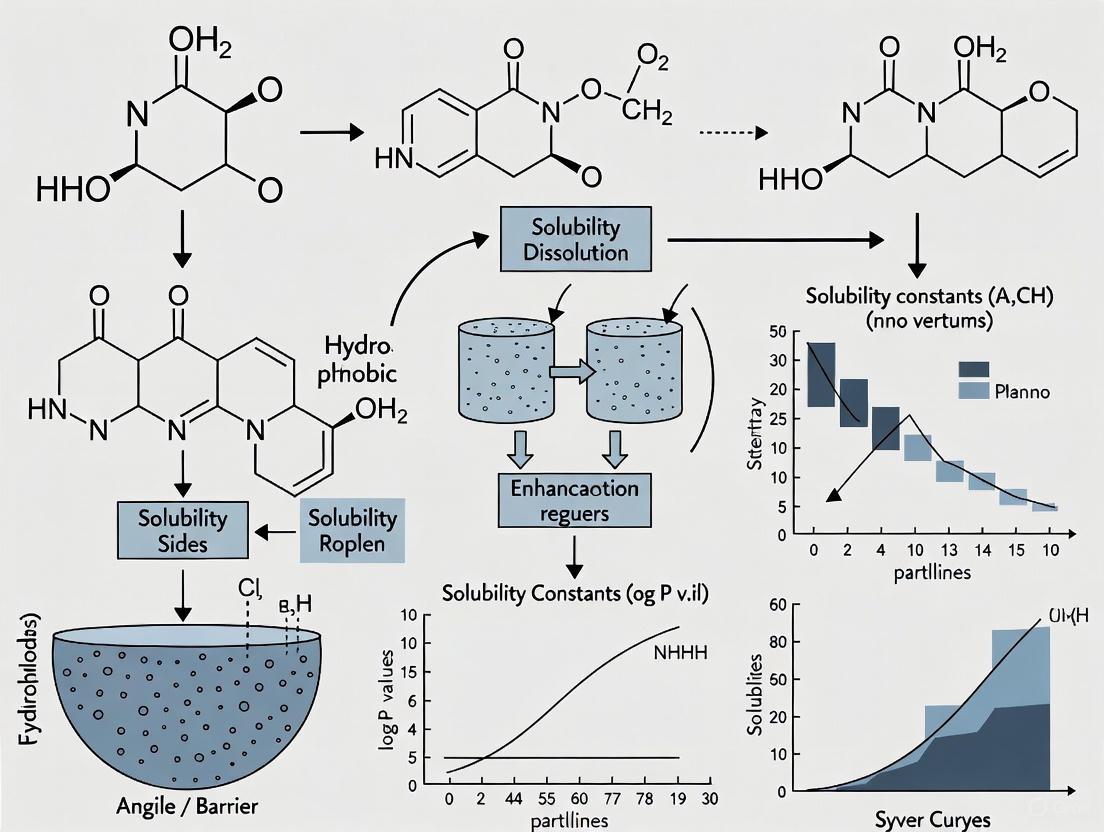
Overcoming Solubility Challenges in Lipophilic Compounds: Strategies for Enhanced Bioavailability in Drug Development
This article provides a comprehensive analysis of the strategies and technologies employed to overcome solubility challenges in lipophilic compounds, a critical hurdle affecting nearly 90% of drug candidates.
Strategic Lipophilicity Optimization for Half-Life Extension in Therapeutic Development
This article provides a comprehensive guide for researchers and drug development professionals on leveraging lipophilicity to extend the half-life of therapeutic compounds.
PAMPA Permeability Screening: A Complete Guide for Drug Development
This article provides a comprehensive overview of the Parallel Artificial Membrane Permeability Assay (PAMPA), a critical high-throughput tool for predicting passive drug absorption in early-stage development.
Overcoming Data Scarcity: Advanced Strategies for Accurate logD Prediction in Drug Discovery
Accurate prediction of the distribution coefficient (logD) is crucial for optimizing the pharmacokinetic and safety profiles of drug candidates, yet models are often hampered by limited experimental data.

Multitask Learning for logD Prediction: Enhancing Accuracy in Drug Discovery
Accurate prediction of lipophilicity, measured as logD at physiological pH 7.4, is crucial for optimizing the pharmacokinetic and safety profiles of drug candidates.
Block Relevance (BR) Analysis: A Practical Guide to Lipophilicity Assessment in Drug Discovery
Block Relevance (BR) analysis is a computational tool designed to deconvolute the balance of intermolecular interactions governing partitioning and retention phenomena, making the interpretation of lipophilicity more accessible for medicinal...
Microscale Shake-Flask Method for Partition Coefficients: A Modern Guide for Drug Development
This article provides a comprehensive guide to the microscale shake-flask method for determining partition coefficients (log P/log D), a critical physicochemical property in drug discovery.
Chromatographic Retention Time as a Powerful Tool for Lipophilicity Measurement in Drug Discovery
This article provides a comprehensive overview of using chromatographic retention time for lipophilicity determination, a critical parameter in drug discovery.
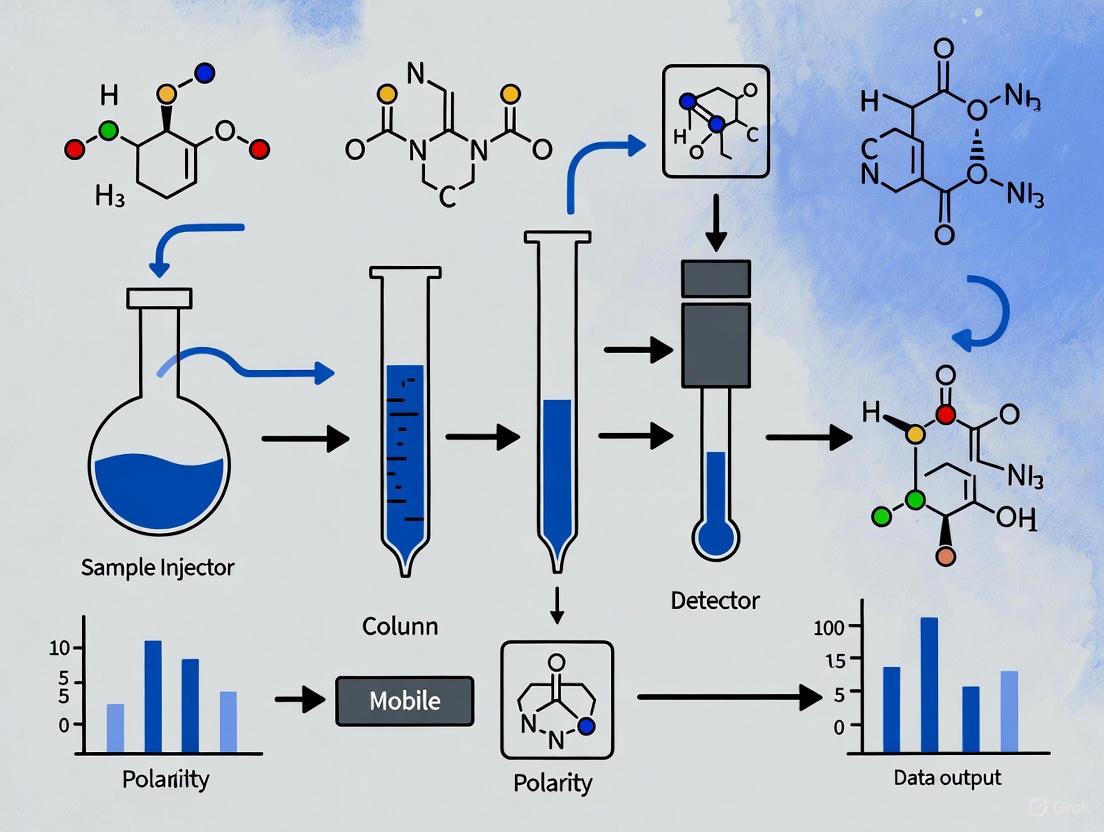
Lipophilicity Assessment by Liquid Chromatography: Advanced Methods for Drug Discovery and ADME Profiling
This article provides a comprehensive overview of liquid chromatography (LC) techniques for lipophilicity assessment, a critical parameter in drug discovery and development.
In Silico logP Prediction: A Comprehensive 2024 Comparison of Methods, Tools, and Best Practices
This article provides a comprehensive analysis of in silico logP prediction methods, a critical parameter in drug discovery for optimizing pharmacokinetic profiles.