Transformative AI: A Complete Guide to De Novo Drug Design
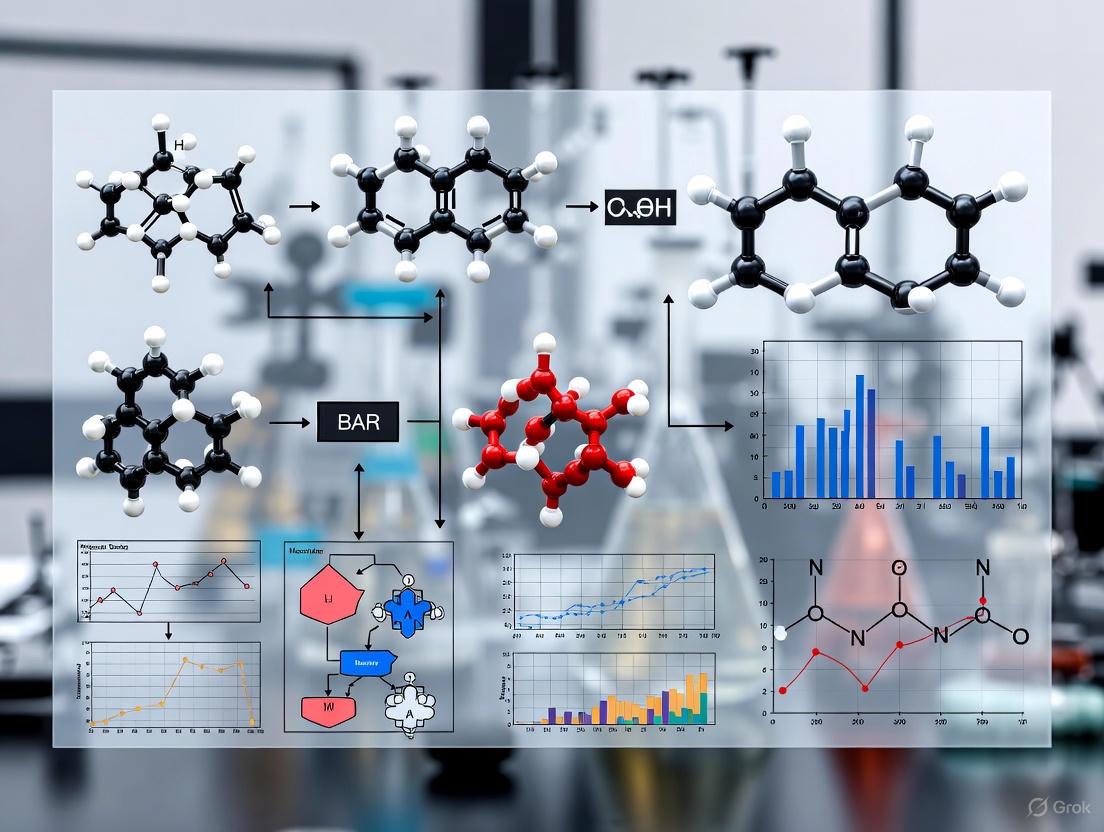
This article provides a comprehensive exploration of artificial intelligence's revolutionary role in de novo drug design for researchers, scientists, and drug development professionals.
Transformative AI: A Complete Guide to De Novo Drug Design
Abstract
This article provides a comprehensive exploration of artificial intelligence's revolutionary role in de novo drug design for researchers, scientists, and drug development professionals. It covers foundational AI concepts, explores key methodologies like generative models and structure prediction, addresses critical challenges in data quality and model interpretability, and validates the technology's impact through clinical success rates and economic analyses. The content synthesizes the current state of AI-driven drug discovery, from conceptual frameworks to real-world applications and future regulatory landscapes, offering a holistic view for professionals navigating this rapidly evolving field.
The New Frontier: Understanding AI's Foundation in De Novo Drug Design
De Novo Drug Design in the AI Era represents a paradigm shift in pharmaceutical discovery, transitioning from traditional methods reliant on modifying known structures to computationally generating novel molecular entities from scratch. De novo drug design is a computational approach that generates novel molecular structures from atomic building blocks with no a priori relationships [1]. Unlike conventional discovery processes built upon known compound libraries, de novo methodologies create molecules on demand based on predefined biological targets and desired pharmacological properties [2].
The integration of artificial intelligence has fundamentally transformed this field, enabling researchers to explore chemical spaces far beyond the reach of traditional approaches. AI-driven generative models do not merely scan existing molecular databases but begin with target specifications to explore completely new chemical concepts that have never existed before [2]. This capability is particularly valuable for addressing challenging target classes with limited prior art, scaffold hopping to circumvent intellectual property constraints, and generating structurally diverse candidates during early lead generation phases [2].
Fundamental Concepts and Methodologies
Core Approaches in De Novo Drug Design
Contemporary de novo drug design employs two principal methodologies, each with distinct applications and advantages:
Structure-Based Design: This approach requires three-dimensional structural information of the biological target, typically obtained through X-ray crystallography, NMR, or electron microscopy [1]. The process begins with defining the active site of the receptor and analyzing its shape constraints and interaction patterns (hydrogen bonds, electrostatic, and hydrophobic interactions) [1]. Algorithms then generate molecules that complement these structural features, with evaluation conducted through scoring functions that calculate binding free energies [1].
Ligand-Based Design: When three-dimensional target structures are unavailable, this methodology utilizes known active binders to develop pharmacophore models or quantitative structure-activity relationship (QSAR) models [1]. These models capture essential structural and chemical features responsible for biological activity, enabling the generation of novel compounds with similar or improved properties [1].
Molecular Sampling Strategies
The generation of candidate structures employs two primary sampling techniques:
Atom-Based Sampling: An initial atom is randomly placed as a seed to construct the molecule atom by atom [1]. This method explores a vast chemical space but generates numerous structures requiring rigorous filtering [1].
Fragment-Based Sampling: Pre-defined molecular fragments are assembled into complete structures [1]. This approach narrows the chemical search space while maintaining diversity and typically yields compounds with better synthetic accessibility and drug-like properties [1].
Table 1: Key Methodologies in AI-Driven De Novo Drug Design
| Methodology | Data Requirements | Key Advantages | Common Algorithms |
|---|---|---|---|
| Structure-Based | 3D protein structure | Direct targeting of binding sites; Rational design | Molecular docking; Free energy calculations |
| Ligand-Based | Known active compounds | Applicable when target structure unknown; Leverages existing SAR | Pharmacophore modeling; QSAR |
| Generative AI | Large chemical/biological datasets | Creates novel scaffolds; Explores vast chemical space | VAEs, GANs, Transformers, Reinforcement Learning |
AI Technologies Powering De Novo Design
Generative Model Architectures
Several specialized AI architectures have been developed to address the unique challenges of molecular generation:
Variational Autoencoders (VAEs): These models encode molecules into a latent space representation and decode new structures from this compressed form [2]. VAEs efficiently generate valid chemical structures but may lack fine-grained control over molecular properties [2].
Generative Adversarial Networks (GANs): Employing two competing neural networks—a generator that creates molecules and a discriminator that evaluates them—GANs engage in an adversarial process that can yield highly novel structures, though chemical validity may sometimes be challenging [2].
Reinforcement Learning (RL): This approach frames molecular generation as a sequential decision process where the model receives rewards for optimizing toward specific objectives such as binding affinity, solubility, or selectivity [2]. RL is particularly effective when target parameters are well-defined [2].
Transformer-Based Models: Inspired by natural language processing, these models treat molecular representations (such as SMILES strings) as sequences and generate new structures based on learned chemical "grammar" [2]. Transformers are highly adaptable and capable of learning complex chemical patterns at scale [2].
Advanced Integrated Frameworks
Recent research has produced sophisticated frameworks that combine multiple AI approaches. The DRAGONFLY (Drug-target interActome-based GeneratiON oF noveL biologicallY active molecules) platform exemplifies this integration, combining graph neural networks with chemical language models to leverage drug-target interactome information [3]. This system uniquely processes both ligand templates and 3D protein binding site information without requiring application-specific reinforcement learning or transfer learning [3].
The DRAGONFLY architecture employs a graph-to-sequence deep learning model that combines graph transformer neural networks with long-short term memory networks, enabling both ligand-based and structure-based molecular design while considering synthesizability, novelty, bioactivity, and physicochemical properties [3].
Diagram 1: DRAGONFLY Architecture for De Novo Design. This integrated framework combines graph neural networks with chemical language models for both ligand-based and structure-based molecular generation.
Leading AI Platforms and Clinical Applications
Industry Implementation and Clinical Progress
Several companies have established robust AI-driven platforms that have advanced candidates to clinical trials, demonstrating the tangible impact of this technology:
Exscientia: This pioneer developed an end-to-end platform that integrates AI at every stage from target selection to lead optimization [4]. Their "Centaur Chemist" approach combines algorithmic creativity with human expertise to compress design-make-test-learn cycles [4]. Notably, Exscientia achieved the first AI-designed drug (DSP-1181 for obsessive-compulsive disorder) to enter Phase I trials and reported developing clinical candidates with approximately 70% faster timelines and 10-fold fewer synthesized compounds than industry standards [4].
Insilico Medicine: Leveraging generative AI, this company advanced an idiopathic pulmonary fibrosis drug from target discovery to Phase I trials in just 18 months, significantly faster than traditional timelines [4]. In April 2025, Rentosertib became the first drug with both target and compound discovered using generative AI to receive an official name from the United States Adopted Names Council [5].
Schrödinger: Their De Novo Design Workflow employs a fully-integrated, cloud-based system for ultra-large scale chemical space exploration, combining compound enumeration strategies with advanced filtering and rigorous potency scoring using free energy calculations [6]. This platform dramatically improves the synthetic tractability of identified molecules and enables efficient evaluation of billions of virtual compounds [6].
Table 2: Clinical-Stage AI-Generated Drug Candidates
| Company/Platform | Therapeutic Area | Candidate | AI Application | Development Stage |
|---|---|---|---|---|
| Exscientia | Oncology | GTAEXS-617 (CDK7 inhibitor) | Generative chemistry | Phase I/II trials |
| Exscientia | Psychiatric disorders | DSP-1181 | Algorithmic design | Phase I (first AI-designed drug) |
| Insilico Medicine | Idiopathic Pulmonary Fibrosis | Undisclosed | Target and compound generation | Phase I (18-month discovery) |
| Insilico Medicine | Oncology | Rentosertib | Target and compound generation | USAN-named (2025) |
| BenevolentAI | COVID-19 | Baricitinib repurposing | Knowledge-graph driven | Emergency use authorization |
Experimental Protocols and Workflows
Comprehensive De Novo Design Protocol
This section details a standardized protocol for AI-driven de novo drug design, synthesizing methodologies from successful implementations:
Phase 1: Target Specification and Compound Generation
Target Profile Definition: Establish clear objectives including potency thresholds, selectivity requirements, ADMET properties, and physicochemical parameters [2] [6]. For structure-based approaches, prepare the target protein structure through crystal structure resolution or homology modeling [1].
Chemical Space Exploration: Deploy generative AI models (VAEs, GANs, or Transformers) to explore relevant chemical space [2]. The DRAGONFLY platform exemplifies this process by utilizing interactome-based deep learning to generate structures based on either ligand templates or protein binding sites [3].
Initial Compound Generation: Execute the AI model to produce an initial library of virtual compounds. Studies indicate that effective exploration may involve evaluating billions of project-relevant virtual molecules [6].
Phase 2: Multi-Parameter Optimization and Selection
Property Filtering Cascade: Implement successive filtering rounds to eliminate suboptimal candidates based on:
Potency Optimization: Employ advanced computational methods to predict and enhance target binding:
- Utilize free energy perturbation (FEP+) calculations for accurate binding affinity predictions
- Apply machine learning models trained on project-specific FEP+ data to prioritize candidates [6]
- For the DRAGONFLY platform, kernel ridge regression models with ECFP4, CATS, and USRCAT descriptors achieved mean absolute errors ≤0.6 for pIC50 predictions across numerous targets [3]
Synthetic Feasibility Assessment: Conduct retrosynthetic analysis to evaluate synthetic accessibility, prioritizing compounds with feasible synthesis pathways [2] [3]. The RAScore metric provides a quantitative measure of synthetic feasibility [3].
Diagram 2: De Novo Drug Design Workflow. This end-to-end process illustrates the sequential stages from target identification through experimental validation of AI-designed compounds.
Validation and Experimental Characterization
Upon selection of top computational candidates, proceed to experimental verification:
Chemical Synthesis: Execute synthesis of prioritized compounds, focusing initially on a diverse subset of 10-50 structures [2]. Companies like Exscientia have demonstrated the ability to identify clinical candidates after synthesizing only 100-200 compounds, significantly fewer than conventional approaches [4].
In Vitro Biochemical Characterization:
- Determine binding affinity (IC50/Kd values) through assays such as fluorescence polarization, surface plasmon resonance, or thermal shift assays
- Assess functional activity in cell-based assays relevant to the target biology
- Evaluate selectivity against related targets and early safety endpoints [3]
Structural Validation: For confirmed hits, pursue structural biology approaches (X-ray crystallography or cryo-EM) to verify predicted binding modes. Successful examples include the determination of crystal structures for AI-designed PPARγ partial agonists, which confirmed the anticipated binding mode [3].
The Scientist's Toolkit: Essential Research Reagents and Platforms
Successful implementation of AI-driven de novo design requires access to specialized computational resources and experimental tools:
Table 3: Essential Research Reagents and Platforms for AI-Driven De Novo Design
| Resource Category | Specific Tools/Platforms | Key Function | Application Example |
|---|---|---|---|
| Generative AI Platforms | Exscientia Centaur Chemist; Insilico Medicine Generative Platform; Schrödinger De Novo Design Workflow | Novel compound generation with optimized properties | Exscientia's generative design of clinical candidates [4] |
| Structure-Based Design Tools | Molecular docking software; Free energy perturbation (FEP+) calculations; Graph Neural Networks | Predicting ligand-target interactions and binding affinities | Schrödinger's FEP+ for accurate potency prediction [6] |
| Chemical Databases | ChEMBL; PubChem; ZINC; Proprietary corporate libraries | Training data for AI models; Validation of novelty | DRAGONFLY interactome with ~500,000 bioactivities [3] |
| Synthetic Feasibility Assessors | RAScore; Retrosynthesis planning algorithms | Evaluating synthetic accessibility of generated structures | Prioritizing compounds with feasible synthesis pathways [3] |
| ADMET Prediction Tools | QSAR models; Physiologically-based pharmacokinetic modeling | Predicting absorption, distribution, metabolism, excretion, and toxicity | Early elimination of compounds with unfavorable profiles [2] |
The integration of artificial intelligence with de novo drug design has fundamentally transformed the pharmaceutical discovery landscape, enabling the generation of novel therapeutic candidates with unprecedented efficiency. The methodologies, platforms, and protocols outlined in this document provide a framework for researchers to leverage these advanced technologies in their drug discovery efforts. As AI capabilities continue to evolve and integrate more deeply with experimental validation, the pace and success of drug discovery are poised for further acceleration, potentially delivering innovative medicines to patients faster than ever before.
The process of discovering and developing new therapeutics is characterized by immense costs, extended timelines, and high failure rates, with an estimated 90% of drug candidates failing during clinical development [7]. The traditional drug discovery pipeline often requires over a decade and costs exceeding $2 billion to bring a single drug to market [8]. This inefficiency represents a critical imperative for the pharmaceutical industry to adopt innovative technologies that can mitigate attrition and accelerate the delivery of new medicines to patients.
Artificial intelligence (AI), particularly machine learning (ML) and deep learning (DL), has emerged as a transformative force in addressing these challenges. AI-driven approaches are now capable of compressing discovery timelines from years to months and significantly reducing costs by improving the selection and optimization of drug candidates [4] [8]. This application note explores the integration of AI, with a focus on de novo drug design, into modern drug discovery workflows, providing detailed protocols and analytical frameworks for research scientists and development professionals.
Application Note: AI-Driven De Novo Drug Design
AI in Target Identification and Validation
The initial stage of drug discovery involves identifying and validating biological targets (e.g., proteins, genes) that can be modulated to alter disease progression. AI algorithms, particularly ML and natural language processing (NLP), can integrate multi-omics data (genomics, transcriptomics, proteomics) and vast biomedical literature to uncover novel therapeutic targets with higher efficiency and precision than traditional methods [9] [7].
Quantitative Impact: AI-enabled target identification can reduce the traditional multi-year process to a matter of months. Companies like BenevolentAI have successfully used their platforms to predict novel targets in complex diseases like glioblastoma by integrating transcriptomic and clinical data [7].
Table 1: AI Applications in Early-Stage Drug Discovery
| Discovery Phase | Traditional Approach | AI-Enhanced Approach | Reported Improvement |
|---|---|---|---|
| Target Identification | Literature review, genetic studies, pathway analyses | Multi-omics data integration, knowledge-graph analysis | Process reduced from years to months [8] |
| Hit Identification | High-Throughput Screening (HTS) | Virtual screening, generative AI molecule design | 50-fold enrichment in hit rates [10] |
| Lead Optimization | Iterative synthesis & testing | Predictive ADMET, in silico potency/selectivity optimization | 70% faster design cycles; 10x fewer compounds synthesized [4] |
Generative AI for De Novo Molecular Design
De novo drug design refers to the computational generation of novel molecular structures tailored to specific constraints without a pre-existing starting template [1]. The advent of generative AI algorithms (e.g., variational autoencoders, generative adversarial networks, reinforcement learning) has revitalized this field, enabling the rapid and semi-automatic design of drug-like molecules [9].
Key Strategies:
- Scaffold Hopping & Decoration: AI modifies a molecule's core structure or adds functional groups to enhance activity while maintaining similar binding mechanisms [9].
- Fragment-Based Design: AI assembles novel compounds from small, validated fragment molecules using strategies like fragment linking or growing [9].
- Chemical Space Sampling: AI selects a diverse subset of molecules from a vast chemical space (estimated at 10^33 drug-like molecules) to maximize discovery potential while considering synthesizability [9].
Experimental Validation: The maturity of generative drug design is demonstrated by several AI-designed molecules reaching clinical trials. For instance, Insilico Medicine's AI-generated candidate for idiopathic pulmonary fibrosis (IPF) progressed from target discovery to Phase I trials in approximately 18 months, a fraction of the typical 3-6 years [4] [7].
Diagram 1: Generative AI de novo design workflow.
Predictive AI for Optimization and Toxicity Screening
Beyond generating novel structures, AI plays a crucial role in predicting the efficacy, toxicity, and pharmacokinetic properties (ADMET: Absorption, Distribution, Metabolism, Excretion, and Toxicity) of potential drug compounds. ML models trained on large datasets of known compounds and their biological activities can forecast off-target interactions and adverse effects early in the discovery process, thereby reducing the risk of late-stage failures [11] [1].
Quantitative Impact: AI-designed drugs have demonstrated significantly improved success rates in early clinical trials. Data from AI-driven pipelines show 80-90% success rates in Phase I trials, a substantial improvement over the traditional 40-65% success rate [8]. This improvement is largely attributed to better candidate selection and optimized properties prior to clinical entry.
Table 2: AI-Driven Predictive Modeling in Drug Discovery
| Prediction Category | AI Methodology | Application in Workflow | Impact |
|---|---|---|---|
| Binding Affinity/Potency | Structure-Aware AI, Graph Neural Networks | Hit Triage, Lead Optimization | Reduces reliance on physical HTS; enables ultra-fast virtual docking [12] |
| ADMET Properties | Deep Learning on chemical libraries | Candidate Prioritization | Identifies compounds with poor pharmacokinetics early, reducing attrition [11] [1] |
| Toxicity & Off-Target Effects | Machine Learning classifiers | Early Safety Screening | Predicts organ-specific toxicity and drug-drug interactions [11] |
| Synthetic Accessibility | Reinforcement Learning, Retrosynthesis AI | Compound Selection | Prioritizes molecules that are feasible to synthesize, saving time/cost [9] |
Experimental Protocols
Protocol: Structure-Aware AI for Binding Affinity Prediction
This protocol utilizes a structure-aware AI model trained on protein-ligand complexes to predict binding affinity (e.g., IC₅₀), a key metric of drug potency.
Principle: AI models, particularly deep learning networks, can learn the complex relationships between the 3D structural features of a protein-ligand complex and its experimentally measured binding affinity. This allows for the rapid in silico assessment of compound potency before synthesis [12].
Materials:
- Hardware: Workstation with a high-performance GPU (e.g., NVIDIA A100/V100).
- Software: Python (>=3.8), PyTorch/TensorFlow, RDKit, Open Babel.
- Data: The SAIR (Structurally Augmented IC50 Repository) dataset or similar, containing protein-ligand structures paired with experimental IC₅₀ values [12].
Procedure:
- Data Preprocessing:
- Download and curate the SAIR dataset or a proprietary dataset of protein-ligand complexes.
- Standardize molecular structures (proteins and ligands) using RDKit/Open Babel. Convert structures into a suitable numerical representation (e.g., molecular graphs, voxel grids, or pre-computed interaction fingerprints).
- Split the data into training (80%), validation (10%), and test (10%) sets.
Model Training:
- Implement a deep graph neural network (GNN) or a 3D convolutional neural network (CNN) architecture.
- Train the model to minimize the error between predicted and experimental pIC₅₀ values (negative log of IC₅₀) using the training set.
- Monitor performance on the validation set to prevent overfitting and adjust hyperparameters accordingly.
Model Validation & Benchmarking:
- Evaluate the final model on the held-out test set.
- Benchmark performance using standard metrics: Root Mean Square Error (RMSE), Pearson's R, and Mean Absolute Error (MAE). Compare results against established baselines (e.g., docking scores).
Deployment for Prediction:
- Use the trained model to predict the binding affinity of novel, AI-generated compounds against the target of interest.
- Prioritize compounds with predicted high potency (low IC₅₀) for further experimental validation.
Protocol: Active Learning (AL) in the Design-Make-Test-Analyze (DMTA) Cycle
This protocol integrates generative AI with Active Learning to create a closed-loop, iterative optimization system for lead compounds.
Principle: Active Learning uses the generative AI model not just to propose new molecules, but to strategically select the most informative compounds for synthesis and testing, thereby maximizing learning from each costly experimental cycle [9].
Materials:
- Generative Model: Pre-trained generative AI (e.g., REINVENT, Molecular Transformer).
- Predictive Models: ADMET and potency predictors (see Protocol 3.1).
- Automation: Robotic synthesis and high-throughput screening infrastructure.
Procedure:
- Initialization:
- Start with a small seed set of molecules with known activity and properties.
- Use the generative model to create an initial large library of virtual molecules.
Design Phase:
- Score the virtual library using the predictive models (potency, ADMET).
- Apply a multi-parameter optimization algorithm to select a diverse batch of candidates that balance high predicted performance and chemical exploration.
Make & Test Phases:
- Synthesize and test the selected batch of compounds (e.g., for binding affinity, cellular activity).
- This step is performed using automated laboratory systems (e.g., Exscientia's AutomationStudio) to enable rapid turnaround [4].
Analyze Phase & Model Retraining:
- Incorporate the new experimental results into the training dataset.
- Fine-tune or retrain the generative and predictive AI models on this expanded dataset.
- This feedback loop allows the AI to learn from experimental success and failure, improving its proposals in the next cycle.
Diagram 2: AI-integrated DMTA cycle with active learning.
The Scientist's Toolkit: Research Reagent Solutions
Table 3: Essential Computational Tools for AI-Driven De Novo Drug Design
| Tool / Resource Name | Type | Primary Function in Workflow | Key Features & Notes |
|---|---|---|---|
| SAIR Dataset [12] | Dataset | Model Training & Benchmarking | Open-source dataset of >5 million protein-ligand structures with experimental IC₅₀. Permissive license for commercial use. |
| AlphaFold Protein Structure Database [11] | Database | Target Identification & Validation | Provides highly accurate predicted 3D structures for proteins lacking experimental data, expanding the scope of structure-based design. |
| REINVENT [9] | Software | Generative Molecular Design | A popular open-source platform for de novo molecular design using reinforcement learning. |
| AutoDock Vina [10] | Software | Virtual Screening & Docking | Standard tool for predicting how small molecules bind to a protein target. Often used for initial screening or as a baseline for AI models. |
| CETSA (Cellular Thermal Shift Assay) [10] | Experimental Assay | Target Engagement Validation | Measures drug-target binding in intact cells, providing critical functional validation of AI predictions in a physiologically relevant context. |
| ChEMBL [1] | Database | Ligand-Based Design | A large-scale database of bioactive molecules with drug-like properties, essential for training ligand-based AI models. |
| RDKit | Software Cheminformatics | Cheminformatics | Open-source toolkit for cheminformatics and machine learning, used for molecule manipulation, descriptor calculation, and integration into AI pipelines. |
The integration of artificial intelligence (AI) into drug discovery represents a paradigm shift, addressing the traditionally lengthy, costly, and high-attrition nature of pharmaceutical development. AI encompasses a suite of technologies that enable machines to learn from data, identify patterns, and make decisions with minimal human intervention. Within this domain, machine learning (ML), deep learning (DL), and artificial neural networks (ANNs) have emerged as transformative tools. These technologies are particularly crucial for de novo drug design, which involves the autonomous generation of novel molecular structures from scratch, tailored to possess specific desired properties. By leveraging vast and complex biological and chemical datasets, these core AI technologies can significantly accelerate the identification and optimization of drug candidates, reduce reliance on serendipity, and improve the overall efficiency of the drug discovery pipeline [13] [14] [15].
The drug discovery process is notoriously resource-intensive, often requiring over 10–15 years and exceeding $2 billion in costs to bring a new drug to market. Furthermore, the success rate from phase I clinical trials to approval is remarkably low, recently estimated at just 6.2% [13] [16] [14]. This inefficiency has driven the pharmaceutical industry to adopt AI-based approaches. Machine learning provides a set of tools that improve discovery and decision-making for well-specified questions with abundant, high-quality data. Opportunities to apply ML and DL occur in all stages of drug discovery, including target validation, identification of prognostic biomarkers, analysis of digital pathology data, and the de novo design of novel therapeutic compounds [13] [15].
Machine Learning, Deep Learning & Neural Networks: A Technical Primer
Machine Learning Fundamentals
At its core, Machine Learning (ML) is the practice of using algorithms to parse data, learn from it, and then make a determination or prediction about new data. Unlike traditional software programming with a predefined set of instructions, ML algorithms are trained on large amounts of data, allowing them to learn how to perform a task autonomously [13]. ML approaches are best applied to problems with large amounts of data and numerous variables where a model relating them is not previously known [13].
ML techniques are broadly categorized into three types, each suited to different kinds of tasks in drug discovery:
- Supervised Learning: This method trains a model on known input and output data to predict future outputs for new inputs. It is widely used for classification (e.g., categorizing molecules as active or inactive) and regression (e.g., predicting binding affinity) tasks [13] [16].
- Unsupervised Learning: This technique identifies hidden patterns or intrinsic structures in input data without pre-labeled outcomes. It is used for exploratory purposes, such as clustering similar compounds or reducing the dimensionality of high-throughput screening data [13] [16].
- Reinforcement Learning: This paradigm employs a feedback mechanism where an agent learns to make decisions by performing actions in an environment to maximize a cumulative reward. It is particularly powerful in generative molecular design, where the model is rewarded for generating molecules with desired properties [17] [16].
A critical aspect of building a good ML model is ensuring it generalizes well from training data to unseen test data. Challenges like overfitting (where the model learns noise and unusual features from the training data, harming its performance on new data) and underfitting (where the model is too simple to capture the underlying trend) must be managed through techniques like resampling, validation datasets, and regularization [13].
Deep Learning and Neural Network Architectures
Deep Learning (DL) is a subfield of machine learning that utilizes sophisticated, multi-level deep neural networks (DNNs) to create systems that can perform feature detection from massive amounts of labeled or unlabeled training data [13] [16]. The "deep" in deep learning refers to the number of hidden layers in the network, which allows these models to automatically learn hierarchical representations of data, from simple to complex features. This capability is a significant advancement over traditional machine learning, which often requires manual feature engineering [16].
DL has seen explosive growth due to the wide availability of powerful computer hardware like Graphics Processing Units (GPUs) and the accumulation of large-scale datasets [13] [16]. Several deep neural network architectures have been developed, each with distinct advantages for specific data types and problems in drug discovery [13]:
- Deep Convolutional Neural Networks (CNNs): These networks use layers with local connectivity, making them exceptionally powerful for processing data with a grid-like topology. In drug discovery, CNNs are applied to image analysis (e.g., histopathology or cellular imaging) and, through graph convolutional networks, to structured molecular data [13] [14].
- Recurrent Neural Networks (RNNs): RNNs are designed for sequential data by having connections that form a directed graph along a sequence. This allows them to persist information, making them suitable for processing molecular representations like SMILES strings or time-series pharmacokinetic data. Long Short-Term Memory (LSTM) networks are a special kind of RNN that can learn long-term dependencies [13] [16] [3].
- Fully Connected Feedforward Networks: In these networks, every neuron in one layer is connected to every neuron in the next layer. They are foundational and are often used in predictive model building, such as with high-dimensional gene expression data [13].
- Deep Autoencoder Neural Networks (DAENs): These are unsupervised learning algorithms that apply backpropagation to project input to output, aiming to learn an efficient, compressed representation (encoding) of the data. They are primarily used for dimensionality reduction and feature learning [13] [17].
- Generative Adversarial Networks (GANs): GANs consist of two competing networks: a generator that creates new data instances and a discriminator that evaluates them for authenticity. This adversarial process results in the generation of highly realistic novel molecular structures [13] [17].
Table 1: Summary of Core AI Technologies and Their Characteristics in Drug Discovery.
| Technology | Core Principle | Primary Learning Type | Key Applications in Drug Discovery |
|---|---|---|---|
| Machine Learning (ML) | Algorithms learn patterns from data to make predictions or decisions without being explicitly programmed for every task. | Supervised, Unsupervised, Reinforcement | QSAR models, virtual screening, toxicity prediction, biomarker discovery [13] [16] [18]. |
| Deep Learning (DL) | A subset of ML that uses multi-layered (deep) neural networks to automatically learn hierarchical feature representations from raw data. | Primarily Supervised, but also Unsupervised (e.g., autoencoders) | De novo molecular design, protein structure prediction, analysis of high-content imaging data [13] [17] [14]. |
| Artificial Neural Networks (ANNs) | Computational models inspired by biological brains, consisting of interconnected nodes (neurons) organized in layers. | Supervised, Unsupervised | Bioactivity prediction, pharmacokinetic parameter estimation, molecular property prediction [13] [19]. |
Application Notes: AI in De Novo Drug Design
Generative Molecular Design
De novo molecular design refers to the computational generation of novel, synthetically accessible molecules with optimized properties from scratch. Deep generative modeling has revolutionized this area, enabling the creation of molecules within a vast chemical space (estimated at 10^23 to 10^60 compounds) that are not present in any existing database [17] [16] [15]. These models can be trained to incorporate multiple constraints and objectives simultaneously, such as high binding affinity, favorable pharmacokinetics, synthetic accessibility, and low toxicity.
Key methodologies in generative molecular design include:
- Generative Adversarial Networks (GANs): As described above, GANs have been successfully used to generate novel molecular structures. For instance, models like ORGAN demonstrated the generation of molecules with desired properties by reinforcing certain objectives during training [17] [15].
- Variational Autoencoders (VAEs): VAEs learn a continuous, latent representation of molecular structures. By sampling from this latent space, new molecules can be generated. The work by Gómez-Bombarelli et al. is a foundational example, where a VAE was used for automatic chemical design [15].
- Chemical Language Models (CLMs): These models treat molecular representations (e.g., SMILES strings) as a language. By training on large corpora of known molecules, they learn the grammatical and syntactic rules of chemistry and can then be used to generate novel, valid molecular sequences [3]. Advanced approaches, such as the DRAGONFLY framework, integrate CLMs with graph neural networks to leverage both ligand and protein structure information for targeted molecular generation without requiring application-specific fine-tuning [3].
- Reinforcement Learning (RL): RL is often combined with generative models to optimize generated molecules towards complex, multi-parametric goals. The generative model acts as the agent, and it receives rewards for producing molecules that meet specified criteria, such as potency and solubility, leading to iterative improvement [17] [18].
A landmark study by Zhavoronkov et al. experimentally validated the power of this approach. They used a deep generative model combining GANs and RL to design novel inhibitors of DDR1 kinase. The entire process, from model training to the identification of a potent lead compound, took only 21 days, and the top candidates were successfully synthesized and validated in biological assays, demonstrating nanomolar activity [15].
Predicting Molecular Properties and Interactions
A critical step following molecular generation is the accurate prediction of the properties and interactions of the proposed compounds. AI models excel at this high-throughput in silico screening, which helps prioritize the most promising candidates for costly and time-consuming synthesis and experimental testing.
Key prediction tasks include:
- Binding Affinity Prediction: Accurately predicting the strength of interaction between a small molecule and its protein target is fundamental. Deep learning models, such as those incorporating custom descriptor embeddings and attention mechanisms, have shown superior performance in predicting binding affinities for protein-ligand complexes compared to traditional scoring functions [18].
- Pharmacokinetic and Toxicity Prediction (ADMET): Predicting Absorption, Distribution, Metabolism, Excretion, and Toxicity is crucial for avoiding late-stage failures. ML and DL models are trained on large datasets to forecast properties like solubility, hepatotoxicity, and plasma clearance. For example, an ANN-PK model developed to predict the time-series pharmacokinetics of cyclosporine A demonstrated higher predictive accuracy than a conventional population pharmacokinetic model [19].
- Drug-Drug Interaction (DDI) Prediction: With the increasing use of polypharmacy, predicting adverse interactions between drugs is vital for patient safety. Graph Neural Networks (GNNs) have become a powerful tool for this task. They model the drug interaction network, where drugs are nodes and interactions are edges, and leverage the topological structure to predict novel, unknown DDIs [20]. Models like Graph Attention Networks (GATs) and Graph Convolutional Networks (GCNs) can capture complex relationships within this network, providing accurate and interpretable predictions [20].
Table 2: Key AI-Powered Predictive Tasks in De Novo Drug Design.
| Predictive Task | AI Model Examples | Input Data | Output |
|---|---|---|---|
| Bioactivity & Binding Affinity | Deep Neural Networks, Random Forest, Support Vector Machines (SVM) [18]. | Molecular descriptors, protein-ligand complex structures, interaction fingerprints. | Continuous binding affinity (e.g., Ki, IC50) or binary classification (active/inactive) [18]. |
| Pharmacokinetics (PK) | Artificial Neural Networks (ANNs), Recurrent Neural Networks (RNNs) [19]. | Patient demographics, molecular structure, time-series data. | Predicted drug concentration over time, clearance (CL), volume of distribution [19]. |
| Toxicity | k-Nearest Neighbors (kNN), Decision Trees, Deep Learning [18]. | Molecular structure, chemical descriptors. | Binary or multi-class toxicity endpoints (e.g., hepatotoxic, cardiotoxic) [18]. |
| Drug-Drug Interaction (DDI) | Graph Neural Networks (GNNs), Graph Attention Networks (GATs) [20]. | Drug molecular graphs, known DDI networks, SMILES strings. | Probability of an interaction and its type (e.g., synergism, antagonism) [20]. |
Experimental Protocols
Protocol: Deep Learning for De Novo Molecular Generation and Optimization
This protocol outlines the steps for using a deep generative model, such as a Chemical Language Model (CLM), for de novo molecular design, based on established methodologies [17] [15] [3].
Objective: To generate novel molecular structures with high predicted affinity for a specific protein target and desirable drug-like properties.
Materials and Software:
- Hardware: Computer with a high-performance GPU (e.g., NVIDIA Tesla V100 or A100) for accelerated deep learning training.
- Software/Frameworks: Python 3.7+, PyTorch or TensorFlow, specialized libraries (e.g., RDKit for cheminformatics, DeepChem for molecular deep learning).
- Data: A large dataset of known drug-like molecules for pre-training (e.g., ZINC, ChEMBL). A smaller, curated dataset of known actives for the specific target of interest.
Procedure:
- Data Preparation and Molecular Representation:
- Collect and curate a pre-training dataset (e.g., 1-2 million molecules) from public or proprietary databases.
- Represent molecules in a string-based format, such as SMILES or the more robust SELFIES.
- Tokenize the molecular strings to create a vocabulary for the model.
Model Pre-training:
- Initialize a sequence-based model architecture, such as an LSTM or Transformer.
- Pre-train the model on the large, general molecular dataset using a self-supervised learning objective, such as next-token prediction. This step teaches the model the fundamental "rules" and patterns of chemistry.
Transfer Learning / Fine-Tuning (Ligand-Based Design):
- If a dataset of known actives for the target is available, fine-tune the pre-trained model on this specific dataset. This biases the model's generation towards the chemical space relevant to the target.
Structure-Based Conditioning (Optional):
- For a more targeted approach, incorporate 3D structural information of the target protein's binding site. Frameworks like DRAGONFLY use a graph transformer neural network to encode the binding site and condition the CLM on this information during generation [3].
Molecular Generation:
- Generate new molecules by sampling from the fine-tuned or conditioned model. This is typically done using methods like beam search or sampling from the output probability distribution.
- Generate a large virtual library (e.g., 10,000-100,000 molecules).
In Silico Filtering and Optimization:
- Filter the generated library using predictive ML models for key properties: predicted binding affinity (using a QSAR model or docking score), synthetic accessibility (e.g., using RAScore), and ADMET properties [3].
- Select the top-ranking compounds (e.g., 10-100) for further analysis and potential synthesis.
Protocol: Predicting Drug-Drug Interactions using a Graph Neural Network
This protocol describes the process of building a GNN model to predict unknown drug-drug interactions [20].
Objective: To predict the probability and type of interaction between a pair of drugs.
Materials and Software:
- Hardware: Computer with a modern GPU.
- Software/Frameworks: Python, PyTorch or TensorFlow, PyTorch Geometric or Deep Graph Library (DGL), RDKit.
- Data: A known DDI network (e.g., from DrugBank), molecular structures of the drugs (e.g., SMILES strings).
Procedure:
- Graph Construction:
- Construct a graph where each node represents a drug.
- Create edges between pairs of drugs that are known to interact. Edges can be labeled with the type of interaction (e.g., synergism, antagonism).
Node Feature Extraction:
- For each drug node, compute feature vectors that represent its molecular structure. This can be done by converting the SMILES string into a molecular graph and calculating molecular descriptors or using learned representations from a pre-trained model.
Model Building and Training:
- Choose a GNN architecture (e.g., Graph Convolutional Network (GCN), Graph Attention Network (GAT), or GraphSAGE).
- The model learns by propagating and transforming node features across the graph's edges, aggregating information from a drug's neighbors to create a refined node representation (embedding).
- For a given pair of drugs, the model combines their node embeddings to predict the existence and type of link (edge) between them. This is typically framed as a link prediction problem.
Model Evaluation:
- Hold out a portion of known DDIs from the training set to use as a test set.
- Evaluate the model's performance on the test set using metrics such as Area Under the Receiver Operating Characteristic Curve (AUC-ROC), accuracy, and F1-score.
Prediction and Interpretation:
- Use the trained model to predict interactions for drug pairs not present in the original network.
- Some GNN models (e.g., GATs) can provide interpretability by highlighting which structural features of the drugs or which neighboring nodes in the network were most influential for the prediction [20].
The Scientist's Toolkit: Essential Research Reagents & Solutions
Table 3: Key Research Reagents and Computational Tools for AI-Driven Drug Discovery.
| Item / Solution | Function / Description | Example Uses |
|---|---|---|
| GPU-Accelerated Computing Cluster | Provides the massive parallel processing power required for training complex deep learning models, which can take days or weeks on standard CPUs. | Training generative adversarial networks (GANs) for molecular generation; running large-scale virtual screenings [13] [16]. |
| Deep Learning Frameworks (PyTorch, TensorFlow) | Open-source software libraries that provide the foundational building blocks for designing, training, and deploying deep neural networks. | Implementing a custom graph neural network for DDI prediction [20]; building a variational autoencoder for molecular representation [13] [19]. |
| Cheminformatics Toolkits (RDKit) | An open-source collection of cheminformatics and machine learning software written in C++ and Python. | Converting SMILES to molecular graphs; calculating molecular descriptors and fingerprints; handling molecular data for ML input [15] [3]. |
| Public Bioactivity Databases (ChEMBL, PubChem) | Large-scale, open-access databases containing curated bioactivity data, molecular properties, and assay information for a vast number of compounds. | Sourcing data for pre-training chemical language models; building training sets for QSAR and target prediction models [3] [18]. |
| Protein Structure Database (PDB) | A repository for the 3D structural data of large biological molecules, such as proteins and nucleic acids. | Providing protein structures for structure-based drug design; generating input for models that predict protein-ligand binding affinity [3] [18]. |
| SHAP (SHapley Additive exPlanations) | A game theory-based method to explain the output of any machine learning model. It quantifies the contribution of each input feature to a prediction. | Interpreting a "black-box" ANN model to understand which patient covariates (e.g., age, weight) most influence predicted drug clearance [19]. |
Workflow and Architecture Visualizations
Diagram: DRAGONFLY Interactome-Based De Novo Design Workflow
Diagram: Graph Neural Network for Drug-Drug Interaction Prediction
The process of drug discovery has undergone a profound transformation, evolving from a reliance on serendipitous findings and labor-intensive experimental screening to a precision engineering discipline guided by artificial intelligence. This shift represents a fundamental change in philosophy—from manually testing existing compounds to using algorithms to intelligently design novel drug candidates from scratch. The traditional drug discovery process has long been hampered by extensive timelines, averaging over a decade from concept to market, astronomical costs exceeding $2 billion per approved drug, and exceptionally high failure rates of approximately 90% for candidates entering clinical trials [21]. These inefficiencies have created compelling pressure for innovation, paving the way for AI-driven approaches that can systematically address these bottlenecks.
The emergence of AI-first drug design marks the latest evolutionary stage in this journey. This paradigm embeds advanced artificial intelligence as the core engine driving every stage of drug discovery, from initial target identification to molecular generation and optimization [22]. Unlike previous computational approaches that served auxiliary functions, AI-first strategies position machine learning models as the primary creators of therapeutic hypotheses and compounds, enabling the rapid exploration of chemical spaces that were previously inaccessible to human researchers. This transition has been facilitated by converging advancements in multiple domains, including the growth of biomedical datasets, increases in computational power, and theoretical breakthroughs in deep learning architectures [23] [24].
The Traditional Drug Discovery Paradigm
Core Principles and Methodologies
Traditional drug discovery operated predominantly through a trial-and-error approach grounded in experimental science. The process typically followed a linear sequence of stages, each requiring extensive manual intervention and empirical validation. The journey began with target identification and validation, where researchers sought to understand disease mechanisms and identify biological targets (typically proteins or genes) that could be modulated to produce therapeutic effects [9]. This initial phase relied heavily on fundamental biological research, often consuming 2-3 years before promising targets could be confirmed [21].
The subsequent hit discovery phase employed High-Throughput Screening (HTS) as its cornerstone methodology. HTS involved robotically testing thousands to millions of chemical compounds from existing libraries against the identified biological target [9]. While automated relative to manual testing, HTS remained extraordinarily resource-intensive, requiring sophisticated laboratory infrastructure and generating enormous costs. The "hit rate" from these campaigns was typically very low, often less than 1%, meaning the vast majority of tested compounds showed no meaningful activity against the target [9]. Following hit identification, researchers entered the hit-to-lead and lead optimization phases, where medicinal chemists would systematically modify the chemical structures of promising compounds to improve their potency, selectivity, and drug-like properties through iterative synthesis and testing cycles [9]. This entire process was characterized by high uncertainty, with decisions often based on heuristic experience rather than predictive modeling.
Limitations and Bottlenecks
The traditional approach suffered from several fundamental constraints that limited its efficiency and success rate. The most significant bottleneck was the limited testing capacity of even the most advanced HTS systems. While capable of testing 10,000 compounds per day, this represented only a minuscule fraction of the estimated 10⁶⁰ drug-like molecules in chemical space [25] [21]. This constraint meant that vast regions of potential therapeutic chemistry remained unexplored. Additionally, the process was plagued by high failure rates at every stage, particularly during clinical development where approximately 90% of candidates failed to receive regulatory approval [21].
The time-intensive nature of traditional discovery created another critical barrier to innovation. The preclinical phase alone typically required 6.5 years of research before a candidate could even enter human trials [21]. This extended timeline was compounded by data integration challenges, as scientists struggled to synthesize insights from fragmented biological data sources including genomics, proteomics, and clinical observations [21]. Finally, target selection uncertainty meant that many programs pursued biological targets that ultimately proved ineffective or unsafe in later stages, representing massive sunk costs and opportunity losses [21].
The Rise of Computational Approaches
Early Computational Methods
The initial integration of computational approaches into drug discovery began to address the limitations of purely experimental methods. The field of Quantitative Structure-Activity Relationship (QSAR) modeling emerged as one of the earliest computational frameworks, with roots extending back to the 19th century and formalized by Hansch and Fujita in the 1960s [23]. QSAR methods sought to establish mathematical relationships between a compound's chemical structure and its biological activity, enabling researchers to prioritize compounds for synthesis based on predicted activity rather than random screening.
The 1990s witnessed the emergence of de novo molecular design, a set of computational methods that aimed to design novel therapeutic compounds without using previously known structures as starting points [9]. These early de novo approaches represented a significant conceptual advance by attempting to automate the creation of new chemical entities tailored to specific molecular targets. However, these methods faced practical implementation challenges, particularly around the synthetic feasibility of proposed molecules and the need for specialized computational expertise that limited their broad adoption [9]. Other early computational strategies included structure-based drug design utilizing X-ray crystallography data, virtual screening of compound libraries, and various molecular modeling techniques that provided the foundation for today's more sophisticated AI approaches.
The Transition to AI-Enhanced Workflows
The evolution from traditional computational chemistry to AI-enhanced workflows began with the integration of machine learning into established practices. Early AI applications in drug discovery focused primarily on pattern recognition within chemical and biological datasets, and predictive modeling of compound properties [7]. These systems operated as advisory tools to support human decision-making rather than as autonomous design engines.
A pivotal transition occurred with the development of multi-parameter optimization frameworks that could simultaneously balance multiple drug-like properties including potency, selectivity, solubility, and toxicity [23]. This represented a significant advance over earlier methods that often optimized for single parameters in isolation. The incorporation of cheminformatics approaches such as matched molecular pairs and series analysis enabled more systematic exploration of structure-activity relationships [23]. During this transitional period, AI systems began to be integrated into the Design-Make-Test-Analyze (DMTA) cycle, creating feedback loops where experimental results could refine computational models [9]. This integration marked an important step toward the more autonomous AI-first approaches that would emerge later, though human expertise remained central to the process.
The AI-First Revolution in Drug Discovery
Conceptual Foundations of AI-First Design
The AI-first paradigm represents a fundamental reimagining of the drug discovery process, positioning artificial intelligence as the primary driver rather than an辅助 tool. This approach is characterized by end-to-end machine learning integration across all stages of discovery, from target identification to clinical candidate selection [22]. The core philosophy shifts from human-guided computation to model-driven hypothesis generation, where AI systems autonomously create and prioritize therapeutic hypotheses based on patterns in multidimensional data. This transition addresses the limitations of manual, trial-and-error approaches in high-dimensional chemical environments that exceed human cognitive capacity [22].
A defining feature of AI-first design is the implementation of closed-loop DMTA cycles that seamlessly integrate in silico predictions with experimental validation [22]. These systems create continuous feedback loops where AI models propose compounds, these compounds are synthesized and tested experimentally, and the results automatically refine the AI models for subsequent iterations. This creates a self-improving discovery system that learns from each cycle. Additionally, AI-first approaches employ data-driven reward automation, where multi-objective optimization functions systematically balance multiple drug-like properties to steer the generative process toward optimal therapeutic candidates [22].
Key AI Technologies and Architectures
The AI-first paradigm is enabled by a diverse ecosystem of machine learning architectures, each contributing unique capabilities to the drug discovery process:
Graph Neural Networks (GNNs) operate on molecular graph structures, with message-passing architectures designed to capture both 2D and 3D molecular relationships [22]. These networks excel at property prediction tasks by learning meaningful representations of chemical space.
Generative Models including Variational Autoencoders (VAEs), Generative Adversarial Networks (GANs), and diffusion models enable the creation of novel molecular structures from scratch [23] [22]. These architectures learn the underlying rules of chemistry and biology to design optimized compounds rather than merely selecting from existing libraries.
Reinforcement Learning (RL) frameworks formalize molecular design as a goal-directed optimization process, where AI agents receive rewards for generating compounds with desired properties [23] [22]. This approach is particularly valuable for multi-parameter optimization across complex property landscapes.
Large Language Models (LLMs) and transformer architectures have been adapted to understand biological sequences and chemical structures [23]. Recently, agentic LLM orchestration systems have emerged that coordinate multiple specialized AI agents to manage complex workflows from compound generation to retrosynthesis planning [22].
Multi-task and Transfer Learning approaches enable knowledge gained from data-rich domains to be applied to novel targets with limited data, addressing a critical challenge in drug discovery [23].
The following diagram illustrates how these technologies integrate into a cohesive AI-first discovery workflow:
AI-First Drug Discovery Workflow
Quantitative Comparison: Traditional vs. AI-First Approaches
The impact of AI-first approaches becomes evident when examining key performance metrics across the drug discovery lifecycle. The following table summarizes comparative data between traditional and AI-enhanced methods:
Table 1: Performance Metrics Comparison Between Traditional and AI-First Approaches
| Metric | Traditional Approach | AI-First Approach | Source |
|---|---|---|---|
| Preclinical Timeline | 5-6 years | 18-24 months (e.g., Insilico Medicine's IPF drug) | [4] [7] |
| Compounds Synthesized | Thousands (e.g., >1,000 for lead optimization) | Dozens to hundreds (e.g., 78 compounds for Schrödinger's MALT-1 program) | [23] [4] |
| Hit Identification Rate | Typically <1% in HTS | Up to 100% in optimized cases (e.g., Model Medicines' antiviral program) | [26] |
| Design Cycle Time | Months per iteration | Days per iteration (e.g., ~70% faster design cycles reported by Exscientia) | [4] |
| Target-to-Candidate Timeline | 2-3 years | As little as 21 days (e.g., Insilico's DDR1 inhibitor) | [23] |
The efficiency advantages of AI-first approaches extend beyond speed to encompass significantly improved resource utilization. For example, Exscientia's CDK7 inhibitor program achieved a clinical candidate after synthesizing only 136 compounds, compared to the thousands typically required in traditional medicinal chemistry campaigns [4]. Similarly, Schrödinger's MALT-1 inhibitor program required only 78 synthesized compounds and 10 months to optimize a clinical candidate through an intensive computational pipeline that combined reaction-based enumeration, active learning, and free energy perturbation [23]. These examples demonstrate how AI-first approaches can dramatically reduce the experimental burden of drug discovery.
Experimental Protocols and Applications
Protocol 1: Generative AI for Hit Identification
Objective: To identify novel hit compounds against a defined biological target using generative AI models.
Materials and Methods:
- Starting Data: Curated bioactivity data (IC₅₀, Kᵢ) for target of interest; molecular structures (SMILES/Graph representations); ADMET property datasets [22].
- AI Models: Graph Neural Networks for property prediction; Variational Autoencoder or Diffusion Model for molecular generation; Reinforcement Learning framework for optimization [22].
- Validation: Molecular docking simulations; in vitro binding assays; structural biology confirmation (X-ray crystallography/Cryo-EM).
Step-by-Step Workflow:
- Data Curation and Representation: Assemble training data including known active/inactive compounds against target. Convert molecular structures to appropriate representations (graph, SMILES, 3D conformers) [22].
- Model Training and Conditioning: Train generative model on broader chemical space, then fine-tune on target-specific active compounds. Condition model on desired properties (potency, selectivity, etc.) [22].
- Molecular Generation: Sample from latent space of trained model to generate novel compound structures. Generate large diverse library (e.g., 10⁶-10⁹ compounds) [26] [22].
- Virtual Screening: Apply hierarchical filtering using increasingly sophisticated methods:
- First pass: Drug-likeness filters (QED, SA Score, PAINS filters)
- Second pass: Rapid docking and molecular dynamics simulations
- Third pass: Free energy perturbation calculations for highest-ranking compounds [23]
- Synthesis Planning: Use retrosynthesis AI (e.g., ASKCOS) to evaluate synthetic feasibility of top candidates and propose synthetic routes [22].
- Experimental Validation: Synthesize and test top 10-50 candidates in biochemical and cellular assays. Use results to refine AI models for subsequent iteration [23] [22].
Protocol 2: AI-Guided Lead Optimization
Objective: To optimize lead compounds for improved potency, selectivity, and ADMET properties using AI-driven design.
Materials and Methods:
- Starting Point: Confirmed hit compounds with moderate activity (µM range) from screening or generative AI.
- AI Approaches: Multi-task learning for parallel optimization of multiple properties; Bayesian optimization for efficient exploration; Matched molecular pair analysis to inform structural modifications [23].
- Experimental Assays: Panel-based selectivity profiling; early ADMET screening (Caco-2 permeability, microsomal stability, hERG inhibition); in vivo PK studies.
Step-by-Step Workflow:
- Define Target Product Profile: Establish quantitative criteria for success across multiple parameters including potency (IC₅₀ < 100 nM), selectivity (>30x vs. related targets), and key ADMET properties [9].
- Create Initial Design Library: Generate analog series around lead scaffold using both traditional medicinal chemistry knowledge and AI-suggested modifications [9].
- Implement Active Learning Cycle:
- Leverage Multi-objective Optimization: Use Pareto-based ranking to identify compounds that optimally balance multiple desired properties rather than excising at single parameters [22].
- Iterative Refinement: Continue cycles until compounds meet predefined target product profile criteria for development candidate nomination.
The following diagram illustrates the closed-loop nature of the AI-guided optimization process:
Closed-Loop DMTA Cycle
The Scientist's Toolkit: Essential Research Reagents and Platforms
Table 2: Key Research Reagents and Platform Solutions for AI-First Drug Discovery
| Category | Representative Tools/Platforms | Function | Application Example |
|---|---|---|---|
| Generative Chemistry | Chemistry42 (Insilico), GALILEO (Model Medicines), Centaur Chemist (Exscientia) | De novo molecular design and multi-parameter optimization | Insilico Medicine's DDR1 inhibitor designed in 21 days [23] [26] |
| Protein Structure Prediction | AlphaFold2, RoseTTAFold, ESMFold | Accurate 3D protein structure prediction from sequence | Enabling structure-based drug design for targets without experimental structures [23] [24] |
| Molecular Simulation | Free Energy Perturbation (FEP), Molecular Dynamics | Physics-based prediction of binding affinities and conformational dynamics | Schrödinger's FEP pipeline for MALT-1 inhibitor optimization [23] |
| Automated Synthesis | AutomationStudio (Exscientia), robotic synthesis systems | High-throughput compound synthesis and testing | Closed-loop DMTA cycles with minimal human intervention [4] |
| Data Integration & Analysis | BenevolentAI Platform, Recursion OS | Integration of multi-omics data and phenotypic screening | Recursion's merger with Exscientia to combine AI design with phenotypic validation [4] |
Case Studies and Clinical Validation
Case Study 1: AI-Driven Discovery of KRAS Inhibitors
The discovery of inhibitors targeting the KRAS-G12D mutation exemplifies the power of hybrid quantum-AI approaches for challenging oncology targets. In a 2025 study, Insilico Medicine demonstrated a quantum-enhanced pipeline that combined quantum circuit Born machines (QCBMs) with deep learning models to screen 100 million molecules [26]. This approach leveraged quantum computing's ability to explore complex chemical spaces more efficiently than classical algorithms alone. The workflow identified 1.1 million promising candidates, from which 15 compounds were synthesized and tested [26]. From this set, two compounds showed significant biological activity, including ISM061-018-2 with a 1.4 µM binding affinity to KRAS-G12D—a notable achievement for a target previously considered "undruggable" [26]. This case study illustrates how emerging computational paradigms can address targets that have resisted conventional approaches.
Case Study 2: Generative AI for Antiviral Drug Discovery
Model Medicines' GALILEO platform demonstrated extraordinary efficiency in antiviral development through a 2025 study targeting viral RNA polymerases [26]. The platform began with an unprecedented 52 trillion molecule starting library, which was systematically refined through AI-driven filtering to an inference library of 1 billion compounds [26]. The final selection of 12 highly specific compounds targeting the Thumb-1 pocket achieved a remarkable 100% hit rate in validated in vitro assays against Hepatitis C Virus and human Coronavirus 229E [26]. Chemical novelty assessments confirmed that the AI-generated compounds had minimal structural similarity to known antiviral drugs, demonstrating the platform's ability to create truly novel chemotypes rather than rediscovering existing scaffolds [26]. This case highlights how AI-first approaches can achieve exceptional success rates while exploring unprecedented regions of chemical space.
Clinical-Stage AI-Discovered Compounds
The most compelling validation of AI-first approaches comes from the growing pipeline of AI-discovered compounds advancing through clinical trials. By the end of 2024, over 75 AI-derived molecules had reached clinical stages, representing exponential growth from the first examples appearing around 2018-2020 [4]. Notable successes include:
- Insilico Medicine's idiopathic pulmonary fibrosis drug progressed from target discovery to Phase I trials in just 18 months, compared to the typical 3-6 years for traditional approaches [4] [7].
- Exscientia's DSP-1181 became the world's first AI-designed drug to enter Phase I trials for obsessive-compulsive disorder in 2020, achieving candidate identification in just 12 months compared to the typical 4-5 years [4] [7].
- Schrödinger's MALT-1 inhibitor SGR-1505 was optimized using a computational pipeline that required only 78 synthesized compounds and 10 months to identify a clinical candidate [23].
These clinical-stage compounds demonstrate that AI-first approaches can not only accelerate early discovery but also produce viable drug candidates capable of meeting the rigorous requirements for human testing.
Future Perspectives and Challenges
Emerging Trends and Technologies
The evolution of AI-first drug discovery continues to accelerate, with several emerging technologies poised to further transform the field. Hybrid quantum-classical computing represents a particularly promising frontier, with early demonstrations showing 21.5% improvement in filtering non-viable molecules compared to AI-only models [26]. As quantum hardware advances with developments like Microsoft's Majorana-1 chip, these approaches are expected to tackle increasingly complex molecular simulations [26]. Agentic LLM systems represent another significant trend, with multi-agent architectures that can orchestrate complex workflows from compound generation to retrosynthesis planning through natural-language commands [22]. These systems demonstrate up to 3× hit-finding efficiency and order-of-magnitude speed gains in synthesis planning [22].
The integration of federated learning approaches addresses critical data privacy concerns by enabling model training across multiple institutions without sharing sensitive raw data [7]. Similarly, multi-modal AI systems that can simultaneously process genomic, imaging, clinical, and chemical data are creating more holistic representations of disease biology and therapeutic intervention [7]. The emergence of comprehensive datasets like M³-20M, which integrates 1D, 2D, 3D, and textual modalities for 20 million molecules, is enabling more robust and generalizable AI models [22].
Persistent Challenges and Limitations
Despite remarkable progress, AI-first drug discovery faces several significant challenges that must be addressed to realize its full potential. Data scarcity and quality remain fundamental constraints, as many drug targets and biological modalities lack sufficient high-quality data for effective model training [7] [22]. This problem is compounded by domain shift, where models trained on general chemical spaces may perform poorly when applied to novel target classes with different property distributions [22].
The interpretability and explainability of AI models presents another critical challenge, as the "black box" nature of many deep learning architectures complicates mechanistic understanding and regulatory approval [7] [22]. Related concerns around model uncertainty and robustness require the development of better quantification methods to assess prediction reliability [22]. Synthetic feasibility remains a practical constraint, as AI-generated molecules may lack plausible retrosynthetic routes or present significant manufacturing challenges [9] [22].
Finally, regulatory and ethical frameworks are still evolving to address the unique considerations of AI-derived therapeutics, including questions of validation standards, intellectual property, and algorithmic bias [4] [7]. As regulatory bodies like the FDA develop more specific guidelines for AI/ML in drug development, the pathway for AI-discovered medicines is expected to become more standardized and predictable [21].
The historical evolution from traditional screening to AI-first approaches represents one of the most significant paradigm shifts in pharmaceutical research. This journey has transformed drug discovery from a largely empirical process dependent on serendipity and brute-force screening to a precision engineering discipline capable of rationally designing therapeutic solutions. The quantitative evidence demonstrates that AI-first approaches can dramatically compress development timelines, reduce resource requirements, and achieve unprecedented success rates in hit identification [23] [26] [4].
The growing pipeline of AI-discovered compounds advancing through clinical trials provides compelling validation of this paradigm shift [4]. While challenges remain in data quality, model interpretability, and regulatory alignment, the trajectory of innovation suggests these barriers will be addressed through continued technological advancement and collaborative effort across industry, academia, and regulatory bodies. As AI technologies continue to mature and integrate with emerging capabilities like quantum computing and automated experimentation, the drug discovery process appears poised to become increasingly predictive, efficient, and effective. This evolution holds the promise of delivering better therapies to patients faster while fundamentally expanding the boundaries of treatable human disease.
The pharmaceutical industry is undergoing a profound transformation driven by artificial intelligence, shifting from traditional serendipitous discovery toward a more rational, efficient, and target-based approach [27]. This paradigm shift is characterized by unprecedented collaborations between established pharmaceutical giants and agile AI-first biotech companies, creating a dynamic ecosystem focused on accelerating therapeutic development. By leveraging AI capabilities across the entire drug discovery value chain—from target identification to clinical trial optimization—this collaborative ecosystem is demonstrating remarkable potential to reduce development timelines by up to 50% and significantly decrease associated costs [28]. The integration of AI technologies is projected to generate between $350 billion and $410 billion annually for the pharmaceutical sector by 2025, fundamentally reshaping economic models and innovation pathways in therapeutic development [29].
Market Landscape and Quantitative Analysis
AI in Pharma Market Growth Projections
The market for AI in pharmaceutical applications is experiencing exponential growth, reflecting increased investment and technological adoption across the sector. Current valuations and future projections demonstrate the significant economic impact of these technologies.
Table 1: AI in Pharmaceutical Market Size Projections
| Market Segment | 2023-2024 Valuation | 2032-2034 Projection | CAGR | Data Source |
|---|---|---|---|---|
| Global AI in Pharma Market | $1.8-1.94 billion | $13.1-16.49 billion | 18.8-27% | [29] [30] |
| AI in Drug Discovery Market | $1.5 billion | ~$13 billion | - | [29] |
| U.S. AI in Biotech Market | $1.14 billion (2024) | $4.24 billion (2032) | 17.9% | [30] |
| AI in Clinical Research | - | >$7 billion (2030) | - | [29] |
Adoption Metrics and Efficiency Gains
The implementation of AI technologies is generating measurable improvements in drug discovery efficiency and success rates across multiple parameters:
Table 2: AI-Driven Efficiency Gains in Drug Discovery
| Parameter | Traditional Approach | AI-Accelerated Approach | Improvement | Evidence |
|---|---|---|---|---|
| Timeline to Preclinical Candidate | 2.5-4 years | ~13 months | 40-70% reduction | [31] |
| Drug Discovery Cost | Traditional high cost | Up to 40% reduction | Significant cost savings | [29] |
| Probability of Clinical Success | ~10% | Increased likelihood | Improved success rates | [29] |
| New Drugs Discovered Using AI | Traditional methods | 30% by 2025 | Significant shift | [29] |
Key Players and Strategic Partnerships
Pharmaceutical Giants: AI Adoption Strategies
Major pharmaceutical companies are pursuing diverse strategies for AI integration, ranging in-house capability development to strategic partnerships with specialized AI biotechs.
Eli Lilly: Implementing a multi-pronged AI strategy including development of proprietary "AI factory" supercomputers for early 2026 deployment, alongside strategic partnerships with AI biotechs including Superluminal Medicines ($1.3B deal for GPCR-targeted therapies), Creyon Bio (RNA-targeted therapies), and Juvena Therapeutics (muscle health) [32] [33]. The company's "Lilly TuneLab" platform provides AI models to smaller biotefs, creating an ecosystem approach to innovation.
AstraZeneca: Established multiple AI partnerships including with BenevolentAI for target discovery in chronic kidney disease and pulmonary fibrosis, Qure.ai for medical imaging analysis, and CSPC Pharmaceuticals ($110M upfront, $5.22B potential milestones) for AI-driven small molecule discovery [29] [33]. The company's $2.5B investment in an R&D hub in Beijing further strengthens its AI capabilities.
Pfizer: Collaborating with AI partners including Tempus (clinical trials), CytoReason (immune system models), Gero (aging research), and PostEra (generative chemistry), with demonstrated success in accelerating COVID-19 treatment development [29] [23].
Novo Nordisk: Partnering with Deep Apple Therapeutics ($812M potential) for oral small molecule therapies targeting non-incretin GPCRs for cardiometabolic diseases, and with Anthropic and AWS for life sciences-specific AI models [32] [33].
Johnson & Johnson: Leveraging AI across 100+ projects in clinical trials, patient recruitment, and drug discovery, with recent partnership with Nvidia for surgical simulation planning and Trials360.ai platform for clinical trial optimization [29] [32].
Sanofi: Engaged in strategic multi-target research collaboration with Atomwise leveraging its AtomNet platform for computational discovery of up to five drug targets [27].
Takeda: Maintaining ongoing partnerships with Nabla Bio for de novo antibody design and Schrödinger for computational chemistry, demonstrating long-term commitment to AI-enabled discovery [27] [33].
AI-First Biotech Companies: Technology Platforms and Pipelines
AI-native biotech companies are developing specialized technology platforms that enable novel approaches to therapeutic discovery and design.
Table 3: Leading AI-First Biotech Companies and Platforms
| Company | Core Technology Platform | Therapeutic Focus | Pipeline Stage/Recent Milestones |
|---|---|---|---|
| Insilico Medicine | Pharma.AI (PandaOmics, Chemistry42, InClinico) | Fibrosis, cancer, CNS diseases, aging | 10 programs in clinical trials; ISM5939 from design to IND in ~3 months [27] [31] |
| Exscientia | Centaur Chemist, Precision Therapeutics | Oncology, immunology | Multiple clinical candidates; Partnerships with Sanofi, BMS [34] |
| Atomwise | AtomNet (structure-based deep learning) | Infectious diseases, cancer, autoimmune | First development candidate (TYK2 inhibitor) nominated; 235/318 targets with novel hits [27] [34] |
| Recursion Pharmaceuticals | AI + automation with biological datasets | Fibrosis, oncology, rare diseases | Partnerships with Bayer, Roche; High-dimensional cellular imaging [34] |
| BenevolentAI | Knowledge Graph, biomedical data connectivity | COVID-19, neurodegenerative diseases | Partnerships with AstraZeneca, Novartis; Target discovery and validation [29] [34] |
| Schrödinger | Physics-based computational chemistry + ML | Oncology, neurology | Growing internal pipeline; Partnerships with Takeda, BMS [34] |
| Generate:Biomedicines | Generative AI for therapeutic proteins | Immunology, oncology | GB-0895 (asthma) and GB-7624 (atopic dermatitis) in Phase 1 [31] |
| Absci | Generative AI for de novo antibody design | Immunology, oncology | ABS-101 (anti-TL1A) entered Phase 1 in 2025 [31] |
| BPGbio | NAi Interrogative Biology (causal AI) | Oncology, neurology, rare diseases | Phase 2 assets in glioblastoma, pancreatic cancer; Orphan drug designations [27] |
| Iktos | Makya (generative AI), Spaya (retrosynthesis) | Inflammatory, autoimmune, oncology | €2.5M EIC Accelerator grant; AI + robotics synthesis automation [27] |
Experimental Protocols in AI-Driven Drug Discovery
Protocol 1: AI-Enabled Target Identification and Validation
Application Note: This protocol describes the integrated use of multi-omics data analysis and AI-driven target discovery platforms for identification and validation of novel therapeutic targets, specifically applied to aging-related diseases.
Materials and Reagents:
- Longitudinal multi-omics datasets (RNA sequencing, proteomics, metabolomics) from clinically annotated patient biobanks [31]
- BioAge Labs' healthspan trajectory platform or Insilico Medicine's PandaOmics for target prioritization [34] [31]
- Aged mouse models (naturally aged, 18-24 months) for translational validation [31]
- Cell culture systems for in vitro target validation (primary cells or appropriate cell lines)
- qPCR reagents and Western blot supplies for molecular validation of target expression
Methodology:
- Data Acquisition and Preprocessing: Curate longitudinal human multi-omics data with linked clinical outcomes from biobanks (e.g., >100,000 samples in BPGbio's platform) [27]. Normalize and harmonize data across different platforms and batches.
- Target Identification: Apply AI algorithms (including causal inference models) to identify targets associated with disease progression or healthspan trajectories. BioAge's platform utilizes machine learning on longitudinal aging data to surface drug targets across known and novel pathways [31].
- Target Prioritization: Use platforms such as PandaOmics to rank targets based on multiple parameters including novelty, druggability, genetic evidence, and biological pathway enrichment [27] [31].
- Experimental Validation: Validate top targets in translational models including naturally aged mice, assessing functional impact of target modulation on disease-relevant phenotypes.
- Biomarker Development: Identify associated biomarkers for patient stratification and target engagement monitoring in subsequent clinical development.
Quality Control: Implement cross-validation of AI predictions using independent datasets and orthogonal experimental methods. Establish reproducibility thresholds for hit confirmation.
Protocol 2: Generative Molecular Design and Optimization
Application Note: This protocol outlines the iterative process of generative molecular design using AI platforms, exemplified by Insilico Medicine's Chemistry42 and similar platforms that have demonstrated capability to design novel inhibitors and reduce timeline to preclinical candidate to approximately 13 months.
Materials and Reagents:
- Generative AI platforms (e.g., Chemistry42, AtomNet, Exscientia's Centaur Chemist) [27] [34]
- High-throughput synthesis and screening capabilities (e.g., Iktos Robotics) [27]
- Chemical building blocks for combinatorial chemistry and rapid analoging
- Assay reagents for functional testing (target-specific binding, potency, selectivity)
- ADMET screening systems for early pharmacokinetic and toxicity assessment
Methodology:
- Constraint Definition: Input target structure (experimental or predicted via AlphaFold2) and desired compound properties (potency, selectivity, physicochemical parameters, developability criteria) [23].
- Generative Design: Utilize deep learning models (generative adversarial networks, variational autoencoders, or diffusion models) to explore chemical space and generate novel molecular structures meeting defined constraints. The process can generate billions of virtual compounds through reaction-based enumeration [23].
- Virtual Screening: Apply multi-parameter optimization using ensemble AI models (including free energy perturbation, QSAR, and machine learning predictors) to prioritize synthesizable compounds with highest probability of success [23].
- Synthesis and Testing: Execute rapid synthesis of top candidates (dozens to hundreds of compounds) followed by high-throughput experimental validation of key parameters (binding affinity, functional activity, selectivity).
- Iterative Optimization: Incorporate experimental results into AI models through active learning loops to refine subsequent design cycles and improve compound properties.
- Candidate Selection: Apply multi-parameter optimization to select lead candidates with balanced potency, selectivity, and developability profiles for IND-enabling studies.
Quality Control: Implement strict criteria for compound purity and characterization. Include appropriate controls and reference compounds in all assays. Validate AI predictions against known chemical matter.
Protocol 3: AI-Enhanced Clinical Trial Optimization
Application Note: This protocol describes the implementation of AI tools for clinical trial design and patient recruitment, reducing trial durations by up to 10% and generating potential savings of $25 billion in clinical development across the pharmaceutical industry [29].
Materials and Reagents:
- Electronic Health Records (EHR) databases with appropriate privacy safeguards
- AI-powered clinical trial platforms (e.g., J&J's Trials360.ai, Komodo Health's Healthcare Map) [29] [35]
- Real-world data (RWD) sources including medical claims, genomics, and patient-generated health data
- Predictive analytics software for patient recruitment and retention
- Digital endpoints and monitoring technologies for decentralized trial components
Methodology:
- Trial Design Optimization: Use AI algorithms to analyze historical trial data and real-world evidence to optimize inclusion/exclusion criteria, endpoint selection, and statistical power calculations. Identify patient subgroups most likely to respond to treatment.
- Site Selection: Apply predictive models to identify high-performing clinical trial sites based on historical enrollment rates, data quality, and patient population alignment.
- Patient Identification: Utilize natural language processing on EHR systems (e.g., via TrialGPT) to identify potentially eligible patients while ensuring diversity and representation [29].
- Recruitment Forecasting: Deploy machine learning models to predict enrollment rates and identify potential bottlenecks in real-time.
- Retention Optimization: Implement predictive analytics to identify patients at risk of dropout and deploy targeted retention strategies.
- Data Analysis: Utilize AI for real-time analysis of emerging trial data, enabling adaptive trial designs and early go/no-go decisions.
Quality Control: Ensure data privacy and regulatory compliance throughout. Validate AI predictions against actual trial performance. Implement robust data governance frameworks.
The Scientist's Toolkit: Essential Research Reagents and Platforms
Table 4: Key Research Reagent Solutions for AI-Driven Drug Discovery
| Category | Specific Tools/Platforms | Function | Representative Providers |
|---|---|---|---|
| AI/Software Platforms | Chemistry42, AtomNet, Centaur Chemist | Generative molecular design, virtual screening | Insilico Medicine, Atomwise, Exscientia [27] [34] |
| Target Discovery | PandaOmics, BenevolentAI Knowledge Graph | Target identification and prioritization | Insilico Medicine, BenevolentAI [27] [34] |
| Data Resources | Longitudinal multi-omics biobanks, Healthcare Map | Training data for AI models, real-world evidence | BioAge Labs, Komodo Health [31] [35] |
| Automation Systems | Iktos Robotics, Automated synthesis platforms | High-throughput experimental validation | Iktos, Generate:Biomedicines [27] [31] |
| Structural Biology | Cryo-EM, AlphaFold2, Molecular dynamics | Protein structure determination and analysis | Deep Apple Therapeutics, Schrödinger [33] [23] |
| Clinical Trial AI | Trials360.ai, TrialGPT, Predictive analytics | Patient recruitment, trial optimization | Johnson & Johnson, Various [29] |
The collaborative ecosystem between pharmaceutical giants and AI-first biotechs is fundamentally reshaping drug discovery paradigms, enabling unprecedented efficiencies in target identification, molecular design, and clinical development. The integration of specialized AI platforms with experimental validation is demonstrating concrete advances, including reduction of preclinical candidate identification to approximately 13 months, up to 40% cost savings in discovery, and improved probabilities of clinical success [29] [31]. As these technologies mature and scale, the drug discovery process is evolving toward more predictive, precision-based approaches that leverage the complementary strengths of computational innovation and biological expertise. The continuing strategic partnerships and substantial investments in AI-driven discovery platforms signal a lasting transformation in how therapeutics are developed and brought to patients.
AI in Action: Methodologies and Real-World Applications in Molecular Design
The process of drug discovery is characterized by extensive timelines, high costs, and significant attrition rates. The exploration of the vast chemical space, estimated to contain between 10^23 to 10^60 drug-like molecules, presents a formidable challenge for traditional experimental methods [36] [37]. Generative Artificial Intelligence (AI), particularly Generative Adversarial Networks (GANs) and Variational Autoencoders (VAEs), has emerged as a transformative force in de novo drug design, enabling the rapid and systematic exploration of this chemical space to design novel molecular structures with desired properties [38] [39].
These models learn the underlying probability distribution of known chemical structures and can generate new, synthetically feasible molecules, dramatically accelerating the early stages of drug discovery [40]. By framing molecular generation as an inverse design problem—mapping desired properties to molecular structures—generative AI provides a powerful data-driven strategy to supplement human medicinal chemistry expertise [41]. This document provides detailed application notes and experimental protocols for implementing GANs and VAEs in molecular generation, contextualized within a broader thesis on AI in de novo drug design.
Performance Benchmarks of Generative Models
The effectiveness of generative models in drug discovery is quantified through benchmarks that assess the validity, novelty, and diversity of the generated molecular structures. The table below summarizes key performance metrics reported for various GAN and VAE architectures, providing a baseline for expected outcomes and model comparison.
Table 1: Performance Benchmarks of Generative AI Models for Molecular Design
| Model Name | Model Type | Validity (%) | Uniqueness (%) | Novelty (%) | Internal Diversity (IntDiv) | Key Properties Optimized |
|---|---|---|---|---|---|---|
| VGAN-DTI [42] | GAN, VAE, MLP Hybrid | Not Explicitly Stated | Not Explicitly Stated | Not Explicitly Stated | Not Explicitly Stated | DTI Prediction Accuracy: 96%, Precision: 95% |
| PCF-VAE [36] | VAE | 98.01 (D=1) to 95.01 (D=3) | 100 | 93.77 (D=1) to 95.01 (D=3) | 85.87% to 89.01% | Molecular weight, LogP, TPSA |
| Feedback GAN [37] | GAN with Encoder-Decoder | ~99 (Reconstruction) | High | High | 0.88 (Internal), 0.94 (External) | Binding affinity (KOR, ADORA2A) |
| LatentGAN [40] | GAN + Autoencoder | Comparable to training set | Substantial novel fraction | Substantial novel fraction | Occupies same chemical space | Drug-likeness (QED) |
Detailed Experimental Protocols
Protocol 1: Molecular Generation with a Variational Autoencoder (VAE)
This protocol outlines the steps for training a VAE, such as the PCF-VAE architecture, for de novo molecular generation, focusing on mitigating the posterior collapse problem to ensure a diverse output [36].
1. Molecular Representation and Preprocessing:
- Input Representation: Represent molecules using the Simplified Molecular Input Line Entry System (SMILES) [38] [40].
- Data Preprocessing: Standardize the SMILES strings using toolkits like MolVS to remove duplicates, neutralize charges, and strip salts [40]. Apply a heavy-atom filter (e.g., ≤50 atoms) and restrict the atomic types to common drug-like elements (e.g., H, C, N, O, S, Cl, Br).
- Advanced Processing (for PCF-VAE): Convert canonical SMILES into GenSMILES to reduce syntactic complexity and incorporate key molecular properties (molecular weight, LogP, TPSA) directly into the representation [36].
2. VAE Model Architecture and Training:
- Encoder Network: Implement an encoder with an input layer sized to the SMILES fingerprint vector, followed by 2-3 fully connected hidden layers (e.g., 512 units each) using ReLU activation. The network outputs parameters for the latent distribution: the mean (μ) and log-variance (log σ²) [42].
- Latent Space Sampling: The latent vector
zis sampled using the reparameterization trick:z = μ + σ ⋅ ε, whereεis a random variable sampled from a standard normal distribution,N(0,1)[42] [38]. - Decoder Network: Design a decoder that mirrors the encoder structure. It takes the latent vector
zand passes it through fully connected layers with ReLU activation, culminating in an output layer that reconstructs the original molecular representation (e.g., a SMILES string) [42]. - Loss Function: Train the model by minimizing the VAE loss function, which is the sum of the reconstruction loss (cross-entropy between input and reconstructed SMILES) and the Kullback-Leibler (KL) divergence (penalizing deviation of the latent distribution from a standard normal prior) [42].
- Diversity Enhancement (for PCF-VAE): Introduce a diversity layer between the latent space and the decoder. This layer uses a tunable diversity parameter to explicitly control the trade-off between the validity and diversity of the generated molecules [36].
3. Molecular Generation and Validation:
- Sampling: Generate novel molecules by sampling random vectors from the standard normal distribution and passing them through the trained decoder.
- Validation: Assess the quality of generated molecules using the MOSES benchmark metrics [36]. Calculate the validity (percentage of chemically plausible SMILES), uniqueness (percentage of non-duplicate structures), novelty (percentage not present in the training set), and internal diversity (measure of structural variation among generated molecules).
Protocol 2: Molecular Generation with a Generative Adversarial Network (GAN)
This protocol describes the methodology for training a GAN, such as the LatentGAN or Feedback GAN, for targeted molecular generation [37] [40]. A key innovation here is operating in a continuous latent space to overcome the challenges of discrete SMILES string generation.
1. Preparation of a Continuous Latent Space:
- Pre-train an Autoencoder: First, train a heteroencoder (a type of autoencoder) on a large-scale, drug-like molecular dataset (e.g., ChEMBL or ZINC). The encoder maps SMILES strings to a continuous latent vector, and the decoder reconstructs a SMILES string from this vector. This model must achieve a high reconstruction accuracy (>99%) [37] [40].
- Latent Dataset Creation: Use the trained encoder to transform the entire training set of SMILES strings into a dataset of continuous latent vectors. This dataset will serve as the "real" data for training the GAN.
2. GAN Training on Latent Vectors:
- Generator Network: Implement a generator that takes a random noise vector (from a uniform or Gaussian distribution) as input and uses a series of fully connected layers (e.g., five layers of 256 units) with batch normalization and leaky ReLU activations to produce a fake latent vector [40].
- Discriminator/Critic Network: Implement a discriminator (or critic, in the case of a Wasserstein GAN) that takes a latent vector as input and uses fully connected layers (e.g., three layers of 256 units) with leaky ReLU activations to output a probability or score distinguishing between real (from the latent dataset) and fake (from the generator) samples [37] [40].
- Adversarial Training: Train the two networks in a minimax game. The discriminator loss (
L_D) aims to maximize the log-probability of assigning correct labels to real and fake samples. The generator loss (L_G) aims to minimize the log-probability of the discriminator correctly identifying its fakes (or, in WGAN, to maximize the critic's score for its outputs) [42] [40]. - Training Stability: Use advanced training techniques like Wasserstein GAN with Gradient Penalty (WGAN-GP) to stabilize training and avoid mode collapse, a common issue where the generator produces limited diversity [37] [40].
3. Targeted Generation via Feedback Loops:
- Property Predictor: Train a separate predictor model (e.g., an LSTM or MLP) that can predict a molecule's binding affinity or other desired properties from its latent vector [37].
- Feedback Loop: Integrate the predictor into the GAN training with a feedback loop. At regular intervals, sample molecules from the generator, use the predictor to evaluate their properties, and then reinforce the generator to produce molecules with higher scores for the desired properties. This can be achieved by incorporating the predictor's scores into the generator's loss function or by re-introducing high-scoring generated molecules into the training data [37].
4. Decoding and Validation:
- Decoding: After GAN training, sample new latent vectors from the generator and decode them into SMILES strings using the pre-trained decoder from the autoencoder.
- Validation: Validate the output molecules using the same metrics as the VAE protocol (validity, uniqueness, novelty, diversity) and assess their performance against the target properties.
Workflow Visualization
The following diagram illustrates the integrated workflow of a Feedback GAN system for property-specific molecular generation, as described in Protocol 2.
Diagram 1: Feedback GAN workflow for molecular generation.
Successful implementation of generative models requires a suite of computational tools and data resources. The following table details the key components of the research toolkit.
Table 2: Essential Research Reagents and Resources for AI-Driven Molecular Generation
| Category | Item / Resource | Function / Application | Example / Reference |
|---|---|---|---|
| Computational Resources | GPU Clusters | Accelerates the training of deep neural networks (VAEs, GANs). | NVIDIA Tesla V100, A100 |
| Software & Libraries | Deep Learning Frameworks | Provides the foundation for building and training encoder-decoder models, GANs, and predictors. | PyTorch, TensorFlow |
| Cheminformatics Toolkits | Handles molecule standardization, fingerprint calculation, and property calculation. | RDKit, MolVS | |
| Data Resources | Large-Scale Molecular Datasets | Serves as the primary source of "real" data for pre-training autoencoders and GANs. | ZINC (purchasable compounds), ChEMBL (bioactive molecules) [38] [40] |
| Target-Specific Bioactivity Data | Provides focused datasets for fine-tuning generative models for specific targets (e.g., KOR, ADORA2A). | ExCAPE-DB, BindingDB [42] [40] | |
| Benchmarking & Validation | Standardized Benchmarks | Provides a standardized set of metrics and datasets to evaluate and compare the performance of different generative models. | MOSES (Molecular Sets) [36] |
The integration of artificial intelligence (AI) into structural biology has catalyzed a paradigm shift in drug discovery, particularly in the critical initial phase of target identification. For decades, understanding the three-dimensional structure of proteins and their complexes was a major bottleneck, relying on time-consuming and expensive experimental methods like X-ray crystallography, cryo-electron microscopy (cryo-EM), and NMR [43] [44]. The inability to rapidly determine structures hindered the validation of novel therapeutic targets. The advent of AlphaFold, a deep learning system developed by DeepMind, has revolutionized this landscape by providing accurate protein structure predictions directly from amino acid sequences [43].
This Application Note delineates the transformative role of AlphaFold in target identification, framed within the broader context of AI-driven de novo drug design. We provide a detailed exposition of its performance metrics across various biomolecular complexes, delineate robust protocols for its application in identifying and validating drug targets, and visualize the core workflows. By democratizing access to highly accurate structural models, AlphaFold is accelerating the discovery of novel therapeutic targets and furnishing a structural foundation for rational drug design.
AlphaFold Performance: A Quantitative Benchmark for Target Assessment
Accurate structural models are indispensable for assessing the druggability of a potential target—evaluating whether its structure possesses a suitable binding pocket for a small molecule or is amenable to modulation by a biologic. The AlphaFold system has demonstrated superior accuracy across a wide spectrum of biomolecular interactions, making it a powerful tool for this initial assessment.
Table 1: Benchmarking AlphaFold 3 Accuracy Across Biomolecular Complex Types
| Complex Type | Key Performance Metric | AlphaFold 3 Performance | Comparison to Previous Methods |
|---|---|---|---|
| Protein-Ligand | % with ligand RMSD < 2 Å [45] | "Substantially improved accuracy" [45] | Outperforms state-of-the-art docking tools (e.g., Vina) even without structural input [45] |
| Protein-Protein | Interface Template Modeling Score (TM-score) [44] | High accuracy | Achieves 10.3% higher TM-score than AlphaFold-Multimer on CASP15 targets [44] |
| Antibody-Antigen | Success rate for binding interface prediction [44] | High accuracy | Enhances success rate by 24.7% and 12.4% over AlphaFold-Multimer and AlphaFold 3, respectively [44] |
| Protein-Nucleic Acid | Not Specified | "Much higher accuracy" [45] | Surpasses nucleic-acid-specific predictors [45] |
The quantitative data in Table 1 underscores AlphaFold's capability to generate reliable structural hypotheses for diverse target types. For protein-ligand interactions, which are central to small-molecule drug discovery, AlphaFold 3's performance is particularly noteworthy. It achieves a significantly higher success rate in predicting the correct binding pose of a ligand compared to classical docking tools like Vina, even when the latter are provided with the solved protein structure—information that is not available in the true de novo design scenario [45]. This accuracy is crucial for confidently identifying and characterizing binding sites on novel targets.
For larger biological complexes, such as those involved in protein-protein interactions (PPIs) and antibody-antigen recognition, AlphaFold also delivers substantial improvements. Recent benchmarks on CASP15 protein complex targets and antibody-antigen complexes from the SAbDab database show that advanced pipelines like DeepSCFold, which build upon AlphaFold's principles, can achieve over a 10% improvement in TM-score and a more than 24% enhancement in interface prediction success rates compared to earlier versions [44]. This reliability empowers researchers to explore complex biological mechanisms and identify new opportunities for therapeutic intervention, such as disrupting pathogenic PPIs or designing novel biologics.
Experimental Protocols for Target Identification and Validation
Integrating AlphaFold into the target identification workflow requires a structured approach to ensure generated models are used effectively and their limitations are acknowledged. The following protocols outline the key steps from initial sequence analysis to structural validation.
Protocol:De NovoProtein Structure Prediction for Target Assessment
This protocol describes the process of generating a structural model of a putative protein target from its amino acid sequence using the AlphaFold server.
Research Reagent Solutions:
- Input Protein Sequence(s): The FASTA format amino acid sequence of the target protein.
- AlphaFold Server: The publicly accessible web interface provided by DeepMind for non-commercial academic use [46].
- Multiple Sequence Alignment (MSA) Databases: Tools integrated within the server (e.g., UniRef, BFD, MGnify) to search for evolutionary-related sequences [44].
- Computing Infrastructure: Access to a standard computer with an internet connection. Predictions are hosted on Google's cloud infrastructure.
Procedure:
- Sequence Input and Preparation: Obtain the canonical amino acid sequence of the target protein from a reliable database like UniProt. Format the sequence in FASTA format.
- Job Submission on AlphaFold Server: Access the AlphaFold Server (https://golgi.sandbox.google.com/). Paste the target sequence into the input field. If investigating a complex, specify all constituent chains (e.g., protein, DNA, ligand SMILES strings) [45] [46].
- Configuration and Execution: The default parameters are typically sufficient for an initial assessment. Initiate the prediction job. The runtime can vary from 10–30 minutes for simple protein-ligand complexes to several hours for large multi-component systems [46].
- Result Retrieval and Initial Analysis: Upon completion, the server provides several outputs:
- The predicted 3D structure file (in PDB format).
- A per-residue confidence metric (pLDDT) where scores above 90 indicate high accuracy, scores between 70-90 are good, and scores below 70 should be interpreted with caution [46].
- Predicted Aligned Error (PAE) plots, which indicate the confidence in the relative positioning of different parts of the structure [45].
Protocol: Analysis of Protein-Ligand Interaction Sites
Once a reliable protein structure is obtained, this protocol guides the identification and characterization of potential small-molecule binding pockets.
Research Reagent Solutions:
- AlphaFold-predicted Structure: The high-confidence PDB file from Protocol 3.1.
- Molecular Visualization Software: Tools like UCSF ChimeraX or PyMOL.
- Binding Site Prediction Algorithms: Computational tools like FPocket or DeepSite.
- Ligand Library: Databases of known drugs, metabolites, or fragment libraries (e.g., ZINC, PubChem) for virtual screening.
Procedure:
- Identify Putative Binding Pockets: Load the predicted protein structure into molecular visualization software. Use integrated or standalone binding site prediction algorithms (e.g., FPocket) to automatically detect cavities on the protein surface characterized by favorable physicochemical properties for ligand binding [47].
- Characterize Pocket Properties: Analyze the predicted pockets for key druggability features:
- Volume and Solvent Accessibility: Larger, enclosed pockets are often more druggable.
- Chemical Environment: Assess the distribution of hydrophobic, hydrophilic, and charged residues.
- Conservation: Check if the pocket is evolutionarily conserved, which can indicate functional importance.
- Visualization of the logical workflow for this target identification and analysis process is provided in Figure 1 below.
Figure 1: Logical workflow for target identification and binding site analysis using AlphaFold.
Protocol: Integrating AF3 Models withDe NovoMolecular Generation
This advanced protocol connects the structural insights from AlphaFold with generative AI for de novo drug design, creating a closed-loop for hit identification.
Research Reagent Solutions:
- AlphaFold-predicted Protein-Ligand Complex: A model of the target with a generated or docked ligand.
- Generative AI Models: Tools like BInD or Variational Autoencoders (VAEs) that can design molecules based on structural constraints [48] [49].
- Active Learning (AL) Framework: A computational setup that iteratively refines the generative model based on feedback from molecular simulations [49].
- Molecular Dynamics (MD) & Docking Software: For evaluating the binding pose and affinity of generated molecules (e.g., using PEL, PELE) [49].
Procedure:
- Define the 3D Pharmacophore: From the AlphaFold-predicted protein-ligand complex, extract critical interaction patterns (e.g., hydrogen bonds, hydrophobic contacts, salt bridges) that define the binding site [48].
- Initialize Generative Model: Train or fine-tune a generative model (e.g., a VAE or a diffusion model like BInD) on a relevant chemical space. The BInD model, for instance, is designed to generate drug candidates tailored to a protein's structure without prior molecular data by simultaneously considering the binding mechanism [48].
- Generate and Filter Molecules: Use the generative model to propose new molecules that fit the pharmacophore constraints. Filter these molecules for drug-likeness and synthetic accessibility (SA) using chemoinformatic oracles [49].
- Iterate with Active Learning: Employ an AL cycle where the top-generated molecules are evaluated using physics-based simulations (e.g., docking, absolute binding free energy calculations). The results from these evaluations are used to fine-tune the generative model in the next cycle, progressively optimizing for molecules with higher predicted affinity and improved properties [49].
- The integrated, iterative nature of this structure-based design process is shown in Figure 2 below.
Figure 2: Workflow for integrating AlphaFold models with generative AI and active learning for de novo drug design.
The Scientist's Toolkit: Essential Reagents and Computational Solutions
Table 2: Key Research Reagent Solutions for AI-Driven Target Identification
| Item Name | Function/Biological Role | Application in Protocol |
|---|---|---|
| AlphaFold Server | Web-based platform for predicting 3D structures of proteins and their complexes from sequence. | Protocol 3.1: Generating the initial structural model of the target. |
| pLDDT (predicted LDDT) | Per-residue confidence score indicating the reliability of the local structure prediction. | Protocol 3.1 & 3.2: Assessing model quality and deciding which regions are suitable for further analysis. |
| PAE (Predicted Aligned Error) | A 2D plot predicting the expected positional error for any residue pair, indicating inter-domain confidence. | Protocol 3.1: Understanding the confidence in the relative orientation of different domains or chains. |
| Binding Site Predictor (e.g., FPocket) | Algorithm that identifies and characterizes potential small-molecule binding pockets on a protein surface. | Protocol 3.2: Locating and analyzing putative druggable sites on the AlphaFold model. |
| Generative AI Model (e.g., BInD, VAE) | AI that designs novel molecular structures conditioned on a target protein's structure or pharmacophore. | Protocol 3.3: Generating de novo drug-like molecules that are predicted to bind the target. |
| Active Learning (AL) Framework | An iterative feedback system that uses evaluation results to improve the generative model's output. | Protocol 3.3: Optimizing the generated chemical library for affinity and drug-like properties. |
Concluding Remarks
AlphaFold represents a foundational tool in the modern computational drug discovery arsenal. By providing rapid, accurate, and accessible protein structure predictions, it has dramatically accelerated the target identification and validation phase. The protocols outlined herein provide a framework for researchers to leverage AlphaFold models to generate robust structural hypotheses, identify druggable sites, and seamlessly integrate with cutting-edge generative AI for de novo molecular design. While careful validation of predictions, especially for dynamic systems and RNA-containing complexes, remains essential [46], the integration of AlphaFold into the drug discovery workflow marks a decisive step towards a more rational, efficient, and computationally driven future for pharmaceutical development.
The integration of artificial intelligence (AI) into virtual screening represents a paradigm shift in early drug discovery, enabling researchers to efficiently navigate the vastness of ultra-large chemical libraries that were previously intractable. Traditional virtual screening methods, often reliant on rigid docking and limited computational throughput, struggle with the exponential growth of make-on-demand compound libraries, which now contain billions to trillions of synthetically accessible molecules [50] [51]. AI-powered platforms address this challenge by combining physics-based simulations with machine learning to accelerate the identification of novel hit compounds, reducing screening times from years to days and significantly increasing hit rates [52] [24]. This Application Note details the core methodologies, experimental protocols, and reagent solutions that underpin these advanced AI-accelerated virtual screening campaigns, providing a framework for their application within de novo drug design research.
Key AI Platforms and Methodologies
The field has seen the development of several sophisticated platforms, each employing distinct strategies to manage the computational demands of ultra-large library screening. The performance characteristics of several leading platforms are summarized in Table 1.
Table 1: Performance Summary of AI-Accelerated Virtual Screening Platforms
| Platform Name | Core Methodology | Library Size Screened | Reported Performance | Key Advantage |
|---|---|---|---|---|
| RosettaVS/OpenVS [52] | Physics-based docking with active learning | Multi-billion compounds | 14-44% hit rate; screening in <7 days | Models full receptor flexibility |
| REvoLd [50] | Evolutionary algorithm in Rosetta | ~20 billion molecules | Hit rate improvement of 869-1622x over random | Efficiently searches combinatorial space without full enumeration |
| ROCS X [53] | AI-enabled 3D shape/electrostatic search | Trillions of molecules | 97% recall vs. traditional search; 3-order of magnitude speedup | Unlocks screening of trillion-molecule libraries |
| OpenEye Gigadock [51] | Structure-based docking workflows | Billions of molecules | Integrated workflows for ligand- and structure-based screening | Combines best-in-class 3D methods at scale |
RosettaVS and the OpenVS Platform
The RosettaVS method is built upon an improved physics-based force field, RosettaGenFF-VS, which incorporates new atom types, torsional potentials, and a model for estimating entropy changes (∆S) upon ligand binding, enabling more accurate ranking of different compounds [52]. This method is integrated into the OpenVS platform, which uses active learning to simultaneously train a target-specific neural network during docking computations. This allows the platform to intelligently triage and select the most promising compounds for expensive docking calculations, avoiding a brute-force approach [52]. The protocol involves two distinct docking modes: Virtual Screening Express (VSX) for rapid initial screening, and Virtual Screening High-precision (VSH), which includes full receptor flexibility for the final ranking of top hits [52]. On the CASF-2016 benchmark, RosettaGenFF-VS achieved a top 1% enrichment factor (EF) of 16.72, significantly outperforming other state-of-the-art methods [52].
The REvoLd Evolutionary Algorithm
REvoLd (RosettaEvolutionaryLigand) takes a different approach by formulating library screening as an evolutionary optimization problem [50]. Instead of docking every molecule in a library, REvoLd exploits the combinatorial nature of make-on-demand libraries (e.g., Enamine REAL Space) by treating molecules as assemblies of building blocks and reaction rules. The algorithm starts with a random population of molecules, which are docked and scored. The fittest individuals are then selected to "reproduce" through crossover and mutation operations that swap fragments or introduce new ones from the available building blocks. This process iteratively evolves the population towards higher-scoring compounds [50]. This strategy requires docking only a few thousand molecules to uncover high-quality hits, making it exceptionally efficient for exploring billion-member libraries with full ligand and receptor flexibility.
AI-Enabled 3D Ligand-Based Screening with ROCS X
ROCS X represents a breakthrough in 3D ligand-based virtual screening by leveraging AI to search trillions of drug-like molecules based on shape and electrostatic similarity to a query molecule [53]. This technology, validated in collaboration with Treeline Biosciences, provides a performance increase of at least three orders of magnitude over traditional methods. It builds 3D representations of molecules along with their electrostatics, enabling highly efficient overlays and searches at an unprecedented scale. In a validation experiment, ROCS X successfully identified 97% of the identical molecules found by traditional FastROCS enumerated search from a set of 1,000, demonstrating high reliability while accessing vastly larger chemical spaces [53].
Experimental Protocols
Protocol 1: AI-Accelerated Virtual Screening with the OpenVS Platform
This protocol describes the steps for a structure-based virtual screening campaign against a single protein target using the OpenVS platform.
Input Requirements:
- A prepared protein structure (e.g., in PDB format), with the binding site defined.
- Access to a multi-billion compound library (e.g., Enamine REAL Space, eMolecules Explore).
- A high-performance computing (HPC) cluster (e.g., 3000 CPUs, 1 GPU per target).
Procedure:
- System Setup: Install the open-source OpenVS platform and configure it for the local HPC environment. Prepare the target protein structure through energy minimization and protonation using standard molecular preparation tools.
- Library Curation: Define the chemical space to be screened by selecting relevant subsets from commercial or make-on-demand libraries. Convert library compounds into a standardized 3D format.
- Active Learning Loop (VSX Mode):
- Initial Batch: The platform docks a randomly selected initial subset of compounds (e.g., 1-5 million) using the fast VSX docking mode.
- Model Training: A target-specific neural network is trained on the docking scores and molecular descriptors from the initial batch.
- Iterative Selection & Docking: The trained model predicts the docking scores for the entire library and selects the next most promising batch of compounds for actual docking. Steps b and c are repeated for a predefined number of iterations or until convergence.
- High-Precision Refinement (VSH Mode): The top-ranking hits (e.g., top 10,000-100,000) from the active learning cycle are re-docked using the high-precision VSH mode, which allows for full receptor side-chain flexibility and limited backbone movement.
- Hit Selection & Analysis: The final list of compounds is ranked based on the VSH docking score (which combines ∆H and ∆S terms). The top-ranked compounds are visually inspected for binding pose quality and synthetic accessibility before selection for experimental validation.
Validation: The platform was used to screen two unrelated targets, KLHDC2 and NaV1.7. The entire process was completed in under seven days, resulting in the discovery of seven hits for KLHDC2 (14% hit rate) and four hits for NaV1.7 (44% hit rate), all with single-digit µM affinity. An X-ray crystallographic structure validated the predicted binding pose for a KLHDC2 ligand [52].
Protocol 2: Evolutionary Screening of Combinatorial Libraries with REvoLd
This protocol is designed for exploring ultra-large make-on-demand combinatorial libraries using an evolutionary algorithm, with full receptor and ligand flexibility.
Input Requirements:
- A prepared protein structure with a defined binding site.
- Access to the REvoLd application within the Rosetta software suite.
- Definition of the combinatorial library (e.g., lists of substrates and reaction rules for Enamine REAL Space).
Procedure:
- Parameter Configuration: Set the evolutionary algorithm hyperparameters. The optimized defaults are: a random start population of 200 ligands, 30 generations of optimization, and a population size of 50 individuals advancing to the next generation.
- Initialization: REvoLd generates an initial random population of 200 molecules by combining building blocks from the defined combinatorial library.
- Docking & Scoring: All molecules in the current generation are docked against the target protein using the flexible RosettaLigand protocol, and their binding affinities are scored.
- Evolutionary Cycle: For 30 generations, repeat the following steps:
- Selection: The top 50 scoring molecules ("the fittest") are selected to reproduce.
- Crossover: Pairs of fit molecules are crossed over, swapping large fragments to create new offspring molecules.
- Mutation: Two types of mutations are applied: 1) Switching single fragments to low-similarity alternatives, and 2) Changing the reaction core of a molecule and searching for similar fragments within the new reaction group. A second round of crossover and mutation is performed, excluding the fittest molecules, to promote diversity.
- New Generation: The newly created offspring and mutated molecules form the next generation.
- Output and Analysis: After 30 generations, the algorithm outputs all unique molecules docked during the evolutionary optimization. The results from multiple independent runs (e.g., 20 runs) are pooled and sorted by docking score to identify diverse, high-scoring hit candidates.
Validation: In a benchmark against five drug targets, REvoLd docked between 49,000 and 76,000 unique molecules per target. The algorithm improved hit rates by factors between 869 and 1622 compared to random selection, demonstrating strong and stable enrichment [50].
Diagram Title: AI Virtual Screening Workflow Selection
The Scientist's Toolkit: Essential Research Reagent Solutions
Successful implementation of AI-powered virtual screening requires a suite of computational tools and compound libraries. Key resources are cataloged in Table 2.
Table 2: Key Research Reagent Solutions for AI-Powered Virtual Screening
| Reagent / Resource | Type | Function in Virtual Screening | Example/Provider |
|---|---|---|---|
| Ultra-Large Make-on-Demand Libraries | Compound Library | Provides billions of synthetically accessible compounds for screening, ensuring hit compounds can be rapidly sourced for experimental testing. | Enamine REAL Space [50], eMolecules Explore [54] |
| Orion Compound Library Collection | Curated Library | A pre-prepared, ready-to-search collection of over 24 billion stereoenumerated molecules from commercial and public sources. | Cadence Molecular Sciences (OpenEye) [51] |
| Rosetta Software Suite | Modeling Software | Provides the core physics-based force fields and docking protocols (RosettaLigand, RosettaVS, REvoLd) for flexible protein-ligand docking. | Rosetta Commons [52] [50] |
| ROCS & OMEGA | Conformer Generation & 3D Screening | Software for generating 3D molecular conformers (OMEGA) and performing rapid 3D shape/electrostatic similarity searches (ROCS). | Cadence Molecular Sciences (OpenEye) [53] [51] |
| High-Performance Computing (HPC) Cluster | Computational Infrastructure | Provides the necessary parallel processing power (thousands of CPUs/GPUs) to execute large-scale docking and AI model training within a practical timeframe. | Local HPC clusters, Cloud computing resources [52] |
| QSAR Models with High PPV | AI/ML Model | Quantitative Structure-Activity Relationship models built on imbalanced datasets to maximize Positive Predictive Value, ensuring a high hit rate in the top nominated compounds. | Custom-built models [54] |
The advent of AI-accelerated virtual screening platforms marks a revolutionary step in de novo drug design. By leveraging sophisticated algorithms like active learning and evolutionary optimization, these methods empower researchers to conduct exhaustive searches of previously inaccessible chemical territories. The detailed protocols and toolkit provided here offer a practical roadmap for scientists to integrate these powerful approaches into their research, thereby accelerating the discovery of novel therapeutic agents and advancing the broader thesis of AI-driven pharmaceutical innovation. As these technologies continue to mature, their integration into every stage of the drug discovery pipeline is poised to become the new standard.
The integration of artificial intelligence (AI) into drug discovery represents a paradigm shift, moving from traditional, labor-intensive workflows to AI-powered engines capable of compressing development timelines and expanding chemical search spaces [4]. This is particularly impactful in oncology and rare diseases, where the need for effective, targeted therapies is urgent and traditional methods face high failure rates and costs. AI-driven de novo drug design leverages generative models and machine learning to invent novel molecular structures with desired properties from scratch, significantly accelerating the early stages of drug discovery [55] [39]. This application note details specific case studies and experimental protocols demonstrating the successful application of AI in designing molecules for these critical therapeutic areas.
Leading AI-driven drug discovery platforms have successfully advanced numerous novel candidates into clinical trials. These platforms employ a spectrum of approaches, including generative chemistry, physics-based simulations, and phenotypic screening [4]. The core promise of these AI platforms is to drastically shorten early-stage research and development timelines and reduce costs compared to traditional approaches [4].
Table 1: Efficiency Metrics of AI-Designed Molecules in Development
| Molecule / Program | AI Platform | Indication | Key Efficiency Metric | Clinical Stage (as of 2025) |
|---|---|---|---|---|
| DSP-1181 | Exscientia | Obsessive Compulsive Disorder | First AI-designed drug to enter Phase I trials [4] | Phase I |
| Idiopathic Pulmonary Fibrosis Drug | Insilico Medicine | Idiopathic Pulmonary Fibrosis | Target discovery to Phase I in 18 months [4] | Phase I |
| EXS-21546 (A2A Antagonist) | Exscientia | Immuno-oncology | Algorithmically generated clinical candidate [4] | Program halted post-Phase I |
| GTAEXS-617 (CDK7 Inhibitor) | Exscientia | Solid Tumors | Clinical candidate identified after synthesizing only 136 compounds [4] | Phase I/II |
| CDK2 Inhibitors | VAE-AL Workflow | Oncology (CDK2 target) | 8 out of 9 synthesized molecules showed in vitro activity; one with nanomolar potency [49] | Preclinical |
| KRAS Inhibitors | VAE-AL Workflow | Oncology (KRAS target) | 4 molecules identified with potential activity in silico [49] | Preclinical |
| Z29077885 (STK33 Inhibitor) | AI-driven screening | Cancer | Novel anticancer drug identified and validated through AI [56] | Preclinical |
A critical analysis of the field shows that while AI has dramatically accelerated the journey to clinical trials, the ultimate success of these compounds is still under evaluation. As of 2025, multiple AI-derived small-molecule candidates have reached Phase I trials in a fraction of the typical ~5 years, but none have yet received full market approval [4]. The key question remains whether AI is delivering better success rates or simply faster failures, underscoring the need for robust experimental validation at every stage [4].
Experimental Protocols for AI-Driven Molecule Design and Validation
The following section provides detailed methodologies for the key computational and experimental steps in AI-driven drug discovery.
Protocol 1: Generative AI with Active Learning forDe NovoMolecular Design
This protocol describes a generative AI workflow integrating a Variational Autoencoder (VAE) with nested active learning (AL) cycles, designed to generate novel, synthetically accessible molecules with high predicted affinity for a specific target [49].
1. Data Preparation and Initial Model Training
- Input Representation: Represent training molecules as SMILES strings. Tokenize the SMILES and convert them into one-hot encoding vectors for model input [49].
- Initial VAE Training: First, train the VAE on a large, general molecular dataset (e.g., ChEMBL, ZINC) to learn the fundamental rules of chemical viability. Then, perform initial fine-tuning on a target-specific training set to bias the model towards relevant chemical space [49].
2. Nested Active Learning Cycles for Molecular Optimization
- Inner AL Cycle (Chemical Optimization):
- Generation: Sample the fine-tuned VAE to generate new molecular structures.
- Cheminformatic Evaluation: Filter generated molecules using chemoinformatic oracles for drug-likeness (e.g., Lipinski's Rule of Five), synthetic accessibility (SA) score, and structural dissimilarity (e.g., Tanimoto coefficient) to molecules in the training set.
- Model Refinement: Molecules passing these filters are added to a "temporal-specific set," which is used to further fine-tune the VAE. This cycle iterates, progressively steering generation towards drug-like and novel chemistries [49].
- Outer AL Cycle (Affinity Optimization):
- Physics-Based Evaluation: After a set number of inner cycles, subject the accumulated molecules in the temporal-specific set to molecular docking simulations against the target protein structure as an affinity oracle.
- High-Value Selection: Molecules meeting a predefined docking score threshold are transferred to a "permanent-specific set."
- Model Refinement: Use this permanent set to fine-tune the VAE, directly incorporating affinity feedback into the generative process. The workflow then returns to the inner AL cycle, creating a continuous feedback loop [49].
3. Candidate Selection and Experimental Validation
- Advanced Simulation: Apply more rigorous molecular modeling simulations, such as Protein-Ligand Exploration with PELE, to the top-ranked candidates from the permanent set. This provides an in-depth evaluation of binding interactions and complex stability [49].
- Free Energy Calculations: For the most promising candidates, perform Absolute Binding Free Energy (ABFE) simulations for a more accurate prediction of binding affinity.
- Synthesis and In Vitro Assays: Select a final shortlist of candidates for chemical synthesis and subsequent in vitro biological activity testing (e.g., IC50 determination) [49].
Diagram 1: Generative AI and Active Learning Workflow for molecular design.
Protocol 2: AI-Enhanced Hit Identification and Validation for Oncology Targets
This protocol outlines a strategy for identifying and validating novel anti-tumor agents using AI-driven screening, as demonstrated for the target STK33 [56].
1. AI-Driven Target Identification and Compound Screening
- Data Mining: Curate a large database integrating public data and manually curated information on therapeutic patterns between compounds and diseases. Use AI to mine this database for novel, high-value oncology targets and associated compound hits [56].
- Hit Identification: Employ the AI system to identify a potential hit compound, such as the small molecule Z29077885, predicted to inhibit the identified target (e.g., STK33) [56].
2. In Vitro Target Validation
- Cell-Based Viability Assays: Treat relevant cancer cell lines with the hit compound and measure cell viability using assays like MTT or CellTiter-Glo.
- Mechanism of Action Studies:
- Apoptosis Analysis: Evaluate induction of apoptosis, for example, by measuring caspase-3/7 activity or via flow cytometry using Annexin V/propidium iodide staining.
- Cell Cycle Analysis: Assess cell cycle distribution by treating cells, staining DNA with propidium iodide, and analyzing via flow cytometry to detect phase arrest (e.g., S-phase arrest) [56].
- Western Blotting: Confirm the mechanism by analyzing key signaling pathway proteins (e.g., deactivation of STAT3 phosphorylation) in treated versus untreated cells [56].
3. In Vivo Efficacy Validation
- Animal Models: Administer the candidate drug to mice bearing patient-derived xenografts (PDX) or other relevant tumor models.
- Efficacy Endpoints: Monitor and quantify tumor volume over time compared to a vehicle control group. Perform histopathological analysis of excised tumors to identify treatment-induced changes, such as the presence of necrotic areas [56].
The Scientist's Toolkit: Research Reagent Solutions
Table 2: Essential Research Reagents and Tools for AI-Driven Drug Discovery
| Item | Function/Description | Application in Protocol |
|---|---|---|
| VAE-AL GM Software | A customized computational workflow integrating a Variational Autoencoder with nested Active Learning cycles for goal-directed molecular generation [49]. | Protocol 1: Core engine for de novo molecular design. |
| Molecular Docking Software | Software for simulating and predicting the binding pose and affinity of a small molecule within a protein's active site (e.g., AutoDock Vina, Glide). | Protocol 1: Serves as the physics-based affinity oracle in the Outer AL cycle. |
| PELE (Protein Energy Landscape Exploration) | An advanced simulation tool for modeling protein-ligant dynamics and calculating binding free energies, providing deeper insight than static docking [49]. | Protocol 1: Used for intensive validation of top candidates prior to synthesis. |
| STK33 Kinase Assay | A biochemical assay kit to measure the in vitro enzymatic activity of STK33 and its inhibition by candidate compounds. | Protocol 2: Validating the direct target engagement of the identified hit. |
| Cell Viability Assay Kits | Reagents for quantifying cell health and proliferation (e.g., MTT, CellTiter-Glo). | Protocol 2: Measuring the anti-proliferative effect of compounds on cancer cell lines. |
| Annexin V Apoptosis Kit | A flow cytometry-based kit for detecting early and late-stage apoptosis in treated cells. | Protocol 2: Confirming the mechanism of action (induction of apoptosis). |
| Phospho-STAT3 Antibody | An antibody specific for the phosphorylated (active) form of STAT3, used in Western blotting. | Protocol 2: Mechanistic validation of signaling pathway deactivation. |
The case studies and protocols detailed herein demonstrate that AI is a tangible and transformative force in oncology and rare disease drug discovery. The ability of generative AI and active learning to explore vast chemical spaces efficiently, coupled with robust experimental validation protocols, is yielding novel therapeutic candidates at an unprecedented pace. While the clinical success of these AI-designed molecules is still being determined, the integration of AI into the drug development pipeline marks a definitive step toward a future of faster, more cost-effective, and more rational therapeutic development.
Peptide-Drug Conjugates (PDCs) represent an emerging class of targeted therapeutics that combine multifunctional peptides with small-molecule drugs through specialized linkers [57]. These innovative bioconjugates function as "magic bullets" designed to deliver cytotoxic or therapeutic payloads specifically to diseased tissues, thereby increasing local drug concentrations while reducing off-target toxicity and adverse effects on healthy tissues [57] [58]. The structural architecture of PDCs comprises three essential components: a cell-targeting peptide (CTP) for specific cellular recognition, a chemical linker ensuring stable connection and controlled drug release, and a potent payload responsible for the therapeutic effect [57] [58].
The integration of Artificial Intelligence (AI) has revolutionized PDC design, transitioning the field from empirical approaches to computational-driven precision medicine [57]. AI-driven platforms now enable researchers to address critical limitations in PDC development, including the limited availability of effective peptides and linkers, narrow therapeutic applications, and incomplete evaluation systems [57]. Deep learning frameworks such as RFdiffusion enable de novo generation of cyclic cell-targeting peptides with 60% higher tumor affinity compared to phage-display-derived sequences [57]. Reinforcement learning platforms like DRlinker optimize cleavable linkers for PDCs, achieving 85% payload release specificity in tumor microenvironments versus 42% with conventional hydrazone linkers [57]. The significance of AI in this domain was further highlighted by the 2024 Nobel Prize in Chemistry, awarded for breakthroughs in AI and de novo protein design [57].
This document presents comprehensive application notes and protocols for implementing AI-optimized strategies in PDC design, framed within the broader context of artificial intelligence in de novo drug design research.
AI-Optimized Component Design for PDCs
Peptide Design and Optimization
Application Note A-1: AI-Driven Peptide Discovery
Traditional peptide discovery has relied on experimental methods such as phage display, which are limited by the vast chemical space of possible peptide sequences [59]. AI algorithms now comprehensively explore this space to generate peptides with desired properties including target affinity, selectivity, and bioavailability [59]. Two primary computational approaches have emerged:
- Structure-based methods utilize tools like Rosetta FlexPepDock, which employs extensive conformational search and template-based strategies for modeling peptide-protein complexes [60]. These methods benefit from atomic-level structural data but face scalability challenges with large peptide libraries [60].
- Sequence-based methods leverage deep learning models including Gated Recurrent Unit (GRU)-based Variational Autoencoders (VAEs) that generate peptide sequences without structural constraints [60]. These approaches efficiently navigate sequence space but may be limited by available peptide-protein binding data [60].
Protocol P-1: Integrated AI Workflow for Target-Specific Peptide Design
Objective: Design high-affinity peptide inhibitors for a specific protein target using integrated AI and molecular modeling.
Materials:
- Target protein structure (experimental or AlphaFold2-predicted)
- Known peptide binders (if available) for template-based design
- Computational resources (HPC cluster recommended)
- Software: GRU-based VAE implementation, Rosetta FlexPepDock, MD simulation packages (AMBER, GROMACS, or NAMD), MM/GBSA analysis tools
Procedure:
- Template Identification: Identify known peptide binders to your target protein from structural databases (PDB) or literature. Superimpose these templates to identify potential extension sites for affinity maturation [60].
- VAE-MH Sequence Generation:
- Train or utilize a pre-trained GRU-based VAE model on peptide sequences with known binding properties.
- Implement Metropolis-Hasting (MH) sampling algorithm to generate potential peptide sequences targeting your specific protein.
- This step typically reduces the sequence search space from millions to hundreds of candidates [60].
- Rosetta FlexPepDock Screening:
- For each VAE-generated peptide, superimpose onto the template structure bound to the target protein.
- Refine the peptide-protein complex structure using Rosetta FlexPepDock, allowing full flexibility to peptide backbone and side chains.
- Evaluate binding using Rosetta peptide-protein scoring functions (interface energy/Isc, root-mean-square of interface atoms/rmsAllif, buried surface area/I_bsa) [60].
- Rank-order peptides based on binding scores for further evaluation.
- MD Simulation Validation:
- Submit top-ranked peptide-protein complexes (typically 10-20) to molecular dynamics simulations (50-100 ns) to assess binding stability and interactions.
- Calculate binding free energies using MM/GBSA method [60].
- Select final candidates (5-10 peptides) for experimental validation based on convergence of Rosetta scores and MM/GBSA binding energies.
Troubleshooting:
- If VAE generates limited diversity, adjust the latent space dimensions or sampling temperature in the MH algorithm.
- If FlexPepDock results show poor scoring correlation, verify template alignment and consider alternative template structures.
- If MD simulations reveal peptide unfolding, consider adding structural constraints or exploring cyclization strategies.
Linker Design and Optimization
Application Note A-2: AI-Generated Linker Design
The linker component critically determines PDC stability, drug release kinetics, and overall therapeutic efficacy [57] [61]. AI approaches have transformed linker design from a limited repertoire of established motifs to systematic generation of novel structures with optimized properties.
Transformer-based models like Linker-GPT demonstrate exceptional capability in generating diverse linker structures with high validity (0.894), novelty (0.997), and uniqueness (0.814 at 1k generation) [61]. These models utilize transfer learning from large-scale molecular datasets followed by reinforcement learning to optimize drug-likeness and synthetic accessibility [61].
Protocol P-2: Linker-GPT Implementation for PDC Linker Design
Objective: Generate novel PDC linkers with optimized stability and controlled release properties using transformer-based deep learning.
Materials:
- Curated dataset of known linkers (e.g., from Creative Biolabs ADC linker database)
- Pre-trained molecular language model (e.g., GPT-based architecture)
- Reinforcement learning framework with property prediction models
- Synthetic chemistry validation capabilities
Procedure:
- Data Preparation:
- Compile SMILES representations of known PDC and ADC linkers from available databases.
- Preprocess structures using RDKit toolkit: neutralize charges, remove duplicates, filter by element types (H, B, C, N, O, F, Si, P, S, Cl, Se, Br, I).
- Calculate molecular properties (QED, LogP, synthetic accessibility score) for all linkers [61].
- Model Pretraining:
- Initialize transformer architecture with molecular vocabulary (44 tokens representing atoms and bonds).
- Pretrain model on large-scale molecular datasets (ChEMBL, ZINC, QM9) to establish fundamental chemical knowledge [61].
- Transfer Learning:
- Fine-tune pretrained model on curated linker dataset.
- Optimize hyperparameters for sequence generation specific to linker structures.
- Reinforcement Learning Optimization:
- Implement policy gradient methods with property-based rewards.
- Define reward function to prioritize synthesizability (SAS < 4), drug-likeness (QED > 0.6), and appropriate lipophilicity (LogP < 5) [61].
- Train until >98% of generated molecules meet target thresholds.
- Experimental Validation:
- Synthesize top-ranked linker designs (10-20 compounds).
- Test stability in plasma and drug release kinetics in target environments (e.g., lysosomal conditions for cathepsin-sensitive linkers).
Troubleshooting:
- If model generates invalid structures, increase pretraining data or adjust tokenization scheme.
- If generated linkers lack diversity, modify temperature sampling or explore different architecture.
- If synthetic feasibility is low, incorporate synthetic complexity penalties in reward function.
Integrated AI Platforms for PDC Design
Application Note A-3: End-to-End AI Platforms
Several integrated AI platforms now offer comprehensive solutions for PDC design, combining multiple AI approaches into unified workflows:
- Nuritas AI Platform: Utilizes the "AI Magnifier" technology that analyzes massive databases of protein sequences from natural sources to identify bioactive peptides with specific health benefits [59]. The platform predicts peptide structures, biological interactions, stability, and bioavailability factors simultaneously, dramatically narrowing the candidate field before experimental validation [59].
- PepPrCLIP: Developed at Duke University, this platform combines PepPr (a generative algorithm that designs guide proteins) with CLIP (adapted from OpenAI's image-caption matching algorithm) which screens peptides against target proteins based solely on sequence information [59]. In validation studies, PepPrCLIP proved faster than structure-based platforms like RFdiffusion and generated peptides with better target matching [59].
- Integrated Workflows: As demonstrated for β-catenin inhibitors, combining GRU-based VAEs with Rosetta FlexPepDock and MD simulations successfully generated peptide inhibitors with 15-fold improved binding affinity compared to parent peptides [60].
Table 1: Performance Metrics of AI-Designed PDC Components
| AI Method | Application | Performance Metrics | Reference |
|---|---|---|---|
| RFdiffusion | Cyclic CTP Generation | 60% higher tumor affinity vs. phage display (RMSD <1.5 Å) | [57] |
| DRlinker | Cleavable Linker Optimization | 85% payload release specificity vs. 42% with hydrazone linkers | [57] |
| Graph Neural Networks (GAT) | Payload Screening | 7-fold enhanced bystander effects in multi-drug-resistant cancers | [57] |
| GRU-VAE + FlexPepDock + MD | β-catenin Inhibitor Design | 15-fold improved binding affinity (IC50 0.010 ± 0.06 μM) | [60] |
| Linker-GPT | Novel Linker Generation | Validity: 0.894, Novelty: 0.997, Uniqueness: 0.814 | [61] |
Experimental Validation and Characterization
Protocol P-3: In Vitro and In Vivo Assessment of AI-Designed PDCs
Objective: Validate the efficacy, stability, and therapeutic potential of AI-designed PDCs through comprehensive experimental testing.
Materials:
- Synthesized AI-designed PDCs and appropriate controls
- Target-positive and target-negative cell lines
- Animal models (e.g., xenograft models for oncology applications)
- Analytical instruments (HPLC, MS, ELISA, flow cytometry)
- Imaging equipment for biodistribution studies
Procedure:
- Binding Affinity Assays:
- Perform surface plasmon resonance (SPR) or bio-layer interferometry (BLI) to determine binding kinetics (KD, Kon, Koff) for the peptide component.
- Validate using competitive binding assays with known ligands [60].
- Cellular Internalization Studies:
- Label PDCs with fluorescent dyes (e.g., FITC, Cy5).
- Incubate with target-positive and target-negative cells.
- Quantify internalization using flow cytometry and confocal microscopy.
- In Vitro Cytotoxicity/Potency:
- Plasma Stability:
- Incubate PDCs in human and mouse plasma at 37°C.
- Sample at time points (0, 1, 4, 8, 24, 48 hours).
- Analyze by HPLC-MS to quantify intact PDC and degradation products.
- Drug Release Kinetics:
- Expose PDCs to conditions mimicking target microenvironment (e.g., lysosomal pH, specific enzymes).
- Monitor payload release over time using HPLC or fluorescence-based assays [62].
- In Vivo Efficacy:
- Establish appropriate animal models (e.g., tumor xenografts).
- Administer PDCs at multiple dose levels with controls.
- Monitor tumor growth, survival, and overall animal health.
- Compare to standard treatments and unconjugated payload [57].
The Scientist's Toolkit
Table 2: Essential Research Reagent Solutions for AI-Driven PDC Development
| Reagent/Material | Function/Application | Examples/Specifications |
|---|---|---|
| AI/Software Tools | ||
| RFdiffusion | De novo generation of cyclic targeting peptides | Generates peptides with 60% higher affinity [57] |
| Linker-GPT | Transformer-based novel linker design | Validity: 0.894; Novelty: 0.997 [61] |
| Rosetta FlexPepDock | Peptide-protein docking and binding assessment | Evaluates interface energy (I_sc), RMSD, buried surface area [60] |
| GROMACS/AMBER | Molecular dynamics simulations | Binding stability assessment, MM/GBSA calculations [60] |
| Chemical Reagents | ||
| Cathepsin B | Enzyme for cleavable linker validation | Lysosomal protease for peptide-based linkers [62] |
| PEG-based Linkers | Linker optimization and spacing | PUREBRIGHT MA-P12-PS with modified peptide triggers [62] |
| Protease-sensitive Triggers | Controlled drug release mechanisms | Val-Cit, Phe-Gly, Val-Ala-Gly di/tripeptides [62] |
| Biological Materials | ||
| Patient-derived Samples | Biological relevance validation | Ex vivo screening on patient tumor samples [4] |
| Target-positive Cell Lines | In vitro PDC activity assessment | HER2+ lines (for trastuzumab-based conjugates) [62] |
| Xenograft Models | In vivo efficacy studies | Ovarian cancer models for ADC/PDC validation [62] |
Workflow Visualization
AI-Driven PDC Design Workflow
PDC Structure and Mechanism
The integration of artificial intelligence into Peptide-Drug Conjugate design represents a paradigm shift in targeted therapeutics. AI-driven approaches now enable systematic optimization of all PDC components—targeting peptides, linkers, and payloads—overcoming traditional limitations of empirical design methods. As evidenced by the remarkable progress in AI-generated peptides with enhanced binding affinity and optimized linkers with superior release characteristics, these computational technologies are poised to accelerate the development of next-generation PDCs with improved efficacy and safety profiles. The protocols and application notes presented herein provide researchers with comprehensive frameworks for implementing these cutting-edge AI strategies within their drug discovery pipelines, contributing to the ongoing transformation of precision medicine.
Navigating Challenges: Data, Models, and Implementation Strategies
In artificial intelligence-driven de novo drug design, the generative models that create novel molecular structures are fundamentally constrained by the data on which they are trained. The quality, diversity, and volume of training datasets directly dictate a model's ability to propose valid, synthesizable, and therapeutically relevant candidates. Challenges such as small, biased, or noisy datasets can lead to model overfitting, poor generalization to unseen chemical space, and ultimately, the failure of expensive wet-lab experiments. This Application Note details the critical data-centric challenges identified in contemporary research and provides validated protocols to overcome them, ensuring robust and reliable AI-driven discovery campaigns.
Quantifying Data Challenges and Impact
The table below summarizes the primary data-related limitations and their demonstrated impact on generative AI models for drug discovery.
Table 1: Key Data Challenges and Their Impacts in AI-driven Drug Discovery
| Data Challenge | Quantitative Impact | Consequence for AI Models |
|---|---|---|
| Limited Dataset Size | Evaluation metrics (e.g., FCD) destabilize with library sizes below 10,000 designs [63]. Convergence for diverse pre-training sets may require over 1,000,000 generated molecules for reliable assessment [63]. | Misleading model comparisons, inaccurate estimation of novelty and diversity, and selection of non-optimal candidates for synthesis. |
| Data Quality & Noise | Experimental data errors in training sets (e.g., ADMET properties) challenge traditional QSAR models, which deep learning aims to overcome [47]. | Flawed predictions of complex biological properties (efficacy, toxicity), reducing the clinical success rate of designed molecules. |
| Bias in Fine-Tuning Sets | Structural similarity in training data can skew FCD scores; e.g., held-out actives for DRD3 showed higher similarity to training sets than for other targets [63]. | Models generate molecules with limited chemical novelty, simply echoing known structures instead of exploring new, potentially superior chemical space. |
Experimental Protocols for Robust Data Handling
Protocol: Determining the Minimum Viable Design Library Scale
Background: The choice of how many molecules to generate for evaluation is often arbitrary, but systematic analysis shows it is a critical parameter that can distort scientific outcomes [63]. This protocol establishes a method to determine a sufficient library size for reliable model evaluation.
Materials:
- A trained generative model (e.g., Chemical Language Model).
- A target-specific fine-tuning set (e.g., 320 bioactive molecules).
- Held-out sets of active and inactive molecules for the same target.
- Computing infrastructure capable of generating and processing >1 million molecules.
Procedure:
- Generate a Large Library: From your trained model, sample a large, foundational library (e.g., 1,000,000 molecules) using multinomial sampling.
- Subsample Systematically: Create a series of progressively larger sub-libraries by randomly sampling from the foundational library (e.g., 10, 10^2, 10^3, up to 10^6 molecules).
- Calculate Metrics for Each Sub-library: For each sub-library size, calculate key evaluation metrics:
- Frechét ChemNet Distance (FCD) between the sub-library and the fine-tuning set.
- Internal Diversity metrics, such as uniqueness and the number of unique molecular substructures identified via Morgan fingerprints [63].
- Plot and Identify Convergence: Graph the calculated metrics against the library size. The sufficient library size is identified as the point where the metric of interest (e.g., FCD) plateaus and stabilizes.
- Validate with Controls: Compare the stabilized metric values of your generated library against the values calculated for the held-out actives and inactives to contextualize performance.
Diagram: Workflow for Library Scale Determination
Protocol: Implementing a Stacked Autoencoder with Adaptive Optimization for Noisy Data
Background: High-dimensional, noisy pharmaceutical data can lead to inefficient training and overfitting. Integrating deep learning with adaptive optimization algorithms can enhance feature extraction and model robustness [64].
Materials:
- Curated drug discovery datasets (e.g., from DrugBank, Swiss-Prot).
- A computing environment with deep learning frameworks (e.g., TensorFlow, PyTorch).
- The optSAE + HSAPSO framework or equivalent components [64].
Procedure:
- Data Preprocessing: Rigorously preprocess the drug-related data. This includes normalization, handling missing values, and potentially data augmentation to ensure optimal input quality.
- Model Architecture Construction: Build a Stacked Autoencoder (SAE) network. The SAE is responsible for robust, non-linear feature extraction from the high-dimensional input data, learning a compressed, meaningful representation.
- Hyperparameter Optimization with HSAPSO: Instead of traditional gradient-based methods, use the Hierarchically Self-Adaptive Particle Swarm Optimization (HSAPSO) algorithm to fine-tune the SAE's hyperparameters. HSAPSO dynamically balances exploration and exploitation, optimizing parameters for non-convex loss functions common in drug data.
- Model Training and Validation: Train the optimized SAE + HSAPSO model on the training dataset. Validate its performance on a held-out test set, using metrics such as accuracy, computational time per sample, and stability across multiple runs.
- Deployment for Classification: Use the trained model for the intended task, such as drug-target interaction prediction or druggability classification, leveraging its enhanced generalization capability.
Diagram: optSAE + HSAPSO Integration Workflow
Table 2: Key Research Reagent Solutions for AI-Driven Drug Discovery
| Resource / Reagent | Function in Experimental Protocol |
|---|---|
| Chemical Language Models (CLMs) [63] | Generative models (e.g., LSTM, GPT, S4) trained on molecular strings (SMILES/SELFIES) for de novo molecule design. |
| Stacked Autoencoder (SAE) [64] | A deep learning architecture used for non-linear feature extraction and dimensionality reduction from complex pharmaceutical data. |
| Hierarchically Self-Adaptive PSO (HSAPSO) [64] | An evolutionary optimization algorithm that adaptively tunes model hyperparameters, improving convergence and stability. |
| Frechét ChemNet Distance (FCD) [63] | A metric that calculates the biological and chemical similarity between two sets of molecules, crucial for benchmarking generated libraries. |
| DrugBank / Swiss-Prot Databases [64] | Curated, publicly available databases providing chemical, pharmacological, and protein data for model training and validation. |
| ChEMBL [63] | A large-scale bioactivity database containing canonical SMILES strings and assay data, used for pre-training generative models. |
The application of Artificial Intelligence (AI) in de novo drug design has revolutionized the pharmaceutical industry by enabling the generation of novel molecular structures from scratch using computational approaches. AI-driven generative models can explore vast chemical spaces exceeding 10^60 potential molecules, dramatically accelerating the identification of potential drug candidates [65]. However, the advanced deep learning models that power this innovation—including Generative Adversarial Networks (GANs), Variational Autoencoders (VAEs), and transformer-based architectures—often operate as "black boxes" [66] [55]. Their inherent complexity makes it difficult for researchers to understand the internal decision-making processes that lead to specific molecular designs. This opacity poses significant challenges for scientific validation, regulatory approval, and ultimate trust in AI-generated compounds.
Explainable Artificial Intelligence (XAI) has emerged as a critical discipline that addresses these transparency limitations by clarifying the reasoning behind AI model predictions [65]. In the context of de novo drug design, XAI provides medicinal chemists and drug development professionals with crucial insights into which molecular features, substructures, or physicochemical properties contribute most significantly to a generated compound's predicted success. This interpretability is essential for establishing scientific confidence, guiding lead optimization, and ensuring that AI-designed molecules are not only effective but also mechanistically understandable before proceeding to costly synthesis and experimental validation [66]. The implementation of XAI transforms AI from an opaque prediction tool into a collaborative partner that provides explainable rationales for its design choices, thereby bridging the gap between computational power and chemical intuition.
Fundamental XAI Techniques for Molecular Design
Model-Agnostic Interpretation Methods
Model-agnostic interpretation methods provide flexibility by being applicable to any AI model, regardless of its underlying architecture. These techniques are particularly valuable in de novo drug design, where multiple AI approaches may be employed across different stages of the molecular generation pipeline.
SHapley Additive exPlanations (SHAP) is a game theory-based approach that quantifies the marginal contribution of each input feature to the final model prediction [66] [65]. In molecular design, SHAP analysis can reveal which atomic constituents, functional groups, or molecular descriptors (e.g., logP, polar surface area) most significantly influence a model's assessment of a compound's drug-likeness, binding affinity, or toxicity. The method works by evaluating all possible combinations of input features to fairly distribute the "payout" (prediction output) among the "players" (input features). This provides a unified measure of feature importance that helps researchers prioritize specific chemical modifications during lead optimization.
Local Interpretable Model-agnostic Explanations (LIME) approximates complex AI models with locally faithful interpretable models to explain individual predictions [65]. Rather than attempting to explain the entire model globally, LIME creates local surrogate models—typically simple linear models or decision trees—that mimic the black-box model's behavior for a specific instance. When applied to a generated molecule, LIME can identify the specific substructures or chemical motifs that led the AI to classify it as having high binding affinity or low toxicity. This instance-level explanation is particularly useful for validating individual design decisions and understanding model behavior for edge-case compounds.
Model-Specific Interpretation Techniques
Model-specific interpretation techniques are tailored to particular AI architectures and leverage their internal structures to generate explanations. These methods often provide more detailed insights into how specific model components contribute to the design process.
Attention Mechanisms in transformer-based models provide inherent interpretability by quantifying the importance of different input tokens during processing [55]. In molecular generation tasks using Simplified Molecular-Input Line-Entry System (SMILES) notation or molecular graphs, attention weights can be visualized to show which atoms or bonds the model "focuses on" when generating new molecular structures or predicting properties. This capability allows researchers to trace the model's "chemical reasoning" and validate that it prioritizes structurally and electronically relevant regions of molecules, similar to how a medicinal chemist would analyze structure-activity relationships.
Gradient-based Methods for neural networks, including saliency maps and class activation mappings, highlight input features that most influence the model's output by analyzing gradients flowing back through the network [65]. For graph neural networks processing molecular structures, these methods can generate feature importance maps across molecular graphs, visually emphasizing atoms and bonds that contribute most significantly to predicted properties. This spatial understanding of molecular importance guides researchers in making targeted structural modifications to optimize desired characteristics while minimizing unwanted properties.
Table 1: Comparison of Key XAI Techniques in De Novo Drug Design
| Technique | Applicable Model Types | Interpretation Level | Key Advantages | Common Applications in Drug Design |
|---|---|---|---|---|
| SHAP | Model-agnostic | Global & Local | Theoretical guarantees of fair attribution; Consistent explanations | Feature importance analysis; Molecular descriptor validation |
| LIME | Model-agnostic | Local | Fast computation; Intuitive local explanations | Single compound analysis; Hypothesis generation for specific designs |
| Attention Mechanisms | Transformer-based models | Local & Global | Built-in interpretability; No separate explainer needed | Analyzing sequence-based generation; Identifying key molecular motifs |
| Gradient-based Methods | Differentiable neural networks | Local & Global | High-resolution feature attribution; Architectural insights | Visualizing important molecular regions; Guiding structural optimization |
Quantitative Framework for Evaluating XAI Performance
Evaluating the effectiveness of XAI methods requires robust quantitative metrics that assess both the faithfulness of explanations and their utility to drug discovery scientists. The following framework provides standardized measures for comparing XAI performance across different molecular design tasks.
Table 2: Quantitative Metrics for Evaluating XAI Method Performance
| Metric Category | Specific Metric | Definition | Ideal Value | Relevance to Drug Design |
|---|---|---|---|---|
| Faithfulness Measures | Faithfulness Correlation | Correlation between explanation importance scores and prediction change when removing features | +1.0 | Ensures explanations reflect true model reasoning for reliable optimization |
| Monotonicity | Measures if important features per explanation consistently affect prediction | +1.0 | Validates that key molecular features consistently influence activity predictions | |
| Stability Measures | Robustness | Explanation similarity under input perturbation | +1.0 | Ensures explanations remain stable for similar molecular structures |
| Complexity | Number of features needed to explain prediction (lower is better) | <10 | Confirms explanations are concise enough for practical chemical insight | |
| Human-Centric Measures | AUPRC (Area Under Precision-Recall Curve) | Ability to detect known active features from explanations | +1.0 | Measures recovery of established pharmacophores or toxicophores |
| Agreement with Domain Knowledge | Percentage alignment with established medicinal chemistry principles | High % | Validates that AI reasoning aligns with biochemical knowledge |
The metrics in Table 2 enable systematic comparison of XAI methods and help researchers select the most appropriate explanation technique for specific drug design tasks. Faithfulness measures ensure that explanations accurately represent the model's true reasoning process, which is critical when using these insights to guide molecular optimization. Stability measures guarantee that explanations are reliable and not overly sensitive to minor input variations—a crucial consideration when exploring structurally similar compound series. Human-centric metrics bridge the gap between computational outputs and pharmaceutical expertise, validating that AI-derived explanations align with established chemical principles and can effectively guide experimental efforts.
Application Notes: XAI in De Novo Drug Design Workflows
Protocol 1: Explainable Lead Compound Optimization
Objective: To optimize lead compounds for enhanced binding affinity while maintaining favorable ADMET (Absorption, Distribution, Metabolism, Excretion, Toxicity) properties using explainable AI guidance.
Step 1: Model Training and Validation
- Train a multi-objective deep learning model (e.g., graph neural network) on curated datasets of compounds with known binding affinities and ADMET properties.
- Validate model performance using time-split validation to assess predictive accuracy on novel chemical scaffolds.
Step 2: SHAP-Based Feature Importance Analysis
- Compute SHAP values for all molecular features of initial lead compounds using the trained model.
- Rank molecular descriptors and chemical substructures by their absolute mean SHAP values across the dataset.
- Identify conflicting feature contributions where the same molecular attribute positively influences binding affinity but negatively impacts ADMET properties.
Step 3: Attention-Guided Structural Modification
- For transformer-based generative models, extract and visualize attention weights to identify key molecular regions influencing target properties.
- Propose structural modifications that enhance positive contributions while mitigating negative effects, focusing on high-attention molecular regions.
Step 4: Multi-Objective Reinforcement Learning Optimization
- Implement a reinforcement learning (RL) framework with reward functions shaped by SHAP-derived insights [55].
- Define customized reward functions that balance binding affinity, synthetic accessibility, and ADMET properties based on explanation-driven weighting.
- Use a graph convolutional policy network (GCPN) to explore the chemical space through a series of chemically valid actions [55].
Step 5: Explanation Validation and Compound Selection
- Apply LIME to generated candidate molecules to verify local interpretability and rationale consistency.
- Select top candidates for synthesis based on a combination of predicted properties and explanation plausibility.
Protocol 2: Explainable Toxicity Prediction and Mitigation
Objective: To identify and mitigate potential toxicity risks in AI-generated compounds using explainable classification models.
Step 1: Ensemble Toxicity Predictor Development
- Develop an ensemble model combining random forest classifiers and deep neural networks trained on diverse toxicity endpoints (e.g., hERG inhibition, hepatotoxicity, Ames mutagenicity).
- Apply rigorous cross-validation and external testing to ensure model generalizability.
Step 2: Global Model Interpretability with SHAP
- Calculate global SHAP values across the entire training dataset to identify molecular features commonly associated with toxicity endpoints.
- Establish toxicity alert rules based on consistently high-SHAP-value molecular substructures.
Step 3: Local Explanation for Generated Compounds
- For each AI-generated compound, apply LIME to obtain local explanations for toxicity predictions.
- Visualize the specific atoms, bonds, or substructures contributing to predicted toxicity.
Step 4: Generative Model Guidance with Explanation-Based Constraints
- Integrate SHAP-derived toxicity alerts as constraints in generative AI models using reinforcement learning or Bayesian optimization approaches [55].
- Implement penalty terms in the reward function that discourage generation of compounds containing high-risk structural motifs.
Step 5: Structural Detoxification
- Systematically modify problematic substructures identified through explanation methods while monitoring predicted activity preservation.
- Iterate between explanation generation and structural refinement until toxicity risk is minimized.
Successful implementation of explainable AI in de novo drug design requires both computational tools and experimental systems for validation. The following table catalogs essential resources for establishing an XAI-driven molecular design pipeline.
Table 3: Essential Research Reagents and Computational Resources for XAI in Drug Design
| Category | Resource | Specifications | Application in XAI Workflow |
|---|---|---|---|
| Computational Tools | SHAP Python Library | Version 0.4.0+ with support for deep learning models | Quantitative feature importance analysis for any AI model |
| Captum | PyTorch-compatible interpretability library | Model-specific attribution for deep learning architectures | |
| GCPN (Graph Convolutional Policy Network) | Reinforcement learning framework for molecular graphs | Explainable generation of novel molecular structures [55] | |
| DeepChem | Open-source toolkit for AI-driven drug discovery | Pre-built models and workflows for molecular property prediction | |
| Chemical Databases | ChEMBL | Database of bioactive molecules with drug-like properties | Source of training data and validation compounds for AI models [1] |
| PubChem | Database of chemical molecules and their activities | Large-scale source of chemical structures and bioactivity data | |
| ZINC | Commercially-available compound library for virtual screening | Source of purchasable compounds for experimental validation | |
| Experimental Validation Systems | CETSA (Cellular Thermal Shift Assay) | Cellular target engagement validation platform | Experimental confirmation of AI-predicted target binding [10] |
| High-Throughput Screening | Automated assay systems for rapid compound testing | Medium-throughput validation of AI-generated compound activity | |
| ADMET Prediction Platforms | In silico tools like SwissADME | Computational assessment of drug-like properties [10] |
The integration of explainable AI techniques into de novo drug design represents a paradigm shift in computational molecular discovery. By moving beyond black-box predictions to provide chemically intuitive explanations, XAI enables researchers to understand, trust, and effectively collaborate with AI systems. The protocols and frameworks presented in this document provide a structured approach for implementing model interpretability across various stages of the drug design pipeline—from initial lead generation to toxicity mitigation. As the field advances, the convergence of biologically relevant AI models, robust explanation methodologies, and high-quality experimental validation will further accelerate the discovery of novel therapeutic agents with predictable safety and efficacy profiles. The ultimate adoption of AI-driven molecular design in pharmaceutical research will depend not only on its predictive power but equally on its ability to provide transparent, explainable rationales that align with medicinal chemistry principles and guide scientific decision-making.
The integration of artificial intelligence (AI) into de novo drug design represents a paradigm shift in pharmaceutical research, offering the potential to drastically reduce the decade-long timelines and exorbitant costs associated with traditional discovery pipelines [67]. However, the "black box" nature of many complex AI models, particularly deep learning systems, poses a significant challenge for adoption in the high-stakes domain of drug development, where erroneous predictions can have profound financial and clinical consequences. Uncertainty Quantification (UQ) emerges as a critical discipline that addresses this challenge directly by providing a mathematical framework to assess the reliability of AI-generated molecular candidates [68]. UQ transforms vague skepticism about model predictions into specific, measurable metrics of confidence, enabling researchers to distinguish between potentially groundbreaking discoveries and speculative suggestions. In the context of de novo drug design, where AI models generate novel molecular structures, UQ provides the necessary guardrails that build trust and facilitate the transition of AI-generated candidates from in silico predictions to tangible therapeutic entities.
The core value of UQ lies in its ability to differentiate between different types of uncertainty. Epistemic uncertainty (or model uncertainty) arises from insufficient knowledge or data gaps in the model's training, such as when a model encounters a molecular scaffold not represented in its training data [69]. This is particularly relevant in drug discovery, where chemical space is vast and existing datasets cover only a fraction of potential therapeutic compounds. Conversely, aleatoric uncertainty (or statistical uncertainty) stems from inherent randomness in the biological systems being modeled, such as the natural variability in protein-ligand binding affinities or the stochastic nature of cellular responses [68] [69]. A third category, model uncertainty, introduced by architectural assumptions and training limitations, further complicates the landscape [69]. For drug development professionals, this stratification is not merely academic; it provides actionable insights. High epistemic uncertainty suggests a need for additional data collection or model retraining, while high aleatoric uncertainty indicates fundamental biological complexity that may be difficult to overcome regardless of model improvements.
Foundational Concepts: Typologies of Uncertainty in Molecular AI
Understanding the sources and implications of different uncertainty types is fundamental to deploying UQ effectively in AI-driven drug discovery. The table below systematizes these concepts specifically for the context of de novo molecular design.
Table 1: Typologies of Uncertainty in AI-Driven Drug Discovery
| Uncertainty Type | Common Synonyms | Primary Source | Reducibility | Implications for Drug Discovery |
|---|---|---|---|---|
| Epistemic Uncertainty | Model uncertainty, Systematic uncertainty | Incomplete knowledge, Data gaps outside model boundaries [69] | Reducible through additional data or improved model architecture [69] | Indicates novel chemical space; suggests need for targeted experimentation or transfer learning |
| Aleatoric Uncertainty | Statistical uncertainty, Data uncertainty | Inherent randomness/stochasticity in biological systems [68] [69] | Irreducible (inherent to system); can be characterized but not eliminated [69] | Reflects genuine biological variability (e.g., cell-to-cell differences, experimental noise) |
| Model Uncertainty | Architectural uncertainty | Model assumptions, size, architecture misaligned with task complexity [69] | Reducible through model selection, regularization, hyperparameter optimization [69] | Suggests potential overfitting or underfitting; may require architectural changes or ensemble methods |
This stratification provides a diagnostic framework for researchers when AI models generate candidate molecules. For instance, if a generative model proposes a novel compound with predicted high affinity for a cancer target, but with high epistemic uncertainty, this signals that the model is operating in a region of chemical space where it has limited experience. Consequently, this candidate should be treated with caution and prioritized for in vitro validation before significant resources are allocated. Conversely, a candidate with low epistemic but high aleatoric uncertainty suggests the model is confident in its prediction, but the underlying biology itself is highly variable—a common scenario with promiscuous binding targets or in complex cellular environments. This nuanced understanding empowers scientists to make informed decisions about which AI-generated candidates to pursue and how to allocate experimental resources most effectively.
Methodological Framework: UQ Protocols for AI-Generated Candidates
A diverse methodological toolkit exists for quantifying uncertainty in AI models, each with distinct strengths, computational requirements, and implementation considerations. The selection of an appropriate UQ method depends on factors such as model architecture, data availability, and the specific stage of the drug discovery pipeline.
Core UQ Methodologies: Principles and Applications
Table 2: Core Methods for Uncertainty Quantification in AI Models
| Method | Theoretical Foundation | Key Mechanism | Primary Drug Discovery Application | Advantages | Limitations |
|---|---|---|---|---|---|
| Monte Carlo Dropout [68] [69] | Variational Bayesian Inference | Enables dropout during inference; runs multiple forward passes with different dropout masks to create a prediction distribution [68] | QSAR models, Generative chemistry for lead optimization [69] | Computationally efficient; requires no model retraining [68] | Can underestimate uncertainty; requires multiple inferences per sample |
| Bayesian Neural Networks (BNNs) [68] | Bayesian Probability Theory | Treats model weights as probability distributions rather than fixed values [68] | Target identification, De novo molecular design [67] | Principled uncertainty estimation; robust to overfitting [68] | Computationally expensive; complex implementation and training [69] |
| Deep Ensembles [68] | Ensemble Learning | Trains multiple independent models and aggregates their predictions [68] | Virtual screening, Activity/toxicity prediction [23] | High-quality uncertainty estimates; simple concept [68] | High computational cost (multiple models to train and store) [68] |
| Conformal Prediction [68] | Statistical Hypothesis Testing | Model-agnostic framework providing prediction sets/intervals with guaranteed coverage probabilities [68] | Clinical trial outcome prediction, Toxicity risk assessment [68] | Provides rigorous, distribution-free guarantees; works with pre-trained models [68] | Requires a held-out calibration dataset; produces set-valued predictions |
| Gaussian Process Regression (GPR) [68] | Bayesian Non-Parametrics | Places prior distribution over functions; uses data to form posterior [68] | Small molecule property prediction, Optimizing chemical reactions [68] | Naturally provides uncertainty estimates; strong theoretical foundation [68] | Poor scalability to very large datasets (cubic computational complexity) |
Experimental Protocol: Implementing Monte Carlo Dropout for Molecular Property Prediction
This protocol provides a step-by-step methodology for quantifying uncertainty in a deep learning model predicting molecular properties, a common task in early-stage drug discovery.
Objective: To quantify both epistemic and aleatoric uncertainty in a neural network model predicting the binding affinity (pIC₅₀) of small molecules against a specific protein target.
Principles: Monte Carlo (MC) Dropout approximates Bayesian inference by maintaining dropout layers in an active state during prediction. Multiple stochastic forward passes generate a distribution of outputs for a single input, where the variance reflects the model's uncertainty [69].
Materials:
- Hardware: Workstation with GPU (e.g., NVIDIA A100/A6000, or comparable) for efficient deep learning inference.
- Software: Python 3.8+, PyTorch or TensorFlow with Keras, RDKit for molecular featurization, NumPy, SciPy.
- Data: Curated dataset of small molecules with experimentally measured pIC₅₀ values against the target of interest. Data should be split into training (70%), validation (15%), and test (15%) sets.
Procedure:
Model Architecture & Training:
- Construct a dense neural network with 3-5 hidden layers using ReLU activation functions.
- Incorporate Dropout layers after each hidden layer. A dropout rate (p) of 0.2 to 0.5 is a typical starting point [69].
- Train the model on the training set using a mean squared error (MSE) loss function and an Adam optimizer until convergence on the validation set.
Uncertainty-Aware Inference with MC Dropout:
- For a new molecule
x_new, performT(e.g., 100) stochastic forward passes through the trained network with dropout enabled. This yields a set of predictions{ŷ₁, ŷ₂, ..., ŷ_T}[69]. - Note: The model's final layer should be configured for regression (linear activation) to predict a continuous pIC₅₀ value.
- For a new molecule
Uncertainty Estimation:
- Calculate the predictive mean as the expectation over the
Tsamples:μ_hat = (1/T) * Σ ŷ_t[69]. - The total predictive variance
σ_total²can be decomposed into aleatoric and epistemic components [69]:- Aleatoric Uncertainty:
σ_aleatoric² ≈ (1/T) * Σ σ_t², whereσ_t²is the variance of the prediction in a single forward pass (if modeled). - Epistemic Uncertainty:
σ_epistemic² ≈ (1/T) * Σ (ŷ_t - μ_hat)². - Total Uncertainty:
σ_total² ≈ σ_aleatoric² + σ_epistemic².
- Aleatoric Uncertainty:
- Calculate the predictive mean as the expectation over the
Interpretation & Decision:
- A high
σ_epistemic²forx_newsuggests the molecule is structurally distinct from those in the training data. Prioritize such compounds for experimental testing to expand the model's knowledge boundary. - A high
σ_aleatoric²indicates inherent noise or ambiguity in the prediction of activity for similar chemotypes. This may warrant a different assay or caution in interpretation. - Candidates with low
μ_hat(high predicted activity) and lowσ_total²(high confidence) represent the most reliable leads for further optimization.
- A high
Experimental Protocol: Conformal Prediction for Reliable Virtual Screening
This protocol outlines the use of conformal prediction, a model-agnostic framework, to generate prediction sets with statistical guarantees for a molecular classification task, such as identifying compounds with potential toxicity.
Objective: To create prediction sets for a binary classifier that predicts whether a molecule is toxic (1) or non-toxic (0), ensuring the true label is contained within the prediction set with a user-specified probability (e.g., 90%).
Principles: Conformal prediction uses a held-out calibration set to quantify how "strange" or non-conforming new examples are compared to the training data. It then outputs prediction sets that satisfy predefined coverage guarantees under the assumption of data exchangeability [68].
Materials:
- Model: Any pre-trained binary classification model (e.g., Random Forest, Graph Neural Network) that outputs probability scores.
- Data: Labeled dataset of molecules for toxicity. Split into: Training set (for model training), Calibration set (must not be used for training), and Test set.
Procedure:
Model Training & Nonconformity Score:
- Train your chosen classification model on the training set.
- Define a nonconformity score
s_i = 1 - f(x_i)[y_i], wheref(x_i)[y_i]is the predicted probability for the true labely_iof calibration instancex_i[68]. A high score indicates the model is less "comfortable" or certain about that example.
Calibration:
- Compute the nonconformity score
s_ifor every instance(x_i, y_i)in the calibration set. - Sort these scores in ascending order:
s_(1), s_(2), ..., s_(m). - For a desired confidence level
1 - α(e.g., 90% confidence meansα = 0.1), calculate the quantile:q = ceiling((m+1)*(1-α)) / m-th quantile of the sorted scores. Find the score at this quantile,s_(q)[68].
- Compute the nonconformity score
Prediction Set Formation:
- For a new test molecule
x_new, evaluate the model to get predicted probabilities for each class. - Include every class
y(e.g., both "toxic" and "non-toxic") in the prediction set for which the nonconformity scores_new^y = 1 - f(x_new)[y]is less than or equal to the thresholds_(q)[68]. - The resulting prediction set
C(x_new)will contain the true label with probability1 - α.
- For a new test molecule
Interpretation: In a virtual screen of one million compounds, a conformal predictor with 90% guarantee would output prediction sets that contain the true toxicity label for approximately 900,000 compounds. This allows medicinal chemists to focus on compounds with specific prediction set properties (e.g., sets containing only "non-toxic") with known and controlled error rates, thereby building trust in the AI-powered screening process.
Successful implementation of UQ in an AI-driven drug discovery pipeline requires both computational tools and wet-lab reagents for validation. The following table details key components of this integrated toolkit.
Table 3: Essential Research Reagents and Computational Tools for UQ in Drug Discovery
| Category | Item/Resource | Specification/Purpose | Exemplars & Use Cases |
|---|---|---|---|
| Computational Libraries | TensorFlow Probability & PyTorch | Libraries for building probabilistic models and BNNs [68] | Define weight priors, probabilistic layers, and implement loss functions for BNNs. |
| PyMC & NumPyro | Probabilistic programming frameworks for advanced Bayesian modeling [68] | Implement custom Bayesian models, MCMC sampling, and variational inference for complex UQ tasks. | |
| Scikit-learn | Provides implementations of Gaussian Process Regression (GPR) [68] | Quickly prototype GPR models for small-molecule property prediction with inherent UQ. | |
| Chemical Data Resources | ChEMBL, PubChem | Public repositories of bioactive molecules with assay data [67] | Source training data for activity/toxicity models and provide ground truth for UQ validation. |
| ZINC & Enamine REAL | Commercially available and make-on-demand compound libraries [23] | Source physical compounds for experimental validation of AI-generated, UQ-prioritized candidates. | |
| Validation Assays | High-Throughput Screening (HTS) | Experimental validation of predicted activity for prioritized candidates [67] | Confirm the binding affinity of candidates flagged by the AI model as high-potential, low-uncertainty. |
| ADMET Profiling | Battery of assays for Absorption, Distribution, Metabolism, Excretion, and Toxicity [7] | Experimentally validate AI-predicted pharmacokinetic and safety properties, closing the UQ loop. |
Integrated Workflow: From AI Generation to Validated Candidate
The true power of UQ is realized when it is embedded into a continuous, iterative cycle of computational design and experimental validation. The diagram below synthesizes the concepts and methods detailed in this document into a coherent workflow for de novo drug design.
This workflow initiates with a Generative AI model producing a diverse set of novel molecular candidates [23] [7]. These candidates are subsequently processed through a UQ Analysis layer, where methods like MC Dropout or Deep Ensembles are applied to quantify the uncertainty associated with each predicted molecular property (e.g., binding affinity, solubility, toxicity). The resulting uncertainty metrics, combined with the primary predictions, inform the Triage & Prioritization step. Here, candidates are ranked. High-priority is given to those with favorable predicted properties and low epistemic uncertainty, indicating the model is operating within its knowledge boundary. These top-tier candidates are then advanced to Synthesis & In Vitro Testing. The results from this experimental validation are fed back into a Data Feedback Loop, where they are used to retrain and refine the AI models, particularly reducing epistemic uncertainty in previously unexplored regions of chemical space [69]. This iterative process continues until a Validated Pre-Clinical Candidate with demonstrated efficacy and acceptable safety profile emerges. By integrating UQ at the core of this cycle, researchers can systematically build trust in AI-generated candidates and accelerate the journey from concept to clinic.
The integration of Artificial Intelligence (AI) into de novo drug design represents a paradigm shift, offering the potential to dramatically compress discovery timelines from years to months [4]. However, the predictive power of these AI models is fundamentally constrained by the data they are trained on. Algorithmic bias—the systematic and repeatable production of unfair, inaccurate, or discriminatory outcomes—poses a significant threat to the validity, equity, and safety of AI-generated therapeutics [70]. In the high-stakes context of drug development, where decisions directly impact patient health, such biases can propagate historical disparities, lead to clinical trial failures, and ultimately result in drugs that are ineffective or unsafe for underrepresented patient populations [71] [7]. This document outlines a rigorous framework of application notes and experimental protocols for researchers and scientists to proactively identify, quantify, and mitigate bias, thereby ensuring the development of equitable and generalizable AI models for drug discovery.
A Framework for Understanding Bias: Typology and Origins
Bias in AI models for drug discovery can manifest in various forms, each with distinct origins and implications. A clear typology is essential for targeted mitigation.
Table 1: Typology and Origins of Bias in AI for Drug Discovery
| Bias Type | Definition | Common Origin in Drug Discovery | Potential Impact on Research |
|---|---|---|---|
| Data Bias | Systemic skews in the training data that misrepresent the real-world population or chemical space [70]. | - Historical focus on male subjects in preclinical research [70]. - Underrepresentation of certain ethnic genotypes in genomic databases (e.g., TCGA) [7]. - Over-reliance on data from urban, academic medical centers. | - Models that poorly predict drug efficacy or toxicity in women or minority groups [70]. - Failure to identify viable drug targets across diverse populations. |
| Proxy Bias | Using an easily measured variable that is an imperfect correlate for the true variable of interest [70]. | - Using healthcare costs as a proxy for health needs, which can be influenced by socioeconomic access rather than biological severity [70]. - Using in vitro potency as a simple proxy for complex in vivo efficacy. | - Perpetuates and scales existing healthcare disparities. - Poor translatability of in silico findings to clinical outcomes. |
| Algorithmic Bias | Bias introduced by the model's design, optimization goals, or the "black box" nature of complex AI [72] [71]. | - Models that learn "demographic shortcuts" from data (e.g., correlating race with diagnosis from X-rays) instead of true pathological features [70]. - Lack of model explainability (XAI) obscures biased decision pathways [71]. | - Models with "superhuman" bias can make inaccurate predictions for sub-groups [70]. - Erodes trust and hinders regulatory approval [72]. |
The following diagram illustrates the systematic workflow for identifying and mitigating bias, as detailed in the subsequent sections.
Quantitative Assessment: Metrics and Experimental Protocols
A rigorous, metrics-driven approach is essential for moving from qualitative concerns to quantitative assessment of bias.
Core Bias Quantification Metrics
Table 2: Key Quantitative Metrics for Assessing Model Bias and Fairness
| Metric | Calculation / Definition | Interpretation in a Drug Discovery Context |
|---|---|---|
| Demographic Parity | (Number of Positive Predictions in Group A) / (Size of Group A) ≈ Same for all groups [70]. | A model selecting compounds for a specific cancer should not disproportionately favor a demographic group unless biologically justified. |
| Equality of Opportunity | True Positive Rate (Recall) should be similar across groups [70]. | The model's ability to correctly identify a toxic compound (True Positive) should be equally accurate across data from all represented demographic sub-groups. |
| Predictive Parity | Positive Predictive Value (PPV) should be similar across groups [70]. | When a model predicts a molecule is effective (Positive), the probability that it is actually effective should be the same for all sub-groups. |
| Fairness Gap | The maximum performance difference (e.g., in accuracy, F1-score) between any two protected sub-groups [70]. | A direct measure of disparity. A large fairness gap in ADMET prediction between populations indicates a biased and potentially dangerous model. |
Experimental Protocol: Bias Audit for a Toxicity Prediction Model
Aim: To audit a machine learning model predicting compound toxicity for bias related to the demographic composition of the training data.
I. Experimental Setup
- Model: A deep learning classifier trained on in-vivo toxicity data.
- Protected Attribute: Demographic origin of the biological data (e.g., cell line ancestry, patient ethnicity).
- Key Reagent Solutions:
- AI Fairness 360 (AIF360): An open-source toolkit (IBM) containing a comprehensive set of fairness metrics and mitigation algorithms [70].
- SHAP (SHapley Additive exPlanations): A game-theoretic approach to explain the output of any machine learning model, crucial for identifying feature-level bias [71].
- Synthetic Data Generation Tools: Software (e.g., using Generative Adversarial Networks) to create balanced data for underrepresented groups, mitigating data bias [71].
II. Procedure
- Data Stratification: Partition the hold-out test set into sub-groups based on the protected attribute (e.g., Group A, Group B, Group C).
- Baseline Performance: Calculate standard performance metrics (Accuracy, Precision, Recall, F1-Score) for the overall test set and for each sub-group individually.
- Fairness Metric Calculation: Using AIF360, compute the metrics listed in Table 2 (Demographic Parity, Equality of Opportunity, etc.) across the defined sub-groups.
- Explainability Analysis: Apply SHAP to the model's predictions for each sub-group. Identify which molecular descriptors or features are most influential in the model's decision for each group.
- Bias Identification: Compare:
- Performance metrics (Step 2) across sub-groups to identify "fairness gaps."
- SHAP value distributions (Step 4) to detect if the model relies on different, potentially spurious, features for different groups.
III. Data Analysis and Interpretation
- A significant drop in Recall for a sub-group indicates the model is failing to identify toxic compounds within that group, a major safety risk.
- If SHAP analysis reveals that the model uses non-biological features (e.g., data source identifier) correlated with a protected attribute for its predictions, this is evidence of proxy bias [70].
Mitigation Strategies: From Protocol to Practice
Based on the audit findings, researchers can implement targeted mitigation strategies.
Table 3: Bias Mitigation Strategies Across the AI Development Workflow
| Stage | Strategy | Protocol Description | Applicable Scenarios |
|---|---|---|---|
| Pre-Processing | Data Augmentation & Reweighting | - Synthetic Data Generation: Use GANs to create realistic data for underrepresented classes [71]. - Reweighting: Assign higher weights to instances from underrepresented groups during training to balance their influence. | - Training sets are skewed due to historical data collection biases. - Rare molecular scaffolds or patient genotypes are underrepresented. |
| In-Processing | Adversarial Debiasing | Modify the model's objective to simultaneously maximize predictive accuracy while minimizing its ability to predict the protected attribute (e.g., gender, ethnicity) from the main task's predictions. | - When the model is found to be learning demographic shortcuts from the data, as seen in medical imaging AI [70]. |
| Post-Processing | Explainable AI (XAI) Integration | - Implement techniques like SHAP or LIME to provide post-hoc explanations for every model prediction [71]. - Use "counterfactual explanations" to ask how a prediction would change if specific molecular features were altered [71]. | - Mandatory for debugging model logic and building trust with regulators and scientists [72] [71]. - Critical for identifying when bias is corrupting results in lead optimization. |
The integration of Explainable AI (XAI) is a critical and cross-cutting mitigation tactic. The following diagram details its role in the model interrogation process.
Validation and Regulatory Considerations
A biased model is not a valid model. Final validation must explicitly test for equity and generalizability.
Protocol for Sub-group Validation and Robustness Testing
Aim: To ensure the validated model performs robustly across all relevant populations and is resilient to data shifts.
I. Performance Validation:
- Report all standard performance metrics (AUC, precision, recall, etc.) disaggregated by all defined protected attributes and relevant biological sub-groups (e.g., cancer subtype, genotype).
- The model should not be considered validated if any sub-group's performance falls below a pre-defined safety threshold (e.g., Recall < 0.8 for toxicity prediction).
II. Robustness Testing ("Stress-Testing"):
- Cross-Dataset Validation: Test the model on a completely external dataset, preferably from a different geographic or institutional source, to assess generalizability beyond the development data.
- Counterfactual Testing: Systematically test the model's predictions on slightly modified input data (inspired by the XAI counterfactuals) to ensure predictions are stable and based on robust features, not noise correlated with demographics.
Navigating the Evolving Regulatory Landscape
Regulatory bodies are actively defining expectations for AI in drug development. A proactive approach to bias mitigation is now a prerequisite for regulatory success.
- European Medicines Agency (EMA): Has published a reflection paper advocating for a risk-based approach. It mandates rigorous documentation, data representativeness assessments, and strategies to address bias, with a preference for interpretable models [72].
- US Food and Drug Administration (FDA): While currently employing a more flexible, case-by-case approach, the FDA is increasingly focused on the transparency and validation of AI/ML models. A comprehensive bias audit and mitigation report will be a critical component of any submission [72].
- EU AI Act: Classifies AI systems used in healthcare as "high-risk," subjecting them to strict requirements for transparency, data governance, and human oversight [71]. While an exemption exists for "solely scientific R&D," any clinical application will fall under this act [71].
The Scientist's Toolkit: Key Reagents and Solutions
Table 4: Essential Research Reagents for Bias Mitigation in AI Drug Discovery
| Category | Item / Solution | Function and Application |
|---|---|---|
| Software & Libraries | AI Fairness 360 (AIF360) | A comprehensive open-source library containing over 70 fairness metrics and 10 state-of-the-art bias mitigation algorithms for pre-, in-, and post-processing [70]. |
| SHAP (SHapley Additive exPlanations) | A unified framework for interpreting model predictions by quantifying the contribution of each feature to a single prediction, essential for identifying bias at the feature level [71]. | |
| Adversarial Robustness Toolbox (ART) | A library for securing machine learning models against evasion, poisoning, and inference attacks, which includes methods for adversarial debiasing. | |
| Data Resources | Diverse Biobanks & Genomic Databases | Sourced from globally diverse populations (e.g., All of Us Research Program) to combat the underrepresentation of non-European ancestries in training data [7] [70]. |
| Synthetic Data Generators | Tools using Generative AI or other techniques to create biologically plausible data for rare events or underrepresented groups, helping to balance training datasets [71]. | |
| Documentation Frameworks | Model Cards & Datasheets | Standardized frameworks for documenting the intended use, performance characteristics, and fairness metrics of a model across different sub-groups, promoting transparency [72]. |
The traditional drug discovery paradigm is characterized by extensive timelines, high costs, and substantial attrition rates. The process typically requires over 10–15 years and costs approximately $2.6 billion to bring a single drug to market, with approximately 90% of drug candidates failing during clinical development [7] [67]. This inefficiency is particularly pronounced in oncology, where tumor heterogeneity, complex microenvironmental factors, and resistance mechanisms present additional challenges [7]. Artificial intelligence (AI) represents a transformative force in pharmaceutical research, offering the potential to dramatically accelerate discovery timelines, reduce costs, and improve success rates through enhanced predictive capabilities [14] [24].
The integration of AI into established research and development (R&D) workflows necessitates carefully constructed implementation frameworks that bridge computational innovation with experimental validation. This document provides detailed application notes and protocols for embedding AI technologies across the drug discovery pipeline, with a specific focus on de novo drug design within cancer research. The frameworks outlined herein are designed for researchers, scientists, and drug development professionals seeking to leverage AI while maintaining scientific rigor and regulatory compliance.
Core AI Technologies and Their Applications in Drug Discovery
AI encompasses a collection of computational approaches that mimic human intelligence to solve complex problems. In drug discovery, several core technologies have demonstrated significant utility, each with distinct applications and strengths, as summarized in the table below.
Table 1: Core AI Technologies in Drug Discovery
| AI Technology | Key Functionality | Primary Drug Discovery Applications |
|---|---|---|
| Machine Learning (ML) [7] [47] | Algorithms that learn patterns from data to make predictions. | Quantitative Structure-Activity Relationship (QSAR) modeling, virtual screening, toxicity prediction, patient stratification. |
| Deep Learning (DL) [7] [39] | Neural networks that handle large, complex datasets (e.g., omics data, histopathology images). | De novo molecular design, protein structure prediction, analysis of high-dimensional data from genomics and digital pathology. |
| Natural Language Processing (NLP) [7] [73] | Tools that extract knowledge from unstructured text. | Mining biomedical literature and clinical notes for target identification and drug repurposing hypotheses. |
| Reinforcement Learning (RL) [7] [39] | Methods that optimize decision-making through reward/penalty feedback. | Iterative optimization of molecular structures for desired pharmacological properties in de novo design. |
These technologies are not deployed in isolation but are increasingly integrated into synergistic platforms. For instance, generative adversarial networks (GANs) and variational autoencoders (VAEs)—both subfields of DL—are used in tandem with RL to generate and optimize novel chemical entities [39]. The successful implementation of these technologies relies on a framework that connects data, computation, and experimental validation, often embodied in the "lab in a loop" approach, where AI-generated predictions are tested in the lab, and the resulting data is used to refine the AI models in an iterative cycle [74].
AI Integration Framework: From Target Identification to Lead Optimization
A cohesive AI integration framework spans the entire early drug discovery pipeline. The following workflow diagram, generated using DOT language, illustrates the key stages and their interconnections, highlighting the iterative "lab in a loop" process.
Diagram Title: AI-Integrated Drug Discovery Workflow
Protocol 1: AI-Driven Target Identification and Validation
Objective: To systematically identify and prioritize novel, druggable therapeutic targets for cancer using AI-driven analysis of multi-omics data.
Materials and Data Sources:
- Multi-omics Datasets: Curated data from public repositories (e.g., The Cancer Genome Atlas (TCGA), Genotype-Tissue Expression (GTEx)), including genomic, transcriptomic, proteomic, and epigenomic data [7] [67].
- Biomedical Literature: Unstructured text from scientific publications and databases (e.g., PubMed).
- Knowledge Graphs: Structured databases of biological entities and their relationships (e.g., protein-protein interactions, signaling pathways) [73].
- Computational Tools: NLP platforms (e.g., IBM Watson), network analysis software, and ML algorithms (e.g., random forest, support vector machines) for pattern recognition [7] [47].
Methodology:
- Data Curation and Integration: Assemble and pre-process multi-omics datasets. NLP tools mine scientific literature to extract potential disease-gene associations [7] [73].
- Target Hypothesis Generation: Employ unsupervised ML algorithms (e.g., k-means clustering, principal component analysis) to identify patterns and clusters within the integrated data, revealing genes or proteins consistently dysregulated in specific cancer types [39] [67].
- Target Prioritization: Use supervised ML models to rank identified targets based on features such as:
- Genetic Alteration Frequency: Recurrent mutations or copy number variations in patient cohorts.
- Essentiality: Correlation with cancer cell survival from CRISPR screening data.
- Druggability: Predicted presence of binding pockets, often leveraging protein structure prediction tools like AlphaFold [24] [67].
- Safety: Minimal expression in critical healthy tissues.
- Experimental Validation: The top-ranked targets proceed to in vitro and in vivo validation using techniques such as CRISPR-Cas9 knockout, siRNA knockdown, and biochemical assays to confirm their role in cancer cell proliferation and survival [67].
Protocol 2: AI for De Novo Drug Design and Lead Optimization
Objective: To generate novel, synthetically accessible small molecules with optimized binding affinity, selectivity, and drug-like properties targeting a validated protein.
Materials and Data Sources:
- Chemical Libraries: Large databases of known chemical structures and their properties (e.g., PubChem, ChemBank, ZINC) [47].
- Protein Structures: Experimental structures from the Protein Data Bank (PDB) or AI-predicted structures from AlphaFold [24] [67].
- ADMET Datasets: Historical data on absorption, distribution, metabolism, excretion, and toxicity of compounds.
- Computational Tools: Generative AI models (VAEs, GANs), reinforcement learning frameworks, and molecular docking software (e.g., AtomNet) [39] [73].
Methodology:
- Generative Molecular Design:
- Train a Generative Adversarial Network (GAN) or Variational Autoencoder (VAE) on large chemical libraries to learn the rules of chemical structure and validity [39].
- The generator network creates novel molecular structures (often represented as SMILES strings or graphs), while the discriminator network evaluates their authenticity [39].
- Property Optimization via Reinforcement Learning (RL):
- Frame molecular generation as an RL problem. The "agent" is the generative model, the "environment" is the chemical space, and "rewards" are based on achieving desired properties (e.g., high predicted binding affinity, suitable solubility, low toxicity) [39].
- The agent iteratively proposes new structures and receives feedback from predictive ML models, progressively optimizing the compounds [39].
- Virtual Screening and Binding Affinity Prediction:
- In Silico ADMET and Synthesizability Prediction:
- Experimental Validation: The top-tier AI-designed compounds are synthesized and subjected to in vitro assays to confirm target binding, functional activity, and cellular efficacy.
Table 2: Key Research Reagent Solutions for AI-Driven Experiments
| Reagent / Tool Category | Specific Examples | Function in AI Workflow |
|---|---|---|
| AI Software Platforms | Chemistry42 (Insilico), PandaOmics (Insilico), Atomwise, BenevolentAI Platform [7] [73] | Provides integrated environment for generative chemistry, target identification, and multi-parameter optimization. |
| Protein Structure Prediction | AlphaFold [24] [67] | Generates high-accuracy protein structures for structure-based drug design when experimental structures are unavailable. |
| Chemical & Biological Databases | PubChem, TCGA, ChEMBL, DrugBank [47] [67] | Serves as foundational data for training and validating AI/ML models. |
| Validation Assays | High-Throughput Screening (HTS), CRISPR-Cas9 functional genomics [67] | Provides ground-truth experimental data to test AI predictions and retrain models in the "lab in a loop". |
Implementation Protocol: The "Lab in a Loop" Framework
The "lab in a loop" is a critical operational paradigm for integrating AI into established R&D workflows, creating a continuous cycle of computational prediction and experimental validation [74].
Objective: To establish an iterative feedback system where AI models are continuously refined with experimental data, increasing the accuracy and success rate of drug discovery.
Workflow Diagram:
Diagram Title: Lab in a Loop Cycle
Methodology:
- Initial Model Training: An AI model (e.g., for de novo design) is trained on all available historical data (e.g., chemical structures, bioactivity data) [74].
- Computational Prediction: The trained model is used to generate hypotheses, such as designing novel chemical entities or predicting the activity of virtual compounds.
- Experimental Testing: The computational predictions are tested in the laboratory. This involves synthesizing the proposed compounds and evaluating them in relevant biological assays (e.g., binding assays, cell-based viability assays) [74].
- Data Analysis and Feedback: The results from the wet-lab experiments, including both successes and failures, are collected and analyzed.
- Model Retraining: The AI model is retrained on the new experimental data, incorporating the latest findings to improve its predictive accuracy for the next iteration [74]. This cycle repeats, with each iteration producing more refined and higher-quality candidates.
Case Study Example: Insilico Medicine utilized a similar loop to develop a preclinical candidate for idiopathic pulmonary fibrosis in under 18 months, a significant reduction from the typical 3–6 years. Their AI platform, PandaOmics, identified the target, and their generative chemistry platform, Chemistry42, designed the molecule, which was then synthesized and validated in vitro and in vivo [7] [73].
Navigating Regulatory and Operational Challenges
The integration of AI into drug discovery presents unique regulatory and operational hurdles that must be proactively managed within any implementation framework.
Key Challenges and Mitigation Strategies:
- Data Quality and Availability: AI models are highly dependent on the quality, volume, and diversity of training data. Strategy: Implement robust data governance and standardization protocols. Utilize techniques like federated learning to train models across multiple institutions without sharing raw data, thus expanding data access while preserving privacy [7] [73].
- Model Interpretability ("Black Box" Problem): The complexity of DL models can make it difficult to understand the rationale behind their predictions, which is a concern for scientists and regulators. Strategy: Invest in and apply Explainable AI (XAI) techniques to elucidate model decisions and build trust among research teams [7] [73].
- Regulatory Uncertainty: Regulatory frameworks for AI-generated therapeutics are still evolving, leading to potential uncertainty in the approval pathway [75]. Strategy: Engage with regulatory agencies (e.g., FDA, EMA) early in the development process. Clearly document the Context of Use (CoU) of the AI tool and maintain a comprehensive audit trail of model development, training data, and updates [75].
- Workflow Integration and Cultural Shift: Successfully embedding AI tools requires changes to established workflows and a cultural shift among scientists. Strategy: Foster cross-functional collaboration between computational scientists, chemists, and biologists. Provide training and ensure AI tools are user-friendly and directly address the pain points of bench scientists [73].
Proving Value: Clinical Validation and Comparative Performance Analysis
The integration of artificial intelligence (AI) into drug discovery represents a paradigm shift, moving the industry from a labor-intensive, trial-and-error process toward a predictive, data-driven discipline [4] [76]. AI-powered platforms leverage machine learning (ML), deep learning (DL), and generative models to analyze vast datasets, predicting everything from target biology and compound efficacy to optimal clinical trial design [11] [77]. This application note provides a quantitative comparison of clinical trial success rates between AI-developed and traditional drug candidates. It further details the experimental protocols that underpin successful AI-driven discovery and offers a toolkit of reagent solutions, framing this information within the broader thesis of AI's transformative role in de novo drug design.
Quantitative Analysis of Clinical Success Rates
The most compelling evidence for AI's impact lies in its potential to improve the probability of technical success, thereby addressing one of the most significant challenges in pharmaceutical R&D: clinical-stage attrition.
Table 1: Phase Transition Success Rates: AI vs. Traditional Drug Candidates
| Development Phase | AI-Driven Candidates (Success Rate) | Traditional Candidates (Success Rate) [78] [79] | Primary Reason for Failure |
|---|---|---|---|
| Phase I | 80% - 90% [80] | ~52% - 70% [78] [79] | Safety, Toxicity |
| Phase II | Data Emerging | ~29% - 40% [78] [79] | Lack of Efficacy |
| Phase III | Data Emerging | ~58% - 65% [78] [79] | Efficacy, Safety |
| Overall Likelihood of Approval (Phase I to Market) | To Be Determined | ~7.9% - 12% [78] [79] | Cumulative Attrition |
Table 2: Development Timeline and Cost Efficiency Metrics
| Metric | AI-Driven Discovery | Traditional Discovery |
|---|---|---|
| Preclinical to Phase I Timeline | ~1.5 - 2 years [4] [81] | ~4 - 6 years [81] |
| Total Clinical Phase Duration | To Be Determined | ~6 - 8 years [78] [79] |
| Compounds Synthesized for Lead Optimization | 10x fewer (e.g., ~136 compounds) [4] | Often >1,000 compounds [4] |
| Reported Cost Reduction (Preclinical) | Significant (e.g., ~$150k for target-to-candidate) [81] | Often exceeding hundreds of millions [79] |
Key Observations from Clinical Data
- Early-Stage Success: The most striking data point is the markedly high Phase I success rate for AI-derived molecules (80-90%), which is substantially above the industry baseline [80]. This suggests that AI's strength in predicting toxicity and optimizing ADMET (Absorption, Distribution, Metabolism, Excretion, and Toxicity) properties is yielding safer first-in-human candidates [11] [76].
- The Efficacy Hurdle (Phase II): While AI has demonstrated prowess in accelerating discovery and improving early safety, its definitive impact on the most significant attrition point—Phase II efficacy—is still under evaluation. The true test will be whether AI-designed compounds can consistently demonstrate superior clinical outcomes and higher success rates in these proof-of-concept studies [4].
- Pipeline Acceleration: Case studies from leading AI companies demonstrate a profound compression of early-stage timelines. For instance, Insilico Medicine advanced a drug for idiopathic pulmonary fibrosis from target discovery to preclinical candidate in 18 months, a process that traditionally takes 4-6 years [4] [81]. Exscientia has reported designing clinical-grade molecules in as little as 12 months [81].
Experimental Protocols for AI-Driven Drug Discovery
The following protocols outline the core methodologies enabling the accelerated and more successful discovery of drug candidates.
Protocol 1: Generative Chemistry forDe NovoLead Design
This protocol details the use of generative AI models for the in silico design of novel, optimized small molecules.
I. Materials and Input Data
- Chemical Libraries: Curated datasets (e.g., ZINC-22, ChEMBL) of known bioactive molecules and their properties [82].
- Target Structure: A 3D protein structure from crystallography, Cryo-EM, or a high-confidence predictive model (e.g., from AlphaFold) [82] [76].
- Target Product Profile (TPP): A quantitative definition of desired drug properties (e.g., IC50, solubility, logP, predicted clearance).
II. Procedure
- Model Training: Train a generative deep learning model (e.g., a Generative Adversarial Network or Molecular Transformer) on the chemical libraries to learn the rules of chemical feasibility and bioactivity [11] [76].
- Conditional Generation: Condition the trained model on the TPP, forcing it to generate novel molecular structures that satisfy the multi-parameter optimization constraints.
- Virtual Screening & Ranking: Pass the generated molecules through a cascade of in silico filters:
- Iterative Refinement: Implement a closed-loop "Design-Make-Test-Analyze" cycle. Use experimental results from synthesized compounds to retrain and refine the generative model [4].
III. Output A prioritized list of novel, synthetically accessible compounds with a high predicted probability of success, ready for synthesis and in vitro testing.
Protocol 2: Federated Learning for Multi-Institutional Model Training
This protocol addresses the challenge of data silos and privacy by enabling collaborative AI model training without sharing sensitive data.
I. Materials and Infrastructure
- Data Nodes: Distributed datasets located behind secure firewalls at partner institutions (e.g., hospitals, pharma companies) [83].
- Central Server: A coordinator that manages the federated learning process.
- Security Framework: Encryption (at rest and in transit) and privacy-enhancing technologies (PETs) like differential privacy [83].
II. Procedure
- Model Initialization: The central server initializes a global ML model (e.g., for toxicity prediction) and sends a copy to each data node.
- Local Training: Each node trains the model on its local, private data. The raw data never leaves the node's secure environment.
- Parameter Aggregation: The nodes send only the updated model parameters (weights, gradients)—not the data—back to the central server.
- Model Averaging: The central server aggregates these parameters (e.g., using Federated Averaging) to create an improved global model.
- Iteration: Steps 2-4 are repeated until the global model converges to a high level of accuracy [83].
III. Output A robust, generalizable AI model trained on a larger and more diverse dataset than any single institution could provide, while maintaining data privacy and regulatory compliance.
Federated Learning Workflow
The Scientist's Toolkit: Essential Research Reagents & Platforms
Table 3: Key Research Reagent Solutions for AI-Driven Drug Discovery
| Category / Solution | Function in AI Workflow | Example Uses & Notes |
|---|---|---|
| Generative AI Platforms | De novo design of novel molecular entities. | Exscientia's Centaur Chemist, Insilico Medicine's Chemistry42; used for multi-parameter lead optimization [4] [76]. |
| Physics-Based Simulation Suites | High-accuracy prediction of binding affinity and molecular dynamics. | Schrödinger's platform; provides foundational data for training AI models and virtual screening [4] [81]. |
| Federated Computing Platforms | Enables privacy-preserving collaborative model training on distributed datasets. | Key for building robust models using real-world clinical data without violating privacy (e.g., HIPAA, GDPR) [83]. |
| High-Content Phenotypic Screening | Generates rich, image-based biological data for AI model training and validation. | Recursion's phenomics platform; uses AI to detect subtle disease-relevant morphological changes in cells [4] [81]. |
| Cloud-Based Automation Suites | Closes the "Design-Make-Test" loop with AI-driven robotics. | Exscientia's AutomationStudio on AWS; integrates AI design with automated synthesis and testing [4]. |
| Knowledge Graph Databases | Integrates disparate biological data to identify novel drug targets and mechanisms. | BenevolentAI's platform; maps relationships between genes, diseases, and compounds to formulate testable hypotheses [4]. |
The empirical data, particularly the 80-90% Phase I success rate, strongly indicates that AI is delivering on its promise to reduce early-stage attrition and compress drug discovery timelines [80]. The experimental protocols for generative chemistry and federated learning, supported by the specialized toolkit, provide a roadmap for research teams to implement these transformative technologies. While the long-term impact of AI on late-stage clinical success is still unfolding, the current evidence confirms that AI is not merely a supplemental tool but is fundamentally reshaping the de novo drug design landscape. The integration of AI into pharmaceutical R&D is poised to create a more efficient, predictive, and successful pipeline, ultimately accelerating the delivery of new therapies to patients.
The pharmaceutical research and development (R&D) engine has long been throttled by immense complexity, with the traditional journey from concept to approved drug spanning 10–15 years and costing approximately $2.6 billion per approved drug when accounting for failure attrition and capital costs [84]. A staggering 90% of drug candidates fail during the various phases of human trials, contributing to this exorbitant cost and timeline [85]. This economic reality has created an unsustainable environment where, a decade ago, one dollar invested in R&D generated a return of 10 cents, whereas today it yields less than two cents [85].
Artificial intelligence (AI), particularly generative AI and machine learning (ML), is now positioned to fundamentally reshape this economic landscape. By seamlessly integrating data, computational power, and advanced algorithms, AI enhances the efficiency, accuracy, and success rates of pharmaceutical research [77]. The McKinsey Global Institute estimates that AI solutions applied in the pharma industry could bring almost $100 billion in annual value across the healthcare system in the United States alone, largely by accelerating early discovery and optimizing resource allocation [85] [84]. This analysis will detail the specific cost and time savings achieved through AI-driven pipelines, providing researchers with both quantitative evidence and practical protocols for implementation.
Quantitative Analysis of Cost and Time Savings
The integration of AI into drug discovery and development pipelines generates significant economic impact primarily by compressing timelines and reducing associated R&D expenditures. The tables below summarize key quantitative findings from real-world applications and industry projections.
Table 1: Comparative Analysis of Traditional vs. AI-Accelerated Drug Discovery Timelines
| Development Phase | Traditional Timeline | AI-Accelerated Timeline | Reduction | Supporting Evidence |
|---|---|---|---|---|
| Hit Discovery & Lead Optimization | 4–7 years [84] | Months [84] | ~70–80% [84] | Exscientia, Insilico Medicine |
| Preclinical Candidate Identification | 2.5–4 years [84] | 13–18 months [84] | ~50–70% | Insilico Medicine's AI-driven pipeline |
| Overall Discovery-to-Preclinical | 5–10 years | 1–2 years [84] | Up to 70% [84] | Industry aggregate metrics |
| Clinical Trial Phases | ~9.2 years (Phases I-III) [84] | Reduced via optimized design [86] | Significant (Projected) | Use of digital twins for smaller, faster trials |
Table 2: Comparative Analysis of Traditional vs. AI-Accelerated Drug Discovery Costs
| Cost Factor | Traditional Model | AI-Accelerated Model | Savings/Financial Impact | Supporting Evidence |
|---|---|---|---|---|
| Average R&D Spend per New Drug | ~$2.6 Billion [84] | Projected significant reduction | ~$100 Billion annual industry value [85] | McKinsey Global Institute |
| Upfront Capital for Lead Design | Baseline | ~80% reduction [84] | Major capital efficiency gain | Exscientia reported figures |
| Preclinical Candidate Cost | Industry Benchmark | ~$2.6 Million [84] | Orders of magnitude lower | Insilico Medicine's cost base |
| Clinical Trial Costs | High (e.g., >$300k/patient in Alzheimer's) [86] | Reduced via smaller trial sizes [86] | Significant per-trial savings | Unlearn's digital twin technology |
These quantitative gains are realized through several core mechanisms. AI-driven in silico molecular simulation can replace months of manual design and initial screening with automated, cloud-scale evaluation completed in hours [84]. Furthermore, predictive interaction modeling flags toxicity and efficacy issues early, boosting the quality of candidate pools by approximately 30% and preventing costly late-stage failures [84]. Beyond discovery, AI creates value in clinical development; for instance, AI-powered digital twin technology can reduce the number of subjects needed in control arms for Phase III trials, directly saving costs and speeding up patient recruitment [86].
Detailed Experimental Protocols for AI-Driven Discovery
To translate these economic benefits into practical reality, researchers require robust and reproducible experimental protocols. The following sections detail methodologies for key AI applications in drug discovery.
Protocol: AI-Driven Predictive Toxicity Screening
This protocol uses machine learning to predict compound toxicity early in the discovery process, reducing the likelihood of late-stage attrition due to safety issues.
- Objective: To accurately predict the potential toxicity (e.g., CYP450 inhibition) of novel drug-like molecules prior to synthesis and in vitro testing.
- Materials & Reagents:
- Dataset Curation: A large-scale, high-quality dataset of molecular structures and their associated toxicity profiles (e.g., from PubChem, ChEMBL).
- Computational Environment: A high-performance computing (HPC) cluster or cloud-based environment with sufficient GPU resources for deep learning.
- Software Libraries: Deep learning frameworks (e.g., PyTorch, TensorFlow) and cheminformatics toolkits (e.g., RDKit).
- Methodology:
- Data Preprocessing: Standardize molecular structures (e.g., SMILES strings), curate the dataset to remove duplicates and errors, and generate molecular descriptors and fingerprints.
- Model Training: Train a deep neural network or a graph neural network (GNN) on the curated dataset. The model learns to map molecular features to known toxicity endpoints.
- Validation & Testing: Validate the model on a held-out test set. A successful implementation, as demonstrated by Bristol-Myers Squibb, can achieve prediction accuracies of 95%, a 6x reduction in failure rate compared to conventional methods [85].
- Prospective Screening: Deploy the trained model to screen virtual libraries of novel, AI-generated molecules, flagging those with high predicted toxicity for prioritization or exclusion.
- Expected Outcome: A significant increase in the accuracy of early toxicity predictions, enabling researchers to quickly screen out potentially toxic drugs and focus on candidates with a higher likelihood of success [85].
Protocol: Generative AI for de novo Molecular Design
This protocol outlines the use of generative AI models for the creation of novel, synthetically accessible drug candidates with optimized properties.
- Objective: To generate novel molecular structures that strongly bind to a defined target and possess favorable drug-like properties.
- Materials & Reagents:
- Target Structure: A 3D protein structure (e.g., from PDB, or predicted by AlphaFold2).
- Generative Models: Access to or capability to implement generative architectures such as Variational Autoencoders (VAEs), Generative Adversarial Networks (GANs), or Transformers.
- Validation Suite: In silico tools for ADMET (Absorption, Distribution, Metabolism, Excretion, Toxicity) prediction and molecular docking.
- Methodology:
- Conditional Model Training: Train a generative model on large chemical databases (e.g., ZINC). The model can be conditioned on desired properties (e.g., high binding affinity, low toxicity) derived from the target's profile.
- Molecular Generation: Sample the latent space of the trained model to generate thousands of novel molecular structures.
- In Silico Validation: Screen the generated molecules using virtual screening and molecular docking simulations to predict binding affinity to the target.
- Synthesis Planning: Use AI-driven retrosynthesis tools (e.g., AIZynthFinder) to propose optimal synthetic routes for the top-ranked candidates, assessing synthetic feasibility.
- Expected Outcome: Rapid identification of novel, high-potential drug candidates. This approach can reduce the early design cycle by 70%, as demonstrated by Exscientia, which delivered a candidate molecule in just eight months [85] [84].
Visualization of AI-Driven Workflows
The following diagrams, generated using DOT language, illustrate the logical flow and key decision points in the AI-driven drug discovery process, highlighting where major time and cost savings are achieved.
AI-Accelerated Drug Discovery Workflow
Digital Twin Clinical Trial Optimization
The Scientist's Toolkit: Essential Research Reagents & Solutions
Successful implementation of AI-driven protocols requires a suite of computational and data resources. The table below details key components of the modern AI-pharma research stack.
Table 3: Research Reagent Solutions for AI-Driven Drug Discovery
| Tool Category | Specific Examples | Function & Application | Key Consideration |
|---|---|---|---|
| Generative AI Platforms | Exscientia, Insilico Medicine, Iambic | de novo molecular design, lead optimization, property prediction [85] [84] | Model architecture (VAE, GAN, Transformer); training data quality |
| Data Ingestion & Curation | Airbyte, Fivetran, Custom Scripts | Automated data pipeline creation from diverse sources (e.g., genomic, clinical, chemical) [87] | Data standardization, privacy, and governance are critical |
| Protein Structure Prediction | AlphaFold2, ESMFold | Provides high-quality 3D protein structures for target validation and molecular docking [84] | Accuracy for specific protein families; integration with other tools |
| Virtual Screening & Docking | AutoDock Vina, Glide, GOLD | Predicts binding affinity of small molecules to protein targets in silico [77] | Scoring function reliability; computational cost |
| AI for Synthesis Planning | AIZynthFinder, ASKCOS | Proposes feasible synthetic routes for AI-designed molecules [84] | Integration with electronic lab notebooks (ELNs) and automation |
| Clinical Trial AI | Unlearn (Digital Twins) | Creates AI models to reduce control arm size, cutting trial cost and time [86] | Regulatory acceptance; validation for specific disease areas |
The economic imperative for adopting AI in pharmaceutical pipelines is now undeniable. The quantitative evidence demonstrates that AI-driven methodologies can slash discovery timelines by up to 70% and reduce upfront capital requirements by 80%, while simultaneously improving the quality of candidates entering the costly clinical development phase [84]. The protocols and toolkits outlined provide a foundational roadmap for research teams to begin capturing this value.
While challenges remain—including data quality, regulatory harmonization, and the need for wet-lab validation—the industry is at a turning point. The transition from a purely experimental to a more predictive, AI-driven model of drug discovery is underway. As these technologies mature and integrate into fully automated "self-driving" laboratories, the potential for further economic impact is vast. For researchers and drug development professionals, mastering these tools and methodologies is no longer a speculative venture but a strategic necessity for achieving R&D efficiency and delivering new therapies to patients faster and at a lower cost.
Application Notes
The repurposing of baricitinib from a rheumatoid arthritis treatment to a COVID-19 therapeutic represents a landmark demonstration of artificial intelligence's potential to accelerate drug development during a global health crisis. This case study details how AI-driven network medicine identified baricitinib's dual antiviral and anti-inflammatory properties, enabling its rapid deployment against SARS-CoV-2. The application of AI methodologies reduced the traditional drug discovery timeline from years to months, providing a validated therapeutic option for hospitalized COVID-19 patients experiencing hyperinflammatory immune reactions characterized by elevated IL-6 and other cytokines [88]. This approach exemplifies how AI can systematically analyze complex biomedical relationships to discover non-obvious drug-disease associations with significant clinical implications [89].
AI-Driven Identification and Mechanism of Action
BenevolentAI's AI platform identified baricitinib as a promising COVID-19 candidate through systematic analysis of scientific literature and biological networks in early 2020. The AI algorithm identified Janus-associated kinases (JAK) 1/2 as potential mediators of SARS-CoV-2 viral entry and propagation, with baricitinib emerging as a high-priority candidate due to its inhibitory activity against these kinases [88]. The drug exhibits a dual mechanism of action: it both reduces viral infection through disruption of host-based viral propagation and modulates the aberrant inflammatory response characteristic of severe COVID-19 [88].
Key Quantitative Findings from Clinical Trials: The table below summarizes critical efficacy data from baricitinib's clinical evaluation in COVID-19 patients.
Table 1: Clinical Efficacy Outcomes of Baricitinib in COVID-19 Trials
| Trial Metric | Performance Outcome | Significance Context |
|---|---|---|
| Mortality Reduction | Reduced from 15% to 12% (ARD: 3%) | Statistically significant reduction in death risk [88] |
| Disease Progression | Reduced risk of progressive disease | WHO strongly recommends for severe/critical COVID-19 [88] |
| Therapeutic Class | JAK 1/2 inhibitor | Originally approved for rheumatoid arthritis [88] |
| Clinical Impact | Most potent immune modulator for mortality reduction | Outperformed other immunomodulators in clinical trials [88] |
Advantages in Pandemic Context
Baricitinib's "non-immunological" mechanism provides a crucial advantage against evolving SARS-CoV-2 variants. Unlike vaccines or monoclonal antibodies that target specific viral antigens, baricitinib targets host proteins involved in viral entry and inflammation, making it less susceptible to viral escape mutations [88]. This host-directed therapeutic approach maintained efficacy across variants, including Omicron, ensuring continued utility as the pandemic evolved. The successful AI-driven repurposing of baricitinib demonstrates how existing drugs with known safety profiles can be rapidly re-evaluated for emerging diseases, potentially cutting development costs from $2.6 billion for novel drugs to approximately $300 million for repurposed candidates [89].
Experimental Protocols
AI Identification and Validation Workflow
This protocol outlines the systematic, multi-stage approach used to identify, validate, and characterize baricitinib as a COVID-19 therapeutic candidate.
Table 2: AI-Driven Target and Compound Identification Protocol
| Step | Methodology | Application Output |
|---|---|---|
| Literature Mining | Natural language processing of biomedical literature | Identified JAK-STAT pathway involvement in viral entry [88] |
| Network Medicine Analysis | Protein-protein interaction and disease association mapping | Revealed AP2-associated protein kinase 1 (AAK1) as regulator of viral endocytosis [88] |
| Compound Screening | AI-based virtual screening of approved drug libraries | Prioritized baricitinib based on JAK1/2 and AAK1 inhibition profile [88] |
| Mechanistic Validation | In vitro models of SARS-CoV-2 infection | Confirmed antiviral effect via reduced viral replication [88] |
| Immune Modulation Assessment | Cytokine profiling in cell cultures and patient samples | Verified suppression of IL-6 and other inflammatory cytokines [88] |
AI-Driven Baricitinib Repurposing Workflow
In Vitro Antiviral and Anti-inflammatory Assessment
Viral Replication Inhibition Protocol
Purpose: To quantify baricitinib's inhibitory effect on SARS-CoV-2 replication in permissive cell lines.
Materials:
- Vero E6 cells (ATCC CRL-1586) or human airway epithelial cells
- SARS-CoV-2 isolate (appropriate biosafety level 3 containment)
- Baricitinib (commercial source)
- Remdesivir (positive control)
- Vehicle control (DMSO)
- RT-qPCR reagents for viral load quantification
- Cell viability assay (MTT or similar)
Procedure:
- Seed cells in 96-well plates at 2×10^4 cells/well and incubate for 24 hours
- Pre-treat cells with baricitinib (0.1-10 μM) or controls for 2 hours
- Infect cells with SARS-CoV-2 at MOI 0.1 for 1 hour
- Remove viral inoculum and maintain with treatment media
- Harvest supernatant at 24, 48, and 72 hours post-infection
- Quantify viral RNA by RT-qPCR targeting E gene or RdRp
- Assess cell viability to determine cytotoxic effects
- Calculate IC50 values using non-linear regression analysis
Validation: Baricitinib demonstrated dose-dependent inhibition of SARS-CoV-2 replication in vitro, with enhanced effect when combined with remdesivir [88].
Cytokine Modulation Assay Protocol
Purpose: To evaluate baricitinib's effect on SARS-CoV-2-induced cytokine production.
Materials:
- Peripheral blood mononuclear cells (PBMCs) from healthy donors
- SARS-CoV-2 spike protein or inactivated virus
- Baricitinib (dose range 0.01-1 μM)
- LPS (positive control)
- Cytokine multiplex assay (IL-6, IL-1β, TNF-α, IFN-γ)
- Flow cytometry equipment
Procedure:
- Isolate PBMCs from donor blood using density gradient centrifugation
- Pre-treat cells with baricitinib or vehicle for 1 hour
- Stimulate with SARS-CoV-2 spike protein (1 μg/mL) or inactivated virus
- Incubate for 24 hours at 37°C with 5% CO2
- Collect supernatant for cytokine analysis by ELISA or multiplex assay
- Analyze intracellular signaling (STAT phosphorylation) by flow cytometry
- Quantify mRNA expression of pro-inflammatory genes by RT-qPCR
Validation: Baricitinib significantly reduced production of IL-6, IL-1β, and other inflammatory cytokines in stimulated immune cells, confirming its anti-cytokine activity [88].
JAK-STAT Signaling Pathway Analysis
Baricitinib Inhibition of JAK-STAT Signaling
Research Reagent Solutions
Table 3: Essential Research Materials for Baricitinib Repurposing Studies
| Reagent/Category | Function/Application | Specific Examples |
|---|---|---|
| AI & Computational Tools | Target identification and network analysis | BenevolentAI platform, network medicine algorithms, natural language processing [88] [89] |
| Cell-Based Assay Systems | Viral replication and immune response modeling | Vero E6 cells, human airway epithelial cells, PBMCs from healthy donors [88] |
| Viral Materials | SARS-CoV-2 infection models | Authentic SARS-CoV-2 isolates (BSL-3), spike protein subunits, pseudo-virus systems [88] |
| Analytical Assays | Quantification of viral and immune parameters | RT-qPCR (viral load), multiplex cytokine ELISA, flow cytometry (phospho-STAT) [88] |
| Clinical Validation Resources | Patient outcome assessment in trials | WHO clinical progression scale, mortality tracking, inflammatory marker measurement [88] |
Integration with De Novo Drug Design Research
The baricitinib repurposing case provides critical insights for AI-driven de novo drug design research. This success demonstrates that AI methodologies can effectively navigate the complex landscape of disease biology to identify therapeutic solutions with unprecedented speed. The integration of network-based approaches with multi-omics data analysis established a framework for identifying novel therapeutic targets and understanding their druggability [67]. Furthermore, this case highlights the importance of iterative validation between in silico predictions and experimental confirmation - a fundamental principle for reliable AI-driven drug discovery [90].
The clinical efficacy of baricitinib against COVID-19, culminating in WHO strong recommendation, validates the network medicine approach for identifying host-directed therapies. This strategy is particularly valuable for addressing complex disease mechanisms and overcoming limitations of target-specific approaches. As AI technologies continue evolving, with advances in foundation models like AlphaFold for protein structure prediction and generative AI for molecular design, the baricitinib case study provides a benchmark for realistic implementation of AI in therapeutic development [67] [90]. This demonstrates that AI serves not to replace traditional drug development but to augment human expertise, creating synergistic approaches that can significantly accelerate the delivery of effective treatments to patients.
The integration of artificial intelligence (AI) into drug discovery has catalyzed a paradigm shift, transitioning from a theoretical promise to a tangible force driving novel drug candidates into clinical development [4]. By leveraging machine learning (ML), deep learning (DL), and generative models, AI-driven platforms claim to drastically shorten early-stage research and development timelines compared with traditional approaches long reliant on cumbersome trial-and-error [4] [24]. This review provides a critical, data-driven analysis of the current landscape of AI-developed drugs as they progress through Phase I to Phase III clinical trials. It examines the quantitative progress, underlying methodologies, and distinctive challenges shaping this emerging field, offering researchers and drug development professionals a structured overview of the tools and frameworks needed to track and evaluate this new class of therapeutics.
By the end of 2024, the cumulative number of AI-designed or AI-identified drug candidates entering human trials had seen exponential growth, with over 75 AI-derived molecules reaching clinical stages [4]. However, the distribution across phases is highly asymmetrical, with the vast majority of programs remaining in early-stage trials. No novel AI-discovered drug has yet achieved full clinical approval, underscoring that the field, while advancing rapidly, is still in a maturing phase [4] [91]. The following table summarizes the reported clinical-stage pipeline for selected leading AI-driven companies.
Table 1: Reported Clinical-Stage Pipelines of Leading AI-Driven Drug Discovery Companies (Data as of 2024-2025)
| Company / Platform | Reported AI-Driven Clinical Candidates (Examples) | Therapeutic Area | Highest Reported Phase | Key Reported Milestones & Status |
|---|---|---|---|---|
| Exscientia | DSP-1181 | Obsessive-Compulsive Disorder (OCD) | Phase I | First AI-designed drug to enter Phase I trials (2020); development halted post-Phase I [4] [76] |
| EXS-21546 (A2A antagonist) | Immuno-oncology | Phase I | Program halted after competitor data suggested insufficient therapeutic index [4] | |
| GTAEXS-617 (CDK7 inhibitor) | Oncology (Solid Tumors) | Phase I/II | Internal focus program; achieved candidate with only 136 synthesized compounds [4] | |
| EXS-74539 (LSD1 inhibitor) | Oncology | Phase I | IND approval and Phase I trial initiated in early 2024 [4] | |
| Insilico Medicine | ISM001-013 (DDR1 inhibitor) | Idiopathic Pulmonary Fibrosis (IPF) | Phase IIa | Completed Phase IIa, demonstrating safety, tolerability, and dose-dependent efficacy [4] [91] [76] |
| BenevolentAI | Baricitinib (repurposing) | COVID-19 | Approved (Repurposed) | AI-identified for repurposing; not a de novo AI-designed molecule [24] |
| Recursion Pharmaceuticals | Multiple (Phenomics platform) | Various, including Oncology | Phase II | Uses AI-driven phenotypic screening; multiple candidates in Phase I/II [81] [91] |
| Schrödinger | Multiple (Physics-informed AI) | Various | Phase I | Integrates physics-based simulations with AI; candidates in early phases [81] |
A 2024 systematic review of AI in drug development found that of the studies reporting a clinical phase, 39.3% were in the preclinical stage, 23.1% were in Phase I, and 11.0% were in the transitional phase between preclinical and Phase I [81]. This distribution confirms that the primary impact of AI has so far been in compressing the preclinical discovery timeline, with a growing but smaller number of assets now progressing into the clinical validation stage.
Experimental Protocols for Tracking AI Drug Development
Tracking the progression of an AI-developed drug requires a standardized framework for evaluating both the clinical data and the foundational AI methodology. The following protocols outline key experimental and analytical approaches.
Protocol: Clinical Progress Monitoring and Benchmarking
Objective: To systematically track the clinical stage, efficacy, and safety of an AI-developed drug candidate and compare its performance against traditional development benchmarks. Materials: Public clinical trial registries (ClinicalTrials.gov, EU Clinical Trials Register), peer-reviewed publications, company press releases, and regulatory agency announcements. Procedure:
- Candidate Identification: Identify the AI-developed drug candidate and its developer. Determine the stated role of AI (e.g., de novo design, target identification, lead optimization).
- Registry Search: Locate the candidate's record on clinical trial registries using its name or developmental code. Extract key parameters:
- ClinicalTrials.gov Identifier (NCT Number)
- Study Phase (I, II, III, or combined phases)
- Status (Recruiting, Active, not recruiting, Completed, Terminated, Withdrawn)
- Study Start and Completion Dates
- Primary and Secondary Outcome Measures
- Data Extraction and Monitoring:
- Track updates to the study status and the release of results.
- Upon completion, analyze posted results for primary efficacy endpoints and incidence of adverse events.
- Cross-reference registry data with peer-reviewed publications for detailed analysis.
- Benchmarking Analysis: Compare the candidate's development timeline and clinical progression rates against industry standards. Key benchmarks include:
- Time from program initiation to Preclinical Candidate (PCC) nomination.
- Time from PCC to First-in-Human (Phase I) study.
- Success rates (probability of phase transition) for the relevant therapeutic area [91].
Protocol: Validating the AI Design Methodology
Objective: To critically evaluate the computational and experimental evidence supporting the AI-driven origin of a drug candidate. Materials: Primary research papers, patent applications, company white papers, and methodology descriptions. Procedure:
- AI Model Interrogation: Determine the specific class of AI model used (e.g., Generative Chemical Language Model, Graph Neural Network, Reinforcement Learning). Assess the training data sources (e.g., ChEMBL, proprietary data) [3] [1].
- In Silico Validation Review: Identify reported computational validations:
- Wet-Lab Validation Cross-Check: Corroborate in silico predictions with experimental data presented in the literature. Key data points include:
- In vitro potency (e.g., IC50, Ki values from biochemical assays).
- Selectivity profiles against related targets.
- ADMET properties (e.g., solubility, metabolic stability, permeability assays).
- In vivo efficacy in relevant animal models of the disease [3].
Workflow Visualization: AI Drug Clinical Translation
The journey of an AI-developed drug from concept to clinic involves a highly integrated, iterative workflow. The diagram below outlines the key stages, feedback loops, and critical validation checkpoints.
The Scientist's Toolkit: Key Research Reagents & Platforms
Successful AI-driven drug discovery relies on a suite of computational and experimental tools. The following table details essential "research reagent solutions" and their functions in the development process.
Table 2: Essential Research Reagents and Platforms for AI-Driven Drug Discovery
| Category / Item | Specific Examples | Function in AI Drug Development |
|---|---|---|
| Generative AI Platforms | Exscientia's Centaur Chemist, Insilico Medicine's Generative Tensorial Reinforcement Learning (GENTRL), DRAGONFLY | De novo generation of novel molecular structures optimized for specific target profiles and drug-like properties [4] [3] |
| Protein Structure Prediction | DeepMind's AlphaFold, Schrödinger's Physics-Based Simulations | Provides high-accuracy 3D protein structures for structure-based drug design when experimental structures are unavailable [24] [76] |
| Bioactivity Databases | ChEMBL, PubChem | Curated repositories of bioactive molecules and their properties used to train and validate AI models for target interaction predictions [3] [1] |
| Phenotypic Screening Platforms | Recursion's Phenomics, Exscientia's Allcyte acquisition | High-content imaging and analysis of compound effects on cell phenotypes, generating rich datasets for AI model training [4] |
| Synthesizability Scoring | Retrosynthetic Accessibility Score (RAScore) | Computational assessment of the feasibility of chemically synthesizing AI-generated molecules, prioritizing viable candidates [3] |
| Specialized Compound Libraries | Fragment Libraries, Diverse Lead-Like Libraries | Experimentally validated chemical starting points for fragment-based design and validation of AI-generated hit compounds [9] [1] |
The clinical trajectory of AI-developed drugs demonstrates a field in a period of rapid expansion and critical testing. While AI has unequivocally accelerated the early discovery pipeline, compressing timelines from years to months in several notable cases, its ultimate impact on clinical success rates remains to be determined [4] [91]. The current landscape is characterized by a growing cohort of AI-derived candidates entering Phase I and Phase II trials, representing a diverse set of AI approaches and therapeutic areas, with oncology being particularly dominant [81] [7]. The key challenge is no longer generating candidate molecules but ensuring they demonstrate superior efficacy and safety in humans. As these candidates advance, the establishment of transparent, industry-wide benchmarks for development time, cost, and success rates will be crucial for objectively evaluating AI's value proposition. The next three to five years, as the first wave of AI-designed drugs reaches Phase III and regulatory review, will be pivotal in determining whether AI can fulfill its promise of delivering better medicines, faster and more efficiently.
The integration of artificial intelligence into drug discovery represents a paradigm shift, moving the industry from labor-intensive, serendipitous workflows to data-driven, predictive approaches [4] [14]. This analysis provides a comparative assessment of AI-enabled versus traditional drug discovery methodologies across major therapeutic areas, with particular focus on oncology, central nervous system disorders, and antiviral applications. The performance metrics, experimental protocols, and practical implementation frameworks presented herein aim to equip researchers with the necessary tools to navigate this rapidly evolving landscape and harness AI's potential to compress development timelines, reduce costs, and improve success rates in bringing novel therapeutics to patients [4] [21].
Quantitative Performance Comparison
The transition to AI-driven methodologies has yielded substantial quantitative improvements across key drug discovery metrics. The data below capture these advancements through direct comparison of performance indicators between traditional and AI-enabled approaches.
Table 1: Overall Drug Discovery Metrics Comparison
| Performance Metric | Traditional Methods | AI-Enabled Methods | Therapeutic Area |
|---|---|---|---|
| Discovery Timeline | 4-6 years [7] | 12-18 months [4] [7] | Multiple |
| Compounds Synthesized | Thousands [4] | 136-150 [4] [26] | Oncology |
| Preclinical Cost | ~$100M per candidate [92] | ~$50M reduction [92] | Multiple |
| Hit Rate | Industry standard: <0.1% [21] | Up to 100% [26] | Antiviral |
| Clinical Success Rate | ~10% [21] | Phase I: Multiple candidates [4] | Multiple |
Table 2: Therapeutic Area-Specific AI Performance
| Therapeutic Area | AI Application | Reported Outcome | Organization |
|---|---|---|---|
| Oncology | KRAS-G12D inhibitor discovery | 2/15 compounds showed biological activity (13% hit rate) [26] | Insilico Medicine |
| Idiopathic Pulmonary Fibrosis | Target identification to candidate | 18 months (vs. 3-6 years traditionally) [4] [7] | Insilico Medicine |
| Antiviral | RNA polymerase targeting | 12/12 compounds showed antiviral activity (100% hit rate) [26] | Model Medicines |
| Immuno-oncology | A2A receptor antagonist design | Phase I trial entry; program later halted [4] | Exscientia |
| Oncology | CDK7 inhibitor design | Clinical candidate with 136 compounds synthesized [4] | Exscientia |
Experimental Protocols
AI-Enabled De Novo Drug Design Protocol
Protocol Title: Interactome-Based Deep Learning for De Novo Drug Design Based on: DRAGONFLY Framework [3] Therapeutic Application: Broad-spectrum, validated for nuclear receptor targets
Materials and Reagents:
- Chemical Libraries: ChEMBL database (≥200,000 compounds for structure-based design)
- Protein Structures: RCSB PDB (726 targets with 3D structures)
- Computational Resources: Graph transformer neural network (GTNN) with long short-term memory (LSTM) architecture
- Validation Assays: Biochemical activity screening, crystallography, biophysical characterization
Methodology:
- Interactome Construction: Compile drug-target interactome using bioactivity data (≤200 nM affinity) from ChEMBL, distinguishing orthosteric and allosteric binding sites [3].
- Molecular Representation: Convert input structures to molecular graphs (3D for binding sites, 2D for ligands) and subsequently to SMILES strings for sequence-based learning.
- Model Training: Implement graph-to-sequence deep learning combining GTNN with LSTM without application-specific fine-tuning.
- Property Optimization: Generate virtual libraries with desired bioactivity, synthesizability (RAScore ≥ threshold), and structural novelty (quantitative novelty score).
- Experimental Validation: Synthesize top-ranking designs and characterize via:
- Biochemical assays for potency (IC50)
- Selectivity profiling against related targets
- X-ray crystallography for binding mode confirmation
- Metabolic stability and toxicity assessment
Quality Control Metrics:
- Property correlation coefficients (r ≥ 0.95 for MW, LogP, HBD/HBA)
- Prediction accuracy (MAE ≤ 0.6 for pIC50 values)
- Synthetic accessibility (RAScore evaluation)
- Structural novelty (scaffold and structural novelty algorithms)
Traditional Medicinal Chemistry Protocol
Protocol Title: High-Throughput Screening and Lead Optimization Based on: Conventional drug discovery pipelines [93] Therapeutic Application: General purpose
Materials and Reagents:
- Compound Libraries: Diverse chemical collections (50,000-1,000,000 compounds)
- Assay Materials: Cell lines, recombinant proteins, biochemical substrates
- Instrumentation: High-throughput screening robotics, liquid handling systems
- Animal Models: Rodent models for pharmacokinetic and efficacy studies
Methodology:
- Target Identification: Literature mining and bioinformatics analysis of disease mechanisms.
- Assay Development: Design and optimize biochemical or cell-based assays for high-throughput screening.
- Primary Screening: Test compound libraries at single concentration (typically 10 μM) to identify hits (>50% inhibition/activation).
- Hit Confirmation: Dose-response analysis of primary hits to determine IC50/EC50 values.
- Lead Optimization: Iterative cycles of chemical synthesis and biological testing to improve:
- Potency and selectivity
- Pharmacokinetic properties (absorption, distribution, metabolism, excretion)
- Safety profile (toxicity screening)
- Candidate Selection: Comprehensive in vitro and in vivo profiling of lead compounds for development candidate nomination.
Quality Control Metrics:
- Screening quality (Z' factor ≥ 0.5)
- Compound purity (≥95% by HPLC)
- Potency (IC50 ≤ 100 nM for candidate)
- Selectivity (≥100-fold against related targets)
- Metabolic stability (half-life in liver microsomes)
Workflow Visualization
Diagram 1: Comparative workflow between traditional and AI-enabled drug discovery approaches.
The Scientist's Toolkit: Research Reagent Solutions
Table 3: Essential Research Reagents for AI-Driven Drug Discovery
| Reagent/Resource | Function | Example Sources/Specifications |
|---|---|---|
| Chemical Libraries | Training data for generative models | ChEMBL (∼360,000 ligands), ZINC, Enamine REAL |
| Protein Structures | Structure-based design templates | RCSB PDB (726 targets with 3D structures) [3] |
| Bioactivity Data | Model training and validation | ChEMBL (∼500,000 bioactivities, ≤200 nM affinity) [3] |
| Molecular Representations | Encoding chemical structures | SMILES, SELFIES, Molecular Graphs (2D/3D) [94] |
| Synthesizability Metrics | Assessing synthetic feasibility | RAScore, SCScore, Retrosynthetic analysis [3] |
| Target Engagement Assays | Experimental validation | Biochemical potency (IC50), SPR, Thermal shift |
| Structural Biology Tools | Binding mode confirmation | X-ray crystallography, Cryo-EM [3] |
Therapeutic Area Implementation Notes
Oncology Applications
AI Advantage: Tumor heterogeneity demands precision targeting and biomarker identification [7]. AI excels at integrating multi-omics data (genomics, transcriptomics, proteomics) to uncover novel targets and patient stratification biomarkers [7].
Case Study - KRAS Inhibition: Insilico Medicine's quantum-enhanced AI pipeline screened 100 million molecules, synthesized 15 compounds, and identified ISM061-018-2 with 1.4 μM binding affinity to KRAS-G12D - a target previously considered undruggable [26]. This demonstrates AI's capability to tackle high-complexity targets that have eluded traditional approaches.
Implementation Protocol:
- Collect multi-omics data from TCGA, CCLE, and proprietary patient datasets
- Apply ensemble ML models to identify novel target-disease associations
- Implement generative AI with structure-based constraints for inhibitor design
- Validate using patient-derived organoids and xenograft models
- Develop companion diagnostics using AI-identified biomarkers
Central Nervous System Disorders
AI Advantage: Blood-brain barrier penetration and CNS safety requirements present unique optimization challenges [4]. AI models can predict blood-brain barrier penetration and neurological toxicity early in discovery.
Case Study - OCD Treatment: Exscientia's DSP-1181 represents the first AI-designed drug for obsessive-compulsive disorder to enter Phase I trials [4]. The program leveraged generative AI to design molecules with optimal CNS drug-like properties, though clinical outcomes remain under evaluation.
Implementation Protocol:
- Curate CNS-active compound libraries with BBB penetration data
- Train specialized models for BBB prediction and neurotoxicity
- Implement multi-parameter optimization with CNS-specific constraints
- Validate using in vitro BBB models and neuropharmacological assays
Antiviral Applications
AI Advantage: Rapid response to emerging pathogens requires accelerated discovery timelines [26]. AI enables ultra-rapid screening of vast chemical spaces against viral targets.
Case Study - Coronavirus Therapeutics: Model Medicines' GALILEO platform achieved 100% hit rate (12/12 compounds) against viral RNA polymerases, starting from 52 trillion molecules and employing one-shot generative AI [26]. This demonstrates unprecedented efficiency in antiviral discovery.
Implementation Protocol:
- Obtain viral protein structures (crystal or homology models)
- Apply geometric graph convolutional networks (ChemPrint)
- Implement one-shot learning for rapid candidate identification
- Validate using viral replication assays and polymerase activity tests
The cumulative evidence across therapeutic areas demonstrates that AI-enabled drug discovery consistently outperforms traditional methods in speed, efficiency, and cost-effectiveness [4] [26] [21]. The most significant advantages manifest in complex therapeutic areas like oncology, where AI can navigate intricate biology and identify novel targets, and in antiviral applications, where speed is critical [7] [26]. However, the ultimate validation of AI's superiority - regulatory approval of AI-discovered drugs - remains pending, with most programs in early to mid-stage clinical trials [4]. As hybrid approaches combining generative AI, quantum computing, and experimental validation continue to mature [26] [3], the drug discovery paradigm is fundamentally shifting toward more predictive, data-driven approaches that compress timelines and increase success rates across all therapeutic areas.
Conclusion
The integration of artificial intelligence into de novo drug design represents a paradigm shift in pharmaceutical development, offering unprecedented opportunities to accelerate discovery timelines, reduce costs, and improve success rates. By synthesizing insights across foundational concepts, methodological applications, troubleshooting approaches, and validation metrics, it becomes evident that AI is transitioning from an exploratory tool to a core component of drug discovery infrastructure. The future will likely see increased specialization of AI models for specific therapeutic areas, greater emphasis on explainable AI for regulatory acceptance, and the emergence of fully automated design-test-learn cycles. As regulatory frameworks evolve and the first AI-developed drugs approach market approval, the industry stands at the threshold of a new era where computational precision and biological insight converge to address humanity's most pressing healthcare challenges. Success will depend on continued collaboration between computational scientists, medicinal chemists, and clinical developers to fully realize AI's potential in creating safer, more effective therapeutics.
References
- 1. Advances in De Novo Drug Design: From Conventional ... [https://pmc.ncbi.nlm.nih.gov/articles/PMC7915729/]
- 2. A Complete Guide on Generative AI for De Discovery Novo Drug [https://www.alliancetek.com/blog/post/2025/09/11/generative-ai-de-novo-drug-discovery.aspx]
- 3. Prospective de novo drug design with deep interactome ... [https://www.nature.com/articles/s41467-024-47613-w]
- 4. Leading AI-Driven Drug Discovery Platforms [https://www.sciencedirect.com/science/article/abs/pii/S0031699725075118]
- 5. Generative AI in Drug Discovery: Transforming Pharma R&D [https://www.delveinsight.com/blog/generative-ai-drug-discovery-market-impact]
- 6. De Novo Design Workflow | Schrödinger Machine Learning ... [https://www.schrodinger.com/platform/products/de-novo-design-workflow/]
- 7. Artificial Intelligence in Cancer Drug Discovery in 2025 [https://oncodaily.com/oncolibrary/artificial-intelligence-in-cancer-drug-discovery]
- 8. AI Driven Drug Discovery: 5 Powerful Breakthroughs in 2025 [https://lifebit.ai/blog/ai-driven-drug-discovery/]
- 9. De novo drug design through artificial intelligence [https://www.frontiersin.org/journals/hematology/articles/10.3389/frhem.2024.1305741/full]
- 10. Top 5 Drug Discovery Trends 2025 Driving Breakthroughs [https://www.pelagobio.com/cetsa-drug-discovery-resources/blog/drug-discovery-trends-2025/]
- 11. The Role of AI in Drug Discovery: Challenges, Opportunities ... [https://pmc.ncbi.nlm.nih.gov/articles/PMC10302890/]
- 12. Structure-aware AI is setting a new pace for drug discovery [https://www.drugdiscoverynews.com/structure-aware-ai-is-setting-a-new-pace-for-drug-discovery-16645]
- 13. Applications of machine learning in drug discovery and ... [https://pmc.ncbi.nlm.nih.gov/articles/PMC6552674/]
- 14. Transformative Role of Artificial Intelligence in Drug ... [https://pmc.ncbi.nlm.nih.gov/articles/PMC12406033/]
- 15. Machine learning-aided generative molecular design [https://www.nature.com/articles/s42256-024-00843-5]
- 16. Transforming modern drug discovery with machine learning [https://www.sciencedirect.com/science/article/pii/S0065774325000016]
- 17. Deep learning for molecular design—a review of the state ... [https://pubs.rsc.org/en/content/articlelanding/2019/me/c9me00039a]
- 18. 9 applications of machine learning in drug discovery [https://neovarsity.org/blogs/applications-machine-learning-drug-discovery-pharmaceutical]
- 19. An artificial neural network−pharmacokinetic model and its ... [https://pmc.ncbi.nlm.nih.gov/articles/PMC8302242/]
- 20. Graph neural network-based drug-drug interaction prediction [https://www.nature.com/articles/s41598-025-12936-1]
- 21. AI in Drug Discovery 2025: Accelerating Pharma Innovation [https://kanerika.com/blogs/ai-in-drug-discovery/]
- 22. AI-First Drug Design [https://www.emergentmind.com/topics/ai-first-drug-design]
- 23. AI in drug design: evolution or revolution? - PMC [https://pmc.ncbi.nlm.nih.gov/articles/PMC12261213/]
- 24. Artificial intelligence revolution in drug discovery [https://www.sciencedirect.com/science/article/pii/S037851732500626X]
- 25. AI drug discovery software: 2025 Revolution [https://lifebit.ai/blog/ai-drug-discovery-software-guide-2025/]
- 26. The Future of Drug Discovery: 2025 as the Inflection Year ... [https://modelmedicines.com/newsroom/the-future-of-drug-discovery-2025-as-the-inflection-year-for-hybrid-ai-and-quantum-computing]
- 27. 12 AI drug discovery companies you should know about [https://www.labiotech.eu/best-biotech/ai-drug-discovery-companies/]
- 28. AI-Driven Drug Discovery 2025: How Pharma Giants Are ... [https://www.datamintelligence.com/blogs/ai-driven-drug-discovery-2025-how-pharma-giants-are-cutting-rd-timelines-by-50]
- 29. AI in Pharma and Biotech: Market Trends 2025 and Beyond [https://www.coherentsolutions.com/insights/artificial-intelligence-in-pharmaceuticals-and-biotechnology-current-trends-and-innovations]
- 30. Artificial Intelligence (AI) in Biotechnology Market to Hit ... [https://finance.yahoo.com/news/artificial-intelligence-ai-biotechnology-market-150000695.html]
- 31. 14 Biotechs Utilizing AI-based Research Platforms [https://www.biopharmatrend.com/artificial-intelligence/recent-ipos-among-ai-driven-platforms-for-drug-discovery-and-biotech-601/]
- 32. Why big pharma is teaming up with AI giants to speed ... [https://fortune.com/2025/11/19/why-big-pharma-is-teaming-up-with-ai-giants-to-speed-up-drug-discovery-and-make-work-easier-for-health-care-workers/]
- 33. 8 strategic AI biotech deals to watch in 2025 [https://www.labiotech.eu/best-biotech/ai-biotech-deals-2025/]
- 34. 25 Leading AI Companies to Watch in 2025: Transforming ... [https://biopharmaapac.com/analysis/32/5655/25-leading-ai-companies-to-watch-in-2025-transforming-drug-discovery-and-precision-medicine.html]
- 35. The Top 50 Healthcare Technology Companies of 2025 [https://thehealthcaretechnologyreport.com/the-top-50-healthcare-technology-companies-of-2025/]
- 36. PCF-VAE: posterior collapse free variational autoencoder ... [https://www.nature.com/articles/s41598-025-14285-5]
- 37. Designing optimized drug candidates with Generative ... [https://jcheminf.biomedcentral.com/articles/10.1186/s13321-022-00623-6]
- 38. Deep generative molecular design reshapes drug discovery [https://pmc.ncbi.nlm.nih.gov/articles/PMC9797947/]
- 39. Integrating artificial intelligence into small molecule ... [https://www.nature.com/articles/s44386-025-00029-y]
- 40. A de novo molecular generation method using latent vector ... [https://jcheminf.biomedcentral.com/articles/10.1186/s13321-019-0397-9]
- 41. Low-Data Drug Design with Few-Shot Generative Domain ... [https://pmc.ncbi.nlm.nih.gov/articles/PMC10526055/]
- 42. A generative framework for enhancing drug target ... [https://www.nature.com/articles/s41598-025-01589-9]
- 43. The rise of AlphaFold in drug design [https://www.sciencedirect.com/science/article/abs/pii/S0079646825000025]
- 44. High-accuracy protein complex structure modeling based ... [https://www.nature.com/articles/s41467-025-65090-7]
- 45. Accurate structure prediction of biomolecular interactions ... [https://www.nature.com/articles/s41586-024-07487-w]
- 46. AlphaFold 3 Predicts Everything Now, Not Just Proteins ... [https://medium.com/@cognidownunder/alphafold-changed-biology-forever-when-it-solved-protein-folding-78bb8768483a]
- 47. Artificial intelligence in drug discovery and development - PMC [https://pmc.ncbi.nlm.nih.gov/articles/PMC7577280/]
- 48. Researchers develop AI that automatically designs optimal ... [https://ecancer.org/en/news/26879-researchers-develop-ai-that-automatically-designs-optimal-drug-candidates-for-cancer-targeting-mutations]
- 49. Optimizing drug design by merging generative AI with a ... [https://www.nature.com/articles/s42004-025-01635-7]
- 50. Ultra-large library screening with an evolutionary algorithm ... [https://www.nature.com/articles/s42004-025-01758-x]
- 51. Large Scale Virtual Screening for Drug Discovery [https://www.eyesopen.com/large-scale-virtual-screening]
- 52. An artificial intelligence accelerated virtual screening ... [https://www.nature.com/articles/s41467-024-52061-7]
- 53. Cadence Unveils AI-Driven ROCS X AI-Enabled Molecular ... [https://www.cadence.com/en_US/home/company/newsroom/press-releases/pr/2025/cadence-unveils-ai-driven-rocs-x-ai-enabled-molecular-search.html]
- 54. One size does not fit all: revising traditional paradigms for ... [https://jcheminf.biomedcentral.com/articles/10.1186/s13321-025-00948-y]
- 55. Generative artificial intelligence based models optimization ... [https://jcheminf.biomedcentral.com/articles/10.1186/s13321-025-01059-4]
- 56. Artificial Intelligence-Driven Innovations in Oncology Drug ... [https://pmc.ncbi.nlm.nih.gov/articles/PMC12232943/]
- 57. Trends in the research and development of peptide drug ... [https://pmc.ncbi.nlm.nih.gov/articles/PMC11903715/]
- 58. Peptide-Drug Conjugates: An Emerging Direction for the Next ... [https://pmc.ncbi.nlm.nih.gov/articles/PMC10922862/]
- 59. The advent of AI for peptide design: An emerging field [https://www.labiotech.eu/in-depth/ai-peptide-design/]
- 60. Design of target specific peptide inhibitors using generative ... [https://www.nature.com/articles/s41467-024-45766-2]
- 61. Linker-GPT: design of Antibody-drug conjugates ... [https://www.nature.com/articles/s41598-025-05555-3]
- 62. Optimization of a pendant-shaped PEGylated linker for ... [https://www.sciencedirect.com/science/article/pii/S0168365924005996]
- 63. How evaluation choices distort the outcome of generative ... [https://pmc.ncbi.nlm.nih.gov/articles/PMC12613558/]
- 64. Automated drug design for druggable target identification ... [https://www.nature.com/articles/s41598-025-18091-x]
- 65. Explainable Artificial Intelligence: A Perspective on Drug ... [https://www.mdpi.com/1999-4923/17/9/1119]
- 66. Explainable Artificial Intelligence in the Field of Drug Research [https://pmc.ncbi.nlm.nih.gov/articles/PMC12129466/]
- 67. Integrating artificial intelligence in drug discovery and early ... [https://pmc.ncbi.nlm.nih.gov/articles/PMC11909971/]
- 68. What is uncertainty quantification in machine learning? [https://www.ibm.com/think/topics/uncertainty-quantification]
- 69. Calculating uncertainty in generative AI | by Thoughtworks [https://thoughtworks.medium.com/calculating-uncertainty-in-generative-ai-04bce72f57c2]
- 70. AI Bias in Healthcare: What Every C-Suite Needs to Know ... [https://www.baytechconsulting.com/blog/ai-bias-healthcare-risk-2025]
- 71. Making sense of AI: bias, trust and transparency in pharma ... [https://www.drugtargetreview.com/article/183358/making-sense-of-ai-bias-trust-and-transparency-in-pharma-rd/]
- 72. The future of AI regulation in drug development: a comparative ... [https://pmc.ncbi.nlm.nih.gov/articles/PMC12598624/]
- 73. AI in Drug Discovery: Top Use Cases You Need To Know [https://smartdev.com/ai-use-cases-in-drug-discovery/]
- 74. AI and machine learning: Revolutionising drug discovery ... [https://www.roche.com/stories/ai-revolutionising-drug-discovery-and-transforming-patient-care]
- 75. Reimagining drug regulation in the age of AI: a framework ... [https://www.frontiersin.org/journals/medicine/articles/10.3389/fmed.2025.1679611/full]
- 76. AI-Assisted Drug Design: Realities, Challenges and Future ... [https://syoligo.sylentis.com/ai-assisted-drug-design-realities-challenges-and-future-prospects/]
- 77. The future of pharmaceuticals: Artificial intelligence in drug ... [https://www.sciencedirect.com/science/article/pii/S2095177925000656]
- 78. Clinical Trial Delays: Key Challenges from Phase I to III [https://intuitionlabs.ai/articles/clinical-trial-delays-phase-i-iii]
- 79. The Predictive Pipeline: Structuring Drug Development ... [https://www.drugpatentwatch.com/blog/the-predictive-pipeline-structuring-drug-development-timelines-with-ai-driven-patent-intelligence/?srsltid=AfmBOooPY-8ukYL9u7Bf9BlngrDKAWnaR_hH-i5tPzC0YbN3deLBC3X_]
- 80. Clinical trials gain intelligence | Nature Biotechnology [https://www.nature.com/articles/s41587-025-02754-1]
- 81. From Lab to Clinic: How Artificial Intelligence (AI) Is ... [https://pmc.ncbi.nlm.nih.gov/articles/PMC12298131/]
- 82. Artificial intelligence in drug development | Nature Medicine [https://www.nature.com/articles/s41591-024-03434-4]
- 83. Unlocking the Next Frontier in AI-Driven Drug Discovery [https://www.pharmexec.com/view/unlocking-the-next-frontier-in-ai-driven-drug-discovery]
- 84. How Generative AI Is Reducing Drug Discovery Timelines by ... [https://prajnaaiwisdom.medium.com/how-generative-ai-is-reducing-drug-discovery-timelines-by-70-e86d58f7c780]
- 85. How AI reduces the cost and time of drug discovery and ... [https://naturalantibody.com/use-case/how-ai-reduces-the-cost-and-time-of-drug-discovery-and-development/]
- 86. How AI will reshape pharma in 2025 [https://www.drugtargetreview.com/article/154981/how-ai-will-reshape-pharma-by-2025/]
- 87. From Pipelines to Insights: The AI-Driven Data Stack ... [https://medium.com/@HitachiVentures/from-pipelines-to-insights-the-ai-driven-data-stack-revolution-in-2025-64a58c070b5d]
- 88. The AI-Assisted Identification and Clinical Efficacy of ... [https://pmc.ncbi.nlm.nih.gov/articles/PMC9231077/]
- 89. AΙ-Driven Drug Repurposing: Applications and Challenges [https://www.mdpi.com/2305-6320/12/4/28]
- 90. From Data to Drugs: The Role of Artificial Intelligence in Drug ... [https://wyss.harvard.edu/news/from-data-to-drugs-the-role-of-artificial-intelligence-in-drug-discovery/]
- 91. Progress, Pitfalls, and Impact of AI‐Driven Clinical Trials [https://pmc.ncbi.nlm.nih.gov/articles/PMC11924158/]
- 92. Artificial Intelligence (AI) in Drug Discovery Market Size ... [https://www.biospace.com/press-releases/artificial-intelligence-ai-in-drug-discovery-market-size-expected-to-reach-usd-16-52-billion-by-2034]
- 93. Traditional Drug Development Process - The Actuary Magazine [https://www.theactuarymagazine.org/traditional-drug-development-process/]
- 94. Generative Deep Learning for de Novo Drug Design A ... [https://pmc.ncbi.nlm.nih.gov/articles/PMC12308806/]