Molecular Representations for ADMET Prediction: A Comparative Analysis of Traditional and AI-Driven Approaches
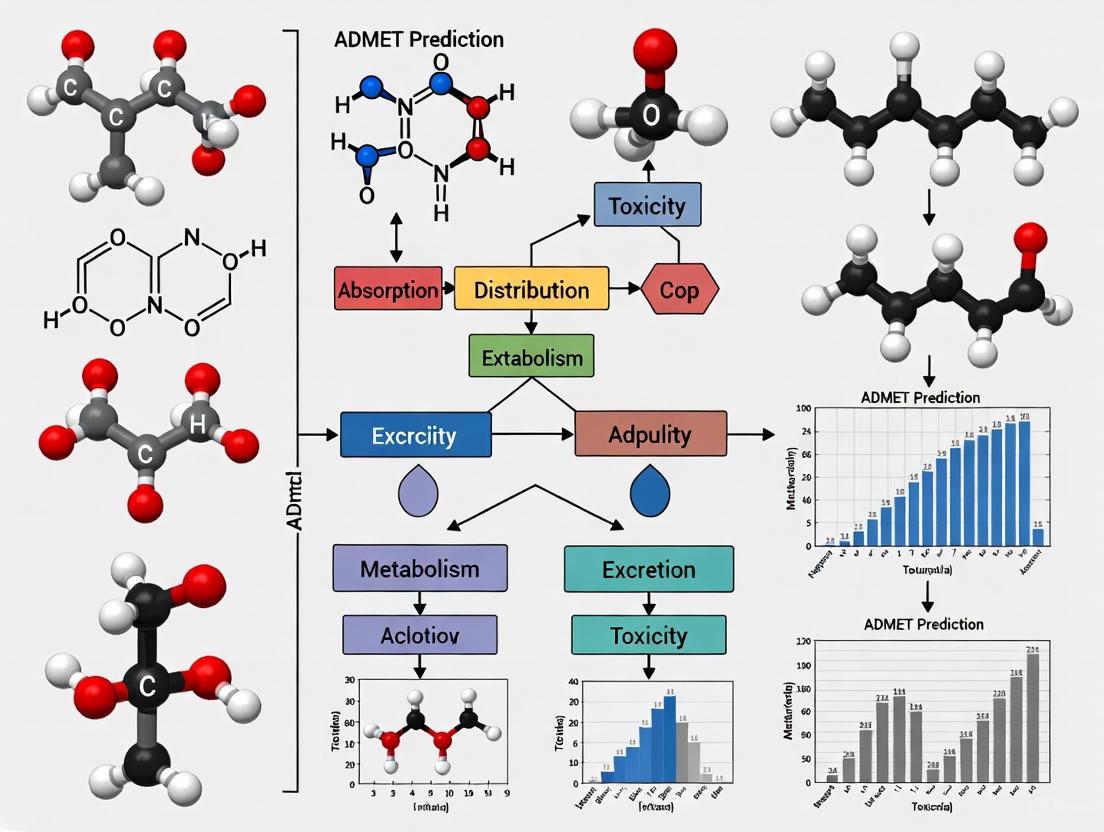
Accurate prediction of Absorption, Distribution, Metabolism, Excretion, and Toxicity (ADMET) properties is crucial for reducing late-stage failures in drug discovery.
Molecular Representations for ADMET Prediction: A Comparative Analysis of Traditional and AI-Driven Approaches
Abstract
Accurate prediction of Absorption, Distribution, Metabolism, Excretion, and Toxicity (ADMET) properties is crucial for reducing late-stage failures in drug discovery. This article provides a comprehensive comparative analysis of molecular representation methods, from traditional fingerprints and descriptors to modern AI-driven embeddings. It explores foundational concepts, practical methodologies, common troubleshooting strategies, and rigorous validation techniques. Designed for researchers and drug development professionals, the content synthesizes recent benchmarking studies to offer actionable insights for selecting, optimizing, and validating molecular representations to improve the efficiency and accuracy of ADMET prediction models.
Understanding Molecular Representation: From SMILES to AI Embeddings
The Critical Role of ADMET Prediction in Modern Drug Discovery
The prediction of Absorption, Distribution, Metabolism, Excretion, and Toxicity (ADMET) properties represents a critical frontier in modern drug discovery, standing as the primary defense against costly late-stage clinical failures. Historical analyses reveal that approximately 40-45% of clinical attrition is directly attributable to unfavorable ADMET properties, making it the single largest cause of drug development failure [1] [2]. This staggering statistic underscores why pharmaceutical companies now prioritize ADMET assessment early in the discovery pipeline, shifting from a traditional sequential approach to a parallelized strategy that evaluates pharmacokinetic and safety profiles alongside therapeutic potency. The economic imperative is clear: with the average cost of developing a single new drug estimated to easily exceed $2 billion, early identification of ADMET liabilities can save hundreds of millions of dollars in development costs and several years of research effort [3].
The evolution of ADMET prediction has undergone a revolutionary transformation, moving from resource-intensive experimental methods to sophisticated in silico approaches that leverage artificial intelligence and machine learning. Traditional in vitro and in vivo methods, while reliable, are characterized by being time-consuming, expensive, and low-throughput, making them impractical for screening large compound libraries [4] [3]. Computational methods now facilitate the acquisition of toxicity information for molecules with elucidated chemical structures expeditiously, reproducibly, and at reduced cost, thereby reducing the number of animals required for analyses [5]. This paradigm shift has positioned ADMET prediction as both a gatekeeper for candidate selection and an optimization tool for medicinal chemists seeking to improve compound profiles through structural modification.
Comparative Analysis of Computational Approaches for ADMET Prediction
Fundamental Methodologies and Molecular Representations
The accuracy of ADMET prediction is fundamentally constrained by the choice of molecular representation and algorithmic approach. Research indicates that no single representation universally outperforms others across all ADMET endpoints, necessitating a nuanced understanding of their respective strengths and limitations [6].
Classical Descriptors and Fingerprints: Traditional quantitative structure-activity relationship (QSAR) models typically employ molecular descriptors (mathematical representations of chemical and physical properties) and fingerprints (binary vectors representing molecular substructures). While widely used, these representations provide a simplified view of molecular structure and may not capture all relevant features affecting ADMET properties [3]. The RDKit toolkit provides standardized implementations of these representations, with RDKit descriptors and Morgan fingerprints being particularly prevalent in benchmarking studies [6] [4].
Graph-Based Representations: Graph neural networks (GNNs) represent molecules as graphs with atoms as nodes and bonds as edges, directly learning relevant features from the molecular structure itself without requiring pre-computed descriptors [3]. This approach inherently captures atomic connectivity and stereochemistry, potentially modeling complex structure-property relationships more effectively. The message-passing neural network (MPNN) architecture, implemented in packages like Chemprop, has demonstrated particular effectiveness for molecular property prediction [6] [4].
Multi-View and Multi-Task Frameworks: Advanced frameworks like MolP-PC integrate multiple representation types—1D molecular fingerprints, 2D molecular graphs, and 3D geometric representations—using attention-gated fusion mechanisms. This multi-view approach captures complementary molecular information, with multi-task learning significantly enhancing predictive performance on small-scale datasets [7]. Similarly, the OmniMol framework formulates molecules and properties as a hypergraph to extract relationships among properties, molecule-to-property, and among molecules, addressing the challenge of imperfectly annotated data common in ADMET datasets [8].
Performance Benchmarking of Predictive Software and Algorithms
Comprehensive benchmarking studies provide critical insights into the relative performance of different computational tools and algorithms. A landmark evaluation of twelve QSAR software tools for predicting 17 physicochemical and toxicokinetic properties confirmed the adequate predictive performance of the majority of selected tools, with models for PC properties (R² average = 0.717) generally outperforming those for TK properties (R² average = 0.639 for regression) [9].
Table 1: Benchmarking Performance of ADMET Prediction Software
| Software/Algorithm | Best Application Context | Key Strengths | Supported Properties |
|---|---|---|---|
| ADMET Predictor [5] | Microcystin toxicity evaluation, lipophilicity, permeability | >70 models with valid predictions; consistent results | Extensive coverage including transport proteins, environmental biodegradation |
| XGBoost [4] | Caco-2 permeability prediction | Superior performance with molecular fingerprints and descriptors; handles public-to-private data transfer | Regression tasks for permeability and related physicochemical properties |
| SwissADME [5] | General screening | Freely accessible; user-friendly interface | Basic physicochemical and pharmacokinetic parameters |
| Message Passing Neural Networks (MPNN) [6] | Data-rich environments with complex relationships | Direct learning from molecular structure; state-of-the-art on many benchmarks | Broad applicability across classification and regression tasks |
| Federated Learning [1] | Multi-organizational collaboration | Expands chemical space coverage without sharing proprietary data | Cross-pharma QSAR without compromising proprietary information |
For specific ADMET endpoints, algorithm performance varies significantly. In predicting Caco-2 permeability—a critical determinant of oral bioavailability—comprehensive validation found that XGBoost generally provided better predictions than comparable models, including random forests, support vector machines, and deep learning approaches like DMPNN [4]. However, the optimal algorithm and representation combination remains highly dataset-dependent, with no single approach universally dominating across all ADMET endpoints [6].
Experimental Protocols and Methodological Frameworks
Standardized Benchmarking Workflow
Robust evaluation of ADMET prediction models requires standardized protocols that address data quality, representation selection, and statistical validation. Leading research groups have converged on a multi-stage experimental workflow that ensures reliable and reproducible comparisons [6].
Figure 1: Experimental Workflow for ADMET Model Evaluation
Data Collection and Curation: The initial phase involves gathering datasets from public sources such as ChEMBL, PubChem, and specialized collections like the Therapeutics Data Commons (TDC) [6] [10]. This is followed by rigorous data cleaning including standardization of SMILES representations, neutralization of salts, removal of duplicates, and treatment of inconsistent measurements. For Caco-2 permeability modeling, one protocol merged three public datasets, applied logarithmic transformation to permeability values, excluded entries with standard deviation >0.3 for duplicates, and used RDKit's MolStandardize for molecular standardization, resulting in a curated set of 5,654 non-redundant compounds [4].
Molecular Representation Selection: Researchers typically evaluate multiple representation types including molecular descriptors (e.g., RDKit 2D descriptors), fingerprints (e.g., Morgan fingerprints), and graph-based representations. Feature selection may involve iterative combination of representations informed by statistical testing rather than simply concatenating all available features [6].
Model Training with Scaffold Splitting: To assess generalization capability rather than mere interpolation, datasets are typically split using scaffold-based division, which separates compounds with distinct molecular frameworks, ensuring that models are tested on structurally novel compounds [6] [4]. This approach more closely mimics real-world drug discovery scenarios where predictions are needed for novel chemotypes.
Cross-Validation with Statistical Testing: Beyond simple hold-out validation, robust protocols employ cross-validation combined with statistical hypothesis testing to determine whether performance differences between models are statistically significant rather than random variations [6].
Practical Scenario Validation: The final validation stage tests model transferability by evaluating performance on external datasets from different sources, such as pharmaceutical company proprietary data, simulating real-world application where models trained on public data must generalize to novel compound libraries [6] [4].
Emerging Protocols: Federated Learning and Multi-Organizational Collaboration
Traditional isolated modeling efforts face fundamental limitations due to the restricted chemical space covered by any single organization's data. Federated learning has emerged as a transformative protocol that enables multiple pharmaceutical companies to collaboratively train models without sharing proprietary data [1]. The MELLODDY project demonstrated that federation systematically extends a model's effective domain, with federated models consistently outperforming local baselines across various ADMET endpoints. Performance improvements scale with the number and diversity of participants, with multi-task settings yielding the largest gains, particularly for pharmacokinetic and safety endpoints where overlapping signals amplify one another [1].
Essential Research Reagents and Computational Tools
The experimental landscape for ADMET prediction relies on a sophisticated toolkit of software libraries, datasets, and computational resources that enable rigorous model development and validation.
Table 2: Essential Research Toolkit for ADMET Prediction
| Tool/Category | Specific Examples | Primary Function | Access |
|---|---|---|---|
| Cheminformatics Libraries | RDKit, OpenBabel | Molecular standardization, descriptor calculation, fingerprint generation | Open Source |
| Machine Learning Frameworks | Scikit-learn, XGBoost, LightGBM | Implementation of classical ML algorithms | Open Source |
| Deep Learning Platforms | Chemprop, DeepChem, PyTorch Geometric | Graph neural networks and message passing architectures | Open Source |
| Benchmark Datasets | TDC, MoleculeNet, PharmaBench | Curated ADMET datasets for model training and benchmarking | Public Access |
| Specialized Prediction Suites | ADMETlab 2.0, admetSAR | Pre-trained models for specific ADMET endpoints | Web Services |
| Federated Learning Platforms | Apheris, kMoL | Privacy-preserving collaborative modeling | Commercial/Open Source |
The PharmaBench dataset represents a significant advancement in benchmarking resources, addressing limitations of previous collections through a multi-agent LLM system that extracted experimental conditions from 14,401 bioassays [10]. Unlike earlier benchmarks that contained only a fraction of publicly available data and compounds unrepresentative of drug discovery projects, PharmaBench comprises 52,482 entries across eleven ADMET properties, with molecular weights more closely aligned with typical drug-like compounds (300-800 Dalton) [10].
Future Directions and Concluding Remarks
The field of ADMET prediction stands at an inflection point, with several emerging trends poised to further transform its role in drug discovery. Multi-task frameworks that jointly learn correlated properties demonstrate enhanced performance, particularly for small datasets, by leveraging shared information across endpoints [7] [8]. Explainable AI approaches are increasingly integrated into predictive models, providing mechanistic insights that extend beyond black-box predictions to offer medicinal chemists actionable guidance for molecular optimization [8]. The integration of 3D structural information and conformational awareness through innovative architectures like SE(3)-equivariant networks addresses critical limitations in chirality recognition and stereochemistry-dependent property prediction [8].
As machine learning performance becomes increasingly limited by data availability rather than algorithmic sophistication, federated learning and other privacy-enhancing technologies will likely become standard practice, enabling collaborative model improvement while preserving intellectual property protection [1]. These advances, combined with increasingly rigorous benchmarking practices and more representative datasets, are steadily closing the gap between computational prediction and experimental reality, positioning ADMET prediction as an indispensable pillar of modern drug discovery that systematically reduces attrition rates and accelerates the development of safer, more effective therapeutics.
Molecular representation serves as the foundational step in computational chemistry and drug design, bridging the gap between chemical structures and their biological, chemical, or physical properties [11]. These representations translate molecules into mathematical or computational formats that algorithms can process to model, analyze, and predict molecular behavior [11]. In the context of ADMET (Absorption, Distribution, Metabolism, Excretion, and Toxicity) prediction research, effective molecular representation is particularly crucial for tasks such as virtual screening, activity prediction, and scaffold hopping [11]. Traditional molecular representation methods have laid a strong foundation for many computational approaches in drug discovery, relying primarily on three core methodologies: molecular descriptors that quantify physical and chemical properties, molecular fingerprints that encode substructural information, and string-based representations like SMILES (Simplified Molecular-Input Line-Entry System) that provide linear notations of molecular structure [11]. This comparative analysis examines the performance characteristics, experimental applications, and relative advantages of these traditional representation methods within modern ADMET prediction research, providing researchers with evidence-based guidance for method selection in drug development workflows.
Methodological Foundations
Molecular Descriptors
Molecular descriptors constitute a fundamental approach to molecular representation that quantifies the physical or chemical properties of molecules through numerical values [11]. These descriptors encompass a wide range of molecular characteristics, including basic properties like molecular weight and hydrophobicity, as well as more complex topological indices that capture structural information [11]. Methods such as alvaDesc and RDKit descriptors provide comprehensive sets of these numerical features that describe various aspects of molecular structure and properties [11]. In ADMET prediction research, descriptors have demonstrated particular utility in quantitative structure-activity relationship (QSAR) modeling, where they serve as input features for predicting biological activity and pharmacokinetic properties [11] [12]. For instance, in the FP-ADMET framework, researchers combined molecular descriptors with machine learning models to establish robust prediction frameworks for a wide range of ADMET-related properties [11]. Similarly, the BoostSweet framework leveraged a soft-vote ensemble model based on LightGBM that combined layered fingerprints with alvaDesc molecular descriptors to predict molecular sweetness, demonstrating the continued relevance of descriptors in specialized property prediction tasks [11].
Molecular Fingerprints
Molecular fingerprints represent another cornerstone of traditional molecular representation, typically encoding substructural information as binary strings or numerical values [11]. The most widely used fingerprint approach is the extended-connectivity fingerprint (ECFP), which captures local atomic environments in a compact and efficient manner, making them invaluable for representing complex molecules [11]. These fingerprints function by identifying circular substructures around each atom in a molecule up to a certain radius and then hashing these substructures into a fixed-length bit vector [11]. The binary nature of these representations makes them computationally efficient for similarity search, clustering, and virtual screening tasks [12]. In modern implementations, fingerprints have been adapted for use with deep learning approaches, as demonstrated by the FP-BERT model, which employs a substructure masking pre-training strategy on ECFP fingerprints to derive high-dimensional molecular representations, then leverages CNNs to extract high-level features for classification or regression tasks [11]. The computational efficiency and concise format of fingerprints have maintained their relevance in contemporary ADMET prediction research, particularly for similarity-based virtual screening and as input features for machine learning models [11].
SMILES Representations
The Simplified Molecular Input Line Entry System (SMILES) provides a compact and efficient way to encode chemical structures as strings using ASCII characters [11]. Introduced in 1988 by Weininger et al., SMILES strings represent molecular graphs as linear sequences of atoms, bonds, and branching information using a small set of grammar rules [11]. This approach offers the advantage of being human-readable while maintaining computational efficiency for storage and processing [11]. Subsequent improvements led to extended versions like ChemAxon Extended SMILES (CXSMILES), OpenSMILES, and SMILES Arbitrary Target Specification (SMARTS) to extend the functionalities of the original SMILES system [11]. Despite the development of alternative representations such as the International Chemical Identifier (InChI) by IUPAC in 2005, SMILES remains the mainstream molecular representation method, largely because InChI cannot guarantee decoding back to their original molecular graphs and SMILES offers superior human readability [11]. However, SMILES has inherent limitations in capturing the full complexity of molecular interactions, particularly as drug discovery tasks grow more sophisticated and require reflection of intricate relationships between molecular structure and key drug-related characteristics such as biological activity and physicochemical properties [11].
Comparative Performance Analysis
Experimental Frameworks and Benchmarking
The evaluation of traditional molecular representations in ADMET prediction research employs rigorous experimental frameworks that focus on dataset diversity, model selection, and performance metrics. Contemporary benchmarking studies typically utilize publicly available datasets from sources such as the Therapeutics Data Commons (TDC), which provides standardized ADMET-related datasets for model comparison [12]. These benchmarks encompass a range of ADMET properties, including permeability (Caco-2), lipophilicity (LogD), plasma protein binding, toxicity (LD50), volume of distribution, half-life, metabolic clearance, bioavailability, intestinal absorption, blood-brain barrier penetration, and cytochrome P450 inhibition [12]. Studies typically employ cross-validation with statistical hypothesis testing to ensure robust model comparison, moving beyond simple hold-out test sets to provide more reliable performance assessments [12]. Practical scenario evaluations, where models trained on one data source are tested on different external datasets, further validate the real-world applicability of these representations [12]. The field has observed a trend toward systematic feature selection processes that statistically justify the choice of molecular representation rather than arbitrarily combining different representations without systematic reasoning [12].
Table 1: Performance Comparison of Traditional Molecular Representations Across ADMET Tasks
| Representation Type | Sample Dataset | Performance Metric | Model Architecture | Key Findings |
|---|---|---|---|---|
| Molecular Descriptors | Lipophilicity (LogD) | MAE: 0.48-0.62 | Random Forest | Strong performance for physicochemical properties [12] |
| Molecular Fingerprints (ECFP) | Caco-2 Permeability | ROC-AUC: 0.76-0.82 | SVM, Random Forest | Effective for binary classification tasks [12] |
| SMILES Strings | BBB Penetration | Accuracy: 0.71-0.79 | Transformer-based Models | Captures sequential patterns but struggles with stereochemistry [11] |
| Combined Descriptors + Fingerprints | hERG Inhibition | ROC-AUC: 0.80-0.85 | Gradient Boosting Machines | Enhanced performance through feature complementarity [12] |
| Molecular Descriptors | Plasma Protein Binding | R²: 0.58-0.67 | Neural Networks | Better for continuous endpoint prediction [12] |
Quantitative Performance Assessment
Research comparing the effectiveness of traditional molecular representations reveals a complex performance landscape where optimal representation choice depends significantly on the specific ADMET task, dataset characteristics, and model architecture. In comprehensive benchmarking studies, classical descriptors and fingerprints frequently remain competitive with more complex deep learning representations, particularly for smaller datasets [12]. For instance, in a systematic assessment of ADMET prediction models, random forest algorithms using radial fingerprints demonstrated robust performance across multiple ADMET datasets, with the optimal model and feature choices being highly dataset-dependent [12]. Similarly, recent studies have found that fixed representations (including traditional fingerprints and descriptors) generally outperform learned representations in many ADMET prediction tasks, challenging the assumption that more complex representations invariably yield superior results [12]. The MolMapNet approach, which transforms large-scale molecular descriptors and fingerprint features into two-dimensional feature maps and uses convolutional neural networks to predict molecular properties, demonstrates how traditional representations can be adapted for deep learning architectures while maintaining interpretability [11]. This approach captures intrinsic correlations of complex molecular properties while leveraging the well-established predictive power of traditional descriptors and fingerprints.
Table 2: Advantages and Limitations of Traditional Molecular Representations in ADMET Prediction
| Representation | Key Advantages | Major Limitations | Ideal Use Cases |
|---|---|---|---|
| Molecular Descriptors | Direct physicochemical interpretation; Computational efficiency; QSAR compatibility | Limited structural resolution; Challenges with complex molecular interactions | Early-stage drug screening; QSAR modeling; Property-focused optimization |
| Molecular Fingerprints | Structural pattern capture; High similarity search efficiency; Substructure identification | Fixed representation constraints; Limited spatial information; Hashing collisions | Virtual screening; Compound clustering; Scaffold hopping |
| SMILES | Human readability; Compact storage; Sequential pattern learning | Syntax sensitivity; Stereochemistry limitations; Structural ambiguity | Sequence-based deep learning; Transfer learning; Chemical language processing |
Integration with Modern Learning Paradigms
Hybrid Approaches
Traditional molecular representations have demonstrated remarkable adaptability through integration with modern machine learning and deep learning approaches, creating hybrid models that leverage both well-established chemical knowledge and data-driven pattern recognition. These hybrid approaches frequently combine multiple representation types to overcome the limitations of individual methods [12]. For example, studies have systematically investigated the concatenation of different compound representations, finding that carefully selected combinations can yield performance improvements over single-representation models [12]. The MolP-PC framework exemplifies this trend, implementing a multi-view fusion and multi-task learning approach that integrates 1D molecular fingerprints, 2D molecular graphs, and 3D geometric representations [7]. This framework incorporates an attention-gated fusion mechanism and multi-task adaptive learning strategy for precise ADMET property predictions, demonstrating that traditional fingerprints continue to provide valuable information when combined with more complex representations [7]. Experimental results show that MolP-PC achieves optimal performance in 27 of 54 tasks, with its multi-task learning mechanism significantly enhancing predictive performance on small-scale datasets and surpassing single-task models in 41 of 54 tasks [7]. Similarly, descriptor augmentation approaches have been successfully applied to unsupervised embedding methods like Mol2Vec, with combined representations outperforming single-modality representations across multiple ADMET benchmarks [13].
Specialized Applications
The adaptation of traditional representations for specialized ADMET prediction tasks further illustrates their ongoing evolution and utility in targeted drug discovery applications. For instance, the DeepDelta approach addresses the challenge of predicting property differences between molecular derivatives, which is crucial for lead optimization in drug development [14]. This method processes pairs of molecules using traditional fingerprint representations (Morgan circular fingerprints with radius 2, 2048 bits) and demonstrates significantly improved performance in predicting ADMET property differences compared to established molecular machine learning algorithms [14]. On 10 ADMET benchmark tasks, DeepDelta significantly outperformed the directed message passing neural network (D-MPNN) ChemProp and Random Forest using radial fingerprints for 70% of benchmarks in terms of Pearson's r and 60% of benchmarks in terms of mean absolute error (MAE) [14]. This approach is particularly valuable for predicting large differences in molecular properties and performing scaffold hopping, demonstrating how traditional fingerprint representations can be adapted for specialized molecular comparison tasks that are central to lead optimization in drug discovery [14]. The continued relevance of traditional representations in these specialized contexts highlights their fundamental utility in chemical space navigation, even as more complex deep learning approaches emerge.
Experimental Protocols and Methodologies
Standardized Evaluation Workflows
Robust experimental protocols for evaluating traditional molecular representations in ADMET prediction incorporate several critical components to ensure reliable and reproducible results. A standardized approach begins with comprehensive data cleaning procedures to address common issues in public ADMET datasets, including inconsistent SMILES representations, duplicate measurements with varying values, and inconsistent binary labels [12]. Following data curation, studies typically implement iterative feature selection processes to identify optimal representation combinations, moving beyond the conventional practice of combining different representations without systematic reasoning [12]. Model training incorporates rigorous cross-validation with statistical hypothesis testing, adding a layer of reliability to model assessments that surpasses simple hold-out validation [12]. Finally, practical scenario evaluation tests models trained on one data source against external test sets from different sources, providing critical insights into real-world applicability and generalization capability [12]. This comprehensive workflow ensures that performance comparisons between different molecular representations reflect true predictive capabilities rather than dataset-specific artifacts or optimization biases.
Diagram 1: Experimental workflow for evaluating traditional molecular representations in ADMET prediction, covering from structure representation to performance validation.
Data Partitioning and Validation Strategies
Effective experimental protocols for ADMET prediction research require careful attention to data partitioning and validation strategies that reflect real-world application scenarios. For traditional molecular representations, which can be susceptible to overfitting and limited generalization, appropriate validation approaches are particularly important. Cross-validation with statistical hypothesis testing provides a more robust model comparison framework than single hold-out test sets, allowing researchers to assess performance consistency across different data splits [12]. For pairwise comparison approaches like DeepDelta, specialized data partitioning prevents data leakage by ensuring that training data is first split into train and test sets prior to cross-merging to create molecule pairings, guaranteeing that each molecule appears exclusively in either training or test set pairs [14]. External validation using completely independent datasets from different sources provides the most rigorous assessment of model generalizability, testing the practical utility of representations beyond their original training distribution [12]. Temporal splits, where models are trained on older compounds and tested on newer ones, offer another validation approach that simulates real-world drug discovery workflows where predictions are made for novel chemical entities [12]. These comprehensive validation strategies are essential for producing reliable performance comparisons between traditional molecular representations and their modern counterparts.
The Scientist's Toolkit: Essential Research Reagents
Table 3: Key Research Reagents and Computational Tools for Traditional Molecular Representation Research
| Tool/Reagent | Function | Application Context |
|---|---|---|
| RDKit | Open-source cheminformatics toolkit | Generation of molecular descriptors, fingerprints, and SMILES processing [12] |
| alvaDesc | Molecular descriptor calculation | Comprehensive descriptor generation for QSAR modeling [11] |
| Therapeutics Data Commons (TDC) | Curated ADMET datasets | Standardized benchmarking and performance comparison [12] |
| Morgan Fingerprints (ECFP) | Circular substructure representation | Similarity searching, virtual screening, and machine learning features [11] |
| SMILES Strings | Linear molecular notation | Sequence-based modeling and chemical language processing [11] |
| Matched Molecular Pairs (MMP) | Structural change analysis | Property difference prediction and scaffold hopping [14] |
Traditional molecular representations—descriptors, fingerprints, and SMILES—continue to play vital roles in ADMET prediction research despite the emergence of sophisticated deep learning approaches. The comparative analysis presented herein demonstrates that these established methods maintain competitive performance across diverse ADMET tasks, particularly when strategically combined or adapted for modern machine learning architectures. Molecular descriptors provide chemically interpretable features with strong performance for physicochemical property prediction, molecular fingerprints offer efficient structural pattern recognition for similarity-based applications, and SMILES strings enable sequential pattern learning in language-model contexts. The optimal selection among these representations depends critically on specific research objectives, dataset characteristics, and computational constraints. Hybrid approaches that intelligently combine traditional representations with modern learning paradigms demonstrate particular promise for advancing ADMET prediction accuracy while maintaining computational efficiency and interpretability. As the field progresses, the integration of traditional chemical knowledge embodied in these representations with data-driven pattern recognition will continue to accelerate drug discovery by enabling more reliable in silico ADMET assessment.
The optimization of Absorption, Distribution, Metabolism, Excretion, and Toxicity (ADMET) properties represents a pivotal challenge in modern drug discovery, with approximately 40-45% of clinical attrition still attributed to ADMET liabilities [1]. Traditional molecular representation methods, including molecular descriptors and fingerprints, have long served as the foundation for computational prediction models. However, the emergence of artificial intelligence (AI) has catalyzed a significant shift toward more sophisticated representation learning techniques, particularly graph neural networks (GNNs) and language models (LMs) [11].
These AI-driven approaches fundamentally differ from traditional rule-based representations by learning continuous, high-dimensional feature embeddings directly from molecular data, enabling more nuanced capture of structure-property relationships [11]. This comparative analysis examines the capabilities, performance, and implementation considerations of graph-based and language model-based representations specifically within the context of ADMET prediction, providing researchers with evidence-based guidance for method selection.
Molecular Representation Paradigms
Graph Neural Networks (GNNs)
Graph-based representations conceptualize molecules as mathematical graphs where atoms constitute nodes and bonds form edges [3] [15]. This approach provides a natural structural representation that explicitly encodes molecular topology. Graph Neural Networks leverage this structure through message-passing mechanisms where atom representations are iteratively updated by aggregating information from neighboring atoms [15].
In typical implementations, each atom node is described by a feature vector containing atomic properties (e.g., atom type, formal charge, hybridization), while edges encode bond characteristics [3]. The GNN processes this graph through multiple layers, with each layer extending the receptive field by aggregating information from more distant neighbors. Finally, a readout function generates a holistic molecular representation from the updated atom features [15]. Attention-based GNNs, such as Attentive FP, further enhance this process by learning to weight the importance of different atoms and bonds during aggregation [3].
Language Models (LMs)
Language model-based approaches treat molecular representations as sequences, typically using Simplified Molecular Input Line Entry System (SMILES) strings as a specialized chemical language [11] [16]. Inspired by advances in natural language processing, models like Transformers process these sequences by tokenizing molecular strings at the atomic or substructure level [11].
Each token is mapped to a continuous vector representation, which is then processed through self-attention mechanisms that capture long-range dependencies across the molecular sequence [11] [16]. Recent advancements have seen the application of large language models (LLMs) to molecular representation, enabling few-shot learning and transfer learning capabilities [17] [16]. These models can be pre-trained on massive unlabeled molecular datasets and subsequently fine-tuned for specific ADMET prediction tasks.
Performance Comparison for ADMET Prediction
Quantitative Benchmarking
Table 1: Performance comparison of representation methods across ADMET tasks
| Representation Method | Model Examples | Key ADMET Applications | Reported Performance | Computational Efficiency |
|---|---|---|---|---|
| Graph-based Models | GCN, GAT, MPNN, Attentive FP | CYP inhibition, solubility, toxicity, permeability [3] [15] | Outstanding on larger/multi-task datasets; Matches or outperforms descriptors on most endpoints [15] | High training cost; Requires specialized implementation [15] |
| Language Models | Transformer-based architectures, BERT-style models | Multi-task ADMET prediction, data curation [17] [11] | State-of-the-art on certain tasks with sufficient data [11] | Moderate to high computational requirements [11] |
| Traditional Descriptors | SVM, XGBoost, Random Forest | Broad ADMET endpoints, especially solubility, CYP inhibition [15] | SVM best for regression; RF/XGBoost reliable for classification [15] | Excellent efficiency (seconds for large datasets) [15] |
Table 2: Direct performance comparison on benchmark datasets [15]
| Dataset | Task Type | Best Descriptor Model (Metric) | Best Graph Model (Metric) | Performance Advantage |
|---|---|---|---|---|
| ESOL | Regression (Solubility) | SVM (Best MAE/R²) | Attentive FP | Descriptor-based superior |
| FreeSolv | Regression (Solvation) | SVM (Best MAE/R²) | Attentive FP | Descriptor-based superior |
| BBBP | Classification (Permeability) | RF/XGBoost (Best AUC) | Attentive FP | Comparable performance |
| HIV | Classification (Inhibition) | RF/XGBoost (Best AUC) | GCN, Attentive FP | Graph-based superior |
| Tox21 | Classification (Toxicity) | RF/XGBoost (Best AUC) | Attentive FP | Graph-based superior |
Contextual Performance Analysis
Comparative studies reveal that the performance superiority between representation methods is highly task-dependent. While graph-based models demonstrate particular strength for complex molecular interactions and multi-task learning [15], traditional descriptor-based models using algorithms like SVM and XGBoost remain highly competitive, especially for regression tasks and when computational efficiency is prioritized [15].
For specific ADMET endpoints like cytochrome P450 inhibition and solubility, attention-based GNNs have shown remarkable effectiveness by focusing on structurally significant molecular regions [3]. However, a comprehensive evaluation across 11 public datasets demonstrated that descriptor-based models generally outperformed graph-based models in both prediction accuracy and computational efficiency, with SVM achieving the best performance for regression tasks and both Random Forest and XGBoost providing reliable classification [15].
Experimental Protocols and Methodologies
Graph Neural Network Implementation
Molecular Graph Construction: Molecules are represented as graphs G = (V, E) with atoms as nodes (V) and bonds as edges (E). The adjacency matrix A ∈ R^(N×N) encodes connectivity, where N is the number of atoms [3]. Each node is associated with a feature vector containing atomic properties (atom type, formal charge, hybridization, ring membership, aromaticity, chirality) using one-hot encoding [3].
GNN Architecture: Attention-based GNNs employ a message-passing framework where node representations are updated iteratively. The attention mechanism computes attention coefficients to weight neighbor contributions during aggregation [3]. The model uses multiple adjacency matrices (A₁-A₅) to represent different bond types: all bonds, single, double, triple, and aromatic bonds, enabling specialized processing of distinct molecular substructures [3].
Training Protocol: Models are typically evaluated using five-fold cross-validation on large publicly available datasets (≥4,200 compounds). The loss function is selected according to the task type (e.g., mean squared error for regression, cross-entropy for classification) [3] [15].
Language Model Implementation
Data Preprocessing and Curation: LLMs facilitate automated data extraction from biomedical databases. A multi-agent LLM system identifies experimental conditions from assay descriptions in sources like ChEMBL, addressing variability in experimental protocols that complicate data integration [17].
Model Architecture: Transformer-based architectures process tokenized SMILES strings using self-attention layers. Pre-training often employs masked token prediction objectives to learn fundamental chemical principles [11].
Training Strategy: Models are typically pre-trained on large unlabeled molecular datasets (e.g., 14,401 bioassays with 97,609 entries) then fine-tuned on specific ADMET endpoints. Data standardization and filtering ensure consistency in experimental conditions and units [17].
Benchmarking Methodology
Dataset Selection: Standardized benchmarks like PharmaBench provide curated ADMET datasets with 52,482 entries across 11 properties, ensuring consistent evaluation [17]. Scaffold-based splitting evaluates model generalization to novel chemotypes, while random splitting assesses overall performance [15].
Evaluation Metrics: Regression tasks use Mean Absolute Error (MAE) and R², while classification tasks employ Area Under the Curve (AUC) and balanced accuracy [15]. Statistical significance testing compares performance distributions across multiple training runs rather than single scores [1].
Research Reagent Solutions
Table 3: Essential research tools for AI-driven ADMET prediction
| Tool Category | Specific Tools/Platforms | Functionality | Application Context |
|---|---|---|---|
| Graph Neural Network Frameworks | PyTorch Geometric, Deep Graph Library | GNN model implementation | Molecular graph representation and processing [3] |
| Language Model Platforms | Transformer libraries (Hugging Face) | Pre-trained LM fine-tuning | SMILES-based molecular representation [11] |
| Cheminformatics Toolkits | RDKit | Molecular graph generation from SMILES, descriptor calculation | Data preprocessing and traditional baseline [15] |
| Benchmarking Platforms | Therapeutics Data Commons (TDC), PharmaBench | Standardized performance evaluation | Model comparison and validation [17] [15] |
| Federated Learning Systems | Apheris Federated ADMET Network, MELLODDY | Cross-institutional model training | Privacy-preserving collaborative learning [1] |
| Data Curation Tools | LLM-based multi-agent systems | Experimental condition extraction | Automated dataset compilation [17] |
Future Directions and Emerging Trends
The convergence of AI with computational chemistry continues to evolve, with several promising developments emerging. Hybrid models that integrate graph-based and language model approaches show potential for capturing both structural and sequential molecular characteristics [11]. Federated learning frameworks enable collaborative model training across pharmaceutical organizations without sharing proprietary data, systematically expanding chemical space coverage and improving generalizability [1].
The integration of large language models in data curation addresses critical bottlenecks in benchmark quality, with systems like the multi-agent LLM approach enabling processing of 14,401 bioassays to create comprehensive resources like PharmaBench [17]. As model performance becomes increasingly limited by data quality and diversity rather than algorithms, these approaches to expanding and curating training datasets will grow in importance [1] [17].
Additionally, the rise of multimodal learning strategies that combine molecular representation with biological context (e.g., protein structures, assay conditions) promises to enhance predictive accuracy for complex ADMET endpoints [11]. As these technologies mature, they offer the potential to substantially reduce late-stage attrition in drug development by providing more reliable early-stage ADMET assessment.
Accurate prediction of Absorption, Distribution, Metabolism, Excretion, and Toxicity (ADMET) properties represents a critical bottleneck in modern drug discovery. While artificial intelligence and machine learning promise to revolutionize this domain, their effectiveness is fundamentally constrained by three interconnected challenges: data quality limitations, standardization deficiencies, and inadequate chemical space coverage in public benchmarks. These issues collectively undermine model reliability and generalizability, contributing to the persistent high failure rates in drug development, where approximately 40-45% of clinical attrition is still attributed to ADMET liabilities [1].
Recent analyses of public ADMET datasets have revealed substantial distributional misalignments and inconsistent property annotations between gold-standard and popular benchmark sources [18]. Simultaneously, systematic evaluations of existing tools highlight how data heterogeneity introduces noise that ultimately degrades model performance [9]. This comparative analysis examines how these core challenges manifest across current approaches and evaluates emerging solutions aimed at creating more robust, reliable ADMET prediction frameworks for drug discovery professionals.
Comparative Analysis of Current Dataset Limitations
Data Quality and Standardization Deficiencies
Data quality issues permeate public ADMET resources, originating from multiple sources including experimental variability, inconsistent reporting, and aggregation artifacts. Studies systematically comparing benchmark sources have identified significant inconsistencies that compromise predictive modeling efforts.
Table 1: Common Data Quality Issues in Public ADMET Datasets
| Issue Category | Specific Examples | Impact on Modeling |
|---|---|---|
| Experimental Variability | Different buffer types, pH levels, assay procedures for solubility measurements [10] | Same compound exhibits different property values under different conditions |
| Annotation Inconsistencies | Conflicting binary labels for identical SMILES strings across train/test sets [6] | Introduces contradictory learning signals during model training |
| Measurement Ambiguity | Duplicate compounds with significantly varying experimental values (>20% IQR) [6] | Increases noise and reduces model confidence |
| Representation Problems | Multiple organic compounds in fragmented SMILES, salt forms without standardization [6] | Invalid feature representation and erroneous structure-property relationships |
The Johnson & Johnson in-house solubility study demonstrated how systematic noise, particularly from amorphous solid forms present post-solubility measurement, introduces biased positive errors that cannot be overcome simply by increasing dataset size [19]. This highlights a critical limitation in many public datasets where insufficient metadata about experimental conditions prevents appropriate filtering and normalization.
Chemical Space Coverage Limitations
Beyond quality issues, public benchmarks suffer from fundamental representational gaps that limit their utility for drug discovery applications. Comparative analyses reveal significant mismatches between the chemical space covered by public datasets and the structural diversity encountered in industrial drug discovery pipelines.
Table 2: Chemical Space Coverage Gaps in Public ADMET Benchmarks
| Benchmark Dataset | Typical Molecular Weight Range | Drug Discovery Relevance | Key Limitations |
|---|---|---|---|
| ESOL (MoleculeNet) | Mean 203.9 Dalton [10] | Low | Compounds substantially smaller than typical drug molecules |
| PharmaBench | 300-800 Dalton (drug-like focus) [10] | High | Specifically designed to address coverage gaps in earlier benchmarks |
| Traditional QSAR Sets | Varies, often limited scaffolds | Moderate to Low | Often overrepresent specific chemical classes while underrepresenting others |
| Proprietary Corporate Data | 300-800 Dalton (optimized) [20] | High | Comprehensive coverage including negative results and failed compounds |
The PharmaBench initiative explicitly addressed these limitations by creating a benchmark encompassing 52,482 entries from 14,401 bioassays, specifically designed to better represent compounds encountered in actual drug discovery projects [10]. This represents a significant scaling from earlier benchmarks like MoleculeNet, which included only 1,128 compounds in its ESOL solubility dataset despite thousands of relevant entries being available in PubChem [10].
Experimental Approaches for Addressing Data Challenges
Data Curation and Standardization Methodologies
Recent studies have established rigorous protocols for ADMET data curation to address quality concerns. The workflow typically involves multiple standardization and filtering steps:
- Molecular Standardization: Using tools like the RDKit cheminformatics toolkit to generate canonical SMILES, neutralize salts, and normalize functional group representation [6]
- Duplicate Resolution: Identifying compounds with multiple measurements and retaining values only when consistent (within 20% of inter-quartile range for regression, identical labels for classification) [6]
- Outlier Detection: Applying Z-score analysis (removing points with Z > 3) to identify experimental anomalies [9]
- Inter-dataset Consistency: Comparing values for compounds appearing across multiple datasets and removing those with standardized standard deviation > 0.2 [9]
The application of these methods in one comprehensive review resulted in the curation of 41 validation datasets (21 for physicochemical properties, 20 for toxicokinetic properties) that supported more reliable benchmarking of 12 QSAR tools [9].
Figure 1: Experimental Data Curation Workflow
Novel Data Mining and Integration Frameworks
Advanced computational approaches are emerging to address the fundamental challenges in ADMET data aggregation. One significant innovation involves using large language models (LLMs) to extract structured experimental conditions from unstructured assay descriptions.
The PharmaBench project implemented a multi-agent LLM system consisting of three specialized components [10]:
- Keyword Extraction Agent (KEA): Identifies and summarizes key experimental conditions from assay descriptions
- Example Forming Agent (EFA): Generates few-shot learning examples based on KEA output
- Data Mining Agent (DMA): Extracts experimental conditions from all assay descriptions using the generated examples
This system analyzed 14,401 bioassays to facilitate merging entries from different sources while accounting for critical experimental variables like buffer composition, pH levels, and procedural differences that significantly impact measured properties [10].
Figure 2: Multi-Agent LLM Data Mining System
For assessing dataset compatibility before integration, tools like AssayInspector provide systematic data consistency assessment through [18]:
- Statistical comparison of endpoint distributions (Kolmogorov-Smirnov test for regression, Chi-square for classification)
- Chemical space analysis using molecular similarity metrics
- Identification of conflicting annotations for shared compounds
- Visualization of dataset intersections and coverage
Emerging Solutions and Comparative Performance
Federated Learning for Expanded Chemical Coverage
Federated learning has emerged as a promising paradigm for addressing data scarcity while preserving intellectual property. This approach enables multiple organizations to collaboratively train models without sharing proprietary data, significantly expanding the effective chemical space coverage.
The MELLODDY project, a large-scale cross-pharma federated learning initiative, demonstrated that federated models consistently outperform single-organization baselines, with benefits scaling with participant diversity [1]. Key findings from federated learning implementations include:
- 40-60% reduction in prediction error for endpoints like human and mouse liver microsomal clearance, solubility, and permeability [1]
- Expanded applicability domains, with improved performance on novel scaffolds not seen in any single organization's data
- Persistent benefits across heterogeneous assay protocols and endpoint coverage
Figure 3: Federated Learning Architecture for ADMET
Quality-Centric Data Generation Frameworks
An alternative approach prioritizes data quality over quantity by leveraging consistently generated proprietary datasets. The Johnson & Johnson solubility study systematically compared models trained on datasets with different quality profiles, finding that [19]:
- With equivalent dataset sizes, high-quality data consistently produced better model performance (RMSE improvements of 0.1-0.2 log units)
- Larger datasets with analytical variability could match the performance of smaller, cleaner datasets, but only when the noise was random rather than systematic
- Systematic bias introduced by amorphous solid forms could not be overcome by increasing dataset size
This highlights the importance of critical data review processes and standardized assay protocols in generating reliable training data.
The Scientist's Toolkit: Essential Research Reagents
Table 3: Key Computational Tools for ADMET Data Management and Modeling
| Tool Name | Primary Function | Application Context | Key Features |
|---|---|---|---|
| AssayInspector [18] | Data consistency assessment | Pre-modeling data aggregation | Statistical comparison of distributions, chemical space visualization, conflict detection |
| PharmaBench [10] | Benchmark dataset | Model training and evaluation | 52,482 entries with standardized experimental conditions from 14,401 bioassays |
| RDKit [6] [9] | Cheminformatics processing | Data preprocessing and featurization | Molecular standardization, descriptor calculation, fingerprint generation |
| Apheris Federated Platform [1] | Privacy-preserving collaborative learning | Cross-institutional model training | Federated learning infrastructure for proprietary data collaboration |
| TDC [6] | Benchmark resource | Model benchmarking | Curated ADMET datasets with standardized train/test splits |
| ADMETlab 3.0 [18] | Predictive modeling | Property prediction | Platform incorporating multiple ADMET endpoints with gold-standard data |
The comparative analysis of data challenges in ADMET prediction reveals a complex landscape where solutions must address the interconnected issues of quality, standardization, and coverage. The evidence suggests that while expanding dataset size provides diminishing returns, improving data quality and chemical space diversity through approaches like federated learning and advanced data curation offers substantial benefits. Future progress will likely depend on continued development of standardized experimental protocols, wider adoption of data consistency assessment tools prior to modeling, and increased participation in collaborative initiatives that expand the collective chemical space available for model training without compromising proprietary information. As these approaches mature, the field moves closer to developing ADMET models with truly generalizable predictive power across the diverse chemical landscapes encountered in modern drug discovery.
Implementing AI and Classical Models for ADMET Endpoints
Molecular representation serves as the foundational bridge between chemical structures and their biological activities, forming the critical first step in any computational ADMET prediction pipeline. The selection of an appropriate representation method directly determines a model's ability to capture the intricate relationships between molecular structure and key pharmacokinetic and toxicological endpoints. As drug discovery increasingly relies on computational approaches to reduce late-stage attrition rates, understanding the practical trade-offs between different representation strategies has become essential for researchers [11] [21].
The evolution from traditional descriptor-based methods to modern deep learning approaches has significantly expanded the molecular representation landscape. This guide provides a comparative analysis of predominant representation paradigms, supported by experimental data and standardized benchmarking studies, to equip researchers with evidence-based criteria for selecting optimal representations for specific ADMET tasks within drug discovery workflows.
Comparative Analysis of Molecular Representation Paradigms
Traditional Representation Methods
Traditional molecular representations rely on explicit, rule-based feature extraction methods derived from chemical and physical properties. These approaches have established strong baselines in ADMET prediction and remain competitive due to their computational efficiency and interpretability [11] [6].
Molecular descriptors quantify physicochemical properties such as molecular weight, hydrophobicity (logP), polar surface area, and topological indices. RDKit provides comprehensive descriptor calculation capabilities, with over 5000 possible descriptors encompassing constitutional, topological, and electronic properties [21]. Molecular fingerprints encode substructural information as binary strings or numerical vectors, with Extended-Connectivity Fingerprints (ECFP) being particularly widely adopted for their ability to represent local atomic environments [11] [6].
Table 1: Performance Comparison of Traditional Representation Methods on TDC ADMET Benchmarks
| Representation | AUC Range | Key Strengths | Optimal Use Cases |
|---|---|---|---|
| RDKit Descriptors | 0.68-0.85 | Computational efficiency, interpretability | Solubility, permeability prediction |
| ECFP4 Fingerprints | 0.71-0.88 | Strong baseline, similarity searching | Virtual screening, toxicity classification |
| Molecular ACCess System (MACCS) | 0.65-0.82 | Simplified structure alerts | High-throughput prioritization |
| Combined Descriptors + ECFP | 0.73-0.90 | Complementary information | Multi-task learning settings |
Modern Deep Learning Representations
AI-driven molecular representations employ deep learning techniques to learn continuous, high-dimensional feature embeddings directly from data, capturing both local and global molecular features beyond predefined rules [11].
Graph-based representations model molecules as graphs with atoms as nodes and bonds as edges. Graph Neural Networks (GNNs), particularly Message Passing Neural Networks (MPNNs) as implemented in Chemprop, have demonstrated state-of-the-art performance by learning complex patterns from molecular graphs [22] [6]. Language model-based representations treat molecular sequences (SMILES/SELFIES) as chemical language, adapting Transformer architectures to learn contextualized molecular embeddings [11] [23].
Table 2: Performance of Deep Learning Representations on Standardized ADMET Benchmarks
| Representation | Model Architecture | Average AUC | Notable Performance Advantages |
|---|---|---|---|
| Graph Representation | Chemprop (D-MPNN) | 0.76-0.92 | Metabolism, toxicity endpoints |
| SMILES + Transformer | ChemBERTa | 0.72-0.89 | Scaffold hopping, generalization |
| Multimodal (Graph + SMILES) | MSformer-ADMET | 0.81-0.94 | Overall best performance |
| Fragment-based | MSformer-ADMET | 0.83-0.95 | Interpretability, natural products |
Experimental Protocols and Benchmarking Methodologies
Standardized Evaluation Frameworks
Rigorous benchmarking requires standardized datasets, evaluation metrics, and data splitting strategies to enable fair comparison across representation methods. The Therapeutics Data Commons (TDC) provides curated ADMET datasets with official train-test splits that facilitate reproducible model comparison [22] [6]. Recent initiatives like PharmaBench have addressed limitations in previous benchmarks by incorporating larger dataset sizes (156,618 raw entries) and better representation of drug-like compounds (molecular weight 300-800 Da) using LLM-powered data extraction from public sources [10].
The standard evaluation protocol involves:
- Data cleaning and standardization: Removal of inorganic salts, extraction of parent compounds from salt forms, tautomer standardization, and SMILES canonicalization [6]
- Data splitting: Scaffold-based splitting to assess generalization to novel chemical scaffolds
- Model training: Extensive hyperparameter optimization with cross-validation
- Performance assessment: Statistical hypothesis testing to distinguish significant performance differences
Multi-Task Learning Experimental Framework
Multi-task learning (MTL) has emerged as a powerful paradigm for ADMET prediction, leveraging shared information across related tasks. The QW-MTL framework incorporates quantum chemical descriptors (dipole moment, HOMO-LUMO gap, electron properties, total energy) to enrich molecular representations with electronic structure information [22]. This approach employs a novel exponential task weighting scheme that combines dataset-scale priors with learnable parameters for dynamic loss balancing across tasks [22].
Experimental results demonstrate that MTL systematically outperforms single-task baselines on 12 out of 13 TDC classification benchmarks, with particularly strong improvements for low-resource tasks that benefit from knowledge transfer [22].
Decision Framework for Representation Selection
Task-Specific Representation Recommendations
The optimal molecular representation depends on the specific ADMET endpoint, available data, and computational constraints. Based on comprehensive benchmarking studies:
- Metabolism endpoints (CYP inhibition, clearance): Graph-based representations (D-MPNN) enhanced with quantum chemical descriptors consistently achieve superior performance due to their ability to capture electronic properties relevant to metabolic transformations [22]
- Toxicity endpoints (hERG, hepatotoxicity): Combined representations (MSformer-ADMET) that integrate multiple perspectives demonstrate robust performance across diverse toxicity mechanisms [23]
- Solubility and permeability: Traditional descriptors (RDKit + Morgan fingerprints) remain highly competitive, offering an favorable balance of performance and computational efficiency [6]
- Cross-domain generalization: Fragment-based representations (MSformer-ADMET) show particular strength in scaffold hopping and out-of-distribution prediction [23]
Diagram 1: Molecular Representation Selection Workflow for ADMET Tasks
Practical Implementation Considerations
Beyond pure predictive performance, several practical factors influence representation selection in real-world drug discovery settings:
- Computational requirements: Traditional fingerprints enable rapid screening of ultra-large libraries (>10^6 compounds), while graph neural networks require significantly more resources [6]
- Interpretability needs: Fragment-based representations (MSformer-ADMET) provide inherent interpretability through attention mechanisms that highlight structural fragments contributing to predictions [23]
- Data integration capabilities: Federated learning approaches enable training across distributed proprietary datasets without centralizing sensitive data, systematically expanding chemical coverage [1]
- Regulatory compliance: Models intended for regulatory submissions must balance performance with interpretability and methodological transparency [24]
Table 3: Essential Resources for ADMET Representation Research
| Resource | Type | Key Function | Application Context |
|---|---|---|---|
| Therapeutics Data Commons (TDC) | Benchmark Datasets | Standardized ADMET datasets with train-test splits | Model evaluation and comparison |
| RDKit | Cheminformatics Toolkit | Molecular descriptor calculation and fingerprint generation | Traditional representation baseline |
| Chemprop | Deep Learning Library | Message Passing Neural Network implementation | Graph-based representation |
| MSformer-ADMET | Specialized Framework | Fragment-based molecular representation | Interpretable multi-task prediction |
| PharmaBench | Enhanced Benchmark | Expanded ADMET datasets with experimental conditions | Real-world model validation |
| QM Descriptors | Quantum Chemical Features | Electronic structure properties (HOMO-LUMO, dipole moment) | Metabolism and reactivity prediction |
The molecular representation landscape for ADMET prediction has evolved from simple descriptors to sophisticated multimodal learning approaches. Evidence from rigorous benchmarking indicates that no single representation dominates across all tasks and contexts. Rather, the optimal choice depends on the specific ADMET endpoint, data characteristics, and practical constraints.
Hybrid approaches that combine complementary representation strategies generally achieve superior performance, with MSformer-ADMET's fragment-based paradigm and QW-MTL's quantum-enhanced multi-task learning representing the current state-of-the-art [22] [23]. Emerging trends include federated learning to expand chemical diversity [1], large language models for automated data curation [10], and increased emphasis on interpretability to bridge the gap between prediction and mechanistic understanding.
As the field advances, representation selection will remain a critical determinant of success in computational ADMET prediction, requiring researchers to balance empirical evidence with practical implementation considerations within their specific drug discovery context.
The accurate prediction of Absorption, Distribution, Metabolism, Excretion, and Toxicity (ADMET) properties represents a critical challenge in modern drug discovery. With approximately 40-45% of clinical failures still attributed to unfavorable ADMET characteristics, the development of robust computational models has become indispensable for prioritizing viable drug candidates early in the development pipeline [1]. The field has witnessed a paradigm shift from traditional descriptor-based machine learning to sophisticated deep learning architectures capable of extracting nuanced patterns from complex molecular data.
This guide provides a comprehensive comparative analysis of three predominant architectural paradigms in ADMET prediction: the classical Random Forest algorithm, geometrically-aware Graph Neural Networks (GNNs), and sequence-processing Transformers. Each architecture brings distinct advantages and limitations to the complex task of molecular property prediction, with performance characteristics that vary significantly across different ADMET endpoints and data regimes. By synthesizing recent benchmarking studies and experimental findings, we aim to provide researchers and drug development professionals with actionable insights for selecting appropriate modeling strategies based on their specific project requirements, data availability, and computational resources.
Random Forests: The Established Performer
Random Forests (RF) represent an ensemble learning method that constructs multiple decision trees during training and outputs the mode of their predictions for classification or mean prediction for regression tasks. In ADMET prediction, RF models typically operate on fixed molecular representations such as fingerprints or descriptors.
Key Characteristics:
- Input Representation: Utilizes pre-computed molecular features including RDKit descriptors, Morgan fingerprints, and other ligand-based representations [6]
- Interpretability: Medium - provides feature importance metrics but lacks atomic-level interpretability
- Data Efficiency: Effective with small to medium-sized datasets (hundreds to thousands of compounds)
- Computational Demand: Low to moderate, suitable for standard computational resources
Recent benchmarking studies indicate that RF maintains competitive performance against more complex deep learning architectures, particularly on smaller datasets. The algorithm's robustness against overfitting and ability to handle diverse feature types make it a reliable baseline for ADMET modeling [6].
Graph Neural Networks: Structural Specialists
GNNs operate directly on molecular graph structures where atoms represent nodes and bonds represent edges. Through message-passing mechanisms, GNNs learn to aggregate information from local atomic neighborhoods to derive meaningful molecular representations.
Key Variants:
- GCN (Graph Convolutional Network): Applies convolution operations to graph nodes, aggregating feature information from neighbors [25]
- GAT (Graph Attention Network): Incorporates attention mechanisms to weight neighbor importance during feature aggregation [25]
- MPNN (Message Passing Neural Network): Employs an iterative message-passing framework where nodes exchange information with neighbors [25] [26]
- GIN (Graph Isomorphism Network): Uses a sum aggregator to maximize discriminative power for graph structures [25]
Key Characteristics:
- Input Representation: Native molecular graphs with atom and bond features
- Interpretability: Medium to high - attention mechanisms can highlight structurally important regions
- Data Efficiency: Requires moderate to large datasets (thousands of compounds) for optimal performance
- Computational Demand: Moderate to high, especially for deep architectures
Advanced GNN implementations like MoleculeFormer have demonstrated robust performance across diverse ADMET tasks by incorporating multi-scale feature integration, 3D structural information, and rotational equivariance constraints [27].
Transformers: Sequence Modeling Powerhouses
Originally developed for natural language processing, Transformers have been adapted for molecular representation by treating SMILES strings as sequential data. The self-attention mechanism enables the model to capture long-range dependencies and global molecular context.
Key Characteristics:
- Input Representation: SMILES strings or hybrid tokenization schemes [26]
- Interpretability: Medium - attention weights can highlight important sequence segments
- Data Efficiency: Benefits from pre-training on large unlabeled molecular datasets
- Computational Demand: High, especially for pre-training phases
Innovative approaches like hybrid fragment-SMILES tokenization have enhanced Transformer performance by incorporating chemically meaningful substructures alongside character-level tokens [26]. The MTL-BERT model exemplifies how transfer learning and multi-task training can boost ADMET prediction accuracy [26].
Comparative Performance Analysis
Table 1: Comparative performance of RF, GNNs, and Transformers across ADMET tasks
| ADMET Task | Random Forest | GNN (MPNN/D-MPNN) | Transformer | Performance Notes |
|---|---|---|---|---|
| Solubility | MAE: ~0.7-1.0 log units [6] | Competitive with RF [6] | Varies by implementation | RF and GNNs often show comparable performance [6] |
| BBB Penetration | AUC: ~0.85 [25] | AUC: ~0.85-0.90 [25] | Similar to GNNs | GNNs may capture structural determinants more effectively |
| Metabolic Stability | RMSE: ~0.6-0.8 [6] | RMSE: ~0.5-0.7 [6] | Dependent on pre-training | GNNs show advantages for structure-aware properties |
| Toxicity (Tox21) | AUC: ~0.80-0.85 [25] | AUC: ~0.82-0.87 [25] | AUC: ~0.83-0.88 [26] | Transformers benefit from multi-task learning |
Table 2: Architectural strengths and limitations in ADMET contexts
| Architecture | Strengths | Limitations | Ideal Use Cases |
|---|---|---|---|
| Random Forest | Robust on small datasets, fast training, handles mixed features | Limited extrapolation, cannot learn novel representations | Initial screening, baseline models, resource-constrained environments |
| GNN | Native structural understanding, strong generalization on scaffolds | Requires careful hyperparameter tuning, moderate data requirements | Structure-activity relationships, lead optimization phases |
| Transformer | Transfer learning capability, captures complex patterns | Data-hungry, computationally intensive, SMILES dependencies | Large-scale screening, integration with bioactivity data |
Experimental Protocols and Benchmarking
Benchmarking Methodologies
Robust evaluation of ADMET prediction models requires standardized protocols to ensure fair comparisons across architectures. Recent benchmarking initiatives have established several key methodological considerations:
Data Curation and Splitting:
- Scaffold Splitting: Compounds are divided based on molecular scaffolds to assess generalization to novel chemotypes [6] [10]
- Temporal Splitting: Evaluation based on time of compound synthesis to simulate real-world discovery settings [6]
- Data Cleaning: Standardization of SMILES representations, removal of inorganic salts, and handling of tautomers [6]
Feature Representation Strategies:
- Classical Descriptors: RDKit descriptors, topological indices, and physicochemical properties [6]
- Fingerprints: Morgan fingerprints, ECFP, FCFP, and structural keys [6] [27]
- Learned Representations: Atom-level embeddings from GNNs or token embeddings from Transformers [27] [26]
Evaluation Metrics:
- Regression Tasks: Mean Absolute Error (MAE), Root Mean Squared Error (RMSE), and R² [6] [25]
- Classification Tasks: ROC-AUC, Precision-Recall AUC, Balanced Accuracy [6] [25]
- Statistical Validation: Cross-validation with statistical hypothesis testing to confirm performance differences [6]
Critical Experimental Findings
Recent rigorous benchmarking reveals nuanced performance patterns across architectural paradigms:
Representation Impact: The choice of molecular representation frequently exerts greater influence on performance than the specific model architecture, particularly for classical machine learning approaches [6]. Systematic feature selection and combination strategies can yield significant improvements over arbitrary representation choices.
Data Quality Considerations: Public ADMET datasets often contain inconsistencies including duplicate measurements with conflicting values and ambiguous binary labels [6]. Implementation of comprehensive data cleaning pipelines is essential for reliable model assessment.
Cross-Dataset Generalization: Models trained on one data source frequently experience performance degradation when evaluated on external datasets measuring the same property [6]. This highlights the critical importance of assay conditions and experimental protocols in ADMET prediction.
Federated Learning Benefits: Cross-pharma federated learning initiatives have demonstrated that expanding chemical space coverage through privacy-preserving multi-institutional collaboration systematically improves model performance and applicability domains [1].
Essential Research Reagents and Computational Tools
Table 3: Key computational tools and resources for ADMET model development
| Tool/Resource | Type | Primary Function | Architecture Support |
|---|---|---|---|
| RDKit | Cheminformatics Library | Molecular descriptor calculation, fingerprint generation, SMILES processing | All architectures (feature generation) |
| DeepChem | Deep Learning Library | End-to-end molecular machine learning workflows | GNNs, Transformers, RF |
| Chemprop | Specialized Package | Message Passing Neural Networks for molecular property prediction | GNNs (D-MPNN) |
| TDC (Therapeutics Data Commons) | Data Resource | Curated ADMET benchmarks and evaluation tools | All architectures |
| PharmaBench | Benchmark Dataset | Large-scale, standardized ADMET property data | All architectures |
| MTL-BERT | Pre-trained Model | Transformer-based multi-task learning for ADMET | Transformers |
| kMoL | Federated Learning Library | Privacy-preserving collaborative model training | All architectures |
The comparative analysis of Random Forests, GNNs, and Transformers for ADMET prediction reveals a complex performance landscape where no single architecture dominates across all scenarios. Each approach brings distinctive strengths that align with specific drug discovery contexts:
Random Forests remain surprisingly competitive, particularly in resource-constrained environments or when working with smaller datasets (hundreds to low thousands of compounds). Their robustness, interpretability, and computational efficiency make them ideal for initial screening campaigns and as performance baselines against which to benchmark more complex approaches.
Graph Neural Networks excel in scenarios requiring explicit structural reasoning, particularly when molecular topology or stereochemistry significantly influences the ADMET property being modeled. Their native ability to operate on molecular graphs without predefined feature engineering makes them particularly valuable for lead optimization stages where understanding structure-property relationships is crucial.
Transformers demonstrate particular strength in transfer learning settings where models pre-trained on large unlabeled molecular datasets can be fine-tuned for specific ADMET endpoints. Their ability to capture complex, non-local dependencies in molecular structure makes them increasingly competitive as the scale and diversity of training data expands.
The emerging paradigm of federated learning represents a promising direction for overcoming the data limitations that constrain all architectural approaches [1]. By enabling collaborative model training across multiple institutions while preserving data privacy, federated learning systematically expands the effective chemical space coverage and improves generalization across novel scaffolds.
For practical implementation, researchers should consider a hierarchical approach: beginning with Random Forest baselines, progressing to GNNs for structure-intensive properties, and leveraging Transformers when substantial pre-training data and computational resources are available. The creation of larger, more diverse benchmarks like PharmaBench [10] will continue to drive architectural innovations that push the boundaries of predictive accuracy in this critically important domain.
The high failure rate of drug candidates in clinical trials, with 40-60% of failures attributed to poor pharmacokinetics and toxicity, has made the in-silico prediction of Absorption, Distribution, Metabolism, Excretion, and Toxicity (ADMET) properties a critical component of modern drug discovery [9] [1]. By leveraging computational models, researchers can identify compounds with unfavorable ADMET profiles early in the development process, saving substantial time and resources. This case study provides a comparative analysis of three prominent platforms—Deep-PK, ADMETlab, and Chemprop—evaluating their methodologies, performance, and applicability within drug discovery pipelines. The analysis is framed around the broader thesis that the choice of molecular representation and model architecture fundamentally dictates the predictive power and generalizability of ADMET models.
The table below summarizes the core characteristics of the three platforms, highlighting their distinct approaches to molecular representation and prediction.
| Platform | Core Methodology | Number of Endpoints | Key Features | Accessibility |
|---|---|---|---|---|
| Deep-PK [28] [29] | Graph Neural Networks (GNNs) & graph-based signatures | 73 (64 ADMET, 9 general properties) [28] | Molecular optimization & interpretation tools | Free web server |
| ADMETlab 2.0 [30] | Multi-task Graph Attention (MGA) framework | 88 (17 physicochemical, 13 medicinal chemistry, 23 ADME, 27 toxicity) [30] | High-throughput screening, toxicophore rules, results interpretation | Free web server |
| Chemprop [6] | Message Passing Neural Networks (MPNN) | Highly customizable (model trained per endpoint) | State-of-the-art on public benchmarks (TDC), strong performance on ligand-based tasks [6] | Open-source package |
Performance and Experimental Benchmarking
Independent benchmarking studies offer critical insights into the real-world performance of various computational approaches. A comprehensive review of 12 software tools highlighted that while models for physicochemical properties generally outperform those for toxicokinetic properties, several tools demonstrate robust predictive accuracy [9]. The following table summarizes key findings from recent experimental benchmarks.
| Benchmark Focus | Key Findings on Performance | Implication for Platform Selection |
|---|---|---|
| General PC/TK Model Performance [9] | • PC Property Models (Avg. R² = 0.717)• TK Property Models (Avg. R² = 0.639 for regression; Avg. Balanced Accuracy = 0.780 for classification) | Guides expectations for regression (R²) vs. classification (balanced accuracy) tasks. |
| Feature Representation [6] | No single representation universally best; optimal choice is dataset-dependent. Combining representations like fingerprints and descriptors often yields performance gains. | Supports platforms (like Chemprop) that allow flexible feature input and those (like Deep-PK, ADMETlab) that use informed, fused representations. |
| Impact of Federated Learning [1] | Cross-pharma federated learning consistently outperforms isolated models, with up to 40-60% prediction error reduction for some endpoints (e.g., solubility, clearance). | Highlights a future direction for expanding data diversity and model applicability without sharing proprietary data. |
The Scientist's Toolkit: Essential Research Reagents
The following table details key computational "reagents" and their functions that are central to building and evaluating ADMET prediction models.
| Research Reagent | Function in ADMET Prediction | Example Use Case |
|---|---|---|
| Molecular Graph | Represents a molecule as atoms (nodes) and bonds (edges) for structure-aware feature learning [28]. | Input for GNNs in Deep-PK and MPNNs in Chemprop [28] [6]. |
| Molecular Fingerprints (e.g., ECFP, MACCS) | Fixed-length bit vectors encoding molecular structure and features for classical machine learning [6]. | Used as input features for models like Random Forest, often combined with other descriptors [6]. |
| RDKit Descriptors | A set of pre-defined physicochemical and topological descriptors calculated from molecular structure [6]. | Used alongside fingerprints to provide complementary information for model training [6]. |
| Standardized SMILES | A canonical string representation of a molecule's structure; requires cleaning and standardization for model input [6]. | Essential pre-processing step for all platforms to ensure data consistency and model reliability [6]. |
| Scaffold Split Algorithm | Splits datasets for training/testing based on molecular scaffolds to assess generalization to novel chemotypes [6]. | Critical for rigorous model validation, simulating prediction on truly new chemical series [6]. |
Interpretation of Platform Strengths and Workflows
The divergence in platform design reflects different strategies to overcome the core challenges in ADMET prediction: data sparsity, the need for interpretability, and model generalizability to novel chemical space.
Deep-PK's use of GNNs with graph-based signatures allows it to automatically learn relevant features directly from the molecular structure, which is beneficial for capturing complex structure-property relationships [28]. ADMETlab 2.0's multi-task graph attention framework leverages shared learning across its many endpoints. This can improve data efficiency and model robustness, particularly for endpoints with limited experimental data [30]. Chemprop's MPNN architecture has been shown to deliver state-of-the-art performance on public benchmarks like the Therapeutics Data Commons (TDC) [6]. Its open-source nature makes it highly adaptable for specific research needs and for integrating into larger automated screening pipelines.
The workflow from molecule input to prediction and interpretation is visualized below, highlighting the role of molecular representation.
The choice between Deep-PK, ADMETlab 2.0, and Chemprop is not a matter of identifying a single "best" platform, but rather of selecting the right tool for a specific research goal and context.
For most experimentalists seeking a user-friendly, comprehensive tool: ADMETlab 2.0 is an excellent starting point due to its extensive coverage of 88 endpoints, intuitive web interface, and built-in interpretation guides, making systematic ADMET profiling straightforward [30].
For researchers focused on molecular optimization and interpretation: Deep-PK offers a powerful, free platform that combines advanced GNNs with tools specifically designed to help users understand and optimize the PK and toxicity profiles of their compounds [28] [29].
For computational specialists and for method benchmarking: The open-source Chemprop framework provides maximum flexibility, state-of-the-art predictive performance on many benchmarks, and is the ideal platform for developing new models or integrating predictions into a high-throughput, automated computational pipeline [6].
The field continues to evolve, with future gains in accuracy likely coming from increased data diversity and new learning paradigms, such as the federated learning approaches used in cross-pharma collaborations, rather than from architectural changes alone [1].
The journey from virtual screening to lead optimization represents a critical pathway in modern drug discovery, where the seamless integration of computational tools directly impacts the efficiency and success of identifying viable drug candidates. This process relies on sophisticated software platforms that can handle diverse molecular representations, predict complex properties, and streamline the iterative design-make-test-analyze (DMTA) cycles. As drug discovery tasks grow more sophisticated, traditional computational methods often fall short in capturing the intricate relationships between molecular structure and function, particularly for predicting Absorption, Distribution, Metabolism, Excretion, and Toxicity (ADMET) properties—a major contributor to clinical-stage attrition [11] [1].
The integration of Artificial Intelligence (AI) and machine learning (ML) has begun to transform this landscape, enabling more predictive analytics and automated workflows. AI-driven approaches leverage deep learning models to directly extract and learn intricate features from molecular data, enabling a more sophisticated understanding of molecular structures and their properties [11] [31]. This review provides a comparative analysis of leading cheminformatics platforms, examining their capabilities in bridging virtual screening with lead optimization through the lens of molecular representation and ADMET prediction, which remains a cornerstone of effective drug discovery [24].
Comparative Analysis of Cheminformatics Platforms
We evaluated four prominent software solutions based on their capabilities in virtual screening, molecular representation, ADMET prediction, and workflow integration between these critical phases.
Table 1: Comprehensive Platform Comparison for Workflow Integration
| Platform | Virtual Screening Capabilities | Molecular Representation Methods | ADMET Prediction Features | Workflow Integration Strength |
|---|---|---|---|---|
| RDKit (Open-Source) | Ligand-based: substructure search, 2D similarity, basic 3D shape screening [32]. | Morgan fingerprints (ECFP-like), molecular descriptors, graph-based embeddings [32]. | Computes descriptors for external models; no built-in pre-trained ADMET models [32]. | Excellent extensibility; Python/C++ APIs; integrates with KNIME, Docker, ML frameworks [32]. |
| ChemAxon Suite (Commercial) | Chemically intelligent search, virtual library enumeration, structure- and ligand-based screening [33]. | Extended SMILES, molecular fingerprints, descriptor calculations, Markush structures [32]. | QSAR modeling with calculated descriptors; integrated property prediction [32]. | Enterprise-scale deployment; Plexus Suite for data analysis & design [33]. |
| Schrödinger (Commercial) | High-throughput virtual screening (Glide), FEP+, MM/GBSA binding affinity calculations [33]. | Integrated quantum mechanics, force field parameters, machine learning descriptors [33]. | QSAR models, DeepAutoQSAR for property prediction [33]. | Live Design platform centralizes DMTA; strong process integration [33]. |
| DeepMirror (AI-Focused) | Generative AI for hit expansion; predicts protein-drug binding complexes [33]. | Foundational AI models adapt to user data; graph-based neural networks [33]. | Predictive models for potency, selectivity, ADME properties; aims to reduce liabilities [33]. | End-to-end AI platform for hit-to-lead and lead optimization; user-friendly interface [33]. |
Table 2: Performance and Experimental Validation
| Platform | Reported Performance / Experimental Advantage | Typical Use Case / Organization Fit | Licensing & Cost Structure |
|---|---|---|---|
| RDKit | Benchmark studies show fingerprints on par with commercial algorithms; enables custom model development [32]. | Academic labs, developers, companies needing custom pipelines and flexibility [32]. | Open-Source (BSD License); $0 cost [32]. |
| ChemAxon | Enables rapid virtual library design and chemically-aware data mining [33]. | Enterprises requiring robust chemical intelligence and database management [32] [33]. | Commercial; pay-per-use and enterprise licensing [33]. |
| Schrödinger | FEP+ can accurately calculate protein-ligand binding affinities; high predictive accuracy in benchmarking [33]. | Large biopharma and research institutions focusing on structure-based design [33]. | Commercial; modular, high-cost licensing [33]. |
| DeepMirror | Speeds up drug discovery by up to 6x; demonstrated ADMET liability reduction in antimalarial program [33]. | Teams focusing on AI-driven optimization and predictive analytics [33]. | Commercial; single package, no hidden fees [33]. |
The Scientist's Toolkit: Essential Research Reagent Solutions
The following table details key computational tools and resources that form the essential "reagent solutions" for conducting integrated virtual screening and lead optimization workflows.
Table 3: Key Research Reagent Solutions for Computational Workflows
| Tool / Resource | Function / Application in Workflow | Relevance to ADMET Prediction |
|---|---|---|
| Molecular Descriptors (e.g., alvaDesc, Mordred) | Quantify physical, chemical, and topological properties of molecules for QSAR modeling [11] [24]. | Provides inputs for models predicting solubility, permeability, logP, and other properties [24]. |
| Molecular Fingerprints (e.g., ECFP, Morgan) | Encode molecular structures as bit strings for similarity searching, machine learning, and clustering [11] [32]. | Basis for similarity-based ADMET prediction and as features for ML models (e.g., FP-BERT) [11]. |
| Pretrained AI Models (e.g., Chemprop, Receptor.AI) | Offer starting points for transfer learning on specific datasets or endpoints, reducing data requirements [24]. | Enable prediction of human-specific ADMET endpoints (e.g., CYP inhibition, hERG) with modern architectures [24]. |
| Federated Learning Networks (e.g., MELLODDY, Apheris) | Allow collaborative model training on distributed, proprietary datasets without sharing raw data [1]. | Systematically expands chemical space coverage for ADMET models, improving generalizability [1]. |
Experimental Protocols for Workflow Integration and Validation
Benchmarking Protocol for Virtual Screening to Lead Optimization
A robust experimental protocol for validating an integrated workflow should assess performance across multiple stages. The following methodology provides a framework for comparative analysis:
- Compound Library Curation: Assemble a diverse chemical library, ideally with known actives and inactives/decoys for a specific therapeutic target. The library should be prepared and standardized (e.g., using RDKit or ChemAxon) to include valid 3D conformers [32].
- Virtual Screening Execution: Perform high-throughput virtual screening against the target using each platform's primary method (e.g., docking with Glide in Schrödinger, 2D similarity with ECFP4 in RDKit, or generative AI in DeepMirror) [32] [33].
- Hit List Analysis & Prioritization: Take the top-ranked compounds from each platform and subject them to a standardized multi-parameter optimization process. This includes:
- In-silico ADMET Profiling: Use each platform's native ADMET tools (or external tools like ADMETlab 3.0 for open-source platforms) to predict key properties such as metabolic stability, solubility, and hERG inhibition [24].
- Lead-Likeness Filtering: Apply consistent rules (e.g., Lipinski's Rule of Five, Veber's rules) to all hit lists.
- Experimental Validation: Synthesize or procure the top-ranked compounds from the integrated prioritization. Test them in vitro for binding affinity (e.g., IC50/Kd determination) and key ADMET properties (e.g., microsomal stability, Caco-2 permeability) [34].
- Performance Metrics Calculation: Compare platforms based on the enrichment factor (EF) of active compounds in the hit list, the accuracy of ADMET predictions against experimental data, and the final potency/ADMET profile of the confirmed hits.
Protocol for Assessing ADMET Prediction Generalizability
To evaluate how well a platform's ADMET models perform on novel chemical scaffolds—a critical aspect of lead optimization—a scaffold-based splitting validation is recommended [1] [24]:
- Data Splitting: Split the available experimental ADMET data by molecular scaffold (e.g., using Bemis-Murcko scaffolds) into training and test sets, ensuring that scaffolds in the test set are not represented in the training set.
- Model Training & Prediction: Train or fine-tune the platform's ADMET model on the training set and generate predictions for the scaffold-out test set.
- Performance Analysis: Quantify prediction accuracy using metrics like Root Mean Square Error (RMSE) for continuous endpoints or Area Under the Curve (AUC) for classification endpoints. A significant performance drop in the scaffold-out test compared to a random split indicates poor generalizability [1].
Workflow Visualization: From Screening to Optimization
The following diagram illustrates the logical flow and decision points in an integrated virtual screening to lead optimization workflow, highlighting the critical role of ADMET prediction.
Integrated Discovery Workflow
Discussion and Future Directions
The comparative analysis reveals distinct trade-offs between the platforms. Open-source toolkits like RDKit offer unparalleled flexibility and integration potential for building custom pipelines but require significant technical expertise and lack out-of-the-box ADMET models [32]. Established commercial suites like Schrödinger and ChemAxon provide robust, end-to-end solutions with strong support for enterprise workflows and QSAR modeling, though at a substantial cost [33]. Emerging AI-native platforms like DeepMirror represent a shift towards data-driven, predictive design, potentially offering significant speed improvements by leveraging foundational models that automatically adapt to user data [33].
A critical challenge across all platforms is the generalization of ADMET models to novel chemical space. Federated learning, which allows multiple organizations to collaboratively train models without sharing proprietary data, is a promising approach to overcome data limitations and build more generalizable ADMET predictors [1]. Furthermore, the trend is moving beyond "black-box" AI models. Advances in explainable AI (XAI) and multi-task learning, as seen in platforms like Receptor.AI, are crucial for building scientific and regulatory trust by providing insights into the structural features driving predictions [24].
The future of workflow integration lies in platforms that not only connect computational steps but also learn from the continuous stream of experimental data generated during lead optimization. This creates a virtuous cycle where predictive models are constantly refined, ultimately accelerating the delivery of safer and more effective drug candidates.
Overcoming Data and Model Challenges in ADMET Prediction
Addressing Data Scarcity and Noisy Bioassay Measurements
Accurately predicting Absorption, Distribution, Metabolism, Excretion, and Toxicity (ADMET) properties represents a critical bottleneck in modern drug discovery. While machine learning (ML) models offer promising solutions, their success is fundamentally constrained by two interconnected challenges: the scarcity of high-quality, drug-relevant experimental data and the pervasive noise inherent in bioassay measurements. These limitations severely impact the reliability and translational utility of computational models, contributing to the high attrition rates in late-stage drug development [35] [36]. This guide provides a comparative analysis of emerging strategies and solutions designed to overcome these data-related obstacles, equipping researchers with practical methodologies for enhancing the robustness of their ADMET prediction workflows.
Comparative Analysis of Data-Centric Solutions
Multiple approaches have emerged to address data quality and scarcity, ranging from large-scale data generation initiatives to advanced curation techniques and novel algorithmic frameworks. The table below objectively compares the core strategies, their implementations, and key performance insights.
Table 1: Comparative Analysis of Solutions for ADMET Data Challenges
| Solution Approach | Representative Implementation | Key Methodology | Reported Advantages & Impact |
|---|---|---|---|
| Targeted Data Generation | OpenADMET [35] | Combines high-throughput experimentation, structural biology (X-ray/cryoEM), and ML in an open-science framework. | Generates consistent, high-quality experimental data specifically for "avoidome" targets; Aims to break the "whack-a-mole" cycle in discovery. |
| Advanced Data Curation with LLMs | PharmaBench [10] | Employs a multi-agent LLM system (GPT-4) to extract and standardize experimental conditions from 14,401 bioassays. | Created a large benchmark (52,482 entries) with more drug-relevant chemical space (MW 300-800 Da); Overcomes limitations of smaller, less relevant benchmarks. |
| Systematic Feature Selection & Evaluation | Benchmarking Study by [6] [12] | Implements a structured feature selection process, combining CV with statistical hypothesis testing and external validation. | Provided a statistically robust framework for model selection; Highlighted that optimal model/representation is often dataset-dependent. |
| Zero-Shot Learning | TwinBooster [37] | Uses self-supervised learning (Barlow Twins) to combine chemical structures (ECFPs) and textual assay descriptions (via a fine-tuned LLM) for prediction on new assays. | Achieved state-of-the-art on FS-Mol benchmark; Allows prediction for assays with no prior measurements, directly addressing data scarcity. |
A critical insight from comparative studies is that the choice of the optimal machine learning algorithm is highly dataset-dependent, and simple concatenation of multiple molecular representations does not guarantee performance improvement without systematic, statistically grounded selection [6] [12]. Furthermore, models trained on one data source (e.g., public datasets) often experience a significant performance drop when validated on a different source (e.g., internal corporate data), highlighting the impact of inter-assay variability and noise [6] [12]. Prospective blind challenges, like those planned by OpenADMET, are emerging as the gold standard for truly evaluating model utility on unseen chemical space [35].
Detailed Experimental Protocols and Workflows
Protocol for Robust Model Benchmarking and Feature Selection
A recent benchmarking study established a rigorous multi-stage protocol to ensure reliable model evaluation and selection in the presence of noisy ADMET data [6] [12].
Data Cleaning and Standardization:
- SMILES Standardization: Use tools (e.g., by Atkinson et al.) to canonicalize SMILES strings, adjust tautomers, and extract the organic parent compound from salts. Boron (B) and silicon (Si) should be added to the list of organic elements [6] [12].
- Duplicate Removal: Identify duplicate compound measurements. Keep the first entry only if target values are consistent (identical for binary tasks, within 20% of the inter-quartile range for regression tasks); otherwise, remove the entire group of duplicates.
- Visual Inspection: Manually inspect the final cleaned dataset using tools like DataWarrior, leveraging the relatively small size of many ADMET datasets.
Baseline Model and Feature Combination:
- Establish a baseline performance using a simple model architecture.
- Iteratively combine different molecular representations (e.g., RDKit descriptors, Morgan fingerprints, deep-learned features) instead of indiscriminate concatenation.
Hyperparameter Tuning: Perform dataset-specific hyperparameter optimization for the chosen model architecture.
Statistical Model Selection:
- Employ cross-validation (CV) combined with statistical hypothesis testing (e.g., Wilcoxon signed-rank test) to compare model configurations.
- Select the model that demonstrates statistically significant improvement over alternatives based on CV results.
Hold-out Test Set Evaluation: Evaluate the final optimized model on a held-out test set to assess the generalizability of the optimization steps.
External Validation (Practical Scenario):
- Evaluate the model trained on one data source (e.g., public data) on a test set derived from a completely different source (e.g., in-house data).
- Experiment with combining external and internal data to simulate a realistic scenario of leveraging public data to augment proprietary datasets.
Protocol for Multi-Agent LLM Data Curation
The PharmaBench workflow provides a novel protocol for constructing large-scale, high-quality benchmarks from noisy public data [10].
Data Collection: Gather raw data entries and their unstructured assay descriptions from public sources like ChEMBL.
Multi-Agent LLM Mining:
- Keyword Extraction Agent (KEA): An LLM (e.g., GPT-4) analyzes a sample of assay descriptions to summarize the key experimental conditions (e.g., buffer type, pH, procedure) for a specific ADMET endpoint.
- Example Forming Agent (EFA): A second LLM generates example text snippets and corresponding extracted conditions based on the keywords identified by the KEA. This step is validated manually.
- Data Mining Agent (DMA): A third LLM, primed with the instructions and validated examples, processes all assay descriptions to extract structured experimental conditions.
Data Standardization and Filtering: Standardize experimental values and units. Filter compounds based on drug-likeness (e.g., molecular weight, lipophilicity) and the consistency of experimental conditions.
Dataset Compilation and Splitting: Merge entries from different sources based on matching experimental conditions. Remove conflicting measurements. Finally, split the curated dataset using random and scaffold splitting methods for ML modeling.
The following workflow diagram illustrates the logical relationship and sequence of this multi-stage data curation process.
Figure 1: LLM-Powered Data Curation Workflow
Table 2: Key Research Reagent Solutions for ADMET Data Science
| Tool or Resource | Type/Function | Application in Addressing Data Challenges |
|---|---|---|
| RDKit | Cheminformatics Toolkit | Generates canonical SMILES, molecular descriptors (rdkit_desc), and fingerprints (e.g., Morgan) for consistent molecular representation [6] [12]. |
| Therapeutics Data Commons (TDC) | Curated Data Repository | Provides benchmark datasets and an ADMET leaderboard for initial model training and comparison, though data may require further cleaning [6] [12]. |
| PharmaBench | Curated Benchmark Dataset | Offers a large-scale, drug-relevant benchmark with standardized experimental conditions, mitigating data scarcity and relevance issues [10]. |
| GPT-4 / LLMs | Large Language Model | Serves as the core engine in multi-agent systems to extract structured experimental conditions from unstructured text in bioassay descriptions [10]. |
| Chemprop | Deep Learning Library | Implements Message Passing Neural Networks (MPNNs) for graph-based learning, enabling comparison of advanced architectures with classical models [6] [12]. |
| DataWarrior | Data Visualization and Analysis | Used for visual inspection of cleaned molecular datasets to identify potential anomalies and validate data quality [6] [12]. |
| OpenADMET Data & Challenges | Open Data & Evaluation Platform | Provides access to consistently generated, high-quality experimental data and hosts blind challenges for rigorous prospective model validation [35]. |
| LightGBM / CatBoost | Gradient Boosting Frameworks | High-performance, tree-based ensemble algorithms often used as strong baselines or final models after feature and hyperparameter optimization [6] [37] [12]. |
Optimizing Feature Selection and Model Generalization
Accurate prediction of absorption, distribution, metabolism, excretion, and toxicity (ADMET) properties represents a fundamental challenge in modern drug discovery, with approximately 40-45% of clinical attrition still attributed to ADMET liabilities [1]. The convergence of artificial intelligence (AI) with computational chemistry has revolutionized this domain by enhancing compound optimization, predictive analytics, and molecular modeling [31]. However, the performance of even the most advanced AI models is increasingly limited by data constraints and representation choices rather than algorithmic sophistication alone [1] [35]. Model generalization—the ability to maintain predictive accuracy for novel chemical scaffolds and compounds outside the training distribution—remains particularly problematic, as heterogeneous experimental assays and datasets capturing limited sections of chemical space often lead to performance degradation when models encounter structurally diverse compounds [1] [11].
Within this context, feature selection and molecular representation emerge as critical determinants of predictive success. The field has witnessed a paradigm shift from traditional, rule-based descriptor systems to AI-driven representation learning approaches that automatically extract chemically meaningful features from molecular data [11]. This comprehensive analysis examines current methodologies, performance benchmarks, and experimental frameworks for optimizing feature selection and enhancing model generalization in ADMET prediction, providing researchers with actionable insights for developing more robust and translatable predictive models.
Molecular Representation Methods: From Classical Descriptors to AI-Driven Embeddings
Traditional Molecular Representations
Traditional molecular representation methods have laid a strong foundation for computational approaches in drug discovery, primarily relying on string-based formats and predefined rules derived from chemical and physical properties [11]. The Simplified Molecular Input Line Entry System (SMILES) provides a compact and efficient way to encode chemical structures as strings, while molecular fingerprints such as extended-connectivity fingerprints (ECFP) encode substructural information as binary strings or numerical values [11]. RDKit descriptors and Morgan fingerprints quantify physical-chemical properties and local atomic environments, offering computational efficiency and concise formats suitable for similarity search, clustering, and quantitative structure-activity relationship (QSAR) modeling [6].
Despite their widespread application, traditional representations face significant limitations in capturing the intricate relationships between molecular structure and complex biological outcomes. SMILES representations struggle to reflect molecular complexity and interactions, while fingerprint-based approaches rely on predefined structural patterns that may not capture novel chemotypes or complex structure-activity relationships [11]. These limitations become particularly pronounced in scaffold hopping applications, where identifying structurally diverse compounds with similar biological activity requires representations that capture essential molecular features beyond superficial structural similarity [11].
Modern AI-Driven Representation Approaches
Modern AI-driven molecular representation methods employ deep learning techniques to learn continuous, high-dimensional feature embeddings directly from large and complex datasets, moving beyond predefined rules to capture both local and global molecular features [11]. The current landscape encompasses several transformative approaches:
- Language Model-Based Representations: Inspired by natural language processing, transformer-based models treat molecular sequences (SMILES or SELFIES) as chemical language, tokenizing strings at atomic or substructural levels and processing them through architectures like BERT to capture semantic relationships [11].
- Graph-Based Representations: Graph neural networks (GNNs) explicitly model molecular structure as graphs with atoms as nodes and bonds as edges, using message-passing mechanisms to capture local atomic environments and topological relationships [23] [7].
- Multimodal and Fusion Approaches: Frameworks like MolP-PC integrate 1D molecular fingerprints, 2D molecular graphs, and 3D geometric representations through attention-gated fusion mechanisms, capturing complementary information from multiple representation views [7].
- Fragment-Based Representations: MSformer-ADMET employs interpretable fragments as fundamental modeling units, representing local structural motifs whose combinations capture global conformational characteristics [23].
Table 1: Comparison of Molecular Representation Approaches for ADMET Prediction
| Representation Type | Key Examples | Advantages | Limitations |
|---|---|---|---|
| Fingerprint-Based | ECFP, FCFP, Morgan fingerprints | Computational efficiency, interpretability, well-established | Limited to predefined substructures, poor novelty capture |
| Descriptor-Based | RDKit descriptors, Mordred descriptors | Physicochemically meaningful, easily computable | May miss complex structural patterns |
| Graph-Based | GCN, MPNN (Chemprop), GAT | Explicit structural representation, captures topology | Limited long-range dependency modeling |
| Transformer-Based | SMILES transformers, MSformer-ADMET | Captures long-range dependencies, pretrainable | Computationally intensive, data hungry |
| Multimodal Fusion | MolP-PC, MSformer-ADMET | Complementary information, enhanced generalization | Increased complexity, integration challenges |
Experimental Benchmarking: Performance Comparison Across Representations
Quantitative Performance Assessment
Rigorous benchmarking studies provide critical insights into the practical performance of different representation approaches across diverse ADMET endpoints. A comprehensive study examining feature representation impact across multiple ADMET datasets revealed that optimal representation selection is highly dataset-dependent, with different feature types exhibiting variable performance across distinct ADMET endpoints [6]. The study implemented a structured approach to feature selection, combining cross-validation with statistical hypothesis testing to enhance reliability of model assessments [6].
MSformer-ADMET, a specialized transformer architecture utilizing fragment-based molecular representations, demonstrated superior performance across 22 ADMET tasks from the Therapeutics Data Commons (TDC), consistently outperforming conventional SMILES-based and graph-based models [23]. The model's attention distributions and fragment-to-atom mappings provided interpretable insights into structure-property relationships, identifying key structural fragments associated with molecular properties [23].
The MolP-PC framework, integrating multi-view fusion and multi-task learning, achieved optimal performance in 27 of 54 ADMET tasks, with its multi-task mechanism significantly enhancing predictive performance on small-scale datasets and surpassing single-task models in 41 of 54 tasks [7]. This performance advantage was particularly pronounced for pharmacokinetic parameters including half-life (T₀.₅) and clearance (CL), though the model showed a tendency to underestimate volume of distribution (VD) for compounds with high tissue distribution [7].
Table 2: Performance Comparison of Representation Approaches Across ADMET Endpoints
| Representation Approach | Key Architecture | Best-Performing Endpoints | Performance Advantage |
|---|---|---|---|
| MSformer-ADMET [23] | Fragment-based transformer | Wide range across 22 TDC tasks | Superior multitask performance and interpretability |
| MolP-PC [7] | Multi-view fusion (1D/2D/3D) | 27 of 54 ADMET tasks | Enhanced performance on small-scale datasets |
| Federated Learning [1] | Cross-pharma collaborative training | PK and safety endpoints | 40-60% error reduction for some endpoints |
| Mol2Vec+Best [24] | Curated descriptor selection | Human-specific ADMET endpoints | High accuracy but slower inference |
| Graph Neural Networks [6] | Message Passing Neural Networks | Dataset-dependent performance | Strong local interaction modeling |
Impact of Representation Choice on Generalization
The ultimate test of any representation approach lies in its ability to generalize to novel chemical scaffolds and external datasets. Federated learning approaches that train models across distributed proprietary datasets have demonstrated remarkable generalization improvements, systematically outperforming local baselines with performance gains scaling with participant number and diversity [1]. Federation alters the geometry of chemical space a model can learn from, improving coverage and reducing discontinuities in the learned representation, thereby expanding applicability domains and increasing model robustness for unseen scaffolds and assay modalities [1].
Real-world practical validation, where models trained on one dataset are evaluated on external datasets from different sources, remains challenging for most representation approaches [6]. Studies implementing this rigorous validation approach have observed performance degradation, highlighting the generalization gap that persists despite algorithmic advances [6]. This underscores the critical importance of assay consistency and data quality in developing truly generalizable models [35].
Methodological Frameworks: Experimental Protocols for Robust Evaluation
Data Curation and Preprocessing Standards
High-quality data curation forms the foundation of reliable ADMET prediction models. Current best practices emphasize rigorous data cleaning and standardization procedures to address inconsistencies in public datasets [6]. Essential preprocessing steps include:
- SMILES Standardization: Using tools like the standardisation tool by Atkinson et al. to ensure consistent molecular representations, with modifications to include boron and silicon in organic element definitions [6].
- Salt Removal and Parent Compound Extraction: Removing inorganic salts and organometallic compounds, then extracting organic parent compounds from salt forms to isolate the pharmacologically relevant molecular structure [6].
- Tautomer Standardization: Adjusting tautomers to consistent functional group representations to prevent redundant molecular entries [6].
- Deduplication and Consistency Checking: Removing duplicate entries with inconsistent measurements while retaining first entries for consistent duplicates [6].
The data quality challenges in ADMET prediction are substantial, with recent analyses revealing minimal correlation between IC₅₀ values for the same compounds tested across different laboratories [35]. This underscores the necessity of consistently generated data from relevant assays with compounds analogous to those used in drug discovery projects, rather than relying on aggregated literature data from heterogeneous sources [35].
Experimental Design and Model Validation
Robust experimental design is essential for meaningful comparison of representation approaches. Current best practices incorporate several key methodological elements:
- Scaffold-Based Splitting: Implementing scaffold-based cross-validation rather than random splits to better simulate real-world performance on novel chemical classes [1] [6].
- Statistical Hypothesis Testing: Combining cross-validation with statistical testing to distinguish genuine performance improvements from random variations, adding a layer of reliability to model assessments [6].
- External Validation: Evaluating models trained on one data source against test sets from different sources to assess practical applicability [6].
- Multi-Task Learning Frameworks: Leveraging shared representations across related endpoints to enhance generalization, particularly for small datasets [7].
The Apheris Federated ADMET Network exemplifies rigorous methodological standards, applying significance testing protocols from "Practically Significant Method Comparison Protocols" to deliver statistically validated results [1]. Their approach includes careful dataset validation with sanity and assay consistency checks, normalization, data slicing by scaffold and activity cliffs, and evaluation across multiple seeds and folds to generate performance distributions rather than single scores [1].
Federated Learning Protocols
Federated learning has emerged as a powerful framework for enhancing model generalization while addressing data privacy concerns. The MELLODDY project demonstrated cross-pharma federated learning at unprecedented scale, unlocking benefits in QSAR without compromising proprietary information [1]. The implementation typically involves:
- Distributed Model Training: Each participant trains models locally on proprietary data, sharing only model parameter updates rather than raw data [1].
- Secure Aggregation: Central aggregation of parameter updates to create improved global models while maintaining complete data governance for participants [1].
- Multi-Task Optimization: Simultaneous optimization across multiple related endpoints, particularly beneficial for pharmacokinetic and safety endpoints where overlapping signals amplify improvements [1].
Federated learning systematically extends a model's effective domain, an effect that cannot be achieved by expanding isolated internal datasets, by altering the geometry of chemical space the model can learn from and improving coverage while reducing discontinuities in the learned representation [1].
Successful implementation of ADMET prediction models requires access to specialized computational resources and datasets. Key research reagents and their applications include:
Table 3: Essential Research Reagents and Computational Resources for ADMET Prediction
| Resource | Type | Primary Function | Access |
|---|---|---|---|
| Therapeutics Data Commons (TDC) [6] [23] | Data Resource | Curated benchmarks for ADMET properties | Public |
| RDKit [6] [24] | Cheminformatics Toolkit | Molecular descriptor calculation, fingerprint generation | Open Source |
| Chemprop [6] [24] | Deep Learning Library | Message-passing neural networks for molecular property prediction | Open Source |
| OpenADMET [35] | Community Initiative | Standardized data generation, blind challenges, model sharing | Public |
| MSformer-ADMET [23] | Specialized Model | Fragment-based transformer for ADMET prediction | GitHub |
| MolP-PC [7] | Multi-view Framework | Integrates 1D/2D/3D molecular representations | Research Implementation |
| Apheris Federated Network [1] | Platform | Cross-institutional collaborative training | Commercial |
The comparative analysis of molecular representations for ADMET prediction reveals a complex landscape where no single approach dominates across all scenarios. Traditional fingerprint and descriptor methods offer computational efficiency and interpretability but struggle with novel chemical space exploration. Modern AI-driven approaches, including graph neural networks, transformers, and multimodal fusion architectures, demonstrate superior performance for many endpoints but require substantial computational resources and careful validation.
The critical importance of data quality and experimental consistency cannot be overstated, as even sophisticated representation learning approaches falter when trained on heterogeneous, noisy data [35]. Federated learning emerges as a promising paradigm for enhancing model generalization while addressing data privacy constraints, systematically expanding the chemical space accessible for model training [1].
Future progress will likely focus on several key areas: developing more effective strategies for quantifying and communicating prediction uncertainty; establishing standardized benchmarks for prospective model validation through blind challenges; advancing multi-task and transfer learning frameworks that efficiently leverage related endpoints; and creating more interpretable representation approaches that provide chemical insights alongside predictions [23] [35]. As representation learning continues to evolve, the integration of diverse molecular perspectives—from atomic-level details to fragment-level patterns and global molecular characteristics—will be essential for developing truly generalizable ADMET prediction models that accelerate the discovery of safer, more effective therapeutics.
Improving Model Interpretability and Moving Beyond Black-Box Predictions
The integration of artificial intelligence and machine learning into Absorption, Distribution, Metabolism, Excretion, and Toxicity (ADMET) prediction has revolutionized early-stage drug discovery by providing rapid, cost-effective alternatives to resource-intensive experimental methods [36] [21]. However, the advanced deep learning architectures that power these predictive models often function as "black boxes," generating predictions without clear attribution to specific input features or providing mechanistic insights into their internal decision-making processes [36] [24]. This opacity presents significant challenges for scientific validation, regulatory acceptance, and practical application in drug development, where understanding the rationale behind predictions is as crucial as the predictions themselves [24]. The field now faces the critical challenge of enhancing model interpretability while maintaining predictive performance, enabling researchers to not only identify potential drug candidates but also understand the molecular basis for their predicted ADMET properties [36] [31].
This comparative analysis examines current approaches for improving interpretability in ADMET prediction models, with a specific focus on how different molecular representations and model architectures balance the trade-offs between predictive accuracy and explanatory capability. As regulatory agencies like the FDA and EMA increasingly recognize the potential of AI in ADMET prediction, provided models are transparent and well-validated, the development of interpretable machine learning approaches becomes essential for building regulatory trust and facilitating the adoption of these tools in preclinical decision-making [24].
Comparative Analysis of ADMET Prediction Platforms
Performance Metrics Across Modeling Approaches
Table 1: Comparative performance of ADMET prediction platforms on TDC benchmark datasets
| Platform/Model | Average Rank on TDC Leaderboard | Key Architecture Features | Interpretability Strengths | Interpretability Limitations |
|---|---|---|---|---|
| ADMET-AI | 1 (best) [38] | Graph Neural Network (Chemprop-RDKit) with 200 RDKit features [38] | Contextualized predictions using DrugBank reference set [38] | Limited substructure-level interpretability [38] |
| Receptor.AI ADMET | Not specified | Multi-task deep learning with Mol2Vec embeddings and curated descriptors [24] | LLM-based consensus scoring; descriptor importance analysis [24] | Complex architecture may obscure individual feature contributions [24] |
| Traditional QSAR Models | Lower ranking [38] | Predefined molecular descriptors with statistical relationships [24] | Transparent feature-property relationships [21] | Limited scalability and performance on novel chemotypes [24] |
| admetSAR 2.0 | Not specified | Various machine learning methods (SVM, RF, kNN) with molecular fingerprints [39] | ADMET-score provides comprehensive drug-likeness evaluation [39] | Simplified representations limit biological relevance [24] |
Table 2: Impact of molecular representations on model performance and interpretability
| Molecular Representation | Predictive Performance | Interpretability | Best-Suited Applications |
|---|---|---|---|
| Graph Neural Networks (GNNs) | High (captures complex structure-property relationships) [36] | Medium (message passing provides some atom-level insight) [38] | Novel chemical space exploration [36] |
| Molecular Descriptors (RDKit, Mordred) | Medium to High (depends on descriptor selection) [24] | High (direct feature importance measurable) [21] | Lead optimization with established chemotypes [21] |
| Ensemble Methods | High (improves robustness) [36] [38] | Low to Medium (complex to deconstruct) [36] | Final candidate prioritization [36] |
| Simplified Molecular Representations | Lower (limited feature set) [24] | High (easily interpretable) [39] | Early-stage filtering [39] |
Experimental Protocols for Interpretability Assessment
The evaluation of model interpretability requires systematic assessment methodologies beyond conventional performance metrics. Recent benchmarking studies have implemented structured approaches combining cross-validation with statistical hypothesis testing to provide more reliable model comparisons [6]. These protocols typically involve multiple stages: first, a baseline model architecture is selected; then, features are combined iteratively to identify optimal representation combinations; followed by hyperparameter tuning in a dataset-specific manner; and finally, statistical significance testing evaluates optimization steps [6].
For interpretability-specific assessment, researchers employ additional validation techniques including:
- Feature importance analysis: Calculating contribution weights of individual molecular descriptors or substructures to predictions [21]
- Ablation studies: Systematically removing model components or input features to measure impact on performance [6]
- Cross-dataset validation: Testing model performance and consistency when applied to external datasets from different sources [6]
- Reference-based contextualization: Comparing predictions against known approved drugs to provide practical relevance [38]
These experimental protocols help address the "black box" limitation by enabling researchers to quantify not just what models predict, but how they arrive at their predictions, facilitating greater trust and adoption in regulatory and industrial settings [24].
Visualization of Interpretable ADMET Modeling Workflows
Structured Approach to Feature Selection for Interpretable ADMET Modeling
Multi-Agent LLM System for Experimental Data Extraction
Table 3: Research reagent solutions for interpretable ADMET modeling
| Tool/Resource | Type | Primary Function | Interpretability Features |
|---|---|---|---|
| TDC (Therapeutics Data Commons) | Benchmark Platform | Standardized ADMET datasets and evaluation [6] [38] | Consistent benchmarking across models [6] |
| PharmaBench | Curated Dataset | Large-scale, condition-aware ADMET data [10] | Experimental context for result interpretation [10] |
| Chemprop-RDKit | Modeling Framework | Graph neural network with descriptor integration [38] | Combined strength of GNNs and explicit features [38] |
| RDKit | Cheminformatics | Molecular descriptor calculation and fingerprint generation [6] [38] | Transparent, computable molecular features [21] |
| ADMET-AI | Prediction Platform | High-throughput ADMET property prediction [38] | DrugBank reference set for contextualization [38] |
| admetSAR 2.0 | Web Server | Comprehensive ADMET prediction [39] | ADMET-score for composite drug-likeness assessment [39] |
The evolution of ADMET prediction models from black-box systems to interpretable tools represents a critical frontier in computational drug discovery. Our comparative analysis demonstrates that no single approach perfectly balances predictive performance and interpretability, suggesting that researchers must select modeling strategies based on their specific application requirements. For early-stage screening where throughput is prioritized, simpler models with inherent interpretability may be sufficient, while lead optimization stages may benefit from the enhanced performance of hybrid approaches that integrate graph-based representations with explicit molecular descriptors [36] [21] [38].
The emergence of large-scale, carefully curated benchmarking datasets like PharmaBench and standardized evaluation platforms like TDC provides the foundation for more rigorous assessment of both predictive accuracy and interpretability [6] [10]. Meanwhile, innovative approaches such as reference-based contextualization and multi-agent data extraction systems address interpretability challenges from complementary angles [38] [10]. As the field progresses, the integration of explainable AI techniques with biologically grounded feature representations will be essential for building models that not only predict ADMET properties with high accuracy but also provide actionable insights that drug developers can confidently apply in their decision-making processes [36] [24] [31].
Strategies for Handling Species-Specific Bias and Dataset Shift
In the field of ADMET (Absorption, Distribution, Metabolism, Excretion, and Toxicity) prediction, the reliability of machine learning models is fundamentally challenged by species-specific bias and dataset shift. These phenomena occur when training data is not representative of the target population or chemical space due to taxonomic and geographic biases in data collection, or when differences in experimental protocols and measurement techniques create inconsistencies between data sources [40] [18]. For instance, research has demonstrated significant misalignments between gold-standard ADMET datasets and commonly used benchmarks, with distributional discrepancies that can severely degrade model performance in real-world applications [18]. This comparative analysis examines current strategies for identifying, quantifying, and mitigating these challenges, providing researchers with practical methodologies for developing more robust and generalizable ADMET prediction models.
Understanding Bias and Shift in Molecular Data
Origins and Typology of Bias
Bias in ADMET datasets can manifest throughout the entire machine learning lifecycle, from initial data collection to final model deployment. Understanding these origins is crucial for developing effective mitigation strategies.
Data Generation Bias: Public ADMET datasets are often curated from numerous publications, each employing different experimental conditions and protocols. A comparative analysis of half-life measurements from five different sources revealed significant distributional misalignments and inconsistent property annotations between these datasets [18]. Furthermore, a study comparing IC₅₀ values from different laboratories found almost no correlation between reported values for the same compounds, highlighting the profound impact of experimental variability [35].
Representation Bias: Molecular representation choices significantly impact model susceptibility to dataset shift. Traditional representations like molecular fingerprints and modern deep learning approaches each respond differently to distributional shifts [11] [6]. Studies indicate that the optimal representation varies significantly across different ADMET tasks, with no single approach consistently outperforming others when tested across multiple data sources [6].
Taxonomic and Geographic Sampling Bias: Similar to biodiversity research where data collection favors certain species or regions [40], chemical data generation often focuses on specific compound classes or structural motifs, creating gaps in chemical space coverage that limit model generalizability [18].
Quantifying Dataset Shift
The DivShift framework, originally developed for biodiversity monitoring, provides a methodological approach for quantifying domain-specific distribution shifts that is equally applicable to molecular data [41]. This framework enables researchers to:
- Systematically partition data across specific bias types (e.g., experimental protocols, source institutions, measurement techniques).
- Compare model performance across these partitions using task-specific accuracy metrics.
- Quantify the confounding effects of biases relative to the underlying label distribution shift.
Table 1: Diagnostic Framework for Dataset Shift in ADMET Data
| Shift Category | Primary Indicators | Detection Methods |
|---|---|---|
| Covariate Shift | Differences in feature distributions between training and test sets | Kolmogorov-Smirnov test, UMAP visualization, PCA analysis |
| Label Shift | Changes in class prevalence or endpoint distribution | Chi-square tests, distribution statistical comparisons |
| Concept Shift | Changing relationships between features and targets | Performance degradation on new data sources, conflicting annotations |
| Experimental Artifact Shift | Batch effects from different protocols or conditions | Cross-dataset performance analysis, assay difference detection |
Comparative Analysis of Mitigation Strategies
Technical Approaches to Bias Mitigation
Technical strategies for addressing bias and dataset shift can be implemented at different stages of the model development pipeline, each with distinct advantages and limitations.
Table 2: Technical Mitigation Strategies for Dataset Shift
| Strategy Type | Implementation Methods | Applicable Scenarios | Limitations |
|---|---|---|---|
| Pre-processing | Data reweighting, synthetic data generation for underrepresented regions, strategic data collection | Early pipeline control, balanced representation crucial | May discard valuable samples, synthetic data may not reflect true distribution |
| In-processing | Adversarial debiasing, fairness constraints, regularization techniques | Full control over model architecture, training from scratch | Increased complexity, potential accuracy-fairness tradeoffs |
| Post-processing | Output calibration, threshold adjustment per group, rejection options | Working with pre-trained models, regulatory compliance | Does not address root causes, limited to output manipulation |
| Representation Learning | Domain-invariant embeddings, contrastive learning, multitask learning | Integrating multiple data sources, transfer learning | Requires significant data, complex training procedures |
Experimental Comparison of Molecular Representations Under Dataset Shift
The performance of different molecular representations varies significantly when models are trained on one data source and evaluated on another, simulating real-world application scenarios.
Table 3: Cross-Dataset Performance of Molecular Representations for ADMET Prediction
| Representation Type | Typical Dimensionality | Performance on Same-Distribution Data | Performance Under Dataset Shift | Key Advantages for Shift Scenarios |
|---|---|---|---|---|
| Extended Connectivity Fingerprints (ECFP) | 1024-2048 bits | High | Moderate degradation | Interpretable, robust to small structural variations |
| RDKit Molecular Descriptors | 200-300 features | Moderate | Significant degradation | Physicochemically meaningful, computationally efficient |
| Graph Neural Networks | 128-512 dimensions | High | Variable performance | Captures complex structural patterns, learns task-specific features |
| Pre-trained Transformer Models | 384-768 dimensions | High | Generally better retention | Leverages chemical language understanding, transfer learning capability |
| Hybrid Representations | 500-1500 features | High | Best overall performance | Combines complementary information, redundant encoding |
Recent benchmarking studies reveal that while deep learning representations often achieve superior performance on intra-dataset evaluations, traditional fingerprints like ECFP can demonstrate remarkable robustness under certain types of dataset shift [6]. In practical scenarios where models trained on one data source were evaluated on different sources, the performance gap between complex deep learning approaches and simpler methods narrowed considerably, with random forests and gradient boosting machines often competing effectively with more sophisticated architectures [6].
Experimental Protocols for Bias Assessment
Data Consistency Assessment Protocol
Implementing systematic data consistency assessment prior to model development is crucial for identifying potential sources of dataset shift. The following protocol, adapted from the AssayInspector methodology [18], provides a comprehensive approach:
Data Collection and Standardization
- Gather datasets from multiple sources for the same molecular property
- Apply consistent SMILES standardization using tools like the standardized tool by Atkinson et al. [6]
- Remove inorganic salts and organometallic compounds
- Extract organic parent compounds from salt forms
- Adjust tautomers for consistent functional group representation
- Canonicalize SMILES strings and remove duplicates with inconsistent measurements
Distributional Analysis
- Calculate descriptive statistics (mean, standard deviation, quartiles) for each data source
- Perform statistical comparisons of endpoint distributions using two-sample Kolmogorov-Smirnov tests for regression tasks or Chi-square tests for classification tasks
- Compute within-source and between-source molecular similarity using Tanimoto coefficients for fingerprints or standardized Euclidean distance for descriptors
Visualization and Discrepancy Detection
- Generate property distribution plots to identify significantly different distributions
- Create chemical space visualizations using UMAP to assess dataset coverage and overlap
- Perform dataset intersection analysis to identify shared compounds with conflicting annotations
- Generate insight reports highlighting dissimilar, conflicting, or redundant datasets
Figure 1: Experimental workflow for systematic data consistency assessment prior to model development
Cross-Dataset Validation Protocol
To properly evaluate model robustness to dataset shift, implement the following validation protocol:
Data Partitioning
- Maintain separate data sources rather than pooling all data
- Designate one source as primary training data
- Hold out multiple test sets from different sources, including:
- Same-source test set (random split)
- Different-source test set (complete external validation)
- Temporal test set (if chronological data available)
Model Training and Evaluation
- Train identical model architectures on the same training data
- Evaluate performance metrics separately on each test set
- Calculate performance degradation ratios between same-source and different-source test sets
- Perform statistical significance testing on performance differences
Bias Assessment Metrics
- Compute fairness metrics across implicit subgroups defined by chemical scaffolds
- Analyze error distributions across different regions of chemical space
- Calculate model calibration metrics on different test sources
Table 4: Research Reagent Solutions for Bias Mitigation in ADMET Prediction
| Tool/Resource | Type | Primary Function | Application Context |
|---|---|---|---|
| AssayInspector [18] | Software Package | Systematic data consistency assessment | Identifying dataset misalignments before model training |
| Therapeutic Data Commons (TDC) [18] [6] | Data Platform | Standardized benchmarks for ADMET properties | Accessing curated datasets for model development |
| RDKit [18] [6] | Cheminformatics Toolkit | Molecular descriptor calculation and fingerprint generation | Generating traditional molecular representations |
| Chemprop [6] | Deep Learning Framework | Message Passing Neural Networks for molecules | Implementing graph-based molecular representations |
| OpenADMET [35] | Data Initiative | High-quality, consistently generated ADMET data | Accessing experimental data specifically for ML model development |
| DivShift Framework [41] | Methodological Framework | Quantifying domain-specific distribution shifts | Diagnosing and measuring bias effects in datasets |
Integrated Workflow for Robust Model Development
Implementing a comprehensive strategy for handling species-specific bias and dataset shift requires integrating multiple approaches throughout the model development lifecycle. The following workflow synthesizes the most effective techniques identified through comparative analysis:
Figure 2: Integrated workflow for developing robust ADMET prediction models resistant to dataset shift
This workflow emphasizes the importance of data quality assessment before model development, strategic representation selection, explicit bias mitigation during training, rigorous cross-dataset validation, and continuous monitoring after deployment. Studies have demonstrated that models developed using comprehensive approaches that address bias throughout this lifecycle significantly outperform those that focus solely on algorithmic improvements [18] [42].
The comparative analysis presented in this guide demonstrates that effectively handling species-specific bias and dataset shift requires a multifaceted approach that addresses data quality, representation selection, algorithmic design, and validation methodologies. No single molecular representation consistently outperforms others across all shift scenarios, emphasizing the need for dataset-specific evaluation and hybrid approaches. The most successful strategies combine rigorous data consistency assessment, appropriate representation selection informed by cross-dataset performance, and explicit bias mitigation techniques throughout the model development lifecycle. By adopting the experimental protocols and tools outlined in this guide, researchers can develop more robust and reliable ADMET prediction models that maintain performance across diverse chemical spaces and experimental conditions, ultimately accelerating drug discovery while reducing late-stage attrition due to unexpected pharmacokinetic or toxicological profiles.
Benchmarking Molecular Representations: Performance and Practicality
The accurate prediction of Absorption, Distribution, Metabolism, Excretion, and Toxicity (ADMET) properties has become a critical component in modern drug discovery, serving as a gatekeeper for candidate efficacy and safety. Computational models that can reliably forecast these properties from molecular structure offer the potential to significantly reduce late-stage clinical failures, with approximately half of all trial failures attributed to deficient ADMET profiles [43]. The establishment of robust benchmarking frameworks is essential for driving methodological advances in this domain, enabling fair comparison of diverse algorithms and ensuring models generalize to real-world chemical spaces. These frameworks provide standardized datasets, evaluation protocols, and performance metrics that allow researchers to systematically assess predictive approaches across the complex landscape of pharmacokinetic and toxicological properties.
The evolution of ADMET benchmarking reflects growing recognition that model performance on narrow chemical subspaces offers limited insight into practical utility. Contemporary benchmarks increasingly emphasize out-of-distribution robustness, scaffold-based splits, and multi-source data integration to better simulate the challenges of actual drug discovery pipelines [43]. This comparative analysis examines two prominent frameworks—Therapeutics Data Commons (TDC) and PharmaBench—within the broader context of molecular representation research, providing researchers with a comprehensive overview of available resources, methodological considerations, and performance characteristics across these platforms.
Therapeutics Data Commons (TDC) ADMET Benchmark Group
The TDC ADMET Benchmark Group represents a comprehensive collection of 22 standardized datasets spanning all ADMET categories [44]. This framework establishes a unified evaluation protocol with predefined training/test splits (80%/20%) using scaffold-based partitioning, which groups molecules by their core molecular frameworks to simulate real-world generalization to novel chemotypes [44] [45]. Each dataset includes specific evaluation metrics tailored to its task type and class distribution: regression tasks primarily use Mean Absolute Error (MAE), with Spearman's correlation coefficient reserved for endpoints influenced by factors beyond chemical structure; classification tasks employ Area Under the Receiver Operating Characteristic Curve (AUROC) for balanced datasets and Area Under the Precision-Recall Curve (AUPRC) for imbalanced classes where positive samples are scarce [44].
TDC's coverage encompasses diverse ADMET properties organized into logical categories. Absorption metrics include Caco-2 permeability (906 compounds), Human Intestinal Absorption (578 compounds), and aqueous solubility (9,982 compounds) [44]. Distribution properties cover Blood-Brain Barrier penetration (1,975 compounds) and volume of distribution (1,130 compounds), while Metabolism endpoints focus on cytochrome P450 interactions for CYP2C9, CYP2D6, and CYP3A4 (12,000+ compounds each) [44]. The Excretion category includes half-life (667 compounds) and clearance metrics, with Toxicity covering hERG inhibition (648 compounds), Ames mutagenicity (7,255 compounds), and drug-induced liver injury (475 compounds) [44]. This systematic organization provides researchers with a multifaceted evaluation platform for assessing model capabilities across pharmaceutically relevant properties.
PharmaBench
PharmaBench emerges as a more recent benchmark constructed through an innovative data mining approach that leverages large language models to extract and standardize experimental conditions from public bioassays [10]. The platform addresses notable limitations in existing benchmarks by substantially increasing dataset sizes and enhancing relevance to drug discovery compounds. Where previous collections often contained molecules with mean molecular weights around 200 Dalton, PharmaBench better represents the 300-800 Dalton range typical of drug discovery projects [10]. The framework incorporates 156,618 raw entries compiled from 14,401 bioassays, which after rigorous processing yield 52,482 curated entries across eleven ADMET endpoints [46].
PharmaBench's development involved a sophisticated multi-agent LLM system comprising three specialized components: a Keyword Extraction Agent (KEA) to identify key experimental conditions, an Example Forming Agent (EFA) to generate learning examples, and a Data Mining Agent (DMA) to extract conditions from assay descriptions [10]. This approach enabled standardization of highly variable experimental records where factors like buffer composition, pH levels, and procedural differences significantly influence measured values. The resulting datasets include distribution coefficients (LogD, 13,068 entries), water solubility (11,701 entries), blood-brain barrier penetration (8,301 entries), plasma protein binding (1,262 entries), cytochrome P450 metabolism (CYP2C9: 999 entries, CYP2D6: 1,214 entries, CYP3A4: 1,980 entries), clearance mechanisms (HLMC: 2,286 entries), and Ames mutagenicity (9,139 entries) [46]. PharmaBench provides both random and scaffold-based splits to support different evaluation scenarios [46].
Comparative Framework Analysis
Table 1: Comparison of Benchmark Framework Characteristics
| Characteristic | TDC ADMET Benchmark Group | PharmaBench |
|---|---|---|
| Number of Datasets | 22 datasets across all ADMET categories [44] | 11 datasets focused on key ADMET properties [46] |
| Total Compounds | Approximately 22,000+ (across all datasets) [44] | 52,482 final curated entries [46] |
| Data Sources | ChEMBL, previously curated datasets [44] | ChEMBL (97,609 entries) + public datasets (59,009 entries) [10] |
| Data Curation Approach | Traditional curation methods | LLM-powered multi-agent system for experimental condition extraction [10] |
| Split Methods | Scaffold split (80/20 train/test) [44] | Random and scaffold splits [46] |
| Molecular Weight Representation | Includes drug-like compounds | Enhanced coverage of 300-800 Dalton range [10] |
| Evaluation Metrics | Task-specific: MAE, Spearman, AUROC, AUPRC [44] | Standard classification/regression metrics |
Key distinctions emerge between these frameworks in scope and methodology. TDC offers broader coverage of ADMET endpoints with 22 specialized datasets, while PharmaBench provides greater depth in its covered endpoints with substantially larger curated datasets [44] [46]. The frameworks also differ fundamentally in curation philosophy: TDC builds upon previously standardized datasets, while PharmaBench implements a novel LLM-driven approach to extract experimental conditions directly from raw assay descriptions, addressing the "variability problem" where identical compounds yield different measurements under different conditions [10]. For molecular representation research, TDC's established evaluation ecosystem enables direct comparison with existing literature, while PharmaBench's enhanced chemical space coverage and larger dataset sizes may better stress-test model generalization, particularly for complex molecular architectures relevant to modern drug discovery.
Experimental Protocols and Methodologies
Data Collection and Curation Standards
Robust data curation forms the foundation of reliable ADMET benchmarking, with both frameworks implementing rigorous standardization procedures. TDC employs canonicalization of SMILES representations, salt stripping, and duplicate removal where inconsistent measurements are eliminated [6]. PharmaBench implements an extensive workflow that begins with raw entry collection from ChEMBL and public datasets, followed by LLM-powered extraction of experimental conditions, standardization based on drug-likeness criteria, value-based filtering, and final deduplication [10]. A critical challenge in ADMET data aggregation involves handling contradictory measurements for the same compound across different sources, which PharmaBench addresses by identifying experimental conditions that explain variability, while TDC typically applies consistency filters during dataset compilation [10] [6].
Recent research highlights additional curation considerations specifically relevant to molecular representation studies. Data cleaning should account for inorganic salts and organometallic compounds, with particular attention to parent compound extraction from salt forms [6]. Additionally, standardization should adjust tautomers to ensure consistent functional group representation, as differing tautomeric forms can artificially inflate chemical diversity and complicate learning [6]. For regression tasks, log-transformation of highly skewed distributions is often necessary, as implemented in TDC for datasets like clearancemicrosomeaz, halflifeobach, and vdss_lombardo [6]. These preprocessing steps ensure that performance differences truly reflect representation capabilities rather than data artifact handling.
Evaluation Methodologies and Splitting Strategies
Robust evaluation methodologies are essential for meaningful model comparison, with dataset splitting strategies playing a particularly crucial role in assessing generalization. Scaffold splitting, implemented by both TDC and PharmaBench, groups molecules by their Bemis-Murcko scaffolds and allocates different scaffolds to training and test sets, thereby testing model performance on structurally novel compounds [44] [46]. This approach more closely mimics real-world drug discovery scenarios where models predict properties for novel chemotypes unlike those in training data. Random splitting offers complementary insights into performance under ideal conditions where chemical space coverage is consistent between training and test distributions.
Beyond standard splits, emerging benchmarks increasingly incorporate temporal splits (ordering compounds by assay date) and explicit out-of-distribution (OOD) partitions to evaluate model robustness under domain shift [43]. The ADMEOOD benchmark, for example, curates 27 properties with annotations for domain shifts arising from unseen assays, structural motifs, or molecular sizes [43]. Performance gaps between in-distribution and OOD conditions (measured as Gap = AUCID - AUCOOD) highlight generalization challenges, with empirical studies showing substantial decreases—ERM AUC dropping from 91.97% IID to 83.59% OOD—highlighting the need for domain-adaptive learning strategies [43]. For comprehensive assessment, researchers should employ multiple splitting strategies to fully characterize model capabilities and limitations.
Benchmark Evaluation Workflow
The following diagram illustrates the standardized workflow for benchmarking molecular representations using ADMET frameworks:
This standardized workflow begins with framework selection and data preparation, where researchers choose between TDC, PharmaBench, or other benchmarks based on their specific evaluation needs. The molecular representation phase transforms chemical structures into computational features using approaches ranging from traditional fingerprints to learned embeddings. Subsequent model training incorporates appropriate validation strategies aligned with the benchmark's splitting methodology, culminating in comprehensive performance reporting using framework-specific metrics. This systematic approach ensures comparable results across studies and meaningful assessment of representation effectiveness for ADMET prediction tasks.
Molecular Representations and Model Performance
Representation Categories and Characteristics
Molecular representation strategies for ADMET prediction generally fall into three categories: classical fingerprints and descriptors, learned graph embeddings, and hybrid or multimodal approaches. Classical approaches include extended connectivity fingerprints (ECFP), Molecular ACCess System (MACCS) keys, RDKit descriptors, Mordred descriptors, and PubChem fingerprints [45] [43]. These fixed representations offer computational efficiency, interpretability, and strong baseline performance, with ECFP particularly widely adopted for its ability to capture circular substructures relevant to molecular properties [43].
Graph-based representations operate directly on molecular graph structures, treating atoms as nodes and bonds as edges. Message Passing Neural Networks (MPNNs), Graph Attention Networks (GATs), and specialized architectures like AttentiveFP learn task-specific embeddings through end-to-end training [6] [43]. These approaches automatically learn relevant features without manual engineering and potentially capture complex structure-property relationships that elude fixed representations. Emerging strategies include foundation models pretrained on large unlabeled molecular datasets (e.g., SMILES-Mamba) and multimodal approaches that integrate multiple representation types (graph + image + descriptor) to capture complementary chemical information [43].
Performance Comparison Across Representations
Table 2: Performance Comparison of Molecular Representations on ADMET Benchmarks
| Representation Category | Specific Methods | Performance Highlights | Best-Suited Tasks |
|---|---|---|---|
| Classical Fingerprints & Descriptors | ECFP, MACCS, RDKit, Mordred | XGBoost with feature ensemble: Ranked 1st in 18/22 TDC tasks [45] | Broadly effective across regression and classification |
| Tree-Based Models | Random Forest, XGBoost, CatBoost | Competitive performance, especially with systematic feature combination [6] [43] | Tasks with limited data, established benchmarks |
| Graph Neural Networks | MPNN, GAT, AttentiveFP | GAT shows best OOD generalization [43]; Competitive but variable performance across tasks [6] | Complex structure-property relationships, scaffold generalization |
| Multimodal Approaches | Graph + image fusion, Feature ensembles | MolIG (graph + image) outperforms single-modal baselines [43] | Membrane permeability, metabolic stability |
| Foundation Models | SMILES-Mamba, Graphormer pretraining | Top-1 performance in diverse benchmarks with pretraining [43] | Data-scarce scenarios, transfer learning |
Empirical evaluations reveal that no single representation universally dominates all ADMET tasks, with optimal choices exhibiting significant dataset dependence [6]. Tree-based models like XGBoost and Random Forest maintain strong performance across diverse endpoints, particularly when leveraging combined feature ensembles [45] [43]. For instance, XGBoost with multiple fingerprints and descriptors achieved top-ranked performance in 18 of 22 TDC benchmarks, demonstrating the enduring value of classical representations [45]. Graph neural networks, particularly attention-based architectures, excel in out-of-distribution generalization scenarios, with GATs showing robust performance on external validation data [43].
Representation performance further varies by dataset size and endpoint characteristics. For smaller datasets (typically <5,000 compounds), fixed representations with tree-based models often outperform data-intensive deep learning approaches, while graph-based methods may show advantages with larger training sets [6]. Recent benchmarks also indicate that self-supervised pretraining on unlabeled molecular datasets can enhance performance in data-scarce scenarios, with foundation models effectively transferring learned chemical knowledge to specific ADMET endpoints [43]. These findings suggest that representation selection should consider both dataset characteristics and deployment requirements, particularly regarding generalization to novel chemical scaffolds.
The Scientist's Toolkit for ADMET Benchmarking
Table 3: Essential Research Reagents for ADMET Benchmarking Studies
| Tool Category | Specific Tools | Primary Function | Application Notes |
|---|---|---|---|
| Benchmark Frameworks | TDC, PharmaBench | Standardized datasets and evaluation protocols | TDC: 22 diverse endpoints; PharmaBench: Larger datasets with enhanced drug-likeness [44] [46] |
| Cheminformatics Libraries | RDKit, DeepChem | Molecular standardization, fingerprint/descriptor calculation | RDKit: Comprehensive cheminformatics; DeepChem: ML-focused workflows [6] [45] |
| Molecular Representations | ECFP, Mordred, PubChem fingerprints | Feature generation for machine learning | ECFP: Circular substructures; Mordred: 1,800+ descriptors; PubChem: 881 structural keys [45] |
| Machine Learning Algorithms | XGBoost, Random Forest, Scikit-learn | Model training and evaluation | XGBoost: Strong performance on TDC benchmarks [45] |
| Deep Learning Frameworks | PyTorch, TensorFlow, Chemprop | Graph neural network implementation | Chemprop: Specialized for molecular property prediction [6] |
| Visualization & Analysis | DataWarrior, SHAP, Matplotlib | Data exploration and model interpretation | DataWarrior: Interactive cheminformatics; SHAP: Feature importance [6] [43] |
This toolkit provides the foundational components for conducting comprehensive ADMET benchmarking studies. RDKit serves as the cornerstone for molecular manipulation, supporting standardization, descriptor calculation, and structural analysis [6]. DeepChem extends these capabilities with machine learning-specific utilities and implementations of graph neural networks [45]. For model development, XGBoost has demonstrated exceptional performance across TDC benchmarks when combined with diverse feature ensembles, while Chemprop offers specialized implementations of message passing neural networks for molecular graphs [6] [45].
Beyond core computational tools, effective benchmarking requires careful attention to experimental design. Data cleaning protocols should address inorganic compounds, salt forms, and tautomeric standardization to ensure consistent representation [6]. Evaluation should incorporate multiple splitting strategies (random, scaffold, temporal) to fully characterize model capabilities, with statistical significance testing to validate performance differences [6]. Finally, model interpretation tools like SHAP analysis provide mechanistic insights by identifying structural features associated with specific ADMET endpoints, bridging the gap between prediction and understanding [43].
The comparative analysis of TDC and PharmaBench reveals complementary strengths that serve different needs within the molecular representation research community. TDC offers broader endpoint coverage with established evaluation protocols that enable direct comparison with existing literature, while PharmaBench provides larger, more drug-relevant datasets that may better stress-test model generalization [44] [10] [46]. Both frameworks contribute to the essential mission of standardizing ADMET prediction evaluation, though differences in curation methodologies and chemical space coverage necessitate careful framework selection based on specific research objectives.
Future directions in ADMET benchmarking emphasize out-of-distribution robustness, multi-task learning, and foundation model integration. Emerging benchmarks like ADMEOOD explicitly address domain shift scenarios through carefully designed splits that separate compounds by scaffolds, assays, or temporal periods [43]. The integration of quantum chemical properties with structural information represents another promising direction, potentially enhancing prediction of electronically mediated ADMET endpoints [43]. As the field progresses, benchmarks that incorporate experimental error propagation and assay-specific variability will provide more realistic performance expectations, helping bridge the gap between computational prediction and practical drug discovery applications.
The choice of molecular representation is a foundational step in computational drug discovery, directly impacting the performance of predictive models for properties like absorption, distribution, metabolism, excretion, and toxicity (ADMET). For years, expert-engineered fingerprints, particularly Extended-Connectivity Fingerprints (ECFP), have been the industry standard. Recently, pretrained neural molecular embeddings have emerged as powerful data-driven alternatives. This guide provides an objective, evidence-based comparison of these two paradigms, synthesizing findings from extensive benchmarking studies to inform researchers and development professionals.
Head-to-Head Performance Comparison
Large-scale benchmarking reveals a nuanced performance landscape. The following table summarizes key quantitative findings from recent, comprehensive studies.
Table 1: Summary of Benchmarking Results on Molecular Property Prediction Tasks
| Representation | Key Findings | Reported Performance | Context & Notes |
|---|---|---|---|
| ECFP (and other fingerprints) | Often matches or outperforms complex neural models on many property prediction tasks [47] [48]. | Negligible or no statistically significant improvement over ECFP for nearly all of 25 tested neural models [47]. | Robust performance is often achieved when ECFP is combined with traditional machine learning models like Random Forest or XGBoost [48]. |
| Pretrained Neural Embeddings (Graph Neural Networks, Transformers) | Generally exhibit poor performance across tested benchmarks [47]. Limited advantage on structured, small-data tasks [48]. | Only one model (CLAMP, a hybrid fingerprint-based model) performed significantly better than ECFP [47]. | Their performance does not yet demonstrate a definitive advantage over simpler methods for standard ADMET prediction [47]. |
| Hybrid/Conjoint Representations | Combining multiple complementary fingerprints can improve predictive performance [49]. | Conjoint fingerprint schemes yielded improved performance in logP and binding affinity prediction across multiple ML/DL methods [49]. | Harnesses the automatic feature engineering ability of deep learning to leverage complementary information from multiple representations [49]. |
Understanding the Performance Paradox
The fact that simple fingerprints remain competitive with sophisticated neural networks seems paradoxical. This can be explained by the nature of the data and the tasks.
- Structured vs. Unstructured Data: Traditional algorithms like gradient-boosted trees excel on structured data, where relationships are well-defined and features are pre-engineered, as is the case with ECFP vectors. Neural networks, conversely, show their true potential on unstructured data (e.g., images, audio, 3D shapes) where crafting exact features is infeasible [48].
- The "Inception" Analogy: Neural embeddings can be likened to "inceptions"—they provide a perceptual, higher-semantic-level representation of a molecule. This allows for robust similarity metrics like the Fréchet ChemNet Distance (FCD) to assess "drug-likeness" based on learned patterns in a latent space, rather than predefined rules [48].
When to Choose Which Representation?
The choice between ECFP and neural embeddings is not a matter of which is universally better, but which is more suitable for a specific research goal. The following flowchart provides a decision-making guide.
Detailed Experimental Protocols
To ensure the reproducibility of the comparisons cited, this section details the key methodologies from the benchmark studies.
Large-Scale Embedding Model Benchmark
A 2025 study provided the most extensive comparison to date, evaluating 25 models across 25 datasets spanning various modalities, architectures, and pretraining strategies [47].
- Comparison Framework: A fair comparison framework was established where all models were evaluated as static embeddings. This probes the fundamental knowledge encoded during pretraining and assesses their utility in unsupervised applications and low-data learning scenarios [47].
- Model Input & Architecture: The tested models included:
- Graph Neural Networks (GNNs): Such as Graph Isomorphism Network (GIN), pretrained with strategies like Context Prediction (ContextPred), GraphMVP, and GraphFP [47].
- Graph Transformers: Such as GROVER and MAT, which extend self-attention mechanisms to molecular graphs [47].
- Hybrid Models: Models incorporating multimodal representations or objectives [47].
- Statistical Evaluation: Performance was assessed using a dedicated hierarchical Bayesian statistical testing model (a Bradley-Terry model) to robustly rank the models and determine statistically significant performance differences [47].
Conjoint Fingerprint Methodology
A 2020 study systematically evaluated the impact of combining fingerprints to improve predictive performance [49].
- Fingerprint Combination: The conjoint fingerprint was built by simply concatenating two supplementary fingerprint vectors (e.g., ECFP and MACCS keys) into a single, higher-dimensional feature vector [49].
- Model Training: This combined vector was then used as input for various machine learning and deep learning methods, including Random Forest (RF), Support Vector Regression (SVR), Extreme Gradient Boosting (XGBoost), and Deep Neural Networks (DNN). The key was to avoid manual feature engineering and leverage the automatic feature learning capabilities of these models, especially DNNs, to harness the complementarity of the different fingerprints [49].
- Performance Metric: The predictive performance of models using the conjoint fingerprint was compared against models using standalone fingerprints on tasks like predicting the logarithm of the partition coefficient (logP) and protein-ligand binding affinity [49].
The Scientist's Toolkit
Table 2: Essential Research Reagents and Computational Tools
| Item Name | Function/Description | Relevance in Comparison |
|---|---|---|
| ECFP4/ECFP6 | Circular fingerprint capturing circular atom neighborhoods up to radius 2 or 3 [50]. | The canonical baseline representation. Highly efficient and interpretable [47] [51]. |
| MACCS Keys | A substructure-based fingerprint where each bit encodes the presence of a predefined structural moiety [52]. | Often used in conjoint schemes with ECFP to provide complementary, expert-defined structural information [49]. |
| Therapeutic Data Commons (TDC) | A collection of datasets and benchmarks for ADMET property prediction [48]. | Provides standardized datasets and benchmarks for fair model comparison. |
| Hierarchical Bayesian Statistical Model | A robust statistical model used for ranking and comparing multiple algorithms across multiple datasets [47]. | Crucial for drawing reliable, statistically significant conclusions from large-scale benchmarking studies. |
| Conjoint Fingerprint Vector | A combined feature vector created by concatenating two or more different molecular fingerprints [49]. | A simple yet effective method to integrate information from multiple representation types and boost predictive performance. |
The evidence demonstrates that ECFP fingerprints remain a powerful and often superior choice for standard molecular property prediction tasks, especially on structured 2D data and with limited dataset sizes. Their simplicity, interpretability, and computational efficiency make them an indispensable baseline.
Pretrained neural embeddings, while not yet consistently outperforming ECFP on these structured tasks, show distinct advantages in handling unstructured data like 3D shape and electrostatics, and are essential for generative tasks requiring smooth, continuous latent spaces. The most promising path forward lies in hybrid approaches that strategically combine the robustness of ECFP with the specialized strengths of neural embeddings and other complementary representations.
The accurate prediction of Absorption, Distribution, Metabolism, Excretion, and Toxicity (ADMET) properties is crucial in drug discovery, where approximately 40-45% of clinical attrition is attributed to ADMET liabilities [1]. In this high-stakes context, robust statistical evaluation of machine learning (ML) models transcends academic exercise to become a practical necessity. The conventional practice of evaluating models based solely on a single hold-out test set performance is increasingly recognized as insufficient, potentially leading to unreliable models that fail to generalize to real-world drug discovery scenarios [6]. The field is therefore shifting toward more rigorous methodologies that combine cross-validation with statistical hypothesis testing, providing a more dependable framework for model selection and evaluation [6]. This comparative analysis examines these advanced statistical protocols within the broader context of molecular representation research, providing researchers with methodologies to discern genuine improvements from random variations in model performance.
The limitations of traditional evaluation methods become particularly apparent when dealing with the noisy and heterogeneous data characteristic of ADMET assays [6]. A recent analysis of public ADMET datasets revealed significant distributional misalignments and annotation inconsistencies between different data sources, which can severely undermine model performance if not properly accounted for during evaluation [18]. Furthermore, the critical issue of assay reproducibility was highlighted in a commentary from OpenADMET, which noted that even the same compounds tested in the "same" assay by different groups often show alarmingly low correlation between reported values [35]. These fundamental data challenges underscore the necessity for evaluation protocols that can account for such variability and provide statistically sound model assessments.
Core Methodologies for Robust Model Evaluation
Integrated Cross-Validation and Hypothesis Testing Protocol
The integration of cross-validation with statistical hypothesis testing represents a significant advancement in evaluation methodology for ADMET property prediction [6]. This protocol moves beyond conventional practices by providing a structured framework for dataset-specific, statistically significant model selection.
Experimental Workflow: The complete experimental workflow for this integrated evaluation methodology is systematically outlined below:
Detailed Experimental Protocol: The benchmarking study provides a comprehensive methodology for comparative model evaluation [6]:
Data Cleaning and Standardization: Implement a rigorous multi-step process to ensure data quality, including removal of inorganic salts and organometallic compounds, extraction of organic parent compounds from salt forms, adjustment of tautomers for consistent functional group representation, canonicalization of SMILES strings, and de-duplication with consistency checks [6].
Baseline Model Establishment: Select an initial model architecture (e.g., Random Forest, Message Passing Neural Networks) to serve as a baseline for subsequent optimization steps [6].
Iterative Feature Selection: Systematically combine different molecular representations (descriptors, fingerprints, embeddings) until identifying the best-performing combinations, moving beyond the conventional practice of concatenating representations without systematic reasoning [6].
Hyperparameter Tuning: Optimize model hyperparameters in a dataset-specific manner using cross-validation [6].
Cross-Validation with Statistical Testing: Perform k-fold cross-validation followed by statistical hypothesis testing (e.g., paired t-tests, ANOVA) to assess whether performance differences between models are statistically significant rather than resulting from random variations in data splitting [6].
Hold-out Test Set Evaluation: Evaluate final model performance on a completely independent test set to assess generalization capability [6].
Practical Scenario Validation: Test models in realistic drug discovery settings, including cross-dataset evaluation (models trained on one data source tested on another) and assessment of external data integration [6].
Complementary Validation Techniques
Beyond the core protocol, several additional validation methods strengthen model evaluation:
Y-Randomization Testing: This technique assesses model robustness by scrambling target values and verifying that the model cannot find meaningful patterns in randomized data, thus testing for chance correlations [4].
Applicability Domain Analysis: This method defines the chemical space region where models can make reliable predictions based on the chemical space coverage of their training data, helping to identify when models are applied outside their reliable scope [4].
Data Consistency Assessment: The AssayInspector tool systematically identifies distributional misalignments, outliers, and batch effects across datasets before modeling, addressing the critical challenge of data heterogeneity in ADMET prediction [18].
Comparative Analysis of Evaluation Methods
Quantitative Performance Comparison
The table below summarizes key quantitative findings from recent studies on statistical evaluation methods:
Table 1: Performance Comparison of Statistical Evaluation Methods
| Evaluation Method | Application Context | Key Performance Metrics | Advantages | Limitations |
|---|---|---|---|---|
| CV + Hypothesis Testing [6] | ADMET benchmark datasets | Statistically significant model selection; Enhanced reliability in practical scenarios | Reduces overfitting to single test set; Provides confidence in model selection | Computationally intensive; Requires careful implementation |
| Y-Randomization + Applicability Domain [4] | Caco-2 permeability prediction | Robustness against chance correlations; Defined reliability boundaries | Identifies model applicability limits; Tests for spurious correlations | Does not improve intrinsic model performance |
| Data Consistency Assessment [18] | Half-life and clearance prediction | Identifies dataset misalignments; Prevents performance degradation from naive data integration | Enables informed data aggregation; Detects batch effects and outliers | Additional preprocessing step; Requires domain expertise for interpretation |
Impact on Molecular Representation Selection
Statistical rigor profoundly influences the comparative assessment of molecular representations:
Table 2: Statistical Evaluation Impact on Molecular Representation Selection
| Molecular Representation | Statistical Evaluation Benefit | Performance Insights |
|---|---|---|
| Traditional Descriptors & Fingerprints (e.g., RDKit descriptors, Morgan fingerprints) [6] [4] | Hypothesis testing determines when classical representations outperform complex alternatives | Random Forests with classical fingerprints often compete with or surpass deep learning representations on benchmark ADMET tasks [6] |
| Deep Learning Representations (e.g., Graph Neural Networks, Message Passing Neural Networks) [6] [11] | Cross-validation with statistical testing quantifies whether architectural complexity translates to meaningful performance gains | MPNNs show dataset-dependent performance, with hypothesis testing confirming statistically significant advantages only for specific ADMET endpoints [6] |
| Multi-View Representations (e.g., MolP-PC integrating 1D, 2D, and 3D representations) [7] | Statistical significance testing validates whether multi-view fusion provides meaningful improvements over single-view baselines | Multi-view fusion with attention mechanisms shows statistically significant improvements in 27 of 54 ADMET tasks, particularly for small-scale datasets [7] |
Essential Research Reagents and Tools
Table 3: Research Reagent Solutions for Statistical Evaluation
| Tool/Resource | Function | Application Context |
|---|---|---|
| AssayInspector [18] | Data consistency assessment, detection of distributional misalignments and batch effects | Preprocessing step before model training to identify dataset discrepancies |
| Scikit-learn | Cross-validation implementations, statistical testing utilities | General-purpose ML pipeline with statistical evaluation components |
| RDKit [6] [4] | Molecular standardization, descriptor calculation, fingerprint generation | Cheminformatics foundation for molecular representation and data cleaning |
| Chemprop [6] | Message Passing Neural Networks with built-in cross-validation | Deep learning for molecular property prediction with evaluation capabilities |
| Therapeutic Data Commons (TDC) [6] | Benchmark ADMET datasets with standardized splits | Controlled comparative evaluation of models and representations |
| Polaris ADMET Challenge Framework [1] [35] | Blind prediction challenges for prospective model validation | Real-world performance assessment on held-out experimental data |
Implementation Guidelines and Best Practices
Practical Implementation Framework
The implementation of statistically rigorous evaluation requires careful attention to methodological details:
Cross-Validation Protocol: Studies demonstrating the effectiveness of combined cross-validation and hypothesis testing typically employ k-fold cross-validation with k=5 or k=10, ensuring each fold maintains similar data distributions through scaffold splitting to prevent data leakage and overoptimistic performance estimates [6] [4]. The subsequent statistical testing typically uses paired t-tests comparing performance metrics across folds to determine if observed differences are statistically significant (typically p < 0.05) [6].
Data Quality Assessment: Before embarking on model evaluation, implement comprehensive data quality checks using tools like AssayInspector to identify distributional misalignments, batch effects, and annotation inconsistencies [18]. This preprocessing step is particularly crucial when integrating data from multiple sources, as naive aggregation without consistency assessment can degrade model performance despite increased dataset size [18].
Experimental Design Principles: Recent guidelines emphasize the importance of prospective validation through blind challenges, which provide the most reliable assessment of real-world performance [35]. Additionally, rigorous benchmarks should compare against appropriate null models and noise ceilings to distinguish genuine performance improvements from random variations [1].
Interpretation of Statistical Results
Proper interpretation of statistical evaluation outcomes requires understanding several key principles:
Practical vs. Statistical Significance: While hypothesis testing determines whether performance differences are statistically significant, researchers should also consider effect sizes and practical implications for drug discovery workflows. A statistically significant improvement of 0.01 in ROC-AUC may not translate to meaningful impact on compound prioritization [1].
Dataset-Specific Optimization: Statistical evaluation often reveals that optimal model configuration and representation choices are highly dataset-dependent [6]. Rather than seeking universal best practices, researchers should implement statistical evaluation protocols to identify optimal approaches for specific ADMET endpoints and chemical spaces of interest.
Uncertainty Quantification: Beyond comparative model evaluation, robust statistical practice includes quantifying prediction uncertainty, which can be prospectively tested using regularly updated benchmark datasets like those generated by OpenADMET [35].
The integration of cross-validation with statistical hypothesis testing represents a fundamental advancement in evaluation methodology for ADMET property prediction [6]. This approach provides a more reliable foundation for model selection than conventional single test-set evaluation, particularly important in the noisy and heterogeneous domain of ADMET prediction. When combined with complementary techniques like Y-randomization testing, applicability domain analysis, and data consistency assessment [4] [18], researchers obtain a comprehensive toolkit for robust model evaluation.
The comparative analysis presented demonstrates that statistical rigor is not merely a theoretical concern but has practical implications for molecular representation selection and model deployment in drug discovery. By implementing these rigorous evaluation protocols, researchers can make more informed decisions about model selection, better understand the limitations of their predictive tools, and ultimately accelerate the development of safer and more effective therapeutics. As the field progresses toward prospective validation through blind challenges and increased emphasis on data quality [35], statistical rigor will remain paramount for translating computational predictions into successful drug discovery outcomes.
The ability to predict Absorption, Distribution, Metabolism, Excretion, and Toxicity (ADMET) properties is crucial for reducing late-stage failures in drug discovery. However, the true test for any predictive model lies in its generalization capability—how well it performs on completely external datasets and novel chemical scaffolds not represented in the training data. As drug discovery increasingly explores diverse chemical territories, understanding the generalization performance of different molecular representation methods becomes essential for selecting the right tools for research.
This guide provides a comparative analysis of how various molecular representations and modeling strategies perform when faced with this "generalization test," focusing on their application in ADMET prediction research.
Comparative Performance of Molecular Representation Methods
Molecular representation forms the foundation of any predictive model in drug discovery. The choice of representation significantly influences how well a model can generalize to new chemical spaces. The table below summarizes the core characteristics of major representation types.
Table 1: Molecular Representation Methods and Their Characteristics
| Representation Type | Core Principle | Key Advantages | Generalization Challenges |
|---|---|---|---|
| Traditional Descriptors & Fingerprints [11] | Predefined, rule-based numerical vectors encoding physicochemical properties or substructural keys. | Computational efficiency; high interpretability; proven track record. | Struggle to capture complex, non-linear structure-property relationships; limited exploration of novel chemical space. |
| Language Model-Based (e.g., SMILES, SELFIES) [11] [53] | Treats molecular structures as sequential text data (e.g., SMILES strings) using NLP models like Transformers. | Capable of learning complex syntactic and semantic patterns from large datasets. | Semantic and syntactic constraints of the string notation can limit validity and exploration; potential for error propagation. |
| Graph-Based (GNNs) [31] [11] | Represents molecules as graphs with atoms as nodes and bonds as edges; uses Graph Neural Networks. | Directly models molecular topology and connectivity; inherently captures structural relationships. | Performance can degrade on scaffolds with topological patterns dissimilar to the training set. |
| Multimodal & Contrastive Learning [11] | Combines multiple representations (e.g., graph + text) or uses similarity-based learning to create embeddings. | Creates richer, more robust representations by integrating diverse data sources. | Complexity in model design and training; requires careful curation of multimodal datasets. |
Quantitative Performance Comparison on Generalization Tasks
The ultimate validation of a model is its performance on rigorous benchmarks, particularly those involving scaffold splits and external datasets. The following tables summarize quantitative results from recent studies.
Table 2: Performance on Scaffold-Split and External Test Sets
| Model / Strategy | Representation | Test Scenario | Performance Metrics | Key Insight |
|---|---|---|---|---|
| Intermediate Knowledge Embedding [54] | Not Specified | Full Substrate Novelty | R²: 0.89, MAE: 6.1%, RMSE: 8.0% | Embedding chemical knowledge dramatically improves robustness to novel substrates. |
| Federated Learning (MELLODDY) [1] | Multi-modal (Cross-pharma) | Unseen Scaffolds & Assays | Consistent outperformance of local baselines; ~40-60% error reduction on some endpoints [1]. | Data diversity through federation systematically expands model applicability domains. |
| LigUnity Foundation Model [55] | Shared Pocket-Ligand Space | Virtual Screening (Novel Targets) | >50% improvement over 24 existing methods [55]. | Learning a unified representation of proteins and ligands enables robust generalization to new targets. |
| TransDLM [56] | Diffusion Language Model (Text-guided) | Benchmark ADMET Tasks | Outperformed state-of-the-art methods on LogD, Solubility, Clearance [56]. | Mitigating error propagation from external predictors enhances reliability on novel chemicals. |
Table 3: The Impact of Data Quality and Curation on Generalization
| Dataset / Resource | Key Feature | Impact on Generalization | Evidence |
|---|---|---|---|
| PharmaBench [10] | Large-scale, multi-source ADMET data curated using LLMs to standardize experimental conditions. | Mitigates bias from small, inconsistent datasets; models trained on it are more reliable for real-world compounds. | Includes 52,482 entries with molecular weights (300-800 Da) representative of drug discovery projects [10]. |
| High-Throughput Experimentation (HTE) [54] | Machine-generated data with controlled conditions and broad substrate sampling. | Provides high-quality, consistent data including negative results, which is crucial for building robust models. | Enabled a model to achieve R² 0.71 on an external literature test set [54]. |
Detailed Experimental Protocols for Generalization Testing
To ensure fair and rigorous comparison, standardized experimental protocols are essential. Below are the detailed methodologies for key experiments cited in this guide.
Intermediate Knowledge Embedding for Amide Coupling
- Objective: To predict reaction yields for novel substrate pairs in amide coupling reactions with high accuracy [54].
- Dataset Curation: Substrates were selected from a virtual space of 70,000 compounds using an unbiased machine-based sampling approach to ensure structural diversity and representativeness. Data was collected via an in-house High-Throughput Experimentation (HTE) platform to minimize human error and include low-yield outcomes [54].
- Modeling Strategy: An intermediate knowledge-embedded strategy was employed. Instead of predicting yields directly across all conditions, the model was structured to leverage chemical knowledge about reaction intermediates, enhancing its understanding of the underlying reaction mechanism [54].
- Evaluation Protocol: Model generalization was stringently evaluated at three levels:
- Random Split: Standard random splitting of the dataset.
- Partial Substrate Novelty: Some substrates in the test set were unseen during training.
- Full Substrate Novelty: All substrates in the test set were completely novel to the model [54].
Cross-Pharma Federated Learning for ADMET
- Objective: To improve the accuracy and applicability domain of ADMET models by training across distributed, proprietary datasets without sharing data [1].
- Federated Training: A federated learning system was orchestrated across multiple pharmaceutical companies. Each participant trained a shared model locally on their private ADMET data. Only model parameter updates (not the data itself) were securely aggregated to update the global model [1].
- Data Standardization: Despite heterogeneous assay protocols and compound libraries across partners, the model was designed to handle this variability. The federation process itself alters the learned representation's geometry, improving coverage of chemical space [1].
- Evaluation Protocol: The federated model was evaluated against local models trained only on in-house data. Performance was measured on held-out test sets, particularly focusing on scaffolds and assay modalities not seen by any single participant during training [1].
Text-Guided Molecular Optimization with TransDLM
- Objective: To optimize molecules for multiple ADMET properties while retaining core scaffolds, without relying on error-prone external predictors [56].
- Molecular Representation: Standardized chemical nomenclature (e.g., IUPAC names) was used as a semantically rich textual representation of molecules. Desired property requirements were embedded into natural language descriptions [56].
- Model Architecture: A Transformer-based Diffusion Language Model (TransDLM) was used. The diffusion process gradually denoises random noise to generate the token sequence of a molecule's SMILES string, guided by the text-based property descriptions [56].
- Evaluation: The model was benchmarked on tasks like optimizing LogD, Solubility, and Clearance. Its performance was assessed based on both the degree of property improvement and the structural similarity to the source molecule, using rigorous scaffold-based splits [56].
Workflow and Relationship Diagrams
The following diagrams illustrate the logical workflows and conceptual relationships of the key strategies discussed.
Intermediate Knowledge-Enhanced Modeling Workflow
Federated Learning for Expanded Chemical Space
Table 4: Key Computational Tools and Data Resources for ADMET Generalization Research
| Tool / Resource | Type | Primary Function | Role in Generalization Testing |
|---|---|---|---|
| HTE Platforms [54] | Experimental Hardware | Automated, parallel synthesis and testing of reactions under controlled conditions. | Generates high-quality, consistent datasets that are crucial for training models that generalize well. |
| Federated Learning Frameworks (e.g., MELLODDY) [1] | Software Infrastructure | Enables secure, multi-party collaborative model training without data centralization. | Systematically increases the chemical space a model can learn from, expanding its applicability domain. |
| PharmaBench [10] | Benchmark Dataset | A large-scale, curated benchmark for ADMET properties, designed to be representative of drug-like compounds. | Provides a standardized and realistic testbed for objectively evaluating model generalization. |
| Graph Neural Network (GNN) Libraries | Software Library | Implements algorithms for deep learning directly on graph-structured molecular data. | Allows models to learn directly from molecular topology, capturing nuances that aid generalization. |
| SMILES/SELFIES Strings [11] [53] | Molecular Representation | A string-based notation for representing molecular structure as text. | Serves as the input for language model-based approaches; the choice impacts model ability to generate valid, novel structures. |
| VAE / Diffusion Models [57] [56] | Generative Model Architecture | Generates new molecular structures from a learned latent space or via a denoising process. | Used in active learning cycles and optimization tasks to explore novel chemical spaces with desired properties. |
Conclusion
The comparative analysis reveals that no single molecular representation is universally superior for all ADMET prediction tasks. Traditional fingerprints like ECFP remain robust, computationally efficient baselines, while modern AI-driven representations offer potential for capturing complex structure-activity relationships, particularly with sufficient, high-quality data. Future progress hinges on developing larger, more standardized benchmarks like PharmaBench, advancing hybrid models that combine the strengths of different representations, and improving model interpretability for regulatory acceptance. The integration of multi-omics data and the development of more adaptive learning frameworks present promising pathways to significantly accelerate the development of safer, more effective therapeutics.
References
- 1. Federated Learning for ADMET Prediction [https://www.apheris.com/resources/blog/federated-learning-for-admet-prediction-expanding-model-applicability]
- 2. Bridging data and drug development: Machine learning ... [https://pubmed.ncbi.nlm.nih.gov/41052751/]
- 3. Predicting ADMET Properties from Molecule SMILE [https://pmc.ncbi.nlm.nih.gov/articles/PMC11207804/]
- 4. ADMET evaluation in drug discovery: 21. Application and ... [https://pmc.ncbi.nlm.nih.gov/articles/PMC11724520/]
- 5. Comparative analysis of the applicability of prediction ... [https://pubmed.ncbi.nlm.nih.gov/41093014/]
- 6. Benchmarking ML in ADMET predictions: the practical impact ... [https://jcheminf.biomedcentral.com/articles/10.1186/s13321-025-01041-0]
- 7. MolP-PC: a multi-view fusion and multi-task learning ... [https://www.sciencedirect.com/science/article/pii/S1875536425609459?dgcid=rss_sd_all]
- 8. Unified and explainable molecular representation learning ... [https://www.nature.com/articles/s41467-025-63730-6]
- 9. Comprehensive benchmarking of computational tools for ... [https://pmc.ncbi.nlm.nih.gov/articles/PMC11674477/]
- 10. PharmaBench: Enhancing ADMET benchmarks with large ... [https://www.nature.com/articles/s41597-024-03793-0]
- 11. Recent advances in molecular representation methods and ... [https://www.nature.com/articles/s44386-025-00017-2]
- 12. Benchmarking ML in ADMET predictions: the practical ... [https://pmc.ncbi.nlm.nih.gov/articles/PMC12281724/]
- 13. Improving ADMET prediction with descriptor augmentation of ... [https://sciety-labs.elifesciences.org/articles/by?article_doi=10.1101/2025.07.14.664363]
- 14. DeepDelta: predicting ADMET improvements of molecular ... [https://jcheminf.biomedcentral.com/articles/10.1186/s13321-023-00769-x]
- 15. Could graph neural networks learn better molecular ... [https://jcheminf.biomedcentral.com/articles/10.1186/s13321-020-00479-8]
- 16. AI-enabled language models (LMs) to large ... [https://www.sciencedirect.com/science/article/pii/S2090123225001092]
- 17. Enhancing ADMET benchmarks with large language models [https://pmc.ncbi.nlm.nih.gov/articles/PMC11387650/]
- 18. Enhancing molecular property prediction through data ... [https://pmc.ncbi.nlm.nih.gov/articles/PMC12574261/]
- 19. Effect of Data Quality and Data Quantity on the Estimation ... [https://pmc.ncbi.nlm.nih.gov/articles/PMC11462503/]
- 20. Predict ADMET Properties with Proprietary Data [https://www.digitalchemistry.ai/resources/white-papers/predict-admet-properties-with-proprietary-data/]
- 21. Leveraging machine learning models in evaluating ADMET properties for drug discovery and development - PMC [https://pmc.ncbi.nlm.nih.gov/articles/PMC12205928/]
- 22. Quantum-Enhanced Multi-Task Learning with Learnable Weighting for Pharmacokinetic and Toxicity Prediction [https://arxiv.org/html/2509.04601]
- 23. Advancing ADMET prediction through multiscale fragment ... [https://pmc.ncbi.nlm.nih.gov/articles/PMC12478026/]
- 24. Advanced ADMET Modeling Using Deep Learning and AI [https://www.technologynetworks.com/drug-discovery/blog/beyond-black-box-models-advances-in-data-driven-admet-modeling-403114]
- 25. A Survey of Graph Neural Networks for Drug Discovery [https://arxiv.org/html/2509.07887v1]
- 26. Hybrid fragment-SMILES tokenization for ADMET prediction in ... [https://bmcbioinformatics.biomedcentral.com/articles/10.1186/s12859-024-05861-z]
- 27. MoleculeFormer is a GCN-transformer architecture for ... [https://www.nature.com/articles/s42003-025-09064-x]
- 28. Deep-PK | Home [https://biosig.lab.uq.edu.au/deeppk/]
- 29. deep learning for small molecule pharmacokinetic and ... [https://pubmed.ncbi.nlm.nih.gov/38634808/]
- 30. ADMETlab 2.0 [https://admetmesh.scbdd.com/]
- 31. Revolutionizing pharmacology: AI-powered approaches in ... [https://www.sciencedirect.com/science/article/pii/S259009862500020X]
- 32. A Comparative Analysis of Cheminformatics Platforms [https://intuitionlabs.ai/articles/cheminformatics-platforms-comparison]
- 33. Top Drug Discovery Software Solutions to Watch in 2025 [https://www.deepmirror.ai/post/top-drug-discovery-software-solutions-to-watch-in-2025]
- 34. insights from QSAR modeling, ADMET, molecular docking ... [https://www.sciencedirect.com/science/article/pii/S2590093525000578]
- 35. Time For a New Adventure - Practical Cheminformatics [https://patwalters.github.io/Time-For-a-New-Adventure/]
- 36. Machine learning approaches for next-generation ADMET ... [https://www.sciencedirect.com/science/article/abs/pii/S1359644625002004]
- 37. Synergizing Chemical Structures and Bioassay ... [https://pmc.ncbi.nlm.nih.gov/articles/PMC11200265/]
- 38. ADMET-AI: a machine learning ADMET platform for ... [https://pmc.ncbi.nlm.nih.gov/articles/PMC11226862/]
- 39. ADMET-score – a comprehensive scoring function for ... [https://pmc.ncbi.nlm.nih.gov/articles/PMC6350845/]
- 40. Biased reports of species range shifts [https://www.nature.com/articles/s41558-024-02098-9]
- 41. DivShift: Exploring Domain-Specific Distribution Shifts in ... [https://chatpaper.com/paper/162451]
- 42. Bias recognition and mitigation strategies in artificial ... [https://pmc.ncbi.nlm.nih.gov/articles/PMC11897215/]
- 43. ADMET Benchmark Group [https://www.emergentmind.com/topics/admet-benchmark-group]
- 44. ADMET Benchmark Group - TDC [https://tdcommons.ai/benchmark/admet_group/overview/]
- 45. ADMETboost: A Web Server for Accurate ADMET Prediction [https://pmc.ncbi.nlm.nih.gov/articles/PMC9903341/]
- 46. mindrank-ai/PharmaBench [https://github.com/mindrank-ai/PharmaBench]
- 47. Benchmarking Pretrained Molecular Embedding Models ... [https://arxiv.org/html/2508.06199v2]
- 48. What Can Neural Network Embeddings Do That ... [https://www.deepmedchem.com/articles/what-can-neural-network-embeddings-do]
- 49. Improvement of Prediction Performance With Conjoint ... [https://pmc.ncbi.nlm.nih.gov/articles/PMC7819282/]
- 50. Extended Connectivity Fingerprint (ECFP) [https://docs.chemaxon.com/display/docs/extended-connectivity-fingerprint-ecfp.md]
- 51. ECFP Molecular Fingerprint [https://www.emergentmind.com/topics/ecfp-molecular-fingerprint]
- 52. Effectiveness of molecular fingerprints for exploring the ... [https://jcheminf.biomedcentral.com/articles/10.1186/s13321-024-00830-3]
- 53. Generative Deep Learning for de Novo Drug Design A ... [https://pmc.ncbi.nlm.nih.gov/articles/PMC12308806/]
- 54. Intermediate knowledge enhanced the performance of the ... [https://pubs.rsc.org/en/content/articlehtml/2025/sc/d5sc03364k]
- 55. Hierarchical affinity landscape navigation through learning ... [https://www.sciencedirect.com/science/article/pii/S2666389925002193]
- 56. Text-guided multi-property molecular optimization with a ... [https://arxiv.org/html/2410.13597v3]
- 57. Optimizing drug design by merging generative AI with a ... [https://www.nature.com/articles/s42004-025-01635-7]