Machine Learning for Caco-2 Permeability Prediction: A Comprehensive Guide for Drug Development
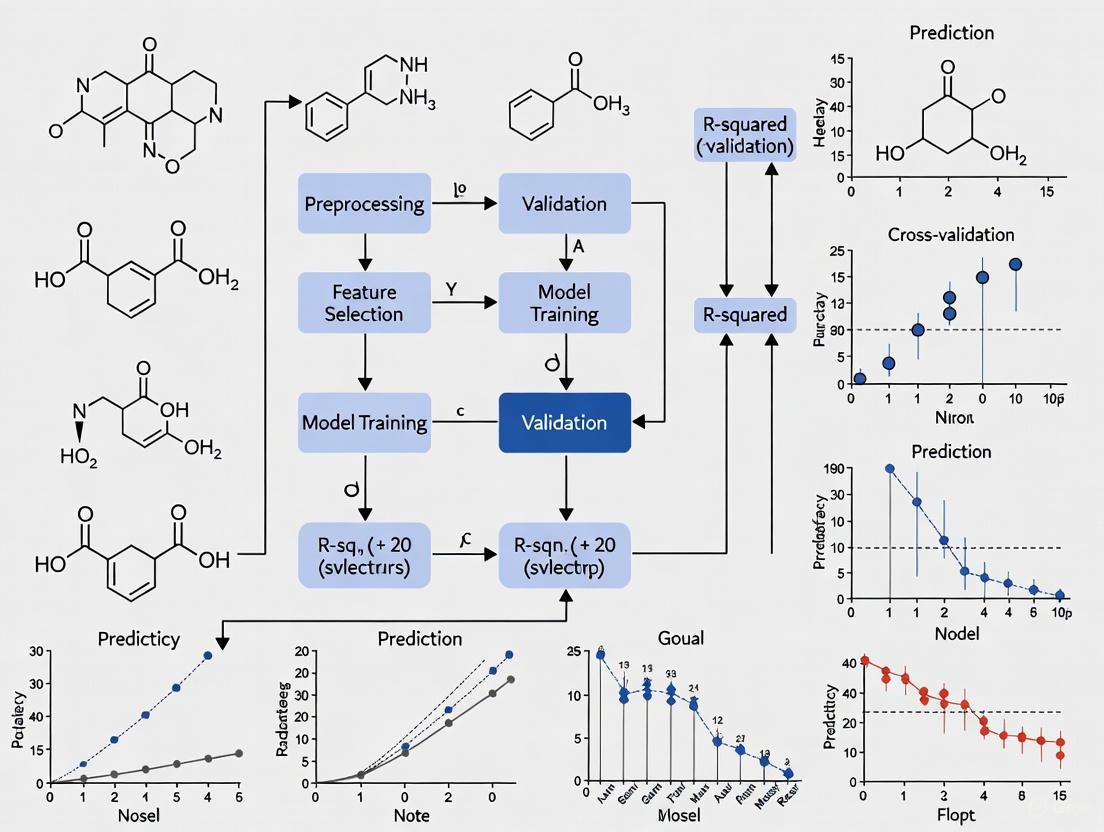
This article provides a comprehensive analysis of machine learning (ML) applications for predicting Caco-2 cell permeability, a critical parameter in oral drug development.
Machine Learning for Caco-2 Permeability Prediction: A Comprehensive Guide for Drug Development
Abstract
This article provides a comprehensive analysis of machine learning (ML) applications for predicting Caco-2 cell permeability, a critical parameter in oral drug development. It explores the foundational challenges of the Caco-2 assay and the subsequent need for in silico models. The piece delves into a wide array of methodological approaches, from traditional QSPR to advanced graph neural networks and multitask learning, highlighting their implementation on platforms like KNIME. It further addresses crucial troubleshooting aspects, including data curation and managing applicability domains for complex modalities like cyclic peptides and targeted protein degraders. Finally, the article offers a comparative validation of different ML models, examines their transferability to industrial settings, and discusses the integration of these predictions with advanced in vitro systems to enhance the prediction of human intestinal absorption for researchers and drug development professionals.
The Caco-2 Gold Standard and the Imperative for Machine Learning
The Caco-2 cell model, derived from human colorectal adenocarcinoma, stands as the preeminent in vitro tool for predicting intestinal drug absorption and permeability for over three decades. Its gold-standard status stems from an unparalleled ability to spontaneously differentiate into enterocyte-like cells that form polarized monolayers with well-developed tight junctions and brush borders, closely mimicking the human intestinal epithelium. This application note details the experimental protocols for utilizing this benchmark model, its critical applications in drug discovery, and its evolving role in powering modern machine learning algorithms for permeability prediction. By providing a biologically relevant, reproducible, and high-throughput compatible system, the Caco-2 model continues to be an indispensable asset for researchers and drug development professionals, forming a critical experimental foundation for advanced in silico methodologies.
In the realm of drug development, oral administration remains the preferred route due to its convenience and patient compliance, making good intestinal absorption a prerequisite for clinical success [1] [2]. The Caco-2 (Cancer coli-2) cell line, established from a human colon carcinoma, has emerged as the most widely utilized in vitro model for predicting human intestinal drug absorption since its introduction in the 1970s [3] [4]. The model's supremacy originates from its unique biological characteristics: when cultured under standard conditions, Caco-2 cells undergo spontaneous differentiation into a polarized monolayer expressing key features of small intestinal enterocytes, including microvilli structures, brush border enzymes, and various carrier transport systems [3]. This application note elucidates why this model maintains its benchmark status, provides detailed protocols for its implementation, and explores its integral role in the development of machine learning frameworks for permeability prediction, thereby bridging classical experimental biology with cutting-edge computational science.
Key Characteristics and Strengths of the Caco-2 Model
The enduring utility of the Caco-2 model in pharmaceutical research is anchored in several defining strengths that collectively justify its gold-standard status.
Predictive Power for Passive Diffusion: The differentiated Caco-2 monolayer forms tight junctions on Transwell inserts, creating a robust biological barrier that enables reliable prediction of drug permeability for passively diffused compounds, a critical parameter in the Biopharmaceutics Classification System (BCS) [5] [2].
Expression of Relevant Transporters and Enzymes: Unlike simpler artificial membranes, Caco-2 cells express a variety of drug-metabolizing enzymes (e.g., cytochrome P450 enzymes, phase II enzymes) and transporter proteins (e.g., P-glycoprotein (P-gp), Multidrug Resistance-Associated Proteins (MRPs), and Breast Cancer Resistance Protein (BCRP)) that are instrumental in carrier-mediated drug absorption and efflux [3] [2]. This allows for the investigation of active transport and efflux mechanisms.
High Reproducibility and Ease of Use: The model allows for consistent and reproducible results across experiments, a vital requirement for comparative studies and regulatory submissions [5]. Furthermore, the cells are relatively straightforward to culture, making them accessible to most laboratories [4].
Fast Differentiation and Functional Markers: Caco-2 cells differentiate relatively rapidly, expressing mature functional properties of enterocytes. The monolayer exhibits high transepithelial electrical resistance (TEER), a key indicator of barrier integrity, and expresses most receptors and enzymes found in the normal intestinal epithelium [4].
Table 1: Key Functional Transporters Expressed in Caco-2 Cell Models and Their Roles
| Transporter | Localization in Caco-2 | Primary Role in Drug Absorption | Example Substrates |
|---|---|---|---|
| P-gp (MDR1) | Apical membrane | Effluxes drugs back into the lumen, reducing bioavailability | Digoxin, Fexofenadine, Paclitaxel [2] |
| BCRP | Apical membrane | Excretion of conjugates and efflux of various compounds | Daunorubicin, Rosuvastatin, Topotecan [2] |
| MRP2 | Apical membrane | Efflux of phase II metabolites (e.g., glucuronides) | Cisplatin, Indinavir [2] |
| PepT1 | Apical membrane | Uptake of di/tri-peptides and peptidomimetic drugs | Valacyclovir, Ampicillin, Captopril [2] |
Applications in Drug Discovery and Development
The Caco-2 cell model serves as a versatile workhorse across multiple stages of the drug discovery and development pipeline, providing critical data that informs decision-making.
Intestinal Absorption and Permeability Screening
The primary application of the Caco-2 model is the prediction of oral drug absorption. By measuring the apparent permeability coefficient (Papp) of a compound as it traverses the cell monolayer from the apical (AP, luminal) to the basolateral (BL, blood) compartment, researchers can classify compounds as having high, medium, or low permeability [1] [6]. This data is fundamental for BCS classification and for prioritizing lead compounds during early-stage discovery [1].
Mechanistic Studies of Transport Pathways
The model is indispensable for elucidating the precise mechanisms by which compounds cross the intestinal epithelium. Studies can determine whether absorption occurs via transcellular (across cells) or paracellular (between cells) routes, and whether the process is passive or involves carrier-mediated uptake or efflux [3] [4]. For instance, the role of efflux transporters like P-gp can be probed by using specific inhibitors and comparing the bidirectional transport (AP→BL vs. BL→AP) to calculate an efflux ratio [6] [2].
Predicting Herb-Drug and Food-Drug Interactions
Caco-2 cells are widely used to screen for potential interactions between conventional drugs and herbal supplements or food components. These interactions often occur via inhibition or induction of metabolic enzymes or drug transporters in the gut [2]. For example, a study on polyphenols like hesperetin, which showed a high efflux ratio, suggests a potential for interaction with efflux transporters [6].
Assessing Mucosal Toxicity and Barrier Function
The integrity of the Caco-2 monolayer, routinely monitored by measuring TEER, provides a sensitive platform to assess the potential mucosal toxicity of new chemical entities or formulations. A decline in TEER indicates a compromise of the barrier function, which can be further investigated by measuring the expression of tight junction proteins [4].
Diagram 1: Standard Caco-2 Permeability Assay Workflow
Detailed Experimental Protocol: The 7-Day Caco-2 Assay
While traditional Caco-2 differentiation takes 21 days, a well-validated 7-day protocol offers a time and resource-saving alternative for high-throughput screening during lead optimization [1]. The following protocol outlines the key steps.
Materials and Reagents
Table 2: The Scientist's Toolkit: Essential Reagents for Caco-2 Assays
| Item | Function/Description | Example/Note |
|---|---|---|
| Caco-2 Cells | The core cellular model. | Use low-passage cells (< passage 30) to ensure consistency [4]. |
| Transwell Inserts | Porous membrane supports for cell growth and polarization. | Typical pore size: 0.4 μm or 3.0 μm. |
| Dulbecco's Modified Eagle Medium (DMEM) | Standard culture medium. | Supplemented with 10-20% Fetal Bovine Serum (FBS), 1% Non-Essential Amino Acids (NEAA), and 1% L-Glutamine. |
| Transport Buffer | Physiologically relevant buffer for permeability assays. | e.g., Hanks' Balanced Salt Solution (HBSS) with 10 mM HEPES, pH 7.4. |
| Transepithelial Electrical Resistance (TEER) Meter | To non-invasively monitor the integrity and tightness of the cell monolayer. | Acceptable TEER values typically exceed 300 Ω·cm² [3]. |
| LC-MS/MS or HPLC System | For sensitive and accurate quantification of the test compound in the samples. | Essential for determining apparent permeability (Papp). |
Protocol Steps
Cell Seeding and Culture: Seed Caco-2 cells onto the apical side of collagen-coated Transwell inserts at a high density (e.g., (1.0 \times 10^5) cells/cm²). Culture the cells for 7 days, changing the medium every 48 hours. The cells are maintained at 37°C in a humidified atmosphere of 5% CO₂ [1].
Monolayer Integrity Validation: Prior to the experiment, validate the integrity of the differentiated monolayer by measuring TEER. Only use inserts with TEER values above a pre-defined threshold (e.g., > 300 Ω·cm²). Alternatively, the permeability of a paracellular marker like Lucifer Yellow can be used to confirm tight junction formation [3].
Permeability Experiment:
- Pre-incubation: Wash the monolayers twice with pre-warmed transport buffer.
- Dosing: Add the test compound dissolved in transport buffer to the donor compartment (AP for AP→BL permeability; BL for BL→AP efflux studies). Add corresponding blank buffer to the receiver compartment.
- Incubation: Place the plates in an orbital shaker (e.g., 50-60 rpm) at 37°C to minimize the unstirred water layer effect. The standard incubation time is 2 hours, with sampling from the receiver compartment at multiple time points (e.g., 30, 60, 90, 120 min) for kinetic analysis [1] [6].
Sample Analysis and Calculation:
- Analyze the concentration of the test compound in the receiver chamber samples using a validated analytical method (e.g., LC-MS/MS).
- Calculate the apparent permeability coefficient (Papp) using the formula: [ P{app} = \frac{dQ}{dt} \times \frac{1}{A \times C0} ] where (dQ/dt) is the transport rate (mol/s), (A) is the surface area of the membrane (cm²), and (C_0) is the initial concentration in the donor compartment (mol/mL) [6].
The Caco-2 Model in the Era of Machine Learning
The rich, high-quality experimental data generated from Caco-2 assays provides the foundational datasets required to train and validate sophisticated machine learning (ML) models for permeability prediction, accelerating early-stage drug design.
Data Generation for Model Training
ML models, including recent message-passing neural networks (MPNNs) and AutoML frameworks like CaliciBoost, require large, curated datasets of molecular structures and their corresponding Caco-2 permeability values (e.g., Papp) for training [7] [8] [9]. The experimental protocols described above are the primary source of this critical data.
Addressing Class Imbalance with Advanced ML
A significant challenge in building multiclass permeability predictors is the inherent class imbalance in available datasets. Advanced ML strategies, such as the XGBoost classifier combined with oversampling techniques like ADASYN, have been successfully employed to address this, achieving high predictive accuracy (test accuracy: 0.717, MCC: 0.512) [7].
Feature Selection and Model Interpretation
The performance of ML models is heavily dependent on molecular feature representation. Studies have demonstrated that 2D/3D molecular descriptors (e.g., PaDEL, Mordred) are particularly effective for Caco-2 prediction [9]. Furthermore, tools like SHAP analysis are applied to interpret the best-performing models, elucidating which molecular descriptors are most influential in determining permeability, thereby providing valuable insights for medicinal chemists [7].
Diagram 2: Caco-2 Data in ML Permeability Prediction
Limitations and Future Perspectives
Despite its benchmark status, the Caco-2 model has recognized limitations, which are driving innovation toward more physiologically relevant systems.
Lack of Cellular Heterogeneity: The model primarily consists of enterocytes, lacking other key intestinal cell types like goblet cells (which secrete mucus), enteroendocrine cells, and M-cells [5] [4]. This is being addressed by developing co-culture models, such as combining Caco-2 with mucus-producing HT29-MTX cells [3] [10].
Variable and Non-Physiological Expression of Enzymes/Transporters: The expression levels of certain metabolic enzymes (e.g., Carboxylesterases CES1/CES2, CYP3A4) and transporters can be low or non-physiological compared to the human intestine [5]. This can lead to inaccurate predictions for prodrugs or compounds that are their substrates.
Extended Differentiation Time: The traditional 21-day culture period is a bottleneck for high-throughput screening. The adoption of accelerated protocols (e.g., 7-day) and the use of engineered scaffolds are mitigating this issue [1] [10].
The future lies in integrating data from next-generation models, such as primary human stem cell-derived models (e.g., RepliGut) and gut-on-a-chip microphysiological systems (MPS), which offer more human-relevant expression of enzymes and transporters [5]. Furthermore, the fluidic integration of gut models with other organs (e.g., liver) in multi-organ chips provides a transformative approach to model first-pass metabolism and predict systemic bioavailability more accurately [5]. These advanced systems will generate even richer biological data, further powering the next generation of machine learning predictive models.
The Caco-2 cell model remains the undisputed benchmark for in vitro intestinal permeability assessment due to its robust biology, proven predictive power, and extensive validation history. Its well-characterized protocols for evaluating passive and active transport mechanisms provide an indispensable framework for drug development. Crucially, the high-quality, experimentally derived permeability data from Caco-2 assays serves as the essential fuel for the development of sophisticated machine learning algorithms, creating a powerful synergy between traditional lab-based science and modern in silico prediction. As the field advances, the Caco-2 model will continue to be a critical point of reference and a foundational tool, even as its limitations are addressed by more complex and human-relevant next-generation models.
Within drug discovery, the accurate assessment of intestinal permeability is a critical determinant of a compound's potential for oral bioavailability. The Caco-2 cell monolayer model has emerged as the in vitro gold standard for this purpose, owing to its morphological and functional similarity to human intestinal enterocytes [10] [11]. However, its integration into high-throughput screening (HTS) paradigms is significantly hampered by three interconnected challenges: extended experimental timelines, substantial resource costs, and inherent experimental variability [10] [12] [13]. This Application Note delineates these challenges and details how the adoption of accelerated protocols and machine learning (ML) models can de-bottleneck the permeability screening process, providing researchers with efficient and reliable tools for early-stage drug development.
The traditional Caco-2 protocol requires a prolonged cultivation period of 21 to 24 days for the cells to fully differentiate into a polarized monolayer [10] [11]. This timeframe is incompatible with the rapid pace of modern drug discovery, necessitating faster solutions. Furthermore, the assay is labor-intensive and requires specialized materials and analytical equipment, contributing to its high cost [14] [13]. Compounding these issues is the heterogeneity of the Caco-2 cell line itself and differences in experimental protocols across laboratories, which lead to considerable variability in reported permeability measurements [13]. This variability limits the reliability of data and complicates the construction of large, consistent datasets needed for robust quantitative structure-property relationship (QSPR) modeling.
Experimental Challenges and Accelerated Protocol
The primary experimental bottlenecks of the traditional Caco-2 assay are its duration and operational complexity. The extended differentiation time increases risks of microbial contamination and demands significant laboratory resources [11]. To address this, an accelerated 7-day protocol has been developed, enabling higher-throughput screening without sacrificing data quality [12].
Accelerated 7-Day Caco-2 Permeability Assay
This protocol outlines the procedure for establishing functional Caco-2 monolayers in a 96-well format within one week, optimized for direct UV compound analysis.
2.1.1 Research Reagent Solutions & Materials
Table 1: Essential Materials for the 7-Day Caco-2 Assay
| Item Name | Function/Description |
|---|---|
| Caco-2 Cells | Human colon adenocarcinoma cell line, capable of differentiating into enterocyte-like cells. |
| 96-Well Polycarbonate Filter Plates | Supports high-density cell seeding and monolayer formation for permeability measurement. |
| Novel Cell Culture Boxes | Allows complete submergence of culture plates; medium is exchanged outside the plate to enhance productivity and minimize contamination. |
| UV-Transparent Transport Buffer | Enables direct quantification of permeated drug via UV absorption, eliminating need for complex sample preparation. |
| High Glucose DMEM Medium | Standard culture medium for supporting high-density cell growth and differentiation. |
2.1.2 Step-by-Step Methodology
- Cell Seeding: Seed Caco-2 cells at a high density (e.g., 100,000 cells per well) onto 96-well polycarbonate filter plates.
- Accelerated Cultivation: Place the seeded plates into novel cell culture boxes, fully submerged in standard culture medium. Incubate at 37°C, 5% CO₂ for 7 days. The medium outside the plate is exchanged regularly, but the individual wells are not accessed, reducing labor and contamination risk.
- Monolayer Integrity Check: Post-cultivation, confirm the integrity and functionality of the monolayers, for example, by measuring Transepithelial Electrical Resistance (TEER) or using marker compounds.
- Permeability Assay: a. Aspirate the culture medium from both the apical (AP) and basolateral (BL) compartments. b. Add the test compound dissolved in the novel UV-transparent transport buffer to the donor compartment (e.g., AP side for A-B permeability). c. Place the receiver compartment (e.g., BL side) with the UV-transparent buffer. d. Incubate the plate under standard conditions (e.g., 37°C) with gentle agitation for the desired duration (e.g., 2 hours).
- Sample Analysis: Directly transfer samples from the receiver compartment to a UV-compatible microplate. Quantify the concentration of the permeated compound by measuring its UV absorption. Calculate the apparent permeability (Papp) using standard equations.
2.1.3 Protocol Advantages
- Time Efficiency: Reduces cell culture time from 21 days to 7 days, drastically accelerating throughput [12].
- Cost-Effectiveness: Minimizes reagent use and labor through the 96-well format and non-invasive feeding system.
- Analytical Simplicity: The direct UV method eliminates the need for liquid chromatography/tandem mass spectrometry (LC/MS/MS) for many compounds, simplifying analysis and reducing costs [12]. For even higher throughput, multiplexed LC/MS/MS systems (e.g., four-way multiplexed electrospray interface) can be employed to maximize analytical speed [15].
The following workflow diagram illustrates the streamlined, accelerated protocol and its position within a broader R&D pipeline that integrates machine learning.
Machine Learning for Predictive Permeability Assessment
Computational models, particularly machine learning algorithms, offer a powerful strategy to overcome the limitations of experimental screening. By learning from existing experimental data, these models can predict the Caco-2 permeability of novel compounds instantly, prioritizing synthesis and testing for the most promising candidates [14] [11].
Performance Comparison of ML Algorithms
Multiple studies have systematically benchmarked various ML algorithms for Caco-2 permeability prediction. The table below summarizes the performance of prominent models, demonstrating that ensemble and graph-based methods often achieve superior accuracy.
Table 2: Benchmarking Performance of Selected Machine Learning Models for Caco-2 Permeability Prediction
| Model Name | Model Type | Key Features/Molecular Representation | Reported Performance (Test Set) | Source/Reference |
|---|---|---|---|---|
| CaliciBoost (AutoML) | Automated ML Ensemble | Combines multiple feature representations (PaDEL, Mordred descriptors); Uses Bayesian optimization. | Best MAE on benchmark datasets. 15.73% MAE reduction with 3D vs. 2D descriptors. | [16] |
| XGBoost | Gradient Boosting | Combined Morgan fingerprints and RDKit 2D descriptors. | Superior performance in comparative study; R² ~0.76, RMSE ~0.38. | [17] [11] |
| SVM-RF-GBM Ensemble | Hybrid Ensemble | Combined SVM, Random Forest, and Gradient Boosting. | RMSE = 0.38, R² = 0.76. | [17] |
| Directed-MPNN (D-MPNN) | Graph Neural Network | Molecular graph representation; captures complex structural relationships. | Consistently top performance in cyclic peptide benchmark. | [18] [19] |
| Random Forest (RF) | Ensemble (Bagging) | Morgan fingerprints or RDKit 2D descriptors; robust to overfitting. | RMSE between 0.43–0.51 on large validation sets. | [13] [11] |
| Atom-Attention MPNN (AA-MPNN) | Graph Neural Network | Integrates self-attention with contrastive learning; highlights critical substructures. | Enhanced predictive accuracy and model interpretability. | [19] |
QSPR Model Building Protocol
For researchers aiming to develop their own predictive models, the following general protocol provides a robust framework.
3.2.1 Data Curation and Preprocessing
- Data Collection: Compile experimental Caco-2 Papp values from public databases (e.g., ChEMBL, CycPeptMPDB) and literature [18] [14] [11].
- Standardization: Standardize molecular structures using toolkits like RDKit (e.g., neutralizing charges, handling tautomers) to ensure consistency [11].
- Data Cleaning: Resolve duplicate entries by averaging measurements with low standard deviation (e.g., ≤ 0.3). Exclude entries with missing critical data [11].
3.2.2 Molecular Featurization Convert standardized molecular structures into numerical representations. Common approaches include:
- Molecular Descriptors: Calculate physicochemical descriptors (e.g., LogP, TPSA, molecular weight) using software like RDKit, PaDEL, or Mordred. The incorporation of 3D descriptors can significantly boost performance [17] [16].
- Fingerprints: Generate structural fingerprints such as Morgan (ECFPs) or MACCS keys to encode molecular substructures [16] [11].
- Graph Representations: For graph neural networks, represent atoms as nodes and bonds as edges in a molecular graph [18] [19] [11].
3.2.3 Model Training and Validation
- Data Splitting: Split the curated dataset into training, validation, and test sets. Use random splits for general performance assessment and scaffold splits to rigorously evaluate generalization to novel chemotypes [18].
- Algorithm Selection: Train a diverse set of algorithms (e.g., RF, XGBoost, SVM, GNNs). AutoML frameworks like AutoGluon can automate model selection and hyperparameter optimization [16] [14].
- Validation: Perform rigorous internal validation (e.g., k-fold cross-validation) and external validation on a hold-out test set. Use metrics like RMSE, R², and MAE for regression tasks. Apply Y-randomization and applicability domain analysis to ensure model robustness [13] [11].
The logical flow for building and deploying a high-quality predictive model is summarized in the following diagram.
The challenges of time, cost, and variability inherent in the traditional Caco-2 assay are no longer insurmountable barriers to high-throughput permeability screening. The integration of accelerated experimental protocols, which reduce cultivation time from 21 days to 7 days, with highly predictive machine learning models establishes a powerful, synergistic strategy. This combined approach enables drug discovery researchers to efficiently prioritize lead compounds with favorable permeability characteristics early in the development pipeline. By adopting these methodologies, laboratories can significantly enhance productivity, reduce reliance on costly and time-consuming experimental screens, and accelerate the journey of oral drug candidates from the bench to the clinic.
The application of machine learning (ML) to predict Caco-2 permeability represents a paradigm shift in drug discovery, offering the potential to rapidly prioritize compounds with favorable intestinal absorption profiles. However, the predictive accuracy of these sophisticated algorithms is fundamentally constrained by a critical upstream bottleneck: the scarcity of high-quality, consistent experimental permeability data for model training and validation [11] [20]. This data hurdle stems from the inherent biological and technical variability of the Caco-2 assay system itself, which, if not meticulously managed, propagates noise and uncertainty into computational models, limiting their reliability and applicability domain.
The Caco-2 cell line, derived from human colorectal adenocarcinoma, is the "gold standard" in vitro model for predicting human intestinal permeability due to its ability to differentiate into enterocyte-like cells expressing relevant transporters and forming tight junctions [21] [22]. Nevertheless, this biological complexity is a double-edged sword. The heterogeneity of Caco-2 subpopulations and significant inter-laboratory variations in culture methods, assay conditions, and validation protocols lead to substantial discrepancies in reported permeability coefficients (Papp) for the same compounds [21] [20]. One analysis found "substantial differences for absolute apparent permeability coefficients (Papp) of compounds between datasets from various laboratories with high normalized RMSE values in the range of 0.46 to 0.58" [20]. This variability, compounded by challenges in data curation from public sources, creates a significant barrier to developing robust, generalizable ML models that perform consistently across diverse chemical space.
The Data Scarcity and Variability Challenge
The journey from cell culture to a final Papp value is fraught with potential sources of variation that directly impact data quality and consistency which are essential for ML.
- Cell Culture Conditions: The Caco-2 cell line exhibits high internal heterogeneity and external variability [21]. Factors such as the number of cell passages, seeding density, and the duration of cell differentiation (typically 21–24 days) can significantly influence the formation and integrity of the cell monolayer, thereby affecting permeability measurements [20] [22].
- Assay Protocol Differences: Variations in transport buffer composition, incubation time, and pH can alter compound permeability [21]. A critical mitigating strategy is the inclusion of Bovine Serum Albumin (BSA) in the assay buffer. BSA reduces non-specific binding of lipophilic compounds to plasticware and improves their aqueous solubility, leading to more accurate concentration measurements and higher recovery rates, which is crucial for generating reliable data for BCS Class II compounds [22].
- Validation and Standardization Gaps: While regulatory agencies provide acceptance criteria for Caco-2 model validation, they do not specify a detailed protocol [21]. This lack of standardized methodology across laboratories directly contributes to dataset inconsistencies that hinder the aggregation of high-quality data from public sources for ML training.
Consequences for Machine Learning
The experimental variability directly translates into several concrete problems for ML development which impact model reliability and usability.
- Limitations in Data Quantity and Quality: The "paucity of high-quality Caco-2 permeability data has impeded the development of accurate models with a wide applicability domain" [11]. This data scarcity is a major bottleneck for training complex models, particularly deep learning architectures that typically require large amounts of consistent data.
- Noise and Uncertain Labels in Training Data: When models are trained on aggregated data from multiple sources with inherent experimental noise, they learn from "uncertain" labels. This noise can cap the achievable performance of even the most advanced algorithms and reduce the model's ability to generalize to new, unseen compounds [20].
- Impaired Model Generalizability and Transferability: The performance of a model trained on public data often drops when applied to proprietary industrial datasets. One study noted that while boosting models "retained a degree of predictive efficacy when applied to industry data," there was a noticeable performance degradation, highlighting the domain shift problem caused by data inconsistency [11].
Standardized Experimental Protocols for High-Quality Data Generation
To overcome the data hurdle, rigorous standardization of experimental procedures is paramount. The following protocol provides a framework for generating consistent, high-quality Caco-2 permeability data suitable for ML model development.
Cell Culture and Monolayer Preparation
Objective: To establish a fully differentiated and functional Caco-2 cell monolayer. Procedure: 1. Cell Seeding: Seed Caco-2 cells at a density of (1 \times 10^5) cells/cm² on collagen-coated polyester transwell inserts [23]. 2. Cell Differentiation: Culture the cells for 18–22 days to achieve full differentiation, changing the culture medium every 48 hours [22] [23]. Maintain at 37°C in a humidified atmosphere with 5% CO₂. 3. Monolayer Integrity Verification: Prior to permeability assays, confirm monolayer integrity using:
- Transepithelial Electrical Resistance (TEER): Acceptable values are >1000 Ω·cm² for 24-well plates and >500 Ω·cm² for 96-well plates [23].
- Paracellular Flux Marker: Use Lucifer Yellow. The apparent permeability (Papp) should be ≤ (1 \times 10^{-6}) cm/s, and the paracellular flux should be ≤0.5-0.7% [22] [23].
Permeability Assay and Sample Analysis
Objective: To determine the apparent permeability coefficient (Papp) of test compounds. Procedure: 1. Assay Preparation:
- Prepare test and reference compounds in transport buffer (e.g., HBSS). A starting concentration of 10 µM is suggested for unknown compounds [23].
- For efflux assessment, include transport in both apical-to-basolateral (A-B) and basolateral-to-apical (B-A) directions.
- Pre-warm all solutions to 37°C. 2. Compound Incubation:
- Add the compound solution to the donor compartment and fresh buffer to the receiver compartment.
- Incubate for 2 hours at 37°C with gentle agitation [23]. 3. Sample Collection and Analysis:
- Collect samples from both donor and receiver compartments at the end of incubation.
- Use a validated bioanalytical method for quantification. A UPLC-MS/MS method capable of simultaneously quantifying multiple markers is recommended for efficiency and consistency [24]. 4. Data Calculation and Acceptance Criteria:
- Calculate Papp using the formula: (P{app} = \frac{dQ/dt}{C0 \times A}) where (dQ/dt) is the permeation rate (nmol/s), (C_0) is the initial donor concentration (nmol/mL), and (A) is the monolayer area (cm²) [22] [23].
- Calculate percent recovery: (\% Recovery = \frac{Total\ compound\ recovered}{Initial\ compound} \times 100) Low recovery may indicate solubility, binding, or metabolism issues [22].
- Include reference compounds for assay validation (Table 1).
The following workflow diagram summarizes the key steps for generating reliable Caco-2 data.
Reference Compounds for Assay Validation
Table 1: Essential Reference Compounds for Caco-2 Assay Validation and Standardization
| Compound | Function | Expected Papp (×10⁻⁶ cm/s) | Permeability Class | Key Mechanism |
|---|---|---|---|---|
| Atenolol | Low permeability marker [23] | ~1.64 [21] | Low | Passive paracellular transport [24] |
| Propranolol | High permeability marker [23] | ~30.76 [21] | High | Passive transcellular diffusion [24] |
| Digoxin | P-gp substrate marker [23] | N/A | Efflux substrate | P-glycoprotein-mediated efflux |
| Verapamil | P-gp inhibitor control [24] [23] | N/A | High Permeability / Inhibitor | Passive transcellular diffusion & P-gp inhibition [24] |
| Quinidine | Efflux marker [24] | N/A | High Permeability / Efflux | Passive diffusion & P-gp substrate [24] |
| Metoprolol | High permeability marker [23] | ~37.33 [21] | High | Passive transcellular diffusion |
Computational Strategies for Noisy and Limited Data
When high-quality experimental data is limited, specific computational strategies can help build more robust models.
Advanced Machine Learning Approaches
- Algorithm Selection: Ensemble methods like XGBoost and Random Forest have demonstrated strong performance in predicting Caco-2 permeability, often outperforming other models, particularly on complex datasets [11] [7] [20]. Their inherent robustness to noise makes them well-suited for handling experimental variability.
- Data Balancing Techniques: For classification tasks, dataset imbalance poses a significant challenge. Employing balancing strategies like ADASYN oversampling can significantly improve model performance, with XGBoost classifiers using this method achieving test accuracies of 0.717 and MCC of 0.512 [7].
- Representation Learning and Deep Learning: Combining multiple molecular representations improves model comprehension. Using Morgan fingerprints alongside RDKit 2D descriptors provides both substructure and global physicochemical information [11]. Furthermore, Message Passing Neural Networks and Atom-Attention MPNNs directly learn from molecular graph structures, capturing intricate topological features crucial for permeability [11] [8].
Data Curation and Model Validation Best Practices
Robust model development requires rigorous data preparation and validation, not just advanced algorithms.
- Data Curation Workflow: Implement a multi-step curation process [11] [20]:
- Molecular Standardization: Standardize structures to consistent tautomer and neutral forms.
- Duplicate Management: For compounds with multiple measurements, calculate the mean and standard deviation. Retain only those with low standard deviation (e.g., ≤ 0.3) to ensure data consistency [11].
- Descriptor Calculation and Variable Selection: Use recursive feature selection to eliminate correlated and uninformative descriptors, simplifying the model and enhancing interpretability [20].
- Rigorous Model Validation:
- Employ Y-randomization tests to ensure the model is not learning by chance [11].
- Define the Applicability Domain to identify compounds for which predictions are reliable [11].
- Use an external validation set from a different source (e.g., an industrial in-house dataset) to assess real-world generalizability [11].
The following diagram visualizes this integrated computational pipeline.
The Scientist's Toolkit: Key Research Reagent Solutions
Table 2: Essential Research Reagents and Tools for Caco-2 Permeability Studies
| Reagent / Tool | Function | Example Use-Case |
|---|---|---|
| Caco-2 Ready-to-Use Plates | Pre-seeded, differentiated monolayers for immediate assay use. | Reduces inter-laboratory variability and saves 3 weeks of culture time (e.g., CacoReady) [23]. |
| BSA (Bovine Serum Albumin) | Added to transport buffer to improve solubility of lipophilic compounds and reduce non-specific binding. | Crucial for obtaining reliable data for BCS Class II compounds by increasing recovery and accurate Papp determination [22]. |
| Validated UPLC-MS/MS Method | Simultaneous quantification of multiple permeability markers with high sensitivity and specificity. | Enables high-throughput, precise measurement of key analytes like atenolol, propranolol, quinidine, and verapamil in a single run [24]. |
| Reference Compound Kit | A set of well-characterized control compounds for assay validation. | Ensures consistency and regulatory compliance by verifying monolayer performance and assay accuracy (see Table 1) [21] [23]. |
| Automated KNIME Workflow | Open-source platform for building automated QSPR modeling workflows. | Facilitates data curation, feature selection, model building, and virtual screening of Caco-2 permeability [20]. |
The hurdle of high-quality, consistent Caco-2 permeability data is a significant but surmountable challenge in the age of machine learning for drug discovery. Overcoming it requires a dual-pronged strategy: a steadfast commitment to experimental rigor and standardization at the bench to generate reliable data, coupled with the intelligent application of robust computational methods designed to handle the noise and scarcity inherent in existing datasets. By adopting standardized protocols, leveraging advanced ML algorithms like XGBoost and AA-MPNN, and implementing rigorous data curation and validation practices, researchers can transform this data hurdle into a foundation for predictive models that truly accelerate the development of orally administered drugs.
The assessment of intestinal permeability represents a critical hurdle in the early stages of oral drug development. For decades, the Caco-2 cell assay, derived from human colorectal adenocarcinoma cells, has served as the gold standard for in vitro permeability assessment due to its morphological and functional similarity to human enterocytes [20] [11]. This assay is endorsed by regulatory bodies for classifying compounds according to the Biopharmaceutics Classification System (BCS) [11]. However, the extensive cultivation period of 7-24 days required for cell differentiation, coupled with substantial costs and experimental variability, renders traditional Caco-2 assays impractical for high-throughput screening [20] [11].
The transition from in vitro to in silico methods addresses these limitations through machine learning (ML) and quantitative structure-property relationship (QSPR) modeling. By leveraging computational power, these approaches enable rapid permeability prediction for vast chemical libraries, significantly accelerating candidate selection [20] [17]. This application note details the implementation of ML models for Caco-2 permeability prediction, providing researchers with validated protocols and frameworks to integrate these tools into early drug discovery workflows.
Performance Benchmarking of ML Models
The evaluation of diverse machine learning algorithms has identified several high-performing approaches for Caco-2 permeability prediction. The following table summarizes the performance metrics of recently developed models, demonstrating the current state of the art in this field.
Table 1: Performance Metrics of Recent Caco-2 Permeability Prediction Models
| Model Name | Algorithm Type | Dataset Size | Key Metrics | Reference |
|---|---|---|---|---|
| KNIME Workflow | Consensus Random Forest | >4,900 molecules | RMSE: 0.43-0.51; R²: 0.57-0.61 (validation sets) | [20] |
| XGBoost Model | Gradient Boosting | 5,654 compounds | Superior performance on test sets vs. comparable models | [11] |
| SVM-RF-GBM Ensemble | Multiple Algorithms | 1,817 compounds | RMSE: 0.38; R²: 0.76 (test set) | [17] |
| CaliciBoost | AutoML (AutoGluon) | 906 compounds (TDC) | Best MAE performance with PaDEL, Mordred descriptors | [16] |
| CPMP | Molecular Attention Transformer | 1,310 compounds | R²: 0.62 (Caco-2 test set) | [25] |
Beyond these specific implementations, systematic comparisons of algorithms reveal that boosting methods (XGBoost, GBM) frequently outperform other approaches, while ensemble models that combine multiple algorithms often achieve the highest performance [11] [17]. The incorporation of 3D molecular descriptors from PaDEL and Mordred has been shown to reduce mean absolute error by approximately 16% compared to using 2D features alone [16].
Experimental Protocol for Model Development
Data Curation and Preprocessing
The foundation of any robust QSPR model lies in the quality and consistency of the underlying data. The following protocol outlines the essential steps for data preparation:
Data Collection and Aggregation: Collect experimental Caco-2 permeability values (Papp) from publicly available datasets such as those compiled in TDC (Therapeutics Data Commons) or OCHEM [11] [16]. Permeability measurements should be converted to consistent units (cm/s × 10⁻⁶) and transformed to a base-10 logarithmic scale (logPapp) for modeling [20] [11].
Data Curation and Standardization:
- Apply structural standardization using RDKit's MolStandardize module to achieve consistent tautomer states and neutral forms [11].
- Remove entries with missing permeability values and identify duplicate compounds.
- For molecules with multiple measurements, calculate mean values and standard deviations. Retain only entries with a standard deviation ≤ 0.3-0.5 to minimize experimental variability [20] [11].
Dataset Partitioning: Split the curated dataset into training, validation, and test sets using an 8:1:1 ratio. For more rigorous validation, implement scaffold-based splitting to assess model performance on structurally novel compounds [11] [16].
Molecular Representation and Feature Selection
The choice of molecular representation significantly impacts model performance and interpretability:
Descriptor Calculation: Compute 2D and 3D molecular descriptors using tools such as RDKit, PaDEL, or Mordred. These capture key physicochemical properties including molecular weight, logP, topological polar surface area (TPSA), hydrogen bond donors/acceptors, and rotatable bonds [17] [16].
Fingerprint Generation: Generate structural fingerprints such as Morgan fingerprints (ECFPs) with a radius of 2 and 1024 bits to encode molecular substructures [11] [16].
Feature Selection:
Model Training and Validation
The model development phase requires careful algorithm selection and validation:
Algorithm Selection: Train multiple algorithm types including Random Forest, XGBoost, Support Vector Machines (SVM), and neural networks to identify the best performer for your specific dataset [11] [17].
Hyperparameter Optimization: Conduct hyperparameter tuning via grid search or Bayesian optimization, using k-fold cross-validation (typically 5-fold) to prevent overfitting [11] [7].
Model Validation:
- Perform Y-randomization testing to confirm models do not learn chance correlations [11] [25].
- Define the applicability domain to identify compounds for which predictions are reliable [11].
- Evaluate models using external test sets and, when available, proprietary industry datasets to assess transferability [11].
The following workflow diagram illustrates the complete model development process:
The Scientist's Toolkit: Essential Research Reagents and Solutions
Successful implementation of ML models for Caco-2 permeability prediction requires both computational tools and experimental reagents for model training and validation.
Table 2: Essential Research Reagents and Computational Tools for Caco-2 Permeability Prediction
| Category | Tool/Reagent | Specific Examples | Function/Purpose |
|---|---|---|---|
| Computational Tools | Analytics Platforms | KNIME, Python/R | Workflow development and model implementation |
| Cheminformatics | RDKit, PaDEL, Mordred | Molecular descriptor and fingerprint calculation | |
| Machine Learning | Scikit-learn, XGBoost, AutoGluon | Algorithm implementation and automation | |
| Deep Learning | D-MPNN, Molecular Attention Transformer | Advanced neural network architectures | |
| Experimental Materials | Cell Lines | Caco-2 (ATCC HTB-37) | Gold standard in vitro permeability model |
| Culture Reagents | DMEM, FBS, Non-essential amino acids, Penicillin/Streptomycin | Cell line maintenance and differentiation | |
| Transport Buffers | HBSS, MES, HEPES | Permeability assay physiological conditions | |
| Reference Compounds | Metoprolol, Propranolol (high permeability), Atenolol (low permeability) | Assay validation and QC | |
| Data Resources | Public Databases | TDC, OCHEM, ChEMBL | Experimental permeability data for training |
Implementation Workflow for Drug Discovery
Integrating in silico Caco-2 permeability prediction into existing drug discovery pipelines requires a systematic approach. The following workflow enables efficient compound prioritization:
This workflow begins with a virtual compound library that undergoes multi-parameter optimization, with Caco-2 permeability prediction serving as a critical filter. Top-ranked compounds are synthesized, and their permeability is confirmed through experimental assays. This integrated approach significantly reduces the number of compounds requiring synthesis and testing, accelerating the discovery timeline and reducing costs [20] [17].
For lead optimization, Matched Molecular Pair Analysis (MMPA) can identify specific chemical transformations that improve permeability, providing medicinal chemists with actionable structural insights [11]. Additionally, model interpretability techniques such as SHAP analysis reveal which molecular descriptors most significantly impact permeability predictions, enabling data-driven structural modification [7].
Machine learning models for Caco-2 permeability prediction represent a paradigm shift in early drug discovery, effectively bridging the gap between in vitro assessment and high-throughput screening needs. The integration of these in silico tools enables researchers to prioritize compounds with favorable absorption characteristics before synthesis, optimizing resource allocation and accelerating the identification of viable drug candidates. As algorithms advance and datasets expand, these predictive models will play an increasingly central role in developing orally bioavailable therapeutics, ultimately enhancing the efficiency and success rate of drug development programs.
A Landscape of ML Algorithms and Workflows for Permeability Prediction
Within the paradigm of modern drug discovery, the accurate prediction of Caco-2 cell permeability stands as a critical determinant for assessing the oral bioavailability potential of drug candidates. This application note delineates a comprehensive, experimentally-validated framework for leveraging machine learning algorithms—specifically Random Forest (RF), eXtreme Gradient Boosting (XGBoost), Support Vector Machine (SVM), and the Directed Message Passing Neural Network (DMPNN)—to forecast Caco-2 permeability. The content is framed within a broader thesis that posits the integration of robust machine learning models with diverse molecular representations can significantly augment the efficiency and predictive accuracy of early-stage drug development pipelines. The protocols herein are designed for an audience of researchers, scientists, and drug development professionals engaged in cheminformatics and predictive ADMET modeling.
Performance Benchmarking: A Quantitative Synopsis
A consolidated summary of key benchmarking studies provides a quantitative foundation for algorithm selection. The performance of RF, XGBoost, SVM, and DMPNN varies significantly based on the dataset, molecular representations, and splitting strategies employed.
Table 1: Benchmark Performance of Algorithms for Caco-2 Permeability Prediction
| Algorithm | Molecular Representation | Dataset | Key Metric | Performance | Citation |
|---|---|---|---|---|---|
| XGBoost | Morgan FP + RDKit 2D Descriptors | Large Caco-2 (n=5,654) | Test Set Performance | Top performer vs. RF, SVM, GBM, DMPNN | [11] |
| DMPNN | Molecular Graph | Large Caco-2 (n=5,654) | Test Set Performance | Comparable performance, outperformed by XGBoost | [11] |
| Random Forest (RF) | Molecular Graph | Large Caco-2 (n=5,654) | Test Set Performance | Evaluated, outperformed by XGBoost | [11] |
| SVM | Molecular Graph | Large Caco-2 (n=5,654) | Test Set Performance | Evaluated, outperformed by XGBoost | [11] |
| XGBoost | Multi-source Feature Fusion | Cyclic Peptide (n=5,826) | AUROC | 0.9546 (in top-performing fusion model) | [26] |
| DMPNN | Molecular Graph | Cyclic Peptide (n=5,826) | Performance across tasks | Consistently top performance in regression and classification | [18] |
| Random Forest (RF) | Fingerprints / Descriptors | Cyclic Peptide (n=5,826) | Performance | Achieved comparable performance to advanced models | [18] |
| SVM | Fingerprints / Descriptors | Cyclic Peptide (n=5,826) | Performance | Achieved comparable performance to advanced models | [18] |
Table 2: Impact of Data Splitting Strategy on Model Generalizability (Cyclic Peptide Data)
| Data Splitting Strategy | Description | Implication for Model Generalizability |
|---|---|---|
| Random Split | Dataset divided randomly into training, validation, and test sets. | Higher reported generalizability due to chemical similarity between splits. [18] |
| Scaffold Split | Splits are based on molecular scaffolds, separating structurally distinct compounds. | Lower model generalizability; provides a more rigorous assessment of model robustness. [18] |
Experimental Protocols
Protocol 1: Dataset Curation and Preprocessing for Caco-2 Permeability Modeling
This protocol outlines the steps for constructing a robust, machine-learning-ready dataset from public sources.
- Objective: To compile and standardize experimental Caco-2 permeability data from heterogeneous public datasets into a curated, non-redundant dataset suitable for model training.
- Materials & Software: RDKit, Python environment, publicly available datasets (e.g., from TDC, OCHEM, and literature [11] [16]).
- Procedure:
- Data Aggregation: Combine Caco-2 permeability data from multiple public datasets. One benchmark study aggregated data from three sources, resulting in an initial set of 7,861 compounds [11].
- Unit Conversion and Value Assignment: Convert all apparent permeability (Papp) values to a consistent unit (e.g., cm/s × 10–⁶) and apply a base-10 logarithmic transformation. For compounds with multiple measurements, calculate the mean and standard deviation. Retain only entries with a standard deviation ≤ 0.3 to minimize uncertainty, using the mean value for modeling [11].
- Molecular Standardization: Process all molecular structures using a tool like RDKit's
MolStandardizemodule. This generates consistent tautomer canonical states and final neutral forms while preserving stereochemistry [11]. - Deduplication: Remove duplicate entries to create a non-redundant dataset. The aforementioned study resulted in a final curated set of 5,654 compounds [11].
- Data Splitting: Partition the curated dataset into training, validation, and test sets. A common ratio is 8:1:1. To ensure robust evaluation, perform this partitioning 10 times with different random seeds and report average performance metrics [11]. For a more rigorous assessment of generalizability to novel chemotypes, a scaffold-based split is recommended [18].
Protocol 2: Comprehensive Molecular Featurization
This protocol describes the generation of multiple molecular representations to train and evaluate different algorithms.
- Objective: To represent chemical structures in computer-interpretable formats that encapsulate structural and physicochemical information critical for permeability prediction.
- Materials & Software: RDKit, PaDEL, Mordred, or CDDD software/descriptors.
- Procedure:
- 2D Molecular Descriptors: Generate a comprehensive set of physicochemical descriptors using tools like RDKit, PaDEL, or Mordred. These capture global properties such as molecular weight, logP, and topological polar surface area (TPSA) [11] [16].
- 3D Molecular Descriptors: Compute descriptors that require 3D conformational information using tools like PaDEL or Mordred. Studies have shown that incorporating 3D descriptors can reduce the Mean Absolute Error (MAE) by over 15% compared to using 2D features alone [16].
- Structural Fingerprints: Generate binary bit vectors that represent the presence or absence of specific substructures.
- Molecular Graphs: For graph-based models like DMPNN, represent a molecule as a graph (G=(V,E)), where (V) represents atoms (nodes) and (E) represents bonds (edges). This is the native input for the DMPNN algorithm as implemented in packages like ChemProp [18] [11].
Protocol 3: Model Training, Validation, and Industrial Application
This protocol covers the training, hyperparameter optimization, and critical validation steps for developing a production-ready model.
- Objective: To train, optimize, and validate machine learning models for Caco-2 permeability prediction, and to assess their transferability to industrial settings.
- Materials & Software: Python libraries (Scikit-learn, XGBoost, ChemProp), access to an in-house industrial dataset for external validation (optional).
- Procedure:
- Algorithm Selection and Training:
- Ensemble Methods (RF, XGBoost): Train using concatenated molecular features (e.g., Morgan fingerprints + 2D descriptors). XGBoost has been identified as a top performer in direct comparisons [11] [27].
- Support Vector Machine (SVM): Train using the same feature sets, typically requiring feature scaling for optimal performance.
- Deep Learning (DMPNN): Train using molecular graphs as input. The DMPNN architecture directly learns from the graph structure without the need for hand-crafted features [18] [11].
- Hyperparameter Optimization: Employ a five-fold cross-validation approach on the training set to optimize model-specific hyperparameters. This mitigates overfitting and ensures robust model selection [7].
- Model Validation:
- Internal Validation: Evaluate the optimized model on the held-out test set from the public data, reporting metrics like MAE, RMSE, and R².
- Y-Randomization Test: Validate the model's robustness by shuffling the target permeability values and re-training. A significant drop in performance confirms the model learned true structure-property relationships and not chance correlations [11].
- Applicability Domain Analysis: Define the chemical space where the model's predictions are reliable, often using methods like leverage or distance-based approaches [11].
- Industrial Validation: Test the model's transferability by evaluating its performance on a proprietary, in-house dataset (e.g., from a pharmaceutical company like Shanghai Qilu). This step is critical for verifying real-world utility [11].
- Algorithm Selection and Training:
Workflow Visualization
The following diagram illustrates the integrated experimental and computational pipeline for Caco-2 permeability prediction.
Caco-2 Permeability Prediction Workflow
Table 3: Key Software and Data Resources for Caco-2 Permeability Modeling
| Tool / Resource | Type | Function in Research | Citation |
|---|---|---|---|
| RDKit | Cheminformatics Software | Open-source toolkit for molecular standardization, descriptor calculation (RDKit2D), and fingerprint generation (Morgan). | [11] |
| PaDEL Descriptors | Molecular Descriptor Software | Calculates a comprehensive set of 2D and 3D molecular descriptors for featurization. | [16] |
| Mordred Descriptors | Molecular Descriptor Software | Computes a large set of 2D and 3D molecular descriptors, often used alongside PaDEL. | [16] |
| ChemProp | Deep Learning Framework | Specialized software for implementing DMPNN and other graph neural networks for molecular property prediction. | [18] [11] |
| XGBoost | Machine Learning Library | Library implementing the gradient boosting framework, frequently a top performer in benchmark studies. | [11] [27] |
| AutoGluon (AutoML) | Automated Machine Learning Framework | Automates the machine learning pipeline, including feature preprocessing, model selection, and hyperparameter tuning. | [16] |
| Therapeutics Data Commons (TDC) | Data Resource | Provides curated benchmarks, including Caco-2 permeability datasets for model training and evaluation. | [16] |
| OCHEM Database | Data Resource | Online chemical database with a large collection of experimental Caco-2 permeability measurements. | [16] |
Within the critical field of machine learning (ML) for drug discovery, the accurate prediction of Caco-2 permeability serves as a vital benchmark for assessing intestinal absorption and oral bioavailability of potential drug candidates [16] [11]. The performance of these predictive models is profoundly influenced by the choice of molecular representation, which translates chemical structures into a computer-readable format [8]. This application note provides a detailed comparison of three predominant representation types—molecular fingerprints, 2D descriptors, and molecular graphs—framed within the context of Caco-2 permeability prediction research. We summarize quantitative performance data, provide standardized protocols for implementation, and outline essential computational toolkits to guide researchers in selecting and applying the most effective representation for their specific project needs.
Comparative Performance Analysis
Systematic evaluations reveal that the predictive performance of molecular representations can vary based on the dataset and ML algorithm used. The following table summarizes key findings from recent benchmarking studies for Caco-2 permeability prediction.
Table 1: Comparative Performance of Molecular Representations and Model Combinations for Caco-2 Permeability Prediction
| Molecular Representation | Example Algorithms | Reported Performance (Metric, Value) | Key Strengths |
|---|---|---|---|
| 2D/3D Descriptors (RDKit, PaDEL, Mordred) | LightGBM [28], XGBoost [11], AutoGluon (CaliciBoost) [16] | MAE: 0.38-0.40 [29], Best MAE for PaDEL/Mordred [16] | High interpretability, encodes physicochemical properties, effective on small-to-medium datasets [16] [29]. |
| Molecular Fingerprints (Morgan/ECFP, MACCS) | SVM-RF-GBM Ensemble [29], Random Forest [11] | R²: 0.76 [29], RMSE: 0.38 [29] | Captures substructure patterns, computationally efficient, widely used for similarity searches [30]. |
| Molecular Graphs (D-MPNN, AA-MPNN) | Graph Neural Networks (GNNs) with Contrastive Learning [8] | Improved predictive accuracy vs. traditional methods [8] | Learns features directly from molecular structure; no need for hand-crafted features; high potential with sufficient data [8] [11]. |
| Hybrid Representations (Descriptors + Fingerprints) | CombinedNet [11], Consensus Models [20] | RMSE: 0.43-0.51 for validation sets [20] | Combines global (descriptors) and local (fingerprints) information; can leverage strengths of multiple representations [11]. |
A comprehensive study by CaliciBoost, which utilized Automated Machine Learning (AutoML), identified PaDEL, Mordred, and RDKit descriptors as particularly effective for Caco-2 prediction [16]. Notably, the incorporation of 3D descriptors alongside 2D features led to a 15.73% reduction in Mean Absolute Error (MAE), highlighting the value of stereochemical information [16]. For larger chemical spaces, particularly those beyond the Rule of Five (bRo5), the combination of LightGBM algorithm with RDKit descriptors has proven to be a very efficient and effective setup for a simple global model [28].
Detailed Experimental Protocols
Protocol 1: Building a Model with 2D Descriptors and Ensemble Methods
This protocol is ideal for projects with small to medium-sized datasets and requires interpretable models.
Data Curation and Standardization
- Collect SMILES strings and experimental logPapp values from sources like TDC (e.g., Caco2_Wang with 906 compounds) or OCHEM (with ~9,402 compounds) [16].
- Standardize molecular structures using RDKit's
StandardizeSmiles()andCleanup()functions to ensure consistent representation. Remove duplicates and entries with high experimental variability (e.g., standard deviation of replicates > 0.3) [28] [11].
Descriptor Calculation and Feature Selection
- Calculate a comprehensive set of 2D descriptors using RDKit (e.g.,
Descriptors.descListfor 209 descriptors) [28], PaDEL, or Mordred software. - Perform feature selection to reduce dimensionality and mitigate overfitting. Use a recursive feature elimination (RFE) approach combined with a genetic algorithm (GA) to select the most informative descriptors (e.g., reducing from 523 to 41 predictors) [29].
- Calculate a comprehensive set of 2D descriptors using RDKit (e.g.,
Model Training with AutoML or Boosting
- Split the data using a time-split or scaffold split to simulate real-world forecasting or assess generalization to novel chemotypes [28] [16].
- Employ an AutoML framework like AutoGluon or a boosting algorithm like XGBoost/LightGBM. For example, in AutoGluon, specify the task as regression and provide the descriptor table as input. The framework will handle algorithm selection and hyperparameter tuning [16].
- Key hyperparameters for LightGBM include setting the maximum number of leaves to 35, the number of boosted trees to 2000, and the learning rate to 0.05 [28].
Model Validation and Interpretation
- Validate the model on a held-out test set and, if available, an external validation set or an in-house pharmaceutical dataset to assess transferability [11].
- Use SHAP (SHapley Additive exPlanations) analysis to interpret the model and identify which molecular descriptors (e.g., topological polar surface area, logP) are most critical for permeability predictions [16].
Protocol 2: Implementing a Graph Neural Network with Contrastive Learning
This protocol is suited for projects with larger datasets that aim to leverage deep learning without heavy feature engineering.
Molecular Graph Construction
Self-Supervised Pretraining
- Pretrain an Atom-Attention Message Passing Neural Network (AA-MPNN) encoder on a large dataset of unlabeled molecules using contrastive learning [8].
- Generate positive samples for contrastive learning via graph augmentation techniques like atom masking, where random atoms in the molecule are masked. The model learns to create similar embeddings for the original and masked molecules [8].
Supervised Fine-Tuning
- After pretraining, add a feed-forward network (FFN) head to the encoder for the downstream regression task of predicting logPapp [8].
- Fine-tune the entire model (encoder and FFN) on the curated, labeled Caco-2 permeability dataset. This allows the model to adapt its general molecular knowledge to the specific property prediction task.
Model Evaluation and Attention Visualization
- Evaluate the fine-tuned model on a scaffold-split test set to assess its ability to generalize to new molecular scaffolds.
- Leverage the self-attention mechanisms in the AA-MPNN to visualize which atoms and substructures the model "attends to" when making a prediction, thereby enhancing model interpretability [8].
Workflow Diagram: Comparative Model Evaluation
The following diagram illustrates a generalized workflow for the systematic evaluation of different molecular representations, as discussed in the protocols above.
The Scientist's Toolkit: Essential Research Reagents & Computational Solutions
Table 2: Key Software and Tools for Molecular Representation and Modeling
| Tool Name | Type | Primary Function in Research | Key Advantage |
|---|---|---|---|
| RDKit [28] [11] | Cheminformatics Library | Calculates molecular descriptors (RDKit descriptors), generates fingerprints (Morgan/ECFP), and standardizes structures. | Open-source, widely adopted, and integrated into many workflows (e.g., KNIME). |
| PaDEL & Mordred [16] | Descriptor Calculation Software | Generates a comprehensive set of 2D and 3D molecular descriptors. | High descriptor coverage; Mordred includes 3D descriptors which can significantly boost performance [16]. |
| AutoGluon [16] | Automated Machine Learning (AutoML) | Automates the ML pipeline including feature preprocessing, model selection, and hyperparameter tuning. | Accessible for non-experts, produces strong baseline models with minimal code. |
| KNIME Analytics Platform [20] | Workflow Management | Provides a visual interface for building, validating, and deploying automated QSPR prediction workflows. | Promotes reproducibility and allows integration of various nodes for data handling, descriptor calculation, and ML. |
| ChemProp [11] | Deep Learning Framework | Specialized for molecular property prediction using Directed Message Passing Neural Networks (D-MPNN). | User-friendly implementation of state-of-the-art graph neural networks for molecules. |
The selection of an optimal molecular representation is a foundational step in building robust ML models for Caco-2 permeability prediction. For many practical applications in drug discovery, particularly with limited data, 2D and 3D descriptors used with boosting algorithms or AutoML provide an excellent balance of performance, interpretability, and computational efficiency [28] [16] [11]. For large, diverse datasets, molecular graphs combined with advanced GNNs and contrastive learning represent the cutting edge, offering high accuracy and novel insights without manual feature engineering [8]. Researchers are encouraged to validate their chosen approach on external or project-specific internal datasets to ensure real-world applicability, and to consider hybrid representations to fully leverage the complementary strengths of different molecular encoding strategies [11] [20].
Leveraging Multitask Learning (MTL) to Improve Predictions Across Related Endpoints
Within the broader scope of developing machine learning algorithms for Caco-2 permeability prediction, Multitask Learning (MTL) has emerged as a powerful paradigm to overcome a critical challenge in drug discovery: data scarcity. Traditional single-task models for predicting absorption, distribution, metabolism, and excretion (ADME) properties, including Caco-2 permeability, often suffer from limited generalization performance when training data is insufficient [31]. MTL addresses this by simultaneously learning multiple related tasks, allowing for shared representations and information transfer across tasks. This approach has demonstrated superior predictive accuracy and generalization compared to single-task models, particularly for ADME endpoints with limited experimental data [32] [31].
The MTL Paradigm in ADME Prediction
Conceptual Framework
Multitask learning operates on the principle that related tasks often share underlying biological or physicochemical determinants. In the context of ADME prediction, properties such as Caco-2 permeability, blood-brain barrier (BBB) penetration, and solubility are influenced by common molecular characteristics [8] [31]. By learning these tasks jointly, MTL models can identify and leverage these shared factors, leading to more robust and accurate predictions.
Quantitative Performance Advantages
Recent studies have demonstrated the tangible benefits of MTL approaches over traditional single-task models across various ADME parameters. The table below summarizes the performance advantages observed in a comprehensive study that developed an AI model capable of predicting ten different ADME parameters.
Table 1: Performance of MTL with Fine-Tuning (GNNMT+FT) for ADME Prediction
| ADME Parameter | Description | Number of Compounds | MTL Performance Advantage |
|---|---|---|---|
| Papp Caco-2 | Permeability coefficient (Caco-2) | 5,581 | Achieved highest performance versus conventional methods [31] |
| fubrain | Fraction unbound in brain homogenate | 587 | Addressed data scarcity, improving generalization [31] |
| Solubility | Solubility | 14,392 | Achieved highest performance versus conventional methods [31] |
| CLint | Hepatic intrinsic clearance | 5,256 | Achieved highest performance versus conventional methods [31] |
| Fup human | Fraction unbound in human plasma | 3,472 | Achieved highest performance versus conventional methods [31] |
This MTL approach, which combines multitask learning with subsequent fine-tuning for each specific ADME parameter, achieved the highest performance for seven out of ten ADME parameters compared to conventional methods [31]. The success is particularly notable for parameters with limited data, such as fubrain, where MTL mitigates overfitting by leveraging shared information from related tasks.
Protocol for Implementing MTL in Caco-2 Permeability Prediction
Data Compilation and Curation
Purpose: To assemble a high-quality, multi-task dataset for model training. Steps:
- Data Collection: Compile experimental data for Caco-2 permeability (Papp Caco-2) and related ADME parameters from public databases and in-house sources. Key parameters include fraction unbound in plasma (fup), solubility, hepatic intrinsic clearance (CLint), and blood-to-plasma ratio (Rb) [31].
- Data Curation: Standardize molecular structures using tools like the RDKit plugin in KNIME. Remove duplicates and mixtures. Address experimental variability by calculating mean values and standard deviations for compounds with repeated measurements [20].
- Data Partitioning: Split the data into training, validation, and test sets. A recommended split is 70% for training, 10% for validation, and 20% for independent testing [33]. Ensure the chemical space is well-represented across all splits.
Molecular Representation and Feature Selection
Purpose: To convert chemical structures into a computer-interpretable format that captures relevant features. Steps:
- Descriptor Calculation: Generate molecular descriptors and fingerprints from 2D structures. Common choices include:
- Feature Selection: Reduce dimensionality to minimize noise and overfitting.
- Apply a missing value cut-off (e.g., 10%) and remove low-variance descriptors [20].
- Use recursive feature elimination with a Random Forest permutation importance score to identify the most predictive descriptors [20] [17].
- Perform correlation analysis (Pearson correlation ≥ 0.85) to eliminate highly correlated features [20].
Model Architecture and Training
Purpose: To construct and train a Multitask Learning model capable of predicting multiple ADME endpoints. Steps:
- Model Selection: Implement a Graph Neural Network (GNN) based MTL architecture. GNNs directly process molecular graphs, effectively characterizing complex structures [31].
- Multitask Pretraining:
- Graph Embedding: Use a graph-embedding function,
f_θ(G_i), to map a molecular graphG_ito an embedding vectorh_i[31]. - Shared Layers: The initial layers of the network are shared across all tasks to learn a common representation.
- Task-Specific Heads: Following the shared layers, implement separate output layers (
g_θm(h_i)) for each ADME parameterm(e.g., Caco-2 permeability, solubility) [31]. - Loss Function: Minimize the total multitask loss,
L_MT, which is the sum of Smooth L1 losses for all tasks (Equation 4 & 5) [31].
- Graph Embedding: Use a graph-embedding function,
- Task-Specific Fine-Tuning:
- Use the pretrained shared layers from the multitask model as a fixed feature extractor.
- Re-train only the task-specific output layers for each ADME parameter individually, minimizing the loss
L_FT(m)for each taskm(Equation 6) [31]. This step adapts the general knowledge to the specifics of each endpoint.
Model Validation and Explanation
Purpose: To evaluate model performance and interpret predictions for lead optimization. Steps:
- Performance Validation: Assess the model using the held-out test set. Report Root Mean Square Error (RMSE) and R-squared (R²) for regression tasks, and Accuracy/AUC for classification tasks [20] [17].
- Interpretability Analysis: Apply explainable AI techniques, such as the Integrated Gradients (IG) method, to the MTL model. IG quantifies the contribution of individual atoms or substructures to the predicted ADME values, providing visual and quantitative insights for medicinal chemists [31].
- Prospective Validation: Test the model on external compound sets, such as known clinical candidates before and after lead optimization, to validate its predictive power and utility in a real-world drug discovery context [31].
Workflow Visualization
Diagram 1: MTL for ADME Prediction Workflow. This workflow outlines the key stages for developing a Multitask Learning model, from data preparation to final validation, highlighting the shared representation learning and task-specific adaptation crucial for MTL success [31] [33].
The Scientist's Toolkit: Essential Research Reagents & Platforms
Table 2: Key Software Tools and Platforms for MTL in Drug Discovery
| Tool/Platform Name | Type | Primary Function in MTL Research | Access |
|---|---|---|---|
| KNIME Analytics Platform [20] | Workflow Platform | Data curation, descriptor calculation, and automated QSPR model development. | Freely Available |
| RDKit [20] | Cheminformatics Library | Calculation of molecular descriptors and fingerprints within KNIME or Python environments. | Open Source |
| Enalos Cloud Platform [8] | Web Service | Provides pre-built models (e.g., AA-MPNN with Contrastive Learning) for predicting BBB and Caco-2 permeability. | Online Platform |
| Baishenglai (BSL) [34] | Comprehensive Platform | Integrates seven core tasks (e.g., property prediction, DTI) using GNNs and other advanced ML techniques. | Freely Available Online |
| kMoL Package [31] | Programming Library | Used for constructing Graph Neural Network (GNN) models, including multitask architectures. | Not Specified |
| scikit-learn [33] | Programming Library | Provides implementation of base learners like Random Forest for building MTL stacks (e.g., MTForestNet). | Open Source |
Integrating Multitask Learning into the predictive modeling toolkit for Caco-2 permeability and related ADME endpoints represents a significant advancement over single-task approaches. By leveraging shared information across tasks, MTL mitigates the challenges of data scarcity, enhances prediction accuracy for low-data endpoints, and provides more robust models for virtual screening and lead optimization. The protocols and resources outlined herein provide a foundation for researchers to implement and benefit from this powerful machine learning paradigm, ultimately contributing to more efficient and informed drug discovery pipelines.
Within drug discovery, predicting intestinal permeability is a critical step for assessing the potential oral bioavailability of new chemical entities. The Caco-2 cell line, derived from human colorectal adenocarcinoma, serves as a well-established in vitro model for this purpose, mimicking the human intestinal mucosa [35]. However, experimental permeability assessment is time-consuming, expensive, and subject to protocol-related variability, limiting its throughput in early discovery stages [35].
The integration of machine learning (ML) with automated workflow platforms like KNIME Analytics Platform presents a powerful strategy to overcome these limitations. This document provides detailed application notes and protocols for developing supervised recursive machine learning approaches on the KNIME platform to create reliable prediction models for Caco-2 permeability, framed within broader research on machine learning algorithms for this endpoint [35]. These automated workflows enable the high-throughput screening necessary for virtual compound libraries, facilitating faster and more cost-effective decision-making.
Workflow Methodology
The development of a robust Caco-2 permeability prediction model involves a multi-step process, from data collection and curation to model deployment. The methodology below is adapted from a published study that created an automated prediction platform using a curated dataset of over 4,900 molecules [35].
Data Collection and Curation
Data quality is the foundation of any reliable model. The initial step involves gathering experimental Caco-2 permeability data from public sources.
- Data Sources: The model can be constructed from several publicly available datasets, such as those published by Wang et al. (2016; 1,272 compounds), Wang and Cheng (2017; 1,827 compounds), and Wang et al. (2020; 4,464 compounds) [35].
- Data Standardization: All apparent permeability (
P_app) measurements must be converted to consistent units (e.g., cm/s × 10^−6) and transformed to a base-10 logarithmic scale (log P_app) for modeling [35]. - Data Curation and Cleaning: A rigorous curation workflow is implemented to ensure data reliability.
- Chemical Structure Cleaning: Standardize molecular representation using tools like the RDKit nodes within KNIME [35].
- Duplicate Handling: Identify and remove duplicates, calculating the mean and standard deviation of
log P_appfor molecules with repeated measurements [35]. - Data Splitting: Split the data into "reliable" and "unclean" sets based on the standard deviation of replicates. Molecules with a standard deviation ≤ 0.5 can form a high-quality validation set [35].
Feature Calculation and Selection
Molecular descriptors are calculated to numerically represent the chemical structures for the machine learning algorithm.
- Descriptor Calculation: Using the "RDKit Descriptor" node in KNIME, calculate a wide range of 2D molecular descriptors, including physicochemical properties and MOE-type descriptors. Molecular fingerprints (e.g., Morgan fingerprints with 1024 bits) can also be generated for similarity searches [35].
- Recursive Variable Selection: A supervised recursive algorithm is employed to reduce model complexity and minimize overfitting.
- Remove descriptors with excessive missing values (>10%) or low variance [35].
- Perform a random forest-based feature selection using variable permutation importance to identify the most relevant predictors [35].
- Conduct a correlation analysis to eliminate highly correlated and redundant features [35].
Machine Learning Model Building and Validation
The core of the workflow involves training and rigorously validating the prediction model.
- Algorithm Selection: The Random Forest algorithm is a suitable choice for this task, as it can handle a large number of descriptors and capture non-linear relationships [35].
- Model Training: Train the model using the curated training dataset. A conditional consensus model can be developed, which combines regional and global random forest models to enhance prediction accuracy across diverse chemical spaces [35].
- Model Validation:
- Internal Validation: Use k-fold cross-validation on the training set to tune hyperparameters.
- External Validation: Evaluate the final model's performance on the held-out "reliable" validation set and an external test set of commercial drugs (e.g., 32 drugs from ICH guidelines) [35]. Performance can be measured using Root Mean Square Error (RMSE), with reported values for validated models ranging between 0.43–0.51 [35].
- Application Domain: The model should be validated for its ability to estimate the Biopharmaceutics Drug Disposition Classification System (BDDCS) class, providing practical utility for drug discovery projects [35].
The diagram below illustrates the complete automated workflow for building and deploying the Caco-2 permeability prediction model within KNIME.
Experimental Protocols
Protocol: Building a Caco-2 Permeability Predictor in KNIME
This protocol details the steps for constructing the automated workflow in KNIME Analytics Platform (version 4.4.2 or higher).
Objective: To create a supervised machine learning workflow that predicts Caco-2 permeability (log P_app) for new chemical entities.
Materials:
- Software: KNIME Analytics Platform with the following extensions installed: RDKit, KNIME Base nodes, and ETL nodes [35].
- Data: A collection of molecular structures (as SMILES strings) and their corresponding experimental Caco-2 P_app values.
Procedure:
- Data Input: Use a
File Readernode to import your dataset of compounds and Caco-2 permeability values. - Structure Standardization:
- Connect the
File Readerto anRDKit From SMILESnode to convert the SMILES strings into KNIME's molecular format. - Use the
RDKit Canon SMILESnode to generate canonical SMILES for each structure, ensuring consistent representation.
- Connect the
- Data Curation:
- Use a
Row Filternode to remove any rows with missing permeability values. - Use a
GroupBynode to find and aggregate duplicates by taking the meanlog P_app. Calculate the standard deviation to tag molecules for the validation set.
- Use a
- Descriptor Calculation:
- Connect the curated data to the
RDKit Descriptor Calculationnode. In the configuration, select a comprehensive set of 2D descriptors (e.g., topological, constitutional, electronic).
- Connect the curated data to the
- Feature Selection:
- Use a
Missing Valuenode to remove columns with more than 10% missing values. - Use a
Numeric Row Splitterto partition data into training and test sets (e.g., 80/20). - Implement the recursive feature selection on the training data:
- Use a
Random Forest Learnernode and loop it with aRecursive Loop Endnode. - Inside the loop, use a
Feature Selection Filternode that ranks features by importance from the random forest model, iteratively removing the least important ones.
- Use a
- Use a
- Model Training:
- After selecting the optimal feature set, train a final
Random Forest Learnernode on the entire training set using the selected features.
- After selecting the optimal feature set, train a final
- Model Validation and Prediction:
- Use a
Random Forest Predictornode to apply the model to the held-out test set and the external validation set. - Use
Numeric Scorernodes to calculate performance metrics (RMSE, R²) by comparing the predictions to the actuallog P_appvalues.
- Use a
Troubleshooting:
- Poor Model Performance: This may be due to high variability in the source data. Revisit the data curation step to ensure a high-quality "reliable" set is used for validation.
- Long Computation Time: Reduce the initial number of descriptors or use a more aggressive cut-off in the feature selection step.
Protocol: Application for BDDCS Classification
This protocol describes how to use the trained model for provisional Biopharmaceutics Drug Disposition Classification System (BDDCS) estimation.
Objective: To classify drug molecules based on their predicted permeability and solubility.
Materials:
- The trained KNIME workflow from Protocol 3.1.
- A list of drug molecules (SMILES) to be classified.
Procedure:
- Predict Permeability: Input the list of drug molecules into the deployed workflow to obtain the predicted
log P_appvalue. - Define Permeability Class: Establish a cut-off for "high" permeability. A common reference is the permeability of metoprolol, or a value determined from your training data (e.g.,
log P_app > -5.0might be considered highly permeable) [35]. - Integrate Solubility Data: Combine the permeability prediction with experimental or predicted solubility data for each drug.
- Assign BDDCS Class: Use a
Rule Enginenode in KNIME to automatically assign the BDDCS class based on the established rules:- Class 1: High Solubility, High Permeability
- Class 2: Low Solubility, High Permeability
- Class 3: High Solubility, Low Permeability
- Class 4: Low Solubility, Low Permeability
The Scientist's Toolkit
The following table details key research reagents and computational tools essential for implementing the described automated workflows.
Table 1: Essential Research Reagents and Computational Tools for Caco-2 Permeability Modeling
| Item Name | Type (Software/Data/Node) | Function/Brief Explanation |
|---|---|---|
| KNIME Analytics Platform | Software | An open-source platform for creating automated, data-driven workflows without extensive programming [35]. |
| RDKit KNIME Integration | Software Extension | A collection of KNIME nodes for cheminformatics, including molecular descriptor calculation and fingerprint generation [35]. |
| Caco-2 Permeability Datasets | Data | Curated public data (e.g., from referenced Wang et al. studies) used to train and validate machine learning models [35]. |
| Random Forest Learner | KNIME Node | A machine learning algorithm that operates by constructing multiple decision trees during training and outputting the mean prediction for regression tasks [35]. |
| SMILES String | Data Format | A line notation for representing molecular structures, which serves as the primary input for the computational workflow [35]. |
| Molecular Descriptors | Calculated Features | Numerical quantities that capture aspects of a molecule's structure (e.g., molecular weight, logP, polar surface area) used as input for the model [35]. |
Workflow Logic and Decision Pathways
The predictive model functions as part of a larger decision-making framework in drug discovery. The following diagram visualizes the logical pathway from a new chemical entity to a go/no-go decision based on the predicted permeability and its integration with other key properties.
The drug discovery landscape is rapidly evolving beyond traditional small molecules to embrace complex modalities such as cyclic peptides and targeted protein degraders. These compounds show tremendous promise in targeting intracellular protein-protein interactions and previously "undruggable" targets, yet their development faces a critical bottleneck: predicting membrane permeability to ensure cellular uptake and oral bioavailability. For cyclic peptides, which typically consist of 5-15 amino acid residues in a ring structure, poor membrane permeability remains a primary constraint for therapeutic application [36] [37]. Similarly, targeted degraders such as PROTACs and molecular glues must reach intracellular targets to engage the ubiquitin-proteasome system [38] [39]. This application note details how machine learning (ML) models, particularly those developed for Caco-2 permeability prediction, can be adapted to accelerate the development of these advanced therapeutic modalities, providing researchers with practical protocols and computational tools.
Machine Learning Models for Permeability Prediction
Key Models and Performance Metrics
Recent advances in machine learning have yielded several specialized models for predicting the membrane permeability of cyclic peptides and other complex molecules. The following table summarizes the performance of key models described in the literature, providing a quantitative basis for model selection.
Table 1: Performance Metrics of Machine Learning Models for Permeability Prediction
| Model Name | Modality | Architecture/Algorithm | Dataset | Key Performance Metrics | Reference |
|---|---|---|---|---|---|
| CPMP | Cyclic Peptides | Molecular Attention Transformer (MAT) | PAMPA (6,701), Caco-2 (1,310), RRCK (185), MDCK (64) | PAMPA: R²=0.67; Caco-2: R²=0.75; RRCK: R²=0.62; MDCK: R²=0.73 | [25] |
| Systematic Benchmark | Cyclic Peptides | DMPNN (Graph-based) | PAMPA (5,826 cyclic peptides) | Superior performance across regression and classification tasks | [37] |
| Ensemble Model (Natural Products) | Small Molecules | SVM-RF-GBM ensemble | Caco-2 (1,817 compounds) | RMSE=0.38, R²=0.76 | [40] |
| Industrial Validation | Small Molecules | XGBoost | Caco-2 (5,654 compounds) | Strong predictive efficacy on industrial dataset | [11] |
Model Selection Guidance
The optimal model choice depends on the specific drug discovery context:
For de novo cyclic peptide design: Graph-based models like DMPNN and MAT architectures demonstrate superior performance because they effectively capture the complex spatial relationships and conformational flexibility critical for peptide permeability [25] [37].
For natural product screening: Ensemble methods combining SVM, Random Forest, and Gradient Boosting machines offer robust predictions for diverse chemical spaces, as demonstrated in studies of Peruvian biodiversity [40].
For industrial pipeline integration: XGBoost models provide an effective balance between performance and computational efficiency, with validated transferability to internal pharmaceutical company datasets [11].
Experimental Protocols
Protocol: Implementing CPMP for Cyclic Peptide Permeability Screening
This protocol details the application of the Cyclic Peptide Membrane Permeability (CPMP) prediction model for high-throughput screening of cyclic peptide libraries.
Research Reagent Solutions
Table 2: Essential Research Reagents and Computational Tools
| Item | Function/Description | Example Sources/Implementations |
|---|---|---|
| CycPeptMPDB | Curated database of cyclic peptide structures and permeability data | Publicly available database with 7,334 peptides [25] [37] |
| RDKit | Open-source cheminformatics toolkit | Used for molecular standardization, descriptor calculation, and fingerprint generation [11] |
| SMILES Strings | Standard molecular representation | Input format for many ML models; encodes cyclic peptide structure [25] |
| Molecular Graph Representation | Atoms as nodes, bonds as edges | Input for graph neural networks (DMPNN, MAT) [37] |
| Morgan Fingerprints | Circular molecular fingerprints | 1024-bit fingerprints for traditional ML models [11] [40] |
Step-by-Step Procedure
Data Preparation and Preprocessing
- Obtain cyclic peptide structures in SMILES notation from synthetic libraries or natural product collections.
- Standardize molecular structures using RDKit's MolStandardize module to achieve consistent tautomer canonical states and final neutral forms while preserving stereochemistry [11].
- For experimental validation, measure reference permeability values using PAMPA or Caco-2 assays following standardized protocols [25].
Model Implementation
- Access the CPMP model through its GitHub repository (https://github.com/panda1103/CPMP) [25].
- Configure the Molecular Attention Transformer architecture with optimal parameters determined via grid search: atomic self-attention (λa), distance matrix (λd), and adjacency matrix (λg) weights summing to 1 [25].
- Process input data through the embedding layer, multiple molecule multi-head self-attention layers, position-wise feed-forward layers, global pooling layer, and finally the fully-connected prediction layer [25].
Training and Validation
- Split data into training, validation, and test sets (typical ratio: 8:1:1 for larger datasets) [25] [37].
- For smaller datasets (RRCK, MDCK), employ fine-tuning approaches where models pre-trained on larger datasets (Caco-2) are adapted to smaller, specific datasets [25].
- Implement y-randomization tests to assess the risk of chance correlations by randomly permuting permeability labels and retraining models [25] [11].
Prediction and Analysis
- Generate permeability predictions for novel cyclic peptide designs.
- Analyze attention weights to identify structural features contributing to permeability, providing insights for molecular optimization.
- Validate model predictions against experimental measurements for a subset of compounds to ensure reliability.
Figure 1: CPMP Model Workflow for Cyclic Peptide Permeability Prediction
Protocol: Applying Caco-2 Prediction Models to Targeted Protein Degraders
This protocol adapts established Caco-2 permeability prediction models to assess the cell permeability of targeted protein degraders, including PROTACs and molecular glues.
Step-by-Step Procedure
Molecular Representation
- For PROTACs and molecular glues, generate comprehensive molecular representations that capture their heterobifunctional nature:
- Calculate RDKit 2D descriptors incorporating topological and electronic features [11].
- Generate Morgan fingerprints (radius 2, 1024 bits) to encode substructural information [11] [40].
- For graph-based models, represent molecules as graphs with atoms as nodes and bonds as edges, with special attention to linker regions [11].
- For PROTACs and molecular glues, generate comprehensive molecular representations that capture their heterobifunctional nature:
Model Adaptation
- Utilize pre-trained models on large Caco-2 datasets (e.g., 5,654 compounds) and apply transfer learning techniques to adapt them for targeted degraders [11].
- For macrocyclic peptide-based degraders, leverage models specifically trained on cyclic peptides (e.g., CPMP) that share structural similarities [39].
- Implement domain adaptation techniques to address the distribution shift between traditional small molecules in training data and complex degraders in application.
Permeability Optimization
- Apply matched molecular pair analysis (MMPA) to identify chemical transformations that improve permeability while maintaining target engagement [11].
- For cyclic peptide-based degraders, incorporate permeability-enhancing modifications informed by model attention mechanisms:
Experimental Validation
- Validate predictions using Caco-2 cell monolayer assays with standardized protocols:
Integration with Targeted Protein Degradation Platforms
The prediction of membrane permeability is particularly crucial for emerging targeted protein degradation platforms, where intracellular access is mandatory for mechanism of action.
Application to CPPTACs and Related Technologies
Recent advances in targeted degradation of membrane-associated proteins include CPP-mediated lysosome-targeting chimeras (CPPTACs), which conjugate cell-penetrating peptides (CPPs) with target-protein binding small molecules [41]. The permeability prediction models described herein can optimize CPPTAC design by:
- Screening CPP Sequences: Predicting the membrane penetration efficacy of different CPP sequences (e.g., PEN, TAT, R9) and their conjugates [41].
- Linker Optimization: Informing the design of linkers that connect target-binding motifs to E3 ligase recruiters, balancing flexibility, length, and permeability [38].
- Degradation Efficiency Correlation: Establishing relationships between predicted permeability and degradation efficiency for various protein targets [41].
Figure 2: Permeability Prediction in Targeted Protein Degrader Development
Application to Macrocyclic Peptide Degraders
Macrocyclic peptides represent a promising class of targeted degraders due to their ability to form ternary complexes with relatively flat protein surfaces and their structural similarity to natural E3 ligase-recruiting degrons [39]. Permeability prediction models specifically support:
- Natural Product Inspiration: Analyzing permeable natural macrocyclic molecular glues (cyclosporin A, FK506, rapamycin) to identify structural motifs conducive to membrane permeability [39].
- Hybrid Design: Guiding the design of chimeric molecules that combine proven permeable scaffolds with novel target-binding epitopes [39].
- Degron Mimicry: Optimizing the permeability of synthetic peptides designed to mimic natural degrons while maintaining E3 ligase engagement [39].
The application of machine learning models for Caco-2 permeability prediction to cyclic peptides and targeted protein degraders represents a significant advancement in computational drug discovery. Models such as CPMP, based on Molecular Attention Transformer architecture, and graph-based approaches like DMPNN have demonstrated robust performance in predicting the permeability of complex molecular modalities beyond traditional small molecules. The protocols detailed in this application note provide researchers with practical frameworks for implementing these models in early-stage drug discovery, potentially reducing reliance on costly and time-consuming experimental screening. As these computational approaches continue to evolve, their integration with emerging degradation technologies like CPPTACs and macrocyclic peptide degraders will play an increasingly vital role in expanding the druggable proteome and addressing previously untreatable diseases.
Overcoming Data and Model Challenges for Robust Predictions
Within the context of developing machine learning (ML) algorithms for Caco-2 permeability prediction, data curation is not merely a preliminary step but a critical determinant of model success. The process involves transforming raw, heterogeneous experimental data into a standardized, reliable, and FAIR (Findable, Accessible, Interoperable, and Reusable) resource [42] [43]. High-quality curated data directly enhances the predictive accuracy, robustness, and generalizability of ML models, ultimately accelerating oral drug development [44]. This document outlines detailed application notes and protocols for the two pillars of effective curation in this field: standardizing chemical structures and managing experimental variability.
Data Curation Protocols
Protocol 1: Chemical Structure Standardization
Inconsistent molecular representation introduces fatal noise into structure-activity relationship models. This protocol ensures structural data integrity.
- 2.1.1 Objective: To generate canonical, consistent, and chemically valid structural representations from raw input data for all compounds in a Caco-2 permeability dataset.
- 2.1.2 Materials & Reagents:
- RDKit: An open-source cheminformatics toolkit used for molecular standardization, descriptor calculation, and fingerprint generation [44] [25].
- Chemistry Development Kit (CDK): An open-source Java library for structural chemistry and bioinformatics, providing functions for descriptor calculation and QSAR modeling [45].
- Python3 with CGRTools: A specialized toolkit for handling chemical structures and transformations, particularly useful for curating reaction data [46].
- 2.1.3 Step-by-Step Procedure:
- Data Ingestion: Input raw structural data, typically in SMILES (Simplified Molecular-Input Line-Entry System) notation, from source databases.
- Sanitization and Validation: Use RDKit's
MolStandardizemodule to sanitize molecules. This step checks for valency, removes invalid structures, and corrects common errors. - Neutralization: Strip salts and counterions to generate the final neutral form of the molecule, as permeability is a property of the parent compound.
- Tautomer Canonicalization: Standardize tautomers to a single, canonical representative to prevent the same molecule from being represented in multiple forms.
- Stereochemistry Preservation: Ensure that stereochemical information is explicitly defined and preserved throughout the process, as it can significantly impact permeability.
- Output: Generate a standardized SMILES string for each successfully processed molecule. Compounds that fail any validation step should be flagged for manual inspection.
The following workflow diagram illustrates this multi-step standardization process:
Protocol 2: Handling Experimental Variability
Caco-2 permeability data is inherently variable due to differences in laboratory protocols. This protocol mitigates this variability to create a consistent dataset for modeling.
- 2.2.1 Objective: To curate and harmonize quantitative Caco-2 permeability measurements (
Papp) from diverse sources into a single, consistent numerical scale suitable for ML regression tasks. - 2.2.2 Materials & Reagents:
- ChEMBL Database: A manually curated database of bioactive molecules with bioactivity data, used as a primary source for experimental Caco-2 permeability values [42].
- SQL Database (e.g., Google BigQuery): For efficient storage, querying, and merging of large, filtered datasets [42].
- Python/Pandas: For implementing data cleaning and transformation scripts.
- 2.2.3 Step-by-Step Procedure:
- Source Identification & Filtering: Query databases like ChEMBL using specific standard type keywords (e.g., "Caco-2 Papp", "Caco-2 A-B", "Permeability") and filter for cell-based, human-organism assays to ensure biological relevance [42].
- Unit Conversion and Value Harmonization:
- Identify all units for permeability measurements (e.g.,
cm/s,x10⁻⁶ cm/s). - Convert all values to a single, standard unit (e.g.,
cm/s × 10⁻⁶). - Apply a logarithmic transformation (base 10) to the standardized
Pappvalues to generateLogPapp, which often has a more Gaussian distribution and is better suited for ML modeling [44] [42].
- Identify all units for permeability measurements (e.g.,
- Duplicate Resolution:
- For compounds with multiple permeability records, calculate the mean and standard deviation of the
LogPappvalues. - Retain only the records where the standard deviation is below a defined threshold (e.g., ≤ 0.3 log units), and use the mean value for modeling. This ensures data consistency while accounting for experimental noise [44].
- For compounds with multiple permeability records, calculate the mean and standard deviation of the
- Metadata Retention: Preserve critical experimental metadata such as
Assay ChEMBL ID,Document Year, andAssay Parametersduring curation. This information is crucial for understanding the context of the data and for future reproducibility [42]. - Final Dataset Assembly: Merge the curated data from multiple sources into a final, non-redundant dataset. Perform a final validation check to ensure schema consistency across all merged data [42].
The following workflow summarizes the procedure for handling experimental data:
Quantitative Data from Curated Caco-2 Studies
The impact of rigorous data curation is quantitatively demonstrated in recent ML research for Caco-2 permeability prediction. The table below summarizes the dataset sizes before and after curation, and the subsequent performance of optimized ML models, as reported in the literature.
Table 1: Impact of Data Curation on Dataset Size and Model Performance in Recent Caco-2 Permeability Studies
| Study / Model | Initial Dataset Size | Curated Dataset Size | Key ML Algorithm(s) | Reported Performance (Test Set) |
|---|---|---|---|---|
| ADMET Evaluation in Drug Discovery (2025) [44] | 7,861 compounds | 5,654 compounds | XGBoost, DMPNN, CombinedNet | XGBoost: Best performer on test sets |
| Cyclic Peptide Permeability (CPMP) (2025) [25] | Not Specified | 1,310 compounds (Caco-2) | Molecular Attention Transformer (MAT) | R² = 0.62 (Caco-2 prediction) |
| Caco-2 Prediction with Open-Source Tools (2006) [45] | 100 drugs | 77 (training), 23 (test) | Support Vector Machine (SVM) | Correlation Coefficient (r) = 0.85 (Test Set) |
The Scientist's Toolkit: Essential Research Reagents & Materials
The following table lists key software, tools, and resources essential for implementing the data curation protocols described in this document.
Table 2: Key Research Reagents and Solutions for Data Curation in Caco-2 ML Research
| Item Name | Type | Function / Application in Curation |
|---|---|---|
| RDKit [44] [25] | Open-Source Software Library | Molecular standardization, descriptor calculation (e.g., RDKit 2D descriptors), and fingerprint generation (e.g., Morgan fingerprints). |
| ChEMBL Database [42] | Manually Curated Bioactivity Database | Primary source for experimental Caco-2 permeability data and associated metadata. |
| Chemistry Development Kit (CDK) [45] | Open-Source Software Library | Alternative to RDKit for calculating molecular descriptors and building QSAR models using open-source tools. |
| CGRTools [46] | Python Toolkit | Specialized curation of chemical structures and transformations, particularly for reaction data. |
| Google BigQuery / SQL Database [42] | Data Management Platform | Storing, filtering, merging, and validating large-scale curated datasets efficiently using SQL queries. |
| LightlyOne [47] | Data Curation Platform | An example of a commercial platform designed to automate data curation workflows, particularly for removing duplicates and ensuring data diversity. |
In the pursuit of robust machine learning models for Caco-2 permeability prediction, the meticulous application of data curation protocols is non-negotiable. The practices detailed herein—standardizing chemical structures to a single canonical representation and systematically harmonizing experimental variability into a consistent numerical scale—form the foundation of a reliable and predictive dataset. By adopting these structured protocols and leveraging the recommended tools, researchers can generate high-quality, FAIR-compliant data that significantly enhances model accuracy, generalizability, and ultimately, the efficiency of the drug discovery pipeline.
Within the paradigm of modern drug discovery, the prediction of intestinal permeability, epitomized by in vitro Caco-2 cell assays, is a critical determinant of a compound's potential for oral bioavailability. Machine learning (ML) has emerged as a powerful tool for constructing predictive quantitative structure–property relationship (QSPR) models for Caco-2 permeability, offering a high-throughput alternative to laborious experimental screens [17]. The performance and interpretability of these models are not merely a function of the algorithm chosen but are fundamentally governed by the molecular descriptors selected as input features [9]. Feature selection, therefore, transcends being a preliminary step; it is a core strategic undertaking that enhances model accuracy, mitigates overfitting, and reveals the physicochemical underpinnings of permeability. This application note, framed within a broader thesis on ML for Caco-2 prediction, delineates advanced feature selection strategies and provides detailed protocols for identifying critical molecular descriptors, empowering researchers to build more robust and interpretable models.
Critical Feature Selection Methodologies
The selection of an optimal feature subset is pivotal for developing parsimonious and high-fidelity models. Two principal, model-aware strategies dominate this process in permeability prediction.
Importance-Based Recursive Selection
This embedded method leverages the intrinsic capability of tree-based ensemble algorithms, such as Random Forest (RF), to rank features by their importance during model training [20] [48]. The importance is typically calculated by measuring the mean decrease in impurity (e.g., Gini importance) across all trees whenever a feature is used for splitting.
A recursive procedure refines this approach: after an initial model is trained, the least important features are pruned, and the model is retrained on the remaining subset. This recursion continues until a predefined number of features is attained. In a comprehensive study focused on Caco-2 permeability, this strategy was successfully applied to a dataset of over 4900 molecules. The process involved a low variance cut-off to remove uninformative features, followed by permutation importance analysis and recursive correlation analysis (Pearson correlation coefficient ≥ 0.85) to eliminate redundancy, culminating in a compact set of highly relevant descriptors [20].
SHAP (SHapley Additive exPlanations) Value-Based Selection
SHAP provides a unified approach to interpreting model output by computing the marginal contribution of each feature to the prediction for every individual sample, based on cooperative game theory [48]. The mean absolute SHAP value across the dataset then serves as a robust, global measure of feature importance.
While SHAP is a powerful tool for model interpretation, its application as a primary feature selection method requires careful consideration. A comparative analysis on high-dimensional data revealed that feature subsets selected by a model's built-in importance metric (as in Recursive Selection) can yield superior model performance compared to subsets of the same size selected by SHAP values [48]. This suggests that for the specific goal of performance optimization in Caco-2 permeability modeling, built-in importance can be a more efficient and effective choice, though SHAP remains invaluable for post-hoc explanation.
Table 1: Comparison of Feature Selection Methods for Permeability Prediction
| Method | Mechanism | Advantages | Limitations | Typical Performance (on Caco-2 Datasets) |
|---|---|---|---|---|
| Importance-Based Recursive Selection | Uses model's internal feature importance (e.g., mean decrease in impurity) with recursive pruning. | Computationally efficient, directly tied to model performance, effectively handles correlated features [20]. | Model-specific; importance metrics can be biased. | Produced robust consensus models with RMSE of 0.43-0.51 on validation sets [20]. |
| SHAP Value-Based Selection | Ranks features by their mean absolute Shapley values, representing average marginal contribution. | Model-agnostic, provides both global and local interpretability, theoretically consistent. | Computationally intensive for large datasets, may not always optimize final model performance [48]. | In comparative studies, was outperformed by built-in importance methods for model construction [48]. |
Integrated Experimental Protocol for Feature Selection
This protocol details the application of Importance-Based Recursive Selection for identifying critical molecular descriptors for Caco-2 permeability prediction using the KNIME analytics platform and a Random Forest classifier.
Data Curation and Preparation
- Data Collection: Compile a dataset of compounds with experimentally measured Caco-2 apparent permeability (Papp), preferably converted to a base-10 logarithmic scale (log Papp) [20]. The dataset used in the referenced study contained over 4900 molecules [20].
- Chemical Curation: Standardize molecular structures using the RDKit toolkit within KNIME. This includes neutralizing charges, removing duplicates, and ensuring correct representation. Treat compounds with multiple Papp measurements by calculating the mean and standard deviation; those with high variability (e.g., STD > 0.5) can be flagged for the training set to create a more reliable validation set [20].
- Descriptor Calculation: Compute a comprehensive set of 2D and 3D molecular descriptors. The KNIME "RDKit Descriptor" node can be used to generate a wide array of descriptors, including physicochemical properties (e.g., logP, molecular weight, TPSA) and MOE-type descriptors [20]. The incorporation of 3D descriptors has been shown to reduce the Mean Absolute Error (MAE) by over 15% compared to using 2D features alone [9].
Recursive Feature Selection Workflow
- Initial Filtering:
- Missing Values: Remove any molecular descriptor with more than 10% missing values.
- Low Variance: Apply a variance filter (e.g., variance cut-off of 0.1) to eliminate descriptors that are nearly constant [20].
- Correlation Analysis:
- Calculate the Pearson correlation coefficient for all pairs of remaining descriptors.
- For any pair with a correlation coefficient ≥ 0.85, remove the descriptor with the lower importance score from the initial model to mitigate multicollinearity [20].
- Recursive Permutation and Modeling:
- Train a preliminary Random Forest regression model on the filtered descriptor set.
- Extract the built-in importance score for each descriptor.
- Permute (shuffle) each descriptor and retrain the model. Retain only descriptors for which the ratio of the original importance to the shuffled importance is greater than 2 [20].
- Recursively repeat the training and pruning process, eliminating the least important features in each iteration until a target number of features (e.g., 40-60) is achieved.
Model Validation and Consensus
- Data Splitting: Partition the curated data into training, validation, and test sets. To rigorously assess generalizability, employ both random splits and scaffold splits, which separate compounds based on their Murcko scaffold to test performance on novel chemotypes [18].
- Consensus Modeling: Build multiple regression random forest models—both global and conditional (e.g., on specific chemical subspaces). A final consensus prediction can be derived from these models, which has been shown to yield robust performance with RMSE values between 0.43 and 0.51 on validation sets [20].
The following workflow diagram visualizes the key decision points in this integrated protocol.
The Scientist's Toolkit: Essential Research Reagents & Platforms
Table 2: Key Software Tools and Platforms for Permeability Prediction
| Tool/Platform | Type | Primary Function in Research |
|---|---|---|
| KNIME Analytics Platform [20] | Workflow Platform | Provides an integrated, visual environment for data curation, descriptor calculation, machine learning, and model deployment. |
| RDKit [20] [18] | Cheminformatics Library | A core open-source toolkit for cheminformatics, used for molecular standardization, descriptor calculation, and fingerprint generation. |
| PaDEL & Mordred Descriptors [9] | Molecular Descriptor Software | Software for calculating a comprehensive suite of molecular descriptors, identified as particularly effective for Caco-2 prediction. |
| AutoML Frameworks (e.g., CaliciBoost) [9] | Automated Machine Learning | Streamlines the model building process by automating algorithm selection, hyperparameter tuning, and feature engineering. |
| SHAP Library [48] | Model Interpretation Library | Calculates SHAP values for model interpretation and hypothesis generation about feature impacts, post-modeling. |
Advanced Techniques and Comparative Analysis
The Role of Representation Learning and AutoML
Beyond traditional feature selection, the initial molecular representation is paramount. Graph-based models, particularly Message Passing Neural Networks (MPNNs) and their variants like the Directed-MPNN (D-MPNN), have demonstrated superior performance by directly learning from molecular graph structures, effectively automating the feature extraction process [8] [18]. Integrating self-attention mechanisms, as in Atom-Attention MPNN (AA-MPNN), further allows the model to focus on critical substructures within the molecule, enhancing both accuracy and interpretability [8]. For researchers seeking the highest predictive accuracy without manual model tuning, Automated Machine Learning (AutoML) approaches like CaliciBoost have achieved state-of-the-art performance on Caco-2 permeability tasks by systematically evaluating diverse molecular representations and algorithms [9].
Visualizing the Strategic Logic of Feature Selection
The following diagram provides a comparative overview of the feature selection strategies discussed, aiding in the selection of an appropriate methodology for a given research objective.
The strategic implementation of feature selection is a cornerstone in the development of reliable QSPR models for Caco-2 permeability prediction. The Importance-Based Recursive Selection method provides a robust, performance-driven framework for distilling a large descriptor pool into a critical set of interpretable features, directly linked to the physicochemical principles of molecular permeation. While advanced representation learning and AutoML offer powerful alternative paths, the structured, protocol-driven approach outlined herein equips researchers with a validated methodology to enhance model accuracy, generalizability, and transparency, thereby accelerating the identification of promising, permeable drug candidates in the early stages of discovery.
In the context of machine learning (ML) for predicting Caco-2 cell permeability, the applicability domain (AD) is a critical concept that defines the boundary within which the model's predictions are considered reliable. For researchers and drug development professionals, establishing the AD is not a mere formality but a fundamental requirement to ensure the valid application of quantitative structure-property relationship (QSPR) models in early-stage drug discovery [49] [50].
The core principle is that a QSPR model is an empirical correlation based on its training data; its predictive power is consequently highest for compounds that are structurally and property-wise similar to those on which it was built [50]. This is particularly salient in Caco-2 permeability research, where models are used to prioritize natural products or synthetic compounds for further development, as seen in studies focusing on Peruvian biodiversity [17]. Misapplying a model to compounds outside its AD can lead to inaccurate permeability predictions, misguiding lead optimization and potentially causing costly late-stage failures.
This document outlines the formal definition, quantitative assessment, and practical implementation of the applicability domain for Caco-2 permeability prediction models.
Quantitative Definitions of the Applicability Domain
The applicability domain can be characterized using several quantitative approaches. The choice of method often depends on the model's algorithm and the molecular descriptors used. The most common techniques are summarized in the table below.
Table 1: Common Methods for Defining the Applicability Domain
| Method | Description | Key Metric(s) | Interpretation / Typical Threshold |
|---|---|---|---|
| Leverage (Hat Distance) [49] | Measures a compound's distance from the centroid of the training data in the model's descriptor space. | Leverage ((hi)): ( hi = \mathbf{x}i^T (\mathbf{X}^T\mathbf{X})^{-1} \mathbf{x}i ) Critical Leverage ((h^)): ( h^ = 3p/n ) | If (h_i > h^*), the compound is influential and may be outside the AD. (p) is the number of model descriptors, (n) is the number of training compounds. |
| Distance to Training [17] [50] | Assesses the similarity of a new compound to its nearest neighbor in the training set. | Tanimoto Distance on Morgan Fingerprints (ECFP) [50]. | A larger distance indicates lower similarity. A threshold (e.g., Tanimoto distance > 0.4-0.6) can define the AD boundary [50]. |
| Range-Based Methods | A simple check to see if a new compound's descriptor values fall within the range observed in the training set. | For each descriptor, a min and max value from the training set is stored. | A compound falling outside the prescribed range for one or multiple key descriptors may be outside the AD. |
| Principal Component (PCA) Envelope [17] | Defines the AD based on the chemical space occupied by the training set in a reduced-dimensionality PCA plot. | The convex hull or a confidence envelope (e.g., 95%) around the training set scores in the first few principal components. | A new compound whose PCA coordinates fall outside the defined envelope is considered outside the AD. |
The following diagram illustrates the logical workflow for assessing a compound's position relative to the model's Applicability Domain.
Protocol for Implementing Applicability Domain Analysis
This protocol provides a step-by-step methodology for establishing and applying the applicability domain for a Caco-2 permeability QSPR model, using common techniques from recent literature [17] [49].
Scope and Principle
This procedure defines how to compute the applicability domain for a regression-based QSPR model predicting Caco-2 apparent permeability (Papp). It utilizes a combination of leverage and distance-to-training set methods to ensure robustness. The principle is to statistically define the model's chemical space and flag predictions for compounds that are structurally anomalous or overly influential.
Experimental Materials and Software
Table 2: Essential Research Reagents and Computational Tools
| Item Name | Function / Description | Example Source / Implementation |
|---|---|---|
| Caco-2 Permeability Dataset | A curated set of compounds with experimentally measured apparent permeability (Papp) values for model training and AD definition. | Literature compilations (e.g., 1,817 [17] to 5,654 [49] compounds). Internal corporate databases. |
| Molecular Descriptor Calculator | Software to compute numerical representations of chemical structures. | RDKit, PaDEL-descriptor, Mordred software [49] [51]. |
| Morgan Fingerprints (ECFP) | A circular fingerprint representing molecular substructures, used for similarity calculations. | RDKit implementation (radius=2, 1024 bits) [49] [50]. |
| Statistical Software/Environment | Platform for model building and performing statistical calculations for AD. | Python (with scikit-learn, SciPy, NumPy), R. |
Step-by-Step Procedure
Pre-Define the AD from the Training Set
- Using only the finalized training set compounds ((n) compounds), calculate the molecular descriptor matrix ((\mathbf{X})) and the Leverage matrix.
- Compute the critical leverage ((h^*)) as ( 3p/n ), where (p) is the number of model descriptors.
- For each training compound (i), compute its leverage (h_i). Visually inspect the Williams plot (leverage vs. standardized cross-validated residuals) to identify any severe outliers present in the training data itself.
- Calculate the pairwise Tanimoto distance matrix for all training compounds using their Morgan fingerprints. For each compound, record the distance to its nearest neighbor (excluding itself). Analyze the distribution of these distances to inform a threshold (e.g., 95th percentile).
Assess New Compounds
- For a new compound with SMILES string, calculate the same set of (p) descriptors used in the model and its Morgan fingerprint.
- Calculate Leverage: Compute the leverage value (h_{new}) for the new compound using the pre-calculated ((\mathbf{X}^T\mathbf{X})^{-1}) matrix from the training set.
- Calculate Similarity: Compute the Tanimoto distance between the new compound and every compound in the training set. Identify the minimum distance ((D_{min})).
Decision Logic A new compound is considered within the Applicability Domain if BOTH of the following conditions are met:
- Its leverage is less than or equal to the critical leverage: (h_{new} \leq h^*).
- Its minimum Tanimoto distance to the training set is less than or equal to the pre-defined threshold: (D{min} \leq D{threshold}).
Compounds failing either criterion should be flagged as outside the AD, and their predictions treated with extreme caution.
Validation and Reporting Standards
To ensure the robustness of the defined applicability domain, it is essential to validate its effectiveness.
- Y-Randomization Test: This test assesses the model's robustness. The model-building process is repeated multiple times with randomly shuffled target (Papp) values. A valid model should perform significantly better on the original data than on any randomized set. The AD analysis should be performed on these randomized models to confirm that the model's predictive capability, not chance correlation, is being captured [49].
- Performance Stratification: When performing external validation, compare model performance (e.g., RMSE, R²) for compounds inside the AD versus those outside the AD. A well-defined AD will show markedly better predictive accuracy for compounds inside its boundaries [50].
- Reporting: All publications and internal reports using Caco-2 QSPR models must explicitly state the method(s) used to define the Applicability Domain and the proportion of predicted compounds that fell within it. Predictions for compounds outside the AD should be clearly annotated as such.
The following flowchart integrates the AD assessment with broader model validation practices, creating a comprehensive framework for reliable Caco-2 permeability prediction.
The drug discovery landscape is expanding beyond traditional small molecules to include complex modalities such as Targeted Protein Degraders (TPDs) and macrocyclic peptides [52]. These compounds can modulate challenging targets, including protein-protein interactions and previously "undruggable" proteins, but their development faces significant hurdles in predicting absorption, distribution, metabolism, and excretion (ADME) properties, particularly intestinal permeability [52]. The Caco-2 cell model has emerged as the "gold standard" for in vitro assessment of intestinal permeability, but its extended culturing period (7-21 days) makes it challenging for high-throughput screening [20] [11]. Consequently, machine learning (ML) approaches for predicting Caco-2 permeability have gained importance for accelerating the development of these promising therapeutic modalities [11].
TPDs, including heterobifunctional degraders and molecular glues, and macrocyclic peptides often reside in "beyond the Rule of Five" (bRo5) chemical space, characterized by higher molecular weight, greater flexibility, and complex structural features that challenge traditional quantitative structure-property relationship (QSPR) models [53] [54]. For macrocycles, conformation-dependent 3D descriptors have shown better predictions of physicochemical properties than 2D descriptors, but the computational identification of relevant conformations remains nontrivial [55]. This application note explores integrated computational and experimental strategies to address these challenges within the broader context of machine learning for Caco-2 permeability prediction.
Performance Evaluation of ML Models Across Modalities
Quantitative Assessment of Model Performance
Table 1: Machine Learning Model Performance for Caco-2 Permeability Prediction
| Model Type | Dataset Size | Algorithm | Performance Metrics | Applicability |
|---|---|---|---|---|
| Global Multi-task Model | 25 ADME endpoints [53] | Message-passing neural network + DNN ensemble | Misclassification errors: 0.8-8.1% (all modalities); <4% (glues); <15% (heterobifunctionals) [53] | TPDs (glues and heterobifunctionals) |
| Conventional QSPR | 1,817 compounds [17] | SVM-RF-GBM ensemble | RMSE = 0.38, R² = 0.76 [17] | Natural products & traditional small molecules |
| Conventional QSPR | 5,654 compounds [11] | XGBoost | RMSE = 0.43-0.51 (validation sets) [11] | Broad chemical space |
| Conventional QSPR | 4,900+ compounds [20] | Random Forest | RMSE = 0.43-0.51, R² = 0.57-0.61 [20] | Structurally diverse molecules |
| Cyclic Peptide Specialty Model | 5,758 peptides [37] | DMPNN | Superior performance across regression and classification tasks [37] | Cyclic peptides (6, 7, 10 amino acids) |
Comparative Analysis of Model Applicability
ML-based QSPR models demonstrate respectable performance for TPD permeability prediction, with performance comparable to other modalities [53]. Interestingly, predictions for glues often yield lower errors, while heterobifunctionals show higher but still acceptable error rates [53]. For cyclic peptides, graph-based models, particularly the Directed Message Passing Neural Network (DMPNN), consistently achieve top performance across prediction tasks [37]. Ensemble approaches that combine multiple algorithms (e.g., SVM-RF-GBM) have demonstrated superior performance for natural products with RMSE = 0.38 and R² = 0.76 [17], suggesting their potential utility for complex modalities.
Transfer learning strategies have shown promise in improving predictions for challenging heterobifunctional TPDs [53]. Global models that learn from all available ADME data generally outperform local models focused on specific chemical series, despite common intuition that local models might capture project-specific QSPRs more accurately [53]. For macrocycles, the Kier flexibility index may serve as an important determinant of predictability, with an index of ≤10 proposed as the current upper limit for reasonably accurate 3D permeability prediction [54].
Experimental Protocols for Model Training and Validation
Computational Protocol for Model Development
Protocol Title: Development of ML Models for Caco-2 Permeability Prediction of Complex Modalities
Principle: Machine learning models can reliably predict Caco-2 permeability for complex modalities when trained on diverse datasets and appropriate molecular representations, accounting for conformational flexibility and structural complexity [53] [37].
Materials:
- Hardware: Standard computational workstation with GPU acceleration recommended for deep learning models
- Software: KNIME Analytics Platform, RDKit, Python with scikit-learn, XGBoost, and deep learning libraries (PyTorch/TensorFlow)
- Data: Curated Caco-2 permeability measurements with standardized units (cm/s × 10⁻⁶)
Procedure:
- Data Curation and Preprocessing
- Collect experimental Caco-2 permeability values from public databases and in-house sources [11]
- Convert all measurements to consistent units (cm/s × 10⁻⁶) and transform to logarithmic scale (log Papp) [20]
- Apply chemical curation: standardize structures, remove duplicates, handle stereochemistry [20]
- Calculate mean values for compounds with multiple measurements; exclude entries with high variability (STD > 0.3-0.5) [11]
Molecular Representation
Feature Selection
Model Training and Validation
- Implement multiple algorithms: Random Forest, XGBoost, SVM, Neural Networks [11] [17]
- Apply temporal validation: train on older compounds, validate on recent ones [53]
- Use scaffold-based splitting to assess generalization to novel chemotypes [37]
- For TPDs: employ transfer learning by pre-training on broad compound libraries then fine-tuning on TPD data [53]
Model Evaluation
Experimental Protocol for Caco-2 Assay
Protocol Title: Caco-2 Permeability Assay for Complex Modalities Validation
Principle: Caco-2 cells spontaneously differentiate into enterocyte-like cells that form polarized monolayers with tight junctions, functionally resembling human intestinal epithelium, enabling prediction of intestinal permeability [20] [11].
Materials:
- Caco-2 cell line (ATCC HTB-37)
- Dulbecco's Modified Eagle Medium (DMEM) with 4.5 g/L glucose
- Fetal bovine serum (FBS), non-essential amino acids, penicillin-streptomycin
- Transwell inserts (0.4 μm pore size, 12-well or 24-well format)
- Transport buffer: HBSS with 10 mM HEPES, pH 7.4
- LC-MS/MS system for compound quantification
Procedure:
- Cell Culture and Seeding
- Maintain Caco-2 cells in DMEM with 10% FBS, 1% non-essential amino acids, and 1% penicillin-streptomycin at 37°C, 5% CO₂
- Seed cells on Transwell inserts at density of 1-2 × 10⁵ cells/cm²
- Culture for 21-24 days with medium changes every 2-3 days until transepithelial electrical resistance (TEER) values exceed 300 Ω·cm²
Assay Preparation
- Measure TEER values before experiment to confirm monolayer integrity
- Wash monolayers twice with pre-warmed transport buffer
- Add transport buffer to both apical (donor) and basolateral (receiver) compartments
- Incubate for 20-30 minutes at 37°C
Permeability Study
- Replace donor compartment with test compound solution (10-100 μM in transport buffer)
- Maintain receiver compartment with fresh transport buffer
- Incubate at 37°C with gentle shaking
- Sample from both compartments at time 0 and 60-120 minutes
- Include reference compounds with known permeability (e.g., propranolol for high permeability, atenolol for low permeability)
Sample Analysis and Calculations
- Quantify compound concentrations using LC-MS/MS
- Calculate apparent permeability (Papp) using formula: Papp = (dQ/dt) / (A × C₀) where dQ/dt is transport rate, A is membrane area, and C₀ is initial donor concentration
- Normalize values to reference compounds and classify permeability
Implementation Strategies and Research Toolkit
Research Reagent Solutions
Table 2: Essential Research Reagents for Caco-2 Permeability Assessment
| Reagent/Resource | Function | Application Notes |
|---|---|---|
| Caco-2 cell line (ATCC HTB-37) | In vitro model of intestinal epithelium | Requires 21-24 day differentiation; monitor TEER values [20] |
| Transwell inserts (0.4 μm pore) | Physical support for cell monolayers | Various sizes available; 12-well format common for medium throughput [11] |
| Transport buffer (HBSS with HEPES) | Physiological medium for permeability assays | Maintain pH 7.4; pre-warm to 37°C before use [20] |
| Reference compounds (propranolol, atenolol) | Assay quality control | Propranolol (high permeability), atenolol (low permeability) [11] |
| LC-MS/MS system | Quantitative compound analysis | Essential for accurate concentration measurements [20] |
Practical Implementation Framework
Successful implementation of ML strategies for complex modalities requires addressing their unique properties. For TPDs, which include both glues and heterobifunctionals, transfer learning approaches have demonstrated improved predictions, particularly for the more challenging heterobifunctional compounds [53]. For macrocyclic peptides, incorporating 3D conformational descriptors is essential, as evidenced by studies showing that permeability differences between diastereomeric macrocycles correlated with solvent-accessible 3D polar surface area and radius of gyration calculated from solution-phase conformational ensembles [55].
The chemical space coverage for these complex modalities remains limited in public datasets, with TPDs constituting less than 6% of typical ADME datasets [53]. This underscores the importance of strategic data generation and model validation approaches:
- Scaffold-based splitting during model validation provides a more rigorous assessment of generalizability to novel chemotypes [37]
- Temporal validation (training on older compounds, testing on recent ones) better simulates real-world deployment [53]
- Applicability domain analysis is crucial for identifying when models are applied outside their reliable prediction space [11]
For macrocycles specifically, the ability to accurately predict permeability appears closely tied to molecular flexibility, with current methods showing limitations for highly flexible compounds (Kier flexibility index >10) [54]. This suggests that strategic compound design toward more constrained macrocyclic structures could enhance both permeability and predictability.
When implementing these approaches, researchers should consider the therapeutic modality strategy employed by leading pharmaceutical companies, many of which are focusing on a limited set of core modalities (e.g., small molecules, biologics, ADCs, and allogeneic cell therapies) to concentrate resources and expertise [56].
Within the critical field of machine learning for Caco-2 permeability prediction, the generalizability of a model is not solely determined by its algorithm but is fundamentally constrained by the strategy used to split the data into training and test sets. The choice between random and scaffold-based splitting represents a core methodological decision that directly influences the assessment of a model's ability to predict the permeability of novel drug candidates. This application note delineates the impact of these data splitting strategies on model generalizability, providing validated protocols and analytical frameworks to guide researchers in developing more reliable predictive models for intestinal absorption.
Comparative Analysis of Splitting Strategies
The central challenge in data splitting lies in balancing the desire for robust performance metrics with the need for a realistic evaluation of a model's performance on structurally novel compounds. The following table synthesizes key comparative findings from recent benchmarking studies.
Table 1: Impact of Data Splitting Strategies on Model Generalizability
| Aspect | Random Split | Scaffold Split |
|---|---|---|
| Definition | Dataset is divided randomly into training, validation, and test sets [18]. | Division based on molecular scaffolds, ensuring different core structures are in training and test sets [18] [16]. |
| Chemical Similarity | High similarity between training and test sets [18]. | Lower similarity between training and test sets; intended to assess generalization to novel chemotypes [18]. |
| Reported Performance | Generally yields higher performance metrics [18]. | Yields substantially lower performance metrics, providing a more rigorous assessment [18]. |
| Model Generalizability Assessment | Overestimates real-world performance on novel compounds [18]. | Provides a more realistic, albeit conservative, estimate of performance on structurally distinct molecules [18]. |
| Primary Use Case | Initial model development and validation under optimistic conditions [18]. | Final model evaluation to simulate performance on truly novel chemical entities [18] [11]. |
The empirical evidence clearly demonstrates that scaffold splitting, while intended to more rigorously assess generalization, yields substantially lower model generalizability compared to random splitting [18]. This performance drop reflects the authentic challenge of predicting properties for compounds with scaffolds not represented in the training data, a scenario frequently encountered in drug discovery campaigns targeting novel chemical space.
Experimental Protocols for Data Splitting
Protocol for Random Data Splitting
This protocol ensures a random division of the dataset while maintaining distribution consistency.
- Data Standardization: Input the dataset of compounds with associated Caco-2 permeability values (e.g., log Papp). Standardize molecular structures using the RDKit MolStandardize module to achieve consistent tautomer canonical states and final neutral forms, preserving stereochemistry [11].
- Duplicate Handling: Identify and process duplicate measurements. Calculate mean values and standard deviations for duplicate entries. Retain only entries with a standard deviation ≤ 0.3 to minimize experimental noise, using the mean values for model training [11].
- Data Partitioning: Partition the curated dataset into training, validation, and test sets in an 8:1:1 ratio [18] [11]. To enhance the robustness of model evaluation against data partitioning variability, repeat this process with 10 different random seeds and assess the model based on the average performance across these independent runs [11].
- Distribution Validation: Validate the partitioning by comparing the distribution of permeability values (Y) and the chemical space (via Principal Component Analysis) between the training and test subsets to ensure representativeness [16] [17].
Protocol for Scaffold-Based Data Splitting
This protocol tests a model's ability to generalize to entirely novel molecular scaffolds.
- Scaffold Generation: Generate Murcko scaffolds for all compounds in the dataset using the RDKit library, ignoring chirality differences [18]. The Murcko scaffold defines the core molecular framework by removing all side chains.
- Scaffold Sorting and Assignment: Sort the generated scaffolds by sample frequency. Assign the most common scaffolds to the training set and the most diverse scaffolds to the test set to maximize structural divergence between sets [18]. For datasets with multiple sequence lengths, perform this split within each length group (e.g., 6, 7, or 10 amino acids for cyclic peptides) and then merge to form the final training, validation, and test sets [18].
- Final Set Composition: The typical split ratio is 8:1:1 (training:validation:test). This results in a final set composition where the test set contains scaffolds not present in the training data [18].
- Similarity Analysis: Quantify the chemical similarity between the validation/test sets and the training set to verify the structural divergence introduced by the scaffold split, for example, by calculating Tanimoto distances or visualizing via UMAP plots [18] [53].
Diagram 1: Data splitting impact on evaluation.
Table 2: Key Software Tools and Databases for Caco-2 Permeability Modeling
| Tool/Resource | Type | Primary Function | Application in Caco-2 Research |
|---|---|---|---|
| RDKit [18] [20] [17] | Open-Source Cheminformatics Library | Molecular standardization, descriptor calculation, fingerprint generation, and Murcko scaffold decomposition. | Fundamental for data preprocessing, feature generation, and implementing scaffold-based data splits. |
| KNIME Analytics Platform [20] | Open-Source Analytics Platform | Visual workflow for data blending, curation, and model development. | Enables building automated QSPR pipelines for Caco-2 permeability prediction, incorporating recursive feature selection [20]. |
| CycPeptMPDB [18] [25] | Specialized Database | Curated repository of cyclic peptide membrane permeability data. | Provides high-quality, experimental permeability data for training and benchmarking models on complex peptide therapeutics. |
| Therapeutics Data Commons (TDC) [16] | Benchmarking Platform | Provides curated datasets and benchmark tasks for machine learning in drug discovery. | Offers a benchmark Caco-2 dataset (e.g., Caco2_Wang) with scaffold splits for standardized model evaluation [16]. |
| AutoGluon [16] | Automated Machine Learning (AutoML) Framework | Automates model selection, hyperparameter tuning, and ensemble construction. | Streamlines the development of high-performance Caco-2 predictors by efficiently handling high-dimensional molecular features. |
The strategic implementation of both random and scaffold splits is imperative for a holistic evaluation of Caco-2 permeability models. While random splits offer an optimistic baseline for initial model development, scaffold splits provide an essential, rigorous test of generalizability to novel chemical space. Adopting the protocols and considerations outlined in this document will enable researchers to build more robust and reliable predictive models, ultimately accelerating the development of orally bioavailable therapeutics.
Benchmarking Performance and Validating Models for Real-World Use
The accurate prediction of Caco-2 cell permeability represents a critical challenge in modern drug discovery, serving as a vital surrogate for estimating human intestinal absorption and oral bioavailability of new chemical entities. The experimental assessment of permeability using the Caco-2 cell line, while considered the "gold standard" in pharmaceutical research, faces significant limitations including long culture periods (21-24 days), high experimental variability, and limited throughput capacity that restricts its application in early-stage drug discovery [20]. These constraints have accelerated the development of in silico models as cost-effective and high-throughput alternatives for permeability prediction.
Within the broader context of machine learning applications in pharmaceutical sciences, this document establishes detailed application notes and protocols for the systematic benchmarking of artificial intelligence methods specifically for Caco-2 permeability prediction. The comprehensive evaluation of computational models across diverse architectural paradigms provides researchers with validated methodologies to accelerate the identification of promising drug candidates with favorable absorption characteristics, ultimately streamlining the drug development pipeline.
Systematic Review Methodology
Literature Search and Study Selection
A systematic approach to literature identification and screening forms the foundation of any robust benchmarking study. The methodology outlined below ensures comprehensive coverage while maintaining scientific rigor:
- Search Strategy: Execute structured queries across major scientific databases (PubMed, Web of Science, Scopus) using controlled vocabulary terms ("Caco-2 permeability," "QSPR," "machine learning," "deep learning," "intestinal absorption," "prediction model") alongside keyword variations.
- Inclusion Criteria: Prioritize studies published within the last decade that provide sufficient methodological detail for experimental replication, employ quantitative performance metrics (RMSE, R², AUC-ROC), and utilize datasets of substantial size (preferably >1000 compounds) to ensure statistical power [20] [17].
- Quality Assessment: Evaluate studies based on reporting completeness, experimental validation strategies, dataset diversity, and appropriate application of train-validation-test splits to prevent data leakage and overoptimistic performance estimates.
Data Extraction and Curation
The extraction and standardization of experimental data from heterogeneous sources require meticulous attention to detail and consistent application of curation protocols:
- Data Collection: Compile Caco-2 permeability values (typically reported as Papp in cm/s × 10⁻⁶) from multiple public datasets and transform to base 10 logarithmic scale (log Papp) to normalize the distribution [20].
- Chemical Curation: Implement a three-step workflow comprising (1) cleaning of chemical structures, (2) standardization of molecular representation, and (3) treatment of duplicates to ensure correct chemical representations before duplicate filtering [20].
- Variability Assessment: Calculate mean values and standard deviations for compounds with repeated measurements. Establish criteria for data quality, classifying samples with standard deviation ≤0.5 as high-reliability validation sets, while retaining broader data for training purposes [20].
Table 1: Molecular Descriptor Categories for Permeability Prediction
| Descriptor Category | Specific Examples | Calculation Method | Relevance to Permeability |
|---|---|---|---|
| Physicochemical Properties | Molecular weight, logP, TPSA | RDKit descriptors | Correlate with passive diffusion mechanisms |
| Topological Descriptors | Kappa shape indices, path counts | MOE-type descriptors | Capture molecular shape and flexibility |
| Electron Distribution | Partial charges, polarizability | Quantum chemical calculations | Influence transmembrane interactions |
| Structural Fingerprints | Morgan fingerprints (1024 bits) | RDKit circular fingerprints | Encode substructural patterns |
Model Performance Assessment
The evaluation of model performance requires multiple complementary metrics to provide a comprehensive view of predictive capability:
- Regression Metrics: Utilize Root Mean Square Error (RMSE) and coefficient of determination (R²) to quantify numerical prediction accuracy. Studies report RMSE values between 0.38-0.51 and R² values of 0.63-0.76 for high-performing Caco-2 models [20] [17].
- Classification Metrics: For categorical predictions, employ Area Under the Receiver Operating Characteristic Curve (AUC-ROC), precision, recall, and F1-score to evaluate class separation capability.
- Validation Strategies: Implement both random splits and more rigorous scaffold splits that separate structurally distinct molecules to assess model generalizability beyond similar chemotypes [37].
Comprehensive Benchmarking Results
Performance Across Algorithm Classes
Systematic evaluation of diverse AI methodologies reveals distinct performance patterns across algorithmic classes and molecular representations:
- Tree-Based Ensembles: Random Forest (RF) and Gradient Boosting Machine (GBM) models consistently demonstrate strong performance with RMSE values of 0.39-0.40 and R² values of 0.73-0.74 on Caco-2 permeability datasets, benefiting from robust feature selection and resistance to overfitting [17].
- Deep Learning Architectures: Graph Neural Networks (GNNs), particularly Directed Message Passing Neural Networks (DMPNN), achieve superior performance across multiple evaluation metrics, effectively capturing complex structure-property relationships through learned molecular representations rather than predefined descriptors [37].
- Hybrid Approaches: Ensemble models combining Support Vector Machines (SVM), Random Forest, and Gradient Boosting (SVM-RF-GBM) demonstrate enhanced predictive capability, with reported RMSE = 0.38 and R² = 0.76, leveraging complementary strengths of constituent algorithms [17].
Table 2: Systematic Performance Comparison of AI Methods for Caco-2 Prediction
| Algorithm Class | Specific Models | RMSE | R² | AUC-ROC | Key Advantages |
|---|---|---|---|---|---|
| Tree-Based Ensembles | Random Forest, GBM | 0.39-0.40 | 0.73-0.74 | 0.82-0.85 | Robust to noisy features, implicit feature selection |
| Deep Learning (Graph) | DMPNN, GCN | 0.35-0.42 | 0.75-0.78 | 0.86-0.89 | No descriptor engineering, learns molecular representations |
| Kernel Methods | Support Vector Machine | 0.39-0.41 | 0.72-0.74 | 0.81-0.84 | Effective in high-dimensional spaces |
| Hybrid Ensembles | SVM-RF-GBM | 0.38 | 0.76 | 0.87 | Leverages complementary algorithm strengths |
| Neural Networks (SMILES) | RNN, Transformer | 0.41-0.45 | 0.68-0.72 | 0.79-0.83 | Sequence-based representation, minimal preprocessing |
Impact of Molecular Representation
The choice of molecular representation significantly influences model performance, with each encoding strategy offering distinct advantages:
- Molecular Descriptors: Traditional 2D and 3D physicochemical descriptors provide interpretable features with established relationships to permeability mechanisms but may lack completeness in capturing relevant structural nuances [20].
- Graph Representations: Atomic-level graph structures with nodes (atoms) and edges (bonds) enable GNNs to learn task-relevant features directly from molecular topology, demonstrating particular strength for complex cyclic peptide structures [37].
- String-Based Encodings: SMILES (Simplified Molecular Input Line Entry System) representations allow application of natural language processing models but may struggle with structural variations and stereochemistry representation.
- Image-Based Approaches: 2D molecular images processed through Convolutional Neural Networks (CNNs) offer rotation-invariant representations but typically require larger datasets for effective training [37].
Dataset Partitioning Strategies
The methodology for partitioning datasets into training, validation, and test sets profoundly impacts reported model performance and generalizability estimates:
- Random Splitting: Standard random allocation (typically 80:10:10 ratio) provides baseline performance metrics but may overestimate real-world applicability through data leakage between structurally similar molecules in training and test sets [37].
- Scaffold-Based Splitting: Separation based on molecular frameworks more rigorously assesses generalization to novel chemotypes, though it typically yields lower apparent performance due to reduced chemical similarity between training and evaluation sets [37].
- Temporal Splitting: Chronological partitioning simulates real-world deployment scenarios where models predict properties for newly synthesized compounds, providing the most realistic assessment of practical utility.
Detailed Experimental Protocols
KNIME Workflow for Caco-2 Permeability Prediction
The KNIME analytics platform provides a robust, freely available environment for implementing automated Caco-2 permeability prediction workflows [20]:
- Workflow Configuration: Utilize KNIME Analytics Platform version 4.4.2 or newer with RDKit extensions for molecular representation and descriptor calculation. Implement recursive feature selection algorithms to minimize correlated and uninformative features [20].
- Data Preprocessing Module: Construct nodes for (1) chemical structure cleaning and standardization, (2) duplicate removal considering property variability, and (3) calculation of physicochemical properties, MOE-type descriptors, and Morgan fingerprints (1024 bits) using RDKit plugins [20].
- Model Building Components: Assemble machine learning pipelines incorporating Random Forest supervised recursive algorithms with conditional consensus modeling based on regional and global regression random forests. Configure hyperparameter optimization nodes for model refinement.
- Validation and Application: Integrate validation sets with known experimental variability (STD ≤0.5) for performance assessment. Implement applicability domain checks to identify reliable predictions for new chemical entities.
Feature Selection Methodology
Effective feature selection critically impacts model interpretability and generalization performance through elimination of redundant and uninformative descriptors:
- Initial Filtering: Apply 10% cut-off for missing values across molecular features. Exclude constant descriptors using low variance cut-off of 0.1 to reduce dimensionality [20].
- Recursive Selection: Implement random forest feature selection based on variable permutation importance. Calculate ratio between occurrences of original variables versus shuffled counterparts, retaining variables with ratio ≥2.0 [20].
- Correlation Analysis: Compute Pearson correlation coefficients between variables, eliminating one from pairs with correlation ≥0.85 to minimize multicollinearity while preserving predictive information [20].
Model Training and Validation
Standardized protocols for model training and evaluation ensure comparable performance assessments across different algorithmic approaches:
- Hyperparameter Optimization: Execute systematic search for optimal model configurations using Bayesian optimization or grid search strategies with cross-validation to prevent overfitting.
- Consensus Modeling: Develop conditional consensus models that combine predictions from multiple regional and global regression random forests, demonstrating RMSE values between 0.43-0.51 across validation sets [20].
- External Validation: Reserve completely held-out test sets (approximately 10% of data) for final model evaluation. Additionally, perform blind prediction on standardized drug sets (e.g., 32 ICH-recommended drugs) to demonstrate surrogate capability for in vitro Caco-2 assays [20].
- Applicability Domain Assessment: Define model-specific applicability domains based on training data characteristics to identify reliable predictions and flag extrapolations beyond validated chemical space.
Research Reagent Solutions
Table 3: Essential Research Tools for AI-Driven Permeability Prediction
| Research Tool | Specific Implementation | Function | Access |
|---|---|---|---|
| Analytics Platform | KNIME Analytics Platform 4.4.2 | Workflow automation and model development | Free, open source [20] |
| Cheminformatics | RDKit extensions | Molecular descriptor calculation and fingerprint generation | Free, open source [20] |
| Curated Dataset | CycPeptMPDB | Experimental permeability data for cyclic peptides | Public database [37] |
| Visualization | RAWGraphs | Data visualization and exploration | Free, open source web app [57] |
| Graph Visualization | Graphviz with HTML-like labels | Diagram generation for molecular pathways | Free, open source [58] [59] |
Implementation Workflow
Within the broader thesis on machine learning (ML) algorithms for Caco-2 permeability prediction, this application note addresses a critical challenge: the transferability of models trained on public data to proprietary pharmaceutical industry datasets. The ability to accurately predict Caco-2 permeability, which serves as a key indicator of intestinal absorption and oral bioavailability, is crucial for accelerating oral drug development [11] [20]. While numerous ML models demonstrate excellent performance on their original training sets, their real-world utility depends on maintaining predictive efficacy when applied to the distinct chemical spaces of industrial compound libraries [11]. This document provides a detailed protocol for assessing this model transferability, framed around a case study from Shanghai Qilu Pharmaceutical Ltd. [11].
Key Concepts and Experimental Rationale
The Imperative for Transferability Assessment
In silico models for Caco-2 permeability prediction are predominantly built on curated public data. However, industrial drug discovery programs operate on unique, often proprietary, chemical entities. A model's failure to generalize to these in-house datasets can lead to misprioritization of drug candidates, wasting significant resources. Assessing transferability validates a model's practical value in an industrial setting and defines its applicability domain, ensuring reliable decision-making during early-stage drug discovery [11] [20].
Case Study: Shanghai Qilu's In-House Dataset
A recent industrial validation study trained multiple ML models on a large, augmented public dataset of 5,654 Caco-2 permeability records [11]. The critical test involved applying these models to an internal pharmaceutical industry dataset from Shanghai Qilu, consisting of 67 compounds [11]. This external validation set serves as the benchmark for the transferability assessment protocol detailed herein.
Materials and Methods
The Scientist's Toolkit: Research Reagent Solutions
Table 1: Essential Materials and Computational Tools for Transferability Assessment
| Item Name | Function/Description | Example/Reference |
|---|---|---|
| Caco-2 Cell Model | An in vitro "gold standard" assay for evaluating intestinal permeability and absorption of drug candidates [11] [23]. | CacoReady plates (24-well or 96-well format) provide a ready-to-use model [23]. |
| Public Caco-2 Datasets | Curated, large-scale data for the initial training of machine learning models. | Combined datasets from literature (e.g., Wang et al., 2016, 2020) [11] [20]. |
| In-House Pharmaceutical Dataset | A proprietary set of compounds with experimentally measured Caco-2 permeability for external model validation. | Shanghai Qilu's dataset (n=67) [11]. |
| Molecular Representation Tools | Software to compute numerical features from chemical structures for machine learning. | RDKit for Morgan fingerprints and 2D descriptors [11] [20]. |
| Machine Learning Algorithms | Algorithms for building predictive models of Caco-2 permeability. | XGBoost, Random Forest (RF), Support Vector Machine (SVM), and Deep Learning models (DMPNN) [11]. |
| Applicability Domain (AD) Analysis | A method to evaluate whether a new compound falls within the chemical space the model was trained on, crucial for assessing prediction reliability on new data [11]. | Y-randomization test and applicability domain analysis [11]. |
Experimental Workflow for Transferability Assessment
The following diagram illustrates the end-to-end process for preparing a model and rigorously evaluating its transferability to an industrial in-house dataset.
Workflow for Model Transferability Assessment
Detailed Protocol
Phase 1: Model Development on Public Data
Step 1.1: Data Collection and Curation
- Action: Collect Caco-2 permeability data (
Pappvalues in cm/s × 10⁻⁶) from multiple public sources [11] [20]. Log-transform the values (base 10) for modeling. - Quality Control: Remove entries with missing permeability values. For duplicate entries, calculate the mean and standard deviation (SD); retain only entries with an SD ≤ 0.3 to minimize experimental noise [11]. Standardize molecular structures using tools like the RDKit MolStandardize module to achieve consistent tautomer and neutral forms [11].
- Output: A high-quality, non-redundant dataset (e.g., n = 5,654 compounds) ready for modeling [11].
- Action: Collect Caco-2 permeability data (
Step 1.2: Model Training and Selection
- Action: Partition the public dataset into training, validation, and test sets (e.g., 8:1:1 ratio). Train a diverse set of ML algorithms. The study cited evaluated XGBoost, Random Forest (RF), Support Vector Machine (SVM), and deep learning models like DMPNN [11].
- Molecular Representations: Use multiple representations for training, such as:
- Output: A selection of optimally performing models. In the referenced case, XGBoost generally provided better predictions on the held-out public test set [11].
Phase 2: Industrial Validation on In-House Data
Step 2.1: In-House Dataset Preparation
- Action: Compile an internal dataset of compounds with experimentally measured Caco-2 permeability, following a consistent internal protocol (e.g., using ready-to-use CacoReady plates and a 2-hour assay) [23].
- Curation: Apply the same molecular standardization and data cleaning procedures used for the public data to ensure consistency.
- Output: A curated internal validation set (e.g., n = 67 compounds) that is withheld from the initial model training [11].
Step 2.2: Blind Prediction and Performance Evaluation
- Action: Use the trained models from Step 1.2 to predict the permeability of every compound in the prepared in-house dataset.
- Quantitative Assessment: Calculate standard regression metrics to evaluate performance. The following table summarizes the expected level of performance drop during transfer, based on the case study [11].
Table 2: Quantitative Assessment of Model Transferability to an In-House Dataset
| Performance Metric | Model Performance on Public Test Set | Performance on In-House Set (Observed) | Interpretation and Benchmark for Transferability |
|---|---|---|---|
| R² (Coefficient of Determination) | High (e.g., > 0.7) | Lower than public test performance | A retained degree of predictive efficacy is observed. Boosting models like XGBoost showed robustness in transfer [11]. |
| RMSE (Root Mean Square Error) | Low (e.g., ~0.4) | Higher than public test performance | An increase in error is expected. Models with lower RMSE on the public set tend to transfer better [11]. |
| MAE (Mean Absolute Error) | Low (e.g., ~0.3) | Higher than public test performance | Consistent with RMSE, an increase is normal. The key is whether the error remains acceptable for project decision-making. |
Phase 3: Robustness and Applicability Analysis
Step 3.1: Y-Randomization Test
- Action: Scramble the permeability values (
Y-vector) in the training data and re-train the model. A valid model should perform no better than random on this scrambled data, confirming it learned real structure-property relationships and not chance correlations [11].
- Action: Scramble the permeability values (
Step 3.2: Applicability Domain (AD) Analysis
- Action: Define the chemical space of the training data. For each compound in the in-house set, determine if it lies within this Applicability Domain.
- Interpretation: Predictions for compounds outside the AD should be treated with low confidence. This analysis helps contextualize the results of the transferability assessment and guides future model improvement [11].
The rigorous assessment of model transferability is a mandatory step before deploying in silico Caco-2 permeability predictions in an industrial drug discovery pipeline. The protocol outlined herein, validated by a real-world case study, demonstrates that while some performance degradation is expected when moving from public to private datasets, robust ML models like XGBoost can retain a significant degree of predictive efficacy [11]. By adhering to this structured approach—encompassing meticulous data curation, the use of diverse molecular representations, and thorough validation including applicability domain analysis—research scientists can confidently identify and deploy predictive models that accelerate the development of orally bioavailable therapeutics.
In modern drug discovery, accurately predicting human intestinal absorption for compounds beyond the Rule of Five (bRo5) is a significant challenge. The standard Caco-2 permeability assay often fails for these complex molecules due to technical limitations like poor recovery and low detection sensitivity [60]. This creates a critical gap in the early assessment of drug candidates. Recent advancements, however, are closing this gap through optimized in vitro assays and sophisticated machine learning (ML) models. These innovations are crucial for correlating pre-clinical data with the human fraction absorbed (fa), enabling more reliable decisions in the drug development pipeline [60] [8] [7].
Advanced Methodologies for Permeability Assessment
The Equilibrated Caco-2 Assay for bRo5 Compounds
To address the limitations of the standard Caco-2 assay for bRo5 compounds, an equilibrated Caco-2 assay has been developed. This method incorporates key modifications to measure permeability more effectively [60].
Key Protocol Steps [60]:
- Cell Culture: Use assay-ready Caco-2 cells, seeded onto 0.4 µm Millicell 96-well transwell plates at a density of 40,000 cells per well. Grow monolayers for 7–8 days at 37°C with 5% CO₂, changing the medium periodically.
- Pre-incubation: A critical step for bRo5 compounds. Add compound solutions to donor compartments and receiver buffer (HBSS pH 7.4 with or without 1% BSA) to receiver compartments for 60-90 minutes before the main assay.
- Main Incubation: After pre-incubation, rinse the cells and add new compound solution and receiver buffer. Incubate for 60 minutes at 37°C.
- Sample Analysis: Collect samples from both apical and basolateral sides. Quench with a solution (e.g., 30% acetonitrile with an internal standard) and measure compound levels using LC-MS/MS.
Calculations:
- Apparent Permeability (Papp):
Papp = (ΔQ / Δt) / (A * (C1 + C0)/2)where ΔQ is the permeated amount, Δt is incubation time, A is the filter surface area (0.11 cm²), C1 is the final donor concentration, and C0 is the initial nominal concentration [60]. - Efflux Ratio (ER):
ER = Papp, B-A / Papp, A-B[60].
This optimized assay has demonstrated success, characterizing the permeability of over 90% of analyzed compounds, the majority (68%) of which were bRo5, a feat not achievable with the standard setup [60].
Machine Learning and In Silico Prediction Models
Machine learning offers a high-throughput complementary approach to physical assays. A key challenge in developing multiclass ML models for Caco-2 permeability is dataset imbalance. A 2025 study addressed this using various data balancing strategies [7].
Best Performing Model: The Extreme Gradient Boosting (XGBoost) multiclass classifier, when trained with the ADASYN (Adaptive Synthetic) oversampling technique, achieved the best performance with an accuracy of 0.717 and a Matthews Correlation Coefficient (MCC) of 0.512 on the test set [7]. For classifying extreme permeability classes, performance was even stronger, with an accuracy of 0.853 and MCC of 0.703 [7].
Another innovative ML approach involves an Atom-Attention Message Passing Neural Network (AA-MPNN) combined with Contrastive Learning (CL) [8]. This architecture uses self-attention mechanisms to focus on critical substructures within a molecule, enhancing both predictive accuracy and model interpretability. The model is pretrained on large, unlabeled molecular datasets using contrastive learning, which improves its ability to generalize, before being fine-tuned for the specific task of permeability prediction [8].
Table 1: Comparison of Predictive Approaches for Caco-2 Permeability and Human Absorption.
| Methodology | Key Principle | Reported Performance / Outcome | Primary Advantage |
|---|---|---|---|
| Equilibrated Caco-2 Assay [60] | Experimental measurement with pre-incubation and BSA to achieve steady-state conditions. | Characterized >90% of compounds (68% bRo5); highly predictive for human absorption. | Captures full biological complexity (passive transport, active efflux/influx). |
| XGBoost with ADASYN [7] | Machine learning with oversampling to handle imbalanced multiclass data. | Test Accuracy: 0.717; MCC: 0.512. | High-throughput, cost-effective for early-stage screening of large compound libraries. |
| AA-MPNN with Contrastive Learning [8] | Graph neural network using self-attention on molecular structures. | Accessible via the Enalos Cloud Platform; enhanced accuracy and interpretability. | Identifies influential molecular substructures; requires no physical compound. |
Correlating In Vitro and In Silico Data with Human Absorption
The ultimate goal of these models is to accurately predict the human fraction absorbed (fa). The equilibrated Caco-2 assay has shown a strong predictive relationship between its measured permeability/efflux ratios and in vivo absorption for a large set of internal bRo5 compounds. By establishing reference cut-offs, this assay can correctly classify compounds into high, moderate, and low absorption categories [60]. Machine learning models, particularly those that are interpretable, can also establish such correlations by learning from large datasets containing both molecular structures and experimental or clinical absorption data [8] [7].
The following workflow diagram illustrates the integrated process of using both in silico and optimized in vitro methods to predict human intestinal absorption.
The Scientist's Toolkit: Essential Research Reagents and Materials
Successful implementation of these advanced protocols requires specific, high-quality materials. The following table details key reagents and their functions in the context of the equilibrated Caco-2 assay and computational modeling.
Table 2: Key Research Reagent Solutions for Advanced Permeability Studies.
| Item | Function / Application | Example / Note |
|---|---|---|
| Caco-2 Cells | Human colorectal adenocarcinoma cell line; forms polarized monolayers that model the intestinal epithelium. | Assay-ready, frozen cells can be used to ensure consistency and reduce protocol time [60]. |
| Transwell Plates | Permeability support with a microporous membrane, creating apical and basolateral compartments. | 0.4 µm pore size, 96-well format for high-throughput screening [60]. |
| HBSS Buffer | Salt solution providing a physiological ionic and pH environment for the cells during the assay. | Hank's Balanced Salt Solution, typically used at pH 7.4 [60]. |
| Bovine Serum Albumin (BSA) | Added to transport medium to reduce nonspecific binding of lipophilic bRo5 compounds to plastic and improve recovery [60]. | Used at 1% (w/v) concentration in HBSS [60]. |
| LC-MS/MS System | Highly sensitive analytical instrument for detecting and quantifying low concentrations of permeated compounds. | Critical for accurately measuring the low permeability typical of bRo5 compounds [60]. |
| Molecular Structure Encoder | Converts molecular structure into a computer-interpretable format (e.g., graph, fingerprint) for machine learning models. | Foundation for in silico models like AA-MPNN; examples include SMILES strings and molecular graphs [8]. |
The integration of advanced experimental techniques like the equilibrated Caco-2 assay and state-of-the-art machine learning models represents a powerful paradigm shift in predicting human intestinal absorption. By correlating data from these complementary approaches, researchers can now more effectively navigate the complex bRo5 chemical space, de-risk drug candidates earlier in the development process, and make more informed decisions to advance compounds with a higher probability of clinical success.
The Biopharmaceutics Classification System (BCS) and the Biopharmaceutics Drug Disposition Classification System (BDDCS) are fundamental frameworks in drug development that categorize compounds based on solubility and permeability/metabolism characteristics [61] [62]. These systems enable scientists to predict drug absorption and disposition, guiding formulation strategies and regulatory decisions. Within this context, the accurate prediction of Caco-2 permeability has emerged as a critical component for reliable BCS/BDDCS categorization, particularly with the advent of machine learning (ML) approaches that can accelerate early-stage drug discovery [20] [11].
The integration of computational models for permeability prediction represents a significant advancement over traditional labor-intensive laboratory methods. Caco-2 cell assays, derived from human colorectal adenocarcinoma cells, have long served as the "gold standard" for in vitro assessment of intestinal drug permeability due to their morphological and functional similarity to human enterocytes [20] [22]. However, these assays present challenges for high-throughput screening due to extended culturing periods (7-21 days) and substantial experimental variability between laboratories [20] [11]. Machine learning algorithms now offer reliable in silico alternatives that can handle large chemical libraries efficiently, providing researchers with rapid permeability estimates essential for preliminary BCS/BDDCS classification [20] [11].
Machine Learning Workflow for Caco-2 Permeability Prediction
Data Curation and Model Development
The development of robust ML models for Caco-2 permeability prediction requires carefully curated datasets and appropriate algorithm selection. Recent research has demonstrated that datasets exceeding 4,900 compounds can yield models with significant predictive power when proper curation protocols are followed [20] [11]. The essential steps in this process include:
Data Collection and Standardization: Permeability measurements (Papp) from multiple public datasets are consolidated, converted to cm/s × 10⁻⁶, and transformed to a base 10 logarithmic scale for modeling [20] [11]. Molecular standardization is performed to achieve consistent tautomer canonical states and final neutral forms while preserving stereochemistry.
Quality Control: For compounds with multiple permeability measurements, only entries with standard deviations ≤ 0.3-0.5 are typically retained to ensure data reliability [20] [11]. This step minimizes uncertainty arising from experimental variability.
Molecular Representation: Successful models employ diverse molecular representations including Morgan fingerprints (radius 2, 1024 bits), RDKit 2D descriptors, and molecular graphs that capture both global and local structural features [11].
Algorithm Selection: Comparative studies have evaluated multiple machine learning methods, with XGBoost and Random Forest algorithms consistently demonstrating strong performance for Caco-2 permeability prediction [11]. These models can achieve RMSE values between 0.43-0.51 and R² values of 0.57-0.61 on validation sets [20].
Table 1: Performance Metrics of Machine Learning Algorithms for Caco-2 Permeability Prediction
| Algorithm | RMSE | R² | Applicability Domain |
|---|---|---|---|
| XGBoost | 0.43-0.51 | 0.57-0.61 | Broad [11] |
| Random Forest | 0.45-0.53 | 0.55-0.60 | Broad [20] |
| Support Vector Machine | 0.48-0.56 | 0.52-0.58 | Moderate [11] |
| Deep Learning (DMPNN) | 0.47-0.55 | 0.54-0.59 | Broad [11] |
Experimental Validation of Computational Predictions
While in silico models provide valuable screening tools, experimental validation remains essential for confirming permeability predictions. The standard Caco-2 permeability assay involves specific protocols and quality controls to ensure reliable results [22] [23].
Cell Culture Protocol: Caco-2 cells are cultured on semipermeable membranes in Transwell systems for 15-21 days to form confluent, polarized monolayers that mimic the intestinal epithelial barrier [22] [23]. During this differentiation period, culture medium is changed every second day to support proper cell development.
Assay Quality Controls: Several parameters must be monitored to ensure monolayer integrity:
- Transepithelial Electrical Resistance (TEER): >1000 Ω·cm² for 24-well plates or >500 Ω·cm² for 96-well plates [23]
- Paracellular flux of Lucifer Yellow: Papp ≤ 1 × 10⁻⁶ cm/s [22] [23]
- Percentage recovery calculations to detect solubility or binding issues [22]
Permeability Assessment: The assay is conducted bidirectionally (apical-to-basolateral and basolateral-to-apical) over 2 hours with a recommended test compound concentration of 10 µM [23]. The apparent permeability coefficient (Papp) is calculated using the formula: Papp = (dQ/dt) / (C₀ × A) where dQ/dt is the permeation rate (nmol/s), C₀ is the initial donor concentration (nmol/mL), and A is the monolayer area (cm²) [22].
Table 2: Reference Compounds for Caco-2 Assay Validation
| Compound | Permeability Class | Function in Assay | Expected Papp (×10⁻⁶ cm/s) |
|---|---|---|---|
| Atenolol | Low permeability | Passive paracellular marker | <1 [23] |
| Metoprolol | High permeability | Passive transcellular marker | >10 [23] |
| Propranolol | High permeability | Positive control | >20 [23] |
| Digoxin | P-gp substrate | Efflux transporter control | Variable with inhibitors [22] |
Figure 1: Integrated Computational and Experimental Workflow for BCS/BDDCS Classification
From Permeability Data to BCS/BDDCS Classification
Classification Frameworks and Criteria
The BCS and BDDCS systems provide complementary frameworks for categorizing drug substances based on fundamental biopharmaceutical properties. While both systems utilize solubility and permeability criteria, they differ in their specific applications and underlying principles [61] [62].
BCS (Biopharmaceutics Classification System) focuses on predicting in vivo bioavailability and supports biowaiver decisions for regulatory purposes [61]. Classification is based on:
- Solubility: A drug is considered highly soluble when the highest dose strength dissolves in 250 mL or less of aqueous media across pH 1.0-7.5 [61]
- Permeability: High permeability is defined as 90% or greater intestinal absorption, typically measured using Caco-2 assays or human pharmacokinetic studies [61]
BDDCS (Biopharmaceutics Drug Disposition Classification System) extends this framework to predict overall drug disposition, including the role of transporters and metabolic pathways [63] [62]. Key distinctions include:
- Use of extent of metabolism rather than intestinal permeability for classification
- Enhanced ability to predict transporter effects and drug-drug interactions
- More relevant for predicting central nervous system penetration and toxicity risks [63]
Table 3: BCS and BDDCS Classification Criteria with Example Compounds
| Class | Solubility | Permeability | Extent of Metabolism | Example Drugs |
|---|---|---|---|---|
| BCS/BDDCS I | High | High | Extensive | Propranolol, Metoprolol [61] [23] |
| BCS/BDDCS II | Low | High | Extensive | Naproxen, Carbamazepine [61] |
| BCS III/BDDCS III | High | Low | Poor | Ranitidine, Metformin [61] |
| BCS IV/BDDCS IV | Low | Low | Poor | Furosemide, Hydrochlorothiazide [61] |
Target-Based Considerations in Classification
Recent research has revealed intriguing relationships between target protein families and BDDCS categories, suggesting that certain targets have inherent preferences for drugs with specific pharmacokinetic profiles [63]. This insight enables more strategic compound selection during early drug discovery.
GPCRs and Ion Channels: These membrane-bound targets are predominantly targeted by BDDCS Class 1 drugs characterized by high solubility and extensive metabolism [63]. The accessibility of these targets from the extracellular space favors more hydrophilic compounds.
Kinases and Nuclear Receptors: Intracellular targets show strong preference for BDDCS Class 2 drugs with lower solubility and higher lipophilicity [63]. These properties facilitate cell membrane penetration to reach intracellular target sites.
Transporters and Enzymes: These targets demonstrate more diverse BDDCS class distributions, reflecting their varied subcellular locations and functional mechanisms [63].
Figure 2: Relationship Between BDDCS Classes and Target Protein Families
Essential Research Tools and Reagents
Successful implementation of Caco-2 permeability studies and subsequent BCS/BDDCS classification requires specific research tools and reagents that ensure reliable, reproducible results.
Table 4: Essential Research Reagent Solutions for Caco-2 Permeability Studies
| Reagent/Assay | Function | Application Context |
|---|---|---|
| Caco-2 Cell Line | In vitro intestinal permeability model | Gold standard for predicting human intestinal absorption [22] [23] |
| Transwell Systems | Semi-permeable membrane supports | Provides apical and basolateral compartments for permeability assessment [22] |
| Lucifer Yellow | Paracellular integrity marker | Validates monolayer integrity during assays [22] |
| Reference Compounds (Atenolol, Propranolol) | Permeability controls | Establishes assay performance benchmarks [23] |
| Transport Inhibitors (Verapamil, Ko143) | Efflux transporter inhibition | Identifies transporter-mediated permeability effects [22] |
| Bovine Serum Albumin (BSA) | Solubility enhancer | Improves recovery for lipophilic compounds [22] |
| TEER Measurement System | Epithelial integrity verification | Monitors cell monolayer quality and differentiation [23] |
The integration of machine learning approaches with traditional experimental methods for Caco-2 permeability prediction represents a powerful strategy for accelerating BCS/BDDCS classification in drug development. Computational models trained on large, curated datasets can reliably predict permeability during early discovery phases, enabling more informed compound selection and prioritization. Meanwhile, standardized experimental protocols remain essential for validation and regulatory purposes.
Future advancements in this field will likely focus on improving model interpretability, expanding applicability domains to cover more diverse chemical space, and enhancing the integration of permeability predictions with other ADME properties. Furthermore, the growing understanding of target-based preferences for specific BDDCS categories may enable more targeted drug design strategies from the earliest stages of discovery programs. As these computational and experimental approaches continue to converge, they will undoubtedly enhance the efficiency and success rates of oral drug development.
The prediction of intestinal permeability represents a critical step in the early stages of oral drug development. For decades, the Caco-2 cell line, derived from human colorectal adenocarcinoma, has served as the gold standard in vitro model for assessing drug permeability due to its morphological and functional similarity to human intestinal enterocytes [20] [11]. However, this assay is characterized by significant challenges, including extended cultivation periods (21-24 days), high experimental variability, and substantial resource requirements [20] [10]. These limitations have accelerated the integration of artificial intelligence (AI) and automation to transform traditional permeability screening methods.
The emergence of sophisticated machine learning (ML) algorithms, combined with high-quality experimental data, is now enabling the development of in silico prediction models with demonstrated accuracy in estimating Caco-2 permeability directly from chemical structures [28] [11]. This technological evolution is occurring alongside advancements in bioengineered intestinal models that offer enhanced physiological relevance [64]. These parallel developments are creating a new paradigm where computational predictions and advanced experimental models complement each other, providing researchers with powerful tools for prioritizing compound synthesis and streamlining the drug discovery process.
This application note examines these emerging trends, with a specific focus on the integration of machine learning algorithms for Caco-2 permeability prediction. We provide detailed protocols for implementing these approaches and highlight the key reagents and computational tools that facilitate this innovative workflow.
Machine Learning Approaches for Caco-2 Permeability Prediction
Algorithm Selection and Performance
Recent comprehensive studies have evaluated multiple machine learning algorithms for their effectiveness in predicting Caco-2 permeability. The performance varies significantly based on algorithm selection, molecular representation, and dataset quality.
Table 1: Performance Comparison of Machine Learning Algorithms for Caco-2 Permeability Prediction
| Algorithm | Molecular Representation | Dataset Size | RMSE | R² | Reference |
|---|---|---|---|---|---|
| XGBoost | Morgan FP + RDKit 2D Descriptors | 5,654 compounds | 0.39 | 0.76 | [11] |
| LightGBM | RDKit Molecular Descriptors | 33,398 compounds | 0.35* | 0.78* | [28] |
| Random Forest | Selected 2D Descriptors | 4,900+ compounds | 0.43-0.51 | 0.57-0.61 | [20] [65] |
| SVM-RF-GBM Ensemble | Selected 2D Descriptors | 1,817 compounds | 0.38 | 0.76 | [17] |
| Atom-Attention MPNN | Molecular Graph | 7,861 compounds | 0.31* | 0.81* | [8] |
Note: Values marked with * are estimated from reported figures in the original studies.
The Tree-based algorithms, particularly gradient boosting methods like XGBoost and LightGBM, have demonstrated consistently strong performance across diverse datasets [28] [11]. These algorithms effectively handle the complex, non-linear relationships between molecular features and permeability values. For instance, a 2024 study by Bayer researchers identified LightGBM with RDKit descriptors as the optimal combination for predicting Caco-2 permeability across a large internal dataset of over 33,000 compounds [28].
More sophisticated deep learning approaches are also emerging. The Atom-Attention Message Passing Neural Network (AA-MPNN) incorporates self-attention mechanisms to focus on critical substructures within molecules, enhancing both predictive accuracy and model interpretability [8]. When combined with contrastive learning techniques that expand the chemical space used in training, these models show remarkable performance, particularly for challenging chemical spaces like extended and beyond rule of five (e/bRo5) compounds [28] [8].
Molecular Representations and Feature Selection
The choice of molecular representation significantly influences model performance. The most effective approaches include:
- Morgan Fingerprints: Circular topological fingerprints with a radius of 2 and 1024 bits provide comprehensive information about molecular substructures [11].
- RDKit 2D Descriptors: A set of 209 physicochemical descriptors that capture key molecular properties relevant to permeability [28].
- Molecular Graphs: Represent atoms as nodes and bonds as edges, particularly suitable for graph neural networks [11] [8].
- Hybrid Representations: Combinations of different descriptor types (e.g., Morgan fingerprints + RDKit 2D descriptors) often yield superior performance by capturing both local and global molecular features [11].
Feature selection plays a crucial role in model interpretability and performance. Recursive feature elimination with random forest permutation importance has been successfully applied to reduce descriptor sets from over 500 to approximately 40 key predictors without sacrificing predictive accuracy [20] [17]. This process not only decreases model complexity but also enhances interpretability by identifying the most relevant molecular features for permeability prediction.
Global vs. Local Modeling Strategies
A critical consideration in model development is whether to employ global models trained on diverse chemical spaces or local models focused on specific compound classes. A 2024 study systematically compared both approaches and found that global models generally outperform local similarity-based models, with only marginal improvements observed in specific local configurations [28]. This suggests that for the specific case of Caco-2 permeability prediction, comprehensive datasets encompassing diverse chemical spaces yield more robust predictors than locally optimized models.
Automated and Bioengineered Permeability Assays
High-Throughput Automated Caco-2 Assays
The integration of automation technologies has significantly enhanced the throughput and reliability of Caco-2 permeability assays. Automated systems now enable:
- High-Throughput Screening: Utilization of multi-well culture plates (e.g., 24-well Transwell systems) allows simultaneous assessment of multiple compounds [66].
- Automated Integrity Monitoring: Transepithelial Electrical Resistance (TEER) measurements and Lucifer Yellow flux assays are conducted using automated systems to ensure monolayer integrity before permeability experiments [66].
- Robotic Liquid Handling: Automated pipetting systems ensure precise compound application and sampling from both apical and basolateral compartments [66].
- Integrated LC-MS/MS Analysis: Coupling automated sampling with high-performance liquid chromatography and tandem mass spectrometry enables rapid, sensitive quantification of compound permeation [66].
Table 2: Standardized Parameters for Automated Caco-2 Permeability Assays
| Parameter | Standard Condition | Alternative Options | Purpose |
|---|---|---|---|
| Test Compound Concentration | 2 μM | 1-10 μM | Balance detection sensitivity and solubility |
| Incubation Time | 120 minutes | 90-150 minutes | Ensure linear transport rates |
| Buffer System | HBSS | PBS with glucose | Maintain physiological ionic balance and cell viability |
| Temperature | 37°C | N/A | Maintain physiological relevance |
| Integrity Marker | Lucifer Yellow | FD-4, Mannitol | Verify monolayer integrity |
| Acceptance Criteria (TEER) | 300-500 Ω·cm² | Laboratory-specific ranges | Ensure barrier integrity |
These automated workflows generate high-quality, reproducible data that complies with FDA and EMA guidelines for investigational new drug (IND) applications [66]. The standardization of protocols across laboratories addresses the critical issue of experimental variability that has historically limited the development of robust predictive models [20].
Next-Generation Bioengineered Intestinal Epithelia
Recent advancements in tissue engineering have led to the development of more physiologically relevant intestinal models that address several limitations of traditional Caco-2 monolayers:
The Bioengineered Intestinal Epithelium (BIE) developed by Roche researchers incorporates crypt-villus architecture using micropatterned hydrogels in a specialized OpenTop OrganoChip device [64]. This model demonstrates:
- Enhanced Physiological Relevance: The system recapitulates the spatial patterning of the native intestinal epithelium, with distinct crypt-like and villus-like domains [64].
- Simultaneous Permeability and Metabolism Assessment: Unlike traditional Caco-2 models, the BIE expresses functional drug-metabolizing enzymes (CYPs) and transporters, enabling integrated studies of permeability and metabolism [64].
- Improved Predictivity: The system more accurately mimics in vivo conditions, particularly for compounds affected by efflux transporters and metabolic enzymes [64].
These advanced models bridge the gap between simple monolayer systems and in vivo conditions, providing more reliable data for both compound optimization and machine learning training sets.
Experimental Protocols
Protocol 1: Implementation of a LightGBM Prediction Model for Caco-2 Permeability
This protocol describes the implementation of a high-performance LightGBM model for Caco-2 permeability prediction, adapted from recently published research [28].
Data Collection and Curation
- Data Compilation: Collect experimental Caco-2 permeability values from reliable sources. For public data, the Therapeutics Data Commons (TDC) Caco-2_Wang dataset provides a standardized benchmark [28].
- Data Curation:
- Exclude measurements with unusual test compound concentrations (≠ 2 μmol/L)
- Remove measurements with recovery rates <50% or >200%
- Calculate arithmetic mean for compounds with multiple measurements
- Convert permeability values to logarithmic scale (log Papp)
- Chemical Standardization:
- Standardize molecular structures using RDKit's StandardizeSmiles() and Cleanup() functions
- Generate canonical tautomers and neutral forms while preserving stereochemistry
Molecular Descriptor Calculation
Install Required Packages:
Descriptor Generation:
Model Training and Validation
LightGBM Parameter Configuration:
Time-Split Cross-Validation:
- Sort compounds by date to simulate real-world discovery scenarios
- Use TimeSeriesSplit from scikit-learn with 1000 compounds per test set
- Retrain model iteratively with expanding training sets
Model Evaluation Metrics:
- Calculate Root Mean Square Error (RMSE)
- Determine Mean Absolute Error (MAE)
- Compute Coefficient of Determination (R²)
Protocol 2: Automated Caco-2 Permeability Assay with Efflux Transporter Assessment
This protocol details an automated, high-throughput Caco-2 permeability assay that incorporates efflux transporter evaluation [66].
Cell Culture and Monolayer Preparation
Cell Culture:
- Culture Caco-2 cells in appropriate medium (DMEM with 10% FBS, 1% non-essential amino acids)
- Maintain at 37°C in a humidified 5% CO₂ atmosphere
- Passage cells at 80-90% confluence using standard trypsinization
Monolayer Establishment:
- Seed Caco-2 cells on collagen-coated Transwell inserts at density of 1×10⁵ cells/cm²
- Culture for 21-24 days with medium changes every 2-3 days
- Monitor differentiation by observing dome formation and brush border enzyme expression
Monolayer Integrity Assessment
Transepithelial Electrical Resistance (TEER):
- Measure TEER values using an epithelial voltohmmeter
- Accept monolayers with TEER values ≥300 Ω·cm²
- Calculate net TEER by subtracting blank insert values
Lucifer Yellow Flux Assay:
- Apply 100 μM Lucifer Yellow to apical compartment
- Incubate for 1 hour at 37°C
- Sample from basolateral compartment and measure fluorescence (Ex/Em 428/536 nm)
- Accept monolayers with <1% hourly Lucifer Yellow transport
Permeability Assay Procedure
Bidirectional Transport Assessment:
- Prepare test compound at 2 μM in HBSS buffer
- For A→B transport: add compound to apical compartment
- For B→A transport: add compound to basolateral compartment
- Incubate for 120 minutes at 37°C with gentle shaking (50-60 rpm)
Efflux Transporter Inhibition Studies:
- Include conditions with specific inhibitors:
- 10 μM Verapamil for P-glycoprotein inhibition
- 10 μM Fumitremorgin C for BCRP inhibition
- Pre-incubate with inhibitors for 30 minutes before adding test compound
- Include conditions with specific inhibitors:
Sample Collection and Analysis:
- Collect samples from both donor and receiver compartments at time 0 and 120 minutes
- Quench samples with acetonitrile containing internal standard
- Analyze by LC-MS/MS using validated methods
Data Analysis and Interpretation
Apparent Permeability Calculation:
Efflux Ratio Determination:
Reccovery Calculation:
In Vivo Absorption Prediction:
- Papp ≤ 0.60 × 10⁻⁶ cm/s: Low absorption (0-20%)
- 0.60 × 10⁻⁶ cm/s < Papp < 6.0 × 10⁻⁶ cm/s: Medium absorption (20-70%)
- Papp ≥ 6.0 × 10⁻⁶ cm/s: High absorption (70-100%)
Visualization of Workflows
AI-Driven Permeability Prediction Workflow
AI-Driven Permeability Prediction Workflow
Automated Caco-2 Assay and AI Integration
Automated Caco-2 Assay and AI Integration
Table 3: Key Research Reagent Solutions for AI-Enhanced Permeability Assessment
| Category | Item | Specifications | Application | Supplier Examples |
|---|---|---|---|---|
| Cell Culture | Caco-2 Cell Line | HTB-37, passage 20-40 | Establishment of intestinal permeability model | ATCC, ECACC |
| Cultureware | Transwell Inserts | Polycarbonate, 0.4-3.0 μm pore size, 6-24 well formats | Monolayer support for permeability assays | Corning, Merck |
| Buffer Systems | HBSS | With calcium, magnesium, and 10 mM HEPES | Maintain physiological conditions during transport studies | Thermo Fisher, Sigma-Aldrich |
| Control Compounds | Atenolol, Propranolol | High-purity reference standards | Low and high permeability controls | Sigma-Aldrich, Tocris |
| Transporter Inhibitors | Verapamil, Fumitremorgin C | Specific P-gp and BCRP inhibitors | Efflux transporter mechanism studies | Sigma-Aldrich, MedChemExpress |
| Computational Tools | RDKit | Open-source cheminformatics toolkit | Molecular descriptor calculation and fingerprint generation | Open Source |
| Machine Learning | LightGBM, XGBoost | Gradient boosting frameworks | Building predictive permeability models | Open Source |
| Analytical Instruments | LC-MS/MS Systems | High-sensitivity mass spectrometry | Quantitative analysis of compound permeation | Agilent, Sciex, Thermo Fisher |
These essential tools form the foundation for implementing both the experimental and computational aspects of next-generation permeability assessment. The integration of high-quality reagents with robust computational tools enables researchers to establish a complete workflow from compound synthesis to permeability prediction.
The integration of AI and automation technologies is fundamentally transforming permeability assessment in drug discovery. Machine learning algorithms, particularly LightGBM and advanced neural networks, now demonstrate robust predictive capability for Caco-2 permeability, enabling rapid screening of compound libraries with accuracy comparable to medium-throughput experimental methods [28] [11] [8]. These computational approaches are complemented by automated experimental systems that generate high-quality training data while simultaneously increasing screening throughput [66].
The emerging trend toward bioengineered intestinal models addresses critical limitations of traditional Caco-2 systems by incorporating enhanced physiological relevance through crypt-villus architecture and simultaneous assessment of permeability and metabolism [64]. These advanced experimental platforms promise to generate even more reliable data for both compound optimization and machine learning training, potentially bridging the gap between in vitro prediction and in vivo performance.
For research teams implementing these technologies, we recommend a strategic integration of computational and experimental approaches: begin with in silico screening to prioritize compounds for synthesis, followed by medium-throughput automated Caco-2 assays for experimental verification, and finally employ advanced bioengineered systems for detailed mechanistic studies of promising candidates. This integrated approach maximizes efficiency while providing comprehensive permeability assessment throughout the drug discovery pipeline.
Conclusion
Machine learning has firmly established itself as a powerful and reliable tool for predicting Caco-2 permeability, moving from a research concept to a validated asset in the drug discovery pipeline. The key takeaways indicate that while models like XGBoost and DMPNN often lead in performance, the optimal algorithm is contingent on data quality and chemical space. Robust performance has been demonstrated not only for traditional small molecules but also for more complex modalities like targeted protein degraders, especially when enhanced with techniques like transfer learning. The future of the field lies in the tighter integration of these in silico predictions with more physiologically relevant in vitro models, such as organoid-derived monolayers and gut-on-a-chip systems, to create a more holistic and accurate prediction of human intestinal absorption. This synergy between computational and experimental biology will be crucial for accelerating the development of orally administered therapeutics.
References
- 1. Applications of a 7-day Caco-2 cell model in drug ... [https://pubmed.ncbi.nlm.nih.gov/24576578/]
- 2. Application of Caco-2 Cell Line in Herb-Drug Interaction ... [https://pmc.ncbi.nlm.nih.gov/articles/PMC4355448/]
- 3. Differentiated Caco-2 cell models in food-intestine ... [https://www.sciencedirect.com/science/article/pii/S0924224420306890]
- 4. Caco-2 Cell Line - An Extensive Guide ... [https://www.cytion.com/us/Knowledge-Hub/Cell-Line-Insights/Caco-2-Cell-Line-An-Extensive-Guide-to-CaCo-2-cells-in-Gastrointestinal-Research/]
- 5. Should Caco-2 cells retain gold-standard status? [https://cn-bio.com/evaluating-caco-2-cells-gold-standard-status-in-absorption-permeability-and-bioavailability/]
- 6. Exploring absorption indices for a variety of polyphenols ... [https://pubmed.ncbi.nlm.nih.gov/40342091/]
- 7. First report on machine learning based multiclass ... [https://pubmed.ncbi.nlm.nih.gov/40916732/]
- 8. Prediction of blood–brain barrier and Caco-2 permeability ... [https://jcheminf.biomedcentral.com/articles/10.1186/s13321-025-01007-2]
- 9. CaliciBoost: Performance-Driven Evaluation of Molecular ... [https://arxiv.org/abs/2506.08059]
- 10. Advancements in techniques for analyzing cell permeability [https://www.sciencedirect.com/science/article/pii/S2405844025022236]
- 11. ADMET evaluation in drug discovery: 21. Application and ... [https://jcheminf.biomedcentral.com/articles/10.1186/s13321-025-00947-z]
- 12. Development of a 7-Day, 96-Well Caco - 2 Permeability Assay with... [https://link.springer.com/article/10.1023/B:PHAM.0000008043.71001.43]
- 13. Reliable Prediction of Caco-2 Permeability by Supervised ... [https://www.pikairos.eu/reliable-prediction-of-caco-2-permeability-by-supervised-recursive-machine-learning-approaches/]
- 14. Employing Automated Machine Learning (AutoML) Methods to ... [https://pmc.ncbi.nlm.nih.gov/articles/PMC12004515/]
- 15. - Higher for throughput - screening permeability utilizing... Caco 2 [https://pubmed.ncbi.nlm.nih.gov/12955746/]
- 16. CaliciBoost: Performance-Driven Evaluation of Molecular... [https://arxiv.org/html/2506.08059v1]
- 17. A Machine Learning Approach for Predicting Caco-2 Cell ... [https://www.mdpi.com/1424-8247/17/6/750]
- 18. Systematic benchmarking of 13 AI methods for predicting ... [https://pmc.ncbi.nlm.nih.gov/articles/PMC12392647/]
- 19. Prediction of blood–brain barrier and Caco-2 permeability ... [https://pmc.ncbi.nlm.nih.gov/articles/PMC12051285/]
- 20. Reliable Prediction of Caco-2 Permeability by Supervised ... [https://pmc.ncbi.nlm.nih.gov/articles/PMC9610902/]
- 21. Caco-2 Cell Line Standardization with Pharmaceutical ... [https://pmc.ncbi.nlm.nih.gov/articles/PMC10674574/]
- 22. Caco-2 Permeability Assay [https://www.evotec.com/solutions/drug-discovery-preclinical-development/cyprotex-adme-tox-solutions/adme-pk/drug-permeability-and-transporters/caco-2-permeability]
- 23. Caco-2 Permeability Assay Protocol [https://medtechbcn.com/readycell/blog/caco-2-permeability-protocol/]
- 24. Comprehensive UPLC-MS/MS Method for Quantifying Four ... [https://www.mdpi.com/1420-3049/30/17/3477]
- 25. Cyclic peptide membrane permeability prediction using ... [https://www.frontiersin.org/journals/bioinformatics/articles/10.3389/fbinf.2025.1566174/full]
- 26. MSF-CPMP: A Novel Multi-Source Feature Fusion Model ... [https://www.sciencedirect.com/science/article/pii/S2001037025005100]
- 27. XGBoost outperforms peers in Caco-2 permeability prediction [https://www.linkedin.com/posts/nusratjahan216_admet-evaluation-in-drug-discovery-21-application-activity-7305054470575411203-Sn59]
- 28. Exploring the Potential of Adaptive, Local Machine Learning in Comparison to the Prediction Performance of Global Models: A Case Study from Bayer’s Caco-2 Permeability Database - PMC [https://pmc.ncbi.nlm.nih.gov/articles/PMC11683871/]
- 29. A Machine Learning Approach for Predicting Caco-2 Cell ... [https://pmc.ncbi.nlm.nih.gov/articles/PMC11206960/]
- 30. Current Trends and Challenges in Drug-Likeness Prediction [https://pmc.ncbi.nlm.nih.gov/articles/PMC10880170/]
- 31. Improving ADME Prediction with Multitask Graph Neural ... [https://pmc.ncbi.nlm.nih.gov/articles/PMC12606635/]
- 32. Multi-task learning models for predicting active compounds [https://www.sciencedirect.com/science/article/pii/S153204642030112X]
- 33. A novel multitask learning algorithm for tasks with distinct ... [https://jcheminf.biomedcentral.com/articles/10.1186/s13321-024-00891-4]
- 34. Empowering Drug Discovery through Intelligent, Multitask ... [https://arxiv.org/html/2508.01195v1]
- 35. Reliable Prediction of Caco-2 Permeability by Supervised ... [https://www.mdpi.com/1999-4923/14/10/1998]
- 36. Closing the Loop: How Cyclic Peptides Are Reshaping ... [https://intavispeptides.com/en/insights/31]
- 37. Systematic benchmarking of 13 AI methods for predicting ... cyclic [https://jcheminf.biomedcentral.com/articles/10.1186/s13321-025-01083-4]
- 38. Machine learning in targeted protein degradation drug ... [https://www.sciencedirect.com/science/article/pii/S1359644625002764]
- 39. Macrocyclic peptides as a new class of targeted protein ... [https://pubs.rsc.org/ko/content/articlehtml/2025/cb/d4cb00199k]
- 40. A Machine Learning Approach for Predicting Caco-2 Cell ... [https://pubmed.ncbi.nlm.nih.gov/38931417/]
- 41. Targeted degradation of cell surface proteins through ... [https://www.nature.com/articles/s41467-025-62776-w]
- 42. Case Study #3: Experimental for... | Medium Data Curation [https://medium.com/@alexandra.mezeitoth/case-study-3-experimental-data-curation-for-caco-2-model-development-using-chembl-admet-data-b9d32db99638]
- 43. Machine Learning Data through a Practices Lens: An... Data Curation [https://arxiv.org/html/2405.02703v1]
- 44. ADMET evaluation in drug discovery: 21. Application and industrial... [https://link.springer.com/article/10.1186/s13321-025-00947-z]
- 45. - Predicting Using Support Vector Caco and... 2 Permeability Machine [https://sites.ualberta.ca/~csps/JPPS9_2/Dr_Guangli/MS_538.htm]
- 46. Reaction Data I: Chemical Curation and Transformations... Structures [https://pubmed.ncbi.nlm.nih.gov/34427989/]
- 47. The How-To Guide to Data in Machine Learning Curation [https://www.lightly.ai/blog/data-curation]
- 48. : a comparative analysis of SHAP-value... Feature selection strategies [https://journalofbigdata.springeropen.com/articles/10.1186/s40537-024-00905-w]
- 49. ADMET evaluation in drug discovery: 21. Application and ... [https://pmc.ncbi.nlm.nih.gov/articles/PMC11724520/]
- 50. Applicability domains are common in QSAR but irrelevant ... [https://variational.ai/blog/applicability-domains-are-common-in-qsar-but-irrelevant-for-conventional-ml-tasks/]
- 51. Artificial Intelligence-Based Quantitative Structure–Property ... [https://pmc.ncbi.nlm.nih.gov/articles/PMC10155205/]
- 52. New Chemical Modalities and Strategic Thinking in Early ... [https://pmc.ncbi.nlm.nih.gov/articles/PMC7073867/]
- 53. Application of machine learning models for property ... [https://www.nature.com/articles/s41467-024-49979-3]
- 54. Predicting the Permeability of Macrocycles from ... [https://www.sciencedirect.com/science/article/pii/S0022354920306687]
- 55. Cell Permeability of Isomeric Macrocycles: Predictions and ... [https://pmc.ncbi.nlm.nih.gov/articles/PMC8201747/]
- 56. Back to therapeutic modality basics [https://www.nature.com/articles/d41573-025-00072-4]
- 57. RAWGraphs [https://www.rawgraphs.io/]
- 58. Change font attributes within a (node) label's text? - Help [https://forum.graphviz.org/t/change-font-attributes-within-a-node-labels-text/779]
- 59. Node Shapes [https://graphviz.org/doc/info/shapes.html]
- 60. Conquering the beyond Rule of Five Space with an ... [https://pmc.ncbi.nlm.nih.gov/articles/PMC11280027/]
- 61. Biopharmaceutical Classification System ( BCS )[v1] | Preprints.org [https://www.preprints.org/manuscript/202506.0622/v1]
- 62. The Biopharmaceutics Classification System ( BCS ) and the... [https://pubmed.ncbi.nlm.nih.gov/31108154/]
- 63. Can BDDCS Illuminate Targets in Drug Design? - PMC [https://pmc.ncbi.nlm.nih.gov/articles/PMC7002033/]
- 64. Application of a bioengineered intestinal epithelium for drug ... [https://pubs.rsc.org/en/content/articlehtml/2025/lc/d5lc00626k?page=search]
- 65. Reliable Prediction of Caco-2 Permeability by Supervised Recursive Machine Learning Approaches - PubMed [https://pubmed.ncbi.nlm.nih.gov/36297432/]
- 66. Caco-2 permeability assay - Creative Bioarray | Creative Bioarray [https://www.creative-bioarray.com/Services/caco-2-permeability-assay.htm]