Lipophilic Conjugates in Drug Development: Strategies to Enhance Pharmacokinetic Profiles and Therapeutic Efficacy
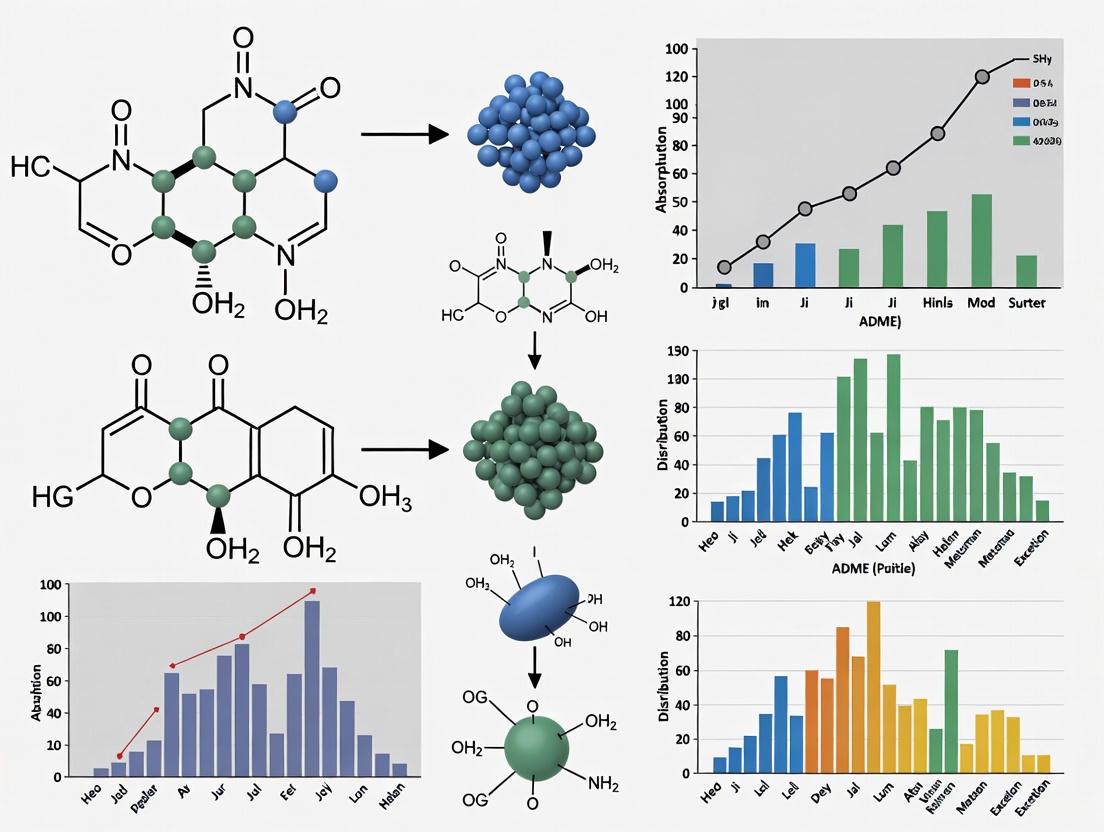
This article provides a comprehensive review of lipid-drug conjugates (LDCs) as a transformative strategy for optimizing the pharmacokinetic and therapeutic profiles of active pharmaceutical ingredients.
Lipophilic Conjugates in Drug Development: Strategies to Enhance Pharmacokinetic Profiles and Therapeutic Efficacy
Abstract
This article provides a comprehensive review of lipid-drug conjugates (LDCs) as a transformative strategy for optimizing the pharmacokinetic and therapeutic profiles of active pharmaceutical ingredients. Aimed at researchers and drug development professionals, it explores the foundational mechanisms by which lipophilic conjugation enhances drug delivery, including improved membrane permeation, prolonged systemic circulation, and targeted tissue distribution. The scope covers the latest methodological advances in conjugate design, from fatty acids and steroids to glycerides and phospholipids, alongside their application across small molecules, oligonucleotides, and peptides. It further addresses critical troubleshooting for in vivo barriers and formulation stability, and validates these approaches through comparative efficacy studies and clinical progress. By synthesizing current research and future directions, this resource aims to serve as a strategic toolbox for rational drug candidate optimization.
The Science of Lipophilicity: Core Principles and Pharmacokinetic Benefits of Lipid Conjugation
Lipophilic conjugates (LCs) are drug molecules that have been covalently modified with lipid moieties to improve their pharmacokinetic and therapeutic profiles [1] [2]. This strategic approach represents a powerful tool in modern drug design, addressing common challenges such as poor aqueous solubility, limited membrane permeability, and short half-life that often plague promising drug candidates [1] [3].
By increasing a drug's lipophilicity through chemical conjugation with lipids, researchers can fundamentally alter how a drug behaves in the body—enhancing its absorption, distribution, and ability to be incorporated into advanced delivery systems like liposomes and nanoparticles [1] [2]. This article provides a comprehensive technical resource for scientists working to harness lipophilic conjugates in their drug development research.
Mechanisms of Action: How Lipophilic Conjugates Work
Lipophilic conjugates improve drug performance through several interconnected biological mechanisms:
- Enhanced Membrane Permeation: Increasing drug lipophilicity facilitates passive diffusion across cellular membranes and can enable protein-mediated active transport [1].
- Association with Endogenous Carriers: LCs promote drug binding to natural macromolecular carriers like albumin and lipoproteins, prolonging plasma half-life and enhancing delivery to specific tissues [1].
- Facilitated Nanocarrier Loading: The lipid moiety enables efficient encapsulation within engineered delivery systems such as liposomes and polymer nanoparticles [1] [3].
- Metabolic Modulation: Conjugation can protect drugs from rapid metabolism, while incorporating enzymatically-cleavable linkages ensures controlled drug release at the target site [3] [2].
Table 1: Common Lipid Types Used in Conjugation and Their Key Characteristics
| Lipid Category | Representative Examples | Key Characteristics | Common Linkages |
|---|---|---|---|
| Fatty Acids | Myristic acid (C14), Palmitic acid (C16), Stearic acid (C18), Docosahexaenoic acid (DHA) [3] [2] | Varying chain lengths offer tunable lipophilicity; simple conjugation chemistry | Ester, Amide |
| Steroids | Cholesterol, Ursodeoxycholic acid, Lithocholic acid [2] | Targets lipoprotein receptors; enhances cellular uptake | Ester, Carbonyl |
| Glycerides | 2-Monoglyceride derivatives, Triglyceride mimetics [2] | Exploit natural triglyceride metabolic pathways | Ester |
| Phospholipids | DSPE-PEG2000, DPPC [3] [2] | Integrate into lipid bilayers; form self-assembled structures | Phosphate, sn-2 position linkage |
Experimental Protocols: Key Methodologies
Protocol 1: Preparing Lipophilic Prodrug-Loaded Liposomes
This protocol adapts methodology from dihydropyridopyrazole prodrug studies [3].
Materials Needed:
- Active drug compound (e.g., dihydropyridopyrazole derivative)
- Lipid components (DPPC, DSPE-PEG2000)
- Organic solvents (chloroform, ethanol)
- Phosphate Buffered Saline (PBS), pH 7.4
- Ultrasound bath sonicator
- Extrusion apparatus with 200 nm membranes
Step-by-Step Procedure:
- Synthesize Lipophilic Prodrug: Conjugate drug to selected lipid anchor (e.g., myristic or palmitic acid) via carboxylesterase-hydrolyzable ester linkage [3].
- Prepare Lipid Film: Mix chloroform solutions of DPPC (95 mol%) and DSPE-PEG2000 (5 mol%) with prodrug solution in ethanol at desired prodrug/lipid molar ratio (typically 0.2 for stability) [3].
- Remove Solvent: Evaporate under nitrogen stream, then vacuum-dry at 50°C for 2 hours to form thin lipid film.
- Hydrate Film: Add PBS (1 mL per 1 mg total lipids) and hydrate at 50°C for 5 minutes with gentle agitation.
- Form Liposomes: Sonicate suspension for 15 minutes at 50°C using bath sonicator.
- Size Reduction: Extrude through 200 nm polycarbonate membrane for 11 passes.
- Characterization: Measure particle size (target ~90 nm), polydispersity, and prodrug incorporation efficiency.
Protocol 2: Evaluating Permeability Using PAMPA and Caco-2 Models
This protocol is adapted from oxytocin prodrug research [4].
Materials Needed:
- Test compounds (parent drug and lipophilic conjugates)
- PAMPA plates
- Caco-2 cell line
- Transport buffers (pH 7.4)
- LC-MS/MS system for quantification
Parallel Artificial Membrane Permeability Assay (PAMPA):
- Prepare Donor Solutions: Dissolve test compounds in appropriate buffer at 10-100 µM concentration.
- Assemble PAMPA Plate: Add donor solutions to donor wells, acceptor buffer to acceptor wells.
- Incubate: Maintain at 37°C for predetermined time (typically 4-6 hours).
- Sample Analysis: Quantify compound concentration in acceptor compartments using validated analytical method.
- Calculate Permeability: Determine apparent permeability coefficient (Papp) using standard equations.
Caco-2 Cell Permeability Studies:
- Cell Culture: Grow Caco-2 cells to confluence on transwell inserts (21-28 days).
- Transport Experiment: Add test compounds to apical compartment, sample from basolateral compartment at timed intervals.
- Analyze Samples: Use LC-MS/MS to quantify drug concentrations.
- Calculate Papp Values: Compare permeability of conjugates versus parent drug.
Lipophilic Conjugate Mechanism of Action
The Scientist's Toolkit: Essential Research Reagents
Table 2: Key Reagents for Lipophilic Conjugate Research
| Reagent/Category | Specific Examples | Function/Application |
|---|---|---|
| Lipid Components | Myristic acid (C14), Palmitic acid (C16), Cholesterol, DPPC, DSPE-PEG2000 [3] [2] | Provide lipophilic anchors; form delivery system structures |
| Chemical Linkers | Succinic acid, Esterase-cleavable spacers, Hexyloxycarbonyl groups [2] [4] | Enable controlled drug release; modulate stability |
| Enzymes | Porcine liver esterase, Porcine pancreas lipase, Carboxylesterases [3] [4] | Study prodrug activation kinetics; validate cleavable linkages |
| Cell Models | Caco-2 intestinal cells, HeLa cancer cells, Jurkat cell line [3] [4] | Evaluate permeability and efficacy in biologically relevant systems |
| Analytical Tools | LC-MS/MS, Differential Scanning Calorimetry, Spectrophotometry [3] | Characterize conjugate properties and quantify performance |
Troubleshooting Guide: Common Experimental Challenges
FAQ 1: Why is my lipophilic conjugate showing poor encapsulation efficiency in liposomes?
Potential Causes and Solutions:
- Cause: Exceeding optimal prodrug/lipid molar ratio. Solution: Maintain ratio ≤0.2 for long-term stability; systematically test ratios from 0.05-0.35 [3].
- Cause: Insufficient lipophilicity of conjugate. Solution: Increase lipid chain length (e.g., from C14 to C16) or incorporate cholesterol derivatives [2].
- Cause: Phase separation during storage. Solution: Include PEGylated lipids (e.g., 5 mol% DSPE-PEG2000) to enhance stability [3].
FAQ 2: How can I improve the permeability of my conjugate without compromising activation?
Potential Causes and Solutions:
- Cause: Suboptimal chain length for charge masking. Solution: Systematically test alkoxycarbonyl groups (C2-C12); optimal often C8-C10 [4].
- Cause: Poor esterase cleavage due to steric hindrance. Solution: Incorporate enzyme-specific recognition sequences or adjust linker chemistry [2] [4].
- Cause: Excessive lipophilicity reducing release. Solution: Balance lipophilicity with cleavability; monitor activation kinetics in target biological media [1].
FAQ 3: What factors affect the stability of my conjugate in biological media?
Potential Causes and Solutions:
- Cause: Premature cleavage in plasma. Solution: Test stability in plasma versus target tissue homogenates; modify linker for selective activation [4].
- Cause: Chemical degradation during storage. Solution: Optimize formulation pH, use antioxidant excipients, and store in inert atmosphere [3].
- Cause: Enzymatic degradation in GI tract. Solution: Employ charge masking strategies or enteric coatings for oral delivery [4].
Advanced Applications: Emerging Research Areas
RNAi Therapeutics to Extrahepatic Tissues
Recent advances demonstrate that lipophilic conjugation enables siRNA delivery beyond the liver. Conjugation of 2′-O-hexadecyl (C16) to siRNAs facilitates safe, potent, and durable gene silencing in the central nervous system, eye, and lung in animal models [5]. This approach achieves broad cell type specificity with sustained RNAi activity for at least 3 months after intracerebroventricular administration [5].
Lipophilic Prodrug Charge Masking (LPCM) for Peptides
The LPCM strategy involves transitional masking of hydrophilic peptide charges with esterase-cleavable alkoxycarbonyl groups. Applied to oxytocin, this approach increased permeability up to four-fold in PAMPA models, demonstrating potential for oral peptide delivery [4].
Lipophilic Conjugate Development Workflow
Lipophilic conjugates represent a versatile and powerful strategy for overcoming key challenges in drug development. By understanding the fundamental principles, experimental methodologies, and troubleshooting approaches outlined in this technical resource, researchers can more effectively design and optimize lipophilic conjugates to achieve improved pharmacokinetic profiles and therapeutic outcomes. The continued advancement of conjugation strategies holds significant promise for expanding the delivery of challenging therapeutics, including peptides, oligonucleotides, and small molecules with suboptimal physicochemical properties.
In the pursuit of optimizing therapeutic outcomes in drug development, researchers are increasingly turning to lipophilic conjugates as a strategic tool to overcome significant pharmacokinetic challenges. These challenges often include poor aqueous solubility, rapid metabolism and elimination, limited bioavailability, and inability to reach target tissues at effective concentrations. Lipophilic conjugates (LCs) of small molecule drugs have emerged as a versatile approach in clinical and pre-clinical studies to achieve multiple pharmacokinetic and therapeutic benefits [6] [1]. By chemically modifying drug molecules through the attachment of lipid-soluble moieties, scientists can fundamentally alter how these compounds behave in biological systems, leading to enhanced drug delivery profiles that were previously unattainable with conventional formulations.
The strategic importance of LCs extends across the entire drug development pipeline, particularly for compounds that demonstrate promising pharmacodynamic activity in vitro but fail to translate this potential to clinical settings due to suboptimal pharmacokinetic properties. This technical support article frames the key pharmacokinetic benefits—sustained release, enhanced half-life, and improved bioavailability—within the broader context of lipophilic conjugate research, providing researchers with practical guidance, troubleshooting advice, and methodological frameworks for implementing these approaches in experimental settings.
Core Pharmacokinetic Benefits of Lipophilic Conjugates
Sustained Release Profiles
Sustained release refers to the delivery of a specific drug at a programmed rate that leads to drug delivery for a prolonged period of time [7]. This approach is especially valuable for drugs that are metabolized too quickly and are eliminated from the body shortly after administration. By adjusting the speed of drug release, sustained release formulations can maintain the concentration of the drug at a constant level in the blood or target tissue, thereby ensuring continuous therapeutic coverage while minimizing peak-related toxicity [7].
Mechanisms for Sustained Release:
- Diffusion-controlled release: Drug release is controlled by diffusion through a polymer matrix or coating [7] [8]
- Erosion-controlled release: The drug is released through the gradual erosion of a surrounding matrix [7]
- Osmotic-controlled systems: Utilize osmotic pressure to push the drug out through a small pore at a controlled rate [8]
- Lipidic depot formation: Lipophilic conjugates can form natural depots at the site of injection, slowly releasing the active drug over time [6]
The fundamental principle underlying sustained release through lipophilic conjugates involves preventing drug molecules from entering the aqueous environment completely for a manageable period of time [7]. This inhibition can be achieved by adjusting the degradation speed of a carrier or by controlling the diffusion rate of drug molecules across an insoluble polymer matrix or shell. For lipophilic conjugates specifically, the sustained release properties often derive from their ability to associate with endogenous macromolecular carriers such as albumin and lipoproteins, which naturally exhibit longer circulation times [6] [1].
Enhanced Half-Life
Drug half-life, defined as the time taken for the plasma or blood level of a drug to fall by half, is a critical determinant of dosing frequency and therapeutic consistency [9]. Lipophilic conjugates extend half-life through multiple interconnected mechanisms that impact the drug's distribution, metabolism, and excretion profiles.
Quantitative Impact of Half-Life Extension: Table 1: Relationship Between Half-Life Improvement and Projected Human Dose
| Half-Life Extension | Impact on Projected Human Dose | Clinical Dosing Implications |
|---|---|---|
| 0.5 to 0.75 hours (rat) | ~4-fold dose reduction | Enables BID instead of QID dosing |
| 0.5 to 2 hours (rat) | ~30-fold dose reduction | Transition from multi-day to QD/BID dosing |
| >2 hours (rat) | Diminishing returns | Enables once-daily (QD) dosing |
Data derived from matched molecular pair analyses demonstrate that strategic introduction of halogens and other lipophilic moieties is likely to increase half-life and lower projected human dose [10]. The relationship between dose and half-life is nonlinear when unbound clearance is kept constant, whereas the relationship between dose and unbound clearance is linear when half-life is kept constant [10]. This mathematical relationship explains why dose is often more sensitive to changes in half-life than changes in unbound clearance when half-lives are shorter than 2 hours.
Key Strategies for Half-Life Extension:
- Increased tissue partitioning: By increasing lipophilicity, conjugates exhibit greater distribution into tissue reservoirs, particularly adipose tissue, creating a slow-release depot that prolongs exposure [10] [9]
- Reduced renal clearance: Enhanced plasma protein binding and larger molecular size decrease renal filtration and excretion
- Metabolic shielding: The lipophilic moiety can protect susceptible metabolic sites on the parent drug from enzymatic degradation
- Lymphatic targeting: Lipophilic conjugates can promote association with chylomicrons and subsequent lymphatic transport, bypassing first-pass metabolism [11] [6]
Improved Bioavailability
Bioavailability refers to the fraction of an administered drug that reaches systemic circulation intact. Lipophilic conjugates improve bioavailability through multiple mechanisms that enhance solubility, stability, and absorption while reducing pre-systemic metabolism.
Mechanisms of Bioavailability Enhancement:
- Enhanced solubility and dissolution: Lipid-based formulations address the challenge of poor solubility by enhancing the drug's solubility in lipids, making it more bioavailable [11]
- Reduced first-pass metabolism: By promoting lymphatic transport, lipophilic conjugates bypass hepatic first-pass metabolism, increasing systemic availability [11] [6]
- Improved membrane permeability: Increased lipophilicity can enhance passive diffusion across biological membranes [6] [1]
- Efflux transporter evasion: Lipophilic conjugates may avoid recognition by efflux transporters like P-glycoprotein that limit intestinal absorption [11]
Table 2: Lipid-Based Formulation Approaches to Improve Bioavailability
| Formulation Approach | Mechanism of Action | Suitable Drug Properties |
|---|---|---|
| Self-emulsifying Drug Delivery Systems (SEDDS) | Forms fine oil-in-water emulsion in GI tract, increasing surface area for absorption | Lipophilic drugs with log P > 2 |
| Lipid Nanoparticles (SLNs/NLCs) | Protects drug from degradation, enhances GI permeability | Poorly soluble, chemically unstable compounds |
| Liposomal Formulations | Encapsulates drug in phospholipid bilayers, enabling fusion with cellular membranes | Drugs with both hydrophilic and lipophilic properties |
| Lipid Conjugates (Prodrugs) | Chemical modification to enhance membrane permeability and reduce metabolism | Drugs with specific functional groups amenable to conjugation |
The interplay between these three pharmacokinetic benefits creates a synergistic effect where improvements in one parameter often positively influence the others. For instance, the enhanced bioavailability achieved through lipid conjugation typically contributes to more consistent sustained release profiles, while the prolonged exposure from sustained release mechanisms effectively extends functional half-life.
Troubleshooting Common Experimental Challenges
Formulation Stability Issues
Problem: Lipid-based formulations exhibit physical or chemical instability during storage or administration.
Solutions:
- Physical instability (separation, aggregation): Incorporate stabilizers such as antioxidants (α-tocopherol) and increase the viscosity of the continuous phase using gelling agents [11]
- Chemical degradation: Optimize storage conditions (temperature, light protection) and consider lyophilization for long-term stability
- Drug leakage: Modify lipid composition to increase membrane rigidity or incorporate cholesterol to reduce permeability [11]
Preventive measures:
- Conduct accelerated stability studies early in formulation development
- Implement real-time stability monitoring with clearly defined acceptance criteria
- Characterize crystallinity polymorphism of lipid matrices using DSC and XRD
Variable In Vitro-In Vivo Correlation (IVIVC)
Problem: Poor correlation between in vitro release data and in vivo performance.
Solutions:
- Biorelevant dissolution media: Develop dissolution media that mimics gastrointestinal conditions, including appropriate levels of bile salts, phosphatidylcholine, cholesterol, and digestive enzymes [11]
- Dynamic dissolution models: Implement flow-through cell apparatus or dialysis methods to better simulate in vivo conditions
- Incorporate digestion step: For self-emulsifying systems, include an in vitro lipolysis step to better predict formulation behavior in the gut [11]
Diagnostic approach:
- Compare dissolution profiles in multiple media with varying physicochemical properties
- Analyze dissolution data using model-dependent (zero-order, first-order, Higuchi, Korsmeyer-Peppas) and model-independent (similarity factor f2) methods
- Consider species-specific differences when extrapolating from animal models
Inconsistent Plasma Concentrations
Problem: High inter- and intra-subject variability in plasma drug levels despite controlled release formulation.
Solutions:
- Food effect management: Standardize administration conditions relative to meals and consider the impact of different types (low-fat vs. high-fat) of food [11]
- Dose dumping prevention: Optimize polymer coatings and matrix systems to prevent rapid release; conduct alcohol challenge testing for resistant formulations [8]
- GI variability mitigation: Incorporate pH-independent release mechanisms and include permeation enhancers for consistent absorption throughout the GI tract
Systematic investigation:
- Conduct pharmacokinetic studies with frequent sampling points to identify absorption patterns
- Perform population pharmacokinetic analysis to identify covariates affecting variability
- Consider gastrointestinal transit time differences and their impact on release profiles
Frequently Asked Questions (FAQs)
Q1: What criteria determine whether a drug candidate is suitable for lipophilic conjugation?
A: Ideal candidates typically exhibit one or more of the following properties: poor aqueous solubility (log P > 3), short elimination half-life (<2 hours), high first-pass metabolism, or specific targeting requirements. Drugs with functional groups amenable to conjugation (hydroxyl, amine, carboxyl) without compromising pharmacological activity are particularly suitable. Additionally, consideration should be given to the therapeutic context—lipophilic conjugates are especially valuable for chronic conditions requiring long-term therapy [6] [8].
Q2: How do we differentiate between sustained release and prolonged release systems in practice?
A: While often used interchangeably, these terms describe distinct release profiles:
- Sustained Release: Maintains constant drug levels within the therapeutic window for a specific period through controlled, uniform release rate mechanisms (e.g., diffusion through polymer matrices) [8]
- Prolonged Release: Extends the duration of drug action beyond immediate release formulations but may not maintain constant levels, often exhibiting gradual decline in concentration over time [8]
The key distinction lies in the consistency of plasma concentrations—sustained release aims for flat concentration-time profiles, while prolonged release focuses primarily on extending duration regardless of concentration consistency.
Q3: What are the most critical parameters to monitor when transitioning from animal pharmacokinetic studies to human dose projections?
A: The most critical parameters include:
- Unbound clearance (CLu) and volume of distribution (Vssu): These parameters highly correlate and determine half-life (thalf_eff = 0.693 × Vssu/CLu) [10]
- Allometric scaling factors: Rat half-life typically scales by approximately 4.3× when projecting to humans [10]
- Target engagement metrics: Project required concentrations based on established PK/PD relationships (e.g., >90% MET inhibition for crizotinib efficacy) [12]
- Fraction absorbed and bioavailability: Account for species-specific differences in absorption and first-pass metabolism
Q4: What are the most common reasons for failure in lipid-based formulation development, and how can they be mitigated?
A: Common failure points and mitigation strategies include:
- Poor drug loading: Optimize lipid selection based on drug solubility screening; use combination approaches with cosolvents or surfactants [11]
- In vivo precipitation: Maintain supersaturation through inclusion of precipitation inhibitors; ensure adequate lipid dose to support solubilization post-dispersion [11]
- Dose-dependent absorption: Characterize dose linearity early; implement strategies to enhance lymphatic transport for high-dose lipophilic drugs [11] [6]
- Food effects: Conduct standardized food-effect studies; design formulations that minimize dependency on dietary lipids for consistent performance [11]
Q5: How do we determine the optimal lipophilicity for a drug conjugate to balance between enhanced absorption and excessive tissue accumulation?
A: The optimal lipophilicity balance can be determined through:
- Systematic property assessment: Measure partition coefficients (log P/D) in multiple solvent systems to establish correlation with pharmacokinetic parameters
- Tissue distribution studies: Quantify drug accumulation in potential reservoir tissues (adipose, liver, spleen) relative to target sites
- In vitro-in vivo correlation: Establish relationships between lipophilicity, protein binding, and clearance mechanisms
- Structural modification strategy: Implement a "lipophilicity window" approach targeting log D7.4 values typically between 2-4 for optimal balance between permeability and solubility [6]
Experimental Protocols and Methodologies
Protocol: Development and Evaluation of Lipid-Based Formulations
Objective: To develop a lipid-based formulation for enhanced bioavailability of a lipophilic drug candidate.
Materials:
- Drug substance with characterized physicochemical properties
- Lipid excipients (long-chain triglycerides, medium-chain triglycerides, mixed glycerides)
- Surfactants (polysorbate 80, Cremophor RH40, Labrasol)
- Cosolvents (PEG400, ethanol, propylene glycol)
- Antioxidants (α-tocopherol, BHT, BHA)
- Biorelevant dissolution media (FaSSGF, FaSSIF, FeSSIF)
Methodology:
- Solubility screening: Determine equilibrium solubility of drug candidate in various lipids, surfactants, and cosolvents using shake-flask method at 37°C
- Pseudoternary phase diagram construction: Identify self-emulsifying regions by titrating water into oil-surfactant mixtures with varying composition ratios
- Formulation optimization: Select optimal composition based on solubility, emulsification efficiency, and droplet size distribution after dispersion
- In vitro characterization:
- Dispersion testing in different biorelevant media with droplet size analysis by dynamic light scattering
- Drug release profiling using USP apparatus with suitable hydrodynamic conditions
- Lipolysis studies to assess tendency for drug precipitation during digestion
- Stability assessment: Conduct accelerated stability studies (40°C/75% RH) for 1-3 months with evaluation of physical and chemical stability
Critical Success Factors:
- Maintain sink conditions during dissolution testing through appropriate media selection
- Standardize dispersion protocol to ensure reproducible droplet size distribution
- Include appropriate controls (simple solution, suspension formulation) for comparative assessment
Protocol: Pharmacokinetic Study Design for Lipophilic Conjugates
Objective: To characterize the pharmacokinetic profile of a lipophilic conjugate compared to its parent drug.
Study Design:
- Animals: Appropriate species (typically rat or dog) with sufficient sample size for statistical power (n=6-8 per group)
- Dosing: Single dose administration via relevant route (oral, subcutaneous, intramuscular) at equimolar doses
- Sample collection: Serial blood sampling at predetermined time points (pre-dose, 0.25, 0.5, 1, 2, 4, 8, 12, 24, 48, 72, 96 hours post-dose) based on expected half-life
- Sample processing: Immediate plasma separation, stabilization if needed, and storage at -80°C until analysis
Bioanalytical Method:
- Sample extraction: Liquid-liquid extraction optimized for both parent drug and lipophilic conjugate
- Chromatographic separation: Reverse-phase UPLC/HPLC with appropriate stationary phase (C8 or C18)
- Detection: Mass spectrometric detection (LC-MS/MS) with multiple reaction monitoring for specificity and sensitivity
- Validation: Full method validation according to regulatory guidelines including specificity, sensitivity, linearity, accuracy, precision, and stability
Data Analysis:
- Non-compartmental analysis to determine key parameters: Cmax, Tmax, AUC0-t, AUC0-∞, t1/2, CL/F, Vd/F
- Statistical comparison of exposure parameters using ANOVA with appropriate post-hoc tests
- In vitro-in vivo correlation analysis using dissolution and absorption data
Visualization of Key Concepts and Workflows
Lipophilic Conjugate Mechanism of Action
Diagram 1: Mechanism of Action for Lipophilic Conjugates - This workflow illustrates how lipophilic conjugates achieve their key pharmacokinetic benefits through sequential physiological processes.
Experimental Optimization Workflow
Diagram 2: Experimental Optimization Workflow - This diagram outlines the iterative development process for optimizing lipophilic conjugate formulations, highlighting key stages from candidate selection to in vivo validation.
Research Reagent Solutions
Table 3: Essential Materials and Reagents for Lipophilic Conjugate Research
| Category | Specific Examples | Function/Application |
|---|---|---|
| Lipid Excipients | Medium-chain triglycerides (Miglyol 812), Long-chain triglycerides (Soybean oil), Mixed glycerides (Gelucire 44/14, Labrafil M2125CS) | Solubilization, self-emulsification, lymphatic transport enhancement |
| Surfactants | Polysorbate 80, Cremophor RH40, Solutol HS15, Vitamin E TPGS | Emulsification, permeation enhancement, P-gp inhibition |
| Polymer Matrices | PLGA, PLA, HPMC, Ethyl cellulose, Eudragit polymers | Controlled release, protection from degradation, targeted delivery |
| Analytical Standards | Deuterated internal standards, Lipid class standards (triacylglycerols, phospholipids), Bile salt mixtures | Bioanalytical method development, quantification, quality control |
| Biorelevant Media | FaSSGF, FaSSIF, FeSSIF (biorelevant simulated gastrointestinal fluids) | In vitro dissolution testing, prediction of in vivo performance |
| Enzyme Systems | Pancreatin, lipase inhibitors (Orlistat), CYP enzyme cocktails | Metabolic stability assessment, enzyme-mediated release studies |
These research reagents form the foundation for developing and characterizing lipophilic conjugate formulations. Proper selection based on drug properties and desired release characteristics is critical for successful pharmacokinetic optimization.
The strategic implementation of lipophilic conjugates represents a powerful approach to overcoming fundamental pharmacokinetic limitations in drug development. By enabling sustained release profiles, enhancing half-life, and improving bioavailability through well-characterized mechanisms, this technology platform continues to expand the therapeutic potential of both existing and investigational drugs. The troubleshooting guides, experimental protocols, and technical resources provided in this article offer researchers a practical framework for addressing common challenges and optimizing their approach to lipophilic conjugate development. As the field advances, the integration of these strategies with emerging technologies in targeted delivery and personalized medicine promises to further enhance their impact on drug development success and patient outcomes.
Frequently Asked Questions (FAQs)
Q1: What is the primary mechanism for the absorption of most drugs, and why is it important for lipophilic conjugates? A1: The primary mechanism for the absorption of more than 90% of drugs is passive diffusion [13]. This process is driven by the concentration gradient across cell membranes, where molecules move from a region of higher concentration to one of lower concentration. For lipophilic conjugates (LCs), this mechanism is particularly important because increasing a drug's lipophilicity enhances its ability to dissolve in and cross the lipoidal cell membrane, thereby improving its absorption and overall bioavailability [1] [13] [14].
Q2: How does active transport differ from passive diffusion, and when is it utilized in drug delivery? A2: Unlike passive diffusion, active transport is a selective process that requires energy expenditure and can move drugs against a concentration gradient [14]. It is typically limited to drugs that are structurally similar to endogenous substances (e.g., ions, sugars, amino acids) [14]. In the context of lipophilic conjugates, certain strategies can be employed to make a drug a substrate for active transport proteins, thereby increasing its cellular uptake even if the parent drug is not typically transported by these systems [1] [15].
Q3: What does the term "association with endogenous carriers" mean, and what therapeutic benefits does it offer? A3: Association with endogenous carriers refers to the strategy of designing drugs or prodrugs to hitchhike on the body's natural macromolecular carriers, such as albumin and lipoproteins (e.g., chylomicrons, LDL) [1] [2]. This association can significantly alter a drug's pharmacokinetic profile, leading to benefits like a prolonged plasma half-life, enhanced delivery to specific tissues that overexpress receptors for these carriers (e.g., tumor tissues), and promotion of lymphatic transport, which can improve the bioavailability of poorly soluble drugs and target gut-associated lymphoid tissue [1] [2].
Q4: My lipophilic conjugate has high membrane permeability but shows low oral bioavailability. What could be the issue? A4: This is a common challenge. Potential issues and troubleshooting steps include:
- First-Pass Metabolism: The conjugate may be extensively metabolized in the liver or gut wall before reaching systemic circulation. Consider designing conjugates that are more resistant to enzymatic degradation or that utilize lymphatic transport, which partially bypasses the liver [1] [2].
- Efflux Transporters: The conjugate might be a substrate for efflux pumps like P-glycoprotein (P-gp) in the intestine, which actively pumps the drug back into the gut lumen [16]. Investigate the use of P-gp inhibitors or reformulate the conjugate into a delivery system that shields it from these transporters.
- Incomplete Release: The conjugate may not be efficiently cleaved at the target site to release the active parent drug. Re-evaluate the linker chemistry in your conjugate to ensure it is effectively cleaved by the intended enzymatic or chemical trigger [2] [15].
Q5: How can I experimentally determine whether my drug candidate is primarily transported via passive diffusion or a carrier-mediated process? A5: You can perform the following experiments:
- Transport Studies: Use cell monolayers (e.g., Caco-2) to measure apical-to-basolateral permeability. A linear relationship between permeability and concentration suggests passive diffusion. A permeability rate that saturates at high concentrations indicates a carrier-mediated process [13] [14].
- Inhibition Studies: Co-incubate the drug with known inhibitors of specific transport proteins (e.g., verapamil for P-gp). A significant change in permeability or uptake confirms involvement of that transporter [16].
- Energy Depletion Studies: Lowering the temperature or using metabolic inhibitors (e.g., sodium azide) will significantly reduce the transport rate if an energy-dependent active process is involved [14].
Troubleshooting Common Experimental Issues
Issue: Low Permeability of a Polar Drug Candidate
Potential Cause: The drug is too hydrophilic to effectively cross lipid membranes via passive diffusion and is not a substrate for uptake transporters.
Solution Strategies:
- Synthesize a Lipophilic Conjugate (Prodrug): Covalently link the drug to a lipid moiety (e.g., a fatty acid, glyceride) to increase its lipophilicity and promote passive diffusion [1] [2]. The conjugate should be designed to be cleaved intracellularly to release the active drug.
- Target Uptake Transporters: Modify the drug structure to make it a substrate for endogenous uptake transporters (e.g., peptide transporters, OATPs). This requires knowledge of the transporter's structural requirements [1].
- Formulate with Permeation Enhancers: Use formulation excipients that can transiently and reversibly disrupt the integrity of the intestinal membrane to improve paracellular or transcellular transport. Note: This approach requires careful safety assessment.
Issue: Rapid Clearance and Short Half-Life
Potential Cause: The drug is small and hydrophilic, leading to rapid renal excretion, or it is extensively metabolized.
Solution Strategies:
- Promote Association with Albumin: Design the drug or its lipophilic conjugate to have high, reversible binding to serum albumin. This creates a reservoir in the bloodstream that slowly releases the drug, prolonging its half-life [1].
- Conjugate to Target Lipoproteins: For highly lipophilic conjugates, promote incorporation into triglyceride-rich lipoproteins (chylomicrons) during digestion. This can redirect the drug from the portal blood (to the liver) to the lymphatic system, altering its distribution and clearance profile [1] [2].
Issue: Inconsistent Absorption Profile
Potential Cause: Variable release of the drug from its conjugate due to unstable linkers or inconsistent enzymatic activity at the absorption site.
Solution Strategies:
- Optimize Linker Chemistry: Switch to a more stable or differently designed linker. For example, use an ester bond that is specifically cleaved by enzymes like carboxylesterases, which are consistently present, rather than relying on chemical hydrolysis which can be pH-dependent [2] [15].
- Utilize a Lipid-Based Formulation: Place the lipophilic conjugate into a self-emulsifying drug delivery system (SEDDS). This formulation can protect the conjugate, ensure consistent dissolution, and present it to the absorptive membrane in a reproducible manner, thereby reducing variability [17].
Quantitative Data on Transport Mechanisms
The table below summarizes the key characteristics of major drug transport mechanisms.
Table 1: Quantitative and Qualitative Comparison of Drug Transport Mechanisms
| Feature | Passive Diffusion | Active Transport | Association with Endogenous Carriers |
|---|---|---|---|
| Driving Force | Concentration gradient [13] [14] | ATP hydrolysis or ion gradient [16] [14] | "Hitchhiking" on biological pathways [1] |
| Energy Requirement | No [14] | Yes [14] | Indirect (uses body's energy) |
| Saturation | No | Yes (carrier-limited) [14] | Yes (carrier-limited) |
| Substrate Specificity | Low (depends on lipophilicity/size) [14] | High [14] | Moderate to High |
| Direction of Transport | Down the gradient | Against the gradient [14] | Follows carrier's fate |
| Representative Examples | Most lipophilic drugs, weak electrolytes [13] | Nutrients (sugars, amino acids), some antibiotics [14] | Lipoprotein-associated prodrugs, albumin-bound drugs [1] [2] |
| Impact of Lipophilic Conjugation | Significantly enhances rate via increased log P [1] [13] | Can be designed to exploit specific transporters [1] [15] | Primary mechanism of action for many LCs [1] [2] |
Key Experimental Protocols
Protocol 1: Assessing Passive Diffusion and Active Transport Using Caco-2 Cell Monolayers
Objective: To determine the primary transport mechanism of a new lipophilic conjugate and quantify its apparent permeability (Papp).
Materials:
- Caco-2 cell monolayers (21-25 days post-seeding)
- Transport buffer (e.g., HBSS, pH 7.4)
- Test compound (lipophilic conjugate and parent drug)
- Known transporter inhibitors (e.g., verapamil for P-gp)
- Metabolic inhibitor (e.g., sodium azide)
- 24-well or 12-well Transwell plates
- LC-MS/MS system for analytical quantification
Method:
- Preparation: Pre-warm all buffers and solutions to 37°C. Confirm the integrity of cell monolayers by measuring Transepithelial Electrical Resistance (TEER).
- Bidirectional Transport:
- A-to-B (Apical to Basolateral): Add the test compound to the apical chamber and collect samples from the basolateral chamber over time.
- B-to-A (Basolateral to Apical): Add the test compound to the basolateral chamber and collect samples from the apical chamber.
- Inhibition Studies: Repeat the A-to-B and B-to-A transport in the presence of selected inhibitors added to both sides of the monolayer.
- Sample Analysis: Quantify the drug concentration in all samples using a validated LC-MS/MS method.
- Data Calculation:
- Calculate the apparent permeability (Papp) in cm/s.
- Calculate the Efflux Ratio: (Papp B-to-A) / (Papp A-to-B).
- An Efflux Ratio >> 1 suggests active efflux.
- Compare Papp values with and without inhibitors. A significant change confirms transporter involvement.
Protocol 2: Evaluating Lymphatic Transport and Association with Chylomicrons
Objective: To determine the extent to which a lipophilic conjugate is associated with lipoproteins and transported via the lymphatic system.
Materials:
- In situ intestinal lymph duct cannulation model (rat)
- Lipid emulsion or formulation for oral gavage (e.g., long-chain triglyceride solution)
- Test lipophilic conjugate
- Centrifuges and ultracentrifuges
- Methods for separating plasma lipoproteins (density gradient ultracentrifugation)
Method:
- Animal Model: Surgically cannulate the mesenteric lymph duct of a rat under anesthesia.
- Dosing: Administer the lipophilic conjugate dissolved in a lipid-based formulation (e.g., peanut oil or a self-emulsifying system) via oral gavage.
- Sample Collection: Collect lymph fluid continuously over a period of 24-48 hours. Parallel blood samples may also be collected.
- Sample Processing:
- Separate lymph and plasma samples.
- Use ultracentrifugation to isolate different lipoprotein fractions (chylomicrons, VLDL, LDL, HDL) from lymph and plasma.
- Analysis: Measure the concentration of the drug (or its released parent drug) in total lymph, total plasma, and in each lipoprotein fraction.
- Data Interpretation: A high percentage of the recovered dose in the lymph, particularly associated with the chylomicron fraction, indicates significant lymphatic transport [2].
Visualization of Mechanisms and Workflows
Passive Diffusion Across a Membrane
This diagram illustrates the process of passive diffusion, where drug molecules move from a high-concentration region to a low-concentration region by traversing the lipid bilayer.
Active Influx and Efflux Transport
This diagram contrasts active influx by solute carriers (SLC) with active efflux by ATP-binding cassette (ABC) transporters like P-glycoprotein.
The Scientist's Toolkit: Essential Research Reagents
Table 2: Key Reagents for Investigating Drug Transport Mechanisms
| Reagent / Material | Function / Application | Example Use Case |
|---|---|---|
| Caco-2 Cell Line | A human colon adenocarcinoma cell line that, upon differentiation, forms polarized monolayers with tight junctions and expresses various transporters. It is the gold-standard in vitro model for predicting intestinal permeability and distinguishing between transport mechanisms [13]. | Screening passive permeability and active efflux/influx of new lipophilic conjugates. |
| Transwell Plates | Permeable supports used for growing cell monolayers. They create distinct apical and basolateral compartments to study the directional transport of compounds. | Conducting bidirectional (A-to-B, B-to-A) transport assays. |
| Transport Buffer (HBSS) | Hanks' Balanced Salt Solution, a physiological buffer used to maintain cell viability during transport experiments. | Providing the aqueous environment for the drug during permeability studies. |
| P-glycoprotein (P-gp) Inhibitors (e.g., Verapamil, Cyclosporine A) | Pharmacological tools to inhibit the function of the P-gp efflux pump. | Confirming P-gp-mediated efflux. A decrease in efflux ratio in the presence of an inhibitor confirms involvement. |
| Sodium Azide | A metabolic inhibitor that depletes cellular ATP. | Differentiating active from passive transport. A significant reduction in transport rate with sodium azide indicates an energy-dependent process. |
| Lipoprotein-Deficient Serum (LPDS) | Serum from which lipoproteins have been removed. | Used in cell culture experiments to study the specific role of lipoproteins in drug uptake and cellular association. |
| Density Gradient Ultracentrifugation Kits | Kits for separating different classes of lipoproteins (chylomicrons, VLDL, LDL, HDL) from plasma or lymph based on their buoyant density. | Quantifying the distribution of a lipophilic conjugate among various lipoprotein fractions ex vivo. |
The Critical Role of Lipophilicity in ADMET Properties and Drug Design
Troubleshooting Guides and FAQs
Frequently Asked Questions (FAQs)
Q1: What is the fundamental relationship between lipophilicity and the ADMET profile of a drug candidate?
Lipophilicity is one of the principal parameters describing a drug's pharmacokinetic behavior, directly influencing its Absorption, Distribution, Metabolism, Excretion, and Toxicity (ADMET) [18]. Drugs with moderate lipophilicity tend to be better absorbed through cell membranes [18]. Increased lipophilicity can ease cell membrane penetration and migration to lipid-rich tissues, affecting distribution, but may also increase metabolism in the liver and potential toxicity [18] [19]. It is a critical factor in quantitative structure-activity relationship (QSAR) studies and affects a drug's solubility and membrane permeability, which are often a balancing act [20].
Q2: My experimental logP and computationally predicted logP values do not align. Which result should I trust?
Discrepancies between experimental and computational logP values are common, as theoretical values can vary based on the algorithm used [18] [20]. It is recommended to use computational methods for rapid prediction during early-stage compound screening but to always verify these with experimental data [18] [19]. Among experimental techniques, chromatographic methods like RP-TLC and RP-HPLC are reliable, fast, and require small amounts of compound [18] [21]. If resources allow, using multiple computational algorithms and comparing the trends can provide a more robust prediction.
Q3: How can I experimentally determine the lipophilicity of my novel compound?
A common and efficient method is Reversed-Phase Thin-Layer Chromatography (RP-TLC). The detailed protocol is as follows [18] [19]:
- Stationary Phase: Use commercially available RP-18 F254S TLC plates.
- Mobile Phase: Prepare a mixture of a water-miscible organic solvent (e.g., acetone) and an aqueous buffer (e.g., TRIS buffer, pH 7.4) to simulate physiological conditions. A typical experiment uses 5-7 different mobile phase compositions (e.g., acetone-buffer ratios from 50:50 to 70:30).
- Procedure: Spot solutions of your test compounds and known standards on the plate. Develop the plate in a chromatographic chamber saturated with the mobile phase vapor. After development, detect the spots under UV light (e.g., 254 nm).
- Calculation: Determine the retention factor (RF) for each spot. Then, calculate the RM value using the formula: RM = log(1/RF - 1). A graph of RM versus the concentration of the organic modifier (C) is plotted. The extrapolated value at C=0, denoted RM^0, is a chromatographic descriptor of lipophilicity and can be transformed into logP_TLC using a calibration curve with standards of known lipophilicity [19].
Q4: What are the primary benefits of creating lipophilic conjugates (LCs) of drug molecules?
Lipophilic conjugates are a powerful tool to improve a drug's pharmacokinetic and therapeutic profile [1]. Key benefits include:
- Sustained Release: Enabling long-acting injectable formulations for sustained drug exposure [1].
- Enhanced Permeation: Increasing passive diffusion across biological membranes or facilitating protein-mediated active transport [1].
- Altered Distribution: Promoting association with endogenous carriers like albumin or lipoproteins, which can prolong plasma half-life or enhance delivery to specific tissues [1].
- Improved Formulation: Enhancing the encapsulation efficiency and retention of drugs within nanoscale delivery systems like liposomes [22].
Q5: My compound shows high activity in vitro but poor in vivo efficacy. Could lipophilicity be a factor?
Yes, this is a common challenge. High lipophilicity can lead to poor aqueous solubility, rapid metabolism, and sequestration in non-target tissues, reducing the amount of drug available at the target site [18] [20]. Conversely, low lipophilicity can hinder absorption and membrane penetration. Optimizing lipophilicity to a moderate range (typically logP between 0 and 3 for oral drugs) is often necessary to translate in vitro activity to in vivo success [20].
Troubleshooting Common Experimental Problems
Problem 1: Inconsistent R_M values in RP-TLC measurements.
- Potential Cause: The chromatographic chamber is not properly saturated with mobile phase vapor, leading to non-equilibrium conditions.
- Solution: Ensure the chamber is sealed and saturated for a sufficient time (e.g., 30-60 minutes) before introducing the TLC plate. Line the chamber with filter paper soaked in the mobile phase to improve saturation [21].
Problem 2: Compound spots are streaked or poorly defined on the TLC plate.
- Potential Cause: The compound may be reacting with the stationary phase, the sample may be overloaded, or the compound may have limited solubility in the mobile phase.
- Solution: Reduce the concentration of the spotted solution. Try a different organic modifier in the mobile phase (e.g., methanol instead of acetone) or include a small amount of acid or base to suppress ionization [21].
Problem 3: Computational tools predict widely different logP values for the same molecule.
- Potential Cause: Different algorithms are based on different methodologies and training sets. Some may be better suited for certain chemical classes than others.
- Solution: This is expected. Do not rely on a single algorithm. Use several tools (e.g., iLOGP, XLOGP3, WLOGP) and compare the consensus or median value. Use experimental data to determine which algorithm is most accurate for your specific chemical series [18] [19].
Research Reagent Solutions
The following table details key materials and tools used in lipophilicity studies and drug design.
| Item | Function/Benefit |
|---|---|
| RP-TLC Plates (e.g., RP-18 F254S) | Stationary phase for experimental lipophilicity determination via chromatography [18] [19]. |
| TRIS Buffer (pH 7.4) | Aqueous mobile phase component that mimics physiological pH conditions during lipophilicity measurement [18] [19]. |
| SwissADME Web Tool | Freely available online resource for predicting ADME parameters, physicochemical properties, and drug-likeness [18] [23] [20]. |
| pkCSM Platform | Online platform for predicting key ADMET parameters and pharmacokinetic properties of small molecules [18] [20]. |
| Lipophilic Conjugates (LCs) | Prodrug strategy to improve drug permeation, enable sustained release, and alter distribution by association with macromolecular carriers [1]. |
| n-Octanol/Water System | Reference solvent system for the classical shake-flask method of determining the partition coefficient (logP) [20]. |
Experimental Workflow and Data Interpretation
The diagram below outlines a standard integrated workflow for determining and utilizing lipophilicity data in drug discovery.
Comparative Data for Key In Silico Tools
The table below summarizes commonly used computational platforms for predicting ADMET and physicochemical properties, aiding researchers in selecting the appropriate tool.
| Tool/Platform | Primary Use | Key Features/Benefits |
|---|---|---|
| SwissADME | Prediction of ADME parameters, physicochemical properties, and drug-likeness [18] [23] [20]. | Free web tool; user-friendly; provides multiple logP predictions simultaneously; evaluates compliance with drug-likeness rules (e.g., Lipinski's) [18] [23]. |
| pkCSM | Prediction of ADMET parameters [18] [20]. | Free web platform; provides a wide range of pharmacokinetic and toxicity parameters [18]. |
| PreADMET | Prediction of ADMET properties and molecular target identification [19]. | Used for ADMET parameter calculation and target prediction [19]. |
| VCCLAB | Calculation of molecular descriptors, including lipophilicity (logP) [19]. | Online server offering various calculation modules for logP (e.g., ALOGP) [19]. |
The Role of Lipophilicity in Designing Lipophilic Conjugates
Creating lipophilic conjugates (LCs) is a strategic approach to modulate a drug's pharmacokinetic profile. The following diagram illustrates how LCs can be designed to achieve specific therapeutic objectives.
Design and Synthesis: A Toolkit of Lipids, Linkers, and Conjugation Strategies for Diverse Therapeutics
## Frequently Asked Questions (FAQs)
FAQ 1: What is the primary pharmacokinetic advantage of conjugating a drug to a lipid moiety?
Lipid conjugation primarily enhances the lipophilicity of a drug, which allows it to exploit natural lipid processing pathways in the body. This can lead to improved oral bioavailability, prolonged blood circulation, and the ability to bypass first-pass hepatic metabolism via intestinal lymphatic transport [24] [6]. Furthermore, such conjugates can achieve targeted delivery to specific tissues, such as the lymphatics or the brain [24].
FAQ 2: How does the choice between a fatty acid, glyceride, steroid, or phospholipid carrier influence the drug's fate?
The type of lipid carrier directly impacts the drug's absorption, distribution, and metabolism by dictating which specific endogenous pathways it joins. The table below summarizes the key characteristics and influences of different lipid moieties.
Table 1: Comparison of Key Lipid Moieties for Drug Conjugation
| Lipid Moisty | Key Characteristics | Primary Influence on Drug Fate |
|---|---|---|
| Fatty Acids [24] | Hydrocarbon chains of various lengths and saturation. | Modulates permeability; can enhance passive diffusion or active transport; influences albumin binding [6] [25]. |
| Glycerides (e.g., Diacylglycerol) [24] | Comprise a glycerol backbone esterified with fatty acids. | Highly incorporated into lipoproteins (chylomicrons), promoting efficient intestinal lymphatic transport [24] [25]. |
| Steroids (e.g., Cholesterol) [24] | Complex ring structure; precursor for hormones and bile salts. | Promotes association with lipoprotein particles (e.g., HDL, LDL), leading to extended plasma half-life and altered tissue distribution [25]. |
| Phospholipids [24] | Composed of two fatty acids, a glycerol, and a phosphate group. | Structural components of membranes; can enhance incorporation into lipid-based formulations like liposomes [24]. |
FAQ 3: I am formulating a lipidic prodrug for lymphatic targeting. Which lipid moiety should I prioritize and why?
For intentional lymphatic targeting, glycerides (particularly diacylglycerols) are a prime choice. After oral administration, glycerides are efficiently processed by enterocytes and assembled into triglyceride-rich lipoproteins known as chylomicrons [24]. Chylomicrons are too large to enter blood capillaries and are exclusively emptied into the intestinal lymphatic system, providing a direct route for any associated drug to bypass the liver and access the systemic circulation via the thoracic duct [24] [25]. Studies show that diacylglycerol-conjugated polymers have enhanced lymphatic uptake compared to single-chain lipids [25].
FAQ 4: My lipidic conjugate showed poor lymphatic uptake despite using a long-chain fatty acid. What could have gone wrong?
Several factors in your experimental design could be the cause:
- Digestion and Solubilization: The conjugate must survive digestion in the GI tract and be effectively solubilized into mixed micelles with bile salts for absorption [24] [26].
- Re-esterification Pathway: The lipid-drug conjugate must be a suitable substrate for the re-esterification enzymes within the enterocyte (e.g., acyltransferases) to be incorporated into a nascent chylomicron [24] [27].
- Formulation Composition: Excipients in your formulation can significantly influence digestion and dispersion. For instance, high surfactant levels might inhibit the activity of pancreatic lipase, which is crucial for processing triglycerides and their conjugates [26].
FAQ 5: What are the critical quality control checks for a newly synthesized lipid-drug conjugate before proceeding to in-vivo testing?
Before in-vivo studies, you should characterize:
- Log P Value: Confirm a significant increase in lipophilicity compared to the parent drug [24] [6].
- Hydrolytic Stability: Test stability in simulated gastric and intestinal fluids to ensure the conjugate survives to the site of absorption [6].
- Solubility in Lipid Excipients: Ensure adequate solubility in lipids relevant to your intended formulation (e.g., long-chain vs. medium-chain triglycerides) [26].
- Enzymatic Lability: Verify that the conjugate is a substrate for the intended metabolic enzymes (e.g., phospholipase A2 for phospholipid conjugates) to ensure drug release at the target site [24].
## Troubleshooting Guides
### Problem: Low Oral Bioavailability of Lipophilic Conjugate
Potential Causes and Solutions:
Cause 1: Insufficient Solubilization in the Gastrointestinal Lumen.
- Solution: Reformulate using a Lipid Formulation Classification System (LFCS) Type III or IV formulation. These contain surfactants and cosolvents that aid self-dispersion into fine colloidal particles or micelles, maintaining the drug in a solubilized state for absorption [26].
- Protocol - Dispersion Testing: Dilute a small quantity of the formulation in 250 mL of a suitable aqueous medium (e.g., simulated intestinal fluid) under gentle agitation. Observe for precipitation over 1-2 hours. A stable, non-precipitating dispersion is the target.
Cause 2: Poor Enzymatic Cleavage or Incorrect Metabolic Pathway Engagement.
- Solution: Revisit the molecular design of the conjugate. Ensure the linker between the drug and lipid is a substrate for the targeted enzyme (e.g., pancreatic lipase for glycerides, PLA2 for phospholipids) [24]. Conduct in-vitro assays with the relevant enzyme to confirm cleavage kinetics.
### Problem: Unpredictable or Rapid Clearance After Intravenous Administration
Potential Causes and Solutions:
- Cause: Inefficient "Hitchhiking" on Endogenous Carriers.
- Solution: Select a lipid moiety with high affinity for specific plasma carriers. Cholesterol conjugates strongly bind to lipoproteins like HDL and LDL, while long-chain fatty acids and diacylglycerols have high affinity for albumin [25]. Pre-mixing the conjugate with exogenous Human Serum Albumin (HSA) or HDL prior to administration can test this hypothesis and potentially stabilize the pharmacokinetic profile [25].
### Problem: Inconsistent Lymphatic Uptake Between Animal Models
Potential Causes and Solutions:
- Cause: Differences in Lipid Processing Physiology.
- Solution: Characterize the post-prandial lipid response in your model. Conduct pilot studies to establish the optimal conditions for lipid administration (e.g., type of dietary fat, fasting/feeding state) that maximize chylomicron production. The lymphatic uptake is directly linked to the flux of chylomicrons [24].
## Experimental Protocols
### Protocol 1: Assessing Lymphatic Transport in a Rodent Model
Objective: To quantitatively determine the extent of lymphatic transport of a novel lipid-drug conjugate.
Materials:
- Anesthetized rat model with mesenteric lymph duct cannulation.
- Test article (lipid-drug conjugate), formulated in a suitable lipid vehicle (e.g., long-chain triglyceride oil).
- Saline for infusion.
- Collection tubes (e.g., EDTA-coated) placed on ice.
- LC-MS/MS system for bioanalysis.
Method:
- Animal Preparation: Cannulate the mesenteric lymph duct of an anesthetized rat according to established surgical protocols. Maintain the animal on a saline infusion to replace fluid loss [24].
- Dosing: Administer the test formulation via intraduodenal (ID) infusion to ensure delivery to the site of absorption.
- Lymph Collection: Collect lymph samples over timed intervals (e.g., 0-2h, 2-4h, 4-8h, 8-24h). Keep samples on ice and store at -80°C until analysis.
- Bioanalysis: Quantify the concentration of the intact conjugate and/or the released parent drug in the lymph samples using a validated LC-MS/MS method.
- Data Analysis: Calculate the cumulative amount and percentage of the administered dose recovered in the lymph over time.
### Protocol 2: In-Vitro Lipolysis Model
Objective: To predict the digestibility and fate of a lipid-based formulation containing a lipid-drug conjugate under simulated intestinal conditions.
Materials:
- USP dissolution apparatus or equivalent.
- Simulated Intestinal Fluid (SIF) without enzymes, pH 7.5.
- Pancreatin extract (source of lipases).
- Calcium chloride solution.
- NaOH solution for pH-stat titration.
- Ultracentrifuge.
Method:
- Setup: Place the formulation containing the conjugate into the vessel containing SIF at 37°C.
- Initiate Digestion: Add pancreatin extract to the mixture to start digestion.
- Maintain pH: Use a pH-stat titrator to automatically add NaOH, recording the volume added over time. This measures the free fatty acids released during digestion.
- Terminate and Separate: After a set time (e.g., 60 min), stop the reaction. Ultracentrifuge the digest at high speed (e.g., 150,000 g) to separate the contents into an oily pellet, an aqueous phase, and a sedimented pellet.
- Analysis: Quantify the distribution of the drug/conjugate across the different phases to understand its post-digestion fate [26].
## Pathway and Workflow Visualizations
### Lipid Conjugate Absorption Pathway
### Lipid Conjugate R&D Workflow
## The Scientist's Toolkit: Research Reagent Solutions
Table 2: Essential Reagents and Materials for Lipid Conjugate Research
| Reagent / Material | Function / Application | Key Considerations |
|---|---|---|
| Long-Chain Triglycerides (LCT) (e.g., Soybean, Olive Oil) [26] | Lipid vehicle for formulations; promotes chylomicron formation and lymphatic transport. | Prefer for conjugates targeting intestinal lymph. |
| Medium-Chain Triglycerides (MCT) (e.g., Miglyol) [26] | Lipid vehicle; offers higher solvent capacity for some drugs and different metabolic pathway. | Less effective at stimulating lymphatic transport than LCT. |
| Pancreatin / Lipase Enzymes [24] | Critical for in-vitro lipolysis models to simulate intestinal digestion of lipid formulations. | Verify enzymatic activity before use. |
| Bile Salts (e.g., Sodium Taurocholate) [24] [28] | Essential for micelle formation and solubilization of lipophilic compounds in the intestine. | Use in physiologically relevant concentrations in biorelevant media. |
| Albumin (HSA/BSA) [25] | Used to study binding and "hitchhiking" potential of conjugates in plasma and lymph. | Defatted albumin is preferred for binding studies. |
| Lipoproteins (HDL, LDL) [25] | Used to study association of conjugates (e.g., steroid-based) with specific lipoprotein trafficking pathways. | Isolate or purchase high-purity fractions. |
| Cannulation Surgery Kit | For direct sampling of mesenteric lymph in rodent models to quantify lymphatic transport. | Requires specialized surgical skill and post-operative care. |
In the pursuit of advanced therapeutic agents, the field of drug delivery has increasingly focused on conjugation chemistry to improve the pharmacokinetic and therapeutic profiles of active molecules. Within the specific context of developing lipophilic conjugates, the strategic choice of linker—the covalent bridge between the drug and its carrier—is paramount. This linker dictates the stability, release kinetics, and ultimate efficacy of the prodrug. Ester and amide bonds represent two of the most fundamental chemistries used in conjugation, offering distinct stability and cleavage profiles. Furthermore, a suite of cleavable linkers can be engineered to respond to specific physiological triggers, such as enzymatic activity or the acidic tumor microenvironment, enabling controlled drug release at the target site. This technical support center article provides a foundational overview, troubleshooting guides, and FAQs to assist researchers in navigating the complexities of conjugation chemistry for developing improved lipophilic drug conjugates.
Linker Chemistry Fundamentals and Selection
The linker in a drug conjugate is a critical component that connects the targeting ligand (e.g., a peptide or a lipid) to the cytotoxic or therapeutic payload. Its chemistry determines the conjugate's circulation time and the mechanism of drug release at the target site. The ideal linker remains stable in systemic circulation but undergoes efficient cleavage upon reaching the target cell to liberate the active drug [29].
The main functional groups used in linkers can be broadly categorized as follows [29]:
- Enzyme Cleavable: These include esters, amides, and carbamates. They are designed to be substrates for enzymes that are upregulated in the tumor microenvironment or within cellular compartments like lysosomes.
- Acid Cleavable: Such as hydrazone and carbonate bonds. These linkers are stable at neutral pH but undergo hydrolysis in the acidic environment of endosomes and lysosomes (pH 4.5-5.0).
- Reducible Disulfide: These linkers are stable in the oxidizing extracellular environment but are cleaved in the reducing intracellular milieu (high glutathione concentrations).
- Non-Cleavable: These include thioether, oxime, and triazole bonds. These linkers rely on the complete degradation of the antibody or peptide carrier within the cell to release the active drug metabolite.
Ester and Amide Linkers in Lipophilic Conjugates
Ester and amide bonds are classic choices for constructing prodrugs and conjugates, particularly for enhancing the lipophilic character of a parent drug.
Ester Linkers:
- Chemistry: Formed by the reaction between a carboxylic acid and an alcohol.
- Mechanism of Cleavage: Primarily hydrolyzed by esterase enzymes, which are abundant in plasma, liver, and other tissues [1] [6].
- Application in Lipophilic Conjugates: Conjugating a drug to a lipid via an ester bond is a common strategy to create a lipophilic prodrug. This can enhance membrane permeability, promote association with endogenous carriers like albumin and lipoproteins, and improve oral bioavailability [1] [6]. For instance, lipophilic ester prodrugs of tenofovir (tenofovir alafenamide) and dabigatran (dabigatran etexilate) have been successfully developed to enhance their oral absorption [6].
Amide Linkers:
- Chemistry: Formed by the reaction between a carboxylic acid and an amine.
- Mechanism of Cleavage: Generally more stable than esters due to resonance, making them less susceptible to hydrolysis. Cleavage typically requires amidase enzymes or strong acidic conditions [29] [30].
- Stability Considerations: The inherent stability of the amide bond can be a double-edged sword. While it promotes prolonged systemic circulation, it may also hinder the efficient release of the active drug. This has led to the development and use of amide bond bioisosteres—functional groups that mimic the steric and electronic properties of amides but offer improved metabolic stability or different cleavage profiles. Common bioisosteres include 1,2,3-triazoles, oxadiazoles, and sulfonamides [30].
Table: Comparison of Ester and Amide Linker Properties
| Property | Ester Linker | Amide Linker |
|---|---|---|
| Bond Formation | Carboxylic acid + Alcohol | Carboxylic acid + Amine |
| Relative Stability | Less stable; more labile | More stable due to resonance |
| Primary Cleavage Mechanism | Enzyme-mediated (esterases) | Enzyme-mediated (amidases) or strong acid |
| Key Applications | Lipophilic prodrugs for improved absorption & lymphatic targeting [1] [6] | Conjugates requiring high plasma stability; backbone of peptides and proteins [29] [30] |
Troubleshooting Guides and FAQs
This section addresses common experimental challenges encountered during the conjugation process and the application of conjugates.
Frequently Asked Questions (FAQs)
Q1: How does linker selection impact the pharmacokinetic profile of a lipophilic conjugate? The linker directly affects the prodrug's stability in circulation. A highly labile ester linker may lead to premature drug release in the bloodstream, increasing off-target effects. A more stable amide or non-cleavable linker can prolong circulation time, allowing greater accumulation at the target site (e.g., via the Enhanced Permeability and Retention - EPR - effect in tumors). The linker's cleavage mechanism then controls the rate and location of active drug release, ultimately determining the therapeutic index [29] [1] [22].
Q2: My conjugate is showing low efficacy in cellular assays. What could be the issue? Low efficacy often points to insufficient drug release at the target site.
- Check Linker Stability: The linker may be too stable. Consider switching to a more labile linker (e.g., from an amide to an ester) or incorporating a cleavable unit (e.g., a disulfide bridge or a peptide sequence cleavable by cathepsin B) [29] [31].
- Verify Cellular Uptake: Ensure your targeting ligand (e.g., peptide) has high affinity for its receptor and that the conjugate is effectively internalized via receptor-mediated endocytosis [29].
- Confirm Drug Activity: Ensure that the released drug molecule is still active and that the conjugation chemistry did not impair its pharmacological activity.
Q3: Why is my conjugate precipitating during synthesis or in buffer? Precipitation is frequently a solubility issue.
- Lipophilicity: The conjugate may be too lipophilic. Incorporate hydrophilic groups, such as polyethylene glycol (PEG), into the linker design to improve aqueous solubility [32] [22].
- Buffer Conditions: The pH of the buffer may be affecting the ionization state of the conjugate. Screen different buffer compositions and pH values. Ensure that buffer additives like Tris or glycine are not interfering with the conjugation chemistry [32].
Common Conjugation Problems and Solutions
Table: Troubleshooting Common Conjugation Issues
| Problem | Possible Cause | Recommended Solution |
|---|---|---|
| Low Conjugation Yield | Incompatible buffer (e.g., amine-containing buffers like Tris compete with NHS-ester chemistry) [32]. | Perform buffer exchange into a compatible buffer (e.g., phosphate-buffered saline) using dialysis, ultrafiltration, or gel filtration. |
| Lack of Site-Specificity | Multiple identical reactive sites exist on the biomolecule (e.g., lysines on an antibody) [32]. | Use site-specific conjugation strategies, such as chemoenzymatic labeling or incorporation of unnatural amino acids. |
| Poor Stability of Final Conjugate | The linker is susceptible to premature cleavage under storage or physiological conditions [32]. | Store conjugates correctly (often at -20°C to -80°C, in aliquots). Consider using a more stable linker or adding stabilizers to the formulation. |
| Low Drug Release at Target Site | The linker is too stable and does not cleave efficiently in the target cell environment [29]. | Redesign the linker to incorporate a cleavable unit sensitive to the target environment (e.g., an enzyme substrate for cathepsin B or an acid-labile hydrazone). |
Experimental Protocols and Workflows
General Workflow for Conjugate Design and Evaluation
The following diagram outlines a logical workflow for developing and testing a novel drug conjugate, from initial design to in vitro validation.
Detailed Protocol: Amidation via Ru-MACHO Catalysis
This protocol provides a specific, green chemistry method for forming the crucial amide bond, adapted from a published procedure [33].
Objective: To synthesize an amide from an ester and an amine using a ruthenium catalyst.
Materials:
- Ru-MACHO catalyst: (CAS 1268277-49-8)
- Ester substrate
- Amine substrate
- Anhydrous toluene or THF
- Schlenk flask or round-bottom flask with reflux condenser
- Inert atmosphere source (Nitrogen or Argon gas)
- Standard work-up and purification materials (silica gel, TLC plates, etc.)
Procedure:
- Reaction Setup: In a flame-dried Schlenk flask equipped with a magnetic stir bar, charge the ester substrate (1.0 equiv) and the amine substrate (1.5 - 2.0 equiv).
- Catalyst Addition: Add the Ru-MACHO catalyst (0.5 - 1.0 mol%) to the flask.
- Solvent Addition: Under an inert atmosphere (N₂ or Ar), add anhydrous toluene or THF to the mixture to achieve a final substrate concentration of approximately 0.5 M.
- Reaction: Heat the reaction mixture to 80-100 °C and stir for 6-16 hours. Monitor the reaction progress by thin-layer chromatography (TLC) or LC-MS.
- Work-up: Once the starting material is consumed, allow the reaction to cool to room temperature. The reaction mixture can be concentrated under reduced pressure.
- Purification: Purify the crude product by flash chromatography on silica gel to isolate the desired amide.
- Characterization: Characterize the final amide product using standard analytical techniques (e.g., ¹H NMR, ¹³C NMR, HRMS).
Note: This method has been demonstrated to be efficient and scalable, providing amides in moderate to excellent yields (55–98%) on a multi-gram scale [33].
The Scientist's Toolkit: Key Research Reagents
Table: Essential Reagents for Conjugation and Lipophilic Conjugate Research
| Reagent / Material | Function | Example Use Case |
|---|---|---|
| NHS-Esters | Forms stable amide bonds with primary amines (e.g., lysine residues) on proteins and peptides. | Common for labeling antibodies with fluorophores or biotin [34]. |
| Ru-MACHO Catalyst | A highly effective catalyst for the synthesis of amides from esters and amines under mild conditions. | Green and scalable synthesis of amide linkers in drug conjugates [33]. |
| Crosslinkers (e.g., SMCC, SPDB) | Bifunctional reagents that covalently link two molecules. Can be homo- or hetero-bifunctional. | Key for constructing Antibody-Drug Conjugates (ADCs) and Peptide-Drug Conjugates (PDCs) [29] [32]. |
| Lipids (e.g., DSPE, Cholesterol) | Serve as lipophilic anchors. Conjugation to a drug dramatically alters its physiochemical properties. | Forming Lipid-Drug Conjugates (LDCs) for encapsulation into liposomes to improve PK profiles [1] [22]. |
| Enzyme-Cleavable Linkers | Contains sequences (e.g., Val-Cit) that are substrates for specific enzymes like cathepsin B. | Enabling intracellular drug release in targeted conjugates after endocytosis [29] [31] [35]. |
| Disulfide Linkers (e.g., SPDP) | Provides a reducible S-S bond that is cleaved in the intracellular reducing environment. | Facilitating cytoplasmic drug release from a conjugate [29] [35]. |
Visualizing Intracellular Drug Release Mechanisms
A critical aspect of conjugate design is understanding how the drug is released after the conjugate reaches its target cell. The following diagram illustrates the primary mechanisms for cleavable linkers.
Frequently Asked Questions (FAQs)
FAQ 1: What are the primary pharmacokinetic benefits of using lipophilic conjugates for small molecule drugs? Lipophilic conjugates (LCs) are employed to achieve several key pharmacokinetic benefits. They can provide sustained drug exposure, as demonstrated in long-acting injectable products for hormone replacement and neuropsychiatric diseases. LCs enhance drug permeation across biological membranes by increasing lipophilicity to promote passive diffusion or by facilitating protein-mediated active transport. A major benefit is their ability to promote association with endogenous macromolecular carriers like albumin and lipoproteins, which results in a prolonged plasma half-life and can enhance specific tissue delivery. Furthermore, this strategy improves the encapsulation efficiency of drugs within engineered nanoscale drug delivery systems [6] [36].
FAQ 2: My antiviral small molecule has poor oral bioavailability due to low permeability. How can lipophilic conjugation help? Lipophilic conjugation is a well-established prodrug strategy to enhance the oral absorption of poorly permeable compounds. By increasing the molecule's lipophilicity, you can significantly improve its passive transcellular diffusion across the intestinal epithelium. A prominent case study is the antiviral prodrug tenofovir alafenamide. Compared to its parent drug, tenofovir, the lipophilic modifications in tenofovir alafenamide enhance its cellular permeability and stability in the gut, leading to higher intracellular levels of the active metabolite and reduced systemic exposure, which improves the safety profile [6].
FAQ 3: I am designing a long-acting injectable formulation. What polymer choices and properties are most critical? The selection of a biodegradable polymer is fundamental for controlling drug release in long-acting injectables. The key polymers and their properties are summarized in the table below [37]:
| Polymer | Chemical Composition | Degradation Rate | Key Characteristics & Best Use Cases |
|---|---|---|---|
| PLGA | Copolymer of lactic acid (LA) and glycolic acid (GA) | Tunable; 50:50 LA:GA ratio degrades fastest | The "gold standard"; allows precise control of release period from weeks to months; highly versatile [37]. |
| PLA | Homopolymer of lactic acid | Slow to moderate (months) | Controlled release from days to months; higher crystallinity extends release; robust mechanical properties [37]. |
| PCL | Semi-crystalline aliphatic polyester | Very slow (can take years) | Ideal for ultra-long-acting formulations (several months+); high flexibility; suppresses initial burst release [37]. |
FAQ 4: What are common resistance mechanisms against Antibody-Drug Conjugates (ADCs) that could inform small molecule design? Understanding ADC resistance is crucial as it often involves failures in payload delivery and activity, which are relevant to conjugated small molecules. Key mechanisms include:
- Reduced Target Expression: Tumors can downregulate the target antigen (e.g., HER2, TROP2) to evade ADC binding, as seen in clinical trials with T-DXd and Dato-DXd [38].
- Altered Internalization and Trafficking: Impaired ADC-antigen complex internalization or aberrant lysosomal trafficking can prevent payload release. For instance, loss of the SLC46A3 transporter protein is linked to resistance against T-DM1 (ado-trastuzumab emtansine) [38].
- Payload Resistance: Upregulation of efflux pumps (e.g., MDR1) can expel the cytotoxic payload from the cell, a classic resistance mechanism also observed with T-DM1 and T-DXd [38].
FAQ 5: Can lipophilic conjugation be used to enhance drug delivery to the lymphatic system? Yes. Strategic lipophilic prodrug design can promote the association of the drug with intestinal-derived lipoproteins (like chylomicrons) post-oral administration. This association enables the drug to "hitchhike" with these natural lipid carriers, which are trafficked through the mesenteric lymphatics, thereby deliberately enhancing lymphatic transport and distribution [6].
Troubleshooting Guides
Issue 1: Poor Solubility and Encapsulation Efficiency of a Lipophilic Drug in Polymer Nanoparticles
Problem: Your lipophilic small molecule aggregates or leaks during nanoparticle formulation, leading to low drug loading and encapsulation efficiency.
Solution:
- Optimize the Solvent Displacement Method: Ensure the organic solvent (e.g., acetone, DMSO) is miscible with your aqueous phase. A higher ratio of organic to aqueous phase can improve solubility but may increase nanoparticle size. Add the organic phase dropwise under vigorous magnetic stirring.
- Use a Surfactant/Stabilizer: Incorporate stabilizers like polyvinyl alcohol (PVA) or polysorbate 80 into the aqueous phase. This prevents aggregation and nanoparticle coalescence during the solvent evaporation step.
- Characterize Critically: Always measure the particle size, polydispersity index (PDI), and zeta potential of your final nanoparticles. A low PDI (<0.3) indicates a homogeneous population, and a high zeta potential magnitude (>|±25| mV) suggests good colloidal stability.
Issue 2: Rapid Clearance and Short Half-Life of Small Molecule In Vivo
Problem: Your therapeutic compound shows promising in vitro activity but is quickly cleared from the bloodstream in animal models, requiring frequent dosing.
Solution:
- Employ an Albumin-Hitchhiking Approach: Conjugate your drug to a lipophilic moiety that has a high affinity for serum albumin. This is a proven strategy to extend circulation half-life. The fatty acid chains of the conjugate bind non-covalently to albumin's hydrophobic pockets, effectively creating a macromolecular prodrug that is shielded from rapid renal filtration [6].
- Formulate for Sustained Release: Encapsulate the drug in a biodegradable polymer matrix like PLGA or PCL to create a depot effect. The polymer's degradation rate controls the release of the drug, maintaining therapeutic concentrations over an extended period, from weeks to months [6] [37].
- Consider a Preformed Conjugate: As a case study, the design of tenofovir alafenamide involved creating a lipophilic prodrug that not only improved permeability but also altered its distribution and metabolic activation profile, leading to favorable pharmacokinetics [6].
Issue 3: Lack of Efficacy in a Solid Tumor Model Despite Good In Vitro Potency
Problem: Your small molecule drug shows high potency in cell culture but fails to reduce tumor volume in a mouse xenograft model.
Solution:
- Enhance Tumor Penetration with Nanocarriers: Formulate your drug into nanoparticles (e.g., PLGA or PLA nanoparticles) sized between 50-200 nm. These particles can exploit the Enhanced Permeability and Retention (EPR) effect, which allows them to accumulate preferentially in tumor tissue due to its leaky vasculature and poor lymphatic drainage [37].
- Incorporate Active Targeting: Functionalize the surface of your nanoparticles with targeting ligands (e.g., peptides, antibodies, folic acid) that recognize receptors overexpressed on your specific cancer cell type. This can enhance cellular uptake and specificity.
- Verify Intratumoral Distribution: Conduct biodistribution studies using fluorescently labeled drugs or nanoparticles to confirm that your compound is reaching the core of the tumor and not just the perivascular regions.
Issue 4: Off-Target Toxicity in Animal Studies
Problem: Your lead compound is effective but causes significant toxicity in healthy tissues at the therapeutic dose.
Solution:
- Implement a Prodrug Strategy: Design an inactive lipophilic prodrug that is selectively activated in the target tissue. For example, tafluprost, a prostanoid antiglaucoma medication, is administered as an ester prodrug that is hydrolyzed to the active acid form primarily in the cornea, localizing its action and reducing systemic side effects [6].
- Refine Your Targeting: Revisit Issue 3 solutions. Improving the specificity of your delivery system through active targeting or leveraging the EPR effect can significantly reduce off-target accumulation and toxicity.
- Adjust the Dosing Regimen: If using a long-acting injectable formulation, the controlled, sustained release of the drug can avoid high peak plasma concentrations (C~max~) that often drive acute toxicity, thereby improving the therapeutic index [37].
Experimental Protocols
Protocol 1: Synthesis and In Vitro Evaluation of a Fatty Acid-Drug Conjugate
This protocol outlines the creation of a simple lipophilic conjugate to improve drug properties [6].
1. Conjugation Reaction:
- Reagents: Parent drug (containing a hydroxyl or amine group), fatty acid chloride (e.g., palmitoyl chloride), triethylamine (TEA) as a base, anhydrous dichloromethane (DCM) or DMF as solvent.
- Procedure:
- Dissolve the drug (1 equiv) and TEA (2-3 equiv) in anhydrous DCM under a nitrogen atmosphere in an ice bath.
- Slowly add a solution of the fatty acid chloride (1.2 equiv) in DCM dropwise over 30 minutes with stirring.
- Allow the reaction to warm to room temperature and stir for 4-12 hours (monitor by TLC).
- Quench the reaction by adding a saturated aqueous solution of sodium bicarbonate.
- Extract the product with DCM, wash the organic layer with brine, dry over anhydrous sodium sulfate, and concentrate under reduced pressure.
- Purify the crude product using flash chromatography.
2. Log P Determination:
- Method: Shake-flask method.
- Procedure:
- Saturate n-octanol and a phosphate buffer (pH 7.4) with each other by mixing and allowing separation overnight.
- Dissolve a known amount of your conjugate in the octanol-saturated buffer.
- Mix an aliquot of this solution with an equal volume of buffer-saturated octanol in a vial.
- Vortex vigorously for 1 hour to reach partitioning equilibrium.
- Centrifuge to separate the two phases completely.
- Carefully pipette out each phase and quantify the drug concentration in each using a validated HPLC-UV method.
- Calculate Log P as log10([Concentration in n-octanol] / [Concentration in buffer]).
Protocol 2: Formulation of PLGA Nanoparticles for Sustained Drug Release
This is a standard protocol for creating a nano-formulation to enhance drug delivery [37].
1. Nanoparticle Preparation (Single Emulsion-Solvent Evaporation):
- Reagents: PLGA polymer (e.g., 50:50, acid-terminated), your lipophilic drug, dichloromethane (DCM), polyvinyl alcohol (PVA) solution (1-5% w/v in water), ultrapure water.
- Procedure:
- Dissolve the PLGA (100 mg) and your drug (10 mg) in 5 mL of DCM (oil phase).
- Pour 50 mL of PVA solution into a beaker under magnetic stirring (500 rpm).
- Add the oil phase dropwise to the aqueous PVA solution to form a primary emulsion (O/W).
- Immediately sonicate the mixture on ice using a probe sonicator (e.g., 50% amplitude, 2 minutes with pulse cycles) to form a fine emulsion.
- Transfer the emulsion to a magnetic stirrer and stir for 4-6 hours at room temperature to allow complete evaporation of the organic solvent and hardening of the nanoparticles.
- Collect the nanoparticles by ultracentrifugation (e.g., 20,000 rpm for 30 minutes at 4°C).
- Wash the pellet 2-3 times with ultrapure water to remove excess PVA and unencapsulated drug.
- Re-suspend the final nanoparticle pellet in a suitable buffer (e.g., PBS) and lyophilize for long-term storage.
2. In Vitro Release Study:
- Procedure:
- Place a known amount of drug-loaded nanoparticles (lyophilized powder) into a dialysis tube (MWCO 12-14 kDa).
- Immerse the dialysis bag in a large volume (e.g., 50-100x) of release medium (PBS with 0.1% w/v Tween 80 to maintain sink conditions) in a shaker water bath at 37°C and constant agitation.
- At predetermined time intervals (e.g., 1, 4, 8, 24, 48 hours, etc.), withdraw a sample of the release medium and replace it with an equal volume of fresh, pre-warmed medium.
- Analyze the drug concentration in the sampled medium using HPLC-UV.
- Calculate the cumulative percentage of drug released over time and plot the release profile.
The Scientist's Toolkit: Research Reagent Solutions
| Research Reagent | Function & Application |
|---|---|
| PLGA (Poly(lactic-co-glycolic acid)) | A biodegradable copolymer used to create nanoparticles and microspheres for sustained and controlled drug release. The LA:GA ratio allows tuning of degradation rate [37]. |
| PCL (Polycaprolactone) | A highly hydrophobic, slow-degrading polyester ideal for formulating ultra-long-acting injectable depots (release over several months) [37]. |
| Palmitoyl Chloride | A common fatty acid chloride reagent used in medicinal chemistry to synthesize lipophilic ester or amide prodrugs, enhancing membrane permeability and albumin binding [6]. |
| Polyvinyl Alcohol (PVA) | A surfactant and stabilizer used in the formulation of nanoparticles via emulsion methods to prevent aggregation and control particle size [37]. |
| Tenofovir Alafenamide (TAF) | A well-known case study of a successful lipophilic prodrug. Its structure serves as a model for improving permeability and altering metabolic activation for better targeting [6]. |
| JNJ-9676 | A recent case study of a small-molecule antiviral targeting the SARS-CoV-2 membrane (M) protein. It exemplifies structure-based design for a novel mechanism of action [39]. |
Experimental Workflows and Pathway Diagrams
Small Molecule Optimization Workflow
ADC Resistance Mechanisms
Troubleshooting Guides
Common Experimental Challenges and Solutions
| Challenge Category | Specific Problem | Potential Root Cause | Recommended Solution | Key References |
|---|---|---|---|---|
| Stability & Degradation | Rapid therapeutic degradation in biological fluids. | Susceptibility to nucleases (e.g., endo-/exonucleases). | Incorporate sugar modifications (2'-OMe, 2'-F, 2'-MOE) or phosphorothioate (PS) backbone linkages. [40] [41] | [40] [41] |
| Conjugate unstable in plasma. | Premature cleavage of acid-labile linker (e.g., hydrazone). | Switch to a more stable, enzymatically cleavable linker (e.g., Val-Cit) for tumor-specific release. [42] [43] | [42] [43] | |
| Cellular Uptake & Delivery | Poor cellular internalization. | Inherently hydrophilic and anionic nature prevents membrane crossing. [40] | Conjugate to cell-penetrating peptides (CPPs) or targeting ligands (e.g., GalNAc, RGD peptides). [41] [44] | [40] [41] [44] |
| Inefficient endosomal escape. | Conjugate trapped in endocytic vesicles. | Use ionizable lipids in LNPs or peptides that promote endosomal disruption. [41] [44] | [41] [44] | |
| Pharmacokinetics (PK) | Rapid renal clearance. | Small size and hydrophilic nature, especially for unconjugated oligos and peptides. [45] | Conjugate to macromolecules that increase hydrodynamic radius (e.g., PEG) or bind to plasma proteins like albumin. [1] [6] [46] | [1] [6] [45] |
| Insufficient delivery to target tissue (non-liver). | Lack of specific targeting moiety. | Employ ligand-receptor mediated targeting (e.g., antibody conjugates, GalNAc, cRGD peptides). [41] [45] [44] | [41] [45] [44] | |
| Efficacy & Toxicity | Reduced gene silencing or target modulation. | Inefficient RISC loading for siRNA; steric hindrance from conjugate. | Optimize guide strand modifications; use cleavable linkers (e.g., disulfide) to release free therapeutic. [41] [44] | [41] [44] |
| Off-target effects or immune stimulation. | Innate immune recognition; sequence-dependent off-targeting. | Use modified nucleobases (e.g., 5-methylcytosine, pseudouridine); perform rigorous computational off-target screening. [41] | [41] |
Lipophilic Conjugate-Specific Troubleshooting
| Aspect | Challenge | Solution within Lipophilic Conjugate Strategy |
|---|---|---|
| Design & Assembly | Conjugation reaction yields are low or impure. | Optimize reaction conditions (pH, solvent, stoichiometry). Use site-specific conjugation techniques like click chemistry. [44] |
| Pharmacokinetics & Distribution | Altered PK leads to unintended tissue accumulation (e.g., liver). | Fine-tune lipophilicity; employ active targeting to direct distribution away from non-target organs. [1] [6] |
| Metabolism & Clearance | Lipophilic conjugate metabolized too slowly, increasing toxicity risk. | Design the linker to be cleaved in a tissue-specific manner to facilitate elimination of the payload. [1] [6] |
Frequently Asked Questions (FAQs)
General Conjugation Concepts
Q1: Why is conjugation critical for siRNA, ASO, and peptide therapeutics? These therapeutics face major hurdles, including poor stability against nucleases, rapid renal clearance, and an inability to cross cell membranes due to their hydrophilic and polyanionic nature. Conjugation addresses these issues by enhancing nuclease resistance, prolonging plasma half-life (e.g., via albumin binding), and facilitating cellular uptake through receptor-mediated endocytosis. [40] [41] [45]
Q2: How does the lipophilic conjugate strategy fit into improving pharmacokinetic profiles? Lipophilic conjugates (LCs) are a powerful tool to modulate a drug's pharmacokinetic profile. Adding lipophilicity can promote association with endogenous carriers like albumin and lipoproteins, leading to prolonged systemic exposure, altered distribution, and enhanced lymphatic transport. This strategy can also be used to create long-acting injectable depot formulations. [1] [6]
Chemistry and Methodology
Q3: What are the most common chemistries for creating bioconjugates? Several robust chemistries are employed:
- Thiol-Maleimide: Highly efficient and selective Michael addition for coupling thiols to maleimides. [47] [44]
- Click Chemistry (e.g., Azide-Alkyne Cycloaddition): Offers high specificity, bioorthogonality, and is ideal for site-specific conjugation. [47] [44]
- Disulfide Formation: Creates a cleavable bond that is stable in circulation but breaks in the reducing environment of the cell cytoplasm. [47] [44]
- Amide Bond Formation: A simple and robust reaction between amines and carboxyl groups. [44]
- Oxime/Hydrazone Ligation: Reaction between carbonyls and aminooxy/hydrazine groups, useful for mild condition conjugation. [44]
Q4: What factors should be considered when choosing a linker? The linker must balance stability in circulation with efficient release of the active payload at the target site. Key considerations include:
- Cleavability: Use enzymatically (e.g., cathepsin-B sensitive Val-Cit), pH-sensitive (e.g., hydrazone), or redox-sensitive (e.g., disulfide) linkers for controlled release. [42] [43]
- Stability: For non-cleavable linkers, the entire conjugate must be processed intracellularly to release the payload, which can affect efficacy. [42]
- Length and Polarity: These can influence the conjugate's overall pharmacokinetics and bioavailability. [43]
Biological and Technical Hurdles
Q5: How can I improve delivery to tissues beyond the liver? While ligands like GalNAc are excellent for hepatocyte delivery, extrahepatic targeting requires other strategies. These include:
- Conjugating to ligands that bind receptors on other target cells (e.g., cRGD for tumor vasculature, antibodies for specific antigens). [45] [44]
- Using delivery systems like lipid nanoparticles (LNPs) that can be engineered for specific tropism. [41]
- Employing albumin-binding motifs (e.g., dendritic siRNAs) to exploit albumin's natural distribution patterns to solid tumors. [46]
Q6: What are the primary concerns for the clinical development of these conjugated therapeutics? Safety and toxicology are paramount. Concerns include:
- Immunogenicity: The conjugate components could provoke an immune response. [40] [41]
- Off-Target Effects: Sequence-dependent silencing in non-target tissues or competition with endogenous RNAi machinery (e.g., miRNAs). [40]
- Target Accumulation: Potential for hepatic or renal toxicity due to accumulation. [40] [45]
- Linker Stability: Premature release of the payload can cause systemic toxicity. [42] [43]
Experimental Protocols
Protocol: Conjugating an siRNA to a Targeting Peptide via Thiol-Maleimide Chemistry
This protocol describes a common method for creating a peptide-siRNA conjugate to enhance targeted delivery. [44]
Principle: A maleimide group on one molecule reacts specifically with a thiol group (-SH) on another under mild, aqueous conditions to form a stable thioether bond.
Workflow Diagram
Materials:
- siRNA with a thiol modification (e.g., introduced during solid-phase synthesis via a C6 S-S disulfide linker, which requires reduction pre-conjugation).
- Peptide with a C-terminal (or N-terminal) maleimide group.
- Reducing Agent: Tris(2-carboxyethyl)phosphine (TCEP).
- Purification Buffers: Phosphate-buffered saline (PBS), pH 7.2-7.4.
- HPLC System with analytical and preparative columns.
- Mass Spectrometry (MS) system for characterization.
Step-by-Step Procedure:
- Reduce the siRNA (if necessary): If the siRNA thiol is provided as a disulfide, incubate with a 10-50x molar excess of TCEP in PBS for 1 hour at room temperature to generate the free thiol.
- Purify Reduced siRNA: Use desalting spin columns or HPLC to remove TCEP and reaction byproducts. Elute into degassed PBS.
- Prepare Reaction Mixture: Combine the purified, reduced siRNA with the maleimide-functionalized peptide at a 1:1.5 to 1:3 (siRNA:peptide) molar ratio in degassed PBS. Gently mix.
- Incubate: Allow the reaction to proceed for 2-4 hours at room temperature (or overnight at 4°C) with gentle agitation, protected from light.
- Purify Conjugate: Quench the reaction with a small amount of excess cysteine. Purify the conjugate from unreacted peptide and siRNA using reversed-phase or size-exclusion HPLC.
- Characterize: Analyze the final product using analytical HPLC and mass spectrometry to confirm identity, determine purity, and quantify concentration.
Protocol: Evaluating Conjugate Efficacy and Uptake in a Cell Culture Model
Workflow Diagram
Materials:
- Target cells (e.g., hepatocytes for GalNAc conjugates, cancer cells for RGD conjugates).
- Conjugated therapeutic and unconjugated control.
- Transfection reagent (positive control for uptake).
- qPCR reagents for mRNA quantification.
- Antibodies for Western Blot/ELISA for protein quantification.
- Cell viability assay kit (e.g., MTT, CellTiter-Glo).
Step-by-Step Procedure:
- Cell Seeding: Plate cells in appropriate multi-well plates and culture until they reach 60-80% confluence.
- Treatment: Treat cells with the conjugated therapeutic, an unconjugated therapeutic control, a positive control (e.g., transfection reagent complex), and a vehicle control. Use a range of concentrations for dose-response studies.
- Incubation: Incubate cells for 24-72 hours, depending on the turnover rate of the target mRNA/protein.
- Analysis of Uptake:
- If the therapeutic is fluorescently labeled, use fluorescence microscopy or flow cytometry to visualize and quantify cellular uptake.
- Compare the signal intensity and localization between conjugated and unconjugated groups.
- Analysis of Efficacy:
- mRNA Knockdown: Extract total RNA and perform qPCR to measure levels of the target mRNA. Normalize to housekeeping genes.
- Protein Knockdown: Lyse cells and perform Western Blot or ELISA to measure target protein levels.
- Analysis of Cytotoxicity: Perform a cell viability assay according to the manufacturer's instructions to ensure that observed effects are not due to general cytotoxicity.
Research Reagent Solutions
This table lists key reagents and materials essential for conducting conjugation experiments and subsequent biological evaluation.
| Reagent/Material | Function/Application | Key Considerations |
|---|---|---|
| Phosphorothioate (PS) Linkages | Backbone modification to improve nuclease resistance and plasma protein binding. [40] [41] | Introduced during solid-phase synthesis. Can slightly reduce binding affinity. |
| N-Acetylgalactosamine (GalNAc) | Targeting ligand for the asialoglycoprotein receptor on hepatocytes. [40] [41] | Typically conjugated as a trivalent cluster. Enables subcutaneous administration with high liver uptake. |
| Cell-Penetrating Peptides (CPPs) | Enhance cellular internalization of conjugated cargo (e.g., TAT peptide). [43] [44] | Can lack cellular specificity. Often used with cleavable linkers. |
| Targeting Peptides (e.g., cRGD) | Binds to overexpressed integrins (e.g., αvβ3) on tumor cells for active targeting. [43] [44] | Improves tumor accumulation and cellular uptake. |
| Lipid Nanoparticles (LNPs) | Advanced delivery system encapsulating oligonucleotides; enhances stability and cellular uptake. [41] | Composed of ionizable lipid, phospholipid, cholesterol, and PEG-lipid. Critical for siRNA delivery. |
| Maleimide Crosslinkers | For thiol-maleimide conjugation chemistry; used to link peptides, antibodies, or other ligands. [47] [44] | Reacts with cysteine thiols. Maleimide group can be hydrolyzed at high pH. |
| DBCO-PEG-NHS Ester | Bifunctional crosslinker for "click" chemistry; NHS ester reacts with amines, DBCO with azides. [44] | Enables modular, site-specific conjugation without copper catalyst. |
| Enzyme-Cleavable Linkers (Val-Cit) | Linker designed to be cleaved by intracellular proteases (e.g., cathepsin B) in the lysosome. [42] [43] | Provides a mechanism for controlled payload release inside target cells. |
| Tris(2-carboxyethyl)phosphine (TCEP) | Reducing agent used to cleave disulfide bonds and generate free thiols for conjugation. [44] | More stable and effective than DTT across a wider pH range. |
Overcoming Delivery Hurdles: Navigating Biological Barriers and Optimizing Formulation Stability
FAQs and Troubleshooting Guides
Serum Stability
Q1: Why is my lipophilic conjugate being rapidly degraded in serum? A: Rapid degradation is often due to enzymatic cleavage or insufficient steric shielding. Lipophilic conjugates, despite improved membrane affinity, remain susceptible to serum nucleases and esterases. A primary cause is an inadequate level of stabilizing modifications, such as polyethylene glycol (PEG) or the use of nuclease-resistant chemical modifications in the parent molecule [48].
- Troubleshooting Guide:
- Problem: Short half-life in plasma stability assays.
- Solution 1: Incorporate stabilizing chemical modifications. For oligonucleotide-based conjugates, use 2'-fluoro, 2'-O-methyl, or phosphorothioate (PS) backbone modifications to reduce nuclease sensitivity [48].
- Solution 2: Increase steric shielding. Post-insert a higher mol% (e.g., 10 mol%) of PEG-phospholipids (e.g., DSPE-PEG2000) to create a dense hydrophilic barrier that impedes opsonin binding and enzymatic access [49].
- Solution 3: Formulate a supported bilayer structure. For nanoparticle formulations, a lipid bilayer supported by a charged core (e.g., a protamine-nucleic acid core) demonstrates enhanced stability against the disruptive, detergent-like effects of high PEG concentrations [49].
Q2: How can I experimentally verify the serum stability of my conjugate? A: Incubate the conjugate in serum (e.g., 50-90% fetal bovine or human serum) at 37°C. Withdraw aliquots at predetermined time points (e.g., 0, 1, 2, 4, 8, 24 hours). Stop the reaction and precipitate serum proteins. Analyze the supernatant using analytical techniques like HPLC or UPLC-MS to quantify the intact conjugate and identify degradation products [50].
Renal Clearance
Q3: My drug candidate has a high renal clearance, leading to a short half-life. How can lipophilic conjugation help? A: Lipophilic conjugation is a powerful strategy to reduce renal clearance. The kidneys efficiently filter small, hydrophilic molecules. By increasing the molecule's hydrodynamic size and lipophilicity through conjugation, you reduce its glomerular filtration rate (GFR). Furthermore, increased lipophilicity promotes binding to plasma proteins (e.g., albumin) and lipoproteins, creating a larger complex that is not filtered by the glomeruli, thereby prolonging systemic circulation [1] [51].
- Troubleshooting Guide:
- Problem: Drug is primarily eliminated unchanged in the urine.
- Solution 1: Increase molecular size and lipophilicity. Conjugate to lipids like cholesterol or long-chain fatty acids. Aim for a molecular weight above the renal filtration threshold (approximately >45 kDa) and a higher Log P value [1] [50].
- Solution 2: Promote plasma protein binding. Design conjugates that actively associate with endogenous carriers like albumin or LDL, effectively diverting them from renal excretion pathways [1] [48].
Q4: How do I accurately measure renal clearance for my conjugate?
A: The most accurate method uses the relationship between the total amount of drug excreted in urine (Ae) and the plasma concentration over time (AUC). The formula is:
CL_renal = Ae / AUC
where Ae is the total amount of unchanged drug excreted in urine over a defined collection period, and AUC is the area under the plasma concentration-time curve from zero to the end of that same period. This method requires careful collection of all urine over a specific interval and concurrent plasma sampling [52].
Reticuloendothelial System (RES) Uptake
Q5: Despite PEGylation, my nanoparticles are still being cleared by the liver and spleen. What can I do? A: Conventional PEGylation may be insufficient due to the "detergent-like" effect of PEG-lipids, which can disrupt liposome bilayers, limiting the achievable surface density. A "Don't-Eat-Us" strategy provides an alternative. This involves pre-injecting or co-formulating with a CD47-derived peptide displayed on a liposome (DSL). This peptide signals as "self" to macrophages, inhibiting phagocytosis. Alternatively, reformulate nanoparticles with a supported bilayer structure (e.g., LPD nanoparticles) that can tolerate a higher density of surface PEG, leading to more effective charge shielding and reduced opsonization [53] [49].
- Troubleshooting Guide:
- Problem: High accumulation in the liver and spleen.
- Solution 1: Implement a "Don't-Eat-Us" strategy. Use a CD47-derived peptide ligand on a carrier liposome (DSL) to block phagocytic receptors on Kupffer cells and other macrophages before administering the primary therapeutic nanoparticle [53].
- Solution 2: Enhance structural stability for higher PEG density. Use nanoparticles with a compact core (e.g., a protamine-DNA core) that supports and stabilizes the outer lipid bilayer, allowing incorporation of up to 10 mol% DSPE-PEG2000 without structural disintegration [49].
- Solution 3: Optimize PEG post-insertion. Ensure the PEGylation process (temperature, duration, lipid composition) is optimized for your specific nanoparticle system to maximize surface coverage while maintaining integrity [49].
Q6: What is the best experimental model to study RES uptake? A: An isolated liver perfusion model allows for direct observation of nanoparticle interaction with liver sinusoidal cells (Kupffer cells and liver sinusoidal endothelial cells) without interference from other systemic variables. For in vivo assessment, inject your formulation into a mouse model and measure the percentage of injected dose (% ID) accumulated in the liver, spleen, and target tissue (e.g., tumor) at various time points post-injection. A low liver/spleen uptake coupled with high target tissue accumulation indicates successful RES evasion [49] [53].
Table 1: Impact of Lipid Conjugation on Pharmacokinetic Parameters of Naloxone (In Silico Predictions) [50]
| Compound | Molecular Weight (g/mol) | Log P (Lipophilicity) | Water Solubility | BBB Permeability (CNS Permeability) | CYP2D6 Inhibitor (Yes/No) |
|---|---|---|---|---|---|
| Naloxone | 327.37 | 1.88 | Freely soluble | Yes (CNS+) | No |
| Naloxone Caproate | 425.52 | 3.48 | Insoluble | Yes (CNS+) | No |
| Naloxone Caprate | 481.62 | 4.92 | Insoluble | Yes (CNS+) | No |
| Naloxone Palmitate | 565.78 | 7.12 | Insoluble | No (CNS-) | Yes |
| Naloxone Stearate | 593.84 | 7.81 | Insoluble | No (CNS-) | Yes |
Table 2: Experimental Outcomes of Different RES Evasion Strategies [49] [53]
| Strategy | Formulation Type | Key Feature | Result | Tumor Delivery (% Injected Dose/g) | Liver Uptake |
|---|---|---|---|---|---|
| Conventional PEGylation | Cationic Liposome | Low mol% PEG | Rapid clearance by RES | Low | High |
| High-Density PEGylation | LPD Nanoparticle | Supported bilayer, ~10 mol% PEG | RES evasion | 32.5% | Low |
| "Don't-Eat-Us" (DSL) | CD47-peptide liposome + Therapeutic NP | Phagocyte membrane masking | RES blockade, prolonged circulation | Dramatically enhanced | Significantly reduced |
Experimental Protocols
Protocol 1: Assessing Serum Stability
Objective: To determine the stability of a lipophilic conjugate in serum. Materials: Test conjugate, fetal bovine serum (FBS), water bath (37°C), centrifuge, HPLC/UPLC system with suitable detector [50]. Procedure:
- Prepare a stock solution of the conjugate in a suitable buffer.
- In a microcentrifuge tube, mix the conjugate with pre-warmed FBS to achieve a final serum concentration of 50-90%. Incubate at 37°C.
- At each time point (t=0, 0.5, 1, 2, 4, 8, 24 h), withdraw a 50-100 µL aliquot.
- Immediately mix the aliquot with an equal volume of ice-cold acetonitrile or ethanol to precipitate serum proteins.
- Vortex vigorously and centrifuge at >14,000 rpm for 10 minutes to pellet the proteins.
- Collect the supernatant and analyze via HPLC/UPLC to quantify the percentage of intact conjugate remaining.
- Plot % intact conjugate vs. time to determine the half-life.
Protocol 2: Determining Renal Clearance
Objective: To calculate the renal clearance of a drug or its conjugate. Materials: Animal model or human subjects, metabolic cages for accurate urine collection, heparinized tubes for blood sampling, LC-MS/MS for bioanalysis [52]. Procedure:
- Administer a known dose of the compound intravenously (to ensure 100% bioavailability) or via the intended route.
- Collect blood samples at predetermined time points to define the plasma concentration-time profile.
- Collect all urine over a specific, accurately timed period (e.g., 0-4, 4-8, 8-12 hours). Record the total volume and the time interval.
- Analyze plasma and urine samples to determine the drug concentration in each matrix.
- Calculation:
- Calculate the amount of drug excreted unchanged in the urine (Ae) over the collection period:
Ae = Urine Concentration * Urine Volume. - Calculate the Area Under the Curve (AUC) for the same time interval from the plasma data using the trapezoidal rule.
- Renal Clearance (CL~renal~) = Ae / AUC.
- Calculate the amount of drug excreted unchanged in the urine (Ae) over the collection period:
Protocol 3: Evaluating RES Uptake with Isolated Liver Perfusion
Objective: To directly quantify the uptake of nanoparticles by liver sinusoidal cells. Materials: Mouse model, perfusion pump, warm PBS, fluorescently labeled nanoparticles (e.g., with Cy3-siRNA), confocal microscopy or flow cytometry [49]. Procedure:
- Sacrifice the mouse and cannulate the portal vein.
- Perfuse the liver with warm PBS to flush out blood.
- Perfuse the liver with a solution containing the fluorescently labeled nanoparticles for a set duration.
- After perfusion, dissect the liver and prepare a single-cell suspension.
- Use specific cell surface markers and flow cytometry to identify and isolate different liver cell populations (e.g., Kupffer cells, liver sinusoidal endothelial cells).
- Measure the fluorescence intensity associated with each cell population to quantify nanoparticle uptake.
Visualizations
Lipophilic Conjugate RES Evasion Pathways
Renal Clearance Mechanistic Pathways
The Scientist's Toolkit: Research Reagent Solutions
Table 3: Essential Reagents for Lipophilic Conjugate Research
| Reagent | Function/Application | Key Consideration |
|---|---|---|
| DSPE-PEG2000 | A PEG-phospholipid used for surface shielding of nanoparticles to reduce opsonization and RES uptake. | Post-insertion method can disrupt bilayers; use supported bilayer structures for higher incorporation [49]. |
| Cholesterol | A common lipid moiety for direct conjugation to drugs/siRNAs to enhance circulation time and promote uptake via lipoprotein receptors [48]. | Conjugation location and linker chemistry critically impact bioavailability and activity. |
| Protamine Sulfate | A polycation used to form a compact core with nucleic acids (e.g., in LPD nanoparticles) to support and stabilize the outer lipid bilayer [49]. | The charge ratio with nucleic acids is critical for nanoparticle formation and stability. |
| CD47-derived Peptide | A "Don't-Eat-Us" signal ligand used to functionalize liposomes (DSL) that block phagocytic receptors on RES cells [53]. | Requires enzyme-resistant peptide design for sustained in vivo effect. |
| cLogP Calculator | Computational tool (e.g., SwissADME) to predict the lipophilicity of conjugates, which correlates with metabolic stability, volume of distribution, and clearance [50]. | An optimal Log P range is critical; too high can lead to insolubility and loss of BBB permeability. |
Frequently Asked Questions (FAQs)
Q1: What is the "endosomal escape problem" and why is it a major bottleneck for RNA therapeutics? RNA therapeutics, including siRNAs and antisense oligonucleotides (ASOs), are too large and charged to diffuse across cell membranes and are instead taken up by cells via endocytosis. The problem is that >99% of these therapeutic molecules become trapped inside endosomes—cellular compartments bounded by a lipid bilayer—and are subsequently degraded. Only about 1% or less successfully escapes into the cytoplasm, which is often insufficient for therapeutic activity in most tissues beyond the liver and some parts of the central nervous system. Solving this problem is therefore the key rate-limiting step for the widespread clinical application of RNA therapeutics [54].
Q2: How do lipophilic conjugates help improve the pharmacokinetic profile of nucleic acid therapeutics? Lipophilic conjugates (LCs) are a powerful tool to modulate the pharmacokinetic and therapeutic profiles of drugs. For nucleic acids, attaching a lipophilic moiety can:
- Enhance permeation across cellular membranes by increasing passive diffusion or enabling protein-mediated active transport [1] [6].
- Promote association with endogenous carriers in the blood, such as albumin and lipoproteins. This association can prolong plasma half-life and alter tissue distribution profiles, sometimes enhancing delivery to specific tissues in parallel with these macromolecular carriers [1].
- Improve encapsulation within engineered nanoscale drug delivery systems, thereby leveraging the targeting and pharmacokinetic benefits of nanomedicine [1] [6].
Q3: What are the current clinical strategies that successfully achieve endosomal escape? While the problem remains largely unsolved, a few strategies have achieved clinical success in specific contexts:
- GalNAc-siRNA Conjugates: These target hepatocytes in the liver and demonstrate that the spontaneous, slow rate of endosomal escape (around 1-2%) can be sufficient for therapeutic effect in this organ, enabling long-acting therapies with doses spaced months apart [54].
- Cationic Peptide-PMO Conjugates (PPMOs): Neutral backbone oligonucleotides (PMOs) can be conjugated to cationic peptides. These conjugates, currently in clinical trials for Duchenne Muscular Dystrophy, show significantly enhanced exon-skipping activity compared to their non-cationic counterparts, indicating improved delivery [54].
Q4: What are the primary challenges in enhancing endosomal escape without causing toxicity? The central challenge is disengaging enhanced endosomal escape from cytotoxicity. Many agents that promote escape, such as chloroquine and some lytic peptides, operate by causing endosomal rupture. This not only releases the therapeutic cargo but also leaks a host of other endosomally compartmentalized proteins and molecules into the cytoplasm, which can activate the innate immune system and lead to significant toxicity. The goal is to develop methods that create a transient, localized disruption of the endosomal membrane without widespread damage [54].
Troubleshooting Guide: Common Experimental Issues
Issue 1: Poor Biological Activity Despite High Cellular Uptake
Problem: Your fluorescently labeled nucleic acid therapeutic shows strong punctate (vesicular) signal inside cells under the microscope, but the desired biological effect (e.g., gene silencing, splice correction) is minimal or absent.
Root Cause: This classic signature indicates successful cellular uptake via endocytosis but a failure in endosomal escape. The cargo is trapped within endosomes and cannot reach its cytosolic or nuclear target [54] [55].
Solution Steps:
- Verify Endosomal Localization: Co-stain cells with endosomal/lysosomal markers (e.g., LysoTracker, antibodies against LAMP1). Co-localization confirms entrapment.
- Utilize Endosomolytic Agents: As a positive control, treat cells with a known endosomolytic agent.
- Reformulate Your Delivery System: If using a nanoparticle or conjugate, consider incorporating pH-sensitive elements.
- pH-Sensitive Peptides: Incorporate synthetic derivatives of viral fusogenic peptides (e.g., INF7 from influenza HA2) that undergo a conformational change in the acidic endosome to disrupt the membrane [54].
- Lipid Nanoparticles (LNPs) with Ionizable Lipids: Use lipids that become positively charged at low pH, promoting interaction with and disruption of the anionic endosomal membrane.
Issue 2: High Cytotoxicity Associated with Delivery Vehicle
Problem: Your novel delivery platform (e.g., cationic polymer or peptide) effectively delivers the nucleic acid cargo and shows strong biological activity, but it also causes significant cell death.
Root Cause: The vehicle is likely causing non-specific endosomal rupture or plasma membrane disruption, leading to the uncontrolled release of toxic contents into the cytosol [54].
Solution Steps:
- Titrate the Dose: Systematically lower the concentration of the delivery vehicle to find a window where therapeutic activity is maintained but cytotoxicity is minimized.
- Modulate Cationic Charge: If using cationic materials, reduce the density of positive charges or incorporate hydrophilic polymers (like polyethylene glycol, PEG) to shield the charge and reduce non-specific membrane interactions [54].
- Switch to a Triggered Release System: Implement strategies that are inactive until they reach the endosomal environment.
- Photochemical Internalization (PCI): Label your delivery vehicle or cargo with a photosensitizer. Upon light irradiation, the photosensitizer produces reactive oxygen species that specifically disrupt the endosomal membranes of illuminated cells, offering high spatiotemporal control [55].
Issue 3: Inconsistent Performance Across Different Cell Lines
Problem: Your delivery system works excellently in one cell type (e.g., HeLa) but fails in another (e.g., a primary fibroblast).
Root Cause: Different cell lines have varying levels of endocytic activity, expression of cell-surface receptors (e.g., heparan sulfate proteoglycans), and endosomal maturation pathways [55].
Solution Steps:
- Characterize Uptake Mechanisms: Use pharmacological inhibitors of different endocytic pathways (e.g., chlorpromazine for clathrin-mediated endocytosis, amiloride for macropinocytosis, methyl-β-cyclodextrin for caveolae-mediated endocytosis) to identify the primary route of entry in each cell line [55].
- Characterulate the Delivery Vehicle: If your system relies on a specific receptor, confirm its expression in the recalcitrant cell line. Consider using a different targeting ligand.
- Optimize Formulation Ratios: The optimal N/P ratio (ratio of nitrogen in cations to phosphate in nucleic acids) for lipid or polymer-based systems can vary between cell types. A small matrix of different formulation parameters should be tested.
Table 1: Quantifying the Endosomal Escape Challenge for RNA Therapeutics
| Metric | Value | Experimental Context | Significance |
|---|---|---|---|
| Endosomal Entrapment | ~99% | GalNAc-ASO conjugates in hepatocytes in vivo (NanoSIMS data) [54] | Highlights the immense efficiency loss, as the vast majority of the internalized drug never reaches its target. |
| Endosomal Escape Rate | 1% - 2% | GalNAc-ASO conjugates in hepatocytes in vivo [54] | Demonstrates the very low baseline rate of spontaneous escape that has proven therapeutically sufficient for some liver targets. |
| Cytoplasmic siRNA Availability | ~0.3% | GalNAc-siRNA conjugate in vivo (accounting for degradation) [54] | Shows that even the small fraction that escapes is subject to degradation, further reducing active drug levels. |
| Molecules Required for Activity | ~2,000 molecules/cell (siRNA); ~50,000 molecules/cell (ASO) | In vitro studies for maximal activity [54] | Provides a quantitative target for delivery systems to achieve a biological effect. |
Table 2: Comparison of Strategies to Enhance Endosomal Escape
| Strategy | Mechanism | Examples | Advantages | Challenges / Toxicity Concerns |
|---|---|---|---|---|
| Small Molecule Endolytics | Accumulate in and rupture endosomes via proton sponge or membrane insertion. | Chloroquine, Quinacrine [54] | Well-characterized, good for in vitro proof-of-concept. | High cytotoxicity from non-specific endosomal rupture; not clinically suitable for systemic delivery [54]. |
| Cationic Peptides | Bind to anionic endosomal membrane, disorganizing lipid bilayer to cause leakage. | TAT peptide, polyarginine, PPMOs [54] [55] | Can be conjugated directly to cargo (especially neutral PMOs); effective in clinical trials for DMD. | Binds non-specifically to all anionic surfaces (e.g., blood cells); balancing charge for efficacy vs. toxicity is difficult [54]. |
| pH-Sensitive Fusogenic Peptides | Adopt a membrane-disrupting conformation (e.g., alpha-helix) at low endosomal pH. | INF7 (derived from influenza HA2) [54] | Biologically inspired; activity is triggered specifically in the endosome. | Can be immunogenic; requires precise engineering to be effective at endosomal pH without being too lytic [54]. |
| Photochemical Internalization (PCI) | Light-activated production of reactive oxygen species causes local endosomal disruption. | Photosensitizers (e.g., tetraphenyl chlorine) conjugated to CPPs or cargo [55] | High spatiotemporal precision; can be timed for optimal release. | Limited to applications where the target tissue is accessible to light. |
Experimental Protocols
Protocol 1: Assessing Endosomal Escape Using a Split GFP System
This method provides a direct, functional readout of cytosolic delivery.
Principle: A large, "split" GFP fragment is expressed in the cell cytoplasm. The complementary small GFP fragment (GFP11) is delivered into the cell via the delivery system under test. Only if the GFP11 fragment escapes the endosome and enters the cytosol will it complement with the large fragment, leading to fluorescent GFP reconstitution.
Materials:
- Cell line stably expressing GFP1-10 fragment
- Your nucleic acid cargo conjugated to the GFP11 peptide tag
- Your delivery vehicle (e.g., lipophilic conjugate, nanoparticle)
- Confocal microscope or flow cytometer
Method:
- Seed Cells: Plate the reporter cells in an appropriate culture dish 24 hours before transfection to achieve 60-80% confluency.
- Treat with Cargo: Incubate cells with the GFP11-tagged cargo complexed with/ conjugated to your delivery vehicle.
- Control Setup: Include controls: untreated cells (negative), cells treated with a delivery system known to work (positive), and cells treated with cargo + chloroquine (50-100 µM).
- Incubate and Image: Incubate for 4-24 hours. Wash cells and analyze GFP fluorescence using microscopy or flow cytometry. Cytosolic fluorescence indicates successful endosomal escape.
Protocol 2: Testing the Efficacy of Lipophilic Conjugates via Lymphatic Targeting
This protocol leverages the ability of lipophilic conjugates to associate with endogenous lipid carriers for targeted delivery.
Principle: Highly lipophilic drug conjugates, after subcutaneous administration, can hitchhike on endogenous chylomicrons and associate with albumin, leading to targeted delivery to the lymphatic system and specific tissues [1] [6].
Materials:
- Lipophilic conjugate of your nucleic acid (e.g., prodrug with long-chain fatty acid)
- Control (non-conjugated nucleic acid)
- Animal model (e.g., mouse or rat)
- Methods for plasma and tissue collection (lymph nodes, liver, etc.)
- LC-MS/MS or other bioanalytical method for quantifying drug concentrations
Method:
- Dosing: Administer the lipophilic conjugate and the control via subcutaneous injection to separate groups of animals.
- Sample Collection: At predetermined time points (e.g., 1, 4, 8, 24 hours), collect blood plasma and key tissues (draining lymph nodes, liver, spleen, kidney).
- Bioanalysis: Process the samples and use LC-MS/MS to quantify the concentration of the active nucleic acid therapeutic in each tissue.
- Data Analysis: Compare the pharmacokinetic profiles (AUC, C~max~, t~1/2~) and tissue distribution of the lipophilic conjugate versus the control. A successful conjugate will show significantly enhanced exposure in the lymphatic system and potentially other target tissues [1].
Visualized Workflows and Pathways
Diagram: Pathways and Strategies for Endosomal Escape
Diagram: Lipophilic Conjugate Lymphatic Targeting Workflow
The Scientist's Toolkit: Research Reagent Solutions
Table 3: Key Reagents for Studying Endosomal Escape
| Reagent / Tool | Function / Mechanism | Key Considerations for Use |
|---|---|---|
| Chloroquine | A lysosomotropic agent that accumulates in and ruptures endosomes due to protonation and membrane insertion. | Useful as a positive control to prove endosomal entrapment is the bottleneck. Highly cytotoxic at effective concentrations [54]. |
| Endocytosis Inhibitors (e.g., Chlorpromazine, Amiloride, Nystatin) | Pharmacologically inhibit specific endocytic pathways (clathrin-mediated, macropinocytosis, caveolae-mediated). | Used to determine the primary route of cellular entry for a delivery system. Results can be off-target and variable between cell lines [55]. |
| Fluorescent Endosomal Markers (e.g., LysoTracker, Dextran) | Fluorescent dyes that label acidic compartments (late endosomes/lysosomes) or are fluid-phase endocytosis markers. | Used in microscopy to confirm co-localization and demonstrate endosomal entrapment of your cargo [55]. |
| Cationic Cell-Penetrating Peptides (CPPs) (e.g., TAT, R8) | Positively charged peptides that bind cell surfaces, induce endocytosis, and can disrupt endosomal membranes. | Effective for delivering neutral cargos (e.g., PMOs). For anionic cargos (siRNA, ASO), complexation is required, which can alter properties. Charge must be balanced to minimize toxicity [54] [55]. |
| Lipid Nanoparticles (LNPs) with Ionizable Lipids | The ionizable lipid becomes protonated in the acidic endosome, promoting non-bilayer structure formation and membrane disruption. | The current clinical gold standard for siRNA systemic delivery. Requires sophisticated formulation. Efficiency and toxicity depend on the specific lipid structure. |
Frequently Asked Questions (FAQs)
FAQ 1: What is the primary pharmacokinetic advantage of using lipophilic conjugates in these delivery systems? Lipophilic conjugates (LCs) enhance drug pharmacokinetics by improving passive diffusion across membranes, promoting association with endogenous carriers like albumin, and facilitating more efficient encapsulation within engineered nanocarriers. This leads to sustained drug exposure, prolonged plasma half-life, and the potential for enhanced delivery to specific tissues [1].
FAQ 2: How do I choose between a microemulsion and a nanoemulsion for my water-insoluble drug? The choice hinges on the required thermodynamic stability and preparation method. Microemulsions form spontaneously and are thermodynamically stable, making them suitable for prolonged storage. Nanoemulsions require mechanical energy input and are only kinetically stable, but they can often achieve smaller droplet sizes. For high-throughput manufacturing, nanoemulsions prepared via high-pressure homogenization may be preferable [56].
FAQ 3: Why is the Drug-to-Antibody Ratio (DAR) critical when developing an Antibody-Drug Conjugate (ADC) with a lipophilic payload? The DAR directly influences the ADC's efficacy and safety. A higher DAR can increase potency but may also lead to increased aggregation, rapid clearance from the bloodstream, and higher systemic toxicity. An optimal DAR (typically 3-4) balances potency with a favorable pharmacokinetic profile, ensuring the ADC remains stable in circulation and reaches its target [57].
FAQ 4: What is the function of PEG-lipids in Lipid Nanoparticles (LNPs)? Pegylated lipids (e.g., DMG-PEG 2000) are crucial components where a hydrophilic polyethylene glycol chain is conjugated to a hydrophobic lipid anchor. These lipids reside on the LNP surface, with the PEG domain extending into the surrounding environment. This creates a hydrophilic layer that sterically stabilizes the particles, reduces aggregation, and can help evade rapid clearance by the immune system, thereby extending circulation time [58].
FAQ 5: My solid lipid nanoparticle (SLN) formulation has low drug loading. What is a common cause and potential solution? Low drug loading in SLNs is often due to drug expulsion caused by the crystallization and polymorphic transition of the solid lipid core into a more perfect crystal lattice during storage. A common solution is to use Nanostructured Lipid Carriers (NLCs), which incorporate a mixture of solid and liquid lipids. This creates a more imperfect crystal structure that provides more space for accommodating drug molecules and minimizes leakage [56].
Troubleshooting Guides
Lipid Nanoparticles (LNPs) for Nucleic Acid Delivery
Table 1: Troubleshooting LNP-based Nucleic Acid Delivery
| Problem | Possible Cause | Solution |
|---|---|---|
| Low encapsulation efficiency | Cationic lipid not properly complexing with nucleic acid; rapid mixing speed in microfluidics. | Optimize the nitrogen-to-phosphate (N/P) ratio; reduce flow rate ratio in microfluidic device to ensure efficient mixing [58]. |
| High cytotoxicity or immunogenicity | Use of permanently cationic lipids (e.g., DOTAP, DOTMA). | Switch to ionizable cationic lipids, which are neutral at physiological pH but positively charged in acidic environments, reducing nonspecific toxicity [58]. |
| Inefficient endosomal escape | Lack of fusogenic helper lipid; incorrect ionization of cationic lipid. | Incorporate a helper phospholipid like DOPE, which promotes fusion with the endosomal membrane. Ensure the ionizable lipid has an appropriate pKa for endosomal disruption [58]. |
| Poor stability and aggregation | Insufficient PEG-lipid content; improper storage conditions. | Optimize the percentage of PEG-lipid in the formulation (e.g., 1-5 mol%); store LNPs in a controlled, cold environment [58]. |
Experimental Protocol: Formulating mRNA-LNPs via Microfluidics This protocol outlines the preparation of mRNA-loaded LNPs using a microfluidic device for consistent and scalable production [58].
- Lipid Stock Preparation: Dissolve the ionizable cationic lipid, helper lipid (e.g., DSPC), cholesterol, and PEG-lipid (e.g., DMG-PEG 2000) in ethanol at a predetermined molar ratio (e.g., 50:10:38.5:1.5). The total lipid concentration is typically 10-20 mM.
- Aqueous Phase Preparation: Dilute the mRNA in a sodium acetate buffer (e.g., 50 mM, pH 4.0) to a concentration that achieves the desired N/P ratio.
- Mixing via Microfluidics: Use a microfluidic device (e.g., a staggered herringbone mixer). Set the aqueous-to-organic flow rate ratio to 3:1. Pump the ethanol lipid solution and the aqueous mRNA solution into the device's inlets simultaneously. The rapid mixing at the nanoscale leads to instantaneous LNP formation.
- Dialyzing and Filtering: Collect the LNP suspension and dialyze it against a large volume of PBS (pH 7.4) for several hours at 4°C to remove the ethanol and exchange the buffer. Finally, sterilize the formulation by passing it through a 0.22 µm sterile filter.
- Characterization: Analyze the LNPs for particle size (Z-average), polydispersity index (PDI) via Dynamic Light Scattering (DLS), zeta potential, and mRNA encapsulation efficiency using a Ribogreen assay.
Diagram 1: LNP formulation workflow.
Self-Emulsifying Drug Delivery Systems (SEDDS)
Table 2: Troubleshooting Self-Emulsifying Drug Delivery Systems
| Problem | Possible Cause | Solution |
|---|---|---|
| Poor or no emulsification | Insufficient surfactant concentration; inappropriate Hydrophilic-Lipophilic Balance (HLB); poor solubility of drug in the preconcentrate. | Construct a pseudoternary phase diagram to identify the efficient self-emulsification region. Increase surfactant concentration (typically 30-60%) or use a surfactant/cosurfactant blend [56]. |
| Drug precipitation upon dilution | Formulation is supersaturated after dispersion; solvent capacity of the emulsion is too low. | Incorporate a precipitation inhibitor (e.g., polymers like HPMC). Use a higher proportion of oils and cosolvents that maintain drug solubility post-dispersion [56]. |
| Low bioavailability | Slow digestion of the lipid formulation; poor permeability. | Include medium-chain or long-chain triglycerides that are more readily digested by lipases to form mixed micelles, enhancing drug absorption [56]. |
Experimental Protocol: Constructing a Pseudoternary Phase Diagram This methodology is used to identify the optimal composition range for stable microemulsion or SEDDS formation [56].
- Component Selection: Select the oil (e.g., Labrafac PG-8), surfactant (e.g., Kolliphor RH-40), and cosurfactant (e.g., PEG 400).
- Surfactant Mixture (Smix): Prepare a fixed weight ratio of surfactant to cosurfactant (e.g., 2:1, 1:1, 1:2).
- Titration: For each Smix ratio, titrate the oil with the Smix (e.g., from 1:9 to 9:1 oil-to-Smix ratio). At each oil/Smix combination, slowly add water (aqueous phase) under continuous magnetic stirring.
- Visual Assessment: After each addition of water, visually assess the mixture for clarity, flowability, and phase separation. Note the points at which clear, transparent, and thermodynamically stable microemulsions form.
- Diagram Plotting: Plot the results on a triangular graph with oil, water, and Smix at the three apices. The area within the diagram where stable microemulsions form is delineated as the "self-emulsification region."
Liposomes and Niosomes
Table 3: Troubleshooting Liposomes and Niosomes
| Problem | Possible Cause | Solution |
|---|---|---|
| Short circulation half-life | Rapid clearance by the Mononuclear Phagocyte System (MPS). | Incorporate a PEG-lipid (e.g., DSPE-PEG 2000) to create "stealth" liposomes that avoid MPS uptake [56]. |
| Rapid drug leakage | High membrane fluidity; instability in serum. | Use a high-transition-temperature phospholipid (e.g., DSPC) and incorporate cholesterol (up to 50 mol%) to rigidify the lipid bilayer and improve stability [56]. |
| Low encapsulation of hydrophilic drugs | Insufficient aqueous core volume; leakage during dialysis. | Employ remote loading techniques (e.g., pH gradient or ammonium sulfate gradient) for small molecules. For macromolecules, use dehydration-rehydration methods [56]. |
The Scientist's Toolkit: Key Research Reagent Solutions
Table 4: Essential Materials for Lipid-Based Formulations
| Reagent / Material | Function / Explanation |
|---|---|
| Ionizable Cationic Lipids (e.g., DLin-MC3-DMA) | Critical for nucleic acid delivery; positively charged at low pH to complex with RNA and promote endosomal escape, but neutral in the bloodstream to reduce toxicity [58]. |
| Helper Phospholipids (e.g., DSPC, DOPE) | Stabilize the lipid bilayer structure. DOPE, in particular, has a conical shape that promotes fusion with endosomal membranes, facilitating intracellular delivery [58]. |
| Cholesterol | A natural membrane component that incorporates into lipid bilayers to fill gaps, enhancing membrane integrity, stability, and fluidity [58]. |
| PEG-Lipids (e.g., DMG-PEG 2000, DSPE-PEG 2000) | Confer a "stealth" property to nanoparticles, reducing opsonization and extending systemic circulation time. Also helps control particle size and prevent aggregation during formulation [58]. |
| Medium-Chain Triglycerides (MCT Oil) | Commonly used as the oil phase in SEDDS and emulsions due to their good solvent capacity for many lipophilic drugs and susceptibility to digestion [56]. |
| Non-ionic Surfactants (e.g., Kolliphor series, Polysorbate 80) | Used in SEDDS and emulsions to lower interfacial tension and facilitate the spontaneous formation of fine oil droplets upon aqueous dilution [56]. |
Troubleshooting Guide: Common Issues in Lipophilic Conjugate Development
This guide addresses specific challenges researchers may encounter when designing and developing lipophilic conjugates to improve drug pharmacokinetics.
FAQ 1: My lipophilic conjugate shows poor solubility in both aqueous and lipid-based formulations. What are the primary factors to investigate?
Answer: Poor solubility often stems from suboptimal lipid composition or insufficient processing techniques. To address this:
- Investigate Lipid Composition: Systematically test the chain length and saturation of fatty acids. Medium-chain triglycerides (MCTs) often impart better solubility than long-chain triglycerides (LCTs) for many drug compounds [17]. Consider blending different lipid types to achieve the desired solubility profile.
- Review Processing Techniques: The method used to create the formulation significantly impacts the final particle size and surface area, which in turn affects solubility. Evaluate advanced techniques like spray drying or hot melt extrusion to create amorphous solid dispersions, which can enhance solubility compared to simple mixing [6] [17].
- Consider Hydrophilic-Lipophilic Balance (HLB): If using self-emulsifying systems, ensure the HLB value of the surfactant mixture is appropriate for your target oil phase. An incorrect HLB value can lead to unstable emulsions or poor drug solubilization [17].
FAQ 2: The in vivo pharmacokinetics of my conjugate do not show the expected prolonged half-life. What could be the reason?
Answer: An inability to achieve prolonged exposure often relates to inefficient association with endogenous carriers or rapid cleavage of the conjugate.
- Evaluate Linker Choice: The linker must be stable in circulation but cleavable at the target site. If the linker is hydrolyzed too quickly by circulating esterases, the active drug will be released prematurely, failing to extend the half-life [6]. Test the stability of your linker in relevant biological fluids like plasma.
- Verify Association with Macromolecular Carriers: The prolonged half-life of lipophilic conjugates frequently results from binding to endogenous carriers like albumin or lipoproteins [6] [1]. Confirm that your conjugate's lipophilicity is sufficient for this association. Techniques like ultrafiltration or size-exclusion chromatography can be used to assess the extent of protein binding.
- Check for Lymphatic Uptake: For oral conjugates designed to bypass first-pass metabolism, confirm whether the conjugate is promoting intestinal lymphatic transport [24]. This pathway is critical for diverting lipophilic molecules from the portal blood to the systemic circulation.
FAQ 3: My lipid-conjugated siRNA shows high tissue accumulation but low target gene knockdown. How can I improve efficacy?
Answer: High accumulation with low efficacy typically indicates a problem with intracellular trafficking and endosomal escape.
- Re-assess Lipid Selection: While cholesterol is a common choice for promoting cellular uptake, it may not be optimal for endosomal escape in all tissues [48]. Explore other lipophilic moieties, such as long-chain fatty acids (e.g., docosanoic acid, DCA) or tocopherol, which can alter intracellular distribution and promote endosomal release [59] [48].
- Combine with Endosomolytic Agents: Consider co-administering your conjugate with agents that disrupt endosomal membranes. In some systemic delivery paradigms, cholesterol-conjugated siRNAs have been co-administered with a polymeric carrier to enhance endosomal release and in vivo potency [48].
- Optimize Oligonucleotide Chemistry: Ensure the oligonucleotide itself is chemically modified (e.g., with 2'-O-methyl or 2'-fluoro nucleotides) to enhance nuclease stability and facilitate RISC loading, which is crucial for activity [48].
Experimental Protocols for Key Optimizations
Protocol 1: Assessing Linker Stability in Biological Media
This protocol is critical for ensuring the conjugate remains intact during circulation.
- Preparation: Dissolve the lipophilic conjugate in an appropriate vehicle (e.g., DMSO) and dilute it with pre-warmed plasma (e.g., human, rat) or a specific enzyme buffer (e.g., phosphate buffer with purified esterases) to a final concentration of 10-50 µM.
- Incubation: Incubate the solution at 37°C with gentle shaking.
- Sampling: Withdraw aliquots at predetermined time points (e.g., 0, 15, 30, 60, 120, 240 minutes).
- Termination of Reaction: Immediately mix the aliquot with an equal volume of acetonitrile containing an internal standard to precipitate proteins and stop enzymatic activity.
- Analysis: Centrifuge the samples and analyze the supernatant using HPLC or LC-MS/MS to quantify the remaining intact conjugate and the appearance of cleaved drug products.
- Data Processing: Plot the percentage of intact conjugate remaining versus time to determine the half-life of the linker in the tested medium [6].
Protocol 2: Evaluating Lymphatic Transport in a Preclinical Model
This in vivo protocol is used to confirm whether an oral lipophilic conjugate is utilizing the lymphatic pathway.
- Animal Preparation: Use a rodent model (e.g., rat) that has been fasted overnight but has free access to water. Fasting ensures a consistent baseline and stimulates lymphatic uptake upon lipid administration.
- Dosing: Administer the lipophilic conjugate formulation orally via gavage. It is often administered with a lipid vehicle to stimulate lipoprotein synthesis.
- Lymph Collection: Anesthetize the animal and cannulate the main mesenteric lymph duct. Collect lymph samples over a time course (e.g., 0-24 hours).
- Blood Collection: In parallel, collect blood samples from a suitable vessel (e.g., jugular vein).
- Sample Analysis: Process lymph and plasma samples. Measure the concentration of the intact conjugate and/or the parent drug in both matrices using a validated bioanalytical method (e.g., LC-MS/MS).
- Data Interpretation: A high ratio of drug-related material in the lymph compared to plasma indicates significant lymphatic transport, confirming the success of the lipophilic conjugation strategy [24].
Data Presentation: Quantitative Comparisons
Table 1: Impact of Lipid Carrier on Pharmacokinetic Parameters of a Model Drug
| Lipid Conjugate Type | Relative Lipophilicity (Log P Increase) | Plasma Half-Life Extension | Key Tissue Distribution Observed | Primary Mechanism |
|---|---|---|---|---|
| Long-Chain Fatty Acid | Moderate (2-3 units) | 2-5 fold | Liver, Adipose, Muscle | Association with albumin, lymphatic transport [24] [1] |
| Cholesterol | High (>3 units) | 5-20 fold | Liver, Kidney, Heart, Spleen | Incorporation into lipoproteins (LDL, HDL) [48] |
| Phospholipid | Variable | 3-8 fold | Brain, Reticuloendothelial System | Incorporation into cell membranes, lipoproteins [24] |
| Triglyceride Mimetic | High (>3 units) | 10-50 fold | Lymphatic System, Systemic | Direct incorporation into chylomicrons [24] |
Table 2: Troubleshooting Common Formulation Issues with Lipid Conjugates
| Problem | Potential Root Cause | Suggested Solution | Key Experimental Check |
|---|---|---|---|
| Low Drug Loading | Poor compatibility between drug moiety and lipid carrier. | Screen different lipid carriers (e.g., switch from MCT to LCT) or use lipid blends. | Determine solubility of drug in molten lipids. |
| Rapid Drug Release | Linker is too labile in physiological pH or enzyme-rich environments. | Design a more stable linker (e.g., switch ester to amide) or use an enzyme-specific linker. | Perform linker stability assay in simulated biological fluids. |
| Poor Stability in Formulation | Chemical degradation or precipitation during storage. | Incorporate antioxidants, optimize processing temperature, use solid lipid nanoparticles (SLNs). | Conduct accelerated stability studies (e.g., ICH guidelines). |
| Inefficient Cellular Uptake | Conjugate is trapped in endosomes/lysosomes. | Incorporate endosomolytic agents or switch to a lipid known to enhance escape (e.g., DCA). | Perform confocal microscopy with fluorescently tagged conjugate. |
Pathway and Workflow Visualizations
Lipid Conjugate Optimization Workflow
Lymphatic Drug Transport Pathway
The Scientist's Toolkit: Essential Research Reagents & Materials
Table 3: Key Reagents for Lipophilic Conjugate Research
| Reagent / Material | Function in Research | Key Consideration |
|---|---|---|
| Medium-Chain Triglycerides (MCT) | Lipid carrier to enhance solubility and promote lymphatic transport. | Often provides better solvent capacity than LCTs for many drugs [17]. |
| Soybean Phosphatidylcholine (SPC) | A natural phospholipid used in liposomes and as an emulsifier. | Source and purity affect consistency; critical for forming lipid bilayers [24]. |
| Cholesterol | A common lipophilic moiety conjugated directly to drugs or siRNAs to improve pharmacokinetics. | Enhances circulation half-life by binding to lipoproteins; promotes cellular uptake [48]. |
| Docosanoic Acid (DCA) | A very long-chain fatty acid used for conjugation to extend half-life and enhance tissue exposure. | Increases affinity for albumin and other plasma proteins [59]. |
| GalNAc (N-Acetylgalactosamine) | A targeting ligand for hepatocyte-specific delivery. | Must be presented in a multivalent (e.g., tri-antennary) structure for high-affinity binding to ASGPR [59]. |
| Protamine | A cationic polymer sometimes co-administered with anionic lipid-conjugates (e.g., siRNA). | Can enhance endosomal escape and in vivo potency, but requires careful toxicity assessment [48]. |
In Vitro to In Vivo Translation: Efficacy Data, Ligand Comparisons, and Clinical Progress
FAQs and Troubleshooting Guides
FAQ: Cellular Uptake Mechanisms
Q1: What are the primary mechanisms for cellular uptake of lipophilic conjugates? Lipophilic conjugates (LCs) primarily enhance cellular uptake through two mechanisms: passive diffusion and protein-mediated active transport. The increased lipophilicity allows for better solubility in the hydrophobic region of the phospholipid bilayer, facilitating simple diffusion across the plasma membrane. Additionally, some LCs are designed to promote association with endogenous macromolecular carriers like albumin and lipoproteins, which can lead to active transport processes [1] [6].
Q2: How can I confirm whether my lipophilic conjugate is entering cells via passive diffusion or active transport? To distinguish between these mechanisms, consider the following experimental approaches:
- Temperature Dependence: Incubate cells at 4°C. Active transport processes are typically energy-dependent and will be significantly inhibited at low temperatures, while passive diffusion will be less affected.
- Inhibitor Studies: Use pharmacological inhibitors of endocytosis (e.g., chlorpromazine for clathrin-mediated endocytosis) or specific transporters. A significant reduction in uptake in the presence of an inhibitor suggests an active component.
- Concentration Dependence: Passive diffusion often shows a linear relationship with concentration, while active transport can become saturated at high concentrations, exhibiting Michaelis-Menten kinetics [60].
Troubleshooting: Poor Cellular Uptake
Problem: My lipophilic conjugate shows low cellular internalization in vitro. Low cellular uptake can stem from issues with the compound itself or the experimental system.
- Potential Cause 1: The conjugate's lipophilicity is outside the optimal range. Either it is not lipophilic enough to cross the membrane, or it is so lipophilic that it becomes trapped there.
- Solution: Determine the experimental lipophilicity parameter (e.g., logP) using methods like Reversed-Phase Thin-Layer Chromatography (RP-TLC). Compare the calculated and experimental values. The optimal range for cell membrane penetration is generally a logP between 1 and 4 [19]. Consider re-designing the conjugate with a different lipid chain to modulate lipophilicity.
- Potential Cause 2: The compound is a substrate for efflux pumps (e.g., P-glycoprotein).
- Solution: Perform uptake assays in the presence and absence of efflux pump inhibitors like verapamil or cyclosporine A. An increase in cellular accumulation with an inhibitor confirms efflux activity [60].
- Potential Cause 3: The experimental conditions, such as serum in the cell culture media, are sequestering the compound.
- Solution: Characterize the compound's binding to serum albumin and lipoproteins. You may need to adjust the administered concentration or use serum-free conditions during short-term uptake experiments to ensure the compound is available for cellular uptake [1].
Troubleshooting: Lack of Pharmacodynamic Effect Despite Good Uptake
Problem: My conjugate demonstrates good cellular uptake, but no expected therapeutic effect is observed. This disconnect suggests a failure between uptake and the drug's action on its target.
- Potential Cause 1: The lipophilic conjugate is not being cleaved to release the active parent drug inside the cell.
- Solution: Develop an analytical method (e.g., LC-MS) to detect and quantify both the intact prodrug and the active drug within the cell lysate. This validates the prodrug activation mechanism [1].
- Potential Cause 2: The compound is not engaging the intended molecular target (e.g., enzyme, receptor).
- Solution: Implement a target engagement assay. For kinases, TR-FRET-based binding or activity assays can directly measure the compound's interaction with and effect on the target protein. A lack of signal change indicates a failure to engage the target [61].
- Potential Cause 3: The compound is metabolically unstable or is being sequestered in subcellular compartments away from its target.
- Solution: Investigate the compound's metabolic stability in liver microsome assays and use imaging techniques (e.g., confocal microscopy with a fluorescently tagged analog) to determine its subcellular localization [1].
Quantitative Data and Methodologies
Table 1: Experimental Lipophilicity (logP) of Representative Compounds
The following table summarizes lipophilicity data for a series of dipyridothiazine dimers, determined experimentally via RP-TLC. This parameter is critical for predicting cellular uptake behavior [19].
| Compound ID | RM0 | logPTLC |
|---|---|---|
| 1a | -0.152 | 2.45 |
| 1b | 0.115 | 2.85 |
| 1c | -0.245 | 2.30 |
| 1d | 0.285 | 3.15 |
| 2a | 0.032 | 2.65 |
| 2b | 0.198 | 3.00 |
| 2c | -0.088 | 2.50 |
| 2d | 0.352 | 3.30 |
| 3a | -0.301 | 2.20 |
| 3b | -0.105 | 2.55 |
| 3c | -0.385 | 2.10 |
| 3d | 0.045 | 2.70 |
| 4a | 0.165 | 2.95 |
| 4b | 0.265 | 3.20 |
| 4c | 0.085 | 2.80 |
| 4d | 0.412 | 3.45 |
Experimental Protocol: Determining Lipophilicity by RP-TLC
Methodology: Reversed-Phase Thin-Layer Chromatography (RP-TLC) is a robust and simple method for determining the experimental lipophilicity of small molecules [19].
Procedure:
- Stationary Phase: Use commercially available RP-18 F254S TLC plates.
- Sample Application: Spot 2 µM/mL solutions of the test compounds and lipophilicity standards (e.g., benzamide, acetanilide, benzophenone) onto the baseline of the TLC plate.
- Mobile Phase: Develop the plates in a chromatographic chamber saturated with vapors of a binary mobile phase. A typical system is acetone and TRIS buffer (0.2 M, pH 7.4) in varying volume ratios (e.g., 50:50, 55:45, 60:40, 65:35, 70:30).
- Detection: Visualize the spots under UV light at 254 nm.
- Data Calculation:
- Calculate the retention factor (RF) for each spot: Distance traveled by compound / Distance traveled by solvent front.
- Calculate the RM value for each mobile phase composition: RM = log(1/RF - 1).
- For each compound, plot RM values against the concentration (%) of the organic modifier (acetone). The extrapolated RM value at 0% organic modifier (RM0) is the relative lipophilicity parameter.
- Transform RM0 into logPTLC using a calibration curve constructed from the standards with known logP values [19].
Signaling Pathways and Experimental Workflows
Lipophilic Conjugate Validation Workflow
Cellular Uptake Mechanisms
Research Reagent Solutions
Table 2: Essential Reagents for Validating Lipophilic Conjugate Mechanisms
| Reagent / Assay Kit | Function in Validation |
|---|---|
| RP-TLC Plates (RP-18 F254S) | Used for the experimental determination of lipophilicity (logP), a key parameter predicting passive diffusion and cellular uptake [19]. |
| TR-FRET Assay Kits (e.g., LanthaScreen) | Time-Resolved Fluorescence Resonance Energy Transfer assays are used to quantitatively measure target engagement, such as kinase binding or inhibition, in a high-throughput format [61]. |
| Cell-Based Uptake Assay Reagents (e.g., fluorescent dyes, efflux pump inhibitors) | Tools to visualize and quantify cellular internalization of compounds and to determine the contribution of active efflux mechanisms to poor uptake [60]. |
| LC-MS/MS Systems | Liquid Chromatography with Tandem Mass Spectrometry is critical for detecting and quantifying the intact lipophilic conjugate and its active metabolite within biological matrices, validating prodrug cleavage [1]. |
| Serum Albumin & Lipoproteins | Used in in vitro assays to study the association of lipophilic conjugates with endogenous carriers, which directly influences their distribution and pharmacokinetic profiles [1]. |
What is the primary goal of conjugating delivery ligands to therapeutic oligonucleotides? Conjugation aims to overcome the inherent pharmacokinetic challenges of therapeutic oligonucleotides, including their rapid renal clearance, poor cellular uptake, and limited stability in biological environments. By attaching specific ligands, researchers can significantly enhance circulation time, promote targeted tissue delivery, and improve intracellular bioavailability, thereby increasing therapeutic efficacy and reducing required doses.
How does this technical support center assist researchers? This support center provides evidence-based troubleshooting guides, detailed experimental protocols, and comparative data analysis for the three most prominent conjugation platforms: GalNAc for liver-targeted delivery, and cholesterol and tocopherol for broad tissue distribution. The content is framed within the broader thesis that lipophilic conjugates are powerful tools for improving the pharmacokinetic profiles of oligonucleotide therapeutics, with a focus on practical experimental considerations.
The table below synthesizes key quantitative findings from recent studies comparing the performance of different conjugate types.
Table 1: Quantitative Comparison of Oligonucleotide Conjugate Efficacy
| Conjugate Type | Therapeutic Oligo Type | Key Efficacy Findings | Reported Potency (Relative to Unconjugated) | Primary Tissues/Cells of Activity |
|---|---|---|---|---|
| Cholesterol | ASO (PNAT524) | Superior splice-modulating and cytotoxic outcomes; potent, dose-dependent exon-skipping [62]. | Highest efficacy among tested conjugates [62] | Cancer cell lines (nuclear & cytoplasmic localization) [62] |
| α-Tocopherol (Vitamin E) | ASO (PNAT524) | Potent, dose-dependent exon-skipping activity and cytotoxic effects [62]. | Significantly enhanced [62] | Cancer cell lines [62] |
| Aptamer (AS1411, S2.2) | ASO (PNAT524) | Did not significantly enhance exon-skipping efficiency [62]. | Minimal benefit [62] | Cancer cell lines [62] |
| Cholesterol | siRNA | Promotes delivery and distribution in vivo; efficacy in liver, kidney, heart, adrenal gland, ovary, CNS, skin, and tumor xenografts [48]. | Varies by tissue (e.g., 50-70% mRNA silencing in liver) [48] | Broad tissue distribution [48] |
| Cholesterol | Heteroduplex Oligonucleotide (HDO) | Improved blood retention and efficient delivery to the brain [63]. | Enhanced delivery and retention [63] | Brain, Systemic circulation [63] |
Mechanism of Action and Experimental Workflows
Cellular Uptake Mechanisms
What are the primary mechanisms by which lipid conjugates improve cellular delivery? Lipid conjugates enhance cellular uptake through two well-established mechanisms, with the dominant pathway depending on the specific conjugate and biological context.
- Direct Membrane Intercalation: The lipophilic moiety (e.g., cholesterol or tocopherol) can spontaneously insert itself into the lipid bilayer of the plasma membrane due to its hydrophobic nature. The attached oligonucleotide is then internalized via endocytosis. This mechanism is particularly rapid and is a major pathway for cholesterol-conjugated siRNAs, which can be internalized within seconds of exposure [48].
- Receptor-Mediated Endocytosis via Lipoproteins: Conjugates can bind to circulating plasma lipoproteins (e.g., LDL, HDL). The resulting complex is then internalized by cells expressing specific lipoprotein receptors (e.g., LDLR, LRP). This pathway is crucial for the in vivo activity of cholesterol conjugates and is also a key route for α-tocopherol, whose uptake is facilitated by lipoprotein receptors [62] [48] [63].
Diagram 1: Lipid Conjugate Uptake Pathways
Experimental Protocol: Evaluating Conjugate Efficacy in Cell Culture
This protocol outlines a standard method for comparing the efficacy of different conjugates in cancer cell models, as described in the recent comparative study [62].
Step-by-Step Workflow:
Diagram 2: Conjugate Efficacy Assay Workflow
Key Materials and Reagents:
- Therapeutic Oligonucleotide Backbone: e.g., PNAT524 ASO with 2'-O-methyl phosphorothioate (2'-OMe PS) modifications [62].
- Conjugation Reagents: Triethylene glycol (TEG) linkers, thiol linkers, or pH-sensitive hydrazone linkers for solid-phase synthesis [62] [64].
- Cell Lines: Relevant cancer cell models (e.g., those expressing target receptors).
- Assay Kits: RT-PCR kits for splicing analysis, fluorescence microscopy reagents for uptake studies, and cytotoxicity assay kits (e.g., MTT, CellTiter-Glo).
Troubleshooting Common Experimental Issues
Problem: Low Cellular Uptake of Conjugate
Q: Despite conjugation, my oligonucleotide shows poor cellular uptake in vitro. What could be the cause? A: Low uptake can arise from several factors related to the conjugate design and experimental conditions:
- Ineffective Linker or Conjugation Chemistry: The linker between the ligand and oligonucleotide is critical. For vitamin E conjugates, incorporating a cleavable disulfide linker significantly enhanced exon-skipping activity compared to a direct conjugate [62]. Consider testing different linkers (e.g., TEG, disulfide, pH-sensitive hydrazone bonds).
- Incorrect Folding of Aptamer Conjugates: If using aptamer-ASO conjugates, improper folding of the aptamer domain can obliterate its target-binding capability and thus internalization. Always refold aptamer conjugates under optimized buffer conditions before use.
- Serum Interference: Serum proteins can bind to conjugates and hinder their uptake. While cholesterol conjugation promotes uptake even in the presence of serum [48], verify activity in your specific serum-containing medium. A comparative study in serum-free vs. serum-containing conditions can diagnose this issue.
- Lack of Target Receptor Expression: The efficacy of receptor-mediated conjugates (like GalNAc for hepatocytes or aptamers for specific cancer markers) depends on the target receptor being expressed on your cell model. Confirm receptor expression levels via qPCR or flow cytometry.
Problem: High Cytotoxicity or Non-Specific Effects
Q: My lipid-conjugated oligonucleotide shows high cytotoxicity, even in control cells. How can I address this? A: Non-specific cytotoxicity is a known challenge with highly lipophilic conjugates:
- Optimize Dosing: Lipid conjugates are often significantly more potent than their unconjugated counterparts. The cholesterol-conjugated ASO (524-Chol) demonstrated potent, dose-dependent cytotoxic effects [62]. Perform a careful dose-response curve starting from low nanomolar concentrations.
- Check Conjugate Purity: Hydrophobic conjugates can form aggregates, which can be highly toxic to cells. Analyze your conjugate preparation for aggregate formation using dynamic light scattering (DLS) or analytical ultracentrifugation. Ensure thorough purification (e.g., HPLC) post-synthesis.
- Verify Target Specificity: Ensure that the observed cytotoxicity is sequence-specific and not a general effect of the lipid moiety. Include a scrambled-sequence control conjugated to the same lipid to confirm that the effect is on-target.
Problem: Inefficient In Vivo Delivery to Target Tissues
Q: My conjugate works well in cell culture but shows poor efficacy in animal models. What strategies can improve in vivo performance? A: The transition from in vitro to in vivo introduces complex pharmacokinetic barriers:
- Plasma Protein Binding: Cholesterol conjugation results in tight binding to plasma lipoproteins (HDL and LDL), which is critical for determining tissue distribution and brain delivery [63]. This binding can be beneficial for certain tissues but may limit availability for others. Analyze the plasma protein binding profile of your conjugate.
- Conjugation Site and Linker Stability: The site of conjugation on the oligonucleotide and the stability of the linker profoundly impact pharmacokinetics [65]. For instance, 3′ cholesterol conjugation with a TEG linker improved liver accumulation in one study [62]. Test conjugates with different attachment sites and linker chemistries (e.g., pH-sensitive hydrazone bonds for endosomal release [64]).
- Administration Route: Local administration (e.g., intrathecal, subcutaneous near target tissue) can enhance delivery to sites with challenging barriers, such as the CNS, and has been successful for cholesterol-conjugated siRNAs [48].
The Scientist's Toolkit: Essential Research Reagents
Table 2: Key Reagents for Oligonucleotide Conjugation Research
| Reagent / Tool | Function / Application | Example / Notes |
|---|---|---|
| 2'-OMe Phosphorothioate (PS) Oligos | Standard nuclease-resistant backbone for therapeutic ASOs [62]. | Provides stability against nucleases; used in PNAT524 study [62]. |
| Triethylene Glycol (TEG) Linker | Spacer between oligonucleotide and ligand [62]. | Enhances solubility and can improve efficacy by allowing better ligand presentation [62]. |
| Solid-Phase Synthesis Modifiers | For introducing pH-sensitive bonds during synthesis [64]. | Enables creation of hydrazone bonds for acid-labile conjugates that release payload in endosomes [64]. |
| Scavenger Receptor Inhibitors | Mechanistic tool to study uptake pathways [63]. | Dextran sulfate sodium; used to confirm receptor-mediated uptake independent of lipoproteins [63]. |
| Lipoprotein-Deficient Serum | Tool to study the role of lipoproteins in conjugate uptake [48] [63]. | Helps decouple direct membrane intercalation from receptor-mediated uptake pathways. |
FAQs on Conjugate Selection and Design
Q: When should I choose cholesterol over tocopherol conjugation, and vice versa? A: The choice depends on the target tissue and desired pharmacokinetic profile. Cholesterol conjugation appears to be exceptionally potent for splice-modulating ASOs in cancer models and is well-established for promoting delivery to a broad range of tissues, including the brain [62] [63]. α-Tocopherol is also highly effective and its uptake is facilitated by specific lipoprotein receptors (LRP, LDLR) [62], which may be advantageous for tissues with high expression of these receptors. If one does not show the desired effect, empirically testing both in your specific model is recommended.
Q: Why did aptamer conjugation underperform in the recent comparative study? A: The study found that conjugating the ASO PNAT524 to the AS1411 or S2.2 aptamers provided minimal benefit for exon skipping [62]. This could be due to several factors: 1) improper folding of the aptamer when conjugated to the ASO, 2) steric hindrance preventing the ASO from accessing its RNA target, or 3) the specific aptamer and cell model used. This highlights that aptamer conjugation requires careful optimization and is not a universally successful strategy.
Q: How critical is the linker chemistry in conjugate design? A: The linker is highly critical. It is not just a passive spacer but actively influences stability, release kinetics, and overall efficacy. For example:
- A disulfide linker in vitamin E conjugates was crucial for enhancing exon-skipping activity [62].
- A TEG linker was superior for cholesterol conjugation in reducing target mRNA levels [62].
- pH-sensitive hydrazone linkers are designed to be stable in the bloodstream (pH 7.4) but cleave in the acidic environment of endosomes/lysosomes (pH 5.0–6.0), facilitating intracellular release of the oligonucleotide [64].
Q: Can I use these conjugates with other oligonucleotide technologies like CRISPR/Cas guide RNAs? A: Yes. The solid-phase synthesis approach for creating lipophilic conjugates has been successfully applied not only to siRNAs and ASOs but also to non-coding RNAs imported into mitochondria, including guide RNAs for the Mito-CRISPR system [64]. This demonstrates the potential broad applicability of cholesterol and tocopherol conjugation across various oligonucleotide therapeutic platforms.
Technical Support Center: Troubleshooting for Research on Lipophilic Conjugates
This technical support center provides troubleshooting guides and FAQs to assist scientists using in silico profiling to develop lipophilic conjugates for improved pharmacokinetic profiles. These resources address common computational and experimental challenges.
Troubleshooting Guides
Guide 1: Addressing Inaccurate ADMET Predictions for Lipophilic Conjugates (LCs)
Problem: Predicted ADMET properties from in silico models do not align with subsequent experimental results for your lipid-drug conjugate.
Solution: Systematically check the chemical space and specific parameters of your model.
| Troubleshooting Step | Action to Perform | Expected Outcome |
|---|---|---|
| Verify Applicability Domain | Check if your LC's molecular descriptors fall within the model's training set space [66]. | Identify if the model is extrapolating and its predictions are unreliable. |
| Inspect Descriptors | Use Descriptor Sensitivity Analysis (DSA) to see which molecular features most influence the flawed prediction (e.g., S+logD) [66]. | Pinpoint the structural moiety in your conjugate causing the undesirable predicted property. |
| Cross-Validate with Multiple Models | Run your LC through different software or algorithms (e.g., using both ANNE and DVM models) [66] [67]. | Gain a consensus view and increase confidence in the prediction trend. |
| Confirm Explicit LC Parameters | Ensure the model accounts for LC-specific traits like enzymatic cleavage of the linker and association with endogenous carriers like albumin [1] [6]. | Obtain a prediction that is more relevant to the prodrug's behavior in a biological system. |
Experimental Protocol for Model Validation:
- Curate a Test Set: Compile a dataset of 20-30 compounds that include known drugs, their lipophilic conjugates, and your new LC analogs.
- Run Predictions: Process all compounds through your in silico ADMET platform (e.g., ADMET Predictor, vNN) [66] [68].
- Compare with Experimental Data: For known compounds, compare in silico predictions with available in vitro data (e.g., Caco-2 permeability, metabolic stability in microsomes).
- Calculate Statistics: Determine the correlation coefficient (R²) and root mean square error (RMSE) for your test set to quantify model accuracy [69].
Guide 2: Troubleshooting Target Interaction Predictions (Off-Target Effects)
Problem: Your lipophilic conjugate is predicted to have undesirable off-target interactions, such as hERG channel binding.
Solution: Use computational target-fishing and profiling to identify and mitigate potential off-target effects early.
| Troubleshooting Step | Action to Perform | Expected Outcome |
|---|---|---|
| Perform Target Fishing | Use tools like ToxProfiler or similar web servers to screen your LC against a panel of toxicity-related targets (e.g., hERG, CYP450s) [68]. | Obtain a list of potential off-targets and estimate binding affinities. |
| Analyze Structural Alerts | Examine the prediction output to identify which chemical features in your LC are associated with the off-target activity. | Identify a specific region of the molecule (e.g., the linker or a substituted aromatic ring) to modify. |
| Conduct Similarity Search | Screen your compound against databases of known hERG blockers or other problematic molecules to assess structural similarity [68]. | Contextualize the risk level based on similarity to known toxic compounds. |
| Engineer the Conjugate | Redesign the lipid anchor or linker to disrupt the structural alert while maintaining the desired lipophilicity and parent drug release kinetics. | Create a new LC analog with a reduced potential for off-target interactions. |
Experimental Protocol for In Silico Target Fishing:
- Prepare Structures: Sketch the 2D structure of your lipophilic conjugate and its parent drug, then convert them into a canonical SMILES format.
- Run Profiling: Input the SMILES string into a target profiler like
MONSTROUSorToxProfiler[68]. - Review Results: Analyze the generated report, paying close attention to predictions for cardiac toxicity (hERG), mutagenicity (Ames), and interactions with key metabolic enzymes (CYP450).
- Dock to Specific Targets: For high-risk targets identified, perform molecular docking using software like SYBYL-X to visualize the potential binding pose and key interactions [66].
Frequently Asked Questions (FAQs)
FAQ 1: What are the key benefits of using in silico models specifically for lipophilic conjugate research?
In silico models provide a high-throughput, cost-effective way to guide the rational design of LCs. They help researchers [69]:
- Prioritize Synthesis: Screen thousands of virtual LC structures to identify the few dozen with the most promising predicted profiles before any chemical synthesis, adhering to the "fail early, fail cheap" paradigm.
- Optimize Properties: Predict how different lipid anchors and linkers will affect not just lipophilicity, but also permeability, metabolic stability, and distribution (e.g., lymphatic uptake or brain penetration) [1] [70].
- De-risk Development: Identify potential toxicity liabilities or off-target effects early in the design process, reducing the chance of late-stage attrition [71] [68].
FAQ 2: My in silico model predicts poor aqueous solubility for my lead LC. How can I improve it?
Poor solubility is a common challenge. You can use in silico tools to guide the following strategies:
- Modify the Linker: Incorporate ionizable or polar groups (e.g., polyethylene glycol units) into the linker to increase hydrophilicity. Use DSA to find the optimal balance [66].
- Explore Formulation: Predict the compatibility of your LC with nanocarriers like liposomes. The increased lipophilicity of LCs often enhances their encapsulation efficiency in lipid-based formulations, which can solve the solubility problem and improve pharmacokinetics [22].
FAQ 3: How reliable are the predictions for the metabolic stability of lipophilic conjugates?
Reliability is high for well-understood metabolic pathways but requires careful interpretation. Models are excellent at predicting sites of metabolism for Phase I reactions (e.g., CYP450 oxidation) based on the chemical structure [69]. However, you must ensure the model accounts for the conjugate being a prodrug. The critical prediction is not just the stability of the LC itself, but also the rate and site of cleavage to release the active parent drug, which can be highly dependent on the linker chemistry [1] [6].
FAQ 4: What is the best way to validate an in silico prediction for a novel lipophilic conjugate?
Computational predictions are a guide, not a substitute for experimental data. A robust validation strategy involves a tiered approach:
- In Vitro Assays: Begin with cell-based or biochemical assays to test the key predicted properties (e.g., permeability in Caco-2 cells, metabolic stability in liver microsomes, cytotoxicity) [66].
- In Vivo Studies: Progress to animal studies (e.g., rodent pharmacokinetics) to confirm the predicted improvements in half-life, bioavailability, or tissue distribution [22] [70]. The correlation between in silico, in vitro, and in vivo data validates the model and the conjugate design.
Research Reagent Solutions
The following table details key computational tools and databases essential for in silico profiling of lipophilic conjugates.
| Tool/Database Name | Function in Research | Specific Application for Lipophilic Conjugates |
|---|---|---|
| ADMET Predictor | Predicts a comprehensive range of absorption, distribution, metabolism, excretion, and toxicity properties [66]. | Used for forecasting how lipid conjugation alters permeability, metabolic clearance, and volume of distribution. |
| SYBYL-X | A molecular modeling suite enabling molecular docking and structure-based design [66]. | Helpful for probing the interaction between the LC and its target protein or metabolizing enzymes. |
| DrugBank | A database containing detailed drug and drug target information [67]. | Used to find known targets of the parent drug and assess the potential for polypharmacology in the conjugate. |
| vNN Web Server | Provides ADMET predictions based on a variable nearest neighbor algorithm [68]. | Offers an alternative, freely accessible method for rapid screening of toxicity endpoints (e.g., hERG inhibition). |
| MONSTROUS | A web-based profiler for predicting chemical-transporter interactions [68]. | Critical for assessing if the LC is a substrate for efflux pumps like P-glycoprotein, which could limit its absorption. |
Workflow and Pathway Diagrams
Diagram 1: In Silico Profiling Workflow for LC Design
In Silico LC Design Workflow
Diagram 2: ADMET Property Interplay
ADMET Property Interplay
Lipophilic conjugates (LCs) represent a sophisticated prodrug strategy widely employed in clinical and pre-clinical studies to enhance the pharmacokinetic and therapeutic profiles of small molecule drugs. By covalently linking a lipophilic moiety to a parent drug molecule, researchers can fundamentally alter a compound's behavior in the body, enabling sustained drug exposure, enhanced membrane permeation, modulated metabolism, and promoted association with endogenous carriers like albumin and lipoproteins [1]. This approach has proven particularly valuable for developing long-acting injectable formulations for hormone replacement therapy and neuropsychiatric diseases, addressing critical challenges in therapeutic management [1] [6]. The strategic application of lipophilicity has evolved beyond simple passive diffusion enhancement to include sophisticated targeting mechanisms and compatibility with advanced delivery systems like liposomes and nanoparticles. This technical support center provides researchers with practical guidance for leveraging lipophilic conjugation strategies, addressing common experimental challenges, and understanding both approved medicines and emerging candidates in the clinical pipeline.
Clinically Approved Lipophilic Conjugates: Mechanisms and Applications
Approved Small Molecule Lipophilic Conjugates
Table 1: Clinically Approved Small Molecule Lipophilic Conjugates
| Drug/Prodrug Name | Therapeutic Area | Administration Route | Key Pharmacokinetic Improvement | Mechanism of Lipophilic Conjugate |
|---|---|---|---|---|
| Tenofovir alafenamide (TAF) | HIV | Oral | Enhanced lymphatic uptake, reduced systemic exposure | Lipophilic promoiety improves permeability and metabolic stability [6] |
| Dabigatran etexilate | Anticoagulation | Oral | Enhanced oral bioavailability | Ester prodrug overcomes permeability limitations [6] |
| Tafluprost | Glaucoma | Ophthalmic | Enhanced corneal penetration | Ester prodrug formulation [6] |
| Dipivefrin (Dipivalyl epinephrine) | Glaucoma | Ophthalmic | Enhanced corneal penetration | Bipivaloyl ester increases lipophilicity [6] |
| Sofosbuvir (PSI-7977) | Hepatitis C | Oral | Enhanced cellular penetration and metabolism | Phosphoramidate prodrug design [1] [6] |
| Liraglutide | Type 2 Diabetes | Subcutaneous injection | Prolonged half-life (13 hours) | Fatty acid conjugation promotes albumin binding [6] |
| Semaglutide | Type 2 Diabetes | Oral/Subcutaneous | Prolonged half-life (~1 week) | Fatty acid derivative with enhanced albumin binding [6] |
Liposomal Lipid-Drug Conjugates in Clinical Use
Table 2: Clinically Approved Liposomal Lipid-Drug Conjugates
| Formulation Name | Drug Component | Indication | Key Delivery Advantage | Clinical Status |
|---|---|---|---|---|
| Mepact (Mifamurtide, L-MTP-PE) | Liposomal muramyl tripeptide phosphatidyl ethanolamine | Osteosarcoma | Activation of immune response against metastases | Approved in several countries [22] |
| Liposomal Mitomycin C lipid prodrug | Mitomycin C derivative | Gastro-entero-pancreatic ectopic tumors | Enhanced therapeutic index via sustained release | Promising clinical results [22] |
The strategic value of lipophilic conjugation is exemplified by tenofovir alafenamide (TAF), which demonstrates how targeted lipophilicity can improve therapeutic outcomes. Compared to tenofovir disoproxil fumarate (TDF), TAF's optimized lipid properties enable more efficient intracellular delivery while reducing systemic exposure, resulting in improved renal and bone safety profiles [6]. Similarly, the development of dipivefrin represents an early successful application where adding pivaloyl groups to epinephrine significantly increased corneal permeability, allowing reduced dosing frequency and improved patient compliance in glaucoma management [6].
For liposomal delivery systems, lipid-drug conjugation addresses fundamental challenges in drug encapsulation and retention. Mifamurtide (Mepact) exemplifies this approach, where the lipid moiety enables stable incorporation into liposomal membranes while maintaining immunomodulatory activity against osteosarcoma metastases [22]. The pharmacokinetic benefits include prolonged circulation and reduced clearance, highlighting how careful design of liposomal lipid-drug conjugates represents a valid strategy to improve a drug's therapeutic index [22].
Troubleshooting Guides and FAQs: Overcoming Experimental Challenges
Frequently Asked Questions on Lipophilic Conjugate Applications
Q: What are the primary pharmacokinetic benefits achievable through lipophilic conjugation strategies?
A: Lipophilic conjugation offers multiple tunable benefits depending on design objectives: (1) Sustained release profiles for long-acting injectables, particularly valuable for neuropsychiatric conditions and hormone therapies; (2) Enhanced membrane permeation via increased passive diffusion or protein-mediated active transport; (3) Modulation of drug metabolism pathways to improve stability; (4) Promotion of association with endogenous macromolecular carriers like albumin and lipoproteins for prolonged circulation; (5) Improved encapsulation efficiency within engineered nanocarriers for targeted delivery [1] [6].
Q: How does lipophilic conjugation enhance compatibility with liposomal delivery systems?
A: Conventional liposomal encapsulation struggles with drugs that lack sufficient lipophilicity or appropriate chemical properties for remote loading. Lipid-drug conjugation fundamentally addresses this by covalently linking a lipid anchor to the drug molecule, enabling stable insertion into the lipid bilayer rather than simple encapsulation. This approach significantly improves entrapment efficiency and retention characteristics, particularly for hydrophilic drugs or compounds with suboptimal physicochemical properties [22].
Q: What analytical challenges are specific to characterizing lipophilic conjugates and their delivery systems?
A: Key analytical considerations include: (1) Monitoring drug release kinetics through methods that simulate physiological conditions; (2) Assessing stability of the conjugate in plasma using HPLC techniques with both reverse-phase and anion-exchange columns to detect different impurity profiles; (3) Characterizing liposomal formulations for drug retention and bilayer incorporation; (4) Employing mass spectrometry (particularly electrospray methods) to verify conjugate identity while recognizing that identical masses don't confirm structure [22] [72].
Troubleshooting Common Experimental Issues
Problem: Rapid clearance of lipophilic conjugate despite increased log P value.
Potential Causes and Solutions:
- Cause: Insufficient stability against esterase-mediated hydrolysis in plasma.
- Solution: Explore linker alternatives less susceptible to enzymatic cleavage, such as carbon chains or more stable ether linkages.
- Cause: Inadequate association with endogenous carriers like albumin.
- Solution: Optimize lipid chain length and saturation to fine-tune affinity for serum proteins without excessive hydrophobicity [1] [6].
- Cause: Rapid uptake and sequestration by adipose tissues.
- Solution: Moderate lipophilicity by incorporating balanced hydrophilic segments or using branched lipid chains.
Problem: Poor drug release from lipid-drug conjugate at target site.
Potential Causes and Solutions:
- Cause: Overly stable linker chemistry resistant to local enzymatic or chemical triggers.
- Solution: Incorporate enzymatically-cleavable linkers tailored to target tissue expression profiles (e.g., esterases, phosphatases).
- Cause: Insufficient accessibility of conjugate to activating enzymes in liposomal formulations.
- Solution: Modify liposome composition to enhance permeability or include enzyme co-factors in formulation [22].
- Cause: Inappropriate conjugate orientation within lipid bilayers.
- Solution: Adjust positioning of linker and active moiety through molecular design to improve substrate accessibility.
Problem: Loss of fluorescent lipophilic dyes during cell permeabilization.
Potential Causes and Solutions:
- Cause: Use of standard lipophilic dyes (e.g., DiI) that incorporate into lipid membranes but lack covalent stabilization.
- Solution: Employ fixable analogues like CM-DiI that covalently bind to membrane proteins, retaining signal after permeabilization [73].
- Cause: Alcohol-based fixation methods that extract lipid components.
- Solution: Use aldehyde-based fixatives (e.g., paraformaldehyde) that better preserve membrane integrity.
- Cause: Detergent permeabilization stripping lipid-associated dyes.
- Solution: Use reactive dyes like CFDA SE that form covalent bonds with cellular components, maintaining detection capability after permeabilization [73].
Experimental Protocols: Key Methodologies for Lipophilic Conjugate Research
Protocol: Preparation of Liposomal Lipid-Drug Conjugates
Background: This protocol outlines the preparation of liposomal formulations containing lipid-drug conjugates (L-LDCs), a strategy particularly valuable for drugs with poor encapsulation efficiency or rapid release from conventional liposomes [22].
Materials:
- Lipid-drug conjugate (synthesized and characterized)
- Hydrogenated soy phosphatidylcholine (HSPC)
- Cholesterol
- Di-stearyl phosphatidylglycerol (DSPG)
- Chloroform:methanol mixture (2:1 v/v)
- Phosphate buffered saline (PBS, pH 7.4)
- Extrusion apparatus with polycarbonate membranes (100 nm pore size)
Procedure:
- Lipid Film Formation: Dissolve lipid-drug conjugate, HSPC, cholesterol, and DSPG in molar ratio 0.15:1.85:1:0.15 in chloroform:methanol (2:1 v/v) in a round-bottom flask. Remove organic solvent under reduced pressure at 45°C using a rotary evaporator to form a thin lipid film.
- Hydration: Hydrate the lipid film with PBS (pH 7.4) at 65°C for 1 hour with occasional vortexing to form multilamellar vesicles.
- Size Reduction: Subject the hydrated suspension to 5 freeze-thaw cycles (liquid nitrogen/65°C water bath), then extrude through polycarbonate membranes (100 nm pore size) for 10 passes while maintaining temperature above lipid phase transition.
- Purification: Separate unencapsulated drug using Sephadex G-50 column chromatography or dialysis against PBS.
- Characterization: Determine particle size by dynamic light scattering, encapsulation efficiency by HPLC after disruption with methanol, and in vitro release using dialysis against PBS containing 0.5% w/v Tween 80 at 37°C [22].
Troubleshooting Notes:
- If encapsulation efficiency remains low, increase molar percentage of lipid-drug conjugate or incorporate additional membrane-stabilizing lipids.
- If particle size exceeds 150 nm after extrusion, increase number of extrusion passes or pre-filter through larger pore sizes (400 nm, 200 nm) sequentially.
- If rapid drug release occurs in serum-containing media, increase cholesterol content or incorporate PEGylated lipids to improve membrane stability.
Protocol: Evaluating Plasma Stability of Lipophilic Conjugates
Background: This protocol describes assessment of conjugate stability in plasma, a critical determination for predicting in vivo performance and rational design of lipophilic prodrugs [22].
Materials:
- Lipophilic conjugate solution (1 mg/mL in DMSO)
- Pooled human or species-specific plasma
- Acetonitrile (HPLC grade)
- Formic acid
- Control compounds (stable and rapidly-cleaved conjugates)
- Water bath or incubator maintained at 37°C
- HPLC system with UV/Vis or MS detection
Procedure:
- Incubation Setup: Dilute lipophilic conjugate in plasma to final concentration of 10 μg/mL in microcentrifuge tubes. Include control compounds with known stability profiles.
- Time Course Incubation: Incplicate tubes at 37°C and remove aliquots (100 μL) at predetermined timepoints (0, 0.25, 0.5, 1, 2, 4, 8, 24 hours).
- Sample Processing: Immediately mix aliquots with 200 μL ice-cold acetonitrile containing internal standard to precipitate proteins. Vortex for 30 seconds, then centrifuge at 14,000 × g for 10 minutes at 4°C.
- Analysis: Transfer supernatant to HPLC vials and analyze by reverse-phase HPLC using C18 column and gradient elution with water-acetonitrile containing 0.1% formic acid.
- Data Analysis: Quantify intact conjugate and degradation products relative to internal standard. Calculate half-life from slope of semi-log plot of percent remaining conjugate versus time.
Troubleshooting Notes:
- If degradation is too rapid to quantify, conduct incubation at 4°C or on ice to slow reaction kinetics.
- If protein precipitation is incomplete, increase acetonitrile ratio or include 0.1% formic acid.
- If conjugate adheres to container walls, pre-siliconize tubes or include low concentrations of cyclodextrins in dilution buffer.
Visualization: Lipophilic Conjugate Mechanisms and Workflows
Mechanism of Lipophilic Conjugate Action
Diagram 1: Mechanisms of Lipophilic Conjugate Action - This diagram illustrates the primary pharmacological benefits of lipophilic conjugation (yellow) and their underlying mechanisms (red) leading to improved therapeutic outcomes (blue).
Liposomal Lipid-Drug Conjugate Workflow
Diagram 2: Liposomal Lipid-Drug Conjugate Preparation Workflow - This diagram outlines the key steps (yellow) and critical factors (red) in developing liposomal formulations of lipid-drug conjugates, highlighting technical considerations at each stage.
The Scientist's Toolkit: Essential Research Reagents and Materials
Table 3: Key Research Reagents for Lipophilic Conjugate Studies
| Reagent Category | Specific Examples | Research Application | Technical Considerations |
|---|---|---|---|
| Lipid Anchors | Fatty acids (palmitic, stearic), Phospholipids, Cholesterol derivatives | Conjugation to drug molecules | Chain length affects membrane integration; saturation influences stability |
| Linker Chemistry | Ester, Carbonate, Carbamate, Disulfide bonds | Connecting drug to lipid moiety | Enzymatic lability vs. plasma stability balance; spacer length effects |
| Liposome Components | HSPC, Cholesterol, DSPG, PEG-lipids | Formulation of lipid-drug conjugates | Membrane rigidity; circulation time; drug release kinetics [22] |
| Analytical Standards | Deuterated lipids, Internal standards (warfarin, testosterone) | HPLC and MS quantification | Isotopic purity; compatibility with detection methods |
| Cell Culture Models | Caco-2, MDCK, Primary hepatocytes | Permeation and metabolism studies | Transporter expression; metabolic enzyme activity; barrier properties |
| Fixable Lipophilic Dyes | CM-DiI, CellTracker dyes | Cellular tracking and localization | Retention after permeabilization; compatibility with fixation [73] |
Emerging Directions and Future Perspectives
The field of lipophilic conjugates continues to evolve with several promising directions emerging. Peptide-drug conjugates (PDCs) represent an advancing area that leverages lessons from antibody-drug conjugates while offering advantages in tumor penetration and synthetic accessibility [74] [42]. As of 2025, six PDCs have reached Phase III trials with approximately 96 in development, signaling growing interest in this modality [42]. Innovations in linker technology are particularly critical, with traditional valine-citrulline (VC) linkers being supplemented by more stable, hydrophilic alternatives that minimize premature payload release and expand the therapeutic window [75].
Another significant trend involves the combination of lipophilic conjugation with advanced delivery platforms. The development of liposomal lipid-drug conjugates (L-LDCs) has demonstrated clinical validation through approved products like Mepact and promising candidates like the mitomycin C lipid prodrug [22]. Future directions include stimuli-responsive conjugates that exploit pathological conditions (e.g., low pH, elevated enzymes) for targeted activation, and multifunctional systems combining imaging and therapeutic capabilities. As the field advances, the integration of computational design approaches and high-throughput screening methods will likely accelerate the optimization of lipophilic conjugates for specific therapeutic applications, ultimately expanding the toolbox available for improving drug pharmacokinetics and therapeutic outcomes.
Conclusion
Lipid-drug conjugation has firmly established itself as a versatile and powerful strategy to fundamentally redesign the pharmacokinetic destiny of therapeutics. By systematically applying the principles outlined—from rational lipid selection and linker chemistry to advanced formulation—researchers can overcome pervasive delivery challenges, particularly for biologics like siRNA and poorly permeable small molecules. The successful clinical translation of conjugates for targets such as hepatitis C and transthyretin-mediated amyloidosis validates this approach. Future directions will likely focus on achieving higher cell-type specificity, developing smarter stimuli-responsive linkers, and creating integrated platform technologies that combine conjugation with targeted delivery systems. As computational models and our understanding of endogenous transport pathways grow, lipid conjugation will continue to be a cornerstone in the development of safer, more effective, and targeted medicines.
References
- 1. of Drugs: A Tool to Improve Drug... Lipophilic Conjugates [https://pubmed.ncbi.nlm.nih.gov/34463935/]
- 2. Lipid–Drug Conjugate for Enhancing Drug Delivery - PMC [https://pmc.ncbi.nlm.nih.gov/articles/PMC5477224/]
- 3. Lipophilic prodrug conjugates allow facile and rapid ... [https://pmc.ncbi.nlm.nih.gov/articles/PMC4478286/]
- 4. Application of Lipophilic Prodrug Charge Masking Strategy ... [https://www.mdpi.com/1422-0067/26/10/4772]
- 5. Expanding RNAi therapeutics to extrahepatic tissues with lipophilic ... [https://www.nature.com/articles/s41587-022-01334-x?error=cookies_not_supported&code=fe6adb6f-041c-46f5-9d86-d381825d3fc4]
- 6. Lipophilic Conjugates of Drugs: A Tool to Improve ... [https://link.springer.com/article/10.1007/s11095-021-03093-x]
- 7. Sustained Drug Release - an overview [https://www.sciencedirect.com/topics/medicine-and-dentistry/sustained-drug-release]
- 8. Sustained Release and Prolonged Release Tablets ... [https://www.pharmaguideline.com/2018/01/difference-between-sustained-prolonged-release-tablets.html]
- 9. The Practical Importance of Half-Life in Psychopharmacology [https://www.psychiatrist.com/jcp/importance-of-half-life-in-psychopharmacology/]
- 10. Strategy for Extending Half-life in Drug Design and Its ... [https://pmc.ncbi.nlm.nih.gov/articles/PMC6004573/]
- 11. Exploring LIPIDs for their potential to improves ... [https://pmc.ncbi.nlm.nih.gov/articles/PMC10694332/]
- 12. A Case Study of Anticancer Drug, Crizotinib - PMC [https://pmc.ncbi.nlm.nih.gov/articles/PMC3675733/]
- 13. Drug Diffusion - an overview [https://www.sciencedirect.com/topics/medicine-and-dentistry/drug-diffusion]
- 14. Drug Absorption - Clinical Pharmacology [https://www.msdmanuals.com/professional/clinical-pharmacology/pharmacokinetics/drug-absorption]
- 15. Lipid-conjugated nucleoside monophosphate and ... [https://www.sciencedirect.com/science/article/abs/pii/S022352342400494X]
- 16. Drug Transport - an overview [https://www.sciencedirect.com/topics/pharmacology-toxicology-and-pharmaceutical-science/drug-transport]
- 17. Exploring LIPIDs for their potential to improves ... [https://www.sciencedirect.com/science/article/pii/S1319016423003651]
- 18. Study of the Lipophilicity and ADMET Parameters of New ... [https://pmc.ncbi.nlm.nih.gov/articles/PMC11206290/]
- 19. Analysis of Lipophilicity and Pharmacokinetic Parameters of ... [https://pmc.ncbi.nlm.nih.gov/articles/PMC11435374/]
- 20. Liquid chromatography in determination of ... [https://www.sciencedirect.com/science/article/abs/pii/S1570023225001266]
- 21. Lipophilicity as a Central Component of Drug-Like Properties ... [https://pmc.ncbi.nlm.nih.gov/articles/PMC6515054/]
- 22. Pharmacokinetics of lipid-drug conjugates loaded into ... [https://www.sciencedirect.com/science/article/abs/pii/S093964111830064X]
- 23. General, scientific and technical questions [https://www.drug-design-workshop.ch/faq.php]
- 24. Lipids and Lipid-Processing Pathways in Drug Delivery and ... [https://pmc.ncbi.nlm.nih.gov/articles/PMC7247327/]
- 25. Lymphatic uptake and pharmacokinetics of lipid ... [https://www.frontiersin.org/journals/physiology/articles/10.3389/fphys.2025.1610791/full]
- 26. Lipid-Based Drug Delivery Systems - PMC [https://pmc.ncbi.nlm.nih.gov/articles/PMC4590796/]
- 27. Lipid Metabolism - PMC [https://pmc.ncbi.nlm.nih.gov/articles/PMC8411952/]
- 28. Lipid Metabolism | Anatomy and Physiology II [https://courses.lumenlearning.com/suny-ap2/chapter/lipid-metabolism/]
- 29. Peptide-Drug Conjugates with Different Linkers for Cancer ... [https://pmc.ncbi.nlm.nih.gov/articles/PMC8610607/]
- 30. Amide Bond Bioisosteres: Strategies, Synthesis, and Successes [https://pmc.ncbi.nlm.nih.gov/articles/PMC7666045/]
- 31. Cleavable linkers in antibody-drug conjugates [https://pubmed.ncbi.nlm.nih.gov/31294429/]
- 32. Troubleshooting Guides [https://www.creative-biolabs.com/bioconjugation/troubleshooting-guides.htm]
- 33. An efficient, green and scale-up synthesis of amides from ... [https://www.sciencedirect.com/science/article/abs/pii/S1566736714003483]
- 34. Conjugation guide [https://www.abcam.com/en-us/technical-resources/guides/conjugation-guide]
- 35. Cleavable Linkers [https://broadpharm.com/product-categories/adc-linkers/cleavable-linkers]
- 36. Lipophilic Conjugates of Drugs: A Tool to Improve ... [https://scispace.com/papers/lipophilic-conjugates-of-drugs-a-tool-to-improve-drug-1fobuwf1c5]
- 37. Advances in PCL, PLA, and PLGA-Based Technologies for ... [https://pmc.ncbi.nlm.nih.gov/articles/PMC12566892/]
- 38. Antibody–drug conjugates in breast cancer: mechanisms of ... [https://www.nature.com/articles/s41523-025-00829-5]
- 39. A small-molecule SARS-CoV-2 inhibitor targeting the ... [https://www.nature.com/articles/s41586-025-08651-6]
- 40. Small RNA or oligonucleotide drugs and challenges in ... [https://www.frontiersin.org/journals/pharmacology/articles/10.3389/fphar.2025.1720361/full]
- 41. New breakthroughs in siRNA therapeutics expand the drug ... [https://www.cas.org/resources/cas-insights/sirna-therapeutics]
- 42. Peptide‐Drug Conjugates: A New Hope for Cancer - PMC [https://pmc.ncbi.nlm.nih.gov/articles/PMC12254541/]
- 43. Trends in the research and development of peptide drug ... [https://www.frontiersin.org/journals/pharmacology/articles/10.3389/fphar.2025.1553853/full]
- 44. 5 Conjugate Reactions Improving Oligonucleotide Delivery [https://www.bachem.com/articles/blog/5-conjugate-reactions-improving-oligonucleotide-delivery/]
- 45. Oligonucleotide conjugates for therapeutic applications [https://pmc.ncbi.nlm.nih.gov/articles/PMC3787477/]
- 46. Albumin-binding dendritic siRNA improves delivery and ... [https://www.sciencedirect.com/science/article/pii/S2162253125001337]
- 47. What are common conjugation chemistries for antibody- ... [https://www.biosyn.com/faq/What-are-common-conjugation-chemistries-for-antibody-ASO-conjugates.aspx]
- 48. Improving siRNA Delivery In Vivo Through Lipid Conjugation [https://pmc.ncbi.nlm.nih.gov/articles/PMC5994667/]
- 49. Nanoparticles Evading The Reticuloendothelial System [https://pmc.ncbi.nlm.nih.gov/articles/PMC2757503/]
- 50. In Silico Evaluation of Lipid-Drug Conjugates : Pharmacokinetic and... [https://www.researchsquare.com/article/rs-6687113/v1]
- 51. Clinical Pharmacokinetics in Kidney Disease [https://pmc.ncbi.nlm.nih.gov/articles/PMC6086693/]
- 52. Measurement of renal function during drug development [https://pmc.ncbi.nlm.nih.gov/articles/PMC1874392/]
- 53. Overcoming the Reticuloendothelial System Barrier to Drug ... [https://pubmed.ncbi.nlm.nih.gov/31689086/]
- 54. Endosomal escape of RNA therapeutics: How do we solve ... [https://pmc.ncbi.nlm.nih.gov/articles/PMC10019367/]
- 55. Improving the Endosomal Escape of Cell-Penetrating ... [https://www.mdpi.com/1424-8247/5/11/1177]
- 56. Lipid-Based Nanoformulations for Drug Delivery: An Ongoing ... [https://pmc.ncbi.nlm.nih.gov/articles/PMC11597327/]
- 57. Pharmacokinetics Considerations for Antibody Drug ... [https://www.creative-bioarray.com/support/pharmacokinetics-considerations-for-antibody-drug-conjugates.htm]
- 58. Lipid Nanoparticles (LNPs) Formulation Service - BOC Sciences [https://liposomes.bocsci.com/solution/lipid-nanoparticles-lnps.html]
- 59. Conjugations [https://advirna.com/conjugations/]
- 60. Improving cellular uptake of therapeutic entities through ... [https://pmc.ncbi.nlm.nih.gov/articles/PMC6442206/]
- 61. Drug Discovery Assays Support—Troubleshooting [https://www.thermofisher.com/us/en/home/technical-resources/technical-reference-library/drug-discovery-development-support-center/drug-discovery-assays-support/drug-discovery-assays-support-troubleshooting.html]
- 62. a comparative study of aptamer, vitamin E, and cholesterol ... [https://pubs.rsc.org/en/content/articlehtml/2025/ra/d5ra05904f?page=search]
- 63. Pharmacokinetics and protein binding of cholesterol ... [https://www.sciencedirect.com/science/article/pii/S0168365925001385]
- 64. A Versatile Solid-Phase Approach to the Synthesis of ... [https://pmc.ncbi.nlm.nih.gov/articles/PMC8067880/]
- 65. Location Matters: Site of Conjugation Modulates Stability ... [https://www.sciencedirect.com/science/article/pii/S1074552113000331]
- 66. Use of in-silico assays to characterize the ADMET profile ... [https://pmc.ncbi.nlm.nih.gov/articles/PMC4464579/]
- 67. In silico prediction of drug-target interaction networks ... [https://www.nature.com/articles/s41598-017-10724-0]
- 68. Predictive ADMET Modeling [https://bhsai.org/research/systemstoxicology/predadmetmodeling]
- 69. Advancements in In Silico ADMET Modeling: A 20-Year ... [https://www.drugpatentwatch.com/blog/advancements-in-in-silico-admet-modeling-a-20-year-journey-of-machine-learning-in-drug-discovery-at-bayer-pharma/?srsltid=AfmBOoqH64bGQseLC80ndCG5ParKvY9yi-Aj0sS_QhtDNP-eSeCpnZUh]
- 70. In Silico Evaluation of Lipid-Drug Conjugates - Sciety [https://sciety.org/articles/activity/10.21203/rs.3.rs-6687113/v1?utm_source=sciety_labs_article_page]
- 71. Computational/in silico methods in drug target and lead ... [https://pmc.ncbi.nlm.nih.gov/articles/PMC7673338/]
- 72. When is my Oligonucleotide Pure Enough? [https://www.trilinkbiotech.com/when-is-my-oligonucleotide-pure-enough]
- 73. Neuroscience Support—Troubleshooting [https://www.thermofisher.com/us/en/home/technical-resources/technical-reference-library/cell-analysis-support-center/neuroscience-support/neuroscience-support-troubleshooting.html]
- 74. Current progress and remaining challenges of peptide–drug ... [https://jnanobiotechnology.biomedcentral.com/articles/10.1186/s12951-025-03277-2]
- 75. Advancing ADC Design Through Site-Specific Conjugation ... [https://xtalks.com/webinars/advancing-adc-design-through-site-specific-conjugation-and-stable-linkers/]