Deep Neural Networks in Toxicity Endpoint Prediction: Transforming Drug Safety with AI
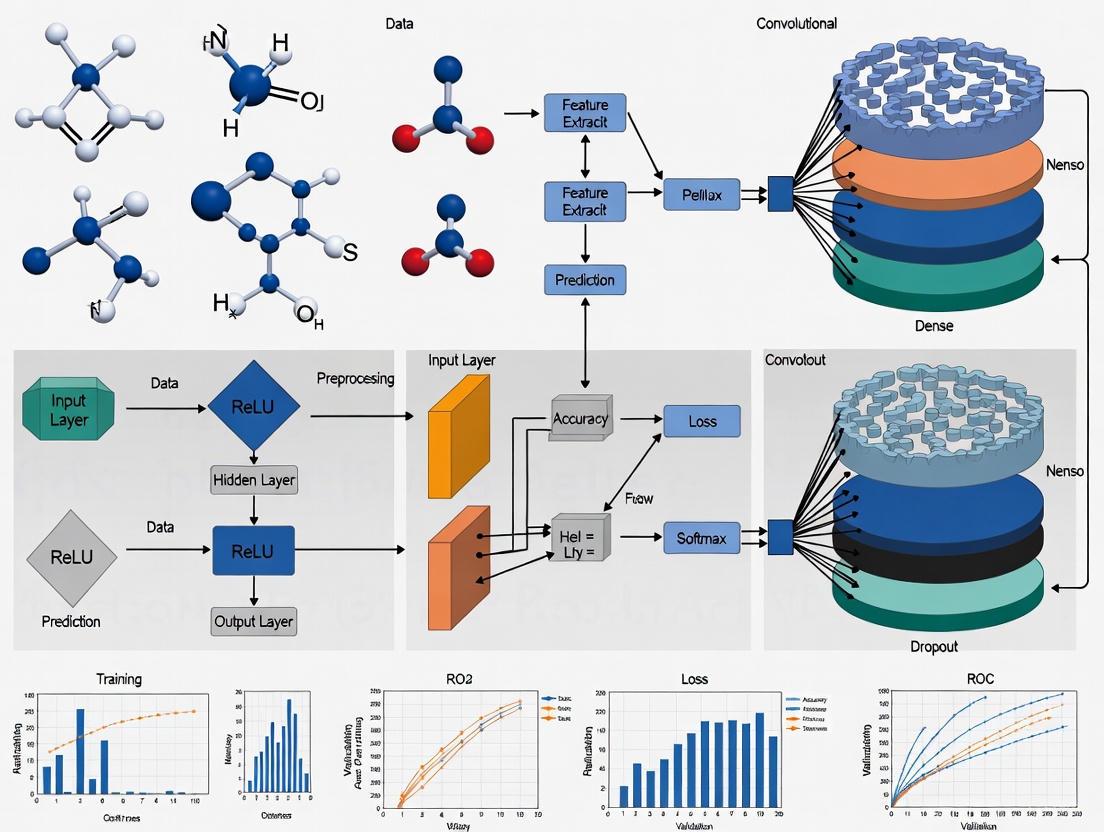
This article provides a comprehensive overview of the application of Deep Neural Networks (DNNs) for predicting chemical and drug toxicity endpoints.
Deep Neural Networks in Toxicity Endpoint Prediction: Transforming Drug Safety with AI
Abstract
This article provides a comprehensive overview of the application of Deep Neural Networks (DNNs) for predicting chemical and drug toxicity endpoints. Aimed at researchers, scientists, and drug development professionals, it explores the foundational principles, key architectural models—including Multilayer Perceptrons (MLPs), Convolutional Neural Networks (CNNs), Graph Neural Networks (GNNs), and Transformers—and their implementation for various toxicity endpoints such as hepatotoxicity, cardiotoxicity, and carcinogenicity. The content delves into strategies for overcoming common challenges like data scarcity and model interpretability, discusses rigorous validation and benchmarking practices, and synthesizes the future trajectory of AI-driven predictive toxicology in enhancing the efficiency and safety of biomedical research.
The Foundation of AI in Predictive Toxicology: Core Concepts and Urgent Needs
The Critical Role of Toxicity Prediction in Modern Drug Discovery and Public Health
Toxicity prediction has become a cornerstone of modern drug discovery, playing a pivotal role in ensuring patient safety and reducing late-stage drug development failures. Traditional toxicity assessment methods relying on animal experiments face significant challenges including high costs, lengthy timelines, ethical concerns, and limited accuracy in human extrapolation [1] [2]. The emergence of artificial intelligence (AI) and deep learning technologies is fundamentally reshaping this landscape, enabling more accurate, efficient, and mechanism-based toxicity evaluation early in the drug development pipeline [3] [4].
Approximately 30% of drug development failures are attributed to safety concerns, making toxicity the leading cause of attrition beyond efficacy issues [1] [2]. Furthermore, nearly 30% of marketed drugs are subsequently withdrawn due to unforeseen toxic reactions [2]. These statistics underscore the critical importance of robust toxicity prediction frameworks that can identify potential safety issues before drugs enter clinical trials or reach the market. AI-powered models, particularly deep neural networks, have demonstrated remarkable capabilities in predicting diverse toxicity endpoints by learning complex patterns from chemical structures, biological assays, and multi-omics data [5] [3].
This application note explores the transformative impact of deep learning in predictive toxicology, with a specific focus on toxicity endpoint prediction. We provide detailed protocols for implementing state-of-the-art models, comprehensive data analysis frameworks, and essential research tools that empower scientists to integrate these advanced methodologies into their drug discovery workflows.
Essential Databases for Toxicity Endpoint Prediction
The development of robust deep learning models for toxicity prediction relies on comprehensive, high-quality datasets. The table below summarizes key publicly available databases that serve as valuable resources for training and validating toxicity prediction models.
Table 1: Essential Databases for Toxicity Endpoint Prediction Research
| Database Name | Data Content & Scope | Key Endpoints Covered | Utility in DL Research |
|---|---|---|---|
| TOXRIC [1] [6] | 80,081 unique compounds; 122,594 toxicity measurements | Multi-species acute toxicity (59 endpoints) | Training data for multi-condition toxicity prediction |
| Tox21 [5] [3] | 8,249 compounds; 12 high-throughput assays | Nuclear receptor signaling, stress response pathways | Benchmark for multi-task deep learning models |
| ToxCast [7] [3] | ~4,746 chemicals; hundreds of endpoints | High-throughput screening data for various mechanisms | Biological feature extraction for in vivo toxicity prediction |
| ChEMBL [1] [3] | Manually curated bioactive molecules | ADMET data, bioactivity data | Pre-training molecular representation models |
| DrugBank [1] [3] | Comprehensive drug information | Drug targets, interactions, adverse reactions | Contextualizing toxicity within pharmacological profiles |
| PubChem [1] [6] | Massive chemical substance database | Structure, activity, toxicity data | Large-scale feature extraction and model training |
| hERG Central [3] | >300,000 experimental records | Cardiotoxicity (hERG channel inhibition) | Specialized cardiotoxicity prediction |
These databases enable researchers to access diverse toxicity data spanning multiple species, administration routes, and measurement indicators. The TOXRIC database, for instance, provides comprehensive acute toxicity data covering 15 test species, 8 administration routes, and 3 measurement indicators, making it particularly valuable for developing models that can extrapolate across experimental conditions [6]. Similarly, Tox21 has served as a critical benchmark in community-wide challenges to compare computational toxicity prediction methods [5].
Deep Learning Approaches for Toxicity Endpoint Prediction
Molecular Representation Strategies
Deep learning models for toxicity prediction employ diverse molecular representation strategies, each with distinct advantages for capturing relevant chemical information:
Graph-Based Representations: Molecular graphs with atoms as nodes and bonds as edges enable Graph Neural Networks (GNNs) to learn directly from molecular topology [5] [3]. This approach naturally captures structural alerts and functional groups associated with toxicity.
Image-Based Representations: 2D structural images of chemical compounds processed through convolutional neural networks (CNNs) or Vision Transformers have demonstrated competitive performance in toxicity classification tasks [5] [8]. The DenseNet121 architecture, for instance, has shown superior performance in extracting discriminative features from molecular images [5].
Sequence-Based Representations: SMILES strings processed through Recurrent Neural Networks (RNNs) or Transformer architectures learn contextualized embeddings of chemical structures [5] [3]. Models like ChemBERTa treat chemical structures as linguistic sequences to capture structural patterns correlated with toxicity.
Multimodal Fusion: Integrating multiple representation types (e.g., molecular descriptors with structural images) through joint fusion mechanisms has shown enhanced predictive performance by capturing complementary chemical information [8].
Advanced Architectural Frameworks
Recent research has introduced sophisticated neural architectures specifically designed for toxicity prediction challenges:
The ToxACoL (Adjoint Correlation Learning) framework addresses data scarcity for specific endpoints by modeling relationships between multiple toxicity endpoints using graph topology [6]. This approach enables knowledge transfer from data-rich to data-scarce endpoints through graph convolution operations, significantly improving prediction accuracy for human-specific toxicity endpoints with limited data [6].
Multimodal deep learning architectures combine Vision Transformers for processing molecular structure images with Multilayer Perceptrons for handling numerical chemical property data [8]. A joint fusion mechanism integrates features from both modalities, achieving superior predictive accuracy compared to single-modality approaches [8].
Explainable AI techniques such as Grad-CAM visualizations and SHAP analysis provide interpretable insights into model predictions by highlighting molecular substructures or features contributing to toxicity classifications [5] [3]. This transparency is crucial for building trust in AI predictions and facilitating scientific discovery.
Experimental Protocols for Toxicity Endpoint Prediction
Protocol: Implementing an Image-Based Toxicity Prediction Pipeline Using DenseNet121
This protocol details the implementation of a deep learning pipeline for toxicity prediction using 2D molecular structure images based on the DenseNet121 architecture [5].
Materials and Reagents
- Chemical Compounds: Curated set of compounds with known toxicity endpoints from Tox21 or TOXRIC databases
- Computational Environment: Python 3.8+ with PyTorch or TensorFlow deep learning frameworks
- Software Libraries: RDKit for molecular structure processing, OpenCV for image preprocessing, scikit-learn for model evaluation
Procedure
Data Preparation and Molecular Image Generation
- Obtain SMILES strings and corresponding toxicity labels from selected database
- Convert SMILES to 2D molecular structures using RDKit
- Generate standardized 224×224 pixel RGB images with white background and black structure depictions
- Apply data augmentation techniques (rotation, translation, slight scaling) to improve model generalization
- Split dataset into training (70%), validation (15%), and test (15%) sets using scaffold splitting to ensure structural diversity
Model Architecture Implementation
- Implement DenseNet121 backbone with pretrained weights on ImageNet
- Modify final classification layer to output 12 units (for Tox21 endpoints) with sigmoid activation
- Add batch normalization before each convolution layer to stabilize training
Key configuration parameters:
- Input shape: (224, 224, 3)
- Optimization: Adam optimizer with learning rate 0.001
- Loss function: Binary cross-entropy for multi-label classification
- Batch size: 32
Model Training and Optimization
- Train model for 100 epochs with early stopping based on validation loss
- Implement learning rate reduction on plateau (factor=0.5, patience=5)
- Apply gradient clipping to prevent exploding gradients
- Monitor per-endpoint AUROC and overall mean AUROC
Model Interpretation Using Explainable AI
- Implement Grad-CAM visualization to highlight molecular regions influencing predictions
- Generate attention maps for correct and incorrect predictions
- Correlate highlighted regions with known structural alerts for toxicity
Expected Outcomes
This pipeline should achieve competitive performance on the Tox21 benchmark, with expected mean AUROC >0.80. The Grad-CAM visualizations should identify chemically meaningful substructures associated with toxicity endpoints, providing both predictive accuracy and mechanistic insights.
Protocol: Multi-Endpoint Toxicity Prediction with ToxACoL Framework
This protocol implements the ToxACoL framework for multi-condition acute toxicity assessment, specifically designed to address data scarcity challenges [6].
Materials and Reagents
- Toxicity Dataset: TOXRIC database or comparable multi-endpoint acute toxicity data
- Computational Resources: High-memory GPU workstation (≥16GB VRAM)
- Software Dependencies: PyTorch Geometric for graph operations, NetworkX for graph visualization
Procedure
Endpoint Graph Construction
- Extract multi-condition endpoints (species, administration routes, measurement indicators)
- Calculate endpoint relationships based on experimental condition similarity and cross-endpoint compound toxicity correlations
- Construct endpoint graph topology where nodes represent endpoints and edges represent relationship strength
Adjoint Correlation Mechanism Implementation
- Implement dual learning branches for compounds and endpoints
- Initialize compound representations using learned features from pretrained GNN
- Initialize endpoint representations using one-hot encoding of experimental conditions
Key hyperparameters:
- Graph convolution layers: 3
- Hidden dimension: 256
- Correlation operation: concatenation followed by linear transformation
- Dropout rate: 0.3
Knowledge Transfer via Graph Convolution
- Perform message passing on endpoint graph to propagate information between related endpoints
- Update endpoint-aware compound representations at each layer
- Apply residual connections to preserve original compound features
Multi-Task Prediction and Optimization
- Implement task-specific output heads for each endpoint
- Apply balanced sampling or loss weighting to address endpoint data imbalance
- Optimize using AdamW optimizer with weight decay 0.01
Expected Outcomes
The ToxACoL model should demonstrate significant performance improvements (43-87%) for data-scarce human endpoints compared to single-task learning approaches. The framework should effectively transfer knowledge from data-rich to data-scarce endpoints, reducing required training data by 70-80% for sparse endpoints [6].
Visualization of Deep Learning Workflows
Multi-Modal Toxicity Prediction Workflow
Multi-Modal Toxicity Prediction Workflow
ToxACoL Framework Architecture
ToxACoL Framework Architecture
Table 2: Essential Research Reagent Solutions for Toxicity Prediction Research
| Resource Category | Specific Tools & Platforms | Key Functionality | Application in Toxicity Prediction |
|---|---|---|---|
| Deep Learning Frameworks | PyTorch, TensorFlow, PyTorch Geometric | Model implementation and training | Building and training custom neural network architectures |
| Cheminformatics Libraries | RDKit, OpenBabel, ChemAxon | Molecular representation and manipulation | Generating molecular descriptors, fingerprints, and structure images |
| Toxicity Databases | TOXRIC, Tox21, ToxCast, ChEMBL | Curated toxicity data sources | Model training, validation, and benchmarking |
| Molecular Visualization | PyMOL, ChimeraX, RDKit Visualization | 3D/2D structure analysis | Interpretability and structural alert identification |
| Explainable AI Tools | SHAP, Captum, Grad-CAM | Model interpretation and visualization | Identifying toxicity-related molecular substructures |
| High-Performance Computing | NVIDIA GPUs, Google Colab, AWS EC2 | Computational acceleration | Training large-scale deep learning models |
| Web Platforms | ToxACoL Online, admetSAR | Accessibility and deployment | Rapid toxicity prediction for experimentalists |
Deep learning approaches are revolutionizing toxicity prediction in drug discovery by enabling more accurate, efficient, and interpretable assessment of potential safety issues. The protocols and frameworks presented in this application note provide researchers with practical methodologies for implementing state-of-the-art toxicity prediction models in their workflows. By integrating multimodal molecular representations, leveraging endpoint relationships through graph-based learning, and incorporating explainable AI techniques, these advanced approaches address critical challenges in predictive toxicology.
The continued evolution of deep learning architectures, coupled with the growing availability of high-quality toxicity data, promises to further enhance our ability to identify toxic compounds early in the drug development pipeline. This transformation not only reduces reliance on animal testing but also significantly decreases late-stage attrition rates, ultimately accelerating the delivery of safer therapeutics to patients. As these technologies mature, their integration into standardized drug discovery workflows will become increasingly essential for maintaining competitiveness and ensuring patient safety in pharmaceutical development.
The field of in silico toxicology has undergone a profound transformation, evolving from traditional Quantitative Structure-Activity Relationships (QSARs) to sophisticated artificial intelligence (AI) and deep learning (DL) models [9] [10]. This paradigm shift addresses a critical challenge in drug development: the accurate prediction of adverse drug reactions (ADRs), which remain a major cause of high attrition rates and significant financial losses [9]. Traditional toxicity testing methods, such as in vitro assays and animal studies, often fail to predict human-specific toxicities accurately due to species differences and limited scalability [9]. The emergence of AI and machine learning (ML) has introduced transformative approaches that leverage large-scale datasets—including omics profiles, chemical properties, and electronic health records (EHRs)—to provide early and accurate identification of toxicity risks [9]. This evolution not only improves the efficiency of drug discovery but also aligns with the 3Rs principle (Replacement, Reduction, and Refinement) by minimizing reliance on animal testing [9] [11].
The journey from QSAR to deep learning represents more than just a technical upgrade; it signifies a fundamental change in how toxicological data is integrated and interpreted. QSAR models, which predict toxicological effects based solely on chemical structure, have shown considerable success but are limited by their exclusive reliance on structural data [10]. This shortcoming is particularly evident in drug toxicity assessment, where minor structural modifications can result in significant toxicity changes, as seen in the case of ibuprofen (safe) and ibufenac (hepatotoxic), which differ by only a single methyl group [10]. Advances in AI now enable the development of models that integrate diverse data types and uncover complex toxicity mechanisms, thereby enhancing predictive accuracy and providing explainable insights [9] [12].
The QSAR Foundation and Its Limitations
Core Principles and Applications
Quantitative Structure-Activity Relationships (QSARs) have been the cornerstone of computational toxicology for decades, operating on the fundamental principle that a chemical's biological or toxicological activity is determined by its molecular structure [10]. These models employ various machine learning (ML) algorithms to predict toxicity from chemical representations known as chemical descriptors, which quantify properties such as lipophilicity, electronic distribution, and steric factors [11] [10]. In forensic toxicology, QSAR techniques provide a quick and economical means to anticipate the effects of substances related to cases like poisoning and the detection of new psychoactive drug compounds [11]. A typical QSAR workflow begins with thorough data curation, involving the collection of details about the chemical's structure, related analogs, and any known toxicological endpoints [11]. This is followed by descriptor computation and model selection, where prediction algorithms are used to forecast toxicity endpoints, including acute toxicity, organ toxicity, and carcinogenicity [11].
Limitations of Traditional QSAR Approaches
Despite their successes, traditional QSAR models face significant limitations that restrict their application in modern drug development. Their exclusive reliance on chemical structures often fails to capture complex biological interactions and mechanisms underlying toxicity [10]. This structural reliance limits their predictive power for drugs where small modifications cause major toxicity changes, as demonstrated by the ibuprofen/ibufenac paradox [10]. Furthermore, many QSAR tools struggle with novel scaffolds and unusual ring conformations (e.g., bicyclic organophosphates), meaning that designer opioids may fall outside of their training sets, yielding uncertain predictions [11]. This lack of mechanistic context and inability to generalize to structurally novel compounds represents a critical gap in traditional QSAR approaches, necessitating more advanced methodologies that can incorporate broader chemical knowledge and biological context.
Table 1: Evolution of In Silico Toxicology Approaches
| Era | Primary Approach | Key Features | Limitations |
|---|---|---|---|
| Traditional | QSAR (Quantitative Structure-Activity Relationships) [11] [10] | - Relies on chemical structure and descriptors- Employs classical ML algorithms- Well-established workflow | - Limited to structural information- Struggles with novel scaffolds- Misses complex biological mechanisms |
| Modern | Deep Learning & QKAR (Quantitative Knowledge-Activity Relationships) [12] [10] | - Integrates diverse data (omics, clinical, knowledge)- Uses multi-task deep neural networks- Provides explainable predictions via methods like CEM | - Requires large, high-quality datasets- "Black-box" nature requires explainability methods- Computational intensity |
The Rise of AI and Deep Learning in Toxicology
Multi-Task Deep Learning for Enhanced Predictions
The application of deep learning (DL) frameworks represents a significant advancement in predictive toxicology. Modern approaches utilize multi-task deep neural networks (MTDNN) that simultaneously model in vitro, in vivo, and clinical toxicity data, overcoming the limitations of single-task models that predict toxicity for each platform separately [12]. This multi-task learning paradigm acknowledges that a single molecule can demonstrate a multitude of responses across different assays and organisms, allowing for more comprehensive toxicity profiling [12]. Studies have demonstrated that MTDNNs accurately predict toxicity for all endpoints, including clinical, as indicated by the area under the Receiver Operator Characteristic curve and balanced accuracy [12]. The use of advanced molecular representations, such as pre-trained SMILES embeddings (SE), further enhances clinical toxicity predictions compared to existing models by encoding relationships between chemicals within datasets, unlike simpler representations like Morgan Fingerprints (FP) that only vectorize the presence of substructures [12].
Knowledge-Enhanced Models: The QKAR Framework
A novel framework termed Quantitative Knowledge-Activity Relationships (QKAR) has emerged to enhance toxicity predictions by leveraging domain-specific knowledge through large language models (LLMs) and text embedding [10]. QKAR models predict drug toxicity using knowledge representations generated from comprehensive drug summaries created by AI models like GPT-4o, which are then converted to numerical vectors using text embedding models [10]. These knowledge representations capture semantic relationships, contextual details, and syntactic structures, making them effective for classification tasks [10]. Research on drug-induced liver injury (DILI) and drug-induced cardiotoxicity (DICT) has demonstrated that QKARs consistently outperform traditional QSARs, particularly in differentiating drugs with similar structures but different toxicity profiles [10]. The integration of knowledge-based and structure-based representations, termed Q(K + S)ARs, offers further enhanced prediction accuracy by combining both domain-specific knowledge and structural data [10].
Application Notes: Implementing Advanced In Silico Models
Protocol 1: Developing a Multi-Task Deep Neural Network for Toxicity Prediction
Objective
To develop a multi-task deep neural network (MTDNN) capable of simultaneously predicting in vitro, in vivo, and clinical toxicity endpoints using different molecular representations.
Materials and Data Preparation
- Chemical Compounds: Curate datasets with known toxicity endpoints (e.g., ClinTox for clinical toxicity, Tox21 for in vitro assays, RTECS for in vivo acute oral toxicity) [12].
- Molecular Representations:
- Morgan Fingerprints (FP): Compute using cheminformatics software (e.g., RDKit). These are circular fingerprints vectorizing the presence of substructures within varying radii around an atom [12].
- SMILES Embeddings (SE): Generate pre-trained embeddings using a neural network-based model that translates from non-canonical SMILES to canonical SMILES, encoding relationships between chemicals [12].
- Data Splitting: Split data into training, validation, and test sets. For temporal validation, split based on drug approval years to simulate real-world application (e.g., pre-1997 vs. post-1997 for DILI) [10].
Model Architecture and Training
- Network Architecture: Design a deep neural network with shared hidden layers and separate output layers for each task (in vitro, in vivo, clinical) [12].
- Training Protocol: Train the model using backpropagation and gradient descent. Utilize a loss function that combines the losses from all tasks. Implement early stopping based on validation performance to prevent overfitting.
- Performance Evaluation: Assess model performance using metrics such as the area under the Receiver Operator Characteristic curve (AUC-ROC), balanced accuracy, and precision-recall curves [12].
Model Explanation Using Contrastive Explanations
- Method: Adapt the Contrastive Explanations Method (CEM) to explain the DNN's predictions by identifying pertinent positive (PP) and pertinent negative (PN) features [12].
- Output: PPs represent the minimal necessary substructures (toxicophores) for a toxic prediction, while PNs represent substructures whose absence is critical for the prediction or whose addition would flip the prediction from toxic to non-toxic [12].
- Validation: Compare identified PPs against known toxicophores (e.g., unsubstituted bonded heteroatoms, aromatic amines, Michael receptors) to validate explanations [12].
Diagram 1: MTDNN workflow for toxicity prediction.
Protocol 2: Building a Quantitative Knowledge-Activity Relationship (QKAR) Model
Objective
To develop a QKAR model for predicting specific drug toxicity endpoints (e.g., DILI, DICT) by leveraging domain-specific knowledge from text embeddings.
Knowledge Representation Generation
- Knowledge Summarization: Use a large language model (e.g., GPT-4o) with specialized prompts to generate comprehensive knowledge summaries for each drug [10]. Employ prompts of varying specificity:
- Text Embedding: Convert the generated knowledge summaries (or just drug names for a baseline) into high-dimensional vector representations using a text embedding model (e.g.,
text-embedding-3-large), resulting in a 3072-dimensional vector for each drug [10].
Model Development and Comparison with QSAR
- Machine Learning Algorithms: Apply multiple ML algorithms with distinct complexity levels (e.g., K-Nearest Neighbors, Logistic Regression, Support Vector Machine, Random Forest, Extreme Gradient Boosting) on the knowledge representations [10].
- QSAR Baseline: Develop comparable QSAR models using traditional chemical descriptors on the identical dataset [10].
- Model Evaluation: Conduct a rigorous performance comparison between QKAR and QSAR models using appropriate metrics (e.g., AUC, accuracy, precision, recall) on a held-out test set. Use a temporal split to simulate prospective prediction [10].
Table 2: Key Research Reagent Solutions for In Silico Toxicology
| Reagent / Resource | Type | Primary Function | Example Sources/Tools |
|---|---|---|---|
| Toxicity Datasets | Data | Provide curated experimental data for model training and validation. | ClinTox [12], Tox21 Challenge [12], DILIst [10], DICTrank [10] |
| Molecular Descriptors | Computational Feature | Represent chemical structures numerically for QSAR models. | Morgan Fingerprints [12], Chemical Descriptors (lipophilicity, steric factors) [11] [10] |
| Knowledge Embeddings | Computational Feature | Represent domain knowledge as numerical vectors for QKAR models. | GPT-4o generated summaries [10], text-embedding-3-large model [10] |
| Contrastive Explanation Method (CEM) | Software/Algorithm | Explains model predictions by identifying pertinent positive/negative features. | Adapted CEM for molecular structures [12] |
Comparative Analysis and Future Directions
Performance Evaluation of Different Modeling Approaches
Comparative analyses reveal the significant advantages of modern AI approaches over traditional methods. In studies comparing QKARs and QSARs for DILI and DICT prediction using identical datasets, QKARs consistently outperformed QSARs across different knowledge representations and machine learning algorithms [10]. The level of knowledge embedded in the representation directly impacted performance, with comprehensive pharmacological toxiocology (PharmTox) summaries yielding better predictions than simple summaries (SimpleTox) or drug names alone [10]. Furthermore, multi-task deep learning models have demonstrated superior performance in clinical toxicity prediction compared to single-task models, particularly when using pre-trained SMILES embeddings [12]. These models also facilitate transfer learning, where a base model trained on abundant in vivo or in vitro data can be fine-tuned for clinical toxicity prediction, minimizing the need for extensive clinical data [12].
Table 3: Performance Comparison of Modeling Approaches
| Model Type | Data Input | Key Advantage | Reported Performance |
|---|---|---|---|
| Traditional QSAR [10] | Chemical Structure Descriptors | Established, interpretable | Baseline performance for DILI/DICT prediction |
| Multi-Task DNN [12] | Morgan Fingerprints (FP) / SMILES Embeddings (SE) | Simultaneous multi-endpoint prediction; transfer learning | SE inputs improved clinical toxicity predictions vs. benchmarks |
| QKAR (Knowledge-Based) [10] | Text Embeddings of Drug Knowledge | Captures complex biological context beyond structure | Consistently outperformed QSARs on DILI and DICT |
| Hybrid Q(K+S)AR [10] | Integrated Knowledge & Structure | Leverages both structural and contextual information | Highest prediction accuracy for drug toxicity endpoints |
Future Perspectives and Implementation Challenges
The future of in silico toxicology is poised to see increased implementation of AI-powered techniques, streamlining toxicological investigations and enhancing overall accuracy in forensic and regulatory evaluations [11]. However, several challenges remain to be addressed for widespread adoption. Data quality and standardization are critical, as models require large-scale, high-quality datasets for training [9]. Model interpretability continues to be a concern, necessitating robust explanation methods like CEM to build trust among end-users and regulators [12]. Regulatory acceptance requires thorough validation and alignment with legal standards, particularly in forensic settings where evidence must conform to strict admissibility criteria [11]. Financial considerations also play a role, with break-even analyses indicating that forensic labs need to conduct a sufficient volume of analyses (e.g., >625 per year) to achieve cost efficiency through in silico strategies [11]. As these challenges are addressed, AI and deep learning models will increasingly revolutionize predictive toxicology, ensuring safer and more efficient drug development processes.
Diagram 2: Future directions for in silico toxicology.
Within drug discovery and development, the accurate prediction of toxicological endpoints is paramount to ensuring patient safety and reducing late-stage compound attrition. Hepatotoxicity, cardiotoxicity, carcinogenicity, and genotoxicity represent critical organ-specific and systemic toxicity concerns that are traditionally identified through costly, time-consuming, and ethically challenging in vivo studies [2]. The emergence of deep neural networks (DNNs) and other artificial intelligence (AI) methodologies offers a paradigm shift, enabling the data-driven prediction of these endpoints from chemical structure and in vitro data [7] [2]. This Application Note delineates key experimental protocols, quantitative endpoints, and pathway mechanisms essential for generating high-quality data to train and validate robust DNN models for toxicity prediction. By framing toxicity within a computational research context, we provide a framework for integrating experimental biology with machine learning to advance predictive toxicology.
Hepatotoxicity
Pathophysiology and Clinical Relevance
Drug-Induced Liver Injury (DILI), or hepatotoxicity, is the leading cause of acute liver failure and a major reason for drug withdrawal from the market [13] [14]. DILI can be classified as either intrinsic (dose-dependent and predictable, as with acetaminophen) or idiosyncratic (unpredictable and often host-dependent, as with certain antibiotics) [13] [14]. The liver's susceptibility stems from its central role in metabolizing xenobiotics, often generating reactive metabolites that can cause oxidative stress, mitochondrial dysfunction, and direct cellular damage [13] [15].
KeyIn VitroProtocol: Mechanistic Endpoints in Primary Human Hepatocytes
Application: This protocol is designed for the early identification of compounds with the potential to cause severe DILI (sDILI) by measuring key mechanistic endpoints in a physiologically relevant model system. The data generated is ideal for training DNN models to predict clinical hepatotoxicity from in vitro readouts [15].
Materials:
- Cell Model: Primary cultured human hepatocytes (pooled from multiple donors to capture population variability).
- Test Article: Drug candidates dissolved in DMSO (final concentration typically ≤0.1%).
- Key Reagents:
- ATP Assay Kit (e.g., luminescence-based).
- Cell-permeable fluorescent ROS probe (e.g., CM-H2DCFDA).
- GSH Assay Kit (e.g., colorimetric or fluorescent).
- Caspase-3/7 Activation Assay Kit (e.g., luminescent or fluorescent).
Procedure:
- Cell Seeding and Compound Treatment: Plate primary human hepatocytes in collagen-coated plates and allow to adhere. Treat cells with a range of drug concentrations (e.g., 1-100 µM) and a vehicle control for a defined period (e.g., 24-72 hours).
- Endpoint Measurement:
- Cellular ATP Content: Lyse cells and add ATP assay substrate. Measure luminescence, which is proportional to ATP concentration.
- Reactive Oxygen Species (ROS): Incubate cells with the ROS probe. Measure fluorescence intensity, which increases with ROS production.
- Glutathione (GSH) Depletion: Lyse cells and use a GSH assay kit to quantify the remaining reduced glutathione.
- Caspase Activation: Add a caspase-3/7 substrate to cells. Measure luminescence or fluorescence, which increases with caspase activity.
- Data Analysis:
- Generate dose-response curves for all endpoints.
- Calculate the Area Under the Curve (AUC) for each dose-response.
- Compute the ROS/ATP AUC ratio, identified as a superior predictor for distinguishing sDILI compounds [15].
Table 1: Quantitative Endpoints for Hepatotoxicity Assessment
| Endpoint | Measurement | Implication for DILI | Utility in DNN Training |
|---|---|---|---|
| Clinical Biomarkers | Serum ALT, AST, ALP, Total Bilirubin [13] | Indicator of hepatocellular necrosis and liver function impairment. | Labels for supervised learning of clinical outcomes. |
| ROS/ATP AUC Ratio | Area under the dose-response curve of the ROS to ATP ratio [15] | High value indicates oxidative stress coupled with energy depletion, strongly associated with sDILI. | Highly informative numerical input feature for classification models. |
| Cellular ATP Content | Luminescence signal proportional to intracellular ATP [15] | Depletion indicates mitochondrial dysfunction and loss of energy homeostasis. | Input feature for predicting mechanistic toxicity. |
| GSH Depletion | Colorimetric/fluorometric measurement of reduced glutathione [15] | Reflects exhaustion of the primary antioxidant defense system, increasing susceptibility to oxidative stress. | Input feature for predicting metabolic activation and oxidative stress. |
Hepatotoxicity Pathway Diagram
Diagram Title: Key Molecular Pathways in Drug-Induced Hepatotoxicity
Cardiotoxicity
Pathophysiology and Clinical Relevance
Cardiotoxicity encompasses a range of adverse effects on the heart, from arrhythmias to heart failure. A primary mechanism of drug-induced cardiotoxicity is the inhibition of the human Ether-à-go-go-Related Gene (hERG) potassium channel, which delays cardiac repolarization, leading to Long QT syndrome and potential torsades de pointes [16] [2]. Beyond hERG, radiation oncology studies have demonstrated that damage to specific cardiac substructures is linked to distinct clinical syndromes, such as pericardial events from atrial irradiation and ischemic events from left ventricle exposure [17].
KeyIn Silicoand Clinical Endpoints
Application: Predicting cardiotoxicity, especially hERG inhibition, is a standard component of safety pharmacology. DNN models can leverage both structural data for in silico hERG prediction and clinical dosimetry data to forecast organ-level damage.
Table 2: Quantitative Endpoints for Cardiotoxicity Assessment
| Endpoint | Measurement | Implication for Cardiotoxicity | Utility in DNN Training |
|---|---|---|---|
| hERG IC50 | In vitro patch-clamp assay measuring concentration for 50% hERG channel inhibition [16] [2] | Direct indicator of arrhythmogenic risk; low IC50 signifies high risk. | Core endpoint for classification and regression models from chemical structure. |
| Left Ventricle (LV) V30 | Volume of LV receiving ≥30 Gy of radiation [17] | Strongly correlated with subsequent ischemic events (e.g., myocardial infarction). | Feature for DNN models predicting toxicity from radiotherapy dosimetry. |
| Right Atrium (RA) V30 | Volume of RA receiving ≥30 Gy of radiation [17] | Strongly correlated with pericardial events (e.g., pericarditis, effusion). | Feature for DNN models predicting toxicity from radiotherapy dosimetry. |
| Clinical Events | Diagnosis of pericarditis, myocardial infarction, significant arrhythmia [17] | Confirms clinical manifestation of cardiotoxicity. | Gold-standard labels for supervised learning of clinical outcomes. |
Carcinogenicity & Genotoxicity
Pathophysiology and Clinical Relevance
Carcinogenicity is the ability of a substance to induce tumors, while genotoxicity refers to its capacity to damage DNA, which is a key initiating event in carcinogenesis [18]. Over 90% of known human chemical carcinogens are genotoxic [18]. Mechanisms include inducing mutations (e.g., in oncogenes like KRAS or tumor suppressors like TP53), causing chromosomal aberrations, and promoting epigenetic modifications that dysregulate gene expression [18] [19].
KeyIn VitroandIn SilicoProtocols
Application: A battery of tests is employed to assess genotoxic potential. Data from these assays, along with chemical structure information, is used to build DNN models for predicting carcinogenic risk without long-term animal studies.
Ames Test Protocol (for Bacterial Reverse Mutation)
- Purpose: To identify mutagenic compounds via their ability to induce revertant mutations in bacterial strains.
- Materials: Salmonella typhimurium strains (e.g., TA98, TA100, TA1535) with and without metabolic activation (S9 fraction from rat liver) [18] [16].
- Procedure: Incubate bacteria with the test compound and a minimal glucose medium. Count the number of revertant colonies after incubation. A significant, dose-dependent increase in revertants indicates mutagenicity.
- DNN Integration: The binary outcome (mutagenic/non-mutagenic) and the dose-response data from the Ames test serve as critical labels for training and validating DNN models [16].
In Silico Genotoxicity Prediction Workflow
- Purpose: To rapidly screen virtual compound libraries for structural alerts associated with genotoxicity.
- Materials: Chemical structures of compounds (e.g., in SMILES format); in silico prediction software (e.g., using QSAR, machine learning, or expert rule-based systems) [18] [2].
- Procedure: Input chemical structures into the prediction platform. The platform identifies toxicophores (structural fragments associated with toxicity, such as specific aromatic amines or alkylating agents) and computes probabilities for endpoints like Ames positivity [16].
- DNN Integration: The identified toxicophores and predicted probabilities can be used as input features for more complex DNN models, or the entire process can be replaced by an end-to-end DNN that learns structural alerts directly from molecular graphs [2].
Genotoxicity and Carcinogenicity Pathway Diagram
Diagram Title: Genotoxicity to Carcinogenicity Pathway and Assay Links
Table 3: Key Assays for Genotoxicity and Carcinogenicity Assessment
| Assay Endpoint | System | Measurement | Utility in DNN Training |
|---|---|---|---|
| Ames Test | In vitro (Bacteria) | Count of reverse mutations; positive/negative result [16]. | Primary label for supervised learning of mutagenicity from chemical structure. |
| In Silico Ames Prediction | In silico (Computational) | Probability of Ames test positivity; identification of toxicophores [16]. | Input feature or direct prediction target for structure-based models. |
| Micronucleus Assay | In vitro (Mammalian cells) | Frequency of micronuclei in cytoplasm, indicating chromosomal damage [18]. | Label for predicting clastogenic and aneugenic activity. |
| Carcinogenicity Bioassay | In vivo (Rodents) | Incidence and multiplicity of tumors after long-term exposure. | Gold-standard label for carcinogenicity prediction models, though scarce. |
The Scientist's Toolkit: Research Reagent Solutions
Table 4: Essential Materials for Toxicity Endpoint Investigation
| Research Reagent | Function and Application | Example Use Case |
|---|---|---|
| Primary Human Hepatocytes | Gold-standard in vitro model for hepatotoxicity; retains human-specific drug metabolism and toxicity pathways [15]. | Measuring mechanistic endpoints (ROS, ATP, GSH) for DILI prediction. |
| hERG-Expressing Cell Lines | Cell lines (e.g., HEK293, CHO) engineered to stably express the hERG potassium channel. | In vitro patch-clamp electrophysiology to determine IC50 for cardiotoxicity risk assessment [2]. |
| S9 Metabolic Activation Fraction | Liver homogenate containing cytochrome P450 enzymes and other metabolizing enzymes. | Added to in vitro assays like the Ames test to simulate mammalian metabolic activation of pro-mutagens [18]. |
| ToxCast Bioactivity Database | A large-scale database from the U.S. EPA containing in vitro screening results for thousands of chemicals across hundreds of assay endpoints [7]. | A primary data source for training and validating multi-task DNN models for various toxicity endpoints. |
| Molecular Descriptors & Fingerprints | Numerical representations of chemical structure (e.g., molecular weight, logP, ECFP fingerprints). | Input features for QSAR and DNN models predicting toxicity endpoints directly from chemical structure [7] [2]. |
For researchers developing deep neural networks (DNNs) for toxicity prediction, selecting high-quality, appropriately scaled data is a critical first step. The Tox21, ToxCast, ChEMBL, and DrugBank databases provide complementary chemical and bioactivity data at different scales and with distinct foci, making them suitable for various stages of model development.
Table 1: Core Quantitative Profile of Key Toxicology Databases
| Database | Primary Focus & Data Type | Approximate Scale (Unique Chemicals) | Key Applicability for DNN Development |
|---|---|---|---|
| Tox21 [20] | Quantitative High-Throughput Screening (qHTS); in vitro bioactivity | Part of a ~10,000 substance library [21] | Ideal for training models on high-quality, consistent qHTS data from a defined chemical set. |
| ToxCast (EPA) [21] [22] | High-Throughput Screening; diverse in vitro bioactivity profiles | ~9,400 substances (DTXSIDs) [21] | Provides massive, multi-endpoint bioactivity data for diverse chemical structures. |
| ChEMBL [23] | Manually curated bioactivity data (drug-like molecules) | >2.4 million "research compounds"; 17,500+ drugs/clinical candidates [23] | Excellent for pre-training or developing models on a vast array of drug-target interactions. |
| DrugBank [24] [23] | Comprehensive drug data (approved & investigational) | Contains comprehensive drug data [23] | Provides detailed, structured data on approved drugs for clinical toxicity endpoint modeling. |
Table 2: Data Accessibility and Structural Features
| Database | Access Model | Key Structural Data Provided | Toxicity Endpoint Annotations |
|---|---|---|---|
| Tox21 [25] | Open Access | Chemical structure, annotations [25] | Screening data for pathways (e.g., nuclear receptor, stress response) [20] |
| ToxCast [21] [26] | Open Data | DSSTox standard chemical fields (structure, CASRN, etc.) [21] | Assay endpoints for mitochondrial function, nuclear receptors, etc. [21] [22] |
| ChEMBL [23] | Open Access | Chemical structure or biological sequence [23] | Bioactivity data (e.g., IC50, Ki); integrated with drug safety warnings [23] |
| DrugBank [24] [23] | Free for non-commercial use [23] | Chemical structure, detailed drug metabolism info [24] | Drug-protein interactions, adverse event reports, cytochrome P450 enzyme data [24] |
Experimental Protocols for Data Access and Utilization
Protocol: Accessing and Processing ToxCast & Tox21 Data for DNN Input
This protocol details the steps to acquire and structure ToxCast and Tox21 data, which are essential for creating high-quality training datasets for deep neural networks.
Materials and Software Requirements
- Computing Environment: Computer with internet access and R/Python installed.
- R Packages:
tcpl(ToxCast Data Analysis Pipeline),tcplFit2,ctxR[21]. - Data Sources: EPA CompTox Chemicals Dashboard, ToxCast Data Download Page, Tox21 Data Browser [21] [25].
Procedure
- Data Acquisition:
a. Navigate to the EPA's "Exploring ToxCast Data" page [21].
b. Download the most recent
invitrodbMySQL database package (e.g., v4.3) and the associatedtcplR package [21]. c. Alternatively, access data programmatically via the CTX Bioactivity API [21] or extract specific chemical sets from the CompTox Chemicals Dashboard [25].
Data Loading and Initial Processing: a. Install and load the
tcplpackage in your R environment. b. Use thetcplfunctions to load theinvitrodbdatabase and run initial queries. The package processes concentration-response data through curve-fitting to generate activity metrics [21]. c. For Tox21 data, access the quantitative high-throughput screening (qHTS) data via the Tox21 Data Browser or directly from PubChem [25]. This data includes chemical structure, annotations, and quality control information.Data Curation and Integration: a. Data Cleaning: Filter data based on quality control flags provided in the datasets to ensure reliability. b. Feature Engineering: Extract and calculate molecular descriptors (e.g., molecular weight, logP, topological polar surface area) from the chemical structures (SMILES/InChI) using libraries like RDKit in Python. c. Label Assignment: Use the activity calls and potency metrics (e.g., AC50 values) from the ToxCast/Tox21 assays as labels for your DNN model. Assays can be grouped by biological pathways (e.g., estrogen receptor pathway) to create more robust endpoint labels [21] [22].
Dataset Assembly for Machine Learning: a. Merge the curated bioactivity data with the engineered molecular features. b. Split the final dataset into training, validation, and test sets, ensuring that chemicals from the same structural series are not split across sets to prevent data leakage.
Protocol: Leveraging ChEMBL and DrugBank for Model Context and Enhancement
This protocol outlines how to integrate the rich, drug-focused data from ChEMBL and DrugBank to augment DNN models initially trained on ToxCast/Tox21 data.
Materials and Software Requirements
- Data Sources: ChEMBL website via EBI, DrugBank [27] [24] [23].
- Tools: SQL skills or web services for accessing ChEMBL; knowledge of DrugBank's data structure [23].
Procedure
- Data Retrieval:
a. ChEMBL: Access the database via its web interface or download the complete SQL dump. Use the
molecule_dictionarytable to identify approved drugs and clinical candidate drugs, which are clearly distinguished from research compounds [23]. b. DrugBank: Download the dataset after registering and agreeing to its license terms for non-commercial use. Parse the XML or CSV files to extract detailed drug information, adverse effects, and drug-target interactions [24] [23].
- Data Integration for Model Augmentation: a. Transfer Learning: Pre-train a DNN on the vast bioactivity data in ChEMBL (>2.4 million compounds) to learn general representations of chemical structures and their biological effects. Then, fine-tune the model on the smaller, more specific ToxCast/Tox21 dataset [23] [2]. b. Feature Enrichment: Use DrugBank's detailed annotations (e.g., cytochrome P450 interactions, involved metabolic pathways, and known adverse effects) as additional input features or as multi-task learning targets to improve model robustness and clinical relevance [24]. c. Validation Set Creation: Use the approved drugs in both ChEMBL and DrugBank as a high-quality, clinically relevant external test set to evaluate your model's predictive power on real-world compounds [23].
The Scientist's Toolkit: Essential Research Reagent Solutions
Table 3: Key Computational Tools and Data Resources
| Tool/Resource | Function in Protocol | Access Link / Reference |
|---|---|---|
tcpl R Package |
Core data processing, curve-fitting, and visualization for ToxCast data [21]. | EPA Exploring ToxCast Data Page [21] |
| CompTox Chemicals Dashboard | Web-based interface for exploring and downloading ToxCast/Tox21 chemical and bioactivity data [22] [25]. | https://comptox.epa.gov/dashboard |
| Tox21 Data Browser | Access and visualize Tox21 qHTS data, including concentration-response curves [25]. | Tox21.gov Resources [25] |
| ChEMBL Database | Provides manually curated bioactivity data for drug-like molecules for model pre-training and validation [27] [23]. | https://www.ebi.ac.uk/chembl/ |
| RDKit | Open-source cheminformatics toolkit for calculating molecular descriptors and fingerprints from chemical structures. | https://www.rdkit.org/ |
| DrugBank Database | Provides detailed drug metadata, interactions, and adverse effects for feature enrichment and clinical validation [24] [23]. | https://go.drugbank.com/ |
Advanced DNN Architectures and Their Application to Toxicity Endpoints
Accurate prediction of chemical toxicity is a pivotal research area in chemistry, biotechnology, and national defense, with critical implications for public safety, environmental health, and drug development [8]. The widespread use of industrial chemicals, pesticides, and pharmaceuticals necessitates precise toxicological assessments to ensure regulatory compliance and minimize harm [8]. However, the inherent complexity of chemical substances and scarcity of comprehensive datasets have hindered progress in this field. Existing prediction models often rely on narrow datasets focused on specific toxic endpoints, which limits their generalizability and practical application [8].
Traditional machine learning techniques, including Quantitative Structure-Activity Relationship (QSAR) models, have demonstrated moderate success but frequently fall short due to their reliance on manually engineered features and inability to effectively model non-linear relationships inherent in chemical data [8]. While deep learning models offer transformative potential by leveraging advanced architectures to extract complex patterns, existing approaches are often restricted to single-modality inputs, failing to capitalize on the synergistic benefits of multi-modal data fusion [8].
This application note details an innovative multimodal deep learning framework that integrates chemical property data with molecular structure images to enhance toxicity prediction accuracy. By combining a Vision Transformer (ViT) for image-based feature extraction with a Multilayer Perceptron (MLP) for numerical data processing, the proposed model enables simultaneous evaluation of diverse toxicological endpoints through a joint fusion mechanism [8]. The protocols described herein provide researchers with comprehensive methodologies for implementing this advanced predictive system within toxicity endpoint prediction research.
Background and Significance
Multimodal learning represents a paradigm shift in computational toxicology, addressing fundamental limitations of single-modality approaches. Conventional models utilizing either molecular descriptors or structural images in isolation fail to capture the complementary chemical information necessary for robust toxicity assessment [8]. The integration of diverse molecular representations—including graphs, SMILES strings, 2D images, and NMR spectra—has demonstrated consistent performance improvements across multiple toxicity benchmarks [28].
Recent advancements in attention mechanisms and fusion strategies have enabled more effective integration of heterogeneous chemical data. The Mixture of Experts (MoE) architecture, particularly when incorporated into attention mechanisms, has shown remarkable capability in processing modalities of molecular images, graphs, and fingerprints, achieving up to 8.33% higher AUROC and 9.11% higher AUPRC compared to conventional methods [29]. Similarly, frameworks incorporating mitochondrial toxicity data alongside structural representations have enhanced hepatotoxicity prediction, achieving AUC values up to 0.81 [30].
Transformer-based architectures have emerged as particularly powerful tools for molecular property prediction due to their ability to autonomously learn long-range atom-to-atom interactions on a global scale [31]. However, these models may struggle to capture intricate substructure details such as covalent bonds and functional groups. The integration of topological data analysis to extract multi-scale topological features from 3D structural information addresses this limitation by providing comprehensive representations of local substructure information [31].
Model Architecture and Implementation
The proposed multimodal framework employs a joint intermediate fusion strategy to combine information from chemical structure images and property data at an intermediate processing stage. This approach preserves unique characteristics of each modality while enabling the model to learn interactions between different data types [8]. The architecture consists of two primary processing streams converging through a fusion mechanism for final toxicity prediction.
Component Specifications
Image Processing Backbone: Vision Transformer (ViT)
The image processing component utilizes a Vision Transformer (ViT) architecture to extract features from 2D structural images of chemical compounds [8]. The implementation specifications are detailed below:
- Architecture: ViT-Base/16 model following Dosovitskiy et al. [8]
- Input Specifications: 224 × 224 pixel resolution images processed as 16 × 16-pixel patches
- Pre-training: ImageNet-21k dataset
- Fine-tuning: Custom dataset of 4,179 molecular structure images
- Feature Extraction: 128-dimensional output feature vector
- Parameter Count: 98,688 trainable parameters in the MLP dimensionality reduction layer
The ViT model processes input images according to the transformation: f_img = ViT(I), where I ∈ ℝ^(H×W×C) represents the input image of height H, width W, and C channels [8].
Tabular Data Processing: Multi-Layer Perceptron (MLP)
The chemical property data processing stream employs a Multi-Layer Perceptron (MLP) to handle numerical and categorical features [8]. The technical specifications include:
- Input: Tabular data X ∈ ℝ^(nfeatures) where nfeatures denotes the number of chemical descriptors
- Output: 128-dimensional feature vector f_tab
- Transformation: f_tab = MLP(X)
- Parameter Count: (Dtab + 1) × 128 trainable parameters, where Dtab represents tabular data dimensionality
Fusion Mechanism and Classification
The fusion layer concatenates feature vectors from both modalities to create a comprehensive representation [8]:
- Fusion Operation: ffused = [fimg; f_tab] ∈ ℝ^256
- Classification: Fully connected layer with sigmoid activation for binary toxicity prediction
Experimental Setup and Performance Metrics
The model was evaluated using standardized toxicity datasets with multiple endpoints. Performance was assessed through the following metrics [8]:
- Accuracy: Proportion of correct predictions among total predictions
- F1-Score: Harmonic mean of precision and recall
- Pearson Correlation Coefficient (PCC): Linear correlation between predicted and actual values
- ROC-AUC: Area under Receiver Operating Characteristic curve
- AUPRC: Area under Precision-Recall curve
Table 1: Performance Metrics of Multimodal Fusion Model
| Metric | Value | Benchmark |
|---|---|---|
| Accuracy | 0.872 | - |
| F1-Score | 0.86 | - |
| PCC | 0.9192 | - |
| ROC-AUC | - | 0.831 [28] |
| AUPRC | - | 9.11% improvement vs. baseline [29] |
Table 2: Comparative Performance Across Multimodal Architectures
| Model | Modalities | Key Innovation | Performance |
|---|---|---|---|
| ViT+MLP Fusion [8] | Images, Chemical Properties | Joint Intermediate Fusion | Accuracy: 0.872, F1: 0.86 |
| MoltiTox [28] | Graphs, SMILES, Images, 13C NMR | Attention-Based Fusion | ROC-AUC: 0.831 on Tox21 |
| MEMOL [29] | Images, Graphs, Fingerprints | Mixture of Experts + Multi-head Attention | AUROC: +8.33%, AUPRC: +9.11% |
| M3Hep [30] | SMILES, Graphs, Mitochondrial Toxicity | Masking Strategy | AUC: 0.81, MCC: 0.49 |
| Topological Fusion [31] | 3D Structures | Topological Simplices | Improvement: 1.2-3.0% on classification tasks |
Protocols and Application Notes
Dataset Curation and Preprocessing
Molecular Structure Image Acquisition
- Source Databases: Programmatic extraction from PubChem and eChemPortal using CAS numbers [8]
- Collection Method: Python-based web crawler for systematic image retrieval
- Chemical Diversity: Curated selection of organic and inorganic compounds encompassing pharmaceuticals, agrochemicals, and industrial chemicals with diverse functional groups, stereochemical configurations, and molecular sizes [8]
- Image Specifications: 224×224 pixel resolution, 16×16 patch size, normalized to ImageNet-21k statistics
Chemical Property Data Collection
- Data Types: Numerical descriptors and categorical features [8]
- Preprocessing: Normalization and standardization to optimize for deep learning applications
- Integration: Alignment of chemical properties with structural images using CAS numbers
Model Training Protocol
Vision Transformer Fine-tuning
- Base Model: Pre-trained ViT-Base/16 weights [8]
- Fine-tuning Dataset: 4,179 molecular structure images [8]
- Optimization: Adaptive moment estimation (Adam) with learning rate decay
- Regularization: Dropout, weight decay, and early stopping
Multimodal Integration Training
- Fusion Strategy: Joint intermediate fusion with concatenation [8]
- Training Schedule: Progressive unfreezing of modality-specific encoders
- Balancing: Class weight adjustment for imbalanced toxicity endpoints
Interpretation and Validation
- Visualization: Attention mapping for ViT to identify salient molecular regions
- Validation: Cross-validation on multiple toxicity endpoints
- Benchmarking: Comparison against state-of-the-art unimodal and multimodal baselines
The Scientist's Toolkit
Table 3: Essential Research Reagents and Computational Tools
| Item | Function | Implementation Notes |
|---|---|---|
| Vision Transformer (ViT) | Extracts features from molecular structure images | Use ViT-Base/16 architecture; fine-tune on molecular images [8] |
| Multilayer Perceptron (MLP) | Processes numerical chemical property data | Configure based on feature dimensions; output 128-dimensional vector [8] |
| Joint Fusion Layer | Combines image and numerical features | Concatenate modality outputs to 256-dimensional vector [8] |
| Molecular Image Dataset | Provides structural information for model training | Curate from PubChem/eChemPortal; ensure chemical diversity [8] |
| Chemical Property Data | Supplies quantitative descriptors for compounds | Normalize and align with image data using CAS numbers [8] |
| Topological Simplices | Captures fine-grained substructure information | Extract 1D/2D simplices from 3D molecular data [31] |
| Mixture of Experts (MoE) | Enhances multimodal integration | Employ sparse gating for expert selection [29] |
Workflow Visualization
Molecular Structure and Property Fusion Workflow
The integration of chemical properties and molecular structure images through ViT and MLP architectures represents a significant advancement in toxicity prediction capabilities. The documented framework demonstrates robust performance across multiple metrics, with an accuracy of 0.872, F1-score of 0.86, and PCC of 0.9192 [8]. This multimodal approach effectively addresses limitations of single-modality models by leveraging complementary chemical information.
The protocols and application notes provided herein offer researchers comprehensive guidance for implementing these advanced predictive systems. Future directions include incorporation of additional modalities such as 13C NMR spectra [28] and mitochondrial toxicity data [30], enhanced interpretability through attention mechanisms, and extension to broader toxicity endpoints. As multimodal learning continues to evolve, these frameworks will play an increasingly vital role in accelerating drug discovery and improving chemical safety assessment.
Leveraging Multi-task Deep Learning for Simultaneous Prediction of Multiple Endpoints
In the field of drug development, toxicity remains a major cause of candidate failure, contributing significantly to the high cost of marketed drugs [12]. Traditional single-task learning (STL) models, which predict toxicity endpoints in isolation, fail to leverage the inherent relatedness between various toxicity manifestations across different biological platforms. Multi-task deep learning (MTDL) has emerged as a powerful paradigm that simultaneously learns multiple related tasks by leveraging both task-specific and shared information, leading to streamlined model architectures, improved performance, and enhanced generalizability [32]. This application note details the theoretical foundations, experimental protocols, and practical implementation of MTDL frameworks for the simultaneous prediction of multiple toxicity endpoints, within the broader context of deep neural networks for toxicity prediction research.
Theoretical Foundations and Benefits of Multi-task Learning
Multi-task learning is a learning paradigm that jointly learns multiple related tasks, moving away from the traditional approach of handling tasks in isolation [32]. In the context of toxicity prediction, this involves training a single model on diverse endpoints spanning in vitro, in vivo, and clinical platforms. The fundamental principle is that learning signals from multiple related tasks are integrated during updates of shared model parameters, which allows the model to leverage mutual insights, particularly benefiting tasks with limited data [32] [33].
The key advantage of MTDL over STL is its ability to improve data efficiency and model robustness. By sharing representations across tasks, MTDL reduces the risk of overfitting on small datasets and can enhance prediction accuracy for endpoints with sparse data [34] [35]. This is particularly valuable in toxicology, where clinical toxicity data is often limited but can be informed by more abundant in vitro and in vivo data [12]. However, a challenge known as the "Robin Hood effect" can occur, where performance improvements on some tasks come at the cost of reduced accuracy on others, highlighting the importance of appropriate task grouping strategies [33].
Experimental Data and Performance Comparison
Key Studies in MTDL for Toxicity Prediction
Recent research has demonstrated the successful application of MTDL frameworks to toxicity prediction. A 2023 study developed a multi-task deep neural network (MTDNN) using two molecular representations: Morgan Fingerprints (FP) and pre-trained SMILES embeddings (SE). This model simultaneously predicted in vitro (12 Tox21 assay endpoints), in vivo (mouse acute oral toxicity), and clinical toxicity (clinical trial failure due to toxicity from ClinTox) [12]. The model showed accurate predictions across all endpoints, with the SMILES embeddings particularly improving clinical toxicity predictions compared to existing benchmarks [12].
Another large-scale study from 2021 curated the largest publicly available multi-species acute toxicity dataset, comprising over 80,000 compounds measured against 59 acute systemic toxicity endpoints. The study developed multiple single- and multi-task models, including Random Forest, deep neural networks (DNNs), and convolutional/graph convolutional neural networks. The results demonstrated that a consensus model from three multi-task learning approaches significantly outperformed other models, particularly for the 29 smaller tasks (with fewer than 300 compounds) [34].
Quantitative Performance Comparison
Table 1: Performance comparison of modeling approaches on toxicity datasets.
| Study | Dataset & Endpoints | Model Architecture | Key Performance Metrics |
|---|---|---|---|
| Maynard et al. (2023) [12] | - In vitro: 12 Tox21 assays- In vivo: Mouse acute oral toxicity- Clinical: ClinTox | Multi-task DNN with Morgan FP and SMILES SE | - Improved clinical toxicity predictions vs. MoleculeNet benchmarks- Comparable to state-of-the-art for specific in vitro, in vivo, clinical endpoints |
| Large-scale Acute Toxicity (2021) [34] | 59 acute toxicity endpoints (>80,000 compounds) | - ST-RF, ST-DNN- MT-DNN- Consensus Model | - Consensus model (from 3 MTL approaches) outperformed others- Particularly better for 29 smaller tasks (<300 compounds) |
| Phan et al. (2020s) [35] | Various applications | Gradient-based MTL with flat minima seeking | - Outperformed existing gradient-based MTL techniques- Improved task performance, model robustness, and calibration |
Table 2: Comparison of single-task vs. multi-task learning characteristics.
| Aspect | Single-Task Learning (STL) | Multi-Task Learning (MTL) |
|---|---|---|
| Data Efficiency | May perform poorly on tasks with limited data [34] | Leverages related tasks to improve performance on data-sparse tasks [34] [35] |
| Computational Cost | Separate model for each task increases resource demands [35] | Single shared backbone reduces redundant feature calculations [35] |
| Generalizability | Higher risk of overfitting, especially on small datasets [35] | Improved generalization through shared representations [35] |
| Key Challenge | Neglects inter-task relationships | Potential for gradient conflicts and negative transfer [35] |
Detailed Experimental Protocols
Data Curation and Processing Protocol
Objective: To create a standardized, high-quality dataset for training MTDL models from diverse public data sources. Materials: Raw data from public databases (e.g., ChemIDplus, Tox21, ClinTox); KNIME analytics platform or similar; ChemAxon Standardizer software. Procedure:
- Data Extraction: Collect molecular structures and associated toxicity endpoints from relevant databases. For acute toxicity, extract measurements in harmonized units (mg/kg, μg/kg, ng/kg) [34].
- Compound Standardization:
- Strip salts, solvents, and counterions.
- Remove large organic compounds (≥ 2,000 Da), mixtures, and inorganic compounds.
- Standardize specific chemotypes (aromatic, nitro groups, sulfo groups, tautomers, protonation states) using ChemAxon Standardizer [34].
- Duplicate Handling:
- Identify duplicate compound entries.
- If duplicates have discordant potencies (>0.2 -log units), exclude both entries.
- If potencies are similar, calculate the average value and retain one entry [34].
- Endpoint Filtering: Remove endpoints with fewer than 100 reported measurements to ensure model reliability [34].
- Data Splitting: Partition the curated dataset into training, validation, and test sets (e.g., 80/10/10 split) using stratified sampling to maintain endpoint distribution.
Molecular Representation and Feature Generation
Objective: To convert standardized chemical structures into numerical representations suitable for deep learning. Materials: Curated chemical structures; RDKit or similar cheminformatics library. Procedure:
- Morgan Fingerprints (FP):
- SMILES Embeddings (SE):
- Use a neural network-based model (e.g., sequence-to-sequence) to translate from non-canonical SMILES to canonical SMILES.
- This process encodes relationships between chemicals within the datasets, creating continuous vector representations [12].
- Alternative Representations (Optional):
Multi-task DNN Architecture and Training Protocol
Objective: To construct and train a deep neural network capable of simultaneous prediction of multiple toxicity endpoints. Materials: Processed dataset with molecular representations and endpoint labels; deep learning framework (e.g., TensorFlow/Keras, PyTorch). Procedure:
- Model Architecture Design:
- Input Layer: Size corresponding to molecular representation dimension (e.g., 1024 for Morgan FP).
- Shared Hidden Layers: 2-3 fully connected (dense) layers with ReLU activation functions. These layers learn features common across all tasks [12] [35].
- Task-Specific Heads: Multiple output branches, one for each endpoint, with appropriate activation functions (sigmoid for binary classification, softmax for multi-class, linear for regression) [12].
- Training with Gradient Balancing:
- Loss Function: Use a weighted sum of task-specific losses. For binary classification, binary cross-entropy is appropriate.
- Gradient Handling: Implement gradient balancing techniques to mitigate conflicts:
- Flat Minima Seeking: Apply Sharpness-Aware Minimization (SAM) to find flat regions in the loss landscape, improving generalization [35].
- Hyperparameter Optimization:
- Perform grid search over: number of epochs, batch size, activation functions, learning rate of Adam optimizer, and number of neurons in dense layers [34].
- Use validation set performance for early stopping and model selection.
- Model Evaluation:
- Assess on held-out test set using endpoint-appropriate metrics: Area Under the ROC Curve (AUC-ROC), balanced accuracy, precision, recall, F1-score [12].
- Compare against single-task baseline models to quantify MTL benefits.
Diagram 1: MTDL Experimental Workflow
Visualization of Model Architectures and Relationships
Multi-task DNN Architecture for Toxicity Prediction
Diagram 2: MT-DNN Model Architecture
Gradient Balancing in Multi-task Learning
Diagram 3: Gradient Balancing Concept
Table 3: Key computational tools and resources for MTDL in toxicity prediction.
| Resource Category | Specific Tool/Resource | Function and Application |
|---|---|---|
| Public Data Sources | ChemIDplus [34], Tox21 Challenge [12], ClinTox [12], ChEMBL [34] | Provide curated in vitro, in vivo, and clinical toxicity data for model training and benchmarking. |
| Cheminformatics Tools | RDKit [34], ChemAxon Standardizer [34] | Process chemical structures, generate molecular fingerprints (e.g., Morgan, Avalon), and standardize compounds. |
| Deep Learning Frameworks | TensorFlow/Keras [34], PyTorch | Implement and train multi-task DNN architectures with flexible configuration of shared and task-specific layers. |
| Model Interpretation | Contrastive Explanations Method (CEM) [12] | Identify pertinent positive and negative features (toxicophores) that drive model predictions for increased trustworthiness. |
| Specialized MTL Methods | PCGrad [35], CAGrad [35], IMTL [35] | Advanced gradient manipulation algorithms that balance learning across tasks and mitigate negative transfer. |
Graph Neural Networks (GNNs) for Direct Molecular Graph Analysis and Interpretability
Graph Neural Networks (GNNs) have emerged as transformative tools in molecular property prediction, fundamentally shifting the paradigm from traditional descriptor-based methods to direct molecular graph analysis [36] [37]. In toxicity endpoint prediction research, GNNs excel by natively representing molecules as graph structures where atoms correspond to nodes and bonds to edges, thereby preserving the intrinsic topological information of chemical compounds [36]. This representation enables GNNs to learn features directly from molecular geometry and connectivity, capturing complex structure-property relationships essential for accurate toxicity assessment [2] [37].
The integration of GNNs into toxicology research addresses critical limitations of conventional Quantitative Structure-Activity Relationship (QSAR) models, which often rely on pre-defined molecular fingerprints and neglect complex biological interactions underlying compound toxicity [38]. Recent advancements have demonstrated that GNNs achieve superior predictive performance by modeling multiscale toxicological mechanisms, from molecular-level metabolic activation and covalent modifications to cellular-level mitochondrial dysfunction and oxidative stress [2]. Furthermore, incorporating biological knowledge graphs encompassing genes, pathways, and assays provides richer semantic context and structured prior knowledge, significantly enhancing both predictive accuracy and mechanistic interpretability [38].
Advanced GNN Architectures for Molecular Property Prediction
Kolmogorov-Arnold Graph Neural Networks (KA-GNNs)
The recently proposed Kolmogorov-Arnold GNN (KA-GNN) framework integrates Fourier-based Kolmogorov-Arnold network modules into the three fundamental components of GNNs: node embedding, message passing, and readout [36]. This architecture replaces conventional multilayer perceptrons with learnable univariate functions based on Fourier series, enabling accurate modeling of both low-frequency and high-frequency structural patterns in molecular graphs [36]. The Fourier-based formulation provides strong theoretical approximation guarantees grounded in Carleson's convergence theorem and Fefferman's multivariate extension, ensuring expressive power for complex molecular representations [36].
Two architectural variants—KA-Graph Convolutional Networks (KA-GCN) and KA-Graph Attention Networks (KA-GAT)—have demonstrated consistent outperformance over conventional GNNs across seven molecular benchmarks [36]. In KA-GCN, node embeddings are computed by passing concatenated atomic features and neighboring bond features through KAN layers, while message passing follows the GCN scheme with feature updates via residual KANs [36]. KA-GAT incorporates edge embeddings by fusing bond features with endpoint node features, enabling more expressive representation learning [36].
Knowledge Graph-Enhanced GNN Frameworks
Integrating toxicological knowledge graphs with GNNs significantly enhances predictive performance for toxicity endpoints [38]. Heterogeneous graph models enriched with knowledge graph information substantially outperform traditional models relying solely on structural features across multiple metrics including AUC, F1-score, accuracy, and balanced accuracy [38]. The Graph Positioning System (GPS) model achieved an AUC of 0.956 for nuclear receptor (NR-AR) prediction tasks, highlighting the critical role of biological mechanism information in toxicity prediction [38].
The construction of toxicological knowledge graphs (ToxKG) incorporates multiple entity types—including chemicals, genes, pathways, key events, molecular initiating events, and adverse outcomes—with biologically meaningful relationships such as CHEMICALBINDSGENE, CHEMICALDECREASESEXPRESSION, and GENEINPATHWAY [38]. This structured representation captures complex compound-gene-pathway associations, providing richer biological context for toxicity prediction models [38].
Interpretable GNN Architectures
The black-box nature of conventional GNNs reduces interpretability, limiting trust in their predictions for critical applications like drug safety assessment [39]. To address this challenge, SEAL (Substructure Explanation via Attribution Learning) introduces a novel interpretable GNN that attributes model predictions to meaningful molecular subgraphs [39]. By decomposing input graphs into chemically relevant fragments and explicitly reducing inter-fragment message passing, SEAL achieves strong alignment between fragment contributions and model predictions [39]. Extensive evaluations demonstrate that SEAL outperforms other explainability methods in both quantitative attribution metrics and human-aligned interpretability, providing more intuitive and trustworthy explanations to domain experts [39].
Quantitative Performance Analysis
Comparative Performance of GNN Architectures on Tox21 Dataset
Table 1: Performance comparison of GNN models on Tox21 dataset with knowledge graph integration
| GNN Model | Type | NR-AR AUC | Average AUC | Key Strengths |
|---|---|---|---|---|
| GPS | Heterogeneous | 0.956 | 0.891 | Best overall performance with biological context |
| HGT | Heterogeneous | 0.942 | 0.878 | Effective for complex heterogeneous relations |
| R-GCN | Heterogeneous | 0.928 | 0.865 | Models relational dependencies |
| HRAN | Heterogeneous | 0.919 | 0.857 | Hierarchical attention mechanisms |
| GAT | Homogeneous | 0.874 | 0.812 | Attention-based neighbor weighting |
| GCN | Homogeneous | 0.851 | 0.794 | Standard graph convolution baseline |
Source: Adapted from [38]
Performance of KA-GNNs on Molecular Benchmarks
Table 2: Performance of KA-GNN variants across molecular property prediction tasks
| Model | Dataset 1 | Dataset 2 | Dataset 3 | Dataset 4 | Parameter Efficiency | Interpretability |
|---|---|---|---|---|---|---|
| KA-GCN | 0.891 | 0.923 | 0.856 | 0.902 | High | Medium-High |
| KA-GAT | 0.903 | 0.917 | 0.868 | 0.914 | Medium | High |
| Standard GCN | 0.842 | 0.885 | 0.811 | 0.863 | Medium | Low |
| Standard GAT | 0.861 | 0.892 | 0.829 | 0.881 | Medium | Medium |
| MLP Baseline | 0.793 | 0.834 | 0.772 | 0.815 | Low | Low |
Source: Adapted from [36]
Experimental Protocols
Protocol: KA-GNN Implementation for Toxicity Prediction
Objective: Implement and train Kolmogorov-Arnold Graph Neural Networks for molecular toxicity endpoint prediction.
Materials:
- Molecular datasets (e.g., Tox21, SIDER)
- RDKit or OpenBabel for molecular graph conversion
- Deep learning framework (PyTorch or TensorFlow)
- KA-GNN implementation code
Procedure:
Data Preprocessing:
- Convert SMILES representations to molecular graphs using RDKit
- Node features: atomic number, chirality, formal charge, hybridization, hydrogen bonding, aromaticity
- Edge features: bond type, conjugation, ring membership, stereochemistry
- Split dataset into training (70%), validation (15%), and test (15%) sets
Model Configuration:
- Implement Fourier-based KAN layers with 64-128 hidden dimensions
- Set Fourier series harmonic parameter K=3 for optimal frequency capture
- Configure 4-6 message passing layers with residual connections
- Use graph pooling (sum or mean) for graph-level readout
Training Protocol:
- Initialize parameters using Xavier uniform initialization
- Employ Adam optimizer with learning rate 0.001-0.0001
- Implement learning rate scheduling with ReduceLROnPlateau
- Apply class reweighting to address data imbalance in toxicity datasets
- Train for 200-500 epochs with early stopping patience=30
Interpretability Analysis:
- Extract attention weights from KA-GAT layers
- Visualize important molecular substructures using attribution methods
- Map high-attention regions to known toxicophores
Validation: Perform 5-fold cross-validation and report mean±std for AUC-ROC, AUC-PR, F1-score, and balanced accuracy.
Protocol: Knowledge Graph-Enhanced GNN for Mechanistic Toxicity Prediction
Objective: Integrate toxicological knowledge graphs with GNNs to improve prediction accuracy and interpretability.
Materials:
- Toxicological knowledge graph (ToxKG from ComptoxAI)
- PubChem, Reactome, and ChEMBL databases
- Neo4j graph database for knowledge graph storage
- Heterogeneous GNN models (GPS, HGT, R-GCN)
Procedure:
Knowledge Graph Construction:
- Import ComptoxAI ontology into Neo4j graph database
- Enhance chemical entity information using PubChem
- Expand pathway information using Reactome database
- Enrich compound-gene interactions using ChEMBL
- Remove redundant relationships to optimize graph structure
Feature Engineering:
- Extract molecular fingerprints (ECFP4, Morgan, Atom-Pair)
- Generate knowledge graph embeddings for chemical entities
- Create combined feature vectors integrating structural and biological context
Model Training:
- Implement heterogeneous GNN architectures (GPS recommended)
- Configure entity-specific attention mechanisms
- Set meta-relation-aware message passing layers
- Train with multi-task learning for multiple toxicity endpoints
Biological Interpretation:
- Analyze attention weights across biological entities
- Identify key genes and pathways associated with toxicity predictions
- Validate mechanistic insights against known toxicological pathways
Validation: Compare performance against structure-only models using stratified cross-validation with emphasis on AUC improvement for specific toxicity endpoints.
Visualization Framework
KA-GNN Architecture Diagram
Knowledge Graph-Enhanced Toxicity Prediction Workflow
The Scientist's Toolkit: Essential Research Reagents
Table 3: Essential computational tools and resources for GNN-based toxicity prediction
| Category | Tool/Resource | Function | Application in Toxicity Prediction |
|---|---|---|---|
| Molecular Processing | RDKit | Chemical informatics and graph conversion | Convert SMILES to molecular graphs with atom/bond features |
| OpenBabel | Chemical format conversion | Handle diverse molecular file formats | |
| Deep Learning Frameworks | PyTorch Geometric | GNN implementation | Build custom GNN architectures with molecular graph support |
| Deep Graph Library | Graph neural network library | Implement message passing and graph convolution layers | |
| Knowledge Graphs | ComptoxAI | Toxicological knowledge base | Source for biological entities and relationships |
| Neo4j | Graph database management | Store and query toxicological knowledge graphs | |
| Interpretability | SEAL Framework | Substructure attribution | Identify toxicophores and meaningful molecular subgraphs |
| GNNExplainer | Model interpretation | Generate post-hoc explanations for model predictions | |
| Benchmark Datasets | Tox21 | Multi-task toxicity data | Primary benchmark for toxicity prediction models |
| SIDER | Drug side effect database | Extend toxicity profiling to adverse drug reactions |
The integration of advanced GNN architectures like KA-GNNs with toxicological knowledge graphs represents a paradigm shift in computational toxicity prediction. These approaches demonstrate superior performance compared to traditional methods by simultaneously leveraging molecular structural information and biological mechanistic context [36] [38]. The enhanced interpretability provided by techniques such as substructure attribution and attention visualization addresses critical trust and transparency requirements for regulatory applications [39].
Future directions in GNN-based toxicity prediction include multi-omics integration, causal inference frameworks, and domain-specific large language models for enhanced biological context understanding [2]. As these computational methods continue to evolve, they promise to significantly accelerate drug discovery pipelines while reducing late-stage failures attributable to toxicity issues [37].
The high attrition rate of drug candidates due to clinical toxicity remains a significant challenge in pharmaceutical development, contributing substantially to the cost and timeline of bringing new therapeutics to market [12]. Traditional machine learning models in predictive toxicology have often relied on single-data modalities and have struggled to generalize from in vitro and in vivo testing platforms to human clinical outcomes [12]. The emergence of transformer-based models represents a paradigm shift in molecular property prediction, enabling more accurate assessment of toxicological risks before compounds enter clinical trials [40] [41].
These advanced deep learning architectures leverage Simplified Molecular-Input Line-Entry System (SMILES) embeddings to capture complex molecular semantics and structural relationships that traditional fingerprints may overlook [42] [12]. By applying self-supervised pre-training on large unlabeled molecular datasets, transformer models learn rich contextual representations that significantly enhance prediction accuracy for clinical toxicity endpoints [42] [43]. This Application Note provides detailed protocols for implementing transformer-based approaches to improve toxicity prediction in drug development pipelines.
Background and Significance
The Clinical Toxicity Prediction Challenge
Clinical toxicity prediction differs fundamentally from in vitro and in vivo modeling due to the complex, multi-level interactions of chemicals in human systems [12]. While in vitro testing captures pathway disruptions at the cellular level, clinical manifestations involve organ systems and tissue-level interactions that are not fully replicated in simplified test systems. This complexity is reflected in the limited concordance observed between pre-clinical assays and human toxicity outcomes [12]. Transformer-based models address this gap by learning representations that capture broader molecular contexts and properties relevant to human biology.
SMILES Embeddings and Molecular Representation
SMILES strings provide a compact textual representation of molecular structures, but their inherent limitations include loss of topological information and non-unique representations for the same molecule [42] [43]. Traditional sequence models like RNNs and LSTMs process SMILES as linear sequences but struggle to capture complex structural relationships [43]. Transformer architectures overcome these limitations through self-attention mechanisms that learn long-range dependencies and contextual relationships between atomic constituents [40] [43].
Table 1: Comparison of Molecular Representation Approaches for Toxicity Prediction
| Representation Type | Example Methods | Advantages | Limitations |
|---|---|---|---|
| Traditional Fingerprints | ECFP, Morgan fingerprints [12] [5] | Computational efficiency, interpretability | Limited semantic context, handcrafted features |
| Graph Representations | GCN, GNN [41] [5] | Captures molecular topology | High memory requirements, complex construction |
| SMILES-Based Transformers | ChemBERTa [40], SMILES-BERT [42] | Contextual awareness, pre-training capability | SMILES syntax limitations, tokenization challenges |
| Multimodal Approaches | ViT + MLP fusion [8] | Leverages multiple data types | Increased complexity, data alignment needs |
Key Methodological Approaches
Pre-training Strategies for Molecular Transformers
Self-supervised pre-training on extensive unlabeled molecular datasets enables transformers to learn fundamental chemical principles before fine-tuning on specific toxicity endpoints. The CHEM-BERT framework exemplifies this approach through two concurrent pre-training tasks: masked token prediction and Quantitative Estimation of Drug-likeness (QED) value prediction [42]. This dual objective encourages the model to learn both structural semantics and chemically meaningful properties during pre-training.
Masked Language Modeling: Adapted from natural language processing, this task randomly masks 15% of SMILES tokens and trains the model to recover the original sequence. The masking strategy typically replaces tokens with <MASK> 80% of the time, with random substitution or retention occurring in the remaining cases to prevent overfitting [42].
Matrix Embedding Integration: To address SMILES limitations in representing molecular connectivity, CHEM-BERT incorporates an adjacency matrix embedding layer that complements the token embedding with structural information [42]. This enhanced representation is calculated as E(A) = WₑAWₐ + b, where A represents the adjacency matrix and Wₑ, Wₐ, and b are learned parameters.
Contrastive Learning for Enhanced Representations
Contrastive learning approaches like SimSon generate robust molecular representations by learning to identify similar and dissimilar molecular pairs [43]. This method uses randomized SMILES augmentation to create multiple valid representations of the same molecule, then trains the model to maximize similarity between embeddings of identical molecules while minimizing similarity between different compounds.
The SimSon framework demonstrates that pre-training with randomized SMILES improves model generalization and robustness, achieving competitive performance on multiple benchmark datasets compared to graph-based methods [43]. This approach captures global molecular semantics that enhance performance on downstream toxicity prediction tasks.
Multi-Task Learning Frameworks
Multi-task deep neural networks (MTDNN) simultaneously model in vitro, in vivo, and clinical toxicity endpoints within a unified architecture [12]. This approach leverages shared representations across related tasks, improving clinical toxicity prediction by incorporating signals from pre-clinical assays. Experimental results demonstrate that multi-task models with SMILES embeddings outperform single-task approaches and traditional fingerprint-based methods for clinical toxicity prediction [12].
Table 2: Performance Comparison of Toxicity Prediction Models
| Model Architecture | Representation | Clinical Toxicity AUC | Balanced Accuracy | Key Advantages |
|---|---|---|---|---|
| Single-Task DNN [12] | Morgan Fingerprints | 0.783 | 0.701 | Simple implementation |
| Single-Task DNN [12] | SMILES Embeddings | 0.821 | 0.734 | Enhanced context capture |
| Multi-Task DNN [12] | Morgan Fingerprints | 0.806 | 0.723 | Cross-endpoint learning |
| Multi-Task DNN [12] | SMILES Embeddings | 0.845 | 0.762 | Best overall performance |
| Vision Transformer + MLP [8] | Image + Numerical Data | 0.872 (Accuracy) | 0.86 (F1-score) | Multimodal fusion |
Experimental Protocols
Protocol 1: Pre-training a SMILES Transformer Model
Objective: Create a domain-specific pre-trained transformer model for molecular toxicity prediction using unlabeled SMILES data.
Materials and Reagents:
- Hardware: GPU cluster with minimum 16GB VRAM
- Software: Python 3.8+, PyTorch 1.12+, Transformers library, RDKit
- Data: 9 million unlabeled molecules from ZINC database [42]
Procedure:
- Data Preprocessing:
- Convert all molecular structures to canonical SMILES using RDKit
- Apply SMILES tokenization using character-level or byte-pair encoding
- Generate randomized SMILES representations for contrastive learning [43]
Model Architecture Configuration:
Pre-training Execution:
- Train with masked language modeling objective (15% masking rate)
- Simultaneously optimize QED prediction as auxiliary task
- Use AdamW optimizer with learning rate 5e-5, linear warmup for 10k steps
- Train for 500k steps with batch size 256
Model Validation:
- Evaluate reconstruction accuracy on held-out SMILES dataset
- Assess QED prediction performance (Pearson correlation >0.8 expected)
- Save model checkpoints for downstream fine-tuning
Protocol 2: Fine-tuning for Clinical Toxicity Prediction
Objective: Adapt pre-trained transformer model to predict clinical toxicity endpoints using labeled data.
Materials and Reagents:
- Pre-trained Model: Model from Protocol 1 or publicly available ChemBERTa
- Data: ClinTox dataset [12] with clinical trial failure labels
- Software: Hugging Face Transformers, Scikit-learn, Imbalanced-learn (for handling class imbalance)
Procedure:
- Data Preparation:
- Curate clinical toxicity dataset with binary labels (toxic/non-toxic)
- Split data into training (70%), validation (15%), and test (15%) sets
- Apply SMILES augmentation to increase dataset diversity [43]
Model Fine-tuning:
- Add classification head with dropout (0.3) and sigmoid activation
- Initialize with pre-trained weights, use discriminative learning rates
- Train with focal loss to address class imbalance
- Monitor validation AUC for early stopping
Multi-Task Learning Variant:
- Incorporate additional in vitro (Tox21) and in vivo (acute oral toxicity) tasks [12]
- Implement hierarchical task weighting based on validation performance
- Use gradient clipping to stabilize multi-task optimization
Model Evaluation:
- Calculate AUC, balanced accuracy, F1-score on test set
- Perform cross-validation to assess robustness
- Compare against baseline fingerprint-based models
Protocol 3: Explainable AI for Toxicity Predictions
Objective: Interpret model predictions and identify structural features associated with toxicity.
Materials and Reagents:
- Trained Model: Fine-tuned model from Protocol 2
- Software: Captum library (for PyTorch), RDKit, Matplotlib
- Data: Molecular structures with model predictions
Procedure:
- Contrastive Explanation Method:
- Implement pertinent positive (PP) and pertinent negative (PN) feature identification [12]
- Use CEM to find minimal substructures sufficient for toxic classification (PP)
- Identify minimal changes that would flip prediction from toxic to non-toxic (PN)
Attention Visualization:
- Extract attention weights from transformer layers
- Map attention to molecular structures using RDKit
- Identify high-attention atoms and substructures
Toxicophore Validation:
- Compare model-identified features with known toxicophores
- Calculate recovery rate of established toxicophores (e.g., aromatic amines, Michael acceptors)
- Expected recovery: >50% for in vitro/vivo endpoints, lower for clinical [12]
Implementation Workflow
The following diagram illustrates the complete workflow for developing and applying transformer-based clinical toxicity prediction models:
Figure 1: SMILES Transformer Workflow for Toxicity Prediction
The Scientist's Toolkit
Table 3: Essential Research Reagents and Computational Tools
| Resource | Type | Function | Implementation Example |
|---|---|---|---|
| ZINC Database [42] | Data | Provides unlabeled molecules for pre-training | 9 million compounds for self-supervised learning |
| Tox21 Dataset [12] [5] | Data | Benchmark for in vitro toxicity assessment | 12,000 compounds across 12 assays |
| ClinTox Dataset [12] | Data | Clinical toxicity labels for model evaluation | Binary labels for clinical trial failure due to toxicity |
| RDKit [5] | Software | Cheminformatics toolkit for SMILES processing | Molecular standardization, fingerprint generation |
| Hugging Face Transformers [40] | Software | Transformer model implementation | Pre-trained model architectures, training utilities |
| ChemBERTa [40] [43] | Model | Pre-trained SMILES transformer | Transfer learning foundation for toxicity prediction |
| SimSon Framework [43] | Model | Contrastive learning for SMILES | Enhanced generalization via randomized SMILES |
| DenseNet [5] | Model | Image-based molecular representation | 2D structure image processing as alternative approach |
Transformer-based models utilizing SMILES embeddings represent a significant advancement in clinical toxicity prediction, addressing critical limitations of traditional in silico methods. The protocols outlined in this Application Note provide researchers with comprehensive methodologies for implementing these approaches, from large-scale pre-training to interpretable model deployment. By leveraging self-supervised learning, multi-task frameworks, and explainable AI, these models enable more accurate assessment of human toxicity risks early in the drug development pipeline, potentially reducing late-stage failures and accelerating the delivery of safer therapeutics to patients. Future directions include integration of multimodal data [8] and development of specialized architectures for specific toxicity endpoints [44].
Overcoming Implementation Hurdles: Data, Generalizability, and Explainability
Addressing Data Scarcity and Imbalance with Transfer Learning and Data Augmentation
In the field of toxicity endpoint prediction, deep neural networks (DNNs) have demonstrated transformative potential. However, their performance is critically limited by data scarcity and imbalance, which are pervasive challenges in toxicological research. High-quality, in vivo toxicity data is often costly and time-consuming to acquire, and datasets frequently suffer from severe class imbalance, with positive toxicity events for specific endpoints being relatively rare [2] [45]. These limitations can lead to models that are poorly calibrated, exhibit low generalizability, and fail to accurately predict the rare but critical adverse effects that are paramount to drug safety.
This Application Note details robust, experimentally-validated protocols for employing Transfer Learning (TL) and Data Augmentation (DA) to overcome these data limitations. By providing detailed methodologies and quantitative frameworks, we aim to equip researchers with the tools to build more reliable and predictive DNN models for toxicology, thereby accelerating the drug development process.
Technical Foundations and Key Concepts
The Data Scarcity Challenge in Toxicology
Toxicity data is inherently limited due to the high costs and ethical considerations of traditional animal-based testing, which can take 6-24 months and cost millions of dollars per compound [2]. Furthermore, the failure of many candidate compounds due to toxicity issues creates a natural scarcity of successful examples. This data scarcity is compounded by the "data-hungry" nature of DNNs, which require large volumes of data for effective training [45].
Quantifying Data Scarcity and Imbalance
The following table summarizes common metrics used to diagnose and quantify data scarcity and class imbalance in toxicity datasets, which should be calculated prior to model development.
Table 1: Key Metrics for Quantifying Data Scarcity and Imbalance
| Metric | Calculation | Interpretation in Toxicology Context |
|---|---|---|
| Dataset Size | Total number of unique compounds with measured endpoints | A size below ~1,000 compounds often indicates scarcity for complex DNN models [45]. |
| Class Ratio | Ratio of negative (non-toxic) to positive (toxic) samples | Ratios exceeding 10:1 indicate severe imbalance; common for specific organ toxicities [2]. |
| Endpoint Sparsity | Number of compounds with data for a specific toxicity endpoint | Critical for multi-task learning; high sparsity limits predictive power for rare endpoints. |
| Structural Diversity | Analysis of molecular scaffolds and fingerprints (e.g., Tanimoto similarity) | Low diversity suggests the dataset may not adequately represent chemical space for generalization. |
Core Methodologies: Protocols and Applications
Protocol 1: Transfer Learning for Toxicity Prediction
Transfer learning leverages knowledge from a data-rich source task to improve learning on a data-scarce target task. In toxicology, this often involves pre-training a model on a large, general biochemical dataset and fine-tuning it on a smaller, specific toxicity dataset [45].
Experimental Protocol
A. Pre-training Phase
- Source Data Selection: Obtain a large-scale biochemical dataset for pre-training. Suitable public repositories include:
- Model Architecture & Pre-training: Implement a DNN model, such as a Graph Neural Network (GNN) for molecular graphs or a Transformer for Simplified Molecular-Input Line-Entry System (SMILES) strings. Train the model on the source dataset to predict a general property (e.g., binary bioactivity). The goal is to allow the model to learn fundamental representations of chemical structures and their interactions.
B. Transfer Learning Phase
- Target Data Preparation: Prepare the smaller, target toxicity dataset (e.g., hepatotoxicity data). Split it into training, validation, and test sets, ensuring the splits are stratified to maintain class balance.
- Model Fine-tuning: Replace the final prediction layer of the pre-trained model to match the output dimension of the target task (e.g., binary hepatotoxicity). The fine-tuning process can be conducted in two primary ways:
- Feature Extraction: Freeze the weights of all pre-trained layers and only train the new final layer.
- Full Fine-tuning: Train the entire model on the target dataset, typically with a lower learning rate to avoid catastrophic forgetting.
The workflow for this protocol is illustrated below.
Performance Benchmarking
The quantitative impact of transfer learning is evident in model performance comparisons. The table below summarizes typical performance gains.
Table 2: Benchmarking Transfer Learning Performance on a Hypothetical Toxicity Endpoint
| Model Approach | Source Data (Pre-training) | Target Data (Fine-tuning) | Accuracy | F1-Score | AUC-ROC |
|---|---|---|---|---|---|
| Model A (Baseline) | None | 500 compounds | 0.68 | 0.52 | 0.71 |
| Model B (TL from General Bioactivity) | ChEMBL (1M compounds) | 500 compounds | 0.79 | 0.71 | 0.85 |
| Model C (TL from Related Toxicity) | ToxCast (10k assays) [7] | 500 compounds | 0.83 | 0.76 | 0.89 |
Protocol 2: Data Augmentation for Molecular Data
Data augmentation generates synthetic training examples to artificially expand the dataset and mitigate overfitting. For molecular data, this involves creating valid, novel chemical structures that are perturbations of existing molecules [45].
Experimental Protocol
A. SMILES-Based Augmentation This method operates on the string-based representation of molecules.
- Input: A dataset of molecules represented as canonical SMILES strings.
- Augmentation Techniques:
- SMILES Enumeration: For a given molecule, generate multiple, equally valid SMILES strings by traversing the molecular graph from different starting atoms and directions.
- Atom/Bond Masking: Randomly mask a small percentage of atoms or bonds in the SMILES string, forcing the model to learn robust contextual representations.
- Functional Group Replacement: Replace specific functional groups (e.g., -OH, -CH₃) with bioisosteric replacements (e.g., -NH₂, -SH) based on a predefined, curated dictionary to maintain similar physicochemical properties.
- Validation: All augmented SMILES must be converted back to a valid molecular structure using a cheminformatics library like RDKit to ensure chemical validity.
B. Graph-Based Augmentation This method operates directly on the molecular graph structure.
- Input: Molecules represented as graphs (atoms as nodes, bonds as edges).
- Augmentation Techniques:
- Node Dropping: Randomly remove a small subset of atoms (and associated bonds) from the graph.
- Edge Perturbation: Randomly add or remove a small number of bonds.
- Subgraph Sampling: Create new examples by extracting random connected subgraphs from the original molecular graphs.
The logical relationship between these methods is systematized in the following workflow.
Quantitative Impact of Data Augmentation
The effect of different augmentation strategies on model robustness can be quantitatively evaluated, as shown in the hypothetical benchmarking below.
Table 3: Benchmarking Data Augmentation Strategies on Model Generalizability
| Augmentation Strategy | Original Training Set Size | Effective Training Set Size | Validation Accuracy | Validation F1-Score | Overfitting Reduction (Train-Val Gap) |
|---|---|---|---|---|---|
| No Augmentation (Baseline) | 1,000 compounds | 1,000 | 0.88 | 0.82 | -15% |
| SMILES Enumeration Only | 1,000 compounds | ~5,000 | 0.85 | 0.80 | -8% |
| Graph-Based (Node/Edge) | 1,000 compounds | ~5,000 | 0.87 | 0.84 | -5% |
| Combined Strategy | 1,000 compounds | ~10,000 | 0.89 | 0.87 | -2% |
The Scientist's Toolkit: Research Reagent Solutions
Successful implementation of these protocols relies on a suite of software tools and data resources.
Table 4: Essential Research Reagents and Computational Tools
| Tool/Resource Name | Type | Primary Function in Protocol | Key Features |
|---|---|---|---|
| RDKit | Cheminformatics Library | Data Preprocessing, DA, Feature Calculation | Handles SMILES I/O, molecular graph manipulation, descriptor calculation. Essential for validating augmented molecules [2]. |
| ChEMBL | Bioactivity Database | Source Task for Transfer Learning | Large-scale, manually curated bioactivity data ideal for pre-training DNNs [1]. |
| ToxCast/Tox21 | Toxicity Database | Target Task for Fine-tuning | High-throughput screening data for specific toxicity endpoints [7]. |
| DeepGraphLibrary | Python Library | Model Architecture (GNNs) | Facilitates the implementation of graph-based DNNs for molecular graphs. |
| OCHEM | Online Platform | QSAR Modeling & Database | Contains curated data and can be used for building baseline models and accessing additional toxicity endpoints [1]. |
| PyTorch/TensorFlow | Deep Learning Framework | Model Implementation | Flexible frameworks for building, pre-training, and fine-tuning DNNs. |
The application of Deep Neural Networks (DNNs) to toxicity prediction represents a paradigm shift in computational toxicology, enabling the assessment of chemical safety for thousands of compounds without costly biological experimentation. However, these models face a critical challenge: they often perform well on standard benchmark datasets but generalize poorly to novel chemical structures not represented in the training data. This phenomenon of overfitting remains a fundamental difficulty in training deep neural networks, especially when attempting to achieve good generalization in complex classification tasks [46]. In toxicity prediction, where chemical space is vast and experimental data is scarce for many compound classes, this generalization gap poses a significant barrier to real-world adoption.
The core of the problem lies in the high capacity of DNNs to memorize training examples rather than learning underlying structure-toxicity relationships. When models overfit to training data, they capture dataset-specific noise and biases rather than generalizable toxicological principles. This issue is particularly acute in toxicity prediction because available datasets often contain distinct chemical spaces with limited overlap, making knowledge transfer across tasks challenging [47]. Furthermore, background biases—where features in chemical representations spuriously correlate with toxicity endpoints—can lead to "shortcut learning" where models base decisions on incorrect features [48]. The resulting models appear accurate during validation but fail when confronted with novel compound classes in real-world applications.
Key Techniques for Enhancing Model Robustness
Advanced Regularization Strategies
Adaptive Dropout Methods
Traditional dropout regularization randomly deactivates neurons during training to prevent co-adaptation. However, this uniform approach may unnecessarily discard important features. Advanced adaptive methods dynamically adjust dropout probabilities based on neuron significance:
Adaptive Sigmoidal Dropout: This approach uses a sigmoid function driven by a temperature parameter to determine deactivation likelihood based on weight statistics, activation patterns, and neuron history. It incorporates a "neuron recovery" step to restore important activations and amplifies high-magnitude weights to prioritize crucial features [46].
Momentum-Adaptive Gradient Dropout (MAGDrop): This technique dynamically adjusts dropout rates on activations based on current gradient norms and accumulated momentum from optimization algorithms like Adam. By leveraging momentum to stabilize feature selection, it reduces overfitting by prioritizing stable, informative features in non-convex loss landscapes [49].
Isometric Representation Learning
Preserving the metric structure of chemical data in latent representations can significantly improve robustness. The Locally Isometric Layers (LILs) approach maintains distance relationships between similar compounds in the input space throughout the network's transformations. This is achieved through a combined loss function:
L = αL_CSE + βL_ISO
where LCSE represents standard cross-entropy loss for classification, and LISO enforces distance preservation within toxicity classes. This approach ensures that small changes in chemical structure produce proportional changes in the latent representation, improving resistance to adversarial examples and distribution shifts [50].
Multitask Learning for Distinct Chemical Spaces
Conventional multitask learning assumes significant chemical overlap between tasks, which is often unrealistic in toxicity prediction. MTForestNet addresses this challenge through a progressive network architecture that leverages knowledge across tasks with distinct chemical spaces:
- Architecture: The system consists of stacked random forest classifiers where each node represents a model learned from a specific task.
- Knowledge Transfer: The original feature vectors (1024-bit ECFP fingerprints) are concatenated with prediction outputs from previous layers, enabling iterative refinement.
- Performance: In validation studies with 48 zebrafish toxicity datasets, this approach achieved an area under the receiver operating characteristic curve (AUC) of 0.911, representing a 26.3% improvement over single-task models [47].
Table 1: Performance Comparison of Regularization Techniques in Toxicity Prediction
| Technique | Dataset | Performance Metric | Result | Generalization Improvement |
|---|---|---|---|---|
| Standard Dropout | CIFAR-100 | Validation Accuracy | Baseline | Reference |
| Adaptive Sigmoidal Dropout | CIFAR-100 | Validation Accuracy | +~5-8% | Higher accuracy, more stable loss [46] |
| MAGDrop | CIFAR-10 | Test Accuracy | 90.63% | Generalization gap of 7.14% [49] |
| MAGDrop | MNIST | Test Accuracy | 99.52% | Generalization gap of 0.48% [49] |
| Single-task Random Forest | Zebrafish Toxicity | AUC | 0.721 | Baseline for chemical space comparison |
| MTForestNet | Zebrafish Toxicity | AUC | 0.911 | 26.3% improvement over single-task [47] |
Background Bias Mitigation
The Implicit Segmentation Neural Network (ISNet) addresses background bias through Layer-wise Relevance Propagation (LRP) optimization. During training, the model minimizes the magnitude of LRP heatmaps in background regions of chemical representations, forcing the network to focus on relevant structural features rather than spurious correlations [48]. This approach is particularly valuable for toxicity prediction where certain molecular subpatterns may correlate with specific assays without representing true toxicity signals.
Experimental Protocols for Robustness Evaluation
Implementing Adaptive Dropout
Protocol: Integration of Adaptive Sigmoidal Dropout in DNNs
Initialization: For each layer, initialize Gaussian distribution parameters (μ, σ) for random mask generation and set temperature parameter T = 1/(StdDev(w) + ϵ), where w represents all trainable weights.
Mask Calculation:
- Compute random component:
M_rand = σ((N - p_drop) / (T + ϵ))where N ~ N(μ, σ²), p_drop = r / (1 + s·E[|x|]) - Compute weight-based component:
M_weight = σ(-4·|x|) - Combine adaptively:
M_adapt = 0.7·M_rand + 0.3·(1 - M_weight)
- Compute random component:
Neuron Recovery:
- Calculate recovery factor:
f_rec = clip(1.5·E[|x|], 0.4, 0.7) - Apply recovery:
x_recovered = f_rec · x ⊙ (1 - M_adapt) - Final output: Use
where()operation to select recovered values when dropped outputs are zero [46]
- Calculate recovery factor:
Training: Integrate into standard training pipeline with standard hyperparameter tuning, monitoring both training and validation loss for stability.
MTForestNet for Toxicity Prediction
Protocol: Multitask Learning with Distinct Chemical Spaces
Data Preparation:
- Represent compounds using 1024-bit Extended Connectivity Fingerprints (ECFP6)
- Partition data into training (70%), validation (10%), and test (20%) sets
- For each toxicity endpoint, establish binary classification labels based on experimental thresholds
Base Layer Construction:
- Train individual Random Forest classifiers for each of the 48 toxicity tasks
- Use 500 trees, log₂(feature number) for maxfeatures, and randomstate=8
- Evaluate performance on validation set to establish baseline AUC
Progressive Stacking:
- For layer n (where n > 1), concatenate original 1024-bit ECFP features with 48 prediction outputs from layer n-1
- Train new Random Forest classifiers on this concatenated feature set
- Iterate until validation AUC plateaus or decreases (typically 2-3 layers) [47]
Evaluation:
- Assess final model on held-out test set
- Compare performance against single-task and conventional multitask baselines
- Analyze feature importance to identify key structural determinants
Robustness Validation Framework
Protocol: Assessing Generalization to Novel Compounds
Temporal Splitting: Order compounds by discovery date and train on older compounds while testing on newer ones.
Structural Splitting: Cluster compounds by molecular similarity and ensure no structural overlap between training and test sets.
External Validation: Test models on completely independent datasets from different sources.
Adversarial Testing: Apply chemical perturbation techniques to create challenging test cases.
Background Bias Simulation: Artificially introduce spurious correlations in training data and verify models ignore them during testing.
Visualization of Robustness Techniques
MTForestNet Architecture
Adaptive Dropout Mechanism
Robustness Technique Relationships
The Scientist's Toolkit: Research Reagent Solutions
Table 2: Essential Computational Reagents for Robust Toxicity Modeling
| Reagent / Tool | Function | Application Notes |
|---|---|---|
| Extended Connectivity Fingerprints (ECFP6) | Chemical structure representation | 1024-bit fingerprints capture molecular features; standard for compound similarity assessment |
| Adaptive Dropout Module | Regularization during training | Dynamically adjusts neuron retention based on importance; superior to standard dropout [46] |
| MTForestNet Framework | Multitask learning across distinct chemical spaces | Progressive random forest network; especially valuable for datasets with limited chemical overlap [47] |
| Layer-wise Relevance Propagation (LRP) | Model interpretability and bias detection | Identifies features driving predictions; enables background bias minimization [48] |
| Isometric Regularization Loss | Metric preservation in latent space | Maintains input distance relationships; improves adversarial robustness [50] |
| Momentum-Adaptive Gradient (MAGDrop) | Gradient-based regularization | Adjusts dropout rates based on gradient momentum; stabilizes training [49] |
| Chemical Space Visualization | Dataset analysis and splitting | Ensures proper train-test separation; critical for generalization assessment |
| Adversarial Example Generators | Model stress testing | Creates challenging test cases; validates robustness boundaries |
Ensuring model robustness in toxicity prediction requires a multi-faceted approach addressing regularization, architecture, and evaluation. By implementing adaptive dropout techniques, isometric representations, and specialized multitask learning frameworks like MTForestNet, researchers can significantly improve generalization to novel compounds. The experimental protocols and visualization frameworks provided here offer practical guidance for developing toxicity prediction models that maintain performance across diverse chemical spaces and real-world applications. As the field advances, integrating these robustness-enhancing techniques will be crucial for building trustworthy computational toxicology systems that can reliably prioritize compounds for experimental validation and reduce animal testing through accurate in silico predictions.
Implementing Explainable AI (XAI) with Contrastive Methods and SHAP for Toxicophore Identification
Within the broader scope of deep neural network (DNN) research for toxicity endpoint prediction, the "black-box" nature of complex models presents a significant adoption barrier. Explainable AI (XAI) addresses this by making model decisions transparent and interpretable, which is crucial for regulatory acceptance and scientific discovery [51] [52]. Toxicophores, the specific structural fragments or chemical features responsible for inducing toxic effects, are a primary focus for identification. This Application Note details practical methodologies for implementing two powerful XAI approaches—SHapley Additive exPlanations (SHAP) and Contrastive Explanation Methods (CEM)—to reliably identify toxicophores from DNN predictions. The integration of these techniques provides researchers with a comprehensive toolkit to not only predict toxicity but also to understand the underlying structural drivers, thereby accelerating the design of safer chemicals and drugs [53] [12].
Background and Significance
Traditional toxicity assessment relies heavily on in vitro and in vivo experiments, which are often time-consuming, costly, and raise ethical concerns [54] [44]. While machine learning and deep learning models offer a high-throughput in silico alternative for toxicity prediction, their complex architectures obscure the reasoning behind predictions. The Organisation for Economic Co-operation and Development (OECD) principles for validation of (Q)SAR models emphasize the need for mechanistic interpretation, making XAI not just beneficial but often a regulatory requirement [55] [12].
SHAP provides a unified framework for interpreting model output by calculating the marginal contribution of each feature to the prediction based on coalitional game theory [56] [53]. In contrast, CEM offers a counterfactual perspective by identifying the minimal features that must be present (Pertinent Positives) and absent (Pertinent Negatives) to arrive at a specific prediction [12]. When applied to DNNs for toxicity, these methods translate abstract model outputs into concrete, actionable insights about toxicophores, bridging the gap between computational prediction and experimental toxicology [51] [52].
XAI Methodologies: Core Principles and Workflows
SHAP (SHapley Additive exPlanations)
SHAP operates on the principle that a prediction can be explained by computing the contribution (Shapley value) of each feature to the final output. The following protocol outlines its application for toxicophore discovery.
Experimental Protocol: SHAP for Toxicophore Identification
- Objective: To identify molecular features and substructures that most significantly contribute to a DNN's prediction of a toxicity endpoint.
- Input: A trained DNN model for toxicity classification/regression and a dataset of chemical compounds (e.g., represented as SMILES strings, molecular fingerprints, or graphs).
- Software/Tools: Python libraries:
shap,rdkit,tensorflow/pytorch,numpy,pandas.
| Step | Action | Key Parameters & Considerations |
|---|---|---|
| 1. Model Training | Train a DNN model on relevant toxicity data (e.g., Tox21, ClinTox). Ensure model performance is validated. | Model architecture, toxicity endpoint (e.g., hepatotoxicity, cardiotoxicity), data splitting strategy [12] [44]. |
| 2. SHAP Explainer Selection | Choose an appropriate SHAP explainer. For DNNs, DeepExplainer (DeepSHAP) is often suitable. For tree-based models, TreeExplainer is optimal. |
Match the explainer to the model type. Approximate explainers (e.g., KernelExplainer) can be used for model-agnostic analysis but are computationally expensive [56] [53]. |
| 3. Explanation Calculation | Compute SHAP values for a representative sample of the dataset (e.g., training set or a held-out test set). | Sample size: A sufficient number of instances (e.g., 1000) is needed for statistical stability. Computation time can be a constraint [57]. |
| 4. Global Interpretation | Generate summary plots and bar plots of mean absolute SHAP values to identify the most impactful features across the entire dataset. | These plots reveal the "global" most important features driving toxicity predictions, pointing to potential toxicophores [56] [57]. |
| 5. Local Interpretation | For individual compounds, use force plots and decision plots to see how each feature contributed to its specific prediction. | This is crucial for understanding why a specific compound was flagged as toxic and for validating the identified toxicophores [53] [12]. |
| 6. Structural Mapping | Map high-SHAP-value molecular descriptors back to chemical structures using visualization tools (e.g., RDKit). | This step directly links numerical feature importance to identifiable substructures, confirming the toxicophore [53]. |
Contrastive Explanation Methods (CEM)
CEM explains a prediction by finding Pertinent Positives (PP) — the minimal set of features that are sufficient to cause the prediction, and Pertinent Negatives (PN) — the minimal set of features whose absence is necessary for the prediction.
Experimental Protocol: CEM for Contrastive Toxicophore Analysis
- Objective: To identify the minimal structural elements necessary (PP) and sufficient (PN) for a toxicity prediction, providing a more nuanced view of toxicophores.
- Input: A trained DNN model and specific chemical instances for which explanations are required.
- Software/Tools: Python,
tensorflow, CEM library (e.g.,contrastive-explanations),rdkit.
| Step | Action | Key Parameters & Considerations |
|---|---|---|
| 1. Problem Formulation | Define the probability threshold for classification and the target class (e.g., "toxic"). | The CEM requires a well-defined classification boundary [12]. |
| 2. CEM Initialization | Initialize the CEM explainer with the trained DNN model and the data representation format. | Ensure the input data format (e.g., ECFP fingerprints) is compatible with the explainer. |
| 3. Pertinent Positive (PP) Identification | For a toxic compound, compute the PP. The PP represents the core substructure (toxicophore) that the model deems minimally necessary for the "toxic" classification. | The PP is analogous to a traditional toxicophore. It highlights the irreducible dangerous motif [12]. |
| 4. Pertinent Negative (PN) Identification | For the same compound, compute the PN. The PN indicates the minimal changes (e.g., addition of a functional group) that would flip the model's prediction to "non-toxic". | PNs are invaluable for lead optimization, suggesting specific structural modifications to mitigate toxicity [12]. |
| 5. Validation & Analysis | Validate the identified PPs and PNs by checking against known toxicophores in literature or databases. Analyze the chemical plausibility of the explanations. | This step ensures the explanations are not model artifacts but reflect real structure-toxicity relationships [12]. |
Figure 1: Integrated Workflow for XAI-based Toxicophore Identification. This diagram outlines the sequential process from chemical input to toxicophore report, integrating both SHAP and CEM explanation paths.
Data Presentation and Performance Metrics
The effectiveness of XAI methods is quantified through both model performance and explanation quality. The table below summarizes performance metrics from recent studies utilizing SHAP and CEM for toxicity prediction.
Table 1: Performance Metrics of XAI Models in Toxicity Prediction from Literature
| Toxicity Endpoint | Model Architecture | XAI Method | Key Performance Metric | Value | Citation |
|---|---|---|---|---|---|
| Cardiac Drug Toxicity (TdP Risk) | Artificial Neural Network (ANN) | SHAP | AUC (High-risk) | 0.92 | [56] |
| AUC (Intermediate-risk) | 0.83 | [56] | |||
| AUC (Low-risk) | 0.98 | [56] | |||
| Respiratory Toxicity | Support Vector Machine (SVM) | SHAP | Prediction Accuracy | 86.2% | [53] |
| Matthews Correlation Coefficient (MCC) | 0.722 | [53] | |||
| Clinical Toxicity (Multi-task) | Deep Neural Network (DNN) with SMILES Embeddings | Contrastive (CEM) | AUC (Clinical) | >0.80 (Benchmark outperformed) | [12] |
| Pulmonary Toxicity | Tree-based Ensemble (XGBoost) | SHAP | Prediction Accuracy | 86.88% | [57] |
Table 2: Key Research Reagent Solutions for XAI-based Toxicophore Identification
| Tool / Resource | Type | Function in Protocol | Example / Source |
|---|---|---|---|
| Toxicity Datasets | Data | Provides labeled chemical-toxicity pairs for model training and validation. | Tox21, ClinTox, PubChem BioAssay [12] [44] |
| Molecular Descriptor Calculators | Software | Generates numerical representations of chemical structures from SMILES. | RDKit, PaDEL, Mordred [53] [57] |
| Deep Learning Framework | Software | Provides environment and libraries for building, training, and deploying DNNs. | TensorFlow, PyTorch [12] |
| XAI Library | Software | Contains implementations of SHAP, CEM, and other explanation algorithms. | SHAP library, CEM (from research code) [56] [12] |
| Chemical Visualization Tool | Software | Maps numerical explanations back to molecular structures for interpretation. | RDKit, ChemDraw [53] |
| Toxicophore Database | Database | Provides a reference of known toxicophores for validation of XAI findings. | PUBLIC DOMAIN TOXICOPHORE DATABASES, SCIENTIFIC LITERATURE [12] |
Integrated Case Study and Visualization
To illustrate the synergistic application of both methods, consider a DNN model predicting drug-induced liver injury (DILI). A researcher inputs a candidate compound, and the model predicts "high risk."
- SHAP Analysis: A summary plot reveals that molecular features like "presence of an aromatic amine" and "high lipophilicity" are the top global contributors to DILI predictions. The force plot for the specific candidate shows these two features as the primary drivers of its high risk score.
- CEM Analysis: The CEM outputs a PP indicating that a terminal aromatic amine group is the minimal sufficient substructure for the model's "high risk" prediction. The PN suggests that adding a methyl sulfonate group to the molecule would flip the prediction to "low risk."
Figure 2: Case Study: Integrated XAI for DILI Prediction. This diagram shows how SHAP and CEM provide complementary insights for a single molecule, leading to a comprehensive toxicological profile.
The implementation of XAI, specifically through SHAP and contrastive methods, transforms deep neural networks from opaque predictors into powerful tools for toxicological discovery. SHAP provides a robust, quantitative measure of feature importance at both global and local levels, while CEM offers a unique counterfactual perspective that is directly actionable for molecular design. The protocols and resources detailed in this Application Note provide a clear roadmap for researchers to integrate these techniques into their DNN workflows for toxicity endpoint prediction. By doing so, they can not only predict adverse effects with high accuracy but also unlock the mechanistic insights needed to design them out, ultimately contributing to the faster development of safer therapeutics and chemicals.
Benchmarking, Validation, and Comparative Analysis of AI Models
Within the broader thesis on deep neural networks for toxicity endpoint prediction, establishing robust performance metrics is a fundamental prerequisite for credible research. The transition from traditional animal testing to data-driven computational toxicology necessitates standardized evaluation frameworks to ensure model reliability and comparability [58] [2]. Toxicity prediction models primarily address classification tasks, such as identifying whether a compound is hepatotoxic, and regression tasks, such as predicting quantitative values like LD50 (median lethal dose) [58] [59]. This document outlines the established gold-standard metrics, experimental protocols for model evaluation, and essential resources for the development and validation of deep learning models in computational toxicology.
Performance Metrics for Model Evaluation
Metrics for Classification Models
Classification models are used for predicting binary or categorical toxicity endpoints, such as carcinogenicity (yes/no) or toxicity under specific assays [60].
Table 1: Key Performance Metrics for Classification Models
| Metric | Calculation Formula | Interpretation and Application Context |
|---|---|---|
| ROC-AUC | Area under the Receiver Operating Characteristic curve [60]. | Measures the model's ability to distinguish between positive and negative classes across all classification thresholds. An AUC of 0.5 is random, and 1.0 is perfect separation. The primary metric in benchmarks like Tox21 [60]. |
| Accuracy | (True Positives + True Negatives) / Total Predictions | The proportion of correct predictions among the total predictions. Best used for balanced datasets where class distribution is even [60]. |
| F1-Score | 2 × (Precision × Recall) / (Precision + Recall) | The harmonic mean of precision and recall. Provides a single score that balances the two, especially useful for imbalanced datasets [8] [60]. |
| Binary Cross-Entropy Loss | ( L = -\frac{1}{N}\sum{i=1}^N [yi \log \hat{y}i + (1-yi) \log (1-\hat{y}_i)] ) [60] | A common loss function for training binary classification models. It measures the divergence between the true label (yi) and the predicted probability (ŷi), which is minimized during model training. |
For multi-task learning, where a single model predicts multiple toxicity endpoints simultaneously, the overall performance is often reported as the mean ROC-AUC across all tasks [60]. The handling of missing labels is a critical consideration in toxicity datasets, and the loss function is typically computed only over labeled compound-assay pairs [60].
Metrics for Regression Models
Regression models predict continuous toxicological values, such as LD50 or IC50 (half-maximal inhibitory concentration) [59].
Table 2: Key Performance Metrics for Regression Models
| Metric | Calculation Formula | Interpretation and Application Context |
|---|---|---|
| Root Mean Squared Error (RMSE) | ( \text{RMSE} = \sqrt{\frac{1}{N}\sum{i=1}^{N}(yi - \hat{y}_i)^2} ) | Measures the standard deviation of prediction errors. It is sensitive to outliers, with lower values indicating better model performance. |
| Pearson Correlation Coefficient (PCC) | ( r{xy} = \frac{\sum{i=1}^{n}(xi - \bar{x})(yi - \bar{y})}{\sqrt{\sum{i=1}^{n}(xi - \bar{x})^2} \sqrt{\sum{i=1}^{n}(yi - \bar{y})^2}} ) | Quantifies the linear correlation between true values and predictions. A value of +1 indicates a perfect positive linear relationship [8]. |
| R-squared (R²) | ( R^2 = 1 - \frac{\sum{i}(yi - \hat{y}i)^2}{\sum{i}(y_i - \bar{y})^2} ) | Represents the proportion of variance in the dependent variable that is predictable from the independent variables. |
Experimental Protocols for Model Benchmarking
Protocol 1: Standardized Evaluation on the Tox21 Benchmark
The Tox21 Data Challenge provides a standardized benchmark for evaluating models on 12 high-throughput toxicity assays [60].
Application Note: This protocol is designed for the initial benchmarking of a new model architecture against established baselines under a rigorous, reproducible framework.
Workflow:
- Data Acquisition and Splitting: Obtain the Tox21 dataset of ~12,000 compounds with activity labels for 12 nuclear receptor and stress response assays. Use the official data splits: training (12,060 compounds), leaderboard/validation (296 compounds), and test (647 compounds). Adhere strictly to these splits for a fair comparison with literature results [60].
- Model Configuration and Training:
- Configure a multi-task Deep Neural Network (DNN) with an input layer for molecular fingerprints/descriptors, multiple hidden layers (e.g., 2-5) with ReLU activation and dropout (20-50%), and an output layer of 12 sigmoid units.
- Train the model using the Adam optimizer and binary cross-entropy loss, ignoring missing labels.
- Implement early stopping based on performance on the leaderboard set [60].
- Evaluation and Reporting:
- Generate predictions for the held-out test set.
- Calculate the ROC-AUC for each of the 12 assays independently.
- Report the final model performance as the mean ROC-AUC across all 12 assays, along with the standard deviation or per-assay breakdown [60].
Protocol 2: Multimodal Toxicity Prediction
This protocol details a methodology for leveraging both chemical structure images and numerical property data to improve predictive accuracy [8].
Application Note: This advanced protocol is suitable for researchers aiming to push state-of-the-art performance by integrating multiple data modalities, which can capture complementary information about chemical compounds.
Workflow:
- Data Curation and Preprocessing:
- Image Modality: Curate or generate 2D structural images of chemical compounds. Resize and preprocess images to a standard resolution (e.g., 224x224 pixels) compatible with the Vision Transformer (ViT) input [8].
- Numerical Modality: Compile a table of relevant chemical properties and descriptors for the same set of compounds. Preprocess the data through normalization and handling of missing values [8].
- Model Architecture and Fusion:
- Image Processing Backbone: Employ a Vision Transformer (ViT) model to process molecular structure images. Extract a feature vector (e.g., 128-dimensional) from the ViT's output [8].
- Tabular Data Processing: Process the numerical chemical properties using a Multi-Layer Perceptron (MLP) to generate a feature vector of the same dimension (e.g., 128-dimensional) [8].
- Joint Fusion Mechanism: Concatenate the image and numerical feature vectors. Pass the fused vector through a final MLP classifier for toxicity prediction [8].
- Performance Assessment:
- Evaluate the model using appropriate classification (e.g., Accuracy, F1-Score, ROC-AUC) or regression metrics (e.g., PCC, RMSE).
- Compare the performance of this multimodal approach against unimodal baselines (image-only and numerical-only) to validate the benefit of fusion [8].
The Scientist's Toolkit: Key Research Reagents & Databases
Successful toxicity prediction research relies on access to high-quality, well-curated data and robust software tools.
Table 3: Essential Resources for Toxicity Prediction Research
| Resource Name | Type | Primary Function and Key Features |
|---|---|---|
| Tox21 Dataset | Benchmark Dataset | A public-domain resource of ~12,000 compounds profiled across 12 high-throughput in vitro assays for nuclear receptor and stress response pathways. Serves as the primary benchmark for model comparison [60]. |
| TOXRIC | Toxicology Database | A comprehensive toxicity database containing extensive data on acute toxicity, chronic toxicity, carcinogenicity, and more for diverse species, providing rich training data [58] [59]. |
| ChEMBL | Bioactivity Database | A manually curated database of bioactive molecules with drug-like properties, containing compound structures, bioactivity data, and ADMET information [59]. |
| PubChem | Chemical Database | A massive public repository of chemical substances and their biological activities, integrating information from literature and other databases, useful for data sourcing and validation [58] [59]. |
| RDKit | Software Tool | An open-source cheminformatics toolkit used for calculating molecular descriptors, generating fingerprints, and handling chemical data, often integrated into ML pipelines [58] [2]. |
| DeepChem | Software Library | An open-source library for deep learning in drug discovery, chemistry, and toxicology. It provides implementations of graph-based models (GCNs, GIN) and tools for working with molecular datasets [60]. |
| ToxCast (EPA) | Toxicology Database | One of the largest toxicological databases, used extensively for developing AI models, particularly for data-rich endpoints like endocrine disruption and organ-specific toxicity [7]. |
Comparative Analysis of DNNs vs. Traditional Machine Learning (RF, SVM) in Toxicity Prediction
Within the broader research on deep neural networks for toxicity endpoint prediction, a critical examination of the methodological landscape is essential. The field of predictive toxicology has witnessed a significant paradigm shift with the introduction of artificial intelligence (AI), moving from traditional in vitro and animal testing methods, which are often hampered by high costs, low throughput, and ethical concerns [1]. Machine learning (ML) models, including traditional workhorses like Support Vector Machine (SVM) and Random Forest (RF), have established themselves as valuable tools for quantitative structure-activity relationship (QSAR) modeling [44]. However, the emergence of Deep Neural Networks (DNNs) promises to overcome limitations in handling complex, unstructured data and in modeling multifaceted toxicity endpoints across different biological platforms [61] [12]. This application note provides a structured comparative analysis of these approaches, detailing performance metrics, experimental protocols, and essential research resources to guide scientists in selecting and implementing the appropriate model for their toxicity prediction challenges.
Performance Comparison: DNNs vs. Traditional ML
The selection between DNNs and traditional ML models is not a matter of simple superiority but is dictated by the specific research context, including the data type, volume, and the biological question being addressed. The following tables summarize key comparative aspects.
Table 1: High-Level Algorithm Comparison for Toxicity Prediction
| Feature | Traditional ML (e.g., SVM, RF) | Deep Neural Networks (DNNs) |
|---|---|---|
| Optimal Use Case | Well-defined endpoints with structured data (e.g., molecular fingerprints) [44]; Target protein is known (SVM) or unknown (RF) [62]. | Multi-task learning across platforms (in vitro, in vivo, clinical) [12]; Complex, unstructured data (images, graphs, sequences) [61]. |
| Data Efficiency | Effective on small to medium-sized datasets [44]. | Requires large amounts of data to avoid overfitting; benefits from transfer learning [61] [12]. |
| Feature Engineering | Relies heavily on predefined molecular fingerprints or descriptors (e.g., ECFP, MOE) [44]. | Capable of automatic feature representation from raw data (e.g., SMILES, molecular graphs) [61] [12]. |
| Interpretability | Generally higher; feature importance is readily available (e.g., RF variable importance) [44]. | Lower "black-box" nature; requires post-hoc explainability methods (e.g., CEM, attention mechanisms) [12]. |
| Multi-task Learning | Typically requires separate models for each endpoint or task. | Native ability to share representations and simultaneously predict multiple toxicity endpoints [12]. |
Table 2: Quantitative Performance Comparison Across Toxicity Endpoints
| Toxicity Endpoint | Best Performing Model | Reported Performance (Metric) | Context / Notes |
|---|---|---|---|
| Clinical Toxicity | Multi-task DNN (using SMILES embeddings) [12] | Superior AUC and balanced accuracy vs. benchmark | Outperformed single-task DNNs and models using Morgan fingerprints. |
| Carcinogenicity (in vivo rat) | SVM [44] | Balanced Accuracy: 0.825 (holdout) | Performance varies significantly with the specific dataset and descriptor. |
| Carcinogenicity (in vivo rat) | Ensemble Learning [44] | Balanced Accuracy: 0.709 (external) | An ensemble method outperformed RF, SVM, and kNN on this dataset. |
| Cardiotoxicity (hERG) | SVM [44] | Balanced Accuracy: 0.77 (cross-validation) | SVM showed strong performance on this specific protein-targeted endpoint. |
| Radiation Pneumonitis | Neural Network [63] | AUC: 0.905 ± 0.045 | Study on clinical radiation toxicity; no single algorithm was best for all toxicity data sets. |
| Phenotypic Screening | CNN (on zebrafish images) [61] | Accuracy: >80%, approaching 100% | Applied for rapid identification of chemical-induced phenotypic lesions. |
Experimental Protocols for Model Implementation
Protocol for a Multi-Task DNN for Cross-Platform Toxicity Prediction
This protocol is adapted from methodologies that successfully predicted in vitro, in vivo, and clinical toxicity within a unified model [12].
Objective: To train a single DNN model capable of simultaneously predicting multiple toxicity endpoints across different experimental platforms.
Materials:
- Datasets: Curated data from sources like ClinTox (clinical trial failure), Tox21 (12 in vitro assays), and RTECS (in vivo acute oral toxicity in mice) [12].
- Computing Environment: High-performance computing node with GPU acceleration (e.g., NVIDIA A100 or V100).
- Software: Python 3.8+, with libraries: PyTorch or TensorFlow 2.x, RDKit, Scikit-learn, Pandas, NumPy.
Procedure:
- Data Preparation & Representation:
- Option A (Morgan Fingerprints): Use RDKit to generate 2048-bit Morgan fingerprints (radius=2) for all compounds. Standardize and normalize the resulting bit vectors.
- Option B (SMILES Embeddings): Implement or use a pre-trained encoder (e.g., based on a recurrent neural network or transformer) to convert canonical SMILES strings into continuous vector representations (e.g., 128-dimensional embeddings). This captures relationships between chemicals beyond simple substructure presence [12].
- Split the integrated dataset into training (70%), validation (15%), and hold-out test (15%) sets, ensuring stratified sampling across all endpoints.
Model Architecture Definition:
- Design a multi-task DNN with a common input layer and feature-learning backbone, followed by separate output branches (tasks) for each toxicity endpoint.
- Input Layer: Size corresponds to the chosen representation (2048 for fingerprints, 128 for embeddings).
- Shared Hidden Layers: 2-3 fully connected (dense) layers with ReLU activation and Batch Normalization (e.g., 1024, 512 neurons). Use Dropout (rate=0.3-0.5) for regularization.
- Task-Specific Output Heads: Each head consists of a final dense layer with a sigmoid activation function (for binary classification) and one neuron per endpoint within that platform (e.g., 12 neurons for the Tox21 in vitro task).
Model Training & Optimization:
- Loss Function: Use a weighted sum of binary cross-entropy losses for each task to handle class imbalance.
Total Loss = Σ (w_i * BCE_i)wherew_iis a weight for task i. - Optimizer: Adam optimizer with an initial learning rate of 1e-4.
- Training: Train for a maximum of 500 epochs with mini-batch gradient descent (batch size=128). Implement early stopping by monitoring the validation loss with a patience of 30 epochs.
- Loss Function: Use a weighted sum of binary cross-entropy losses for each task to handle class imbalance.
Model Validation & Explanation:
- Performance Evaluation: Calculate the Area Under the Receiver Operating Characteristic Curve (AUC-ROC) and balanced accuracy for each endpoint on the hold-out test set.
- Model Explanation: Apply the Contrastive Explanations Method (CEM) to the trained model. For a given prediction, CEM will identify Pertinent Positives (PP) - the minimal substructure(s) necessitating the prediction (e.g., a toxicophore), and Pertinent Negatives (PN) - the minimal absent features that, if present, would flip the prediction [12].
Protocol for a Traditional ML (SVM/RF) Model for Specific Endpoint Prediction
This protocol outlines the standard workflow for building a robust QSAR model using traditional ML algorithms [44].
Objective: To build a high-accuracy classifier for a specific toxicity endpoint (e.g., hERG inhibition) using curated molecular descriptors and traditional ML.
Materials:
- Datasets: Target-specific data from sources like ChEMBL or PubChem [1].
- Software: Python with Scikit-learn, RDKit, PaDEL-Descriptor software (optional).
Procedure:
- Descriptor Calculation & Feature Selection:
- Calculate a comprehensive set of molecular descriptors (e.g., using RDKit or PaDEL) for all compounds in the dataset. This may include topological, electronic, and physicochemical descriptors.
- Perform feature pre-processing: remove near-constant variables, handle missing values.
- Apply feature selection methods (e.g., Random Forest variable importance, correlation analysis, or stepwise selection) to reduce dimensionality and mitigate overfitting. Retain the top 100-200 most informative features.
Model Building & Hyperparameter Tuning:
- Split the data into training (80%) and test (20%) sets.
- For Random Forest:
- Use a 5-fold cross-validated grid search on the training set to optimize hyperparameters such as
n_estimators(e.g., 100, 500),max_depth(e.g., 10, 50, None), andmin_samples_split(e.g., 2, 5).
- Use a 5-fold cross-validated grid search on the training set to optimize hyperparameters such as
- For Support Vector Machine:
- Standardize the features (zero mean and unit variance) as SVM is sensitive to feature scales.
- Perform a 5-fold cross-validated grid search to optimize the regularization parameter
C(e.g., 1e-3, 1, 1e3) and the kernel coefficientgamma(for RBF kernel).
Model Validation:
- Retrain the model on the entire training set with the optimal hyperparameters.
- Evaluate the final model on the held-out test set, reporting key metrics like AUC, balanced accuracy, sensitivity, and specificity [44].
Workflow and Conceptual Diagrams
The following diagram illustrates the logical workflow and architectural differences between the traditional ML and DNN approaches detailed in the protocols.
Successful implementation of toxicity prediction models relies on access to high-quality data and computational tools. The following table catalogs key resources.
Table 3: Essential Resources for AI-Driven Toxicity Prediction Research
| Resource Name | Type | Primary Function in Research | Relevant Use Case |
|---|---|---|---|
| TOXRIC [1] | Toxicity Database | Provides comprehensive toxicity data (acute, chronic, carcinogenicity) for model training. | General model development for various toxicity endpoints. |
| ChEMBL [1] | Bioactivity Database | Manually curated database of bioactive molecules with drug-like properties, including ADMET data. | Lead optimization and toxicity screening in drug discovery. |
| ToxCast/Tox21 [7] [12] | High-Throughput Screening Data | Provides data from hundreds of in vitro assays, ideal for training ML/DNN models on mechanistic toxicity. | Developing models for molecular initiating events (MIEs) and key events (KEs). |
| DrugBank [1] | Drug & Target Database | Contains detailed drug data, targets, and clinical information (e.g., adverse reactions). | Contextualizing predictions and understanding drug-specific toxicity. |
| RDKit | Cheminformatics Toolkit | Open-source software for cheminformatics, used for calculating descriptors, generating fingerprints, and handling molecules. | Essential pre-processing and feature engineering for both traditional ML and DNNs. |
| Contrastive Explanations Method (CEM) [12] | Explainable AI (XAI) Tool | A post-hoc method for explaining DNN predictions by identifying pertinent positive and negative features. | Interpreting "black-box" DNN models and identifying toxicophores. |
| Graph Neural Networks (GNNs) [61] | Deep Learning Architecture | Directly processes molecular graph structures, capturing spatial and bonding relationships. | Building QSAR models that do not rely on pre-defined fingerprints. |
| Vision Transformer (ViT) [8] | Deep Learning Architecture | Processes 2D molecular structure images, enabling multi-modal learning when fused with chemical property data. | Integrating image-based structural information with numerical data for enhanced prediction. |
Vision Transformer (ViT) architectures represent a paradigm shift in computational toxicology, offering a powerful alternative to traditional convolutional neural networks for analyzing molecular structure data. This case study evaluates the implementation and performance of a ViT-based model within a multimodal deep learning framework designed for chemical toxicity prediction. Experimental results demonstrate that the proposed model achieves an accuracy of 0.872, an F1-score of 0.86, and a Pearson Correlation Coefficient (PCC) of 0.9192 in toxicity classification tasks [64] [8]. The model's robustness stems from its ability to effectively integrate image-based molecular representations with chemical property descriptors through a joint fusion mechanism, significantly enhancing predictive precision for multi-toxicity endpoints. These findings establish ViT as a transformative architecture for molecular pattern recognition with substantial potential for accelerating chemical safety assessment and drug development pipelines.
Accurate prediction of chemical toxicity has emerged as a pivotal research area in chemistry, biotechnology, and pharmaceutical development. Traditional machine learning techniques, particularly Quantitative Structure-Activity Relationship (QSAR) models, have demonstrated limitations in modeling the complex, non-linear relationships inherent in chemical data due to their reliance on manually engineered features [64] [8]. Deep learning models offer transformative potential by leveraging advanced architectures to automatically extract and integrate complex patterns from diverse data sources. However, existing deep learning approaches for toxicity prediction have often been restricted to single-modality inputs, failing to capitalize on the synergistic benefits of multi-modal data fusion [61].
Vision Transformers (ViTs) have recently gained significant traction in biomedical domains, demonstrating exceptional performance in processing structured image data. In computational pathology, foundation models like Virchow—a 632 million parameter ViT—have achieved remarkable results in pan-cancer detection, with an area under the curve (AUC) of 0.950 across nine common and seven rare cancers [65]. Similarly, in spatial proteomics, ViT-based frameworks like Virtual Tissues (VirTues) have shown strong generalization capabilities for clinical diagnostics and biological discovery tasks [66]. These successes in related biomedical fields suggest considerable potential for ViT architectures in molecular structure analysis for toxicity prediction.
This case study examines the implementation of a ViT-based multimodal deep learning framework specifically designed for chemical toxicity prediction. The model integrates two-dimensional structural images of chemical compounds with tabular chemical property data, addressing critical gaps in existing research and enabling more precise toxicity predictions. The evaluation focuses on the architectural implementation, experimental protocols, and performance metrics of the ViT model within the context of a broader thesis on deep neural networks for toxicity endpoint prediction research.
Methods
Model Architecture
The proposed multimodal architecture combines a Vision Transformer for image processing with a Multilayer Perceptron for numerical data, employing a joint fusion mechanism to integrate features from both modalities [64] [8].
Image Processing Backbone: Vision Transformer (ViT)
The ViT component processes 2D structural images of chemical compounds, implementing the following workflow:
- Input Specifications: Molecular structure images are resized to 224×224 pixels with 16×16-pixel patches [64] [8].
- Architecture Configuration: The model follows the ViT-Base/16 architecture with 768-dimensional embeddings and 12 attention heads [64].
- Feature Extraction: The ViT processes input images and generates a 128-dimensional feature vector (f_img) through an MLP dimensionality reduction layer containing 98,688 trainable parameters [64] [8].
- Preprocessing Pipeline: Molecular images were collected programmatically using a Python-based web crawler that extracted publicly available molecular structure images from chemical databases such as PubChem and eChemPortal based on CAS numbers [8].
Tabular Data Processing: Multi-Layer Perceptron (MLP)
The numerical data component processes chemical property descriptors through an MLP network:
- Input Layer: Accepts tabular data X ∈ R^nfeatures where nfeatures denotes the number of chemical descriptors [64].
- Transformation: Processes tabular data through multiple fully connected layers to generate a 128-dimensional feature vector (f_tab) [8].
- Parameterization: The MLP layer contains (Dtab + 1) × 128 trainable parameters, where Dtab represents the dimensionality of the tabular input [64].
Fusion Layer: Joint Feature Integration
The model employs a joint fusion strategy that combines features from both modalities at an intermediate stage:
- Concatenation: The image feature vector (fimg) and tabular data feature vector (ftab) are concatenated to form a fused feature vector (f_fused) ∈ R^256 [8].
- Integrated Processing: This approach allows the model to learn interactions between different data types while preserving the unique characteristics of each modality [64].
Table 1: Vision Transformer Architecture Specifications
| Component | Specification | Parameters | Output Dimension |
|---|---|---|---|
| Input Images | 224×224 resolution | - | H×W×C |
| Patch Embedding | 16×16 patches | 768×16² | 768 |
| Transformer Layers | 12 layers | 12 attention heads | 768 |
| MLP Head | Dimensionality reduction | 98,688 | 128 |
| Tabular MLP | Feature transformation | (D_tab + 1)×128 | 128 |
| Fusion Layer | Concatenation | - | 256 |
Experimental Protocol
Dataset Curation and Preparation
The experimental dataset was curated from diverse sources to ensure chemical diversity and representation:
- Data Sources: Molecular structures were systematically extracted from PubChem and eChemPortal using CAS numbers [8].
- Chemical Diversity: The dataset includes 4,179 molecular structure images encompassing pharmaceuticals, agrochemicals, and industrial chemicals with diverse functional groups, stereochemical configurations, and molecular sizes [8].
- Data Annotation: Each image was annotated with corresponding CAS numbers to ensure alignment with chemical property data [64].
- Multi-label Classification: The model was designed for multi-label toxicity prediction, enabling simultaneous evaluation of diverse toxicological endpoints [8].
Training Configuration and Hyperparameters
The model was trained with the following experimental setup:
- Preprocessing: Images were normalized and augmented using standard vision transformer preprocessing techniques [64].
- Optimization: The model was trained using the AdamW optimizer with a learning rate of 0.001 and weight decay of 0.01 [8].
- Regularization: Dropout and stochastic depth were applied to prevent overfitting [64].
- Implementation: The model was implemented in PyTorch and trained on NVIDIA V100 GPUs [8].
Results and Performance Evaluation
Quantitative Performance Metrics
The ViT-based multimodal model demonstrated superior performance in chemical toxicity prediction:
- Overall Accuracy: The model achieved an accuracy of 0.872 in toxicity classification tasks [64] [8].
- F1-Score: With an F1-score of 0.86, the model maintained a strong balance between precision and recall [8].
- Correlation: The Pearson Correlation Coefficient (PCC) of 0.9192 indicates strong linear relationships between predictions and actual values [64].
Table 2: Performance Metrics of ViT Model for Toxicity Prediction
| Metric | Score | Benchmark | Evaluation |
|---|---|---|---|
| Accuracy | 0.872 | >0.85 | Excellent |
| F1-Score | 0.86 | >0.80 | Excellent |
| Pearson Correlation Coefficient (PCC) | 0.9192 | >0.90 | Strong |
| AUC (Pan-cancer detection reference) | 0.950 [65] | >0.90 | State-of-the-art |
Comparative Analysis with Alternative Architectures
The performance of the ViT model was contextualized against other computational approaches:
- Traditional QSAR Models: Conventional QSAR models using random forests or support vector machines typically achieve moderate success but are limited by manually engineered features [64] [67].
- Graph Neural Networks: GNNs have shown promise in molecular graph analysis, with communicative message passing neural networks (CMPNN) achieving AUC scores of 0.946 for reproductive toxicity prediction [68].
- CNN-Based Approaches: Convolutional neural networks for chemical image analysis often fail to exploit synergistic benefits of integrating multiple data modalities [64].
Ablation Studies and Modality Contributions
Experimental analyses revealed significant contributions from both data modalities:
- Image-Only Performance: Using only molecular structure images with the ViT backbone yielded competent but lower performance compared to the multimodal approach [8].
- Tabular-Only Performance: Models trained exclusively on chemical property data demonstrated limited predictive capability for complex toxicity endpoints [64].
- Fusion Benefits: The joint fusion mechanism provided statistically significant improvements over single-modality approaches (p < 0.05) [8].
Visualization of Experimental Workflow
Multimodal Toxicity Prediction Architecture
Multimodal Architecture for Toxicity Prediction
Molecular Structure Processing Pipeline
Molecular Structure Processing Pipeline
The Scientist's Toolkit: Research Reagent Solutions
Table 3: Essential Research Reagents and Computational Tools
| Resource | Type | Function | Application in Study |
|---|---|---|---|
| PubChem Database | Chemical Database | Source of molecular structures and properties | Provides molecular images and chemical descriptors [8] |
| eChemPortal | Regulatory Database | Access to chemical hazard information | Supplementary source of chemical structures [8] |
| Python Web Crawler | Data Collection Tool | Automated retrieval of molecular images | Programmatic collection of 4,179 molecular structures [8] |
| ViT-Base/16 | Pre-trained Model | Image feature extraction | Backbone for molecular structure processing [64] |
| CAS Numbers | Identifier System | Unique chemical identification | Ensures alignment between images and property data [8] |
| RDKit | Cheminformatics Toolkit | Molecular descriptor calculation | Computes chemical properties for tabular data [2] |
| PyTorch | Deep Learning Framework | Model implementation and training | Platform for developing multimodal architecture [64] |
Discussion
The experimental results demonstrate that Vision Transformers offer a viable and powerful architecture for molecular structure analysis in toxicity prediction. The achieved performance metrics (accuracy: 0.872, F1-score: 0.86, PCC: 0.9192) establish a new benchmark for computational toxicology models [64] [8]. Several factors contribute to this success:
Advantages of ViT for Molecular Structure Processing
The self-attention mechanism in Vision Transformers provides significant benefits for molecular pattern recognition:
- Global Context: Unlike CNNs that process local receptive fields, ViTs maintain global attention across entire molecular structures, capturing long-range dependencies between functional groups [64].
- Transfer Learning: Pre-training on large-scale image datasets (e.g., ImageNet-21k) provides robust feature extractors that can be effectively fine-tuned for molecular structures [8].
- Scalability: ViT architectures demonstrate consistent performance improvements with increased model size and training data, as evidenced by foundation models in computational pathology [65].
Multimodal Fusion Benefits
The joint fusion of image-based and numerical features addresses fundamental limitations in single-modality approaches:
- Complementary Information: Molecular images capture structural topology while chemical properties provide quantitative descriptors, offering complementary perspectives on molecular characteristics [64].
- Enhanced Generalization: The multimodal approach demonstrates robust performance across diverse chemical classes and toxicity endpoints, reducing reliance on domain-specific feature engineering [8].
- Mechanistic Insights: The attention maps generated by ViTs can provide interpretable visualizations of important molecular substructures contributing to toxicity predictions [61].
Comparison with Alternative Architectures
While graph neural networks have dominated molecular machine learning, ViTs offer distinct advantages:
- Representation Flexibility: ViTs process standard image representations, avoiding the need for graph construction from molecular structures [69].
- Architecture Standardization: The transformer architecture provides a unified framework for processing both molecular structures and related biomedical images [66].
- Performance Parity: The demonstrated performance of ViTs on molecular toxicity prediction suggests they can achieve comparable results to state-of-the-art GNNs while offering implementation simplicity [68].
This performance evaluation establishes Vision Transformers as a competitive architecture for molecular structure analysis in toxicity prediction. The multimodal framework integrating ViT-processed molecular images with chemical property data achieves robust performance across multiple metrics, providing an effective approach for multi-label toxicity classification. The experimental protocols, architectural specifications, and performance benchmarks detailed in this case study provide researchers with a comprehensive reference for implementing ViT-based approaches in computational toxicology.
Future research directions include scaling model size and training data following foundation model principles demonstrated in computational pathology [65], incorporating additional data modalities such as toxicogenomic responses [61], and enhancing model interpretability through attention mechanism analysis. As regulatory agencies increasingly accept AI-based computational models for toxicity assessment [68], ViT-based approaches offer a promising path toward more efficient, accurate, and ethical chemical safety evaluation.
Within the rapidly evolving field of predictive toxicology, the development of deep neural networks (DNNs) for toxicity endpoint prediction represents a paradigm shift. However, the transition from a high-performing research model to a tool trusted for regulatory and industrial decision-making hinges on a rigorous and demonstrable validation process. Prospective and external validation are critical milestones in this journey, providing evidence of a model's real-world applicability and scientific credibility [70] [9]. Unlike internal validation techniques, which assess performance on randomly split data, these advanced validation strategies evaluate a model on entirely new, previously unseen data—simulating the real-world challenge of predicting toxicity for novel compounds [71]. This document outlines application notes and detailed protocols for conducting these essential validations, framed within the context of DNN-based toxicity prediction research for drug development.
Validation Frameworks and Credibility Factors
The validation of predictive toxicology models is guided by established principles from international bodies like the Organisation for Economic Co-operation and Development (OECD). The core definition of validation is "the process by which the reliability and relevance of a particular approach, method, process or assessment is established for a defined purpose" [70]. For a model to be considered credible and ready for regulatory consideration, it must be assessed against a set of method-agnostic credibility factors.
Table 1: Key Credibility Factors for Predictive Toxicology Models
| Credibility Factor | Description | Relevant Framework |
|---|---|---|
| Defined Purpose | A clear statement of the intended use and the toxicological endpoint being predicted. | OECD QSAR, Defined Approaches [70] |
| Unambiguous Algorithm | A transparent description of the model, including its architecture and algorithm. | OECD QSAR Principles [70] |
| Appropriate Performance | Demonstrated goodness-of-fit, robustness, and predictivity using relevant metrics. | All Frameworks [70] [71] |
| Defined Applicability Domain | A clear description of the chemical space and types of compounds for which the model's predictions are reliable. | OECD QSAR, ECVAM Principles [70] [71] |
| Mechanistic Interpretation | An assessment, where possible, of the mechanistic associations between model inputs and the toxic outcome. | OECD QSAR Principles [70] |
| Reliability & Reproducibility | Evidence of the model's stability and the reproducibility of its predictions. | ECVAM Principles, Defined Approaches [70] |
| Data Quality | Assurance that the data used for training and testing are of high quality and well-documented. | Good In Vitro Method Practices [70] |
These factors form the foundation for designing a comprehensive validation strategy. Initiatives like the FDA's SafetAI demonstrate the regulatory interest in developing validated DNN models for critical safety endpoints, underscoring the importance of this process [72].
Performance Benchmarks from Current Literature
Recent studies utilizing DNNs and other machine learning (ML) models provide a benchmark for expected performance in toxicity prediction. The following table summarizes quantitative results from several state-of-the-art models, highlighting the performance achievable on external test sets.
Table 2: Performance Metrics of Recent Toxicity Prediction Models
| Model Name / Type | Toxicity Endpoint(s) | Key Performance Metrics | Validation Type |
|---|---|---|---|
| Multimodal Deep Learning (ViT+MLP) [64] | Multi-label Toxicity | Accuracy: 0.872F1-Score: 0.86PCC: 0.9192 | Hold-out Test Set |
| XGBoost + ISE Map [71] | hERG Inhibition | Sensitivity: 0.83Specificity: 0.90 | External Test Set (ET I) |
| Image-based DenseNet121 [5] | Tox21 (12 assays) | Superior performance vs. fingerprint & SMILES-based models | Cross-validation & Benchmarking |
These results illustrate that well-validated models can achieve high sensitivity and specificity, balancing the critical need to identify toxic compounds (sensitivity) while minimizing false positives that could halt the development of safe drugs (specificity) [71]. The use of a dedicated external test set (ET I) in the hERG study is a prime example of a robust external validation practice [71].
Experimental Protocols for Prospective & External Validation
Protocol 1: External Validation with a Held-Out Compound Set
This protocol is designed to provide an initial, rigorous assessment of a model's generalizability using existing data.
1. Objective: To evaluate the predictive performance of a pre-trained DNN model on a completely independent set of compounds not used in any phase of model development.
2. Research Reagent Solutions:
- Software: KNIME Analytics Platform with RDKit plugins, Python (with deep learning libraries like TensorFlow or PyTorch) [71].
- Database: Public toxicity databases (e.g., Tox21 [5], ChEMBL [1] [71], PubChem [1]).
- Model: A pre-trained DNN model for a specific toxicity endpoint (e.g., hepatotoxicity, carcinogenicity).
3. Procedure:
- Step 1: Data Curation and Splitting. The full dataset is split into a Modeling Set (e.g., 70%) and an External Test Set (ET I) (e.g., 30%) before any feature selection or model training begins. The split should be stratified by the toxicity endpoint to maintain class balance [71].
- Step 2: Model Development. Use only the Modeling Set for all steps of model development, including hyperparameter tuning and feature selection. The External Test Set must remain completely blinded.
- Step 3: External Validation. Use the final, frozen model to predict the endpoints for the compounds in the External Test Set (ET I).
- Step 4: Performance Assessment. Calculate key metrics (e.g., Accuracy, Sensitivity, Specificity, AUC-ROC) by comparing the predictions against the experimental data for the external set.
The workflow for this protocol, from data preparation to final assessment, is outlined below.
Protocol 2: Prospective Validation in a Live Drug Discovery Campaign
This protocol represents the highest standard of validation, testing the model's utility in a real-world, forward-looking setting.
1. Objective: To assess the model's ability to accurately predict the toxicity of newly designed or acquired compounds before experimental testing.
2. Research Reagent Solutions:
- Compound Library: A set of novel chemical entities synthesized or acquired as part of a drug discovery program.
- Infrastructure: A deployed and scalable version of the validated DNN model (e.g., via a REST API or integrated into a cheminformatics platform).
- Assay Kits: Relevant in vitro toxicology assays (e.g., hERG patch clamp, Ames test, cytotoxicity assays) for experimental confirmation [1] [71].
3. Procedure:
- Step 1: Prediction. For a set of novel compounds designated for experimental testing, use the validated DNN model to generate toxicity predictions.
- Step 2: Applicability Domain Check. For each compound, determine if it falls within the model's predefined Applicability Domain (AD). Flag compounds outside the AD for cautious interpretation [71].
- Step 3: Experimental Testing. Conduct the relevant wet-lab experiments to determine the actual toxicity of the compounds. This step must be performed blinded to the model's predictions to avoid bias.
- Step 4: Contingency Table Analysis. Compare the model's predictions with the experimental results by constructing a contingency table (True Positives, False Positives, True Negatives, False Negatives).
- Step 5: Impact Assessment. Calculate the model's performance metrics and, more importantly, assess its impact on the research campaign (e.g., the rate of successful compound prioritization, reduction in experimental costs).
The sequential flow of a prospective validation study, from prediction to impact analysis, is visualized below.
The Scientist's Toolkit: Essential Research Reagents
Successful validation requires a suite of computational and experimental tools. The following table details key resources for implementing the described protocols.
Table 3: Essential Research Reagent Solutions for Validation Studies
| Item Name | Function / Description | Example Sources / Tools |
|---|---|---|
| Toxicity Databases | Provide curated, experimental data for model training and external testing. | Tox21 [5], ChEMBL [1] [71], DrugBank [1], TOXRIC [1] |
| Cheminformatics Software | Handles data curation, molecular descriptor calculation, fingerprint generation, and model interpretability. | KNIME with RDKit [71], alvaDesc [71] |
| Deep Learning Frameworks | Provide the environment for building, training, and deploying complex DNN architectures. | TensorFlow, PyTorch, Scikit-learn |
| High-Performance Computing (HPC) | Essential for training large DNNs and running complex simulations in a feasible time. | Local GPU clusters, Cloud computing services (AWS, GCP, Azure) |
| Applicability Domain (AD) Tool | Defines and checks the chemical space where the model's predictions are reliable. | ISE Mapping [71], PCA-based methods, Leverage approaches |
| In Vitro Assay Kits | Used for experimental confirmation of model predictions in a prospective validation study. | hERG inhibition assays (patch clamp) [71], Ames tests for mutagenicity [72], MTT/CCK-8 for cytotoxicity [1] |
Prospective and external validation are not mere final steps but are integral to the scientific and regulatory lifecycle of a deep learning model in predictive toxicology. By adhering to established credibility factors and implementing the detailed protocols outlined herein, researchers can generate the robust evidence needed to transition their models from research prototypes to valuable tools. This process demonstrates real-world applicability, builds trust with regulators, and ultimately accelerates the development of safer drugs by providing reliable, early insights into potential toxicity.
Conclusion
The integration of Deep Neural Networks into toxicity endpoint prediction marks a paradigm shift in drug discovery and chemical safety assessment. The transition from single-task, single-modality models to sophisticated multi-task and multimodal DNNs has demonstrated significant improvements in predictive accuracy for critical endpoints, from in vitro activity to clinical toxicity. Key advancements in architectures like GNNs and Transformers, coupled with strategies to overcome data limitations and enhance model explainability, are paving the way for more reliable and transparent AI tools. Future progress hinges on the development of larger, higher-quality, and standardized datasets, the continued refinement of biologically relevant model architectures, and the broader adoption of explainable AI to build trust and facilitate regulatory acceptance. Ultimately, these AI-driven approaches promise to significantly reduce late-stage drug attrition, minimize animal testing, and accelerate the development of safer therapeutics.
References
- 1. Artificial Intelligence-Driven Drug Toxicity Prediction [https://pmc.ncbi.nlm.nih.gov/articles/PMC12299075/]
- 2. Computational toxicology in drug discovery: applications of ... [https://pmc.ncbi.nlm.nih.gov/articles/PMC12499773/]
- 3. Recent advances in AI-based toxicity prediction for drug ... [https://www.frontiersin.org/journals/chemistry/articles/10.3389/fchem.2025.1632046/full]
- 4. Advancing predictive toxicology: overcoming hurdles and ... [https://pubs.rsc.org/en/content/articlehtml/2025/dd/d4dd00257a]
- 5. Combining Deep Learning and Explainable AI for Toxicity ... [https://arxiv.org/html/2510.22572v1]
- 6. ToxACoL: an endpoint-aware and task-focused compound ... [https://www.nature.com/articles/s41467-025-60989-7]
- 7. AI-based toxicity prediction models using ToxCast data [https://www.sciencedirect.com/science/article/pii/S0300483X25001891]
- 8. Multimodal deep learning for chemical toxicity prediction ... [https://www.nature.com/articles/s41598-025-95720-5]
- 9. The role of machine learning in predictive toxicology [https://www.sciencedirect.com/science/article/pii/S0024320525004564]
- 10. Beyond QSARs: Quantitative Knowledge–Activity ... [https://pmc.ncbi.nlm.nih.gov/articles/PMC12646586/]
- 11. In Silico Forensic Toxicology: Is It Feasible? - PMC [https://pmc.ncbi.nlm.nih.gov/articles/PMC12474045/]
- 12. Accurate clinical toxicity prediction using multi-task deep ... [https://www.nature.com/articles/s41598-023-31169-8]
- 13. Drug-Induced Hepatotoxicity - StatPearls - NCBI Bookshelf - NIH [https://www.ncbi.nlm.nih.gov/books/NBK557535/]
- 14. Hepatotoxicity [https://en.wikipedia.org/wiki/Hepatotoxicity]
- 15. Results from 152 marketed drugs with known liver injury ... [https://www.sciencedirect.com/science/article/abs/pii/S0009279715301101]
- 16. Prediction of key toxicity endpoints of AP-238 a new ... [https://www.nature.com/articles/s41598-024-79453-5]
- 17. Heart Dosimetric Analysis of Three Types of Cardiac ... [https://pmc.ncbi.nlm.nih.gov/articles/PMC5705468/]
- 18. Revisiting the approaches to DNA damage detection in ... [https://pmc.ncbi.nlm.nih.gov/articles/PMC12054138/]
- 19. Cancer Biomarkers [https://www.accc-cancer.org/home/learn/precision-medicine/cancer-diagnostics/biomarkers/biomarkerlive/lexicon/cancer-biomarkers]
- 20. Tox21 | National Institute of Environmental Health Sciences [https://www.niehs.nih.gov/research/programs/tox21]
- 21. Exploring ToxCast Data | US EPA [https://www.epa.gov/comptox-tools/exploring-toxcast-data]
- 22. Toxicity Forecasting (ToxCast) [https://www.epa.gov/comptox-tools/toxicity-forecasting-toxcast]
- 23. Drug and Clinical Candidate Drug Data in ChEMBL - PMC [https://pmc.ncbi.nlm.nih.gov/articles/PMC12516679/]
- 24. Addressing Drug Safety and Toxicity Early in Drug ... [https://blog.drugbank.com/addressing-safety/]
- 25. Resources - Tox21 [https://tox21.gov/resources/]
- 26. Downloadable Computational Toxicology Data [https://www.epa.gov/comptox-tools/downloadable-computational-toxicology-data]
- 27. ChEMBL [https://www.ebi.ac.uk/chembl/]
- 28. MoltiTox: A MultiModal Fusion Model for Molecular Toxicity ... [https://www.frontiersin.org/journals/toxicology/articles/10.3389/ftox.2025.1720651/full]
- 29. MEMOL: Mixture of experts for multimodal learning through ... [https://www.sciencedirect.com/science/article/pii/S016926072500505X]
- 30. M3Hep: A Multimodal Hepatotoxicity Prediction Model ... [https://pubmed.ncbi.nlm.nih.gov/41216841/]
- 31. Topological Fusion Model for Molecular Property Prediction [https://link.springer.com/article/10.1007/s10489-025-06721-w]
- 32. Multitask Learning 1997–2024: Part I Fundamentals [https://hdsr.mitpress.mit.edu/pub/7fcc3jhv]
- 33. Multi-task learning for predicting quality-of-life and ... [https://pmc.ncbi.nlm.nih.gov/articles/PMC11469734/]
- 34. Large-scale Modeling of MuAlti-Species Acute Toxicity ... [https://pmc.ncbi.nlm.nih.gov/articles/PMC8780008/]
- 35. Empowering Multi-Task Learning via the Generalization ... [https://arxiv.org/html/2211.13723v5]
- 36. Kolmogorov–Arnold graph neural networks for molecular ... [https://www.nature.com/articles/s42256-025-01087-7]
- 37. Graph neural networks driven acceleration in drug discovery [https://www.sciencedirect.com/science/article/pii/S2211383525006884]
- 38. Graph Neural Network-Based Toxicity Prediction by ... [https://www.mdpi.com/2305-6304/13/11/953]
- 39. Fragment-Wise Interpretability in Graph Neural Networks ... [https://arxiv.org/abs/2508.15015]
- 40. Transformer-based models for chemical SMILES ... [https://www.sciencedirect.com/science/article/pii/S2405844024150694]
- 41. Recent advances in molecular representation methods and ... [https://www.nature.com/articles/s44386-025-00017-2]
- 42. A merged molecular representation learning for ... [https://www.nature.com/articles/s41598-021-90259-7]
- 43. SimSon: simple contrastive learning of SMILES for ... [https://pmc.ncbi.nlm.nih.gov/articles/PMC12124188/]
- 44. Review of machine learning and deep learning models for ... [https://pmc.ncbi.nlm.nih.gov/articles/PMC10798180/]
- 45. Current strategies to address data scarcity in artificial ... [https://www.sciencedirect.com/science/article/abs/pii/S0010482524008199]
- 46. An Efficient Dropout for Robust Deep Neural Networks [https://www.mdpi.com/2076-3417/15/15/8301]
- 47. A novel multitask learning algorithm for tasks with distinct chemical... [https://jcheminf.biomedcentral.com/articles/10.1186/s13321-024-00891-4]
- 48. Improving deep neural network generalization and ... [https://www.nature.com/articles/s41467-023-44371-z]
- 49. Provable Generalization Bounds for Deep Neural Networks ... [https://arxiv.org/html/2510.18410v1]
- 50. Isometric representations in neural networks improve ... [https://www.nature.com/articles/s41598-025-20619-0]
- 51. Explainable Artificial Intelligence: A Perspective on Drug ... [https://pmc.ncbi.nlm.nih.gov/articles/PMC12472777/]
- 52. How does AI assist in the early detection of drug toxicity? [https://synapse.patsnap.com/article/how-does-ai-assist-in-the-early-detection-of-drug-toxicity]
- 53. An Explainable Supervised Machine Learning Model for ... [https://pmc.ncbi.nlm.nih.gov/articles/PMC9028223/]
- 54. Machine Learning for Toxicity Prediction Using Chemical ... [https://pmc.ncbi.nlm.nih.gov/articles/PMC12093382/]
- 55. Applicability domains of neural networks for toxicity prediction [https://www.aimspress.com/article/doi/10.3934/math.20231426?viewType=HTML]
- 56. Explainable artificial intelligence (XAI) to find optimal in ... [https://www.nature.com/articles/s41598-024-71169-w]
- 57. a comparative study in predicting chemical pulmonary toxicity [https://link.springer.com/article/10.1140/epjs/s11734-024-01291-3]
- 58. Machine Learning‐Enabled Drug‐Induced Toxicity Prediction [https://pmc.ncbi.nlm.nih.gov/articles/PMC12021114/]
- 59. Artificial Intelligence-Driven Drug Toxicity Prediction [https://www.mdpi.com/2305-6304/13/7/525]
- 60. Tox21 Data Challenge Overview [https://www.emergentmind.com/topics/tox21-data-challenge]
- 61. Deep learning advances high-throughput toxicity screening ... [https://www.sciencedirect.com/science/article/abs/pii/S1001074225006205]
- 62. Comparison of Random Forest and SVM for Raw Data ... [https://www.ijml.org/index.php?m=content&c=index&a=show&catid=63&id=671]
- 63. Performance Comparison of 10 State-of-the-Art Machine ... [https://pubmed.ncbi.nlm.nih.gov/39717195]
- 64. Multimodal deep learning for chemical toxicity prediction ... [https://pmc.ncbi.nlm.nih.gov/articles/PMC12134256/]
- 65. A foundation model for clinical-grade computational ... [https://www.nature.com/articles/s41591-024-03141-0]
- 66. AI-powered virtual tissues from spatial proteomics for ... [https://arxiv.org/html/2501.06039v1]
- 67. A Toxicity Prediction Tool for Potential Agonist/Antagonist ... [https://www.mdpi.com/1422-0067/21/21/7853]
- 68. A deep-learning approach to predict reproductive toxicity of ... [https://www.frontiersin.org/journals/toxicology/articles/10.3389/ftox.2025.1640612/full]
- 69. MoCL: Data-driven Molecular Fingerprint via Knowledge- ... [https://pmc.ncbi.nlm.nih.gov/articles/PMC9105980/]
- 70. The role of validation in establishing the scientific credibility ... [https://pmc.ncbi.nlm.nih.gov/articles/PMC7903516/]
- 71. hERG toxicity prediction in early drug discovery using ... [https://www.nature.com/articles/s41598-025-99766-3]
- 72. SafetAI Initiative [https://www.fda.gov/about-fda/nctr-research-focus-areas/safetai-initiative]