Computational ADMET Models: AI-Driven Strategies to Revolutionize Drug Discovery
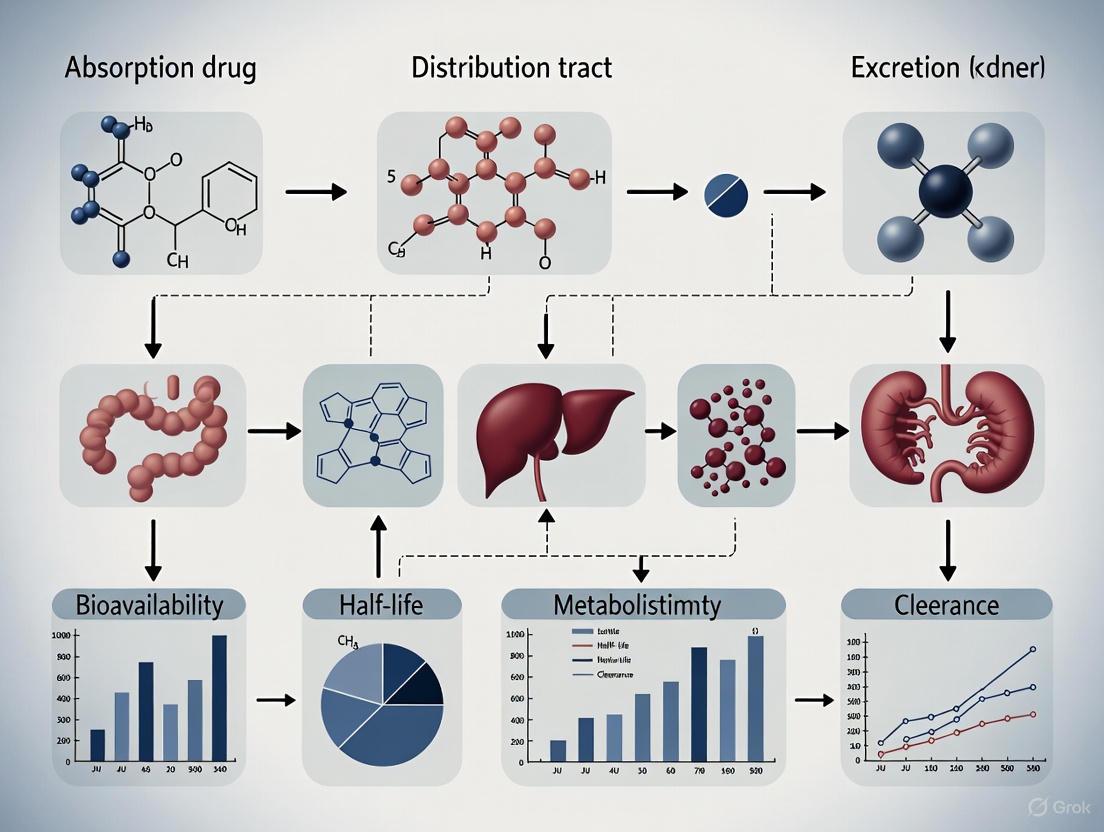
This article provides a comprehensive overview of the latest computational models for predicting Absorption, Distribution, Metabolism, Excretion, and Toxicity (ADMET) properties.
Computational ADMET Models: AI-Driven Strategies to Revolutionize Drug Discovery
Abstract
This article provides a comprehensive overview of the latest computational models for predicting Absorption, Distribution, Metabolism, Excretion, and Toxicity (ADMET) properties. Tailored for researchers and drug development professionals, it explores the foundational principles of predictive ADMET, examines cutting-edge machine learning and AI methodologies, addresses key challenges in model optimization and data quality, and presents rigorous validation and benchmarking frameworks. By synthesizing recent advances and real-world applications, this review serves as a critical resource for leveraging in silico tools to reduce late-stage attrition and accelerate the development of safer, more effective therapeutics.
The Rise of Predictive ADMET: Addressing the Drug Attrition Crisis
Drug development remains a high-risk endeavor characterized by substantial financial investments and prolonged timelines. A critical analysis of clinical-stage failures reveals that undesirable Absorption, Distribution, Metabolism, Excretion, and Toxicity (ADMET) properties constitute a principal cause of attrition, often emerging late in development after significant resources have been expended. This whitepaper examines the central role of ADMET failures in drug attrition, detailing how traditional experimental paradigms are being transformed by advanced computational models. We explore state-of-the-art machine learning (ML) approaches, including graph neural networks and transformer architectures, which now enable high-accuracy, early prediction of pharmacokinetic and toxicological profiles. By providing a technical guide to these methodologies, their experimental protocols, and their integration into drug discovery workflows, this document aims to equip researchers with the knowledge to proactively address ADMET liabilities, thereby de-risking development and improving the success rate of viable therapeutics.
The Quantifiable Impact of ADMET-Linked Attrition
The drug development pipeline is notoriously inefficient, with late-stage failure representing a massive financial and scientific burden. Recent analyses indicate that over 90% of candidate compounds fail during clinical trials, and a significant portion of these failures is attributable to suboptimal pharmacokinetic profiles and unforeseen toxicity [1] [2]. Specifically, poor bioavailability and unacceptable toxicity are dominant contributors to clinical translation failure [1]. The economic implications are staggering, with the average cost to bring a new drug to market exceeding a decade and billions of dollars [2]. This high rate of late-stage attrition underscores the critical need for early and accurate assessment of ADMET properties, shifting these evaluations from a reactive to a proactive stance in the discovery process.
Table 1: Key Statistics on Drug Development Attrition
| Metric | Value | Source/Reference |
|---|---|---|
| Clinical Trial Failure Rate | >90% | [2] |
| Failure due to poor PK/PD and Toxicity | Major Contributor | [1] |
| Small Molecules among New FDA Approvals (2024) | 65% (30 out of 46) | [1] |
| Representative Cost to Bring a Drug to Market | Billions of USD and over 10 years | [2] |
Core ADMET Properties and Their Role in Compound Failure
A thorough understanding of individual ADMET parameters is essential for diagnosing and predicting compound viability.
- Absorption: This parameter determines the rate and extent to which a drug enters the systemic circulation. Key determinants include permeability across intestinal membranes (e.g., predicted via Caco-2 models), solubility, and interaction with efflux transporters like P-glycoprotein (P-gp), which can actively pump drugs out of cells, limiting their absorption and oral bioavailability [1].
- Distribution: This reflects a drug's dissemination throughout the body and its ability to reach the target site. A critical aspect of distribution is plasma protein binding (Fup), as only the unbound fraction is pharmacologically active. The volume of distribution (Vd) is another key parameter, impacting the drug's concentration in plasma versus tissues [3].
- Metabolism: Hepatic metabolism, primarily mediated by cytochrome P450 (CYP) enzymes, influences a drug's half-life and bioactivity. Predicting potential CYP inhibition or induction is crucial, as drug-drug interactions can lead to toxicity or reduced efficacy. Recent ML models also predict sites of metabolism and generate potential metabolite trees [1] [3].
- Excretion: This process governs the clearance of the drug and its metabolites from the body, directly impacting the duration of action and potential for accumulation. Undesirable excretion profiles can lead to toxicity or require inconvenient dosing schedules [1].
- Toxicity: This remains a pivotal safety consideration, encompassing endpoints like Ames mutagenicity, drug-induced liver injury (DILI), and hERG-mediated cardiac toxicity. Toxicity is the most common cause of drug failure in clinical trials, highlighting the immense value of accurate predictive models [1] [4].
Computational Methodologies for ADMET Prediction
The limitations of traditional, resource-intensive experimental ADMET assays have catalyzed the development of sophisticated computational models.
From Traditional QSAR to Modern Machine Learning
Traditional Quantitative Structure-Activity Relationship (QSAR) models rely on predefined molecular descriptors or fingerprints and machine learning algorithms like Random Forest (RF) or Support Vector Machines (SVM) [5] [6]. However, these methods often lack generalizability and struggle to capture the complex, non-linear relationships in high-dimensional biological data [1]. The field is now dominated by deep learning approaches that algorithmically learn optimal feature representations directly from molecular structure data, leading to significant improvements in predictive accuracy and robustness [5].
State-of-the-Art Machine Learning Architectures
- Graph Neural Networks (GNNs): Models such as Message Passing Neural Networks (MPNNs) represent molecules as graphs with atoms as nodes and bonds as edges. This allows the model to capture critical local structural information through message-passing between connected nodes, making them highly effective for property prediction [6] [2].
- Transformer-Based Models: Inspired by natural language processing, models like ChemBERTa treat the Simplified Molecular Input Line Entry System (SMILES) as a text sequence [5]. The self-attention mechanism in Transformers can model long-range dependencies within the molecular structure, capturing global context that GNNs might miss [2].
- Hybrid and Specialized Architectures: Newer frameworks like MSformer-ADMET introduce a fragment-based molecular representation. Instead of atoms or SMILES characters, it uses chemically meaningful structural fragments as building blocks, enhancing both predictive performance and structural interpretability by identifying key fragments associated with properties [2].
- Multitask and Ensemble Learning: Multitask learning, where a single model is trained to predict multiple ADMET endpoints simultaneously, allows for knowledge transfer between related tasks, improving generalizability [1] [7]. Ensemble methods combine predictions from multiple base models (e.g., RF, GNNs) to achieve superior accuracy and robustness compared to any single model [1] [6].
Experimental Protocols and Model Validation
Implementing robust ML models for ADMET prediction requires a rigorous, standardized workflow from data collection to model deployment.
Data Sourcing and Curation
Public and proprietary databases are the foundation of predictive models. Key sources include:
- Therapeutics Data Commons (TDC): Provides curated benchmark datasets for various ADMET properties [6] [2].
- DrugBank: Contains ADMET data for thousands of compounds [5].
- ChEMBL: A large-scale bioactivity database [7].
- In-house Assay Data: Pharmaceutical companies often possess proprietary high-quality datasets [6].
Critical Data Cleaning Steps:
- Standardization: Canonicalize SMILES strings to ensure consistent molecular representation [6].
- Salt Stripping: Remove inorganic and organic salt components to isolate the parent organic compound [6].
- Tautomer Normalization: Adjust tautomers to consistent functional group representations [6].
- Deduplication: Remove duplicate entries, keeping the first entry if target values are consistent, or removing the entire group if values are inconsistent [6].
Feature Engineering and Model Training
The choice of molecular representation is a critical determinant of model performance.
Table 2: Common Molecular Representations in ADMET Modeling
| Representation Type | Description | Examples | Use Case |
|---|---|---|---|
| Physicochemical Descriptors | Quantitative properties (e.g., molecular weight, logP) | RDKit Descriptors | DNN models for QSAR [5] |
| Molecular Fingerprints | Binary vectors representing substructures | Morgan Fingerprints (FCFP4) | Classical ML (RF, SVM) [6] |
| Graph Representations | Atoms as nodes, bonds as edges | Molecular Graph | GNNs and MPNNs [6] [2] |
| SMILES Sequences | String-based linear notation | Canonical SMILES | Transformer models (ChemBERTa) [5] |
| Fragment-Based Tokens | Chemically meaningful structural units | Meta-structures (MSformer) | Hybrid models for interpretability [2] |
A typical model training protocol involves:
- Data Splitting: Using scaffold-aware splitting to ensure the model generalizes to novel chemotypes, rather than random splitting which can lead to overoptimistic performance [6].
- Model Selection & Hyperparameter Tuning: Evaluating various algorithms (e.g., RF, LightGBM, MPNN) and systematically tuning their hyperparameters for each specific ADMET endpoint [6].
- Validation: Employing rigorous k-fold cross-validation combined with statistical hypothesis testing to robustly compare model performance and select the best one [6].
External Validation and Performance Benchmarking
The true test of a model is its performance on external, unseen data. For instance, a study evaluating models on external microsomal stability data found that a DNN model based on physicochemical properties achieved an AUROC of 78%, outperforming an encoder model using only SMILES (AUROC 44%) [5]. This highlights that model performance can vary significantly with the data source and that structural information alone may require careful optimization for generalizability. Standard metrics for evaluation include Area Under the Receiver Operating Characteristic Curve (AUROC) for classification tasks and Root Mean Square Error (RMSE) for regression tasks [5] [6].
The Scientist's Toolkit: Key Platforms and Reagents
Researchers have access to a wide array of computational tools and databases for ADMET prediction.
Table 3: Essential Tools and Databases for ADMET Research
| Tool / Database | Type | Key Function | Reference |
|---|---|---|---|
| ADMET Predictor | Commercial Software Platform | Predicts over 175 properties; integrates AI-driven design and PBPK simulation. | [3] |
| admetSAR3.0 | Free Web Platform | Comprehensive prediction for 119 endpoints; includes optimization module (ADMETopt). | [7] |
| TDC (Therapeutics Data Commons) | Public Data Repository | Provides curated benchmark datasets for model training and evaluation. | [6] [2] |
| Chemprop | Open-Source Software | A widely used MPNN implementation for molecular property prediction. | [6] |
| RDKit | Cheminformatics Toolkit | Calculates descriptors, fingerprints, and handles molecular data processing. | [6] |
| ADMET-AI | Predictive Model | Best-in-class model using GNNs and RDKit descriptors; available via Rowan Sci. | [4] |
Integrated Risk Assessment and Future Outlook
To synthesize predictions across multiple properties, integrated risk scores have been developed. For example, the ADMET Risk score consolidates individual predictions into a composite metric, evaluating risks related to absorption (AbsnRisk), CYP metabolism (CYPRisk), and toxicity (TOX_Risk) [3]. This uses "soft" thresholds that assign fractional risk values, providing a more nuanced assessment than binary rules [3].
Future progress in the field hinges on overcoming several challenges:
- Data Quality and Quantity: Models require large, high-quality, and diverse datasets to improve generalizability [1] [8].
- Interpretability: While models like MSformer-ADMET offer some insight via attention mechanisms, enhancing model transparency remains a key frontier to build trust and provide mechanistic understanding [1] [2].
- Multimodal Data Integration: The next generation of models will integrate not only structural information but also pharmacological profiles and gene expression data to enhance clinical relevance [1] [9].
- Regulatory Acceptance: Establishing standardized validation practices is crucial for broader regulatory acceptance of computational ADMET predictions [8].
The high cost of late-stage drug attrition, driven predominantly by poor ADMET properties, is an untenable burden on the pharmaceutical industry. The adoption of advanced machine learning models represents a paradigm shift, moving ADMET evaluation from a bottleneck to an enabling, predictive science at the earliest stages of drug design. By leveraging state-of-the-art computational approaches—from graph networks and transformers to integrated risk platforms—researchers can now systematically identify and mitigate pharmacokinetic and toxicological liabilities. This proactive, AI-driven strategy is paramount for reducing the high rate of failure, accelerating the development of safer, more effective therapeutics, and ultimately reshaping the economics and success of modern drug discovery.
The drug discovery and development process has traditionally been a protracted and resource-intensive endeavor, frequently spanning over a decade with investments running into billions of dollars [10]. A persistent and critical bottleneck in this pipeline is the alarmingly high attrition rate of new drug candidates; approximately 95% of new drug candidates fail during clinical trials, with up to 40% failing due to unacceptable toxicity or poor pharmacokinetic profiles [10]. The median cost of a single clinical trial stands at $19 million, translating to billions of dollars lost annually on failed drug candidates [10]. This economic reality forged the strategic imperative to "fail early and fail cheap" – a philosophy that has fundamentally catalyzed the adoption of in silico methods [10].
This whitepaper chronicles the evolution from this initial conservative use of computational tools to the contemporary "In Silico First" paradigm, wherein computational models are the foundational component of all discovery workflows. This shift is most evident in the realm of Absorption, Distribution, Metabolism, Excretion, and Toxicity (ADMET) prediction, where artificial intelligence (AI) and machine learning (ML) have transitioned from supplementary tools to indispensable assets [11] [12]. We will explore the technical advancements enabling this transition, provide detailed methodologies for implementation, and outline the future trajectory of computational drug discovery.
The Evolution of In Silico ADMET Modeling
The journey of in silico ADMET began in the early 2000s with foundational computational chemistry tools. Early approaches focused on quantitative structure-activity relationship (QSAR) analyses, molecular docking, and pharmacophore models [10]. These methods brought initial automation and cost-effectiveness, enabling a parallel investigation of bioavailability and safety alongside activity [10]. The strategic impact was significant; the routine implementation of early ADMET assessments led to a notable reduction in drug failures attributed to ADME issues, decreasing from 40% to 11% between 1990 and 2000 [10].
However, these early models faced considerable limitations, including dependence on narrow or outdated datasets, limited applicability across diverse chemical scaffolds, and poor predictive accuracy for complex pharmacokinetic properties like clearance and volume of distribution [10] [13]. The last two decades have witnessed a profound transformation with the ascent of machine learning. The field has moved from static QSAR methodologies to dynamic, multi-task deep learning platforms that leverage graph-based molecular embeddings and sophisticated architectures like graph neural networks (GNNs) and transformers [11] [10] [13]. This evolution represents a shift from a "post-hoc analysis" approach, where computational tools were used to filter problematic compounds after synthesis, to a proactive "In Silico First" paradigm, where predictive models directly inform and guide the design of new chemical entities [10].
Table 1: Evolution of In Silico ADMET Modeling Approaches
| Era | Dominant Technologies | Key Advantages | Primary Limitations |
|---|---|---|---|
| Early 2000s [10] | QSAR, Molecular Docking, Pharmacophore Models | Cost-effective; Early problem identification | Limited accuracy; Narrow chemical applicability; Static models |
| ML Ascent (2010s) [10] | Support Vector Machines, Random Forests | Improved predictive power; Broader chemical space coverage | "Black-box" nature; Data hunger; Limited interpretability |
| AI-Powered (Present) [11] [13] | Deep Learning, GNNs, Transformers, Multi-task Learning | High accuracy; Human-specific predictions; Captures complex interdependencies | Requires large, high-quality datasets; Model validation complexity |
Core AI Technologies Powering the Modern Paradigm
The contemporary "In Silico First" ecosystem is powered by a suite of advanced AI technologies that have revolutionized molecular modeling and ADMET prediction.
- Molecular Representation: Modern models have moved beyond predefined molecular descriptors to automated feature extraction. Graph Neural Networks (GNNs) treat molecules as graphs with atoms as nodes and bonds as edges, natively capturing topological information [11]. Techniques like Mol2Vec generate high-dimensional vector embeddings for molecular substructures, creating a rich, continuous representation that can be processed by deep learning models [13].
- Model Architectures: Multi-task deep learning is a cornerstone of modern ADMET prediction, where a single model is trained to predict a wide range of endpoints (e.g., 38 or more) simultaneously [13]. This approach allows the model to learn from the shared information across related tasks, improving generalization and predictive robustness. Transformer architectures, renowned for their success in natural language processing, are now being applied to molecular sequences (SMILES) and structures, capturing long-range dependencies with high efficacy [11].
- Generative Models: For de novo drug design, Generative Adversarial Networks (GANs) and Variational Autoencoders (VAEs) can generate novel molecular structures with optimized properties from scratch, exploring vast regions of chemical space not limited to existing compound libraries [11].
These technologies are integrated into sophisticated platforms like Deep-PK for pharmacokinetics and DeepTox for toxicology, which use graph-based descriptors and multitask learning to deliver highly accurate, human-specific predictions [11]. Furthermore, the convergence of AI with quantum chemistry and molecular dynamics simulations enables the approximation of force fields and captures conformational dynamics at a fraction of the computational cost of traditional methods [11].
Implementing the "In Silico First" Workflow: A Tiered Framework
The "In Silico First" paradigm is operationalized through a tiered, decision-making framework that integrates computational predictions with hypothesis-driven testing. The following workflow diagram and subsequent table detail the key stages, drawing from next-generation risk assessment (NGRA) and AI-driven discovery principles [14] [12].
Diagram 1: Tiered "In Silico First" Workflow (Title: In Silico First Workflow)
Table 2: Detailed Description of the Tiered Workflow Stages
| Tier | Core Activities | Key Methodologies & Outputs |
|---|---|---|
| Tier 1: AI-Powered Virtual Screening [11] [12] | - Target identification and prediction- High-throughput virtual screening of ultra-large libraries- Initial hit identification | Methods: Molecular docking, AI-based pharmacophore models, graph-based similarity searching.Outputs: A prioritized list of hit compounds with predicted target activity. Recent work shows AI can boost hit enrichment rates by >50-fold vs. traditional methods [12]. |
| Tier 2: Multi-Task ADMET Profiling [14] [13] | - Prediction of >38 human-specific ADMET endpoints- Assessment of pharmacokinetic and toxicity profiles- Early identification of critical liabilities | Methods: Multi-task deep learning models (e.g., Mol2Vec+ descriptor ensembles), LLM-assisted consensus scoring [13].Outputs: A comprehensive ADMET profile for each hit, identifying compounds with a high probability of success. |
| Tier 3: Hypothesis-Driven In Vitro Validation [14] [15] | - Bioactivity data gathering from assays (e.g., ToxCast)- Toxicokinetic (TK) modeling to estimate internal concentrations- Focused in vitro testing on critical endpoints | Methods: TK-NAM (New Approach Methodologies), high-content imaging for endpoints like neurite outgrowth and synaptogenesis [14] [15].Outputs: Experimentally confirmed bioactivity and mechanistic data, refining the computational models. |
| Tier 4: Lead Optimization & Refinement [12] | - AI-guided structural optimization- Rapid design-make-test-analyze (DMTA) cycles- Final candidate selection based on integrated data | Methods: Deep graph networks for analog generation, scaffold enumeration, synthesis planning [12].Outputs: Optimized lead candidates with nanomolar potency and validated developability profiles. |
Experimental Protocols for Key Assessments
Protocol for Tier 2: Multi-Task ADMET Prediction
This protocol is based on modern AI platforms like the Receptor.AI model, which integrates multiple featurization methods [13].
- Input Standardization: Input compounds in SMILES or SDF format undergo automated standardization using tools like RDKit to ensure representation consistency.
- Molecular Featurization: Generate multiple molecular representations concurrently:
- Multi-Task Prediction: Feed the concatenated feature vectors into a multi-layer perceptron (MLP) neural network trained on 38+ human-specific ADMET endpoints. Endpoints include Caco-2 permeability, CYP450 inhibition, hERG cardiotoxicity, hepatotoxicity, and human clearance [13].
- Consensus Scoring: Use a separate LLM-based rescoring module to integrate signals across all ADMET endpoints, generating a final consensus score that reflects overall compound viability [13].
Protocol for Tier 3: Bioactivity Assessment Using a Tiered NGRA Framework
This methodology assesses bioactivity and risk, particularly for compounds like pyrethroids, using a combination of public data and toxicokinetic modeling [14].
Tier 1 - Bioactivity Data Gathering:
- Data Source: Obtain in vitro bioactivity data (e.g., AC50 values) from the ToxCast database via the CompTox Chemicals Dashboard [14].
- Data Categorization: Group assay data by relevance to specific tissues (e.g., liver, kidney, brain) and gene pathways (e.g., androgen receptor, cytochrome P450) [14].
- Analysis: Calculate average AC50 values within each category to establish bioactivity indicators and patterns.
Tier 2 - Combined Risk Assessment Exploration:
- Relative Potency Calculation: For each chemical, calculate relative potencies within each gene or tissue category by normalizing AC50 values against the most potent chemical in that category using the formula:
Relative Potency = (Most Potent AC50) / (Chemical-specific AC50)[14]. - Correlation with Traditional Metrics: Plot relative potencies derived from ToxCast data against those calculated from in vivo NOAEL (No Observed Adverse Effect Level) and ADI (Acceptable Daily Intake) values to identify consistencies or discrepancies [14].
- Relative Potency Calculation: For each chemical, calculate relative potencies within each gene or tissue category by normalizing AC50 values against the most potent chemical in that category using the formula:
Tier 3 - Margin of Exposure (MoE) Analysis:
- Exposure Estimation: Use realistic human exposure estimations (e.g., from EFSA's PRIMo model or human biomonitoring data) [14].
- TK Modeling: Apply physiologically based toxicokinetic (PBTK) models to translate external exposure doses into predicted internal concentrations in blood and target tissues [14].
- MoE Calculation: Calculate the MoE by comparing the internal concentrations from TK modeling with the bioactivity concentrations (e.g., AC50) from in vitro assays [14].
The Scientist's Toolkit: Essential Research Reagents and Platforms
Table 3: Key Research Reagents and Platforms for In Silico-First Discovery
| Tool Category | Example Platforms / Reagents | Primary Function |
|---|---|---|
| AI/ML ADMET Platforms [11] [13] | Receptor.AI, Deep-PK, DeepTox, ADMETlab 3.0 | Provide high-throughput, accurate predictions of human-specific ADMET properties using multi-task deep learning. |
| Virtual Screening & Docking [11] [12] | AutoDock, SwissADME, AI-pharmacophore models | Enable triaging of large compound libraries based on predicted binding affinity and drug-likeness before synthesis. |
| Generative Chemistry [11] | GANs, VAEs | Generate novel molecular structures de novo with optimized properties for in silico design. |
| Target Engagement Validation [12] | CETSA (Cellular Thermal Shift Assay) | Empirically validate direct drug-target engagement in intact cells and tissues, bridging in silico predictions and cellular efficacy. |
| Toxicology Databases [14] | ToxCast Database (CompTox Chemicals Dashboard) | Source of high-quality in vitro bioactivity data for model training and validation in risk assessment. |
| TK Modeling Tools [14] | PBTK models for in vitro to in vivo extrapolation (IVIVE) | Translate in vitro bioactivity concentrations into predicted internal doses for human risk assessment. |
Regulatory Landscape and Future Directions
Regulatory agencies are increasingly recognizing the value of these advanced methodologies. The U.S. FDA has outlined a plan to phase out animal testing requirements in certain cases, formally including AI-based toxicity models and human organoid assays under its New Approach Methodologies (NAMs) framework [13]. This regulatory evolution provides a pathway for the use of validated in silico tools in Investigational New Drug (IND) and Biologics License Application (BLA) submissions [13].
The future of the "In Silico First" paradigm will be shaped by several key trends:
- Explainable AI (XAI): Overcoming the "black-box" limitation of complex models by providing clear attribution of predictions to specific molecular features, which is crucial for regulatory acceptance and scientific insight [10] [13].
- Multi-Omics Integration: Incorporating data from genomics, proteomics, and metabolomics to build more holistic, personalized models of drug response and toxicity [11].
- Hybrid AI-Quantum Frameworks: Leveraging quantum computing for molecular simulations and to enhance AI model training, tackling problems of unprecedented complexity [11] [10].
- Continuous Learning Systems: Developing models that can adapt and improve continuously as new experimental data is generated, creating a self-reinforcing cycle of predictive accuracy [13].
The market dynamics reflect this shift, with the pharmaceutical ADMET testing market projected to grow from $9.67 billion in 2024 to $17.03 billion by 2029, largely driven by the incorporation of artificial intelligence and in silico modeling techniques [16]. The paradigm has firmly shifted from "Fail Fast, Fail Cheap" to "In Silico First," establishing computational models as the indispensable foundation for the next generation of safer, more effective therapeutics.
The evaluation of Absorption, Distribution, Metabolism, Excretion, and Toxicity (ADMET) properties constitutes a fundamental pillar in determining the clinical success of drug candidates [17] [1]. These properties collectively govern the pharmacokinetic (PK) profile and safety characteristics of a compound, directly influencing its bioavailability, therapeutic efficacy, and ultimate viability for regulatory approval [1] [18]. Within modern drug development pipelines, early and accurate prediction of ADMET endpoints has become indispensable for optimizing lead compounds, reducing late-stage attrition rates, and increasing the likelihood of clinical success [1] [18]. The integration of computational models, particularly machine learning (ML) approaches, has revolutionized ADMET prediction by providing scalable, efficient alternatives to traditional resource-intensive experimental methods [17] [5] [1]. This technical guide systematically delineates the core ADMET properties, their quantitative endpoints, and the computational frameworks transforming their prediction within the broader context of drug discovery research.
Defining Core ADMET Properties and Endpoints
Absorption
Absorption prediction focuses on estimating the extent and rate at which a drug is absorbed from its site of administration into the systemic circulation [18]. Key endpoints include:
- Permeability: The ability of a drug to cross biological membranes, such as the intestinal epithelium, often evaluated using Caco-2 cell models or Parallel Artificial Membrane Permeability Assay (PAMPA) [1] [18].
- Solubility: The dissolution capacity of a drug compound in aqueous solutions, critically influencing its absorption potential [1].
- Bioavailability: The fraction of an administered dose that reaches systemic circulation unchanged, integrating factors of solubility, permeability, and first-pass metabolism [18].
- P-glycoprotein (P-gp) Interactions: Assessment of whether a compound is a substrate or inhibitor of this efflux transporter, which can actively transport drugs out of cells and limit absorption [1].
Physicochemical properties such as molecular weight, lipophilicity (LogP), hydrogen bond donors/acceptors, and polar surface area serve as critical predictors for absorption potential [19] [18].
Distribution
Distribution prediction estimates the extent and pattern of drug dissemination throughout the body after absorption [18]. Core endpoints include:
- Volume of Distribution (Vd): A theoretical volume relating the amount of drug in the body to its concentration in plasma at equilibrium, indicating the extent of tissue distribution [18].
- Plasma Protein Binding: The reversible association of drugs with blood proteins (primarily albumin and alpha-1-acid glycoprotein), which affects the free drug concentration available for pharmacological activity [18].
- Blood-Brain Barrier (BBB) Penetration: The ability of a drug to cross the selective barrier protecting the central nervous system, crucial for CNS-targeted therapeutics [18].
- Tissue-Specific Distribution: Patterns of drug accumulation in specific organs and tissues, potentially indicating targeted delivery or off-target accumulation [1].
Metabolism
Metabolism prediction focuses on estimating the biotransformation of drugs by enzymatic systems, primarily in the liver [18]. Key endpoints include:
- Cytochrome P450 (CYP) Interactions: Identification of CYP enzymes involved in metabolism (e.g., CYP3A4, CYP2D6) and assessment of potential inhibition or induction, which can precipitate drug-drug interactions [18].
- Metabolic Stability: The resistance of a drug to biotransformation, determining its half-life and clearance rate [18].
- Metabolite Identification: Structural characterization of metabolic products to identify active or toxic metabolites [1].
- Phase I vs. Phase II Reactions: Phase I reactions (oxidation, reduction, hydrolysis) introduce or reveal functional groups, while Phase II reactions (glucuronidation, sulfation) involve conjugation with endogenous molecules to enhance excretion [18].
Excretion
Excretion prediction involves estimating the elimination of drugs and their metabolites from the body [18]. Primary endpoints include:
- Renal Clearance: Elimination through the kidneys via glomerular filtration, active secretion, and passive reabsorption processes [18].
- Biliary Excretion: Elimination through the bile and feces, particularly important for compounds with higher molecular weight or polarity [18].
- Half-life (t₁/₂): The time required for drug concentration in the body to decrease by half, influencing dosing frequency and regimen [18].
- Clearance Mechanisms: Comprehensive assessment of total body clearance, integrating hepatic and renal pathways [1].
Toxicity
Toxicity prediction focuses on estimating potential adverse effects of drug candidates [18]. Critical endpoints include:
- Genotoxicity: Capacity to cause damage to genetic material (DNA), including mutagenicity and carcinogenicity potential [18].
- Organ-Specific Toxicity: Adverse effects on specific organs, notably hepatotoxicity (liver), nephrotoxicity (kidney), and cardiotoxicity (heart) [18].
- Cytotoxicity: General cellular damage and cell death induction [18].
- hERG Inhibition: Potential to block the human Ether-à-go-go-Related Gene potassium channel, associated with lethal cardiac arrhythmias [20].
Table 1: Quantitative Benchmarks for Core ADMET Properties
| ADMET Property | Key Endpoints | Optimal Ranges/Values | Experimental Assays |
|---|---|---|---|
| Absorption | Human Intestinal Absorption (HIA)Caco-2 PermeabilityP-gp Substrate | High HIA (>80%)Papp > 10×10⁻⁶ cm/sNon-substrate | Caco-2/PAMPAMDCKATPase assay |
| Distribution | Volume of DistributionPlasma Protein BindingBBB Penetration | Moderate Vd (0.5-5 L/kg)Low to moderate bindingCNS drugs: high penetration | Equilibrium dialysisUltrafiltrationLogBB, MDR1-MDCK |
| Metabolism | CYP InhibitionMetabolic StabilityReactive Metabolites | Non-inhibitorLow clearanceAbsent | Liver microsomesHepatocytesGSH trapping assay |
| Excretion | Renal ClearanceBiliary ExcretionHalf-life | Balanced clearance<5% fecal excretionAppropriate for indication | Urine collectionBile duct cannulationPK studies |
| Toxicity | hERG InhibitionHepatotoxicityGenotoxicity | IC₅₀ > 10 µMNon-hepatotoxicNon-genotoxic | Patch clampHigh-content imagingAmes test |
Table 2: Computational Prediction Performance for ADMET Endpoints
| Endpoint | Dataset | Best Performing Model | Performance (Metric) |
|---|---|---|---|
| HIA | PharmaBench | MTGL-ADMET | AUC = 0.981 ± 0.011 [21] |
| Oral Bioavailability | MoleculeNet | MTGL-ADMET | AUC = 0.749 ± 0.022 [21] |
| BBB Penetration | MoleculeNet | ChemBERTa | AUROC = 76.0% [5] |
| P-gp Inhibition | PharmaBench | MTGL-ADMET | AUC = 0.928 ± 0.008 [21] |
| Tox21 | MoleculeNet | ChemBERTa | Ranked 1st [5] |
| ClinTox | MoleculeNet | ChemBERTa | Ranked 3rd [5] |
| Microsomal Stability | External Test | DNN | AUROC = 78% [5] |
Computational Models for ADMET Prediction
Machine Learning Approaches
Machine learning technologies have dramatically transformed ADMET prediction by deciphering complex structure-property relationships [17] [1]. Key ML approaches include:
- Quantitative Structure-Activity Relationship (QSAR) Models: Traditional computational mainstays that assume compounds with analogous structures exhibit similar activities, enabling property prediction through structural analysis [5].
- Graph Neural Networks (GNNs): Advanced deep learning architectures that dynamically learn chemical structures by representing molecules as graphs with atoms as nodes and bonds as edges [5] [21]. Specific implementations include Graph Convolutional Networks (GCNs), Graph Isomorphism Networks (GIN), and Relational Graph Convolutional Networks (R-GCN) [5] [21].
- Natural Language Processing (NLP) Models: Transformer-based approaches like ChemBERTa and ELECTRA that treat molecular representations (SMILES strings) as linguistic sequences to predict molecular properties [5].
- Multitask Learning (MTL) Frameworks: Models that simultaneously solve multiple ADMET endpoint tasks while exploiting commonalities and differences across them, significantly enhancing prediction accuracy, particularly for endpoints with scarce data [21].
Emerging Paradigms and Architectures
Recent methodological innovations have substantially advanced the predictive capability of ADMET models:
- "One Primary, Multiple Auxiliaries" MTL Paradigm: A novel MTL approach that adaptively selects appropriate auxiliary tasks to boost performance on a specific primary task, even at the potential expense of auxiliary task performance [21]. This framework utilizes status theory and maximum flow algorithms from complex network science to identify optimal task associations [21].
- Multimodal Data Integration: Strategies that combine diverse data types including molecular structures, physicochemical properties, pharmacological profiles, and gene expression datasets to enhance model robustness and clinical relevance [17] [1].
- Pre-training and Fine-tuning: Representation learning techniques where models are first pre-trained on abundant unlabeled molecular data to learn fundamental chemical principles, then fine-tuned on specific ADMET endpoints with limited labeled data [5] [21].
- Interpretable AI Approaches: Methods that provide transparency into model decisions by highlighting crucial molecular substructures associated with specific ADMET properties, thereby offering insights into underlying mechanisms [21] [1].
Machine Learning Workflow for ADMET Prediction
Experimental Protocols and Methodologies
In Vitro Techniques
Experimental ADMET assessment employs standardized in vitro protocols that provide critical data for model training and validation [18]:
Caco-2 Permeability Assay Protocol:
- Cell Culture: Maintain Caco-2 cells in DMEM with 10% FBS, 1% non-essential amino acids, and antibiotics at 37°C with 5% CO₂.
- Monolayer Preparation: Seed cells on Transwell inserts at high density (approximately 100,000 cells/cm²) and culture for 21-28 days to ensure full differentiation and tight junction formation.
- TEER Measurement: Monitor transepithelial electrical resistance regularly using volt-ohm meter to confirm monolayer integrity (TEER values > 300 Ω·cm²).
- Transport Studies: Apply test compound to donor compartment (apical for A→B transport, basolateral for B→A transport) in transport buffer (e.g., HBSS with 10 mM HEPES, pH 7.4).
- Sample Collection: Withdraw samples from receiver compartment at predetermined time points (typically 30, 60, 90, and 120 minutes).
- Analytical Quantification: Analyze compound concentration using LC-MS/MS or HPLC-UV and calculate apparent permeability (Papp) using standard equations.
Metabolic Stability Assay Protocol:
- Preparation of Liver Microsomes: Thaw commercially available human or species-specific liver microsomes on ice and dilute to appropriate protein concentration (typically 0.5-1 mg/mL) in potassium phosphate buffer (100 mM, pH 7.4).
- Incubation Setup: Add test compound (typically 1 μM final concentration) to pre-warmed microsomal suspension containing NADPH-regenerating system (1.3 mM NADP⁺, 3.3 mM glucose-6-phosphate, 3.3 mM MgCl₂, and 0.4 U/mL glucose-6-phosphate dehydrogenase).
- Time Course Incubation: Incubate at 37°C with gentle shaking and withdraw aliquots at multiple time points (e.g., 0, 5, 15, 30, 45, 60 minutes).
- Reaction Termination: Add ice-cold acetonitrile (containing internal standard) to terminate metabolic reactions.
- Sample Analysis: Centrifuge to remove precipitated protein and analyze supernatant using LC-MS/MS to determine parent compound depletion.
- Data Analysis: Calculate half-life (t₁/₂) and intrinsic clearance (CLint) from the natural logarithm of percent remaining versus time plot.
In Silico Modeling Workflows
Computational ADMET prediction follows standardized workflows for model development and validation [5] [21] [22]:
Benchmark Dataset Construction Protocol:
- Data Collection: Compile experimental ADMET data from public databases including ChEMBL, PubChem, BindingDB, and proprietary sources [22].
- Data Curation: Implement automated data processing pipelines using multi-agent LLM systems to extract and standardize experimental conditions from unstructured assay descriptions [22].
- Chemical Standardization: Apply consistent rules for structure representation, including canonicalization of tautomers, neutralization of salts, and removal of duplicates.
- Applicability Domain Definition: Establish boundaries based on physicochemical property ranges (molecular weight, logP, hydrogen bond donors/acceptors, etc.) using 5th to 95th percentile values from training data [19].
- Data Splitting: Partition datasets using random splits and scaffold-based splits to evaluate model generalization capabilities [22].
Multitask Graph Learning Implementation (MTGL-ADMET):
- Task Association Network: Construct network by training individual and pairwise ADMET endpoint tasks to quantify inter-task relationships [21].
- Auxiliary Task Selection: Apply status theory and maximum flow algorithms to adaptively identify optimal auxiliary tasks for each primary prediction task [21].
- Model Architecture: Implement shared atom embedding module followed by task-specific molecular embedding modules with primary task-centered gating mechanisms [21].
- Model Training: Employ stratified mini-batch training with task-specific weighting in loss function to handle dataset imbalances [21].
- Interpretation Module: Aggregate atom attention weights to identify crucial molecular substructures associated with specific ADMET endpoints [21].
Multi-Task Learning Architecture for ADMET Prediction
The Scientist's Toolkit: Research Reagent Solutions
Table 3: Essential Research Reagents and Platforms for ADMET Research
| Reagent/Platform | Function | Application Context |
|---|---|---|
| Caco-2 Cell Line | Human colorectal adenocarcinoma cells that differentiate into enterocyte-like monolayers for permeability assessment | In vitro absorption prediction, P-gp interaction studies |
| Human Liver Microsomes | Subcellular fractions containing cytochrome P450 and other drug-metabolizing enzymes | Metabolic stability assessment, metabolite identification, reaction phenotyping |
| hERG-Expressing Cell Lines | Mammalian cells stably expressing the human Ether-à-go-go-Related Gene potassium channel | Cardiotoxicity screening, QT prolongation risk assessment |
| ChemBERTa | Pre-trained chemical language model based on transformer architecture for molecular property prediction | ADMET prediction from SMILES strings, transfer learning for specific endpoints |
| admetSAR3.0 | Comprehensive database and prediction platform for ADMET properties | Benchmarking, model training, applicability domain assessment |
| PharmaBench | Curated benchmark dataset with standardized ADMET experimental results | Model development, performance evaluation, comparative analysis |
| Ponemah Software | Data acquisition and analysis platform for physiological parameters | Cardiovascular and respiratory safety pharmacology studies |
| MTGL-ADMET Framework | Multi-task graph learning model implementing "one primary, multiple auxiliaries" paradigm | Simultaneous prediction of multiple ADMET endpoints with interpretable substructure identification |
The systematic evaluation of core ADMET properties through integrated computational and experimental approaches represents a cornerstone of modern drug discovery [17] [1]. The defined pharmacokinetic and toxicological endpoints provide critical metrics for lead optimization, while advanced machine learning methodologies, particularly graph neural networks and multitask learning frameworks, have dramatically enhanced predictive accuracy and translational relevance [5] [21]. Emerging paradigms such as the "one primary, multiple auxiliaries" approach and multimodal data integration are addressing longstanding challenges in model generalizability and robustness [21] [1]. As computational ADMET prediction continues to evolve, the convergence of high-quality benchmark datasets [22], interpretable AI architectures [21] [1], and standardized experimental protocols [18] [20] promises to further accelerate the development of safer, more efficacious therapeutics while reducing late-stage attrition in the drug development pipeline.
The development of robust computational models for Absorption, Distribution, Metabolism, Excretion, and Toxicity (ADMET) properties represents a critical pathway toward reducing the high attrition rates in drug discovery, where approximately 40-50% of drug candidates fail in late-stage development due to unfavorable ADMET characteristics [23]. The "Holy Grail" of this computational research is the ability to identify compounds liable to fail before they are even synthesized, bringing substantial efficiency benefits to the highly complex and resource-intensive drug discovery process [23]. However, the realization of this goal faces a fundamental obstacle: data scarcity.
Sparse experimental data directly challenges the creation of predictive models, as machine learning (ML) and deep learning (DL) approaches—particularly data-gulping DL models—are highly dependent on the quantity and quality of training data [24]. This data scarcity problem is especially pronounced in the ADMET domain, where generating high-quality experimental data is often time-consuming, expensive, and low-throughput, particularly for complex human in vivo parameters [25]. Consequently, models trained on limited datasets often suffer from poor generalization performance, limited applicability domains, and an inability to capture complex structure-activity relationships (SAR) across diverse chemical spaces [25] [26]. This comprehensive review examines the core challenges of sparse data in ADMET model building, evaluates current methodological strategies to overcome these limitations and provides practical guidelines for researchers navigating this critical landscape.
The Scarcity Problem: Quantifying Data Limitations in ADMET Research
The foundation of any robust computational model is a comprehensive, high-quality dataset. In ADMET research, the availability of experimental data varies significantly across different properties, creating a patchwork of model reliability. Some ADME parameters, such as solubility, may have thousands of available data points, while others, especially those requiring complex in vivo studies or specialized assays, exist in a state of critical scarcity.
Quantitative Landscape of Available ADME Data
The stark disparities in data availability across different ADME parameters are illustrated in Table 1, which summarizes the number of available compounds for ten key ADME parameters compiled from a public data source [25]. This quantitative overview highlights the significant challenges in building predictive models for certain endpoints.
Table 1: Data Availability for Key ADME Parameters [25]
| ADME Parameter | Parameter Name | Number of Compounds |
|---|---|---|
| Rb rat | Blood-to-plasma concentration ratio of rat | 163 |
| fe | Fraction excreted in urine | 343 |
| NER human | P-gp net efflux ratio (LLC-PK1) | 446 |
| Papp LLC | Permeability coefficient (LLC-PK1) | 462 |
| fup rat | The fraction unbound in plasma of rat | 536 |
| fubrain | The fraction unbound in brain homogenate | 587 |
| fup human | The fraction unbound in plasma | 3,472 |
| CLint | Hepatic intrinsic clearance in the liver microsome | 5,256 |
| Papp Caco-2 | Permeability coefficient (Caco-2) | 5,581 |
| solubility | Solubility | 14,392 |
Parameters like fubrain (the fraction of unbound drug in brain homogenate), crucial for understanding central nervous system penetration, are particularly problematic, with only 587 available data points mentioned in one study [25]. This scarcity occurs because such experiments are notoriously difficult, costly, and low-throughput. Similarly, human-specific parameters often suffer from limited data due to ethical and practical constraints on human in vivo experimentation [25] [23].
Consequences of Data Scarcity on Model Performance
The impact of limited data on model performance is profound and multifaceted, affecting both the reliability and applicability of ADMET predictions.
- Poor Generalization Performance: Models trained on small datasets struggle to learn the underlying structure-property relationships effectively, leading to high prediction errors when applied to new compounds outside the immediate chemical space of the training set [25] [24]. This is particularly problematic for global models intended for broad application across diverse chemical series.
- Limited Applicability Domain: Sparse data restricts the chemical space that models can reliably cover. When a program shifts into new chemical territory or encounters activity cliffs—where small structural changes cause large property changes—models trained on limited data often fail dramatically [26].
- Inability to Model Complex Endpoints: Certain ADMET properties, such as toxicity and drug-drug interactions, involve complex biological mechanisms that cannot be captured without sufficient examples of the various phenomena [23]. The plethora of toxicological endpoints, some ill-defined with multiple mechanisms leading to the same outcome, presents a particular challenge [23].
The data scarcity problem is further compounded in emerging therapeutic modalities like Targeted Protein Degraders (TPDs), including molecular glues and heterobifunctional degraders. These molecules often lie outside traditional chemical space (frequently beyond the Rule of Five) and constitute less than 6% of available ADME data, creating a significant knowledge gap for model development [27].
Methodological Strategies to Overcome Data Scarcity
In response to the critical challenge of data scarcity, researchers have developed and refined several sophisticated methodological strategies. These approaches aim to maximize the informational value extracted from limited datasets, leverage related data sources, and create more data-efficient learning paradigms. The logical relationships and workflows between these key strategies are illustrated in Figure 1.
Figure 1: Strategic Framework for Overcoming Data Scarcity in ADMET Modeling. This workflow illustrates how various methodological approaches integrate to address the challenge of limited experimental data.
Multi-Task Learning (MTL) for Information Sharing
Multi-Task Learning is a powerful approach that addresses data scarcity by simultaneously learning multiple related tasks, thereby allowing the model to share information and representations across tasks [24]. In the context of ADMET prediction, MTL has been successfully implemented using Graph Neural Networks (GNNs) trained on multiple ADME parameters simultaneously [25]. For instance, a single MTL model might predict permeability, metabolic stability, and protein binding endpoints concurrently.
The fundamental advantage of MTL is that it effectively increases the number of usable samples for model training. By sharing underlying molecular representations across tasks, the model can learn more generalizable features, leading to improved performance, particularly for tasks with very limited data [25] [27]. One study demonstrated that a GNN combining MTL with fine-tuning achieved the highest predictive performance for seven out of ten ADME parameters compared to conventional methods [25]. This approach is particularly valuable for parameters like fubrain, where standalone datasets are often insufficient for building robust models.
Transfer Learning: Leveraging Knowledge from Related Domains
Transfer Learning involves leveraging knowledge gained from a source domain (with abundant data) to improve learning in a target domain (with scarce data) [24]. In drug discovery, this typically means pre-training a model on a large, diverse "global" dataset of chemical structures and properties, then fine-tuning it on a smaller, specific "local" dataset from a particular project or chemical series [26] [27].
Experimental Protocol for Transfer Learning:
- Pre-training Phase: Train a model (e.g., Graph Neural Network) on a large, curated global dataset encompassing diverse chemical structures and multiple ADME properties [26] [27].
- Fine-tuning Phase: Initialize the model with weights from the pre-trained model and further train it on the limited local dataset specific to the drug discovery program [26].
- Validation: Perform temporal validation, where the model is evaluated on compounds tested after a certain date, simulating real-world usage [26].
This strategy has been shown to produce models that outperform both global-only models (which may miss program-specific SAR) and local-only models (which suffer from data scarcity) [26]. For example, in a case study involving microsomal stability and permeability predictions, the fine-tuned global modeling approach generally achieved the lowest Mean Absolute Error (MAE) across all four properties compared to these alternatives [26].
Active Learning for Intelligent Data Acquisition
Active Learning represents a paradigm shift in experimental design for model building. Instead of randomly selecting compounds for testing, AL iteratively selects the most valuable or informative data points from a pool of unlabeled compounds to be labeled (tested experimentally) [24]. This process prioritizes compounds that are expected to most improve the model's performance.
Experimental Protocol for Active Learning:
- Initial Model Training: Train an initial model on a small seed dataset of experimentally tested compounds.
- Uncertainty Sampling: Use the model to predict properties for a large library of untested compounds and identify those with the highest prediction uncertainty (e.g., highest variance among an ensemble of models) [24].
- Experimental Testing: Select the top compounds based on uncertainty and subject them to experimental testing.
- Model Retraining: Incorporate the new experimental results into the training set and retrain the model.
- Iteration: Repeat steps 2-4 for multiple cycles until satisfactory model performance is achieved.
This approach maximizes the informational gain from each experimental data point, significantly reducing the number of compounds that need to be synthesized and tested to build a performant model [24]. It is particularly effective for navigating complex structure-activity landscapes and rapidly characterizing activity cliffs.
Data Augmentation and Synthesis
Data Augmentation involves creating modified versions of existing training examples to artificially expand the dataset [24]. While common in image analysis (via rotations, blurs, etc.), its application to molecular data requires careful consideration to ensure generated structures remain chemically valid. Related approaches include Data Synthesis, which involves generating entirely new, artificial data designed to replicate real-world patterns and characteristics [24].
These techniques allow for a more extensive exploration of chemical space and can help mitigate overfitting in data-scarce scenarios. However, the primary challenge lies in ensuring that the augmented or synthetic data accurately reflects the true underlying physicochemical and biological relationships.
Federated Learning for Privacy-Preserving Collaboration
Federated Learning is an emerging technique that addresses both data scarcity and data privacy concerns. It enables multiple institutions to collaboratively train a machine learning model without sharing their proprietary data [24]. In this framework, a global model is trained by aggregating model updates (rather than raw data) from multiple clients, each holding their own private dataset.
This approach is particularly promising for the pharmaceutical industry, where crucial data is often siloed across competing organizations. FL provides a pathway to leverage the collective wealth of ADMET data held across the industry without compromising intellectual property or data privacy, ultimately leading to more robust and generalizable models [24].
Experimental Protocols and Practical Implementation
Translating the methodological strategies into practical impact requires careful experimental design, rigorous model evaluation, and seamless integration into the drug discovery workflow. This section outlines proven protocols and guidelines for effective implementation.
Model Evaluation and Trust Building: Temporal and Series-Level Validation
Rigorous model evaluation is critical for building trust among medicinal chemists and ensuring models are fit for purpose. A key recommendation is to move beyond random splits and use time-based splits that simulate real-world usage, where a model trained on all data up to a certain date is used prospectively on new compounds [26]. This is more rigorous and prevents overoptimistic performance estimates due to high similarity between training and test sets.
Additionally, stratifying evaluation metrics by program and chemical series is essential, as model performance can vary significantly across different projects and chemotypes [26]. Proactively measuring this variation informs project teams where and how models can be confidently applied.
Integrated Workflow for Model Building and Refinement
A practical, integrated workflow for building and maintaining ADMET models under data scarcity is depicted in Figure 2. This workflow emphasizes the cyclical nature of model development, deployment, and refinement within an active drug discovery program.
Figure 2: Integrated Workflow for Iterative ADMET Model Development. This diagram outlines the cyclical process of building, using, and refining predictive models within a drug discovery program, highlighting the critical retraining step.
Guidelines for Maximum Impact: Integration, Interactivity, and Interpretability
The most advanced ML model will have limited impact unless it is actively used by medicinal chemists. Research and practical case studies suggest that models are most effective when they are [26]:
- Integrated: Available within software tools that computational and medicinal chemists already use for decision-making.
- Interactive: Provide real-time predictions as a chemist designs new compounds, enabling rapid virtual screening and ideation.
- Interpretable: Offer not just a predicted value but also insights, such as atom-level visualizations highlighting molecular regions important for a given property. Techniques like Integrated Gradients can be applied to quantify each atom's contribution to the predicted ADME value, providing chemically intuitive explanations that build trust and guide design [25].
Successful implementation of the aforementioned strategies relies on a core set of computational tools and data resources. Table 2 details key components of the modern computational ADMET scientist's toolkit.
Table 2: Essential Research Reagent Solutions for ADMET Modeling
| Tool/Resource | Type | Primary Function | Relevance to Data Scarcity |
|---|---|---|---|
| Graph Neural Networks (GNNs) | Algorithm | Directly processes molecular graph structures for property prediction. | Effectively characterizes complex structures; foundation for MTL and TL approaches [25] [27]. |
| DruMAP | Data Resource | Publicly shared in-house ADME data from NIBIOHN. | Provides experimental data for building baseline models, especially for scarce parameters [25]. |
| kMoL Package | Software | A package for building GNN models. | Enables implementation of advanced deep learning architectures like MPNNs coupled with DNNs [25]. |
| MACCS Keys | Molecular Representation | A fixed-length fingerprint indicating the presence/absence of 166 structural fragments. | Used for chemical space analysis and similarity assessment via metrics like Tanimoto coefficient [27]. |
| Integrated Gradients | Explainable AI Method | Quantifies the contribution of individual input features (atoms) to a model's prediction. | Provides interpretability, building user trust and offering structural insights for lead optimization [25]. |
| AutoML Tools | Software | Automates the process of applying machine learning to data. | Facilitates creation of local QSAR models for rapid prototyping and comparison against global models [26]. |
The challenge of building reliable ADMET models from sparse experimental data remains a significant bottleneck in computational drug discovery. However, as detailed in this review, the field has moved beyond merely identifying the problem to developing a sophisticated toolkit of strategies to address it. Methodologies such as Multi-Task Learning, Transfer Learning, and Active Learning are proving capable of extracting maximum value from limited datasets, while practices like frequent retraining and rigorous temporal validation ensure models remain relevant and trustworthy within dynamic discovery projects.
The successful application of these approaches to novel and challenging modalities like Targeted Protein Degraders provides compelling evidence that ML-based QSPR models need not be constrained to traditional chemical space [27]. By strategically combining global and local data, implementing intelligent iterative workflows, and prioritizing model interpretability and integration, researchers can transform the data scarcity challenge from a roadblock into a manageable constraint. This progress solidifies the role of computational predictions as an indispensable component of modern drug discovery, bringing the field closer to the ultimate goal of rapidly identifying safe and effective clinical candidates with optimal ADMET properties.
From QSAR to Deep Learning: A Technical Guide to Modern ADMET Modeling
The evolution from traditional Quantitative Structure-Activity Relationship (QSAR) modeling to modern machine learning (ML) and artificial intelligence (AI) frameworks represents a revolutionary leap in computational drug discovery, particularly within absorption, distribution, metabolism, excretion, and toxicity (ADMET) prediction. This transformation addresses a critical bottleneck in pharmaceutical research: the high attrition rate of drug candidates due to unfavorable pharmacokinetic and toxicity profiles. Traditional QSAR approaches, rooted in linear statistical methods, provided the foundational premise that compounds with analogous structures exhibit similar biological activities. While these methods established important relationships between molecular descriptors and biological endpoints, they often faltered when confronting the complex, non-linear relationships inherent to biological systems. The integration of AI/ML has not only enhanced predictive accuracy but has fundamentally reshaped how researchers virtual screen compounds, optimize lead candidates, and assess safety parameters, ultimately leading to more efficient and cost-effective drug development pipelines [5] [28].
The driving force behind this shift is the ability of modern algorithms to autonomously learn intricate patterns from large-scale chemical and biological data. As highlighted by recent research, "Deep learning algorithms have the capacity to algorithmically define the criteria for analysis, thus bypassing the constraints imposed by human-set parameters" [5]. This capability is critical for ADMET prediction, where the relationship between molecular structure and complex physiological outcomes is rarely straightforward. The subsequent sections of this technical guide will trace this methodological evolution, provide quantitative comparisons of performance, detail experimental protocols, and visualize the workflows that now underpin contemporary computational ADMET research.
The Foundations and Evolution of QSAR Modeling
Classical QSAR: Statistical Foundations and Limitations
Classical QSAR modeling operates on the principle of establishing a quantifiable relationship between a molecule's physicochemical properties (descriptors) and its biological activity using statistical methods. These molecular descriptors are numerical representations that encode various chemical, structural, or physicochemical properties and are typically categorized by dimensions:
- 1D Descriptors: Global molecular properties such as molecular weight, atom count, and log P (lipophilicity).
- 2D Descriptors: Topological indices derived from molecular connectivity graphs, including fingerprint-based descriptors like Extended Connectivity Fingerprints (ECFPs) and Functional-Class Fingerprints (FCFPs) that capture circular topological layers and pharmacophore features, respectively [29].
- 3D Descriptors: Representations of molecular shape, surface area, volume, and electrostatic potential maps [28].
The primary statistical workhorses in this domain have been Multiple Linear Regression (MLR) and Partial Least Squares (PLS). These methods are esteemed for their simplicity, speed, and, most importantly, their interpretability. A linear QSAR model generates a straightforward equation, allowing medicinal chemists to identify which specific molecular features enhance or diminish activity. However, these models rely on assumptions of linearity, normal data distribution, and independence among variables, which often do not hold in large, chemically diverse datasets [28]. A significant limitation, as demonstrated in comparative studies, is their tendency to overfit, especially with limited training data. For instance, while MLR might show a high r² value (e.g., 0.93) on a training set, its predictive power (R²pred) on an external test set can drop to zero, indicating a model that has memorized the data rather than learning a generalizable relationship [29].
The Rise of Machine Learning in QSAR
The advent of machine learning addressed the core limitations of classical techniques by introducing algorithms capable of capturing complex, non-linear relationships without prior assumptions about data distribution. Key algorithms that gained prominence include:
- Random Forests (RF): An ensemble learning method that constructs a multitude of decision trees during training. RF is robust against overfitting and can handle noisy data due to its built-in feature selection and bootstrap aggregating (bagging) mechanism [29] [28].
- Support Vector Machines (SVM): Effective in high-dimensional descriptor spaces, SVMs find a hyperplane that best separates compounds of different activity classes [28].
- k-Nearest Neighbors (k-NN): A simple, instance-based method that classifies a compound based on the majority class of its 'k' most similar neighbors in the descriptor space [29].
These methods significantly improved the predictive performance and robustness of QSAR models. Their ability to process a large number of descriptors and identify complex, non-linear interactions made them a "gold standard" in the initial wave of ML adoption in cheminformatics [29].
The Modern AI and Deep Learning Revolution
Deep Learning Architectures for Molecular Modeling
Deep learning (DL), a subset of ML based on artificial neural networks with multiple layers, has pushed the boundaries of predictive performance even further. Deep Neural Networks (DNNs) mimic the human brain by using interconnected nodes (neurons) in layered architectures. Each layer processes features from the previous layer, allowing the network to automatically learn hierarchical representations of molecular structures, from atomic patterns to complex sub-structural features [29] [5]. Key deep learning architectures in modern QSAR include:
- Graph Neural Networks (GCNNs): These operate directly on the molecular graph structure, where atoms are nodes, and bonds are edges. GCNNs dynamically learn features based on the local environment of each atom and its adjacent bonds, providing a natural and powerful representation for molecules [5].
- SMILES-Based Transformers: Leveraging natural language processing (NLP) techniques, models like ChemBERTa treat the Simplified Molecular Input Line Entry System (SMILES) string of a compound as a sentence. Using transformer architectures and masked language modeling, they learn the contextual relationships between "words" (symbols) in the SMILES string to build meaningful representations for property prediction [5].
The key advantage of these DL approaches is feature learning. Unlike classical and traditional ML methods that rely on human-engineered descriptors, DNNs can algorithmically define the criteria for analysis from raw data, discovering relevant features that might be overlooked by human experts [5].
Quantitative Performance Comparison
The superior predictive capability of modern ML/DL methods over traditional QSAR is consistently demonstrated in rigorous, comparative studies. The table below summarizes key performance metrics from a landmark study that screened for triple-negative breast cancer (TNBC) inhibitors, highlighting the effect of training set size on model accuracy [29].
Table 1: Comparative Performance of Modeling Techniques with Varying Training Set Sizes (Test Set n=1061)
| Modeling Technique | Training Set (n=6069) R²pred | Training Set (n=3035) R²pred | Training Set (n=303) R²pred |
|---|---|---|---|
| Deep Neural Network (DNN) | ~0.90 | ~0.90 | ~0.94 |
| Random Forest (RF) | ~0.90 | ~0.85 | ~0.84 |
| Partial Least Squares (PLS) | ~0.65 | ~0.24 | ~0.24 |
| Multiple Linear Regression (MLR) | ~0.65 | ~0.24 | 0.00 |
The data clearly shows that machine learning methods (DNN and RF) sustain high predictive accuracy (R²pred) even as the training set size is drastically reduced, whereas the performance of traditional QSAR methods (PLS and MLR) degrades significantly. This demonstrates the enhanced efficiency and robustness of ML/DL models, which is critical in drug discovery where high-quality experimental data is often limited and costly to obtain [29].
Further evidence comes from ADMET prediction benchmarks. Studies comparing model architectures found that while an NLP-based encoder model (ChemBERTa) achieved a high AUROC of 76.0% on an internal validation set, a DNN model processing physicochemical properties showed superior generalization on an external test set for microsomal stability (AUROC 78% vs. 44% for the encoder model). This indicates that models based on structural information alone may require further optimization for robust real-world prediction [5].
Experimental Protocols and Workflows
Protocol 1: Building a Robust DNN Model for Activity Prediction
This protocol is adapted from a study that successfully identified potent inhibitors from a large compound library [29].
- Data Curation and Preparation: Collect a dataset of compounds with reliable, experimentally determined bioactivity values (e.g., IC50, Ki). Sources include ChEMBL, PubChem, or in-house corporate databases. Carefully verify data consistency and remove compounds with ambiguous activity values.
- Descriptor Calculation and Feature Representation: Generate molecular descriptors. The use of ECFPs (diameter=4, 1024 bits) is a common and effective choice. ECFPs are circular topological fingerprints that systematically capture the neighborhood of each non-hydrogen atom, mapping these structural features into a fixed-length bit vector.
- Dataset Splitting: Randomly split the curated dataset into a training set (e.g., 85%) and a hold-out test set (e.g., 15%). The test set is locked away and only used for the final model evaluation.
- Model Architecture and Training:
- Input Layer: Size matches the length of the feature vector (e.g., 1024 nodes for ECFP_1024).
- Hidden Layers: Implement a DNN with multiple fully connected hidden layers (e.g., 3-5 layers) with activation functions like ReLU. The number of nodes per layer can be optimized (e.g., 512, 256, 128).
- Output Layer: A single node with a linear activation for regression tasks (predicting a continuous activity value) or a sigmoid activation for classification tasks (active/inactive).
- Training: Use the Adam optimizer and Mean Squared Error (for regression) or Binary Cross-Entropy (for classification) as the loss function. Train the model on the training set with a portion (e.g., 10%) used as a validation set for early stopping to prevent overfitting.
- Model Validation: Perform rigorous validation. Use k-fold cross-validation on the training set to tune hyperparameters. The final model performance is assessed by predicting the hold-out test set and reporting metrics like R² (coefficient of determination) for regression or AUROC for classification.
Protocol 2: NLP-Based ADMET Prediction Using ChemBERTa
This protocol outlines the use of pre-trained transformer models for property prediction, as investigated in recent ADMET studies [5].
- Data Collection and Standardization: Gather a dataset of compounds with associated ADMET endpoints. Standardize all molecular structures and convert them into canonical SMILES strings.
- Model Selection and Tokenization: Select a pre-trained molecular language model like ChemBERTa, which has been pre-trained on millions of SMILES strings from PubChem. The SMILES strings for the dataset are tokenized using the model's specific tokenizer, which breaks the string into subword tokens understood by the model.
- Model Fine-Tuning:
- Architecture: The pre-trained ChemBERTa model serves as the encoder. A task-specific classification or regression head (e.g., a fully connected layer) is appended to the top of the encoder.
- Training Loop: The entire model (or just the task-specific head) is trained on the ADMET dataset. This process fine-tunes the model's weights to adapt its general molecular knowledge to the specific prediction task. Cross-entropy or mean squared error is used as the loss function.
- Fusion with Physicochemical Descriptors (Optional): To boost performance, the structural representations from ChemBERTa can be fused with traditional physicochemical property vectors (e.g., AlogP, molecular weight). This can be done via a concat model (parallel processing and concatenation of both data types) or a pipe model (sequential processing) [5].
- Performance Benchmarking: The model's performance is evaluated on an external test set and benchmarked against other models, such as DNNs built only on physicochemical descriptors, using metrics like AUROC.
Visualization of Workflows
The following diagram illustrates the core contrast between the traditional QSAR workflow and the modern, deep learning-powered paradigm.
Diagram Title: Traditional vs. Modern QSAR Workflows
The Scientist's Toolkit: Essential Research Reagents and Computational Solutions
Table 2: Key Resources for AI/ML-Driven ADMET Modeling
| Resource Name | Type | Primary Function in Research |
|---|---|---|
| ECFP/FCFP | Molecular Descriptor | Circular fingerprint that provides a topological representation of molecular structure for featurizing compounds in traditional ML models [29]. |
| AlogP | Physicochemical Descriptor | Calculates the lipophilicity (partition coefficient) of a compound, a critical parameter for predicting membrane permeability and distribution [29]. |
| ChemBERTa | Pre-trained AI Model | A transformer-based model pre-trained on SMILES strings, ready for fine-tuning on specific ADMET endpoints to leverage learned molecular semantics [5]. |
| Graph Neural Network (GCNNs) | AI Model Architecture | Operates directly on molecular graphs to dynamically learn features from atom and bond configurations, ideal for structure-activity modeling [5]. |
| SHAP/LIME | Model Interpretation Tool | Post-hoc analysis tools that provide explanations for predictions from complex "black-box" models, identifying which structural features drove a specific outcome [28]. |
| QSARINS/Build QSAR | Software Platform | Specialized software for developing and validating classical QSAR models with robust statistical frameworks [28]. |
| scikit-learn/KNIME | ML Library/Platform | Open-source libraries providing extensive implementations of ML algorithms (RF, SVM, etc.) and workflows for building predictive pipelines [28]. |
| IDG-DREAM Challenge Data | Benchmark Dataset | Curated community benchmark data (e.g., drug-kinase binding) used to rigorously test and compare the performance of predictive models [30]. |
The evolution from traditional QSAR to AI and deep learning marks a fundamental shift from a hypothesis-driven, descriptor-dependent approach to a data-driven, representation-learning paradigm. Modern AI models have demonstrated tangible superiority in predictive accuracy, efficiency with limited data, and the ability to model the complex, non-linear relationships that govern ADMET properties. This is critically important for reducing late-stage attrition in drug development by flagging problematic candidates earlier in the process [29] [31].
The future of AI in predictive toxicology and ADMET modeling is poised to be shaped by several key trends. There is a growing emphasis on interpretable AI, using methods like SHAP to demystify the "black box" and build trust among medicinal chemists and regulators [28]. The integration of multi-omics data and real-world evidence will create more holistic models of drug behavior in complex biological systems [31]. Furthermore, the vision of using AI to simulate human pharmacokinetics/pharmacodynamics (PK/PD) directly from preliminary data represents a "holy grail" that could dramatically reduce the need for animal testing and streamline clinical trial design [32]. As regulatory agencies like the FDA continue to adapt to these technological advances, the development of robust, validated, and explainable AI/ML models will be paramount for their successful integration into the mainstream drug development and regulatory approval workflow [33] [34].
The efficacy and safety of a potential drug candidate are governed by its absorption, distribution, metabolism, excretion, and toxicity (ADMET) properties. Undesirable ADMET profiles are a leading cause of failure in clinical phases of drug development [35]. In silico methods for predicting these properties have thus become indispensable for reducing the high costs and late-stage attrition associated with bringing new drugs to market [11] [17]. Central to all these computational models are molecular representations—numerical encodings of a molecule's structure and properties that machine learning algorithms can process.
This technical guide provides an in-depth analysis of the three primary paradigms in molecular representation: molecular fingerprints, molecular descriptors, and graph-based embeddings. We frame this discussion within the context of building robust predictive models for ADMET properties, highlighting how the choice of representation influences model interpretability, accuracy, and applicability to novel chemical space.
Molecular Descriptors
Molecular descriptors are numerical quantities that capture a molecule's physicochemical, topological, or electronic properties. They form the foundation of traditional Quantitative Structure-Activity Relationship (QSAR) and Quantitative Structure-Property Relationship (QSPR) modeling [36]. Descriptors are typically categorized based on the level of structural information they require and encode [37].
Table 1: Classification of Molecular Descriptors with Examples and Relevance to ADMET
| Descriptor Class | Description | Example Descriptors | Relevance to ADMET Properties |
|---|---|---|---|
| 0-Dimensional (0D) | Derived from molecular formula; do not require structural or connectivity information. | Molecular weight, atom counts, bond counts. | Initial filtering for drug-likeness (e.g., Lipinski's Rule of Five). |
| 1-Dimensional (1D) | Counts of specific substructures or functional groups; based on a linear representation. | Number of hydrogen bond donors/acceptors, rotatable bonds, topological surface area (TPSA) [36]. | Predicting membrane permeability (e.g., BBB penetration) [35]. |
| 2-Dimensional (2D) | Based on the molecular graph's topology (atom connectivity, ignoring 3D geometry). | Topological indices (Wiener, Balaban), connectivity indices (χ), Kafka indices [36]. | Modeling interactions dependent on molecular shape and branching. |
| 3-Dimensional (3D) | Derived from the three-dimensional geometry of the molecule. | Molecular surface area, polarizability, volume, 3D-Morse descriptors [38] [37]. | Crucial for estimating binding affinity, solvation energy (e.g., logP), and reactivity [38]. |
| Quantum Chemical | Describe electronic structure, requiring quantum mechanical calculations. | HOMO/LUMO energies, electrostatic potential, partial atomic charges [38]. | Predicting metabolic reactivity (e.g., CYP450 inhibition) and toxicity [38] [11]. |
Key Experimental Protocols for Descriptor Calculation
The methodology for calculating descriptors varies significantly by class. Below are detailed protocols for two critical types relevant to ADMET.
Protocol 1: Calculating 2D Topological Descriptors using Software Tools
Tools like alvaDesc or PaDEL-Descriptor can automatically compute thousands of 2D descriptors from a molecular structure file [37].
- Input Preparation: Obtain or draw the molecular structure. Save it in a standard format such as SDF (Structure-Data File) or SMILES (Simplified Molecular-Input Line-Entry System).
- Software Processing: Load the structure file into the descriptor calculation software. The software automatically perceives the molecular graph and calculates descriptors based on the connectivity.
- Descriptor Generation: The software outputs a vector of numerical values. For example, it will calculate the Wiener index (sum of the shortest path distances between all pairs of atoms) and the Balaban index (a connectivity index related to molecular branching) based on the graph topology [36].
- Feature Selection: The resulting high-dimensional data often requires feature selection to remove noisy or redundant descriptors before model building, using methods like wrapper methods or genetic algorithms [36].
Protocol 2: Calculating Quantum Chemical Descriptors using Semi-Empirical Methods
Descriptors like HOMO/LUMO energies and static polarizability require quantum chemical calculations. Semi-empirical methods like PM6 in MOPAC provide a balance between accuracy and computational cost [38].
- Structure Input and Optimization: Provide an initial 3D geometry of the molecule, often generated by tools like
CORINAorRDKit. The geometry is then optimized to its minimum energy conformation using the selected quantum chemical method (e.g., PM6). - Job Configuration: In the computational software (e.g.,
MOLDENinterfacing withMOPAC), set the calculation parameters. The job command should include keywords likeSTATICandPOLARto instruct the program to compute polarizability after geometry optimization [38]. - Execution and Data Extraction: Execute the calculation. Upon completion, the output file (e.g.,
barbiturate_1.out) contains the results. The HOMO and LUMO energies are typically listed in the orbital section, and the polarizability volume (in ų) is found near the end of the file [38].
Molecular Fingerprints
Molecular fingerprints are bit-string representations where each bit indicates the presence or absence of a specific substructural fragment or pattern in the molecule [39]. They are widely used for rapid similarity searching and as features for machine learning models.
Table 2: Common Molecular Fingerprint Types and Their Characteristics in ADMET Modeling
| Fingerprint Type | Representation Basis | Dimensionality | Application in ADMET Modeling |
|---|---|---|---|
| MACCS Keys | A predefined set of 166 structural fragments and patterns. | 167 bits | Rapid similarity assessment and baseline screening. |
| Morgan Fingerprint (Circular) | Represents the local environment of each atom up to a given radius (e.g., radius=2) [40]. | Configurable (e.g., 2048 bits) | Excellent for capturing local functional groups relevant to metabolic reactions and toxicity. |
| RDKit Fingerprint | Based on a hashing algorithm applied to linear substructures of a specified path length. | Configurable (e.g., 2048 bits) | General-purpose structure-property relationship modeling. |
| ErG Fingerprint | Encodes 2D pharmacophore features, representing distances between different atom types [40]. | 441 bits | Directly relevant to predicting pharmacodynamic and pharmacokinetic interactions. |
Key Experimental Protocol: Generating Fingerprints
The generation of molecular fingerprints is highly standardized and automated.
- Input: A molecular structure, typically provided as a SMILES string or an
RDKitmolecule object. - Algorithm Selection: Choose the appropriate fingerprint type based on the task. For instance, Morgan fingerprints are often preferred for their strong performance in predicting biological activity.
- Generation: Use a cheminformatics library like
RDKitin Python. For a Morgan fingerprint, the functionGetMorganFingerprintAsBitVectis called with parameters including the atom radius and the final bit vector length. - Output: A fixed-length bit vector is produced. This vector can be used directly as input for machine learning models like Random Forest or Support Vector Machines for ADMET classification or regression tasks [39].
Graph-Based Embeddings
Graph-based representations treat a molecule as a graph ( G = (V, E) ), where atoms are nodes ( V ) and chemical bonds are edges ( E ) [41]. Unlike fixed fingerprints and descriptors, Graph Neural Networks (GNNs) learn continuous vector representations (embeddings) of molecules directly from their graph structure in an end-to-end fashion [42] [39] [35].
The Message Passing Framework
Most modern GNNs for chemistry operate on the Message Passing Neural Network (MPNN) framework [41], which can be summarized in three key steps [41]:
- Message Passing (K iterations): Each node (atom) gathers "messages" from its neighboring nodes.
- Message: ( {m}{v}^{t+1} = \sum{w\in N(v)}{M}{t}({h}{v}^{t},{h}{w}^{t},{e}{vw}) )
- Node Update: Each node updates its own state based on the aggregated messages and its previous state.
- Update: ( {h}{v}^{t+1} = {U}{t}({h}{v}^{t},{m}{v}^{t+1}) )
- Readout (Pooling): After K iterations, a representation for the entire molecule (graph-level embedding) is generated by combining the final states of all nodes.
- Readout: ( y = R({{h}_{v}^{K} | v\in G}) )
Here, ( {h}{v}^{t} ) is the feature vector of node ( v ) at step ( t ), ( {e}{vw} ) is the edge feature, ( Mt ) and ( Ut ) are learnable functions, and ( R ) is a permutation-invariant readout function [41].
Advanced Architectures and Hybrid Models
Recent research has focused on developing more powerful GNN architectures and integrating them with other representation forms.
Hierarchical GNNs: Models like the Fingerprint-enhanced Hierarchical Graph Neural Network (FH-GNN) incorporate motif-level information (functional groups) between the atomic and graph levels. This allows the model to capture chemically meaningful substructures directly, improving predictive performance on tasks like blood-brain barrier penetration (BBBP) and toxicity (Tox21) [39].
Integration with Fingerprints: The Multi Fingerprint and Graph Embedding model (MultiFG) demonstrates that combining multiple fingerprint types (e.g., MACCS, Morgan, RDKIT, ErG) with graph embeddings in a single model leads to state-of-the-art performance in predicting side effect frequencies. The model uses attention mechanisms and novel prediction layers like Kolmogorov-Arnold Networks (KAN) to capture the complex relationships between drugs and side effects [40].
Table 3: Key Software Tools and Databases for Molecular Representation and ADMET Modeling
| Tool / Resource Name | Type | Primary Function | Application Note |
|---|---|---|---|
| RDKit | Open-Source Cheminformatics | Calculation of descriptors, generation of fingerprints, molecular graph handling. | The foundational library for prototyping and executing many representation protocols in Python [40] [39]. |
| alvaDesc | Commercial Descriptor Software | Calculates over 4000 molecular descriptors of various types. | Used for comprehensive feature generation for QSAR/QSPR models [37]. |
| PaDEL-Descriptor | Open-Source Software | Calculates 2D and 3D molecular descriptors and fingerprints. | A valuable alternative to RDKit, offering a wide range of descriptors [37]. |
| MOLDEN / MOPAC | Quantum Chemistry Software | GUI interface (MOLDEN) and semi-empirical engine (MOPAC) for geometry optimization and quantum chemical descriptor calculation. | Essential for obtaining electronic structure descriptors like HOMO/LUMO energies and polarizability [38]. |
| Deep Graph Library (DGL) / PyTorch Geometric (PyG) | Deep Learning Libraries | Specialized libraries for building and training Graph Neural Networks. | The standard frameworks for implementing custom GNN architectures for molecular property prediction [39] [41]. |
| Therapeutics Data Commons (TDC) | Data Resource | Curated benchmarks and datasets for drug discovery, including ADMET property predictions. | Provides standardized datasets for training and fairly comparing different molecular representation models [35]. |
| DrugBank | Database | Comprehensive database containing drug, chemical, and pharmacological data. | Used for retrieving SMILES structures and known drug information for model training and validation [40]. |
The evolution of molecular representations from predefined descriptors and fingerprints to learned graph embeddings marks a significant paradigm shift in computational ADMET prediction. While traditional descriptors offer direct interpretability and fingerprints enable high-efficiency screening, graph-based embeddings provide unparalleled power in automatically capturing complex structure-property relationships. The future of the field lies not in choosing one representation over another, but in the strategic integration of these paradigms, as evidenced by state-of-the-art models like MultiFG [40] and FH-GNN [39]. These hybrid approaches leverage the complementary strengths of each representation type, promising more accurate, robust, and generalizable models that can significantly de-risk the drug discovery process.
The pursuit of new therapeutics is increasingly reliant on computational models to predict the complex Absorption, Distribution, Metabolism, Excretion, and Toxicity (ADMET) properties of candidate molecules. Among the most influential algorithms in this domain are Random Forest (RF), eXtreme Gradient Boosting (XGBoost), and Message Passing Neural Networks, specifically the Directed Message Passing Neural Network (DMPNN). These algorithms leverage distinct mathematical frameworks to extract patterns from complex chemical and biological data, accelerating the drug discovery pipeline and improving the prediction of critical parameters such as intestinal permeability, metabolic fate, and potential toxicity. Their ability to learn from existing experimental data and make accurate predictions on novel compounds addresses a fundamental challenge in pharmaceutical research: reducing the high costs and late-stage failures associated with unfavorable ADMET profiles. This technical guide explores the architectural principles, applications, and experimental implementations of these three key algorithms within ADMET computational model research.
Algorithmic Fundamentals: Architecture and Mechanisms
Random Forest (RF): The Robust Ensemble
Random Forest is an ensemble machine learning algorithm that operates by constructing a multitude of decision trees during training and outputting the mean prediction (regression) or the mode of the classes (classification) of the individual trees [43]. Its robustness against overfitting, a common pitfall of single decision trees, stems from the introduction of randomness in two ways: each tree is trained on a random bootstrap sample of the original data (bagging), and at each split in the tree, the algorithm only considers a random subset of features for making the decision [44] [43]. This dual randomness ensures that the individual trees are de-correlated, and their collective prediction is more accurate and stable than any single tree could be.
XGBoost: The Sequential Optimizer
XGBoost is a highly efficient and scalable implementation of the gradient boosting framework [45]. Unlike Random Forest's parallel tree building, XGBoost employs a sequential, additive strategy where new trees are created to correct the errors made by the existing ensemble of trees [44] [43]. Each new tree is fitted to the residual errors of the previous combination of trees. Key innovations in XGBoost include:
- Regularization: Incorporates L1 (Lasso) and L2 (Ridge) regularization terms in the objective function to penalize model complexity, which directly helps to control overfitting [43] [45].
- Newton Boosting: Uses a second-order approximation of the loss function (via the Hessian) for more effective optimization, leading to faster convergence [45].
- Handling of Sparse Data: Its sparsity-aware algorithm can automatically handle missing data values [45].
Directed Message Passing Neural Network (DMPNN): The Structural Learner
The Directed Message Passing Neural Network is a type of Graph Neural Network (GNN) specifically designed for molecular property prediction [46]. In the context of drug discovery, molecules are natively represented as graphs, where atoms are nodes and bonds are edges. The core innovation of DMPNN and other Message Passing Neural Networks (MPNNs) is an iterative message-passing process [46]. In each step:
- Messages associated with directed bonds (edges) are updated by aggregating information from the adjacent atom (node) and the surrounding bonds.
- Atom representations are then updated based on the aggregated messages from their incoming bonds. After several message-passing iterations, which allow information to propagate across the molecular structure, a readout phase generates a fixed-length feature vector for the entire molecule, which is then used for prediction tasks [46]. This architecture is inherently suited for capturing the complex topological and functional group information that determines a molecule's ADMET properties.
Application in ADMET Computational Models
The application of these algorithms has led to significant advancements in predicting various ADMET endpoints. The table below summarizes their performance in specific, published studies.
Table 1: Performance of RF, XGBoost, and DMPNN in Key ADMET Prediction Tasks
| Algorithm | ADMET Task | Reported Performance | Key Study Findings |
|---|---|---|---|
| Random Forest (RF) | Functional Impact of Pharmacogenomic Variants [47] | Accuracy: 85% (95% CI: 0.79, 0.90); Sensitivity: 84%; Specificity: 94% [47] | RF outperformed AdaBoost, XGBoost, and multinomial logistic regression in classifying variants based on their effect on protein function, a critical factor in drug metabolism and efficacy [47]. |
| XGBoost | Caco-2 Permeability (Regression) [48] | Provided better predictions than comparable models (RF, GBM, SVM) on test sets [48]. | The study highlighted XGBoost's superior predictive capability for intestinal permeability, a key parameter for estimating oral drug absorption [48]. |
| DMPNN | Molecular Property Prediction [46] | (Framework for various tasks) | As a specific type of MPNN, DMPNN is part of a class of models that have shown progressive improvement in capturing complex molecular structures for property prediction, including toxicity (Tox21) and solubility [46]. |
Beyond the specific results above, the unique characteristics of each algorithm inform their typical use cases in ADMET research:
- Random Forest is often preferred for its robustness and interpretability, providing reliable feature importance scores that can highlight which molecular descriptors most influence a particular ADMET property [43].
- XGBoost is frequently the top performer in predictive accuracy challenges, particularly with structured/tabular data, and excels in handling class imbalances, making it suitable for predicting rare toxic events [44] [43].
- DMPNN and other GNNs excel in scenarios where the intrinsic graph structure of a molecule is paramount, as they learn directly from the raw molecular graph without relying on pre-computed fingerprints or descriptors, potentially uncovering novel structure-activity relationships [46].
Experimental Protocols and Workflows
Implementing these algorithms for ADMET modeling follows a structured workflow. The following diagram and protocol outline the general process for building and validating a predictive model, using Caco-2 permeability prediction as a specific example [48].
Diagram: General Workflow for ADMET Model Development
1. Data Collection and Curation:
- Data Source: Collect experimental apparent permeability (Papp) values from publicly available databases and/or in-house assays. A curated, non-redundant dataset of 5,654 compounds was used in a recent study [48].
- Standardization: Apply molecular standardization using toolkits like RDKit's
MolStandardizeto achieve consistent tautomer canonical states and neutral forms. - Label Processing: Convert permeability measurements to a logarithmic scale (e.g., logPapp) to normalize the distribution. For duplicate entries, retain only those with a standard deviation ≤ 0.3 and use the mean value for modeling.
2. Molecular Representation: The choice of representation is critical and varies by algorithm:
- For RF/XGBoost:
- Morgan Fingerprints: Use a radius of 2 and 1024 bits to capture local atomic environments.
- RDKit 2D Descriptors: A set of pre-calculated physicochemical descriptors (e.g., molecular weight, logP, topological surface area).
- For DMPNN:
- Molecular Graph: Use the raw molecular structure where
G = (V, E);Vrepresents atoms (nodes) andErepresents bonds (edges). This is the native input for the DMPNN model [46].
- Molecular Graph: Use the raw molecular structure where
3. Dataset Splitting:
- Randomly split the curated dataset into training, validation, and test sets in an 8:1:1 ratio.
- To ensure robust evaluation, perform multiple splits (e.g., 10 iterations) using different random seeds and report the average performance across all runs.
4. Model Training and Hyperparameter Tuning:
- Random Forest: Key hyperparameters to tune via cross-validation include the number of trees (
n_estimators), the maximum depth of each tree (max_depth), and the number of features considered for a split (max_features). - XGBoost: Tune parameters such as
learning_rate,max_depth,subsample,colsample_bytree, and regularization terms (lambda,alpha). The objective is typically set toreg:squarederrorfor regression tasks. - DMPNN: Tune parameters including the number of message-passing steps, the size of the hidden feature vector, the learning rate, and the depth of the readout neural network. Use a framework like ChemProp for implementation.
5. Model Validation and Evaluation:
- Internal Validation: Evaluate models on the held-out test set using regression metrics: Mean Squared Error (MSE), Root Mean Squared Error (RMSE), Mean Absolute Error (MAE), and the coefficient of determination (R²) [46].
- External Validation: Test the model's generalizability on a completely external dataset (e.g., a pharmaceutical company's in-house data) to assess real-world applicability [48].
- Advanced Checks: Perform Y-randomization tests to ensure the model is not learning chance correlations and conduct applicability domain analysis to identify compounds for which the model's predictions may be unreliable [48].
Successful development of ADMET models requires both data and software resources. The table below lists key "research reagents" for computational scientists in this field.
Table 2: Essential Resources for ADMET Computational Modeling
| Resource Name | Type | Function in Research |
|---|---|---|
| RDKit | Software Library | Open-source cheminformatics toolkit used for molecule standardization, fingerprint generation, and descriptor calculation [48]. |
| MoleculeNet | Data Repository | A collection of benchmark datasets for molecular machine learning, including ESOL (solubility), Lipophilicity, and Tox21 [46]. |
| XGBoost Library | Software Library | A scalable and optimized library for training gradient boosting models, with APIs in Python, R, and Julia [44] [45]. |
| ChemProp | Software Library | A deep learning package specifically designed for molecular property prediction using MPNNs like DMPNN [46]. |
| Caco-2 Permeability Dataset | Curated Data | Publicly available and in-house collections of experimental permeability values used to train and validate predictive models [48]. |
| Scikit-learn | Software Library | Provides implementations of Random Forest and other ML algorithms, along with utilities for data splitting and model evaluation. |
Comparative Analysis and Future Directions
The interplay between these algorithms defines the current state-of-the-art. The following diagram and analysis summarize their core architectural relationships and comparative strengths.
Diagram: Algorithmic Genealogy and Learning Paradigms
Strategic Algorithm Selection
Choosing the right algorithm depends on the problem context:
- Choose Random Forest when you need a robust, interpretable baseline model that is less prone to overfitting and requires less hyperparameter tuning [43]. Its feature importance scores are valuable for hypothesis generation.
- Choose XGBoost when predictive accuracy is the paramount concern, particularly for structured/tabular data. It is also superior for handling class imbalances and missing data [44] [43] [45].
- Choose DMPNN when the relationship between molecular structure and property is complex and believed to be deeply encoded in the graph topology. It avoids the need for manual feature engineering and can potentially learn more nuanced structural patterns [46].
Future directions in the field point toward greater integration and refinement. Key trends include addressing dataset limitations (size, imbalance, and domain shift) through advanced data augmentation and transfer learning [49], developing more interpretable and explainable AI models to build trust for regulatory decision-making [46], and creating hybrid models that leverage the strengths of multiple algorithmic approaches, such as using GNN-generated molecular representations as input for powerful ensemble methods like XGBoost. As these algorithms continue to evolve, their role in building more accurate, efficient, and reliable ADMET computational models will be central to shortening the drug development timeline and increasing the success rate of new therapeutics.
The growing complexity of drug development, coupled with ethical and economic pressures to reduce animal testing and late-stage failures, has catalyzed a paradigm shift toward integrated computational approaches. Model-Informed Drug Development (MIDD) is now an essential framework for advancing drug development and supporting regulatory decision-making [50]. At the core of this transformation are workflows that strategically combine in silico predictions, physiologically based pharmacokinetic (PBPK) modeling, and in vitro to in vivo extrapolation (IVIVE). These integrated methodologies provide a quantitative, mechanistic basis for predicting drug behavior in humans, transforming drug discovery from a largely empirical process to one increasingly guided by computational science.
The fundamental strength of these workflows lies in their "fit-for-purpose" application – closely aligning modeling tools with specific Questions of Interest (QOI) and Context of Use (COU) across all drug development stages [50]. This approach enables researchers to generate human-relevant data earlier in the development process, de-risk critical decisions, and optimize clinical trial designs. Furthermore, regulatory agencies including the U.S. Food and Drug Administration (FDA) and European Medicines Agency (EMA) have formally recognized the value of these approaches, establishing guidelines for their application in regulatory submissions [51]. The integration of these methodologies represents a cornerstone of New Approach Methodologies (NAMs), which aim to modernize safety and efficacy assessment while reducing reliance on traditional animal studies [52] [53].
Foundational Concepts and Definitions
Core Components of Integrated Workflows
Integrated computational workflows in drug development rest upon three interconnected pillars, each contributing unique capabilities and insights:
In Silico Predictions: Computational methods that use chemical structure and existing biological data to predict drug properties and activities. These include Quantitative Structure-Activity Relationship (QSAR) models that predict biological activity based on chemical structure [50], and emerging artificial intelligence (AI) and machine learning (ML) approaches that analyze large-scale biological, chemical, and clinical datasets [50]. These methods are particularly valuable in early discovery stages for prioritizing compounds with favorable absorption, distribution, metabolism, excretion, and toxicity (ADMET) profiles.
Physiologically Based Pharmacokinetic (PBPK) Modeling: A mechanistic modeling approach that integrates system-specific physiological parameters with drug-specific properties to predict pharmacokinetic profiles in various tissues and populations [54] [51]. Unlike classical compartmental models that employ abstract mathematical compartments, PBPK models represent the body as a network of physiologically relevant compartments (e.g., liver, kidney, brain) interconnected by blood circulation [51]. This mechanistic foundation provides PBPK modeling with remarkable extrapolation capability to predict drug behavior under untested physiological or pathological conditions.
In Vitro to In Vivo Extrapolation (IVIVE): A computational bridge that translates bioactivity concentrations from in vitro assays to relevant in vivo exposure contexts [52] [53]. IVIVE applies reverse dosimetry through PBPK models to estimate the administered dose needed to achieve in vitro bioactivity concentrations within the body [52]. This approach is essential for interpreting in vitro results in an in vivo context, accounting for ADME processes absent in isolated test systems.
The Synergistic Relationship
The power of these methodologies emerges from their integration, creating a synergistic workflow that exceeds the capabilities of any single approach. In silico predictions provide critical input parameters for PBPK models, especially when experimental data are limited. PBPK models, in turn, provide the physiological context for IVIVE, enabling translation of in vitro results to in vivo relevance. This creates a virtuous cycle where computational predictions inform experimental design, and experimental results refine computational models. As noted in recent literature, this integration "enhances the scientific rigor of early bioactive compound screening and clinical trial design" while "providing a robust tool to mitigate potential safety concerns" [54].
Technical Framework and Workflow Integration
Systematic Workflow Architecture
A robust integrated workflow follows a systematic, tiered architecture that ensures scientific rigor and predictive reliability. The workflow can be conceptualized as a sequential process with iterative refinement loops, where outputs from one stage inform subsequent stages and may trigger model refinement.
The following diagram illustrates this integrated workflow, showing how data flows from initial in silico predictions through experimental systems to final PBPK modeling and IVIVE:
Integrated Workflow from In Silico to IVIVE
Data Flow and Parameter Integration
The workflow demonstrates how different data sources feed into the integrated modeling framework. In silico predictions provide initial estimates of critical parameters including lipophilicity (LogP/LogD), dissociation constants (pKa), permeability, and metabolic clearance [52]. These computational predictions are particularly valuable when experimental data are limited or during early discovery stages. The experimental phase generates more refined parameters through in vitro assays and increasingly complex microphysiological systems (MPS). Mechanistic modeling of these experimental data extracts system-specific parameters such as apparent permeability (Papp), intrinsic clearance (CLint), and efflux ratio (Er) [55]. These parameters then feed into the PBPK modeling and IVIVE phase, where they are integrated with physiological system parameters to enable quantitative prediction of human pharmacokinetics and dose estimation.
The "middle-out" approach to PBPK modeling – integrating both "bottom-up" predictions and "top-down" experimental data – has emerged as a robust strategy for parameterizing models when scientific knowledge gaps exist [54]. This balanced approach leverages the strengths of both methodologies while mitigating their individual limitations.
Key Methodologies and Experimental Protocols
Parameter Generation through In Vitro and In Silico Methods
Successful implementation of integrated workflows depends on generating high-quality input parameters through standardized experimental and computational protocols. The table below summarizes key parameters, their sources, and applications in PBPK modeling:
Table 1: Essential Parameters for Integrated PBPK Modeling and Their Sources
| Parameter Category | Specific Parameters | Common Sources | Role in PBPK Modeling |
|---|---|---|---|
| Physicochemical Properties | LogP/LogD, pKa, solubility, molecular weight | OPERA QSAR models [52], experimental measurements | Determine partitioning behavior, ionization state, and dissolution characteristics |
| Absorption Parameters | Apparent permeability (Papp), efflux ratio (Er), solubility at different pH | Caco-2 assays, MDCK assays, MPS models [55] | Predict intestinal absorption and transporter effects |
| Distribution Parameters | Fraction unbound (fu), tissue-plasma partition coefficients (Kp) | Plasma protein binding assays, OPERA predictions [52] | Determine tissue distribution and volume of distribution |
| Metabolism Parameters | Intrinsic clearance (CLint), enzyme kinetics (Km, Vmax) | Hepatic microsomes, hepatocytes, MPS models [55] | Predict hepatic clearance and metabolic stability |
| Transport Parameters | Transporter kinetics (Km, Vmax), inhibition constants (Ki) | Transfected cell systems, MPS models | Predict transporter-mediated disposition |
Protocol: Integrating MPS Data with PBPK Modeling
Advanced microphysiological systems (organ-on-a-chip technology) represent a significant evolution in in vitro modeling. The following detailed protocol outlines the integration of MPS-derived data with PBPK modeling, based on established methodologies [55]:
MPS Experimental Setup:
- Utilize a primary human Gut/Liver MPS model (e.g., PhysioMimix Bioavailability assay kit) that allows for intestinal absorption and hepatic clearance to be studied in a single, interconnected system.
- Culture primary human intestinal epithelial cells and primary human hepatocytes in their respective organ compartments, maintaining physiological fluid-to-cell ratios.
- Establish flow between gut and liver compartments to mimic portal circulation.
Dosing and Sampling:
- Introduce the test compound to the gut compartment at concentrations relevant to anticipated human exposure.
- Collect serial samples from both gut and liver compartments over a 72-hour period (or appropriate timeframe based on compound characteristics).
- Include appropriate controls and reference compounds (e.g., midazolam) with well-characterized pharmacokinetics for system qualification.
Mechanistic Modeling of MPS Data:
- Develop mathematical models describing compound movement throughout the MPS, incorporating terms for intestinal absorption, translocation, and hepatic metabolism.
- Generate multiple feasible models with distinct assumptions (e.g., different rate-limiting steps, transporter involvement).
- Fit all candidate models to the experimental dataset using appropriate algorithms (e.g., Bayesian inference, maximum likelihood estimation).
- Rank models according to performance criteria (e.g., Akaike Information Criterion) and select the best-performing model.
Parameter Extraction:
- Using the selected model, extract key ADME parameters including intrinsic hepatic clearance (CLint,liver), intrinsic gut clearance (CLint,gut), apparent permeability (Papp), and efflux ratio (Er).
- Determine confidence intervals for each parameter using appropriate statistical methods (e.g., Bayesian posterior distributions).
Bioavailability Component Estimation:
- Calculate the fraction absorbed (Fa), fraction escaping gut metabolism (Fg), and fraction escaping hepatic metabolism (Fh) from the extracted parameters.
- Determine oral bioavailability (F) as the product of these three components: F = Fa × Fg × Fh.
PBPK Model Integration:
- Incorporate the MPS-derived parameters into a whole-body PBPK model using established platforms (e.g., GastroPlus, Simcyp, PK-Sim).
- Validate the PBPK model against available clinical data or literature values for compounds with known human pharmacokinetics.
- Apply the validated model to predict first-in-human dosing or optimize clinical trial designs.
This protocol demonstrates how integrated approaches can extract multiple pharmacokinetic parameters from a single MPS experiment that would typically require separate assays, providing a more efficient and human-relevant alternative to traditional methods [55].
Computational Tools and Research Reagents
Essential Software Platforms
The implementation of integrated workflows relies on specialized software platforms that facilitate PBPK modeling, IVIVE, and parameter prediction. The table below summarizes key computational tools and their applications:
Table 2: Computational Tools for Integrated PBPK and IVIVE Workflows
| Software Platform | Developer | Key Features | Typical Applications | Access Type |
|---|---|---|---|---|
| Simcyp Simulator | Certara | Extensive physiological libraries, DDI prediction, pediatric modeling, virtual population modeling | Human PK prediction, DDI assessment, special population modeling | Commercial |
| GastroPlus | Simulation Plus | GI physiology simulation, absorption modeling, dissolution profile integration | Formulation optimization, biopharmaceutics modeling, food effect prediction | Commercial |
| PK-Sim | Open Systems Pharmacology | Whole-body PBPK modeling, cross-species extrapolation, open-source platform | Preclinical to clinical translation, tissue distribution prediction | Open Source |
| httk R Package | U.S. EPA | High-throughput toxicokinetics, generalized models for multiple species | Chemical screening, risk assessment, IVIVE for large chemical sets | Open Source [52] |
| OPERΑ | U.S. EPA/NIEHS | QSAR model suite for physicochemical and ADME properties, applicability domain assessment | Parameter prediction for chemicals lacking experimental data | Open Source [52] |
| ICE Web Tool | NTP/NIEHS | User-friendly interface for httk, PBPK and IVIVE workflows, integrated parameter database | Exploratory PBPK applications, educational use, rapid PK predictions | Open Access [52] |
Experimental Systems and Reagents
Integrated workflows incorporate both computational tools and physical experimental systems that generate essential data. The following table details key research reagents and experimental platforms:
Table 3: Research Reagent Solutions for Experimental Parameter Generation
| Reagent/System | Provider Examples | Function | Application in Integrated Workflows |
|---|---|---|---|
| Primary Human Hepatocytes | Commercial suppliers (e.g., BioIVT, Lonza) | Provide metabolically competent cells with human-relevant enzyme and transporter expression | Determination of intrinsic clearance, metabolite identification, enzyme inhibition/induction studies |
| Caco-2 Cell Line | ATCC, commercial suppliers | Model of human intestinal permeability, efflux transport | Prediction of intestinal absorption, transporter interaction studies |
| Transfected Cell Systems | Commercial suppliers (e.g., Solvo Biotechnology) | Overexpression of specific transporters or enzymes | Targeted assessment of transporter interactions, enzyme kinetics |
| PhysioMimix Gut/Liver MPS | CN Bio | Microphysiological system replicating human gut and liver physiology | Integrated absorption and metabolism studies, bioavailability estimation [55] |
| Human Liver Microsomes | Commercial suppliers (e.g., Corning, XenoTech) | Subcellular fraction containing cytochrome P450 enzymes | Metabolic stability assessment, reaction phenotyping |
| ReproTracker Assay | Stemina | In vitro developmental toxicity screening using human pluripotent stem cells | Developmental toxicity assessment integrated with PBPK modeling [53] |
Regulatory Applications and Current Trends
PBPK in Regulatory Decision-Making
The integration of PBPK modeling and IVIVE in regulatory submissions has gained substantial traction in recent years. Analysis of FDA-approved new drugs between 2020-2024 reveals that 26.5% (65 of 245) of New Drug Applications (NDAs) and Biologics License Applications (BLAs) submitted PBPK models as pivotal evidence [51]. This represents significant growth from historical levels and reflects increasing regulatory acceptance of these methodologies.
The distribution of PBPK applications across therapeutic areas shows oncology leading with 42% of submissions, followed by rare diseases (12%), central nervous system disorders (11%), autoimmune diseases (6%), cardiology (6%), and infectious diseases (6%) [51]. This distribution reflects both the complexity of drug development in these areas and the particular value of PBPK modeling in addressing challenges such as drug-drug interactions in polypharmacy scenarios common in oncology.
Analysis of application domains demonstrates that quantitative prediction of drug-drug interactions (DDIs) constitutes the predominant regulatory application, representing 81.9% of all PBPK submissions [51]. A detailed breakdown shows that enzyme-mediated interactions (primarily CYP3A4) account for 53.4% of DDI applications, while transporter-mediated interactions (e.g., P-gp) represent 25.9% [51]. Other significant applications include guiding dosing in patients with organ impairment (7.0%), with specific use for hepatic impairment (4.3%) and renal impairment (2.7%), as well as pediatric population dosing prediction (2.6%) and food-effect evaluation [51].
Quantitative Analysis of Regulatory Submissions
The following table summarizes the quantitative analysis of PBPK applications in recent regulatory submissions based on the comprehensive review of FDA approvals:
Table 4: Quantitative Analysis of PBPK Model Applications in FDA Submissions (2020-2024)
| Application Domain | Frequency | Percentage of Total Applications | Specific Subcategories |
|---|---|---|---|
| Drug-Drug Interactions (DDI) | 95 | 81.9% | Enzyme-mediated (53.4%), Transporter-mediated (25.9%), Acid-reducing agent (1.7%), Gastric emptying (0.9%) |
| Organ Impairment Dosing | 8 | 7.0% | Hepatic impairment (4.3%), Renal impairment (2.7%) |
| Pediatric Population | 3 | 2.6% | Age-based extrapolation, Developmental physiology |
| Food Effect | 3 | 2.6% | Fed vs. fasting state comparisons |
| Other Applications | 7 | 6.0% | Formulation optimization, Special populations |
Regarding modeling platforms, Simcyp has emerged as the industry-preferred software, with an 80% usage rate in regulatory submissions containing PBPK models [51]. This predominance reflects the platform's comprehensive libraries, robust validation, and regulatory acceptance.
Regulatory reviews emphasize that successful PBPK submissions must establish "a complete and credible chain of evidence from in vitro parameters to clinical predictions" [51]. This requires transparent documentation of model assumptions, rigorous verification and validation, and demonstration of predictive performance. Although some submitted models exhibit limitations, regulatory evaluations recognize that this "does not preclude them from demonstrating notable strengths and practical value in critical applications" [51].
Emerging Technologies and Future Directions
AI and Machine Learning Integration
The integration of artificial intelligence (AI) and machine learning (ML) with traditional PBPK modeling represents the next frontier in computational drug development. AI-driven systems can analyze large-scale biological, chemical, and clinical datasets to make predictions, recommendations, or decisions that influence real or virtual environments [50]. ML techniques are being employed to enhance drug discovery, predict ADME properties, and optimize dosing strategies [50].
Recent advances in generative AI models for molecular design are particularly promising. Systems like BoltzGen can generate novel protein binders that are ready to enter the drug discovery pipeline, going beyond prediction to actual design of therapeutic candidates [56]. These models unify protein design and structure prediction while maintaining state-of-the-art performance, with built-in constraints informed by wet-lab collaborators to ensure the creation of functional proteins that respect physical and chemical laws [56]. This capability is especially valuable for addressing "undruggable" targets that have previously resisted conventional approaches.
Quantum Computing in Molecular Simulations
Quantum computing is emerging as a transformative technology for molecular simulations in drug discovery. Traditional methods face challenges with the immense complexity of molecular interactions, particularly regarding the role of water molecules as critical mediators of protein-ligand interactions [57]. Quantum computing specialists are developing hybrid quantum-classical approaches for analyzing protein hydration that combine classical algorithms to generate water density data with quantum algorithms to precisely place water molecules inside protein pockets, even in challenging regions [57].
By utilizing quantum principles such as superposition and entanglement, these methods can evaluate numerous molecular configurations far more efficiently than classical systems [57]. This capability is particularly valuable for understanding ligand-protein binding dynamics, which are influenced by water molecules that mediate the process and affect binding strength. Quantum-powered tools model these interactions with unprecedented accuracy, providing insights into drug-protein binding mechanisms under real-world biological conditions [57]. As these technologies mature, they promise to significantly accelerate the transition from molecule screening to preclinical testing by improving simulation accuracy and efficiency.
Enhanced MPS and Mechanistic Modeling Integration
The integration of microphysiological systems with computational modeling continues to evolve, with recent research demonstrating increasingly sophisticated workflows. The midazolam case study exemplifies this trend, where researchers used organ-on-a-chip data to determine pharmacokinetic parameters and bioavailability through mathematical modeling of drug movement throughout the MPS [55]. This approach enabled quantification of key parameters including intrinsic hepatic and gut clearance, apparent permeability, and efflux ratio using Bayesian methods to determine confidence intervals [55].
Future developments in this area are focusing on further validating MPS-based assays for lead optimization and establishing them as superior alternatives to historical methods. The workflow of using MPS-derived parameters in PBPK modeling is particularly promising for informing first-in-human trials, as it offers a cheaper, more translatable method to elucidate important pharmacokinetic parameters while further reducing animal studies [55]. As regulatory shifts continue to accelerate the adoption of New Approach Methodologies – evidenced by the FDA's decision to phase out animal testing requirements for certain drug classes – these integrated approaches are positioned to become central to modern drug discovery pipelines.
Integrated workflows combining in silico predictions with PBPK modeling and IVIVE represent a paradigm shift in drug development, enabling more predictive, efficient, and human-relevant approaches to assessing drug disposition and safety. The strategic combination of these methodologies creates a synergistic effect that exceeds the capabilities of any single approach, providing a quantitative framework for decision-making across the drug development lifecycle.
The demonstrated regulatory acceptance of these approaches – with over one-quarter of recent FDA submissions incorporating PBPK models as pivotal evidence – underscores their established value in addressing critical development challenges [51]. As emerging technologies including AI, quantum computing, and advanced microphysiological systems continue to mature, their integration with established computational methodologies promises to further enhance predictive accuracy and expand applications to previously intractable challenges. For researchers and drug development professionals, mastery of these integrated workflows is increasingly essential for advancing innovative therapies efficiently while meeting evolving regulatory standards.
Within drug discovery, the oral route remains the preferred method of administration due to its convenience and high patient adherence [48]. A critical determinant of success for orally administered drugs is their ability to be absorbed through the intestinal epithelium, a property commonly assessed using the Caco-2 cell model. This human colon adenocarcinoma cell line replicates the morphological and functional characteristics of human enterocytes, making it the "gold standard" for in vitro permeability assessment [58] [48] [59]. However, the traditional Caco-2 assay faces significant challenges in early-stage drug discovery due to its extended cultivation period (7-21 days), which creates bottlenecks for high-throughput screening [60] [48].
The central role of Caco-2 permeability within the broader ADMET (Absorption, Distribution, Metabolism, Excretion, and Toxicity) paradigm cannot be overstated. As a key absorption property, it directly influences a compound's bioavailability and thus its therapeutic efficacy [48]. Failures in clinical development are frequently linked to inadequate ADMET properties, with approximately 10% of drug failures attributed specifically to poor pharmacokinetic characteristics [48]. This context has driven the pharmaceutical industry to increasingly adopt machine learning (ML) approaches to predict Caco-2 permeability, enabling earlier and more efficient screening of compound libraries [58] [48].
This case study examines the industrial application of machine learning for Caco-2 permeability prediction, focusing on practical implementation, algorithm comparison, and validation strategies. We present a comprehensive analysis of methodologies, performance metrics, and experimental protocols to guide researchers in developing robust predictive models that accelerate oral drug development.
Machine Learning Approaches for Caco-2 Permeability Prediction
Algorithm Selection and Performance Comparison
Multiple machine learning algorithms have been applied to Caco-2 permeability prediction, each with distinct strengths and performance characteristics. Ensemble methods, particularly boosting algorithms, have demonstrated superior performance in industrial applications.
Table 1: Performance Comparison of Machine Learning Algorithms for Caco-2 Permeability Prediction
| Algorithm | RMSE | R² | Dataset Size | Molecular Representation | Reference |
|---|---|---|---|---|---|
| XGBoost | 0.31-0.38 | 0.76-0.81 | 5654 compounds | Morgan fingerprints + RDKit2D descriptors | [58] [48] |
| SVM-RF-GBM Ensemble | 0.38 | 0.76 | 1817 compounds | Selected molecular descriptors | [60] |
| Random Forest | 0.39-0.40 | 0.73-0.74 | 1817 compounds | Selected molecular descriptors | [60] |
| Gradient Boosting | 0.39-0.40 | 0.73-0.74 | 1817 compounds | Selected molecular descriptors | [60] |
| Support Vector Machine | 0.39-0.40 | 0.73-0.74 | 1817 compounds | Selected molecular descriptors | [60] |
| Hierarchical SVR | N/A | Good agreement with experimental values | 144 compounds | DFT-based descriptors | [61] |
| Atom-Attention MPNN with Contrastive Learning | Improved accuracy over traditional methods | Significant improvement | Large unlabeled dataset + labeled molecules | Molecular graphs + augmented pairs | [62] |
The selection of an appropriate algorithm depends on multiple factors, including dataset size, molecular representation, and computational resources. Tree-based ensemble methods like XGBoost have shown consistent performance across multiple studies, making them a reliable choice for industrial applications [58] [60] [48]. For larger datasets with more complex patterns, deep learning approaches such as Message Passing Neural Networks (MPNNs) with attention mechanisms offer enhanced predictive capability and interpretability [62].
Molecular Representations and Feature Selection
The choice of molecular representation significantly impacts model performance and interpretability. Multiple representation methods have been employed in Caco-2 permeability prediction:
Morgan Fingerprints: Circular fingerprints with radius 2 and 1024 bits, capturing molecular substructures and patterns [48]. These provide effective representation of local atomic environments.
RDKit2D Descriptors: A comprehensive set of 200+ physicochemical descriptors including molecular weight, logP, hydrogen bond donors/acceptors, topological polar surface area (TPSA), and rotatable bond count [60] [48]. These descriptors require normalization using cumulative density functions from large compound catalogs.
Molecular Graphs: Representation of molecules as graphs with atoms as nodes and bonds as edges, particularly effective for graph neural networks [62] [48]. This approach preserves the complete topological information of molecules.
Density Functional Theory (DFT)-Based Descriptors: Quantum chemical descriptors derived from fully optimized molecular geometries using methods like B3LYP/6-31G(d,p) [61]. These provide electronic structure information but require substantial computational resources.
Feature selection plays a crucial role in model development. Recursive Feature Elimination (RFE) combined with Genetic Algorithms (GA) has successfully reduced descriptor sets from 523 to 41 key predictors while maintaining model performance [60]. This reduction minimizes overfitting and improves model interpretability without sacrificing predictive power.
Experimental Protocols and Methodologies
Data Collection and Curation
The foundation of any robust ML model is a high-quality, well-curated dataset. The following protocol outlines best practices for data preparation:
Data Sourcing: Collect experimental Caco-2 permeability values from public databases and internal pharmaceutical company data [48]. Key sources include previously published datasets containing 1272, 1827, and 4464 compounds [48].
Unit Standardization: Convert all permeability measurements to consistent units (cm/s × 10⁻⁶) and apply logarithmic transformation (base 10) for modeling [48].
Data Cleaning:
- Remove entries with missing permeability values
- Calculate mean values and standard deviations for duplicate entries
- Retain only entries with standard deviation ≤ 0.3 to minimize experimental variability [48]
Molecular Standardization: Use RDKit MolStandardize for consistent tautomer canonical states and final neutral forms while preserving stereochemistry [48].
Dataset Partitioning: Randomly divide curated data into training, validation, and test sets using an 8:1:1 ratio, ensuring identical distribution across datasets [48]. Implement multiple splits with different random seeds (e.g., 10 splits) to assess model robustness against partitioning variability.
Model Training and Validation Framework
A rigorous validation framework is essential for developing reliable models:
Diagram 1: Model development and validation workflow
Internal Validation Techniques:
- Y-Randomization Test: Shuffle permeability values while maintaining descriptor matrix to ensure model robustness and avoid chance correlations [58] [48].
- Applicability Domain Analysis: Define chemical space boundaries where models provide reliable predictions using approaches like leverage analysis and distance-based methods [58] [48].
- Cross-Validation: Implement 5-fold cross-validation for hyperparameter optimization and performance estimation [63].
External Validation:
- Use completely independent test sets not involved in model training or optimization
- Validate against pharmaceutical industry in-house datasets (e.g., Shanghai Qilu's collection of 67 compounds) [48]
- Assess model transferability to real-world industrial applications
Advanced Deep Learning Architecture
Recent approaches have incorporated sophisticated neural network architectures:
Diagram 2: Advanced deep learning model architecture
The Atom-Attention Message Passing Neural Network (AA-MPNN) with contrastive learning represents the cutting edge in Caco-2 permeability prediction [62]. This architecture addresses key challenges:
Contrastive Learning Pretraining:
- Utilizes large unlabeled molecular datasets through self-supervised learning
- Generates positive samples via atom masking augmentation techniques
- Learns robust molecular representations by contrasting positive and negative molecular graph pairs
Attention Mechanisms:
- Additive Attention: Calculates alignment scores for encoder and decoder hidden states through feed-forward networks
- Scaled Dot-Product Attention: Models queries and keys interactions using dot products with scaling factors
- Enables the model to focus on critical substructures relevant to permeability prediction
Industrial Implementation and Validation
Transferability to Pharmaceutical Industry Settings
A critical challenge in ML model development is ensuring performance on real-world industry data. Recent studies have specifically addressed this through external validation with pharmaceutical company datasets:
Table 2: Industrial Validation Results Using Shanghai Qilu's In-House Dataset
| Validation Metric | Performance | Implications |
|---|---|---|
| Model Transferability | Boosting models retained predictive efficacy | Public data-trained models can generalize to industry settings |
| Dataset Compatibility | Good alignment between public and internal chemical space | Curated public datasets sufficiently represent industry compounds |
| Operational Utility | Models applicable for early-stage candidate screening | Reduced dependency on initial experimental screening |
The validation using Shanghai Qilu's proprietary dataset demonstrated that models trained on carefully curated public data maintain predictive capability when applied to industry compound collections [58] [48]. This transferability is crucial for practical implementation in pharmaceutical R&D settings.
Interpretation and Chemical Insights
Beyond prediction accuracy, interpretable models provide actionable insights for medicinal chemists:
Matched Molecular Pair Analysis (MMPA) has been employed to extract chemical transformation rules that influence Caco-2 permeability [58] [48]. This approach identifies specific structural modifications that consistently increase or decrease permeability, providing direct guidance for compound optimization.
SHAP (SHapley Additive exPlanations) analysis in multiclass classification models elucidates descriptor importance and provides explainability for predictions [63]. This interpretability is particularly valuable when models are used to guide structural optimization efforts.
The Scientist's Toolkit: Research Reagent Solutions
Table 3: Essential Research Reagents and Computational Tools for Caco-2 ML Studies
| Tool/Reagent | Function | Application Context |
|---|---|---|
| Caco-2 Cell Line (ATCC HTB-37) | In vitro permeability assessment | Gold standard for experimental permeability measurement |
| Hank's Balanced Salt Solution (HBSS) | Assay buffer medium | Maintains physiological conditions during permeability experiments |
| HEPES Buffer | pH stabilization | Maintains consistent pH 7.4 in assay systems |
| Transwell Inserts (3.0μm pore size) | Cell culture support | Enables polarized cell growth and permeability measurement |
| RDKit | Open-source cheminformatics | Molecular standardization, descriptor calculation, fingerprint generation |
| COSMOtherm | Partition coefficient prediction | Provides accurate hexadecane/water partition coefficients (Khex/w) for permeability models |
| Enalos Cloud Platform | Web-based prediction service | User-friendly interface for deployed Caco-2 permeability models [62] |
| ChemProp | Deep learning package | Implementation of message-passing neural networks for molecular property prediction |
| Gaussian Package | Quantum chemical calculations | DFT-based descriptor calculation for advanced QSPR models [61] |
The integration of machine learning for Caco-2 permeability prediction represents a significant advancement in early-stage drug discovery. The case studies presented demonstrate that ensemble methods like XGBoost and advanced neural networks provide robust predictions that transfer effectively to industrial settings. The combination of appropriate molecular representations, rigorous validation protocols, and interpretability techniques creates a powerful framework for accelerating oral drug development.
Future directions in this field include the increased integration of multi-mechanism permeability models that simultaneously account for passive diffusion, active transport, and efflux processes [61]. Additionally, the emergence of three-dimensional models, organ-on-a-chip systems, and induced pluripotent stem cell technologies promise greater physiological relevance, which may generate more biologically meaningful training data for future ML models [59].
As these computational approaches continue to evolve, their integration within the broader ADMET computational landscape will become increasingly seamless, supporting more efficient drug discovery pipelines and reducing late-stage attrition due to poor pharmacokinetic properties.
Overcoming Black Boxes and Data Gaps: Strategies for Robust ADMET Predictions
The integration of machine learning (ML) and artificial intelligence (AI) into computational toxicology and ADMET (Absorption, Distribution, Metabolism, Excretion, and Toxicity) prediction has revolutionized early-stage drug discovery. However, the reliability of these models is critically dependent on their applicability domain (AD)—the theoretical region in chemical space where predictions are reliable. For novel chemotypes, falling outside this domain can lead to high prediction errors and unreliable uncertainty estimates, contributing to the 30% of preclinical candidate compounds that fail due to toxicity issues. This whitepaper provides an in-depth technical guide to defining, assessing, and navigating the applicability domain of computational models to ensure reliable predictions for new chemical entities, thereby de-risking the drug development pipeline.
In the context of ADMET research, the applicability domain is "the theoretical region in chemical space that is defined by the model descriptors and the modeled response where the predictions obtained by the developed model are reliable". It represents the boundaries of a model's knowledge, beyond which its predictions become uncertain [64]. The fundamental challenge is that no unique, universal definition exists for the domain of an ML model, creating no absolute ground truth for determining whether a new compound is in-domain (ID) or out-of-domain (OD) [65].
The strategic importance of AD determination is underscored by the staggering statistics of drug failure: approximately 30% of preclinical candidate compounds fail due to toxicity issues, making adverse toxicological reactions the leading cause of drug withdrawal from the market [66]. Furthermore, about 40% of preclinical candidate drugs fail due to insufficient ADMET profiles, highlighting the critical need for reliable early-stage prediction [66].
For novel chemotypes—chemical scaffolds not represented in a model's training data—the risk of operating outside the applicability domain is particularly acute. Without robust AD assessment, researchers cannot know a priori whether prediction results are reliable when applied to new test data, potentially leading to costly late-stage failures [65].
Defining the Applicability Domain: Conceptual Frameworks and Methodologies
Theoretical Foundations and Definitions
The applicability domain problem can be formulated as follows: given a trained property prediction model (Mprop) and the features of an arbitrary test data point, how can we develop a method to predict if the test data point is in-domain (ID) or out-of-domain (OD) for Mprop? This challenge can be framed as a supervised ML problem for categorization, requiring a separate model for domain classification (Mdom) [65].
Classification of Applicability Domain Methods
Multiple approaches exist for determining the applicability domain, each with distinct theoretical foundations and implementation considerations. The following table summarizes the primary methodologies:
Table 1: Classification of Applicability Domain Determination Methods
| Method Category | Key Principle | Advantages | Limitations |
|---|---|---|---|
| Range-based Methods [64] | Checks if descriptor values fall within training set ranges | Simple to implement and interpret | May exclude valid interpolations; overly conservative |
| Geometrical Methods (e.g., Convex Hull) [65] [64] | Defines a boundary encompassing training data in feature space | Intuitive geometric interpretation | Includes large empty regions with no training data |
| Distance-based Methods [65] [64] | Measures distance to nearest neighbors in training set | Accounts for local density | No unique distance measure; performance varies with metric choice |
| Probability Density Estimation (e.g., KDE) [65] | Estimates probability density of training data in feature space | Handles complex geometries and data sparsity | Computational intensity with high-dimensional data |
| Leverage Approach [64] | Uses Hat matrix and Williams plot to identify outliers | Statistical foundation; identifies influential points | Limited to linear model frameworks |
| Model-Specific Methods (e.g., Neural Networks) [67] | Uses internal model representations (activations) | Tailored to specific model architecture | Not transferable between different model types |
Advanced Domain Definition Strategies
Beyond standard approaches, researchers have developed sophisticated strategies for domain definition. One framework explores four different domain types, each based on a corresponding ground truth [65]:
- Chemical Domain: Test data materials with similar chemical characteristics to the training data are considered ID.
- Residual Domain (Point-based): Test data with prediction residuals below a chosen threshold are ID.
- Residual Domain (Group-based): Groups of test data with residuals below a chosen threshold are ID.
- Uncertainty Domain: Groups of test data with differences between predicted and expected uncertainties below a chosen threshold are ID.
Quantitative Assessment of Model Applicability
Kernel Density Estimation (KDE) for Domain Determination
Kernel Density Estimation has emerged as a powerful approach for assessing the distance between data points in feature space, providing an effective tool for domain determination [65]. The KDE method offers several advantages over alternative approaches [65]:
- A density value that can act as a distance or dissimilarity measure
- Natural accounting for data sparsity
- Trivial treatment of arbitrarily complex geometries of data and ID regions
The KDE-based dissimilarity measure has been shown to effectively discriminate between ID and OD data, with high measures of dissimilarity associated with poor model performance (i.e., high residual magnitudes) and poor estimates of model uncertainty [65].
Neural Network-Based Approaches
For neural network models, a hybrid strategy has been developed that establishes the applicability domain using two complementary limits [67]:
- The 0.99 quantile of the squared Mahalanobis distance calculated from the network activations of the training set
- The 0.99 quantile of the reconstruction error of the training spectra using either an autoencoder network or a decoder network
A new sample with a squared Mahalanobis distance and/or spectral residuals beyond these limits is considered outside the applicability domain, and its prediction is deemed questionable [67].
Performance Metrics for Domain Assessment
To evaluate the effectiveness of applicability domain methods, researchers employ various quantitative metrics:
Table 2: Key Metrics for Evaluating Applicability Domain Performance
| Metric | Formula/Description | Interpretation |
|---|---|---|
| Enrichment Factor (EF) | EF = Hit Rate~sample~/Hit Rate~random~ | Measures improvement over random selection; higher values indicate better performance |
| Area Under Curve (AUC) | Area under ROC curve | Overall measure of classification performance; values closer to 1 indicate better discrimination |
| Dissimilarity Threshold | KDE-based density cutoff | Points below threshold are considered OD; can be tuned based on desired confidence level |
| Residual Magnitude | Difference between predicted and actual values | Higher residuals often correlate with points outside AD |
Research has demonstrated that test cases with low KDE likelihoods are typically chemically dissimilar to training data, exhibit large residuals, and have inaccurate uncertainties, validating the approach as an effective method for domain determination [65].
Experimental Protocols for AD Determination
Protocol 1: KDE-Based Domain Assessment
Purpose: To implement a kernel density estimation approach for determining the applicability domain of ADMET models.
Materials:
- Training set molecular descriptors/features
- Kernel density estimation software (e.g., scikit-learn in Python)
- Validation set with known residuals/errors
Methodology:
- Feature Selection: Compute or select relevant molecular descriptors representing the chemical space of interest.
- KDE Model Fitting: Apply KDE to the training set data to estimate the probability density function: ( \hat{f}(x) = \frac{1}{n} \sum{i=1}^{n} K\left( \frac{x - xi}{h} \right) ) where ( K ) is the kernel function and ( h ) is the bandwidth.
- Threshold Determination: Calculate KDE values for all training compounds and establish a threshold (e.g., 5th percentile) below which compounds are considered OD.
- Validation: Apply the KDE model to validation sets and correlate density values with prediction residuals.
- Implementation: Integrate the KDE model as a filter for new predictions, flagging compounds with density values below the established threshold.
This approach has been shown to correctly identify chemically dissimilar compounds and those with high residual magnitudes [65].
Protocol 2: Neural Network Activation-Based Domain
Purpose: To define the applicability domain for neural network models using activation patterns and spectral residuals.
Materials:
- Trained neural network model
- Autoencoder or decoder network for spectral reconstruction
- Training set spectra/features
Methodology:
- Activation Extraction: For each training sample, extract activation values from a critical hidden layer of the trained network.
- Mahalanobis Distance Calculation: Compute the squared Mahalanobis distance for each training sample based on network activations: ( D^2 = (x - \mu)^T \Sigma^{-1} (x - \mu) ) where ( \mu ) is the mean vector and ( \Sigma ) is the covariance matrix of training activations.
- Spectral Residual Calculation: Train an autoencoder on the training spectra and compute reconstruction errors.
- Threshold Establishment: Set the 0.99 quantile of both the Mahalanobis distances and spectral residuals of the training set as domain boundaries.
- Domain Classification: For new samples, calculate both metrics and classify as OD if either exceeds the established thresholds.
This method has been successfully applied to predict diesel fuel density from infrared spectra and fat content in meat from near-infrared spectra, correctly detecting anomalous spectra during prediction [67].
Visualization of Workflows and Relationships
Diagram 1: AD Determination Workflow
Diagram 2: Novel Chemotype Assessment
Case Study: Successful Application in GPCR Drug Discovery
A compelling case study demonstrating the importance of applicability domain assessment comes from structure-based discovery of novel chemotypes for G-protein coupled receptors (GPCRs), specifically the A2A adenosine receptor (A2AAR) [68].
Experimental Setup and Methodology
Researchers performed molecular docking and virtual ligand screening (VLS) of more than 4 million commercially available "drug-like" and "lead-like" compounds against the A2AAR 2.6 Å resolution crystal structure [68]. The screening model was optimized by:
- Retaining three highly structured water molecules in the binding pocket that formed an extended hydrogen bonding network with binding pocket residues
- Performing ligand-guided optimization of side chains in the binding site
- Selecting the best-performing model based on a normalized square root AUC metric
The optimized model achieved an initial enrichment factor of EF(1%)=78, significantly improving upon the model without water molecules (EF(1%)=43) [68].
Results and Validation
From the virtual screening campaign, 56 high-ranking compounds were tested in A2AAR binding assays, yielding impressive results [68]:
Table 3: Virtual Screening Results for A2AAR Antagonists
| Result Metric | Value | Significance |
|---|---|---|
| Total Compounds Tested | 56 | Diverse chemical scaffolds |
| Active Compounds (Ki <10 µM) | 23 | 41% hit rate |
| Sub-µM Affinity Compounds | 11 | High potency |
| Nanomolar Affinity Compounds | 2 | Ki under 60 nM |
| Different Chemical Scaffolds | ≥9 | Novel chemotypes |
| Ligand Efficiency Range | 0.3–0.5 kcal/mol per heavy atom | Excellent lead suitability |
| Functional Antagonist Activity | 10 of 13 tested | Confirmed mechanism |
The high success rate, novelty and diversity of chemical scaffolds, and strong ligand efficiency of the identified A2AAR antagonists demonstrate the practical applicability of receptor-based virtual screening in GPCR drug discovery when combined with proper domain assessment [68].
The Scientist's Toolkit: Essential Research Reagents and Materials
Table 4: Essential Research Reagents and Computational Tools for ADMET-AD Research
| Tool/Reagent | Type | Function in AD-ADMET Research | Example Sources/Platforms |
|---|---|---|---|
| Molecular Descriptors | Computational | Quantify chemical features for similarity assessment | RDKit, Dragon, MOE |
| Toxicity Databases | Data | Provide training data for model development | Chemical toxicity, environmental toxicology databases [66] |
| ADMET Prediction Platforms | Software | Predict ADMET properties of novel compounds | Over 20 platforms categorized into rule/statistical-based, ML, graph-based methods [66] |
| KDE Software Libraries | Computational | Implement density estimation for domain assessment | Scikit-learn (Python), Statsmodels |
| Autoencoder Frameworks | Computational | Reconstruct input features for residual calculation | TensorFlow, PyTorch, Keras |
| Chemogenomic Sets | Chemical Reagents | Validate novel targets and hypotheses | AD Informer Set for Alzheimer's disease research [69] |
| Structural Water Molecules | Modeling Component | Improve binding site representation in docking | Crystallographic data (e.g., PDB: 3EML) [68] |
| Benchmark Decoy Sets | Computational | Evaluate model enrichment performance | DUD-E, DEKOIS, custom benchmark sets |
Navigating the applicability domain is not merely a technical consideration but a fundamental requirement for reliable ADMET prediction of novel chemotypes. As the field advances, several emerging trends are shaping the future of AD assessment:
Multi-Endpoint Joint Modeling: The field is transitioning from single-endpoint predictions to multi-endpoint joint modeling, incorporating multimodal features for more comprehensive domain assessment [66].
Generative AI Integration: Generative modeling techniques are being applied to create novel compounds within the defined applicability domain, potentially expanding accessible chemical space while maintaining predictability [66].
Large Language Models: LLMs show promise in literature mining, knowledge integration, and molecular toxicity prediction, potentially revolutionizing how applicability domains are defined and assessed [66].
Causal Inference Approaches: Moving beyond correlation-based methods toward causal inference frameworks may enhance understanding of the fundamental relationships between chemical structure and ADMET properties [66].
As these advancements mature, the integration of robust applicability domain assessment into standard ADMET prediction workflows will become increasingly crucial for reducing attrition rates in drug development and bringing safer, more effective therapeutics to market.
In the field of computational pharmacology, the development of robust Absorption, Distribution, Metabolism, Excretion, and Toxicity (ADMET) models depends critically on the quality of the underlying biological data. Public bioassay repositories, such as PubChem and ChEMBL, provide massive volumes of high-throughput screening (HTS) data that serve as fundamental resources for quantitative structure-activity relationship (QSAR) modeling and drug discovery [70]. However, this data often contains significant inconsistencies, errors, and representation variants that directly impact the predictive accuracy and reliability of computational ADMET models [70]. Effective data curation and standardization are therefore essential preprocessing steps to transform raw, noisy public bioassay data into a structured, reliable format suitable for mechanistic modeling and analysis.
The challenges inherent in public bioassay data are substantial. A typical HTS dataset can contain over 10,000 compounds, making manual curation impractical [70]. Issues commonly encountered include duplicate compound entries, structural artifacts, unbalanced distribution of active versus inactive compounds, and divergent representations of identical chemical structures [70]. These inconsistencies can profoundly influence computed chemical descriptor values, ultimately affecting the quality and usefulness of resulting QSAR models for predicting ADMET properties [70]. This technical guide provides comprehensive methodologies and protocols for addressing these challenges through systematic data curation and standardization processes.
Core Challenges in Public Bioassay Data
Chemical Structure Representation Issues
Chemical compounds in public repositories often suffer from inconsistent representation, which poses significant problems for computational modeling. Organic compounds may be represented with implicit or explicit hydrogens, in aromatized or Kekulé form, or as different tautomeric forms [70]. These variations in representation can dramatically influence computed chemical descriptor values for the same compound, leading to inconsistencies in model development and prediction. Additionally, public HTS datasets frequently contain inorganic compounds and mixtures that are unsuitable for traditional QSAR modeling, further complicating data extraction and standardization efforts [70].
Data Quality and Balance Problems
Beyond structural representation issues, HTS data commonly exhibits an unbalanced distribution of activities, with substantially more inactive than active compounds [70]. This imbalance can result in biased QSAR model predictions that favor the majority class (inactive compounds) while performing poorly on the critical minority class (active compounds). Data sampling approaches, particularly down-sampling, address this issue by selecting a representative subset of inactive compounds to balance the distribution of activities for modeling [70]. This process not only improves model performance but also creates more manageable datasets that capture the most informative elements of the original data.
Table 1: Common Data Quality Issues in Public Bioassays and Their Impacts on ADMET Modeling
| Data Quality Issue | Impact on ADMET Models | Solution Approach |
|---|---|---|
| Duplicate compound entries | Skewed statistical analysis and model weighting | Structure deduplication |
| Unbalanced activity distribution | Biased prediction toward majority class | Down-sampling techniques |
| Structural representation variants | Inconsistent descriptor calculation | Structure standardization |
| Presence of inorganic compounds | Invalid structure-activity relationships | Compound filtering |
| Mixtures and salts | Ambiguous activity assignments | Salt stripping and normalization |
Experimental Protocols for Data Curation
Automated Chemical Structure Curation
Chemical structure curation and standardization constitute an integral step in QSAR modeling pipeline development. The process begins with preparing an input file as a tab-delimited text file with a header for each column, requiring at minimum three columns: ID, SMILES (Simplified Molecular Input Line Entry System), and activity [70]. Additional compound features, such as compound names, may be included as extra columns.
The automated curation workflow utilizes the Konstanz Information Miner (KNIME) platform with the following detailed protocol:
Software Installation and Setup: Install KNIME software (downloadable from www.knime.org) and download the specialized curation workflow from https://github.com/zhu-lab/curation-workflow [70]. Extract the zip file into a computer directory.
Workflow Configuration: Import the "Structure Standardizer" workflow into KNIME. Configure the "File Reader" node by inputting the valid file location of the prepared input file, ensuring headers are read correctly [70].
Parameter Setting: Configure the "Java Edit Variable" node in the bottom left, changing the variable
v_dirto the directory where all workflow files were extracted. Configure sub-workflows individually by double-clicking on each node and setting the "Java Edit Variable" node similarly within each sub-workflow [70].Workflow Execution: Execute the complete workflow once all nodes display yellow "ready" indicators. Successful execution generates three output files:
FileName_fail.txt(containing compounds that failed standardization),FileName_std.txt(successfully standardized compounds), andFileName_warn.txt(compounds with warnings) [70].
The standardized compounds in the FileName_std.txt output file are converted to canonical SMILES format, representing the curated dataset ready for modeling purposes [70].
Addressing Data Imbalance through Sampling Methods
Following structural standardization, addressing activity distribution imbalance is crucial for developing predictive ADMET models. Two primary methods for down-sampling inactive compounds are employed:
Random Selection Approach: This method randomly selects an equal number of inactive compounds compared to actives, partitioning the dataset into modeling and validation sets without explicit relationship considerations between selected compounds [70]. The KNIME workflow for this approach is pre-configured to select 500 active and 500 inactive compounds by default, though these numbers can be adjusted based on dataset characteristics.
Rational Selection Approach: This method uses a quantitatively defined similarity threshold to select inactive compounds that share the same descriptor space as active compounds, effectively defining the applicability domain in resulting QSAR models [70]. The rational selection workflow employs Principal Component Analysis (PCA) to define similarity thresholds, selecting inactive compounds based on quantitative similarity to active compounds in the chemical descriptor space.
Table 2: Comparison of Sampling Methods for Handling Data Imbalance
| Parameter | Random Selection | Rational Selection |
|---|---|---|
| Selection criteria | Random sampling from inactive compounds | Similarity threshold in descriptor space |
| Applicability domain | Not explicitly defined | Defined by selected compounds |
| Chemical space coverage | Broad but potentially less relevant | Focused on regions with active compounds |
| Implementation complexity | Low | Moderate to high |
| Suitability for novel compound identification | Lower | Higher |
Visualizing the Data Curation Workflow
The following diagram illustrates the complete data curation and standardization workflow for public bioassay data, from raw input to modeling-ready datasets:
Data Curation Workflow for ADMET Modeling
Essential Research Reagents and Computational Tools
The successful implementation of data curation and standardization protocols requires specific computational tools and resources. The table below details key research reagent solutions essential for processing public bioassay data:
Table 3: Essential Research Reagent Solutions for Data Curation
| Tool/Resource | Type | Primary Function | Application in ADMET Context |
|---|---|---|---|
| KNIME Analytics Platform | Workflow platform | Data pipelining and automation | Orchestrates complete curation workflow from raw data to modeling-ready sets |
| RDKit | Cheminformatics library | Chemical descriptor calculation | Generates molecular features for QSAR modeling of ADMET properties |
| PubChem | Public repository | Source of HTS bioassay data | Provides experimental data for model training and validation |
| Structure Standardizer Workflow | Specialized workflow | Chemical structure normalization | Standardizes diverse compound representations into canonical forms |
| MOE (Molecular Operating Environment) | Commercial software suite | Molecular modeling and descriptor calculation | Computes advanced chemical descriptors for complex ADMET endpoints |
| Dragon | Molecular descriptor software | Comprehensive descriptor calculation | Generates extensive descriptor sets for multidimensional ADMET profiling |
Integration with Computational ADMET Modeling
Properly curated and standardized bioassay data provides the foundation for developing predictive computational models in pharmaceutical research. The integration of curated data with mechanistic computational models represents a powerful approach for understanding complex biological systems and predicting ADMET properties [71]. Mechanistic computational models simulate interactions between key molecular entities and the processes they undergo by solving mathematical equations that represent underlying chemical reactions [71]. These models differ from purely data-driven approaches by incorporating prior knowledge of regulatory networks, enabling more reliable extrapolation and prediction of ADMET properties.
The curated data enables the development of systems pharmacology models that combine mechanistic detail of physiology and disease with pharmacokinetics and pharmacodynamics to predict system-level effects [72]. This integration is particularly valuable for ADMET modeling, where the curated data informs parameters related to drug absorption, distribution, metabolism, and excretion pathways. For example, understanding the first-pass effect—where orally administered medications are processed by the liver, potentially reducing systemic availability—is crucial for accurate bioavailability predictions [73]. Similarly, knowledge of volume of distribution, clearance, and half-life parameters derived from curated experimental data enhances the accuracy of physiologically-based pharmacokinetic (PBPK) models [74].
Recent advances in machine learning further augment the value of curated bioassay data for ADMET modeling. Machine learning classifiers, such as decision trees and random forests, can analyze large, curated datasets to identify key features and covariates relevant to ADMET properties [75]. These data-driven approaches complement mechanistic modeling by highlighting important patterns and relationships within the curated data, ultimately improving prediction accuracy for critical ADMET parameters such as toxicity, metabolic stability, and membrane permeability.
Data curation and standardization represent critical foundational steps in the development of reliable computational ADMET models. Through systematic approaches to address chemical structure inconsistencies, data quality issues, and activity distribution imbalances, researchers can transform raw public bioassay data into robust, modeling-ready datasets. The methodologies and protocols outlined in this technical guide provide a comprehensive framework for tackling data inconsistencies, enabling more accurate prediction of absorption, distribution, metabolism, excretion, and toxicity properties in drug discovery and development. As computational approaches continue to evolve, the importance of high-quality, well-curated underlying data only increases, positioning data curation and standardization as essential disciplines at the intersection of cheminformatics and pharmaceutical sciences.
The integration of artificial intelligence (AI) and machine learning (ML) into absorption, distribution, metabolism, excretion, and toxicity (ADMET) prediction has revolutionized computational pharmacology, yet this transformation has introduced a significant challenge: the "black-box" problem. As these models grow more complex—evolving from traditional quantitative structure-activity relationship (QSAR) models to sophisticated graph neural networks and deep learning architectures—their decision-making processes become increasingly opaque [13]. This opacity presents substantial barriers to scientific validation and regulatory acceptance, where understanding the rationale behind predictions is as crucial as the predictions themselves [13].
The field is now transitioning from single-endpoint predictions to multi-endpoint joint modeling that incorporates multimodal features, further amplifying the need for interpretability frameworks [76]. Regulatory agencies like the FDA and EMA recognize AI's potential but mandate model transparency and robust validation [13]. With approximately 40-45% of clinical attrition still attributed to ADMET liabilities, the ability to interpret and trust AI predictions becomes paramount for reducing late-stage drug failures and accelerating the development of safer therapeutics [77].
The Interpretability Challenge in Modern ADMET Modeling
Architectural Complexity and the Black Box Problem
Modern AI-driven ADMET models employ increasingly complex architectures that create substantial interpretability challenges. Deep neural networks process molecular representations through multiple hidden layers where feature transformations become difficult to trace back to original chemical structures [13] [1]. While models like message-passing neural networks (MPNNs) perform well in multitask settings, their latent representations often lack interpretability at the substructure level [13]. Similarly, platforms utilizing Mol2Vec embeddings or graph convolutions generate highly accurate predictions but obscure the specific structural features driving those predictions [78] [13].
The problem intensifies with multitask deep neural network models that simultaneously predict multiple ADMET endpoints by sharing representations across tasks [1]. Although these architectures capture complex interdependencies between pharmacokinetic and toxicological endpoints, they further complicate efforts to attribute specific predictions to particular input features [13]. This inherent opacity hinders scientific validation, as researchers cannot easily verify whether models learn chemically meaningful relationships or exploit spurious correlations in the training data.
Consequences of Unexplainable Models
The lack of interpretability in AI-driven ADMET prediction has direct practical consequences across the drug discovery pipeline. Without clear insight into model reasoning, medicinal chemists struggle to utilize computational predictions for rational molecular design, as they cannot identify which structural features to modify for improved ADMET profiles [13]. This limitation reduces the practical utility of even highly accurate models in lead optimization workflows.
For regulatory submissions, the inability to explain model decisions creates significant adoption barriers [13]. Regulatory agencies require comprehensive understanding of methodologies used for safety assessment, and black-box predictions without mechanistic rationale or clear uncertainty quantification face skepticism [13] [79]. Furthermore, unexplained models complicate error analysis when predictions contradict experimental results, making it difficult to determine whether discrepancies stem from model limitations, data quality issues, or genuine biological insights [13].
Technical Approaches to Enhanced Interpretability in ADMET AI
Model-Specific Interpretation Methods
Feature Importance Analysis
Traditional molecular descriptors and engineered features enable straightforward interpretability through feature importance rankings calculated by algorithms like random forests and gradient boosting machines [78]. These methods quantify the contribution of each descriptor to predictions, providing medicinal chemists with actionable insights. For example, models might reveal that lipophilicity (LogP) or polar surface area predominantly influence permeability predictions, guiding optimization efforts toward modifying those specific properties [78].
Table 1: Common Molecular Descriptors and Their Interpretative Value in ADMET Prediction
| Descriptor Category | Example Descriptors | ADMET Relevance | Interpretative Value |
|---|---|---|---|
| Physicochemical | Molecular weight, LogP, TPSA | Solubility, Permeability | High - Direct chemical meaning |
| Topological | Molecular connectivity indices, Graph-based signatures | Distribution, Metabolic stability | Medium - Requires some translation |
| Electronic | Partial charges, HOMO/LUMO energies | Metabolic reactions, Toxicity | Medium - Quantum chemical basis |
| 3-Dimensional | Molecular surface area, Solvent-accessible volume | Protein binding, Distribution | Low - Complex derivation |
Graph-Based Explainability
For graph neural networks (GNNs) that operate directly on molecular structures, attention mechanisms and substructure highlighting techniques provide atom-level and bond-level contributions to predictions [76] [1]. These methods can identify specific functional groups or substructural motifs associated with toxicity or metabolic liability, creating a direct mapping between model decisions and chemically meaningful patterns. When predicting CYP450 inhibition, for example, GNNs with attention mechanisms might highlight known structural alerts like methylenedioxyphenyl groups or specific nitrogen-containing heterocycles [1].
Model-Agnostic Interpretation Techniques
Local Interpretable Model-agnostic Explanations (LIME)
LIME approximates black-box model behavior for individual predictions by generating locally interpretable explanations [76]. For a single compound's predicted hepatotoxicity, LIME might create a simplified interpretable model that identifies the specific molecular fragments contributing most to that specific prediction, providing crucial insights for chemical redesign even when the global model remains complex.
SHAP (SHapley Additive exPlanations)
SHAP values provide a unified approach to feature importance based on cooperative game theory, quantifying the marginal contribution of each feature to the prediction [76]. Applied to ADMET prediction, SHAP can reveal complex, non-linear relationships between molecular features and endpoints—such as how the interaction between hydrogen bond donors and aromatic ring count affects solubility—delivering both global interpretability patterns and compound-specific explanations.
Table 2: Comparison of Interpretation Techniques for ADMET Models
| Technique | Applicable Models | Scope | Key Advantages | Limitations |
|---|---|---|---|---|
| Feature Importance | Tree-based models, Linear models | Global | Fast computation, Intuitive results | Limited to feature-based models |
| Partial Dependence Plots | Most ML models | Global | Visualizes feature relationships | Assumes feature independence |
| LIME | Any black-box model | Local | Model-agnostic, Easy implementation | Local approximations only |
| SHAP | Any black-box model | Global & Local | Theoretical foundation, Consistent | Computationally intensive |
| Attention Mechanisms | GNNs, Transformers | Local | Naturally integrated, Structure-based | Architecture-dependent |
Integrated Interpretation Frameworks
The field is increasingly moving toward multi-modal interpretability frameworks that combine complementary techniques to provide comprehensive model understanding [76]. These frameworks might integrate counterfactual explanations that suggest minimal structural changes to alter ADMET predictions, uncertainty quantification to communicate prediction reliability, and causal inference approaches to distinguish correlation from causation [76]. Such integrated approaches are particularly valuable for complex endpoints like organ-specific toxicities, where multiple biological mechanisms and chemical structural features interact non-linearly [76].
Experimental Protocols for Interpretability Assessment
Benchmarking Methodology for Model Transparency
Rigorous benchmarking protocols are essential for objectively evaluating the interpretability of ADMET models. The following methodology, adapted from computational toxicology validation initiatives, provides a standardized approach for assessing model explainability [79]:
Dataset Curation and Standardization: Collect diverse chemical datasets with experimental ADMET data from public repositories like DrugBank and ChEMBL. Standardize structures using RDKit, removing duplicates, neutralizing salts, and handling tautomers to ensure consistency [79].
Applicability Domain Assessment: Define the chemical space boundaries for reliable predictions using approaches like leveraging analysis and distance-based methods to identify when models operate outside their trained domain [79].
Interpretation Ground Truth Establishment: For subset of compounds, compile known structure-toxicity relationships and mechanistic knowledge from literature to serve as reference for evaluating interpretation quality.
Multi-level Interpretation Analysis: Apply diverse interpretation techniques (SHAP, LIME, attention visualization) to generate explanations across different abstraction levels—from individual atoms to functional groups and whole molecule properties.
Expert Evaluation: Engage medicinal chemists and toxicologists to assess the chemical meaningfulness and practical utility of generated explanations through structured surveys and correlation with established toxicophores.
Interpretability Benchmarking Workflow - This diagram outlines the standardized protocol for evaluating ADMET model interpretability.
Validation Framework for Regulatory Acceptance
Establishing regulatory confidence in AI-driven ADMET predictions requires specialized validation approaches that address both predictive performance and interpretability [13]:
Prospective Validation Design: Select diverse chemical series not used in model training, including compounds with known ADMET issues, to evaluate real-world performance.
Explanation Stability Testing: Assess interpretation consistency across similar compounds and model variants to ensure robust, chemically meaningful explanations.
Decision Impact Assessment: Quantify how model interpretations influence medicinal chemistry decisions and compound prioritization through controlled studies.
Regulatory Documentation: Prepare comprehensive model cards, detailing intended use cases, limitations, interpretation methodologies, and validation results suitable for regulatory review [13].
Table 3: Research Reagent Solutions for Interpretable ADMET Modeling
| Tool/Category | Specific Examples | Function | Interpretability Features |
|---|---|---|---|
| Molecular Representation | RDKit, Mordred, Dragon | Calculates molecular descriptors and fingerprints | Generates chemically meaningful features |
| Model Interpretation Libraries | SHAP, LIME, Captum | Explains model predictions post-hoc | Feature attribution, Sensitivity analysis |
| Explainable Model Architectures | GNNs with attention, Rule-based models | Built-in interpretability | Attention visualization, Explicit rules |
| Toxicological Databases | ChEMBL, PubChem, Tox21 | Provides training and validation data | Established structure-activity relationships |
| Visualization Tools | ChemPlot, RDKit visualization, Matplotlib | Visualizes molecules and explanations | Structure-highlighting, Feature mapping |
| Benchmarking Platforms | OPERA, ADMETLab, MoleculeNet | Standardized model evaluation | Performance metrics, Applicability domain |
Future Directions: Toward Inherently Interpretable ADMET AI
The future of interpretable AI in ADMET prediction lies in developing inherently explainable architectures rather than relying solely on post-hoc explanations. Causal representation learning aims to model the underlying biological mechanisms rather than just statistical correlations, potentially leading to more interpretable and generalizable models [76]. Similarly, symbolic regression techniques that discover mathematical expressions relating molecular features to ADMET endpoints could provide naturally interpretable models with explicit functional forms [1].
The emergence of domain-specific large language models (LLMs) for molecular property prediction offers another promising direction [76]. These models can potentially generate natural language explanations for their predictions by drawing connections to existing literature and known toxicophores. Furthermore, the integration of multi-omics data with structural information creates opportunities for biological pathway-based explanations that connect chemical structures to their effects on biological systems through recognizable mechanistic pathways [76] [1].
Evolution of ADMET Interpretability - This diagram illustrates the transition from current post-hoc explanation methods to future inherently interpretable architectures.
The movement beyond black-box models in ADMET prediction represents a critical evolution in computational pharmacology, aligning technological sophistication with scientific rigor and regulatory requirements. By implementing robust interpretability frameworks—combining model-specific and model-agnostic explanation techniques with rigorous validation protocols—researchers can unlock the full potential of AI while maintaining transparency and trust. As the field advances toward inherently interpretable architectures that integrate causal reasoning and biological knowledge, the scientific community moves closer to AI-powered ADMET prediction that is not only accurate but also chemically intuitive, mechanistically grounded, and clinically actionable.
Leveraging Matched Molecular Pair Analysis (MMPA) for Structural Optimization
Matched Molecular Pair Analysis (MMPA) has emerged as a critical cheminformatics methodology for rational drug design, particularly within Absorption, Distribution, Metabolism, Excretion, and Toxicity (ADMET) computational models research. First coined by Kenny and Sadowski in 2005, MMPA systematically identifies and analyzes pairs of compounds that differ only by a single, well-defined structural transformation at a specific site [80] [81]. The fundamental premise of MMPA is that when two molecules share a significant common core structure (the "context") and differ only at a single site, any significant change in their measured properties can be reasonably attributed to that specific structural modification [81] [82].
In the context of ADMET optimization, this approach provides medicinal chemists with data-driven insights to navigate the complex multi-parameter optimization problem inherent in drug discovery [80]. By establishing quantitative relationships between discrete structural changes and their effects on crucial properties like metabolic stability, permeability, and toxicity, MMPA helps answer the critical question: "What compound should I make next?" [80]. Unlike black-box machine learning models which often lack interpretability, MMPA provides chemically intuitive and actionable design rules derived from actual experimental data, bridging the gap between computational prediction and practical medicinal chemistry decision-making [81] [83].
Core Methodology and Workflow
Fundamental Concepts and Definitions
- Matched Molecular Pair (MMP): A pair of compounds that share a common core structure and differ only at a single site by a defined structural transformation [81] [84].
- Transformation: The specific structural change that distinguishes the two molecules in a pair (e.g., hydrogen to fluorine, methyl to methoxy) [81] [82].
- Chemical Context: The common scaffold or core structure that remains unchanged between the two molecules [82].
- ΔProperty: The measured difference in a property or biological activity between the two molecules [81].
Classical MMPA Workflow
The standard MMPA workflow encompasses several key stages that transform raw chemical data into actionable design rules, with careful attention to data quality throughout the process [83] [85].
Data Preparation and Curation
The initial stage involves rigorous data curation to ensure molecular structures are in a consistent state regarding charges, tautomers, and salt forms [83]. This step is crucial as inconsistencies can introduce significant noise into the analysis [85]. For bioactivity data, careful attention must be paid to assay variability, as combining data from different sources without proper curation can lead to misleading results [85]. Studies have shown that with maximal curation of public databases like ChEMBL, the percentage of molecular pairs with differences exceeding 1 pChEMBL unit can be reduced from 12-15% to 6-8%, significantly improving data reliability [85].
MMP Identification and ΔProperty Calculation
Algorithms systematically identify all possible matched pairs within a dataset according to predefined rules [81] [83]. Multiple open-source tools are available for this process, including mmpdb and the LillyMol toolkit, which implement efficient fragmentation and indexing engines [83]. For each identified pair, the differences in relevant ADMET properties are calculated (e.g., ΔpIC50, ΔlogD, Δclearance) [82].
Transformation Aggregation and Statistical Analysis
Individual transformations of the same type are aggregated and subjected to statistical analysis to determine their significance and reliability [83] [86]. This includes calculating mean property changes, standard deviations, confidence intervals, and applying statistical tests such as t-tests to identify transformations that produce consistent, significant effects [82] [86].
Advanced MMPA Protocols and Techniques
Addressing the Context Problem with Chemical Environment Analysis
A significant limitation of classical "global" MMPA is the assumption that a given transformation will have consistent effects across different chemical environments [82]. Recent research demonstrates that this assumption often fails, as the same transformation can have dramatically different effects depending on the local chemical context [87] [82].
Context-based MMPA methodologies have been developed to address this critical limitation. A 2025 study on CYP1A2 inhibition demonstrated that while global MMPA identified common transformations like hydrogen to methyl groups, context-based analysis revealed that this transformation only reduced inhibition in specific pharmacological scaffolds such as indanylpyridine [87] [82]. This approach typically involves:
- Chemical context clustering based on the common core structure [83]
- Separate MMPA within each context cluster [82]
- Context-specific transformation rules derived from statistically significant pairs [87]
Expanding Analysis with QSAR and Machine Learning
For small datasets where traditional MMPA suffers from limited statistical power, the MMPA-by-QSAR paradigm provides a robust solution [83]. This approach integrates quantitative structure-activity relationship models to expand the chemical space available for analysis:
The workflow involves building accurate QSAR models using curated experimental data, then applying these models to generate predicted activities for virtual compounds [83]. These expanded datasets enable more comprehensive MMPA, identifying transformations that would otherwise remain hidden due to data sparsity [83]. Studies have demonstrated that this approach can generate meaningful transformation rules while introducing minimal noise, provided that applicability domain assessment is rigorously applied [83].
Recent Methodological Innovations
Recent advances in MMPA methodologies include:
- Fuzzy Matched Pairs: Allows for approximate molecular matching to increase statistical power while maintaining chemical intuition [82]
- Assay-Aware MMPA: Explicitly accounts for inter-assay variability through metadata curation and standardized protocols [85]
- Code-Driven Molecular Optimization: Frameworks like MECo translate natural language editing intentions into executable structural modifications, improving consistency between design rationale and resulting structures [88]
Practical Application in ADMET Optimization
Case Study: CYP1A2 Inhibition Reduction
A recent 2025 study exemplifies the power of context-based MMPA for addressing a critical ADMET challenge - cytochrome P450 1A2 inhibition [87] [82]. The research analyzed 29 frequently occurring transformations in the CYP1A2 inhibition dataset from ChEMBL, with key findings summarized below:
Table 1: Statistically Significant Transformations for Reducing CYP1A2 Inhibition
| Transformation | Mean ΔpIC50 | Pair Count | Statistical Significance | Key Contexts |
|---|---|---|---|---|
| H → OMe | -0.24 | 66 | Yes | Multiple scaffolds |
| H → F | -0.07 | 122 | Yes | Aromatic systems |
| H → Me | -0.03 | 143 | Yes | Indanylpyridine |
| H → OH | -0.22 | 58 | Yes | Electron-rich cores |
| H → CN | -0.19 | 41 | Yes | Heteroaromatics |
The study demonstrated that while these transformations generally reduced CYP1A2 inhibition, their effect magnitudes varied significantly depending on the chemical context [82]. For instance, the hydrogen to methyl transformation showed particularly strong effects in reducing inhibition within the indanylpyridine scaffold, a finding that would have been obscured in global MMPA [87]. Structure-based analysis through molecular docking further revealed that beneficial transformations typically disrupt key interactions between heteroatoms and the heme-iron center [82].
Addressing Gram-Negative Bacterial Permeability
MMPA has also proven valuable in addressing one of the most challenging problems in antibiotic discovery - Gram-negative bacterial permeability [86]. A 2022 study applied MMPA to minimal inhibitory concentration data from both Gram-positive and Gram-negative bacteria to identify chemical features that enhance activity against Gram-negative pathogens [86].
Table 2: Molecular Transformations Impacting Gram-Negative Bacterial Activity
| Transformation Type | Effect on GN Activity | Statistical Confidence | Potential Mechanism |
|---|---|---|---|
| Addition of terminal amine | Significant improvement | p ≤ 0.05 | Enhanced porin permeability |
| Specific aromatic substitutions | Moderate improvement | p ≤ 0.05 | Optimized LPS interactions |
| Hydrophilicity adjustments | Context-dependent | Varies by scaffold | Balanced membrane partitioning |
| Molecular weight increases | Limited impact | Not significant | Challenges size-based permeability models |
This analysis revealed that contrary to traditional dogma, neither molecular weight nor hydrophobicity alone served as reliable predictors of Gram-negative activity [86]. Instead, specific structural transformations – particularly the introduction of terminal amine groups – consistently enhanced activity, suggesting improved penetration through the complex Gram-negative cell envelope [86].
Essential Research Toolkit for MMPA Implementation
Computational Tools and Platforms
Successful implementation of MMPA requires specialized computational tools and platforms:
- KNIME with Cheminformatics Extensions: Provides a semi-automated workflow for MMPA, including molecular preparation, QSAR model construction, and MMP calculation [83]
- mmpdb: Open-source platform implementing a fragment-and-index engine with fingerprint-based environment capturing [83]
- LillyMol Toolkit: Includes methods for aggregating MMPs into summarized transformations [83]
- RDKit with rdRascalMCES: Algorithm for identifying maximum common edge subgraphs between molecules, crucial for MMP identification [85]
- Discngine Chemistry Collection: Offers optimized storage and querying for large MMP databases, enabling efficient analysis of millions of compounds [84]
- ChEMBL: Public repository of bioactive molecules with drug-like properties, providing curated IC50/Ki data for MMPA [85]
- Corporate Compound Databases: Internal collections with historical ADMET data, offering potentially higher data consistency [84]
- CDD and CO-ADD: Specialized databases providing additional sources of activity data for specific applications [86]
Best Practices for Reliable MMPA
- Data Quality Over Quantity: Maximally curated smaller datasets often yield more reliable transformations than larger, noisier datasets [85]
- Context Awareness: Always consider the chemical environment when applying transformation rules [87] [82]
- Statistical Rigor: Apply appropriate statistical tests and multiple comparison corrections to avoid false discoveries [86]
- Experimental Validation: Use MMPA-derived design rules as hypotheses requiring confirmation, not guarantees of success [80]
Matched Molecular Pair Analysis represents a powerful approach for structural optimization within ADMET computational models research. By providing chemically intuitive, data-driven insights into the relationship between structural changes and property effects, MMPA bridges the gap between computational prediction and practical medicinal chemistry. The ongoing evolution from global to context-aware MMPA, coupled with integration of QSAR and machine learning approaches, continues to enhance the precision and applicability of this methodology. As drug discovery faces increasing challenges in navigating multi-parameter optimization, MMPA stands as an essential tool for rational design of compounds with improved ADMET profiles.
Addressing Species-Specific Bias for Human-Relevant Predictions
A foundational challenge in modern drug discovery and development is the presence of species-specific bias, which compromises the translatability of preclinical findings to human clinical outcomes. This bias manifests as systematic discrepancies in how a drug is absorbed, distributed, metabolized, excreted, and how it manifests toxicity (ADMET) between animal models and humans. The core of the problem lies in physiological differences—such as variations in enzyme expression, organ function, and metabolic pathways—that lead to divergent drug dispositions. Consequently, a compound's pharmacokinetic (PK) and pharmacodynamic (PD) profile observed in an animal model may not accurately predict its behavior in humans, contributing to the high failure rates of investigational new drugs [89] [90].
Addressing this bias is not merely a technical exercise but a critical step toward more ethical and efficient drug development. Overcoming these discrepancies reduces reliance on extensive animal testing and enhances the success rate of clinical trials. This guide provides an in-depth examination of computational strategies, particularly Physiologically-Based Pharmacokinetic (PBPK) modeling and novel machine learning (ML) approaches, which are at the forefront of translating preclinical data into human-relevant predictions. These in silico methods systematically account for physiological differences between species, thereby correcting for species-specific bias and enabling more accurate forecasts of human ADMET outcomes [91] [90].
The Origin and Impact of Species-Specific Bias
Fundamental Physiological Disparities
Species-specific bias arises from fundamental anatomical and physiological differences that alter a drug's journey through the body. Key sources of this bias include:
- Metabolic Enzyme Variations: The composition and activity of cytochrome P450 (CYP450) enzymes, responsible for metabolizing 70-80% of clinical drugs, vary significantly across species [92]. A metabolic pathway prominent in a preclinical species might be minor in humans, leading to misprediction of metabolic stability and clearance.
- Divergent Protein Binding: The extent to which a drug binds to plasma proteins (e.g., albumin) differs between species. A drug like warfarin is highly protein-bound; variations in binding affinity can drastically alter the fraction of free, active drug available, impacting both efficacy and toxicity predictions [92].
- Organ Function and Blood Flow Differences: Organ sizes, blood flow rates, and the presence of specific physiological barriers (e.g., the blood-brain barrier) are not consistent across species. These differences directly influence a drug's distribution and concentration at the site of action [91] [73].
- Tissue Affinity and Uptake/Efflux Transporters: The expression and function of cellular transporters that govern drug uptake into and efflux out of tissues can be species-dependent, creating another layer of bias in distribution predictions [90].
Limitations of Conventional Allometric Scaling
For decades, allometric scaling has been a standard technique for predicting human PK parameters from animal data. This approach typically uses body weight and a fixed exponent (often ¾ for metabolic rates) to extrapolate parameters like clearance and volume of distribution from animals to humans [91]. However, this method makes simplistic assumptions about physiological relationships and often fails to account for the complex, species-specific mechanisms described above. As noted in recent research, "simple approaches like allometric scaling often do not provide adequate predictions," especially for large molecules or drugs with complex mechanisms like target-mediated drug disposition (TMDD) [90]. This failure underscores the need for more mechanistic and sophisticated modeling approaches.
Computational Strategies for Bias Correction
Physiologically-Based Pharmacokinetic (PBPK) Modeling
PBPK modeling is a mechanistic computational framework designed to directly address the limitations of allometric scaling and species-specific bias. A PBPK model represents the body as a series of anatomically meaningful compartments (e.g., liver, gut, kidney, brain) interconnected by the circulatory system. The model incorporates species-specific physiological parameters (organ volumes, blood flow rates), drug-specific properties (lipophilicity, molecular size, protein binding), and mechanistic processes (enzyme kinetics, transporter effects) to simulate drug concentration-time profiles in any tissue of interest [91].
The power of PBPK modeling for cross-species translation lies in its structure. When translating from animal to human, the same underlying model structure and drug-specific parameters can be used, while the physiological input data are switched from the animal's to the human's. This allows for a principled, mechanistic translation that accounts for differences in body size, organ composition, and blood flow. For instance, a PBPK model for the therapeutic antibody efalizumab was successfully developed for rabbits, non-human primates (NHPs), and humans. The model revealed that while parameters for target binding (TMDD) could be translated from NHP to human, parameters for FcRn affinity, a key receptor protecting antibodies from degradation, were species-specific and crucial for accurate prediction [90]. This case highlights the ability of PBPK to identify which processes are conserved and which are not, thereby directly correcting for species-specific bias.
Integration of Machine Learning and AI
Machine learning (ML) and artificial intelligence (AI) are increasingly being integrated with PBPK modeling to overcome some of its inherent challenges, further enhancing the fight against species-specific bias [91].
- Parameter Estimation and Uncertainty Quantification: PBPK models have a large parameter space, and many parameters are difficult to measure experimentally. ML techniques, such as Bayesian inference, can leverage available experimental data to inform and refine these parameter estimates, providing a measure of confidence in the predictions and reducing model uncertainty [91].
- Quantitative Structure-Activity Relationship (QSAR) Enhancement: ML-powered QSAR models can predict difficult-to-measure drug-specific ADME parameters (e.g., metabolic rate constants, tissue permeability) directly from the compound's chemical structure. This is particularly valuable early in drug discovery when experimental data is scarce. While traditional QSAR models have had limited accuracy, newer ML-driven iterations are showing improved performance [91].
- Addressing Model Complexity: As PBPK models evolve to include more biological detail (e.g., for large molecules like monoclonal antibodies or nanoparticles), the number of parameters grows exponentially. ML can help identify the most sensitive parameters, effectively reducing the dimensionality of the problem and making complex models more tractable [91].
Table 1: Comparative Analysis of Species Translation Methods
| Method | Core Principle | Strengths | Limitations | Suitability for Molecule Types |
|---|---|---|---|---|
| Allometric Scaling | Empirical scaling based on body weight and fixed exponents. | Simple, fast, requires minimal data. | Often inaccurate, ignores mechanistic differences, poor for non-linear PK. | Small molecules with linear PK. |
| Minimal PBPK | Lumped, simplified organ compartments. | More mechanistic than allometry, faster than full PBPK. | Limited physiological resolution. | Small molecules, early screening. |
| Full-Featured PBPK | Mechanistic, multi-compartment model with species-specific physiology. | High translatability, identifies bias sources, incorporates TMDD. | High data requirement, complex model development. | Small molecules, large molecules (mAbs), complex dispositions. |
| ML-Enhanced PBPK | PBPK core with ML for parameter estimation/optimization. | Handles complexity, quantifies uncertainty, can work with sparse data. | "Black box" concerns, requires large datasets for ML training. | All types, especially when data is limited or highly complex. |
Experimental Protocols for Model Building and Validation
Protocol for Developing a Cross-Species PBPK Model
The following methodology outlines the key steps for building a PBPK model intended for cross-species translation, as demonstrated in the efalizumab case study [90].
Data Collection and Curation:
- Pharmacokinetic Data: Gather plasma concentration-time data after intravenous (IV) and/or oral administration from at least two species (e.g., rodent or NHP, and human). Data can be obtained from in-house experiments or literature.
- Physiological Parameters: Utilize built-in parameters from established PBPK software platforms (e.g., PK-Sim within the Open Systems Pharmacology Suite) which contain species-specific data on organ volumes, blood flow rates, and tissue composition.
- Drug-Specific Parameters: Collect in vitro and in vivo data for the compound, including molecular weight, lipophilicity (Log P), protein binding, and permeability. For large molecules like mAbs, critical parameters include affinity for the FcRn receptor and, if applicable, target antigen concentration and binding affinity (KD).
Model Building (Starting with Animal Data):
- Select the relevant animal species (e.g., NHP) in the PBPK software and create a "standard animal" physiology.
- Input the collected drug-specific parameters.
- If the drug exhibits non-linear PK, incorporate a Target-Mediated Drug Disposition (TMDD) model. This requires parameters for target expression, binding kinetics (Kon, Koff), and internalization rate of the drug-target complex.
- Fit the model to the animal PK data, typically by adjusting key unknown parameters such as FcRn affinity or endosomal clearance rates, using built-in optimization algorithms (e.g., Levenberg-Marquardt).
Model Translation and Prediction (Animal to Human):
- Switch the PBPK model's physiological basis from the animal to the human physiology provided by the software.
- For translatable parameters (e.g., target turnover, drug-target internalization rates), use the values optimized from the animal model.
- For known species-specific parameters (e.g., FcRn affinity), input the human-specific value if available from in vitro assays. If not, it may need to be estimated.
- Run a simulation to predict the human PK profile without fitting to the human data.
Model Validation:
- Compare the model's predictions against actual observed human clinical PK data.
- Assess the accuracy by evaluating if the predicted concentration-time profile falls within the acceptable range of the observed data (e.g., within two-fold). Perform a sensitivity analysis to identify which parameters most significantly influence the output (e.g., Area Under the Curve - AUC).
Diagram 1: A workflow for developing and validating a cross-species PBPK model, illustrating the iterative process of building on animal data, translating with specific rules, and validating against human data.
Protocol for a DEBIAS-M-Informed Analysis of Microbiome Data
While PBPK addresses host physiology bias, other biases exist in companion diagnostics. The DEBIAS-M framework, though developed for microbiome data, offers a powerful meta-protocol for identifying and correcting technical and biological biases that can be analogized to other areas [93].
- Input Multi-Study Data: Compile data from multiple preclinical studies or batches. The input is a microbial read count or relative abundance table from multiple "batches" (e.g., different labs, protocols, or in this context, species).
- Bias Factor Learning: The DEBIAS-M algorithm learns a multiplicative bias coefficient for each taxon (analogous to a drug or pathway) in each batch (analogous to a species). This coefficient corrects for differential efficiency (e.g., of an assay or metabolic pathway) across batches.
- Joint Optimization: The bias-correction factors are optimized to simultaneously achieve two goals: a) minimize technical differences between batches (standardization), and b) maximize the overall association of the corrected data with a phenotype or outcome of interest (e.g., toxicity).
- Renormalization and Prediction: Each sample is renormalized using the learned bias-correction factors. A single, unified prediction model (e.g., a linear classifier for toxicity) is then trained on the corrected data across all batches/species.
- Interpretation: The inferred bias-correction factors are analyzed post-hoc. Factors that are consistently large for a particular species can be interpreted as indicators of a strong species-specific bias for that entity, guiding future experimental design.
Table 2: Research Reagent Solutions for ADMET Model Development
| Reagent / Tool Category | Specific Examples | Function in Addressing Species-Specific Bias |
|---|---|---|
| In Vitro Metabolic Systems | Liver microsomes; S9 fraction; plated hepatocytes (from multiple species) | Provides in vitro metabolism data (rate of disappearance) to quantify and parameterize metabolic clearance differences between species. [89] |
| PBPK Software Platforms | Open Systems Pharmacology (OSP) Suite; PK-Sim | Provides a built-in database of species-specific physiological parameters (organ volumes, blood flows) to serve as the foundation for mechanistic cross-species models. [90] |
| Proteomic & Binding Assays | FcRn binding assays; Target expression quantification (e.g., CD11a) | Measures key parameters governing large molecule PK (e.g., FcRn affinity, target density) which are often species-specific and critical for accurate PBPK modeling. [90] |
| Sensitive Analytical Instrumentation | LC-MS/MS (Liquid Chromatography with Tandem Mass Spectrometry) | Enables high-throughput, sensitive quantification of drugs and metabolites in biological matrices from various species, generating the high-quality PK data essential for model building and validation. [89] |
| ML/AI Integration Tools | Bayesian inference packages; QSAR software; Sensitivity analysis tools | Helps reduce PBPK model uncertainty, estimates unknown parameters from chemical structure, and identifies the most sensitive parameters to refine for improved translation. [91] |
Case Study: PBPK Translation of Efalizumab
A compelling example of addressing species-specific bias comes from the development of a cross-species PBPK model for efalizumab, a humanized IgG1 monoclonal antibody [90].
- Objective: To translate the pharmacokinetics of efalizumab from preclinical species (rabbit and non-human primate) to humans, accurately predicting its dose-dependent clearance in humans.
- Challenge: Efalizumab exhibits linear PK in rabbits (no target binding) but non-linear, target-mediated drug disposition (TMDD) in NHPs and humans due to binding with the CD11a target. Furthermore, protection from clearance via FcRn binding occurs in all three species, but with differing affinities.
- Methodology: Researchers built separate PBPK models for rabbits, NHPs, and humans using the Open Systems Pharmacology Suite. The models incorporated mechanisms for both FcRn-mediated recycling and CD11a TMDD.
- Key Findings and Bias Correction:
- FcRn Affinity is Species-Specific: The analysis concluded that parameters for FcRn affinity could not be directly translated between species. Using species-specific values for this parameter was crucial for an accurate description of the concentration-time profiles.
- TMDD Parameters are Translatable: In contrast, parameters related to the target (CD11a), such as target turnover and drug-target internalization rates, could be successfully translated from NHP to human.
- Outcome: The final PBPK models, which accounted for these specific biases, accurately described the PK profiles across all three species and different dose levels. This provided a mechanistically sound basis for first-in-human dose predictions, minimizing the need for extensive animal testing.
Diagram 2: This diagram categorizes the key parameters in the efalizumab PBPK model, highlighting which were species-specific and which were translatable, a critical finding for model accuracy.
The journey toward robust and human-relevant ADMET predictions necessitates a deliberate and systematic confrontation of species-specific bias. Relying on simplistic extrapolation methods is no longer sufficient in an era of complex therapeutic modalities. As demonstrated, mechanistic PBPK modeling, especially when augmented by machine learning and bias-aware statistical frameworks, provides a powerful arsenal for this task. These computational approaches do not merely black-box predict an outcome; they illuminate the underlying physiological and biochemical sources of disparity between species. This deeper understanding allows researchers to make informed corrections, transforming raw preclinical data into reliable human PK and PD forecasts. By adopting these advanced in silico strategies, the drug development industry can significantly improve its predictive accuracy, reduce late-stage clinical failures, and ultimately deliver safer and more effective medicines to patients faster and more efficiently.
Benchmarks and Reality Checks: Validating Computational Models for Industrial and Regulatory Use
The accurate prediction of Absorption, Distribution, Metabolism, Excretion, and Toxicity (ADMET) properties represents a critical determinant of clinical success in pharmaceutical development, with approximately half of all clinical trial failures attributed to unfavorable pharmacokinetic and safety profiles [94] [95]. Within this context, computational methods, particularly Quantitative Structure-Activity Relationship (QSAR) models, have emerged as vital tools for enabling high-throughput assessment of chemical properties, thereby reducing reliance on costly and time-consuming experimental approaches [95]. The current landscape features a diverse ecosystem of software tools implementing QSAR models for predicting physicochemical (PC) and toxicokinetic (TK) properties, creating an imperative for systematic benchmarking to guide tool selection and application [95].
This comprehensive evaluation addresses the pressing need for rigorous, comparative assessment of computational ADMET prediction tools, building upon initiatives such as the EU-funded ONTOX project which seeks to develop new approach methodologies (NAMs) incorporating artificial intelligence for chemical risk assessment [95]. The benchmarking framework established herein aims to provide researchers, regulatory authorities, and industry professionals with robust, empirically-validated guidance for selecting optimal computational tools across a spectrum of relevant chemical properties and application contexts.
Methodology
Software Tool Selection and Evaluation Framework
The benchmarking study employed a systematic methodology to ensure comprehensive and unbiased assessment of predictive performance across twelve selected software tools implementing QSAR models [95]. Tools were evaluated against 17 relevant PC and TK properties using 41 independently curated validation datasets collected from extensive literature review [95]. The evaluation emphasized model performance within the applicability domain to simulate real-world usage scenarios where chemical space coverage significantly impacts predictive utility.
Table 1: Evaluated Software Tools and Properties
| Software Category | Specific Tools Evaluated | Properties Assessed |
|---|---|---|
| Commercial Platforms | Not explicitly named | Boiling Point (BP), LogD, LogP, Water Solubility, Melting Point (MP) |
| Open-Source Tools | Not explicitly named | Caco-2 permeability, Fraction Unbound (FUB), Skin Permeation (LogKp) |
| Freely Available QSAR | Multiple tools | Blood-Brain Barrier (BBB) permeability, P-gp inhibition/substration |
| Integrated Suites | Not explicitly named | Bioavailability, Human Intestinal Absorption (HIA) |
Data Collection and Curation Protocols
The data collection process employed rigorous systematic review methodologies, utilizing both manual searches across major scientific databases (Google Scholar, PubMed, Scopus, Web of Science, Dimensions) and automated web scraping algorithms through PyMed to access PubMed programmatically [95]. Search strategies incorporated exhaustive keyword lists for specific PC and TK endpoints, including standard abbreviations and regular expressions to accommodate variations in terminology and formatting [95].
Data curation implemented a multi-stage standardization and quality control process:
- Structural Standardization: SMILES representations were standardized using RDKit Python package functions, with removal of inorganic compounds, organometallic complexes, and mixtures [95]
- Duplicate Management: For continuous data, duplicates with standardized standard deviation >0.2 were removed as ambiguous values; for binary classification, only compounds with consistent response values were retained [95]
- Outlier Detection: Intra-outliers were identified using Z-score analysis (Z>3), while inter-outliers were detected by comparing values across datasets for the same compounds [95]
The curation process resulted in 41 high-quality datasets (21 for PC properties, 20 for TK properties) representing chemically diverse space relevant for drug discovery and environmental safety assessment [95].
Performance Metrics and Statistical Analysis
Model performance was evaluated using endpoint-specific metrics appropriate to the data characteristics and prediction task:
- Regression Tasks: Coefficient of determination (R²), Mean Absolute Error (MAE), Root Mean Squared Error (RMSE) [95] [94]
- Classification Tasks: Area Under the Receiver Operating Characteristic Curve (AUROC), Area Under the Precision-Recall Curve (AUPRC), Balanced Accuracy, Matthews Correlation Coefficient (MCC) [94] [96]
Statistical significance was assessed through appropriate hypothesis testing with cross-validation to ensure robustness of performance comparisons [6]. The evaluation specifically emphasized performance on chemicals falling within each model's applicability domain to provide realistic estimates of predictive capability in practical applications [95].
Results and Performance Analysis
The comprehensive evaluation revealed distinct performance patterns between physicochemical and toxicokinetic property predictions, with PC properties generally demonstrating superior predictive accuracy compared to TK endpoints [95].
Table 2: Aggregate Performance Metrics by Property Category
| Property Category | Average R² (Regression) | Average Balanced Accuracy (Classification) | Best Performing Models |
|---|---|---|---|
| Physicochemical (PC) Properties | 0.717 | N/A | Varied by specific endpoint |
| Toxicokinetic (TK) Properties | 0.639 | 0.780 | Consistent performers identified |
| Metabolic Properties | Not specified | Not specified | CYP450-specific models |
| Distribution Properties | Not specified | Not specified | BBB permeability specialists |
The performance differential highlights the greater complexity of biological systems involved in toxicokinetic properties compared to relatively straightforward physicochemical characteristics [95]. For regression tasks, several tools achieved R² values exceeding 0.8 for specific PC properties including logP and water solubility, indicating strong predictive capability for these fundamental molecular characteristics [95].
Software Performance by Specific ADMET Endpoints
Tool performance varied substantially across individual endpoints, with certain tools emerging as consistent top performers while others demonstrated specialized excellence on specific property types.
Table 3: Detailed Performance by ADMET Endpoint
| ADMET Endpoint | Performance Metric | Top Performing Tools | Key Findings |
|---|---|---|---|
| Boiling Point (BP) | R² | Multiple tools | High correlation for organic compounds |
| Octanol/Water Partition (LogP) | R² | Best-performing tools | One of most accurately predicted properties |
| Water Solubility | R² | Consistent performers | Critical for bioavailability prediction |
| Caco-2 Permeability | MAE | Specialized tools | Important for intestinal absorption |
| Blood-Brain Barrier (BBB) | Balanced Accuracy | Specific tools | ~0.78 average accuracy for classification |
| P-gp Inhibition | AUROC | Not specified | Key for drug-drug interactions |
| Human Intestinal Absorption | AUROC | Not specified | Critical for oral bioavailability |
For critical drug discovery endpoints including Caco-2 permeability, blood-brain barrier penetration, and human intestinal absorption, the best-performing tools demonstrated robust predictive capability with balanced accuracy metrics exceeding 0.75, providing substantial utility for early-stage compound prioritization [95] [96].
Analysis of Chemical Space Coverage and Domain Applicability
The benchmarking study conducted systematic analysis of chemical space coverage, confirming the validity of evaluation results across relevant chemical categories including pharmaceuticals, industrial chemicals, and environmental contaminants [95]. Tools demonstrating broad applicability domain consistently outperformed more specialized tools when applied to diverse compound libraries, highlighting the importance of training set diversity in model development [95].
Performance degradation was observed at the extremes of chemical space, particularly for complex heterocyclic compounds, organometallics, and large macrocyclic structures, indicating boundaries of current QSAR methodologies [95]. Tools that explicitly defined and implemented applicability domain estimation provided more reliable performance profiles, enabling users to identify when predictions could be trusted for decision-making [95].
Experimental Protocols and Workflows
Standardized Benchmarking Workflow
The benchmarking methodology followed a rigorous multi-stage process to ensure fair comparison and reproducible results across the evaluated software tools.
Standardized benchmarking workflow for software tool evaluation.
Data Curation and Preparation Protocol
The data curation process implemented meticulous standardization procedures to ensure dataset quality and consistency:
- Structural Standardization: SMILES representations were canonicalized using RDKit, with removal of inorganic salts, organometallic compounds, and mixtures [95]
- Tautomer Normalization: Functional group representations were standardized to ensure consistent molecular representation [6]
- Experimental Value Harmonization: Data from different sources were converted to consistent units, with duplicates resolved through averaging (continuous data) or consensus (classification data) [95]
- Quality Filtering: Compounds with ambiguous measurements or significant value conflicts across sources were systematically removed [95]
This rigorous curation protocol resulted in high-quality, consistent datasets suitable for reliable model benchmarking across diverse chemical spaces [95].
Model Evaluation and Statistical Validation Methods
The performance assessment implemented multiple validation strategies to ensure robust and statistically significant conclusions:
- External Validation: Strict separation of training and test compounds to simulate real-world prediction scenarios [95]
- Applicability Domain Assessment: Evaluation of model performance specifically for compounds within the defined chemical space of each tool [95]
- Cross-Validation with Statistical Testing: Integration of cross-validation with hypothesis testing to establish significant performance differences [6]
- Multi-Metric Assessment: Employment of complementary performance metrics to provide comprehensive capability profiles [94] [96]
Statistical significance was established through appropriate hypothesis testing with correction for multiple comparisons where necessary [6].
Successful implementation of ADMET prediction benchmarks requires access to carefully curated data resources, specialized software tools, and computational infrastructure.
Table 4: Essential Research Resources for ADMET Benchmarking
| Resource Category | Specific Tools/Resources | Primary Function | Key Applications |
|---|---|---|---|
| Data Resources | PHYSPROP Database, PubChem PUG REST Service | Source of experimental values and structures | Model training, validation |
| Cheminformatics Libraries | RDKit Python Package | Molecular standardization, descriptor calculation | Structural preprocessing, feature generation |
| Benchmarking Frameworks | TDC (Therapeutics Data Commons) | Standardized datasets, evaluation metrics | Performance comparison, leaderboards |
| Statistical Analysis | Scikit-learn, Scientific Python Stack | Performance metrics, statistical testing | Result analysis, significance determination |
| Visualization Tools | DataWarrior, Matplotlib, Seaborn | Chemical space visualization, result plotting | Data quality assessment, result presentation |
This comprehensive benchmarking study demonstrates that current QSAR-based software tools provide substantial predictive capability for ADMET properties, with physicochemical endpoints generally exhibiting superior performance compared to toxicokinetic properties [95]. The identification of consistently performing tools across multiple endpoints provides valuable guidance for researchers and regulators seeking robust computational approaches for chemical safety assessment and drug discovery optimization [95].
The findings underscore the maturity of QSAR methodologies for specific well-defined molecular properties while highlighting persistent challenges in predicting complex biological interactions and system-level toxicokinetic behaviors [95]. Future methodological advances should focus on expanding applicability domains, improving model interpretability, and enhancing performance for underpredicted toxicity endpoints [95] [13].
As regulatory acceptance of computational toxicology approaches continues to evolve, particularly with initiatives such as the FDA's New Approach Methodologies (NAMs) framework, rigorously benchmarked and validated QSAR tools will play an increasingly vital role in chemical risk assessment and drug development pipelines [95] [13]. The benchmarking framework established in this evaluation provides a foundation for ongoing method comparison and tool selection in this rapidly advancing field.
The successful application of computational models, particularly in Absorption, Distribution, Metabolism, Excretion, and Toxicity (ADMET) prediction, is central to modern drug discovery. However, a significant challenge persists: models developed on public or research datasets often fail to maintain their predictive performance when deployed on pharmaceutical companies' proprietary, in-house data. This performance drop, stemming from differences in data distribution, experimental protocols, and population characteristics, poses a substantial risk to research validity and decision-making. Assessing model transferability is therefore not merely a technical exercise but a critical component of industrial validation, ensuring that computational investments translate reliably into real-world pharmaceutical applications. This guide provides a comprehensive framework for evaluating and ensuring the robust transfer of ADMET models to internal datasets.
Foundations of Model Transferability
Model transferability refers to a model's ability to maintain predictive accuracy and robustness when applied to data from a new context or domain that differs from its original training environment. In pharmaceutical settings, this concept is paramount due to the high stakes of drug development.
The Data Divergence Problem: Pharmaceutical in-house datasets often exhibit systematic differences from public data sources used in initial model development. These can include variations in experimental protocols (e.g., different assay conditions), patient population characteristics, bioanalytical measurement techniques, and data preprocessing methodologies. Such covariate shifts can severely degrade the performance of even sophisticated models [97].
Regulatory Imperatives: Regulatory agencies expect robust model validation, particularly when models are used to support labeling claims or dosing recommendations. This includes demonstrating model reliability on newly generated, independent datasets that represent the intended context of use [98] [99]. The Model | Data Format specifications from the FDA underscore the need for comprehensive documentation of all datasets used for model development, validation, and simulations [99].
A compelling case of successful transferability is illustrated by the Universal Immune System Simulator, a mathematical model originally developed for pharmaceutical applications that was successfully transferred to predict the effects of environmental chemicals like PFAS on the immune system. This demonstrates that with proper validation, models can be adapted to new contexts without significant modification [97].
Quantitative Assessment Framework
A systematic assessment of model transferability requires evaluating multiple quantitative metrics that capture different aspects of model performance. The following table summarizes the key metrics and their interpretation in transferability assessment.
Table 1: Key Quantitative Metrics for Assessing Model Transferability
| Metric Category | Specific Metric | Interpretation in Transferability Context | Performance Threshold |
|---|---|---|---|
| Predictive Accuracy | Root Mean Square Error (RMSE) | Measures absolute prediction error on new data; increase indicates performance degradation. | <20% increase from training set |
| Q² (Predictive R²) | Proportion of variance explained in new data; lower values indicate poor transfer. | >0.5 for reliable predictions | |
| Discriminatory Power | Area Under ROC Curve (AUC-ROC) | For classification models, assesses class separation ability on new data. | >0.7 (acceptable), >0.8 (good) |
| Precision-Recall AUC | More informative than ROC for imbalanced datasets common in pharma. | Context-dependent, >0.6 (minimum) | |
| Calibration | Calibration Slope & Intercept | Measures agreement between predicted probabilities and observed outcomes. | Slope close to 1.0, intercept near 0 |
| Model Stability | Permutation Test R² & Q² | Assesses model robustness by comparing with randomly permuted outcomes [98]. | Original R²/Q² > permuted values |
Beyond these standard metrics, the Permutation Test is particularly valuable for transferability assessment. This method involves randomly shuffling the response variable multiple times and recalculating model performance. A stable and reliable model will demonstrate significantly higher R² and Q² values with the true data compared to the permuted datasets, indicating that its predictive power is not due to chance correlations. The results are typically visualized in a permutation plot, showing the correlation coefficient between the original and permuted y-variables against the cumulative R² and Q² values [98].
Experimental Protocols for Transferability Testing
A rigorous, multi-stage experimental protocol is essential for a conclusive assessment of model transferability.
Pre-Validation Data Quality Assessment
Before any model evaluation, the target in-house dataset must undergo thorough quality control.
- Data Cleaning: Identify and document the handling of outliers, missing values, and potential errors. For example, an initial analysis might reveal outliers such as a patient with extremely low height or very high weight, which must be addressed to maintain data integrity [98].
- Feature Alignment: Ensure consistent variable definitions, units, and measurement scales between the training and in-house datasets. This may require feature re-engineering or transformation.
- Descriptor Verification: For structural models, confirm that molecular descriptors or fingerprints are calculated identically across datasets.
Tiered Validation Protocol
A tiered approach to validation provides a comprehensive understanding of model performance across different conditions.
Table 2: Tiered Experimental Protocol for Model Transferability
| Tier | Protocol Description | Key Outputs | Acceptance Criteria |
|---|---|---|---|
| Tier 1: Basic Performance | Apply the pre-trained model to the entire in-house dataset without modification. | Overall R², RMSE, AUC; Comparison to training set performance. | Performance drop < predefined threshold (e.g., 15%). |
| Tier 2: Contextual Subgrouping | Evaluate model performance on clinically or chemically relevant subgroups within the in-house data (e.g., specific patient demographics, chemical scaffolds). | Stratified performance metrics; Identification of high/low performing domains. | Consistent performance across major subgroups; no systematic biases. |
| Tier 3: Covariate Shift Analysis | Use statistical tests (e.g., Kolmogorov-Smirnov) to quantify distribution shifts for key features. Analyze performance as a function of shift magnitude. | Distribution difference metrics; Performance vs. feature shift plots. | Understanding of which feature shifts most impact performance. |
| Tier 4: Model Updating | If performance is inadequate, apply model updating techniques (e.g., transfer learning, fine-tuning) on a portion of the in-house data. Validate updated model on a held-out test set. | Performance of updated model; Documentation of changes made. | Significant improvement over original model on held-out test set. |
Successful transferability assessment relies on a suite of computational and data resources.
Table 3: Essential Research Reagent Solutions for Transferability Studies
| Item | Function in Validation | Example Tools / Sources |
|---|---|---|
| Curated Public ADMET Datasets | Serves as a benchmark and initial training source for model development. | ChEMBL, PubChem, FDA Approved Drug Databases [100]. |
| Data Mining & Workflow Software | Enables data exploration, preprocessing, model building, and visualization in an intuitive workflow. | Orange Data Mining with its PLS and other MVDA components [98]. |
| Molecular Descriptor Calculator | Generates standardized numerical representations of chemical structures for modeling. | RDKit, Dragon, PaDEL-Descriptor. |
| Model Serialization Format | Allows for the saving, sharing, and reloading of trained models for application on new data. | PMML (Predictive Model Markup Language), Pickle (Python). |
| Containerization Platform | Ensures computational reproducibility by packaging the model, its dependencies, and runtime environment. | Docker, Singularity. |
Visualization of the Transferability Assessment Workflow
The entire process for assessing model transferability, from initial setup to the final decision, can be visualized in the following workflow. This diagram outlines the key stages and decision points in a structured manner.
Advanced AI and Future Directions in ADMET Modeling
The field of computational ADMET prediction is rapidly evolving with the integration of advanced Artificial Intelligence (AI). Understanding these trends is crucial for developing next-generation, highly transferable models.
AI-Powered Molecular Modeling: The fusion of AI with computational chemistry is revolutionizing drug discovery. Machine Learning (ML) and Deep Learning (DL) models, including graph neural networks and transformers, are enhancing predictive analytics and molecular modeling. These models can interpret complex molecular data, automate feature extraction, and improve decision-making across the drug development pipeline [11].
Generative Models for De Novo Design: Generative Adversarial Networks (GANs) and Variational Autoencoders (VAEs) are being used for de novo drug design, creating novel molecular structures with optimized ADMET properties from the outset [11].
AI-Enhanced Platforms: Specialized platforms like Deep-PK (for pharmacokinetics) and DeepTox (for toxicity prediction) leverage graph-based descriptors and multitask learning to build more robust and generalizable models. In structure-based design, AI-enhanced scoring functions and binding affinity models are now outperforming classical approaches [11].
Future directions point towards hybrid AI-quantum frameworks and multi-omics integration, which promise to further accelerate the development of safer, more cost-effective drugs. The convergence of AI with quantum chemistry and molecular dynamics simulations will enable more accurate approximations of force fields and capture complex conformational dynamics, ultimately leading to models with inherent robustness and superior transferability across diverse pharmaceutical contexts [11].
In the context of a rapidly advancing computational ADMET landscape, the rigorous industrial validation of model transferability is a non-negotiable step for the reliable application of in silico predictions. By adopting the structured framework outlined here—incorporating quantitative metrics, tiered experimental protocols, and a systematic workflow—pharmaceutical researchers and scientists can confidently assess and enhance the performance of models on their proprietary in-house datasets. This disciplined approach mitigates the risks associated with model deployment and ensures that computational models fulfill their promise as robust, decision-making tools in the drug development process, ultimately contributing to the efficient delivery of safe and effective medicines.
The development of comprehensive scoring metrics for Absorption, Distribution, Metabolism, Excretion, and Toxicity (ADMET) represents a critical innovation in computational drug discovery. These integrated scoring systems have emerged as indispensable tools for addressing the persistently high attrition rates in pharmaceutical development, where approximately 90% of clinical drug candidates fail, with a significant proportion attributable to suboptimal pharmacokinetic and safety profiles [1] [101]. ADMET-scoring platforms provide quantitative frameworks that enable researchers to rapidly evaluate and prioritize compounds based on their predicted drug-likeness, transforming early-stage molecular design and screening processes.
Traditional drug discovery relied heavily on sequential experimental ADMET profiling, which was often resource-intensive, low-throughput, and implemented too late in the pipeline to effectively guide compound optimization [102]. The advent of machine learning (ML) and artificial intelligence (AI) has catalyzed a paradigm shift toward in silico prediction, allowing for high-throughput assessment of ADMET properties virtually before synthesis and biological testing [1] [11]. Modern ADMET-scoring systems leverage these computational advances to integrate multiple predictive endpoints into unified metrics that offer unprecedented insights into compound viability, effectively bridging the gap between structural information and clinical relevance [1] [13].
These scoring systems have evolved from simple rule-based filters (such as Lipinski's Rule of Five) to sophisticated, multi-parameter models that capture complex structure-property relationships [1]. By providing quantitative, interpretable scores that reflect overall drug-likeness, ADMET-scoring platforms empower medicinal chemists to make data-driven decisions during lead optimization, prioritize compounds for synthesis, and reduce late-stage failures due to pharmacokinetic and toxicological issues [101] [8]. This technical guide examines the foundational principles, methodological frameworks, and implementation strategies for developing and deploying comprehensive ADMET-scoring systems within modern drug discovery pipelines.
Fundamental Components of ADMET Properties
A robust ADMET-scoring system requires meticulous consideration of fundamental pharmacokinetic and toxicological properties that collectively determine a compound's drug-likeness. Each component represents a distinct biological hurdle that a drug candidate must overcome to achieve therapeutic success, and understanding their individual contributions is essential for developing weighted scoring metrics.
Absorption parameters determine the rate and extent to which a drug enters systemic circulation, serving as the initial gateway for therapeutic efficacy. Key predictive endpoints include intestinal permeability, often modeled using Caco-2 cell assays; aqueous solubility, which affects dissolution rates; and interactions with efflux transporters such as P-glycoprotein (P-gp) that can actively limit drug absorption [1]. These properties collectively influence oral bioavailability, a critical determinant for most therapeutic regimens. Computational models for absorption prediction typically leverage molecular descriptors related to lipophilicity, molecular size, hydrogen bonding capacity, and polar surface area to estimate these parameters [1] [101].
Distribution properties characterize a drug's dissemination throughout the body and its ability to reach target tissues. Volume of distribution (Vd) and plasma protein binding (PPB) represent core distribution metrics, with the latter significantly influencing free drug concentration available for pharmacological activity [1]. Particularly crucial is blood-brain barrier (BBB) penetration prediction, which determines central nervous system (CNS) exposure and is essential for both CNS-targeted therapies and off-target CNS side effects [1] [103]. Distribution models incorporate descriptors related to membrane permeability, tissue composition, and drug-tissue affinity to simulate compartmental distribution patterns.
Metabolism parameters define the biotransformation processes that determine drug clearance and potential drug-drug interactions. Metabolic stability, primarily mediated by cytochrome P450 (CYP450) enzymes, directly influences elimination half-life and dosing frequency [1]. CYP450 inhibition and induction profiles are equally critical, as they predict potential interactions with co-administered medications [13]. Modern metabolism prediction incorporates enzyme-specific substrate recognition patterns, molecular fragments prone to metabolic transformation, and structural features associated with enzyme inhibition to comprehensively evaluate metabolic fate [1] [11].
Excretion properties describe the elimination pathways responsible for removing a drug and its metabolites from the body. Clearance mechanisms (renal, hepatic, and biliary) collectively determine systemic exposure duration and potential metabolite accumulation [1]. Excretion prediction models often integrate structural alerts for transporter substrates with physicochemical properties that influence elimination routes, such as molecular weight, charge, and hydrophilicity [1].
Toxicity endpoints encompass diverse adverse effects that compromise patient safety and regulatory approval. These include cardiotoxicity (particularly hERG channel inhibition), hepatotoxicity, genotoxicity, and organ-specific toxicities [13] [103]. Toxicity prediction remains particularly challenging due to the multifactorial mechanisms underlying adverse events, necessitating sophisticated models that incorporate structural alerts, physicochemical properties, and in some cases, mechanistic data from transcriptomics or proteomics [1] [11].
Table 1: Fundamental ADMET Properties and Their Impact on Drug Development
| ADMET Component | Key Parameters | Biological Significance | Common Predictive Features |
|---|---|---|---|
| Absorption | Permeability (Caco-2), Solubility, P-gp substrate | Determines oral bioavailability and dosing regimen | LogP, polar surface area, hydrogen bond donors/acceptors, molecular flexibility |
| Distribution | Plasma protein binding, Volume of distribution, BBB penetration | Affects tissue targeting and free drug concentration | Lipophilicity, acid/base character, molecular weight, plasma protein binding affinity |
| Metabolism | CYP450 metabolism, metabolic stability, CYP inhibition/induction | Influences drug clearance, half-life, and drug-drug interactions | Structural fragments, CYP450 substrate specificity, molecular orbital energies |
| Excretion | Renal clearance, Biliary excretion, Total clearance | Determines elimination routes and potential accumulation | Molecular weight, polarity, transporter substrate patterns, metabolite stability |
| Toxicity | hERG inhibition, Hepatotoxicity, Genotoxicity, Clinical toxicity | Impacts safety profile and therapeutic window | Structural alerts, physicochemical properties, reactive metabolite formation potential |
Computational Frameworks for ADMET Prediction
The development of comprehensive ADMET-scoring systems relies on advanced computational frameworks that transform molecular structure information into predictive ADMET profiles. These frameworks have evolved substantially from traditional quantitative structure-activity relationship (QSAR) models to contemporary deep learning architectures that capture complex, nonlinear relationships between chemical structure and biological properties [5] [11].
Molecular Representation Methods
Effective molecular representation forms the foundation of accurate ADMET prediction. Simplified Molecular Input Line Entry System (SMILES) strings serve as a standard textual representation that can be processed using natural language processing (NLP) techniques [5]. Pre-trained models like ChemBERTa leverage transformer architectures adapted from NLP to extract meaningful features from SMILES strings, capturing syntactic and semantic patterns associated with molecular properties [5]. Graph-based representations offer an alternative approach that explicitly models molecular topology by representing atoms as nodes and bonds as edges [1]. Graph neural networks (GNNs), particularly message-passing neural networks and graph convolutional networks, operate directly on these structural representations to learn features relevant to ADMET endpoints [1] [103]. Hybrid approaches that combine multiple representation methods often achieve superior performance by leveraging complementary information [13].
Machine Learning Architectures
Diverse machine learning architectures have been employed for ADMET prediction, each with distinct advantages and limitations. Deep neural networks (DNNs) process fixed-length molecular descriptors and have demonstrated strong performance in ADMET classification and regression tasks [5]. Ensemble methods combine multiple base models to improve predictive robustness and reduce variance [1]. Multitask learning frameworks simultaneously predict multiple ADMET endpoints by sharing representations across related tasks, effectively leveraging correlations between properties and increasing data efficiency [1] [13]. Emerging federated learning approaches enable collaborative model training across distributed datasets without sharing proprietary information, significantly expanding chemical space coverage and improving model generalizability [77].
Integrated Scoring Methodologies
Comprehensive ADMET-scoring integrates predictions across multiple endpoints into unified metrics that facilitate compound prioritization. Rational scoring methodologies assign weights to individual ADMET properties based on their relative importance for specific therapeutic contexts [103]. For example, CNS-targeted compounds may prioritize blood-brain barrier penetration, while chronic medications might emphasize long-term safety profiles. Some implementations employ machine learning models to directly predict overall compound suitability based on aggregated ADMET data, while others utilize rule-based systems that define acceptable ranges for key parameters [101] [103]. Normalization against reference drug datasets (such as DrugBank approved drugs) provides contextual interpretation by expressing predictions as percentiles relative to known successful compounds [103].
Implementation Protocols for ADMET-Scoring Systems
The successful implementation of ADMET-scoring systems requires meticulous attention to data curation, model development, and validation protocols. This section outlines standardized methodologies for constructing robust, generalizable ADMET prediction models that form the foundation of reliable scoring systems.
Data Curation and Preprocessing
High-quality, well-curated datasets represent the critical foundation of predictive ADMET models. The PharmaBench dataset exemplifies modern data curation practices, incorporating 52,482 entries across eleven ADMET properties compiled from multiple public databases including ChEMBL, PubChem, and BindingDB [22]. Advanced data mining techniques, particularly multi-agent large language model (LLM) systems, facilitate the extraction of experimental conditions from unstructured assay descriptions, enabling appropriate data harmonization [22]. Standardized preprocessing workflows should include molecular standardization (tautomer normalization, desalting, and neutralization), duplicate removal, and experimental artifact correction [22]. Critical considerations include addressing data variability arising from different experimental conditions (e.g., buffer composition, pH, assay protocols) through careful filtering or conditional modeling [22].
Model Development Workflow
A robust model development workflow begins with meaningful data splitting strategies that assess generalizability beyond the training distribution. Random splitting provides baseline performance estimates, while scaffold-based splitting evaluates model performance on structurally novel compounds, providing a more realistic assessment of predictive utility in lead optimization scenarios [22]. Representation learning employs either pre-trained molecular encoders (such as ChemBERTa) or end-to-end trainable graph networks to extract relevant features from molecular structures [5]. Multitask learning architectures then process these representations through shared encoder layers with task-specific prediction heads, effectively leveraging correlations between ADMET endpoints [1] [13]. Training incorporates appropriate regularization techniques (dropout, weight decay, early stopping) to prevent overfitting, with hyperparameter optimization conducted via cross-validation on the training set [5].
Validation and Benchmarking
Rigorous validation protocols are essential for establishing model credibility and defining appropriate use cases. Internal validation assesses performance on held-out test sets from the same data distribution, while external validation evaluates generalizability to independently sourced datasets [5]. The Polaris ADMET Challenge has established comprehensive benchmarking standards that enable direct comparison between different modeling approaches across multiple endpoints including human and mouse liver microsomal clearance, solubility, and permeability [77]. Model performance should be evaluated using multiple metrics including area under the receiver operating characteristic curve (AUROC) for classification tasks and root mean square error (RMSE) for regression tasks, with results reported across multiple random seeds and data splits to capture performance variability [5] [77]. Applicability domain analysis characterizes the chemical space regions where models provide reliable predictions, identifying compounds with extrapolative features that may yield uncertain results [77].
Table 2: Performance Benchmarks for ADMET Prediction Models
| Model Architecture | Representation | Key ADMET Endpoints | Reported Performance (AUROC) | Limitations |
|---|---|---|---|---|
| Chemprop-RDKit [103] | Graph + RDKit descriptors | 41 endpoints from TDC | Highest average rank on TDC benchmark | Limited interpretability, static architecture |
| ChemBERTa [5] | SMILES strings | Tox21, ClinTox, BBBP | 76.0% (Tox21), ranked 1st | Lower performance in regression tasks |
| DNN (PhysChem) [5] | Physicochemical descriptors | Microsomal stability | 78.0% (external test) | Limited structural information |
| Federated GNN [77] | Molecular graph | Multi-task ADMET | 40-60% error reduction vs. single-site | Implementation complexity |
| Mol2Vec+Best [13] | Substructure embeddings + curated descriptors | 38 human-specific endpoints | Superior to open-source benchmarks | Computational intensity |
Experimental and Computational Toolkit
Implementing robust ADMET-scoring systems requires a comprehensive toolkit encompassing computational resources, software platforms, and experimental validation methodologies. This section details essential resources for developing, validating, and deploying ADMET prediction models in drug discovery pipelines.
Computational Platforms and Software
Specialized software platforms provide accessible interfaces for ADMET prediction, enabling researchers without deep computational expertise to leverage advanced models. ADMET-AI represents a leading web-based platform that implements Chemprop-RDKit graph neural network models trained on 41 ADMET datasets from the Therapeutics Data Commons, achieving the highest average rank on the TDC ADMET Benchmark Group leaderboard [103]. The platform offers rapid prediction of key endpoints including aqueous solubility, blood-brain barrier penetration, hERG inhibition, and clinical toxicity, with normalization against DrugBank reference sets for contextual interpretation [103]. Open-source packages like Chemprop, DeepMol, and kMoL provide flexible frameworks for developing custom models, supporting message-passing neural networks, automated machine learning workflows, and federated learning capabilities [13] [77]. Commercial platforms such as Receptor.AI incorporate multi-task deep learning with graph-based molecular embeddings and LLM-assisted consensus scoring across 70+ ADMET and physicochemical endpoints [13].
Experimental validation of computational predictions remains essential for model refinement and regulatory acceptance. Standardized assay protocols and reference compounds establish the experimental foundation for ADMET assessment. Cell-based systems including Caco-2 (intestinal absorption), MDCK-MDR1 (permeability and efflux), and primary hepatocytes (metabolism and toxicity) provide biologically relevant platforms for key ADMET parameters [102]. Recombinant enzyme systems (particularly CYP450 isoforms) enable efficient evaluation of metabolic stability and drug-drug interaction potential [102] [13]. Reference compounds with well-established ADMET profiles serve as critical controls for both experimental assays and model validation, enabling appropriate context for interpreting results [101]. High-quality chemical libraries with diverse structural representations ensure broad applicability domains for developed models [22].
Table 3: Essential Research Reagents and Computational Resources for ADMET-Scoring
| Resource Category | Specific Tools/Reagents | Function in ADMET-Scoring | Access Considerations |
|---|---|---|---|
| Computational Platforms | ADMET-AI, Chemprop, ADMETlab, Receptor.AI | Provide pre-trained models for ADMET prediction and scoring | Web-based (ADMET-AI), open-source (Chemprop), commercial (Receptor.AI) |
| Molecular Descriptors | RDKit, Mordred, Dragon | Generate physicochemical and structural descriptors for ML models | Open-source (RDKit, Mordred), commercial (Dragon) |
| Benchmark Datasets | PharmaBench, TDC, MoleculeNet | Provide standardized data for model training and benchmarking | Publicly available with curation protocols |
| Experimental Assay Systems | Caco-2 cells, human liver microsomes, hERG assay | Experimental validation of key ADMET endpoints | Commercial vendors, in-house culture |
| Reference Compounds | DrugBank approved drugs, known CYP substrates/inhibitors | Contextualize predictions and validate assay performance | Commercial sources, compound repositories |
Future Perspectives and Challenges
The field of ADMET-scoring continues to evolve rapidly, driven by advances in artificial intelligence, increased data availability, and growing regulatory acceptance of computational approaches. Several emerging trends and persistent challenges will shape the next generation of ADMET evaluation systems.
Interpretability and Explainability remain significant hurdles in ADMET prediction, particularly for complex deep learning models that function as "black boxes" [1] [13]. Emerging explainable AI (XAI) techniques including attention mechanisms, feature attribution methods, and counterfactual explanations are being increasingly integrated into ADMET platforms to provide mechanistic insights and build regulatory confidence [1] [11]. The U.S. Food and Drug Administration (FDA) and European Medicines Agency (EMA) have begun formally recognizing AI-based toxicity models within their New Approach Methodologies (NAMs) framework, establishing pathways for regulatory qualification of computational approaches [13].
Federated learning represents a promising paradigm for addressing data limitations while preserving intellectual property. The MELLODDY project demonstrated that cross-pharma federated learning at unprecedented scale unlocks benefits in QSAR without compromising proprietary information, with federated models systematically outperforming single-organization baselines [77]. This approach expands the effective chemical space covered by models, particularly improving performance on novel scaffolds and underrepresented structural classes [77].
Integration of multimodal data represents another frontier, combining structural information with bioactivity profiles, gene expression data, and systems biology networks to enhance predictive accuracy and clinical relevance [1] [11]. Advanced architectures that incorporate mechanistic knowledge, such as physiologically-based pharmacokinetic (PBPK) modeling concepts within ML frameworks, show promise for bridging empirical correlations with physiological principles [1].
Despite these advances, significant challenges persist in data quality standardization, generalizability to novel chemical modalities (including PROTACs, molecular glues, and oligonucleotides), and clinical translation of preclinical predictions [1] [13]. The development of robust, trustworthy ADMET-scoring systems will require continued collaboration across computational chemistry, experimental pharmacology, and regulatory science to effectively address these challenges and fully realize the potential of computational prediction in drug discovery.
Comprehensive ADMET-scoring systems represent a transformative advancement in drug discovery, enabling data-driven compound prioritization and optimization during early development stages. By integrating predictions across multiple pharmacokinetic and toxicological endpoints into unified metrics, these systems provide medicinal chemists with actionable insights that directly influence molecular design strategies. The successful implementation of ADMET-scoring relies on robust computational frameworks, high-quality curated data, and appropriate validation against experimental results. As artificial intelligence continues to evolve and regulatory acceptance grows, ADMET-scoring systems will play an increasingly central role in reducing late-stage attrition and accelerating the development of safer, more effective therapeutics.
The high failure rate of drug candidates due to inadequate absorption, distribution, metabolism, excretion, and toxicity (ADMET) properties remains a critical challenge in pharmaceutical research [66]. Traditional animal-based testing paradigms are increasingly recognized as ethically problematic, time-consuming, and imperfect in predicting human responses [66] [104]. This has accelerated the development of computational toxicology, which leverages machine learning (ML) and artificial intelligence (AI) to create predictive models for drug safety assessment [66] [105].
The performance of these AI-driven models is intrinsically linked to the quality, scale, and diversity of the data on which they are trained [66] [106]. However, the field has been hampered by fragmented, inconsistent, and often inaccessible ADMET data. The emergence of large-scale, carefully curated benchmarks like PharmaBench represents a transformative development, providing the standardized, high-quality datasets necessary to build more reliable and generalizable computational ADMET models [107] [108] [109]. This whitepaper examines the construction, application, and impact of such benchmarks, positioning them as foundational resources for the future of computational ADMET research.
The ADMET Prediction Challenge and the Data Imperative
In drug discovery, approximately 30% of preclinical candidate compounds fail due to toxicity issues, making adverse toxicological reactions the leading cause of drug withdrawal from the market [66]. Furthermore, insufficient ADMET profiles account for approximately 40% of preclinical candidate drug failures [66]. This underscores the strategic importance of accurate early-stage prediction.
Computational approaches have evolved from traditional Quantitative Structure-Activity Relationship (QSAR) models to sophisticated AI and deep learning algorithms [66] [5]. These models can decode intricate structure-activity relationships, facilitating the de novo generation of bioactive compounds with optimized pharmacokinetic properties [106]. However, their predictive accuracy is heavily dependent on the volume and quality of training data [106]. Key data-related challenges include:
- Data Scarcity for Novel Chemical Space: Models struggle to generalize when predicting properties for compounds structurally dissimilar to those in their training set [105].
- Inconsistent Experimental Protocols: Data aggregated from different sources often comes from varied experimental setups, leading to inconsistencies that confuse models [66].
- Data Accessibility: Valuable datasets held by pharmaceutical companies are often restricted by intellectual property and privacy concerns, limiting the data pool available for academic research and for smaller companies [105].
Consequently, the creation of large, open, and meticulously curated benchmarks is a critical prerequisite for advancing the field.
PharmaBench: A Paradigm for Next-Generation ADMET Benchmarks
PharmaBench is a comprehensive benchmark set for ADMET properties, explicitly designed to serve as an open-source dataset for developing deep learning and machine learning models in drug discovery [107] [108]. It exemplifies how modern data curation techniques can address longstanding data quality and scalability issues.
Construction and Curation Methodology
The construction of PharmaBench involved a novel, scalable approach to data extraction and standardization, leveraging advanced AI not just for prediction, but for data creation itself.
- Data Acquisition and Initial Processing: The dataset was compiled from 14,401 bioassays, resulting in 156,618 raw entries integrated from various public sources [107] [109]. This initial aggregation provided the critical mass of raw data required for a significant benchmark.
- Multi-Agent LLM System for Data Mining: A key innovation in PharmaBench's creation was the use of a multi-agent system based on Large Language Models (LLMs) [107] [108]. This system was designed to automatically and effectively identify complex experimental conditions and parameters directly from the textual descriptions of the 14,401 bioassays. This process, which would be prohibitively labor-intensive if done manually, ensured a high degree of consistency in how data from disparate sources was interpreted and labeled.
- Data Processing Workflow: The raw data was processed through a rigorous workflow to yield a clean, structured benchmark. The final released dataset contains 52,482 entries across eleven key ADMET properties [107]. The table below summarizes the final curated datasets available for AI modeling within PharmaBench.
Table 1: Curated ADMET Datasets in PharmaBench
| Category | Property Name | Entries for AI Modeling | Unit | Mission Type |
|---|---|---|---|---|
| Physicochemical | LogD | 13,068 | Regression | |
| Water Solubility | 11,701 | log10nM | Regression | |
| Absorption | BBB | 8,301 | Classification | |
| Distribution | PPB | 1,262 | % | Regression |
| Metabolism | CYP 2C9 | 999 | Log10uM | Regression |
| CYP 2D6 | 1,214 | Log10uM | Regression | |
| CYP 3A4 | 1,980 | Log10uM | Regression | |
| Clearance | HLMC | 2,286 | Log10(mL.min⁻¹.g⁻¹) | Regression |
| RLMC | 1,129 | Log10(mL.min⁻¹.g⁻¹) | Regression | |
| MLMC | 1,403 | Log10(mL.min⁻¹.g⁻¹) | Regression | |
| Toxicity | AMES | 9,139 | Classification | |
| Total | 52,482 |
The following diagram illustrates the multi-stage workflow involved in creating PharmaBench, from raw data collection to the final, model-ready benchmark.
Key Features and Scientific Utility
PharmaBench offers several features that make it a particularly valuable resource for the research community:
- Scale and Diversity: As one of the largest single-property ADMET datasets, it provides extensive coverage of chemical space, which is crucial for training robust models [109].
- Task Variety: It includes both regression (e.g., LogD, Water Solubility) and classification (e.g., BBB permeability, AMES toxicity) tasks, supporting a wide range of model types and research questions [107].
- Structured for Fair Comparison: The dataset provides predefined scaffold-based and random splits for training and testing, which is essential for the fair and reproducible benchmarking of different AI algorithms [107].
- Open Access: Its availability on public platforms like GitHub lowers the barrier to entry, empowering academic labs, CROs, and smaller biotechs to develop state-of-the-art models [109].
Experimental Protocols for Model Development and Benchmarking
To ensure robust and reproducible model development using resources like PharmaBench, researchers must adhere to standardized experimental protocols. This section outlines the key methodological steps.
Data Preprocessing and Splitting
- Molecular Standardization: Convert all molecular representations (e.g., SMILES) into a standardized format. This typically involves sanitizing structures, neutralizing charges, and generating canonical tautomers.
- Descriptor Calculation/Featurization: Represent molecules in a form digestible by ML models. Common approaches include:
- Extended-Connectivity Fingerprints (ECFPs): Circular fingerprints capturing atomic environments.
- Graph Representations: Represent atoms as nodes and bonds as edges for Graph Neural Networks (GNNs).
- SMILES-based Tokenization: For transformer models like ChemBERTa, SMILES strings are tokenized into subwords or characters [5].
- Dataset Splitting: To avoid data leakage and over-optimistic performance, split the data using:
- Random Splitting: A simple random split of the data into training, validation, and test sets.
- Scaffold Splitting: Splitting based on molecular Bemis-Murcko scaffolds, which tests a model's ability to generalize to novel chemotypes, a more challenging and realistic benchmark [107].
Model Architecture Selection and Training
The choice of model architecture depends on the data representation and the specific prediction task. The following workflow outlines a typical model development and evaluation pipeline using an ADMET benchmark.
- Traditional Machine Learning: Models like Random Forest (RF) and Support Vector Machines (SVM) use pre-computed molecular descriptors or fingerprints as input. They are computationally efficient and perform well on smaller datasets [5].
- Graph Neural Networks (GNNs): Architectures like Directed Message Passing Neural Networks (D-MPNNs) and Graph Isomorphism Networks (GINs) operate directly on the molecular graph, automatically learning relevant structural features. They have shown strong performance on various ADMET endpoints [66] [105].
- Transformer Models: Pre-trained models like ChemBERTa and ELECTRA treat SMILES strings as a language [5]. These models, pre-trained on millions of compounds from PubChem, can be fine-tuned on specific ADMET tasks, often achieving state-of-the-art results, particularly on classification tasks like toxicity prediction [5].
Model Evaluation and Validation
- Performance Metrics:
- Classification Tasks (e.g., AMES, BBB): Use Area Under the Receiver Operating Characteristic Curve (AUROC) and Area Under the Precision-Recall Curve (AUPRC).
- Regression Tasks (e.g., LogD, Solubility): Use Root Mean Square Error (RMSE) and Mean Absolute Error (MAE).
- Validation Protocol: Perform k-fold cross-validation on the training set to tune hyperparameters. The final model should be evaluated only once on the held-out test set, using the predefined splits provided by PharmaBench to ensure a fair comparison with other models.
The Scientist's Toolkit: Essential Research Reagents and Computational Solutions
Leveraging benchmarks like PharmaBench requires a suite of software tools and computational resources. The following table details key "research reagents" for computational ADMET research.
Table 2: Essential Computational Tools for ADMET Model Development
| Tool Name | Type/Category | Primary Function in Research |
|---|---|---|
| RDKit | Cheminformatics Library | Calculates fundamental physicochemical properties, generates molecular fingerprints, and handles molecular I/O and manipulation. |
| Chemprop | Specialized Deep Learning Library | Implements Directed Message Passing Neural Networks (D-MPNNs) for highly accurate molecular property prediction on small-to-medium datasets. |
| ChemBERTa / MOT | Transformer-based Foundation Model | A pre-trained model on SMILES strings, fine-tuned for specific ADMET tasks, offering strong generalization and performance on classification problems. |
| KNIME | Workflow Management Platform | Provides a visual, codeless interface for building and deploying traditional QSAR models and data processing pipelines. |
| scikit-learn | Machine Learning Library | Offers robust implementations of traditional ML algorithms (RF, SVM) for model prototyping and benchmarking. |
| PharmaBench | Benchmark Dataset | Serves as the standardized, high-quality dataset for training, evaluating, and benchmarking ADMET prediction models. |
The integration of large-scale, carefully curated benchmarks like PharmaBench marks a pivotal shift in computational ADMET research. By providing a foundation of high-quality, accessible data, these resources directly address the critical "garbage in, garbage out" challenge that has long plagued predictive modeling in drug discovery. They enable the rigorous development and fair comparison of advanced AI models, from graph neural networks to transformer-based architectures.
The role of LLMs is dual-faceted: they are not only powerful predictive tools but also, as demonstrated in the construction of PharmaBench, revolutionary for data curation and knowledge extraction from the vast and unstructured scientific literature [66] [108]. As the field progresses, the synergy between open benchmarks, advanced AI, and collaborative frameworks like federated learning will be essential for building more predictive, trustworthy, and human-relevant models of drug safety and disposition. This progression is key to realizing the ultimate goal of reducing late-stage attrition in drug development and delivering safer therapeutics to patients more efficiently.
The integration of Artificial Intelligence (AI) and New Approach Methodologies (NAMs) is fundamentally reshaping the regulatory landscape for drug development. For researchers focused on absorption, distribution, metabolism, excretion, and toxicity (ADMET) computational models, understanding the evolving perspectives of the U.S. Food and Drug Administration (FDA) and the European Medicines Agency (EMA) is critical. These regulatory bodies are actively developing frameworks to encourage innovation while ensuring that AI-driven tools and alternative methods are scientifically sound and reliable for regulatory decision-making [110] [111]. This shift is particularly evident in the move towards human-relevant testing systems, which promises to enhance the predictive power of ADMET profiling, reduce reliance on traditional animal models, and accelerate the delivery of safe and effective medicines to patients [112] [113].
This guide provides a detailed technical analysis of the current FDA and EMA positions on AI and NAMs. It is structured to equip scientists and drug development professionals with the knowledge to design and execute studies that meet regulatory standards, with a specific focus on applications within ADMET computational model research.
Regulatory Frameworks for AI and NAMs
FDA's Risk-Based Approach to AI
The FDA's draft guidance, "Considerations for the Use of Artificial Intelligence To Support Regulatory Decision-Making for Drug and Biological Products," issued in January 2025, establishes a risk-based credibility assessment framework for AI models [110] [114]. A cornerstone of this framework is the precise definition of the Context of Use (COU), which describes the specific role and scope of the AI model in addressing a question of interest [110] [114]. The credibility of an AI model is evaluated based on its risk level within that specific COU.
The FDA outlines a seven-step process for establishing AI model credibility, which is integral to the submission of data intended to support regulatory decisions on drug safety, effectiveness, or quality [110] [114]. The agency strongly encourages early engagement with sponsors to set expectations regarding credibility assessment activities [114].
Table: FDA's Seven-Step AI Model Credibility Assessment Framework
| Step | Action | Key Considerations for ADMET Models |
|---|---|---|
| 1 | Define the Question of Interest | Specify the ADMET endpoint (e.g., predicting human hepatotoxicity). |
| 2 | Define the Context of Use (COU) | Detail the model's role and scope in the decision-making process. |
| 3 | Assess the AI Model Risk | Evaluate impact of an incorrect output on patient safety/study outcome. |
| 4 | Develop a Credibility Assessment Plan | Plan activities (e.g., validation studies) to establish trust in the output. |
| 5 | Execute the Plan | Conduct the planned validation and data collection. |
| 6 | Document Results and Deviations | Thoroughly record all outcomes and any changes from the plan. |
| 7 | Determine Model Adequacy for COU | Conclude whether the model is fit for its intended purpose. |
In a significant parallel development, the FDA has announced a plan to phase out animal testing requirements for monoclonal antibodies and other drugs, promoting the use of AI-based computational models of toxicity and human-cell-based tests (e.g., organoids) as part of New Approach Methodologies (NAMs) [112]. This initiative underscores the agency's commitment to leveraging more predictive, human-relevant data, which directly aligns with the goals of advanced ADMET research.
EMA's Holistic Strategy for AI and NAMs
The European Medicines Agency (EMA) has adopted a comprehensive, network-wide approach to AI and NAMs, documented in its AI workplan for 2025-2028 [111]. This strategy is built on four key pillars: Guidance & policy, Tools & technology, Collaboration & change management, and Experimentation [111].
EMA's "reflection paper on the use of AI in the medicinal product lifecycle" provides considerations for the safe and effective use of AI and machine learning, which developers must understand within the context of EU legal requirements for AI, data protection, and medicines regulation [111]. For large language models (LLMs), the EMA has published guiding principles for its staff, emphasizing safe data input, critical thinking, and cross-checking outputs [111].
Regarding NAMs, the EMA actively fosters regulatory acceptance by providing multiple pathways for interaction with methodology developers, aiming to replace, reduce, or refine (3Rs) animal use in compliance with EU directives [113] [115]. The principles for regulatory acceptance of 3Rs testing approaches require a defined test methodology, a clear description of the COU, and a demonstration of the NAM's relevance, reliability, and robustness [113].
Table: Pathways for Regulatory Interaction with the EMA on NAMs
| Interaction Type | Scope | Outcome |
|---|---|---|
| Briefing Meetings | Informal, early dialogue via the Innovation Task Force (ITF) on NAM development and readiness. | Confidential meeting minutes. [113] |
| Scientific Advice | Formal procedure to address specific questions on using a NAM in a future clinical trial or marketing authorization application. | Confidential final advice letter from the CHMP/CVMP. [113] |
| CHMP Qualification | For NAMs with robust data to demonstrate utility for a specific COU. | Qualification Advice, a Letter of Support, or a positive Qualification Opinion. [113] |
| Voluntary Data Submission | "Safe harbour" procedure for submitting NAM data for regulatory evaluation without immediate use in decision-making. | Helps define COU and build regulator confidence. [113] |
A landmark event in this area was EMA's first qualification opinion on an AI methodology in March 2025, for the AIM-NASH tool, which assists pathologists in analyzing liver biopsies in clinical trials. This sets a precedent for the regulatory acceptance of AI-generated evidence [111].
Implementation in ADMET Computational Research
Establishing Credibility for AI-Driven ADMET Models
For a computational ADMET model, such as one predicting human cardiotoxicity, the FDA's credibility framework must be applied rigorously. The Context of Use (COU) must be explicitly defined—for instance, "to prioritize drug candidates with low predicted hERG channel binding affinity during early discovery" [110] [114].
The risk assessment is critical. A model used for late-stage candidate selection would be considered higher risk than one used for early, internal prioritization. Consequently, the credibility assessment plan for a high-risk model would require extensive evidence, such as:
- Experimental Validation: Demonstrating high predictive performance (e.g., AUC, sensitivity, specificity) on a large, diverse, and independent compound set.
- Biological Plausibility: Ensuring the model's predictions align with known mechanisms of action, supported by scientific literature or experimental data.
- Uncertainty Quantification: Implementing methods to quantify prediction uncertainty for new compounds.
- Documentation: Meticulously recording all steps, from data provenance and pre-processing methods to model architecture and training protocols [110] [116] [114].
FDA AI Credibility Workflow
Methodologies and Reagents for NAM-based ADMET Testing
NAMs encompass a wide range of techniques relevant to ADMET research, including in vitro (cell-based) systems, organ-on-a-chip (OOC) technologies, and computer modelling [113] [115]. The regulatory acceptance of these methods hinges on a detailed and mechanistic understanding of the biological system being modeled.
A key concept promoted by the EMA is the Adverse Outcome Pathway (AOP), which provides a structured framework for identifying a sequence of measurable key events from a molecular initiating event to an adverse outcome at the organism level [115]. Integrating AOPs into NAM development strengthens their scientific validity and regulatory relevance.
Table: Key Research Reagents and Platforms for NAM-based ADMET
| Reagent/Platform | Function in ADMET Research | Relevance to Regulatory Acceptance |
|---|---|---|
| Organ-on-a-Chip (OOC) | Microphysiological systems that emulate human organ function (e.g., liver, heart, kidney) for pharmacokinetic, pharmacodynamic, and toxicity studies. [115] | Provides human-relevant data; can be linked to AOPs. Requires demonstration of reproducibility and predictive capacity. [112] [115] |
| Cell Transformation Assays (CTAs) | In vitro assays to assess the carcinogenic potential of compounds by detecting genotoxic and non-genotoxic carcinogens. [115] | Serves as an alternative to rodent bioassays. Good correlation with in vivo models supports validity. [115] |
| C. elegans Model | A tiny transparent roundworm used as a non-mammalian model for high-throughput toxicity screening. [117] | Offers opportunity to reduce mammalian animal use. Validity and reliability must be established. [117] |
| AI/ML Prediction Platforms | Computational models (e.g., CNNs, GANs) for virtual screening, molecular property prediction, and toxicity forecasting. [116] | Must comply with FDA credibility framework or EMA qualification pathways. Requires defined COU and robust validation. [110] [116] |
The experimental protocol for validating a novel NAM, such as a liver-on-a-chip model for predicting drug-induced liver injury (DILI), would involve:
- System Characterization: Thoroughly characterizing the cell sources, functionality, and reproducibility of the liver model.
- Reference Compound Testing: Testing a well-defined set of compounds with known human DILI outcomes (positive and negative controls).
- Endpoint Measurement: Defining and quantifying mechanistic key events (e.g., glutathione depletion, mitochondrial dysfunction) aligned with DILI AOPs.
- Model Validation: Establishing a predictive model by correlating in vitro endpoint data with known human toxicity, using a blinded validation set.
- Documentation for Submission: Compiling all data, standard operating procedures, and the defined COU for regulatory interaction [113] [115].
NAM Experimental Validation Pathway
The regulatory landscapes for AI and NAMs at the FDA and EMA are dynamic and increasingly aligned in their goals. Both agencies emphasize a science-driven, risk-based approach that requires a clearly defined Context of Use and robust evidence of a model's reliability and relevance [110] [113]. The paradigm is shifting from a reliance on animal data toward an integrated assessment based on human-relevant data from advanced NAMs and AI models, a approach often referred to as a "weight of evidence" assessment [113].
For researchers in ADMET computational modeling, success in this new environment depends on early and proactive engagement with regulators, meticulous documentation, and a deep commitment to establishing the scientific credibility of their innovative approaches. By adhering to the emerging frameworks, the scientific community can leverage AI and NAMs to deliver safer and more effective drugs with greater efficiency.
Conclusion
Computational ADMET modeling has evolved from a supplementary tool to a cornerstone of modern drug discovery, directly addressing the industry's high attrition rates by enabling early and informed candidate selection. The integration of sophisticated AI and machine learning, coupled with rigorously curated and expansive datasets, has significantly enhanced predictive accuracy for key properties like intestinal permeability and metabolic stability. Future progress hinges on overcoming persistent challenges in model interpretability, data quality, and regulatory acceptance. The ongoing development of comprehensive benchmarks, the strategic application of multi-task learning, and the regulatory shift towards New Approach Methodologies (NAMs) promise a future where in silico models are indispensable for designing safer, more effective drugs with greater efficiency and reduced reliance on animal testing.
References
- 1. Machine learning approaches for next-generation ADMET ... [https://www.sciencedirect.com/science/article/abs/pii/S1359644625002004]
- 2. Advancing ADMET prediction through multiscale fragment ... [https://pmc.ncbi.nlm.nih.gov/articles/PMC12478026/]
- 3. ADMET Predictor® Modules [https://www.simulations-plus.com/software/admetpredictor/]
- 4. ADMET Prediction - Rowan Scientific [https://www.rowansci.com/tools/admet]
- 5. Absorption Distribution Metabolism Excretion and Toxicity ... [https://pmc.ncbi.nlm.nih.gov/articles/PMC10974647/]
- 6. Benchmarking ML in ADMET predictions: the practical impact ... [https://jcheminf.biomedcentral.com/articles/10.1186/s13321-025-01041-0]
- 7. admetSAR3.0: a comprehensive platform for exploration ... [https://pmc.ncbi.nlm.nih.gov/articles/PMC11223829/]
- 8. Leveraging machine learning models in evaluating ADMET ... [https://pubmed.ncbi.nlm.nih.gov/40585410/]
- 9. Advances in high-throughput drug screening based on ... [https://www.sciencedirect.com/science/article/pii/S2090123225006897]
- 10. Advancements in In Silico ADMET Modeling: A 20-Year ... [https://www.drugpatentwatch.com/blog/advancements-in-in-silico-admet-modeling-a-20-year-journey-of-machine-learning-in-drug-discovery-at-bayer-pharma/?srsltid=AfmBOoplAg5IKuCiBdsEuZdonxYBDBFmT04t5_15l-XSe7w-TLWuDIti]
- 11. Revolutionizing pharmacology: AI-powered approaches in ... [https://www.sciencedirect.com/science/article/pii/S259009862500020X]
- 12. Top 5 Drug Discovery Trends 2025 Driving Breakthroughs [https://www.pelagobio.com/cetsa-drug-discovery-resources/blog/drug-discovery-trends-2025/]
- 13. Advanced ADMET Modeling Using Deep Learning and AI [https://www.technologynetworks.com/drug-discovery/blog/beyond-black-box-models-advances-in-data-driven-admet-modeling-403114]
- 14. A tiered next-generation risk assessment framework ... [https://pmc.ncbi.nlm.nih.gov/articles/PMC12198285/]
- 15. Assessment of developmental neurotoxicity induced by ... [https://ehjournal.biomedcentral.com/articles/10.1186/s12940-020-00578-x]
- 16. Top Market Shifts Transforming the Pharma ADMET ... [https://www.openpr.com/news/4272440/top-market-shifts-transforming-the-pharma-admet-testing-market]
- 17. Bridging data and drug development: Machine learning ... [https://pubmed.ncbi.nlm.nih.gov/41052751/]
- 18. ADMET prediction | Medicinal Chemistry Class Notes [https://fiveable.me/medicinal-chemistry/unit-11/admet-prediction/study-guide/Nxye5LI32z7cqP8k]
- 19. admetSAR 3.0: about [https://lmmd.ecust.edu.cn/admetsar3/about/endpoint.php]
- 20. Safety Pharmacology [https://www.inotiv.com/solutions/safety-pharmacology]
- 21. ADMET property prediction via multi-task graph learning ... [https://pmc.ncbi.nlm.nih.gov/articles/PMC10654589/]
- 22. PharmaBench: Enhancing ADMET benchmarks with large ... [https://www.nature.com/articles/s41597-024-03793-0]
- 23. Chapter 10 Computational Prediction of ADMET Properties [https://www.sciencedirect.com/science/article/abs/pii/S1574140005010108]
- 24. Current strategies to address data scarcity in artificial ... [https://www.sciencedirect.com/science/article/abs/pii/S0010482524008199]
- 25. Improving ADME Prediction with Multitask Graph Neural ... [https://pmc.ncbi.nlm.nih.gov/articles/PMC12606635/]
- 26. Machine Learning ADME Models in Practice [https://pmc.ncbi.nlm.nih.gov/articles/PMC11318014/]
- 27. Application of machine learning models for property ... [https://www.nature.com/articles/s41467-024-49979-3]
- 28. AI-Integrated QSAR Modeling for Enhanced Drug Discovery [https://pmc.ncbi.nlm.nih.gov/articles/PMC12525248/]
- 29. Comparative study between deep learning and QSAR ... [https://www.nature.com/articles/s41598-020-73681-1]
- 30. Tracking protein kinase targeting advances: integrating QSAR ... [https://pmc.ncbi.nlm.nih.gov/articles/PMC11980485/]
- 31. The role of machine learning in predictive toxicology [https://www.sciencedirect.com/science/article/pii/S0024320525004564]
- 32. The evolution of AI in drug discovery: learning from ... [https://www.drugtargetreview.com/article/157541/the-evolution-of-ai-in-drug-discovery-learning-from-historys-mistakes-part-2/]
- 33. The Coming of Age of AI/ML in Drug Discovery, Development ... [https://pmc.ncbi.nlm.nih.gov/articles/PMC10493153/]
- 34. Evolution of Drug Development and Regulatory Affairs [https://www.sciencedirect.com/science/article/pii/S0149291824001383]
- 35. Predicting ADMET Properties from Molecule SMILE [https://pmc.ncbi.nlm.nih.gov/articles/PMC11207804/]
- 36. Descriptors and their selection methods in QSAR analysis [https://www.sciencedirect.com/science/article/abs/pii/S1359644616302318]
- 37. Molecular Descriptors [https://fiehnlab.ucdavis.edu/staff/kind/chemoinformatics/concepts/descriptors]
- 38. Tutorial: Molecular Descriptors in QSAR [https://people.chem.ucsb.edu/kahn/kalju/chem162/public/molecules_qsar.html]
- 39. Fingerprint-enhanced hierarchical molecular graph neural ... [https://pmc.ncbi.nlm.nih.gov/articles/PMC12246612/]
- 40. MultiFG: integrating molecular fingerprints and graph ... [https://www.nature.com/articles/s41598-025-09431-y]
- 41. Graph neural networks for materials science and chemistry [https://www.nature.com/articles/s43246-022-00315-6]
- 42. Graph neural networks driven acceleration in drug discovery [https://www.sciencedirect.com/science/article/pii/S2211383525006884]
- 43. Difference Between Random Forest and XGBoost [https://www.geeksforgeeks.org/machine-learning/difference-between-random-forest-vs-xgboost/]
- 44. XGBoost versus Random Forest | JFrog ML [https://www.qwak.com/post/xgboost-versus-random-forest]
- 45. XGBoost: its Genealogy, its Architectural Features, and ... [https://towardsdatascience.com/xgboost-its-genealogy-its-architectural-features-and-its-innovation-bf32b15b45d2/]
- 46. A Survey of Graph Neural Networks for Drug Discovery [https://arxiv.org/html/2509.07887v1]
- 47. A novel machine learning-based approach for the ... [https://pmc.ncbi.nlm.nih.gov/articles/PMC8351412/]
- 48. ADMET evaluation in drug discovery: 21. Application and ... [https://pmc.ncbi.nlm.nih.gov/articles/PMC11724520/]
- 49. Artificial intelligence for natural product drug discovery and ... [https://www.sciencedirect.com/science/article/pii/S2666521225001206]
- 50. Advancing drug development with “Fit-for-Purpose” modeling ... [https://pmc.ncbi.nlm.nih.gov/articles/PMC12436579/]
- 51. The Evolution and Future Directions of PBPK Modeling in ... [https://www.mdpi.com/1999-4923/17/11/1413]
- 52. Application of an Accessible Interface for Pharmacokinetic ... [https://www.frontiersin.org/journals/pharmacology/articles/10.3389/fphar.2022.864742/full]
- 53. Integrating PBPK models with cell-based assays [https://www.sciencedirect.com/science/article/pii/S0041008X2500211X]
- 54. Application of Physiologically-Based Pharmacokinetic (PBPK ... [https://pmc.ncbi.nlm.nih.gov/articles/PMC12334468/]
- 55. Blog | Integrating in silico tools with Organ-on-a-chip [https://cn-bio.com/integrating-in-silico-tools-with-organ-on-a-chip-to-advance-adme-studies/]
- 56. MIT scientists debut a generative AI model that could ... [https://news.mit.edu/2025/mit-scientists-debut-generative-ai-model-that-could-create-molecules-addressing-hard-to-treat-diseases-1125]
- 57. How quantum computing is changing drug development ... [https://www.weforum.org/stories/2025/01/quantum-computing-drug-development/]
- 58. ADMET evaluation in drug discovery: 21. Application and ... [https://pubmed.ncbi.nlm.nih.gov/39794857/]
- 59. Advancements in techniques for analyzing cell permeability [https://www.sciencedirect.com/science/article/pii/S2405844025022236]
- 60. A Machine Learning Approach for Predicting Caco-2 Cell ... [https://www.mdpi.com/1424-8247/17/6/750]
- 61. Development of a Hierarchical Support Vector Regression ... [https://pmc.ncbi.nlm.nih.gov/articles/PMC7911528/]
- 62. Prediction of blood–brain barrier and Caco-2 permeability ... [https://pmc.ncbi.nlm.nih.gov/articles/PMC12051285/]
- 63. First report on machine learning based multiclass ... [https://pubmed.ncbi.nlm.nih.gov/40916732/]
- 64. Applicability Domain - an overview [https://www.sciencedirect.com/topics/pharmacology-toxicology-and-pharmaceutical-science/applicability-domain]
- 65. A general approach for determining applicability domain of ... [https://www.nature.com/articles/s41524-025-01573-x]
- 66. Computational toxicology in drug discovery: applications of ... [https://pmc.ncbi.nlm.nih.gov/articles/PMC12499773/]
- 67. Applicability domain of a calibration model based on ... [https://www.sciencedirect.com/science/article/pii/S0169743924001825]
- 68. Structure-Based Discovery of Novel Chemotypes for ... [https://pmc.ncbi.nlm.nih.gov/articles/PMC2826142/]
- 69. Use of AD Informer Set compounds to explore validity ... [https://pubmed.ncbi.nlm.nih.gov/35434254/]
- 70. Curating and Preparing High Throughput Screening Data ... [https://pmc.ncbi.nlm.nih.gov/articles/PMC5618105/]
- 71. Benefits of mechanistic computational models for drug ... [https://pmc.ncbi.nlm.nih.gov/articles/PMC4567444/]
- 72. The convergence of pharmacometrics and quantitative ... [https://www.sciencedirect.com/science/article/pii/S0928098723000118]
- 73. Chapter 1 Pharmacokinetics & Pharmacodynamics - NCBI - NIH [https://www.ncbi.nlm.nih.gov/books/NBK595006/]
- 74. Pharmacokinetics - StatPearls - NCBI Bookshelf - NIH [https://www.ncbi.nlm.nih.gov/books/NBK557744/]
- 75. Pharmacometrics and Machine Learning Partner to Advance ... [https://pmc.ncbi.nlm.nih.gov/articles/PMC7158220/]
- 76. Computational toxicology in drug discovery: applications of ... [https://pubmed.ncbi.nlm.nih.gov/41052279/?utm_source=WordPress&utm_medium=rss&utm_campaign=pubmed-2&utm_content=1xy-1_DjTDyd-wB9jZEeBbNC7P9XerP1w4IuKVF68u4vGBZgJ8&fc=20230802115945&ff=20251014052634&v=2.18.0.post9+e462414]
- 77. Federated Learning for ADMET Prediction [https://www.apheris.com/resources/blog/federated-learning-for-admet-prediction-expanding-model-applicability]
- 78. Leveraging machine learning models in evaluating ADMET ... [https://pmc.ncbi.nlm.nih.gov/articles/PMC12205928/]
- 79. Comprehensive benchmarking of computational tools for ... [https://jcheminf.biomedcentral.com/articles/10.1186/s13321-024-00931-z]
- 80. Matched Molecular Pair Analysis in drug discovery [https://www.sciencedirect.com/science/article/abs/pii/S1359644613000937]
- 81. Matched molecular pair analysis [https://en.wikipedia.org/wiki/Matched_molecular_pair_analysis]
- 82. A context-based matched molecular pair analysis identifies ... [https://pmc.ncbi.nlm.nih.gov/articles/PMC12107391/]
- 83. Semi-automated workflow for molecular pair analysis and ... [https://jcheminf.biomedcentral.com/articles/10.1186/s13321-021-00564-6]
- 84. Optimized Storage and Querying for Matched Molecular Pairs [https://www.discngine.com/blog/2018/3/23/optimized-storage-and-querying-for-matched-molecular-pairs-the-mmp-database]
- 85. Matched pairs demonstrate robustness against inter-assay ... [https://jcheminf.biomedcentral.com/articles/10.1186/s13321-025-00956-y]
- 86. Data-Driven Derivation of Molecular Substructures That ... [https://pmc.ncbi.nlm.nih.gov/articles/PMC9059115/]
- 87. A context-based matched molecular pair analysis identifies ... [https://pubs.rsc.org/en/content/articlelanding/2025/md/d4md01012d]
- 88. Code‑driven Interpretable Molecular Optimization [https://arxiv.org/html/2510.14455v1]
- 89. Absorption Distribution Metabolism Excretion - an overview [https://www.sciencedirect.com/topics/medicine-and-dentistry/absorption-distribution-metabolism-excretion]
- 90. PBPK-based translation from preclinical species to humans ... [https://www.frontiersin.org/journals/pharmacology/articles/10.3389/fphar.2024.1418870/full]
- 91. Opportunities for machine learning and artificial ... [https://pmc.ncbi.nlm.nih.gov/articles/PMC12573771/]
- 92. Introduction to Pharmacokinetics: Four Steps in a Drug's ... [https://genomind.com/providers/introduction-to-pharmacokinetics-four-steps-in-a-drugs-journey-through-the-body/]
- 93. Processing-bias correction with DEBIAS-M improves cross ... [https://pmc.ncbi.nlm.nih.gov/articles/PMC10888995/]
- 94. ADMET Benchmark Group [https://www.emergentmind.com/topics/admet-benchmark-group]
- 95. Comprehensive benchmarking of computational tools for ... [https://pmc.ncbi.nlm.nih.gov/articles/PMC11674477/]
- 96. ADMET Benchmark Group - TDC [https://tdcommons.ai/benchmark/admet_group/overview/]
- 97. Translatability and transferability of in silico models ... [https://www.sciencedirect.com/science/article/pii/S200103702200099X]
- 98. Partial Least Squares in the Pharmaceutical Industry [https://orangedatamining.com/blog/pls-pharma-orange/]
- 99. Model | Data Format [https://www.fda.gov/about-fda/center-drug-evaluation-and-research-cder/model-data-format]
- 100. Pharma Data: Best Pharmaceutical Databases & Datasets [https://datarade.ai/data-categories/pharma-data]
- 101. Using ADMET to Move Forward from Drug Discovery ... [https://bitesizebio.com/24006/using-admet-to-move-forward-from-drug-discovery-to-development/]
- 102. Automatable Formats of Higher Throughput ADMET ... [https://www.sciencedirect.com/science/article/pii/S1535553505000675]
- 103. ADMET-AI [https://admet.ai.greenstonebio.com/]
- 104. CN-Bio boosts ADME with computational modelling. [https://cn-bio.com/cn-bio-adds-computational-modelling-capabilities-to-adme-services-for-enhanced-bioavailability-profiling/]
- 105. AI for ADMETox Predictions: state-of-the-art [https://www.bioascent.com/resources/blog/ai-for-admetox-predictions-state-of-the-art]
- 106. Progress of AI-Driven Drug–Target Interaction Prediction and ... [https://pmc.ncbi.nlm.nih.gov/articles/PMC12563295/]
- 107. mindrank-ai/PharmaBench [https://github.com/mindrank-ai/PharmaBench]
- 108. Enhancing ADMET benchmarks with large language models [https://www.semanticscholar.org/paper/13d578277a909bd23bf93557f8b5c5202fd60875]
- 109. Introducing PharmaBench, the world's largest ADMET dataset [https://www.linkedin.com/posts/mindrankai_pharmabench-enhancing-admet-benchmarks-with-activity-7242059534008025089-fpDu]
- 110. Considerations for the Use of Artificial Intelligence [https://www.fda.gov/regulatory-information/search-fda-guidance-documents/considerations-use-artificial-intelligence-support-regulatory-decision-making-drug-and-biological]
- 111. Artificial intelligence | European Medicines Agency (EMA) [https://www.ema.europa.eu/en/about-us/how-we-work/data-regulation-big-data-other-sources/artificial-intelligence]
- 112. FDA Announces Plan to Phase Out Animal Testing ... [https://www.fda.gov/news-events/press-announcements/fda-announces-plan-phase-out-animal-testing-requirement-monoclonal-antibodies-and-other-drugs]
- 113. Regulatory acceptance of new approach methodologies ... [https://www.ema.europa.eu/en/human-regulatory-overview/research-development/ethical-use-animals-medicine-testing/regulatory-acceptance-new-approach-methodologies-nams-reduce-animal-use-testing]
- 114. FDA Publishes Its First Draft Guidance On Use of Artificial ... [https://www.goodwinlaw.com/en/insights/publications/2025/01/alerts-lifesciences-aiml-fda-publishes-its-first-draft-guidance]
- 115. EMA Encourages Use of New Approach Methodologies to ... [https://www.pharmtech.com/view/ema-encourages-use-of-new-approach-methodologies-to-reduce-animal-testing]
- 116. Transformative Role of Artificial Intelligence in Drug Discovery ... [https://pmc.ncbi.nlm.nih.gov/articles/PMC12406033/]
- 117. New Approach Methods (NAMs) [https://www.fda.gov/food/toxicology-research/new-approach-methods-nams]