Cellular Clocks: Unlocking the Rhythms of the Kidney
Discover how time-resolved studies reveal the dynamic cellular processes in renal epithelial cells and their impact on kidney function.
The Unseen River Within
Imagine a river that flows within you, not of water, but of life itself. Every minute, your kidneys filter this river, your blood, with breathtaking precision.
They decide what to keep—precious nutrients, perfect water balance—and what to discard as waste. This monumental task falls upon microscopic structures and, ultimately, upon the workhorse of the kidney: the renal epithelial cell.
But how does a single cell perform such a complex, selective job? For decades, scientists saw these cells as static gatekeepers. Today, thanks to a revolutionary approach known as "time-resolved studies," we are learning that these cells are more like a bustling, dynamic city than a simple gate. We can now watch the molecular traffic in real-time, uncovering the precise rhythms that keep us alive. This isn't just about what these cells transport, but when, how fast, and in what order they do it—a discovery that is reshaping our understanding of health and disease .
Precision Filtration
Kidneys filter over 180 liters of blood daily, retaining essential nutrients while removing waste products.
Time-Resolved Insights
Modern techniques allow scientists to observe cellular processes in milliseconds, revealing dynamic patterns.
The Kidney's Master Regulators: Epithelial Cells
To appreciate the breakthrough of time-resolved studies, we must first understand the basic job of a renal epithelial cell. Think of them as a single layer of bricks lining a tiny tube (a tubule) in the kidney. Each "brick" is a sophisticated factory.
Polarity is Key
These cells aren't the same on all sides. They have a "apical" side (facing the urine-filled tube) and a "basolateral" side (facing the blood supply). This polarity is fundamental to directional transport.
The Transport Modes
Substances cross this cellular barrier in two main ways:
- The Tightrope Walk (Transcellular Transport): A molecule enters through a door on one side, traverses the cell's interior, and exits through a different door on the other side.
- The Alleyway (Paracellular Transport): Some molecules slip through the narrow spaces between the cells, regulated by "seals" called tight junctions.
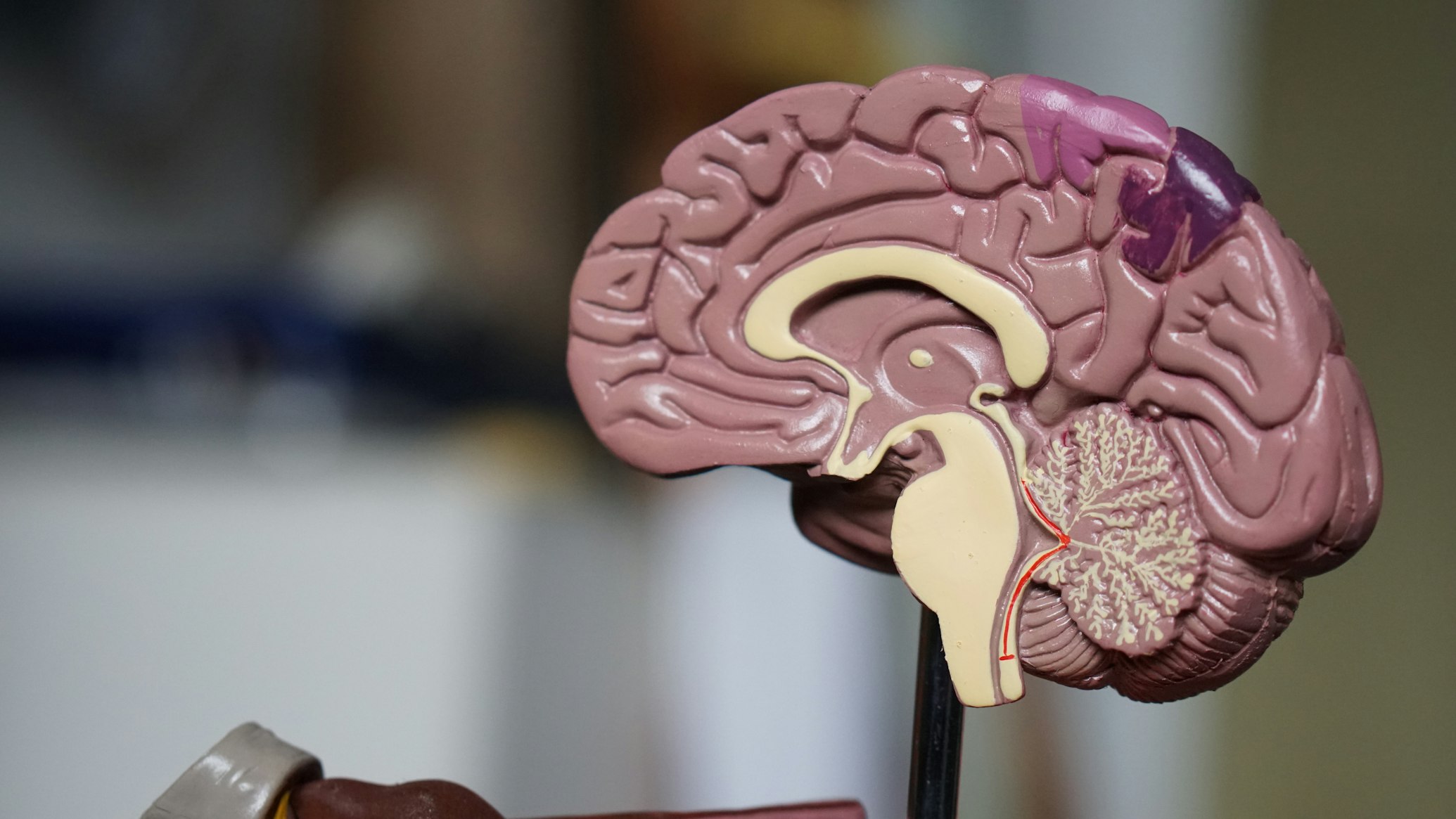
Renal epithelial cells form the functional units of the kidney, responsible for precise filtration and transport.
The Stopwatch in the Cell: How We See the Unseeable
So, how do scientists "see" transport events that happen in thousandths of a second? The toolkit is as ingenious as the discoveries it enables.
The core principle is to rapidly introduce a change to the cell and then use high-speed sensors to record the immediate consequences. This could involve:
Flash of Light
Using caged compounds—inert molecules that release an active substance instantly when hit with a specific wavelength of light.
Voltage Jump
Rapidly changing the electrical charge across the cell membrane to see how ion channels respond.
Rapid Solution Switching
Instantly swapping the fluid bathing one side of the cell to introduce a new substance or remove one.
The response is then captured using ultra-sensitive microscopes, electrodes, or fluorescent dyes that glow when they bind to a specific ion like calcium or sodium .
A Landmark Experiment: Catching a Calcium Wave in the Act
Let's zoom in on a pivotal experiment that showcased the power of this approach, investigating how the hormone ATP triggers calcium signals to control transport.
The Big Question
When a renal epithelial cell is stimulated by ATP (a signal for stress or increased workload), what is the exact sequence and timing of the calcium release inside the cell?
Methodology: A Step-by-Step Guide
The researchers used a technique called confocal fluorescence microscopy on live cells grown in a dish.
Loading the Sensor
The cells were loaded with a fluorescent dye that brightly glows only when it binds to free calcium ions.
Setting the Stage
A single cell was selected under the microscope, focused with a laser to track changes in fluorescence with high speed and precision.
The Trigger
A tiny pipette filled with an ATP solution was positioned near the cell. A precise pressure pulse ejected the ATP, bathing the cell in the hormone within milliseconds.
High-Speed Recording
The microscope began recording the fluorescence of the calcium-sensitive dye at a rate of hundreds of frames per second, creating a movie of the calcium signal as it unfolded.
Results and Analysis: The Story the Data Told
The results were stunningly clear. The calcium signal did not appear everywhere at once. Instead, it began at the apical (urine-facing) membrane as a sharp, intense "spark." This initial wave then propagated like a ripple across the cell, reaching the basolateral side and the nucleus.
Scientific Importance: This was a paradigm shift. It showed that the cell is not a simple bag of fluid; it has microdomains with precise timing. The apical membrane acts as the "command center" for initiating this specific signal. This spatial and temporal precision allows the cell to fine-tune its transport activity—perhaps opening apical channels first before activating pumps on the other side—in a perfectly orchestrated sequence. Disruption of this timing could be at the heart of numerous kidney diseases .
The Data: A Timeline of a Cellular Signal
| Time After ATP Stimulation | Observed Event | Interpretation |
|---|---|---|
| 0 - 50 ms | No detectable change. | Latency period; ATP is binding to its receptor. |
| 50 - 200 ms | Sharp increase in fluorescence at the apical membrane. | Initial calcium release from internal stores just under the apical membrane. |
| 200 - 500 ms | Wave of fluorescence spreads through the cell body. | Calcium-induced calcium release; the signal is propagating. |
| 500 ms - 2 sec | Signal reaches and increases in the nucleus. | The calcium wave communicates the signal to the genetic control center. |
| > 5 sec | Fluorescence gradually declines to baseline. | Calcium is being pumped out of the cytoplasm or resequestered; signal termination. |
Table 1: Timeline of ATP-Induced Calcium Signal in a Renal Epithelial Cell
| Cell Sample | Average Latency to First Signal (ms) | Peak Apical Fluorescence Intensity (Units) |
|---|---|---|
| Control (with ATP) | 58 ms | 450 |
| + Inhibitor Drug | 210 ms | 120 |
| Calcium-Free Medium | 65 ms | 155 |
Table 2: Quantifying the Signal Initiation
| Experimental Condition | Sodium Reabsorption Rate (arbitrary units) | Correlation with Calcium Peak Time |
|---|---|---|
| Normal ATP Response | 100% | Strong (fast peak = high rate) |
| Blunted Calcium Signal | 45% | Weak (slow peak = low rate) |
| No ATP Stimulation | 60% | N/A |
Table 3: Impact on Transport Function
Calcium signal intensity over time following ATP stimulation
The Scientist's Toolkit: Essential Research Reagents
What does it take to run such a precise experiment? Here's a look at the key tools in the modern cell physiologist's kit.
| Research Reagent / Tool | Function in the Experiment |
|---|---|
| Fluorescent Calcium Indicators (e.g., Fluo-4) | These are the "glowing detectives." They enter the cell and emit bright light when they bind to calcium ions, allowing scientists to visually track calcium concentration in real-time. |
| Caged Compounds | Molecular "sleeper agents." Inert molecules (e.g., caged ATP or caged IP3) are loaded into the cell. A flash of UV light "uncages" them, releasing the active molecule instantly and synchronously, allowing for precise timing of the stimulus. |
| Patch Clamp Pipettes | Incredibly fine glass pipettes that can form a tight seal with the cell membrane. They are used to measure tiny electrical currents from single ion channels or to introduce substances (like ATP) directly and rapidly to the cell surface. |
| Specific Inhibitors & Agonists | These are the "keys" and "locks." Inhibitors block specific channels or pumps (e.g., Thapsigargin blocks the calcium pump). Agonists mimic natural stimuli. They are essential for testing the role of each individual component in the transport machinery. |
| Genetically Encoded Biosensors | The new frontier! Scientists can genetically engineer the cell to produce its own fluorescent proteins that are tethered to specific transporters, allowing them to watch the protein's movement and activity directly. |

Advanced laboratory equipment enables precise measurement of cellular processes at millisecond resolution.
From Microscopic Clocks to Macroscopic Health
The ability to conduct time-resolved studies has transformed renal physiology from a static map into a dynamic, living film.
We now understand that the health of our kidneys relies not just on having the right parts, but on having them work together in a perfectly timed symphony.
By decoding these cellular rhythms, scientists are gaining unprecedented insights into diseases like hypertension, which is often linked to faulty sodium transport, or polycystic kidney disease, where cellular communication is broken. This knowledge opens the door to a new generation of therapies that don't just target the "what," but the "when"—drugs that can correct the timing of these intricate cellular processes, ensuring the unseen river within continues to flow in perfect harmony .
Health Implications
Understanding cellular timing could lead to breakthroughs in treating kidney diseases and hypertension.
Therapeutic Potential
Future medications may target the timing of cellular processes rather than just their components.
Research Frontiers
Time-resolved studies continue to reveal new insights into cellular function and communication.