Research Articles
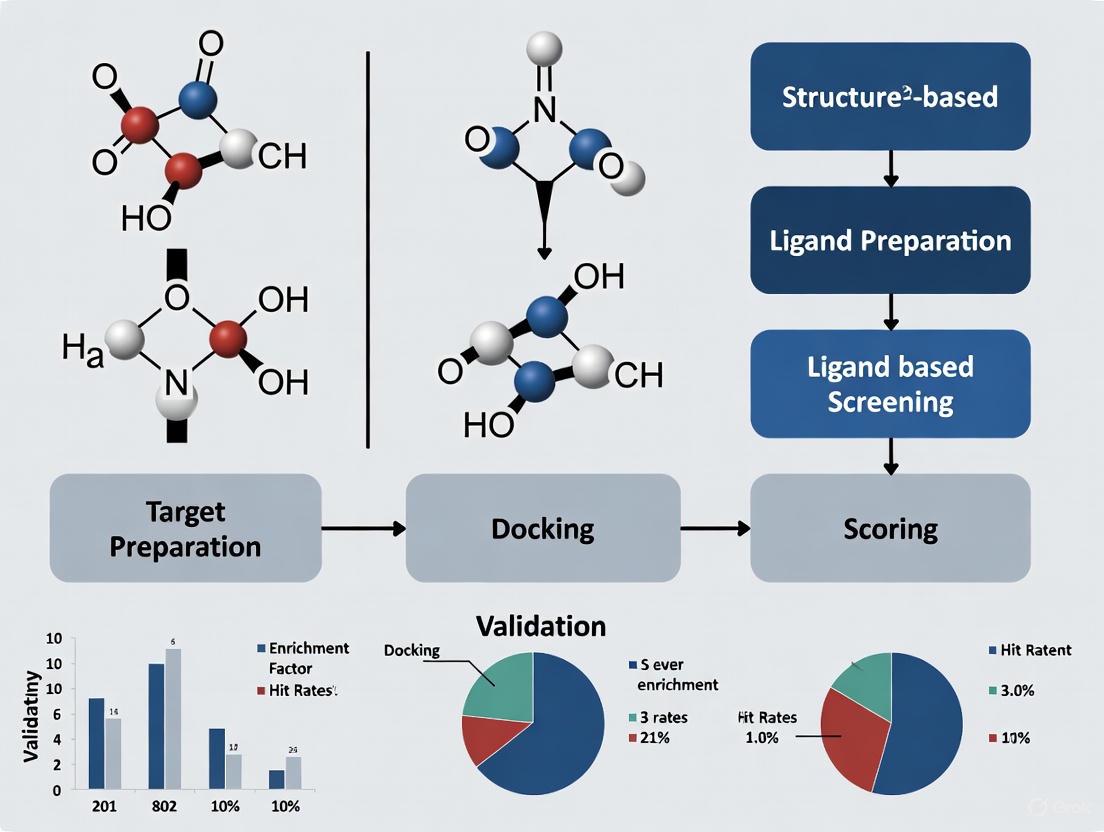
Structure-Based vs Ligand-Based Virtual Screening: A Comprehensive Guide to Methods, Validation, and AI-Driven Integration
This article provides a comprehensive examination of structure-based and ligand-based virtual screening (SBVS and LBVS) for researchers and drug development professionals.
Beyond Dry Docking: A Comprehensive Guide to Handling Water Molecules for Accurate Binding Affinity Prediction
This article provides a comprehensive guide for researchers and drug development professionals on the critical role of water molecules in molecular docking.
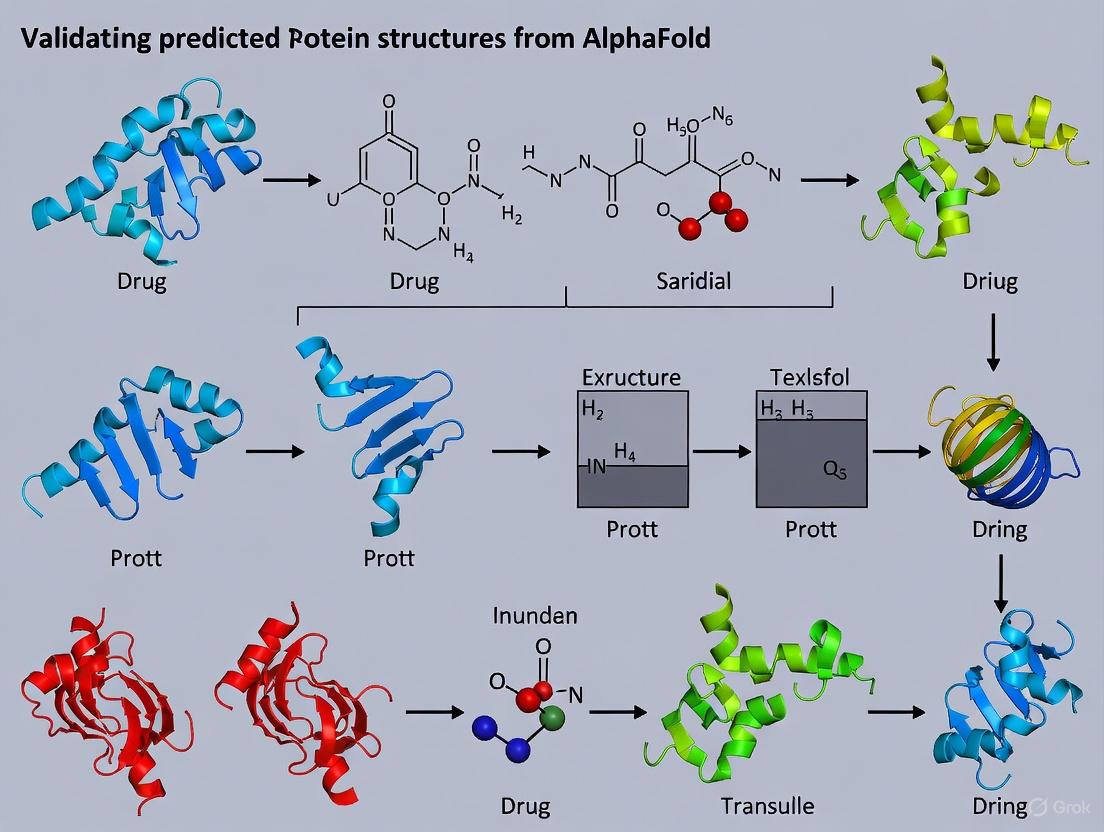
Beyond the Prediction: A Practical Guide to Validating AlphaFold Protein Structures for Biomedical Research
The advent of AlphaFold has democratized access to high-accuracy protein structure predictions, yet their effective use in research and drug development hinges on rigorous validation.
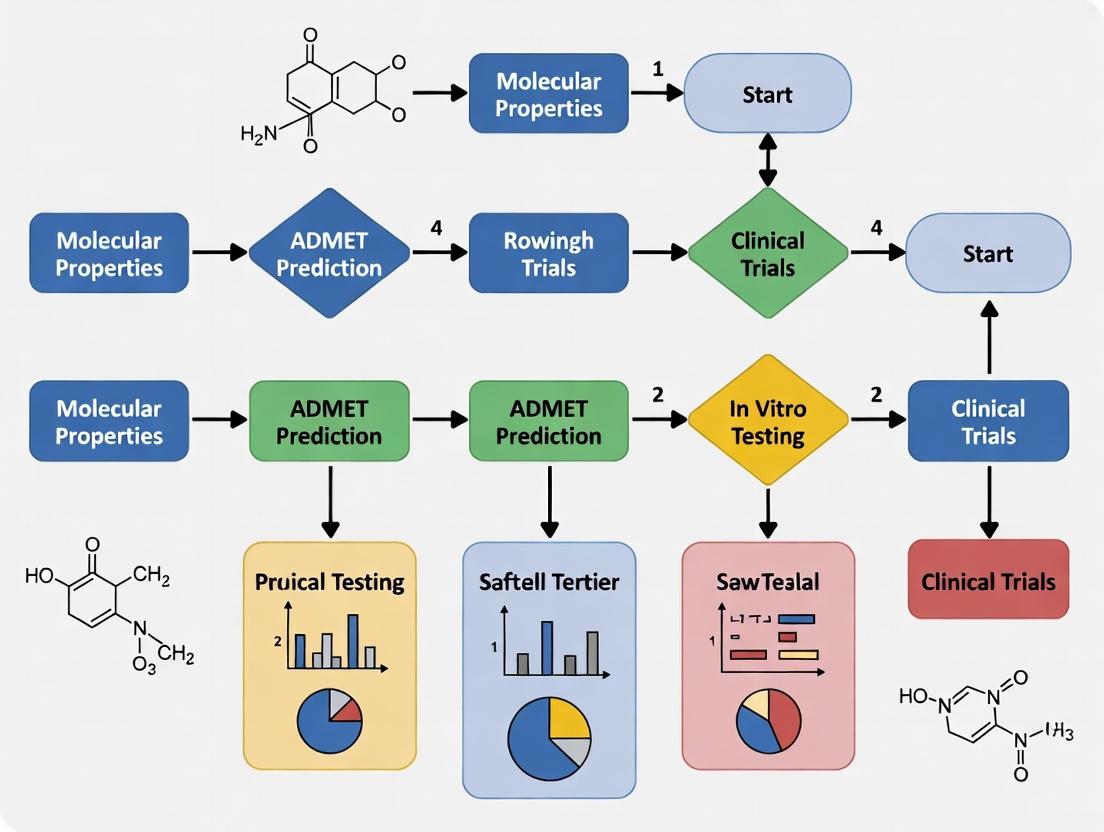
Next-Generation ADMET Prediction: Leveraging Machine Learning to Reduce Attrition and Accelerate Drug Discovery
This article provides a comprehensive overview of the transformative impact of machine learning (ML) on ADMET prediction in early drug discovery.
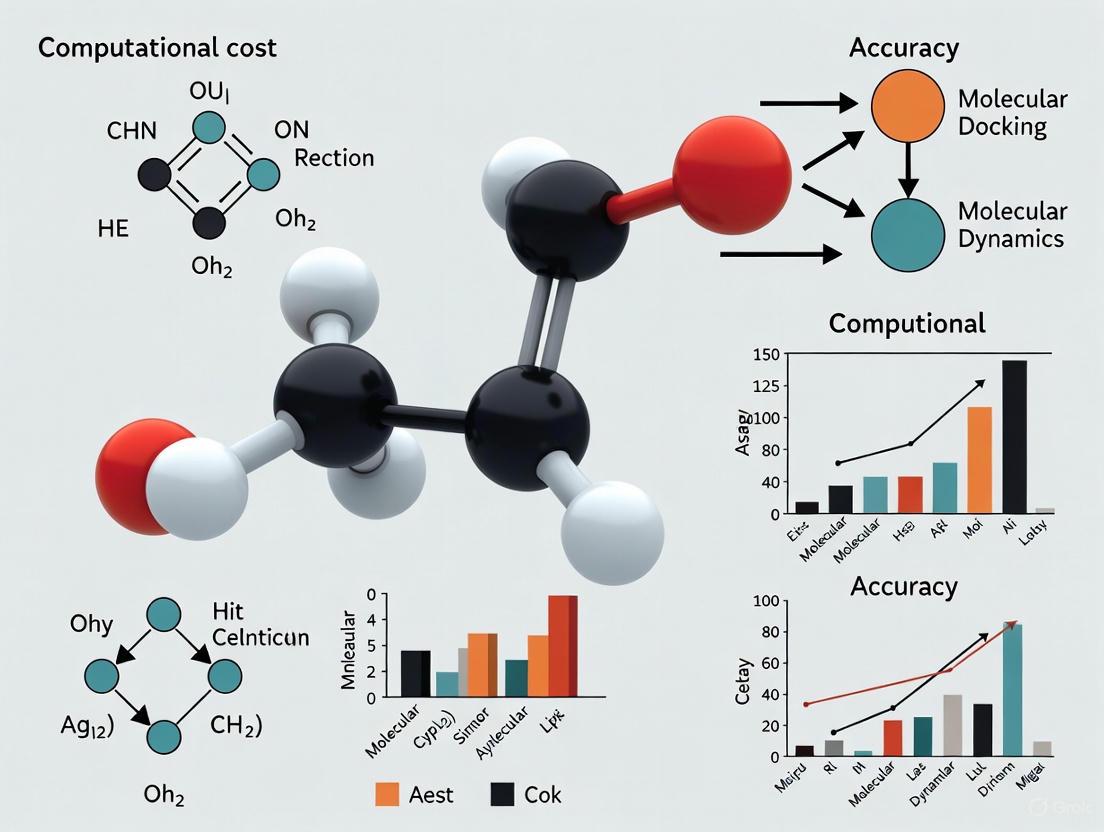
Strategic Balance: Optimizing Computational Cost and Accuracy in Modern Drug Design
This article explores the critical challenge of balancing computational cost and predictive accuracy in contemporary drug discovery.
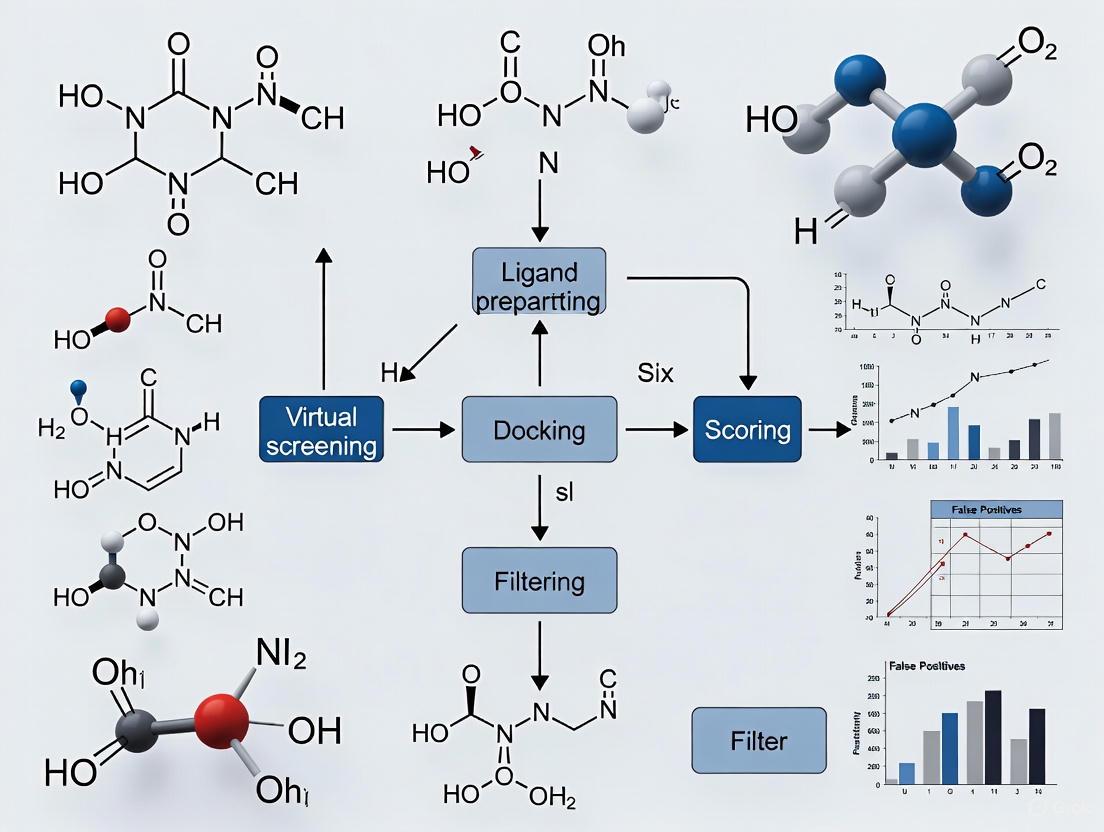
Strategies to Reduce False Positives in Virtual Screening: A Guide for Drug Discovery Scientists
This article provides a comprehensive guide for researchers and drug development professionals on addressing the pervasive challenge of false positives in structure-based virtual screening.
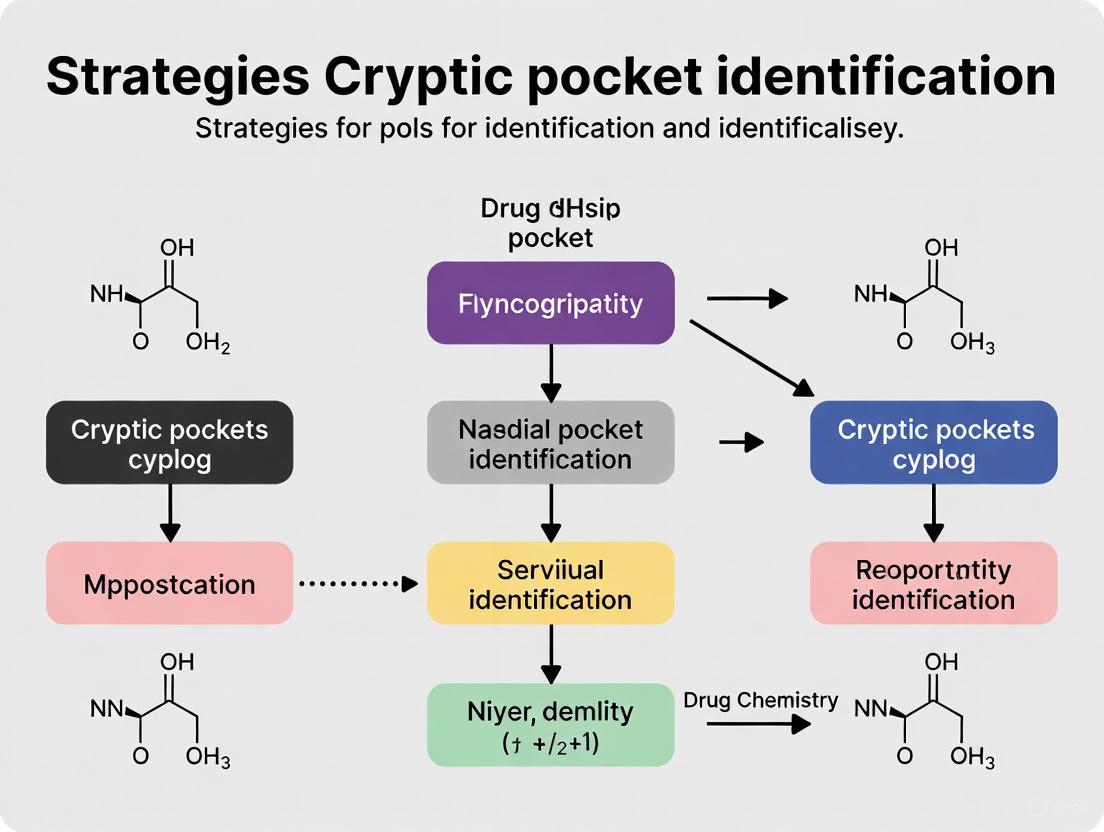
Unveiling Hidden Targets: Modern Computational Strategies for Cryptic Pocket Identification in Drug Discovery
Cryptic binding sites, transient pockets absent in ligand-free protein structures but present in ligand-bound forms, represent a promising frontier for targeting 'undruggable' proteins.
Optimizing Compound Libraries for Drug-Likeness: Strategies for AI-Driven Screening and Library Design
This article provides a comprehensive guide for researchers and drug development professionals on optimizing compound libraries to enhance the efficiency of hit discovery.
Beyond the Structure Gap: How AI and Computational Strategies Are Revolutionizing Drug Discovery
The limited availability of high-quality structural data has long been a critical bottleneck in drug discovery.
Overcoming Conformational Sampling Challenges in Macrocycles: From Computational Strategies to Therapeutic Applications
Macrocycles are promising therapeutic candidates capable of targeting traditionally undruggable interfaces, but their rational design is hampered by significant conformational sampling challenges.